
数字化转型

Search documents
中国交建:公司高度重视数据资产开发应用
Zheng Quan Ri Bao· 2026-02-27 12:06
Core Viewpoint - China Communications Construction Company (CCCC) is focusing on the development and application of data assets as a key part of its digital transformation strategy, aiming to enhance the value of data elements accumulated over decades in transportation infrastructure [2] Group 1: Company Strategy - The company has been deeply engaged in the design, construction, and operation of transportation infrastructure, particularly highways, for several decades [2] - CCCC is systematically advancing the organization, confirmation, and valuation of its data assets, which will be disclosed in periodic reports in compliance with accounting standards and information disclosure requirements [2] - The company places significant importance on the development and application of data assets, viewing it as a crucial lever for its digital transformation [2]


深度盘点:能效管理厂家有哪些?行业领军企业实力大比拼
Zhong Guo Neng Yuan Wang· 2026-02-27 11:45
Core Insights - The article emphasizes the shift in corporate energy utilization demands from simple equipment energy savings to comprehensive system efficiency improvements driven by dual goals of carbon neutrality and digital transformation [1] - Decision-makers are seeking strategic partners who can provide customized solutions that address specific industry pain points rather than just product suppliers [1] Group 1: Schneider Electric - Schneider Electric's core strategy is defined as "Digital + Electrification = Sustainability," leveraging the EcoStruxure™ architecture for a complete solution from interconnected products to digital consulting services [3] - The company excels in deep coverage across four major end markets, offering tailored solutions that integrate both strong and weak electrical systems for commercial buildings and comprehensive energy solutions for data centers [3][4] - Schneider Electric's unique advantage lies in its "consulting-led, software-driven" approach, utilizing AI to enhance operational efficiency and ensure that digital investments translate into tangible emissions reductions and business value [5] Group 2: Eaton - Eaton focuses on intelligent power management, utilizing the Brightlayer™ digital platform to optimize the performance and reliability of critical assets [6] - The company is renowned for its uninterruptible power supply (UPS) and distribution solutions, particularly in data centers and critical facilities [6] - Eaton's expertise is primarily in power supply continuity and energy quality, but it has limited engagement in broader carbon management consulting [6] Group 3: ABB - ABB combines engineering expertise with software through its ABB Ability™ digital solutions platform, focusing on efficient energy transmission and distribution [7] - The company has a strong presence in public utilities and infrastructure, particularly in high and medium voltage sectors, and is a key player in large energy infrastructure projects [7] - ABB's brand is more associated with large-scale engineering and heavy equipment, which may limit its appeal in commercial building energy efficiency [7] Group 4: Honeywell - Honeywell's core strength in energy efficiency management stems from its focus on "sensing and control," utilizing the Honeywell Forge platform to convert operational data into actionable insights [8][9] - The company excels in smart building solutions, optimizing HVAC and security systems to save energy [9] - Honeywell's focus is more on software analysis and weak current control, which may differ from the robust hardware integrity found in electrical-focused brands [9] Group 5: Johnson Controls - Johnson Controls specializes in smart, healthy, and sustainable buildings, with its OpenBlue platform connecting various building subsystems through big data and AI [10] - The company is particularly authoritative in HVAC optimization, addressing significant energy consumption issues in buildings [10][11] - Johnson Controls' solutions are less applicable outside the building environment, limiting its scope in industrial power distribution and broader infrastructure [11] Summary and Recommendations - The five leading brands in energy efficiency management each have distinct focuses: Eaton specializes in power protection, ABB dominates energy infrastructure, while Honeywell and Johnson Controls excel in sensing control and building environments respectively [12] - Schneider Electric stands out as a comprehensive partner capable of addressing the complexities of carbon neutrality challenges across various sectors, making it an optimal choice for companies seeking integrated energy solutions [12]


施耐德电气:以“源网荷”协同解锁新型电力系统卓越能效表现
Zhong Guo Neng Yuan Wang· 2026-02-27 11:45
在能源转型与"双碳"目标的双重驱动下,构建新型电力系统已成为必然趋势。这不仅仅是能源结构 的调整,更是对系统整体能效表现的严峻考验。随着新能源占比的不断提升,电力系统正从传统的"源 随荷动"转向复杂的"源网荷储"互动模式。施耐德电气作为全球能源技术和数字化转型的专家,致力于 通过电气化与数字化的深度融合,为新型电力系统提供从规划设计到运营维护的全生命周期解决方案, 推动实现高效与可持续发展。施耐德电气认为,真正的卓越能效表现,不仅体现在单一设备的节能,更 在于通过数字化手段实现系统级的优化调度与精细化管理,从而将可持续发展理念转化为切实的经济效 益。 在"荷"侧(即用电侧),尤其是数据中心等高能耗场景,能效表现直接关系到运营成本(PUE)。 施耐德电气通过引入AI与数字化技术,对存量设施进行精细化改造,实现了能效的跨越式提升。 以华北地区某银行数据中心为例,面对设备老旧和PUE居高不下的挑战,施耐德电气提供了"以旧 换新+氟泵改造+AI赋能"的组合拳方案。方案引入了以SmartCool为核心的AI节能应用,该技术基于机 房数据建模与实时动态监测,能够针对封闭冷通道微环境的突变进行秒级调整,通过自主学习和优化, ...
夏旻灏:从产品研发到打造养殖试验基地,蔚莱推动产学研一体与可持续发展┃穗风不惑
Nan Fang Nong Cun Bao· 2026-02-27 10:01
Core Viewpoint - The article discusses the advancements and contributions of Guangdong Weilai Biotechnology Co., Ltd. in the feed industry, emphasizing its commitment to sustainable development and the establishment of comprehensive animal testing platforms to support product efficacy and stability [8][12][41]. Group 1: Company Development - Weilai Biotechnology has developed a full-category animal testing platform to support the sustainable development of the feed industry [7][12]. - The company has transitioned from labor-intensive to technology-intensive operations, now moving towards a data-driven digital transformation [15][16]. - Weilai's first-generation modified plant sterol product, "Weilai No. 1," was launched in 2018, marking a significant milestone in its growth as a leading domestic producer of feed plant sterols [22][24]. Group 2: Research and Innovation - The company focuses on addressing industry pain points by developing alternatives to traditional drug additives, leading to the discovery of plant sterols as effective nutritional supplements [26][28]. - Weilai has invested significant resources in modifying plant sterols to overcome absorption barriers, enhancing their competitive edge in the market [29][31]. - The establishment of three animal testing platforms allows for the collection of application data across various food animal categories, contributing to product differentiation [30][31]. Group 3: Industry Impact - The core competitiveness of the feed industry is now centered on the accuracy of databases that support the practical application of feed additives [33][34]. - Weilai's animal testing bases are designed to validate the stability of feed products in real production scenarios, adhering to strict biological statistics and experimental design requirements [36][37]. - The operation of these testing bases reflects Weilai's strategic vision, fostering collaboration and reputation within the industry while contributing to the ecological development of feed technology in Guangzhou [39][41].

美的“带飞”18年,厦门本土小厂成亚洲包装龙头
Guan Cha Zhe Wang· 2026-02-27 09:53
Core Insights - The article highlights the transformation of China's manufacturing industry from a cost advantage to a comprehensive capability advantage within the global manufacturing supply chain restructuring [1] - Midea Group's strategic collaboration with Xiamen Hexing Packaging marks a significant milestone in its journey to empower suppliers and accelerate the globalization of its To B business [1][4] Group 1: Partnership Evolution - The partnership between Midea and Hexing began in 2007, initially focusing on basic packaging for home appliances [3] - Over 18 years, Hexing has evolved into a leading packaging company in Asia, while Midea has transformed into a global supply chain leader, shifting their collaboration from single product supply to a comprehensive global industrial ecosystem [4] Group 2: Empowerment Mechanisms - Midea's empowerment strategy includes a multidimensional support system centered on management, technology, and digitalization, enhancing the collaborative capabilities across the supply chain [4] - Midea has implemented its MBS lean management model and stringent quality management systems in Hexing's development, facilitating a comprehensive management empowerment process [5] Group 3: Digital Transformation - Midea is driving Hexing's transformation from a traditional packaging company to a "packaging + IoT solutions" provider, resulting in an 8% reduction in packaging costs, a 15% decrease in transportation damage rates, and a 12% cut in logistics costs [5] Group 4: Globalization Strategy - Midea's "same boat" globalization strategy extends its supplier empowerment, crucial for the global rollout of its To B business [7] - Midea has over 40 years of overseas experience, having established resources in Southeast Asia, and Hexing has rapidly set up factories in Thailand and Indonesia in response to Midea's localization strategy [8] Group 5: New Market Development - The collaboration has expanded from traditional packaging to high-end manufacturing sectors such as energy storage and industrial robotics, reflecting Midea's strategic focus on new business areas [9] - Hexing's development of customized packaging solutions for energy storage and industrial robots illustrates the shift from single product supply to comprehensive solution offerings [9] Group 6: Financial Growth and Future Investments - Midea's To B business revenue has exceeded 100 billion yuan for two consecutive years, with plans to invest over 60 billion yuan in advanced fields like renewable energy and artificial intelligence over the next three years [11] - The partnership with Hexing exemplifies Midea's approach to driving industry-wide capability upgrades through data sharing, joint innovation, and mutual benefits [11] Group 7: Industry Implications - The collaboration model between Midea and Hexing provides valuable insights for the high-quality development of China's manufacturing industry amid the shift from inter-company competition to inter-industry competition [12] - The synergy between Midea's technological advancements and Hexing's rapid response capabilities fosters a positive cycle of collaborative development within the supply chain [13]


RGF薪酬观察2026:中国大陆篇
Sou Hu Cai Jing· 2026-02-27 08:51
Group 1 - The report "RGF Salary Observation 2026: Mainland China Edition" analyzes current recruitment market dynamics and salary trends, highlighting the dual characteristics of "fine matching" and "internal empowerment" driven by economic structural adjustments and technological innovation [1][2] - In 2025, recruitment demand is expected to show a cautious trend in the first three quarters, followed by a 31% year-on-year growth in the fourth quarter, indicating a gradual recovery in market confidence [1][2] - Job seekers' willingness to pursue new opportunities has increased, with a 32% year-on-year rise in the third quarter, reflecting a synchronization of talent mobility with industrial structural adjustments [1][2] Group 2 - Nearly half of employers identify mismatched salary expectations as a primary reason for recruitment failures, while 33% cite internal salary inversion as a significant challenge in salary management [2][3] - Once salary meets candidates' "satisfaction line," career development opportunities become the most valued non-monetary factor, with 57% of respondents prioritizing it over company culture and work flexibility [2][3] - Average market salaries are projected to see a slight increase in 2026, with some high-demand positions experiencing salary hikes of up to 20%, particularly in healthcare sales and new retail roles, while high-end talent in AI and autonomous driving may see increases of up to 30% [2][3] Group 3 - Companies are advised to develop more flexible and effective compensation systems that align with their development stages and talent strategies, rather than solely relying on external salary benchmarks [3] - For professionals, understanding the underlying value logic of compensation and continuously enhancing skills and contributions remain essential for achieving salary growth [3] - The trends of specialization and internationalization in the talent market are expected to become more pronounced, necessitating compensation strategies that balance global standards with local practices for mutual growth [3]
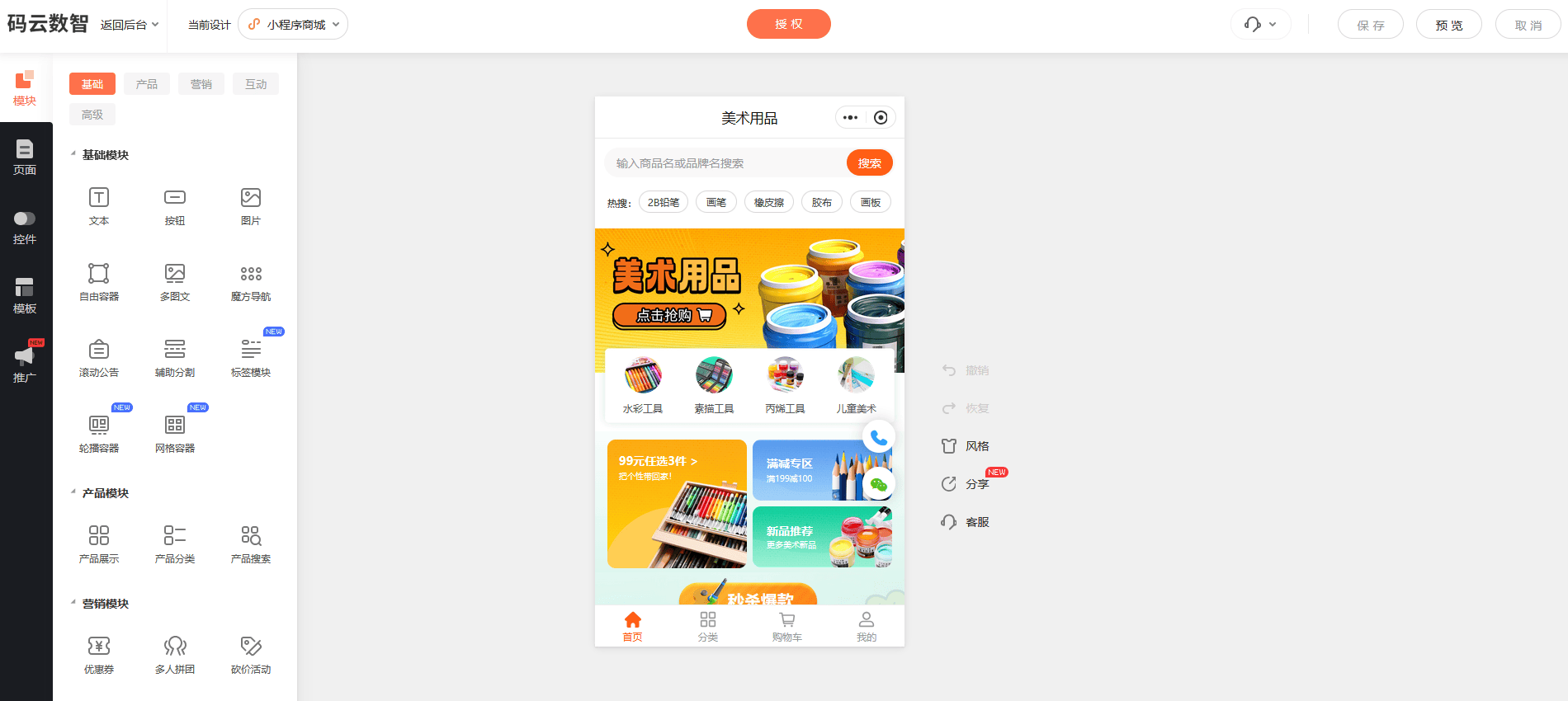
微信小程序商城怎么制作,微信小程序店铺怎么开
Sou Hu Cai Jing· 2026-02-27 08:32
Core Insights - The article discusses the advantages of two platforms, Maimai Smart and Youzan, for creating mini-program malls, emphasizing their suitability for different types of businesses. Group 1: Platform Characteristics - Maimai Smart is positioned as a "zero-code, high-efficiency, high-cost-performance" solution, ideal for small businesses and individual merchants with limited budgets, allowing them to set up a complete mall in about 30 minutes with a basic annual fee typically around a thousand yuan, without transaction commissions [3][4]. - Youzan is described as a "private domain operation aircraft carrier," offering comprehensive features for professional users, including social marketing tools like live streaming and multi-channel distribution, with a basic annual fee starting at 6,800 yuan, making it suitable for medium to large businesses with dedicated operational teams [4]. Group 2: Steps to Create a Mini-Program Mall on Maimai Smart - The process begins with registering an account on the Maimai Smart website and selecting a mini-program mall template from over 2,000 available options tailored to various industries [6]. - The platform allows for visual page decoration through a drag-and-drop interface, enabling users to customize layouts and preview changes in real-time [13]. - Users can manage products by uploading images, descriptions, prices, and configuring shipping templates, including multi-specification settings for products [15]. - Marketing features such as group buying, flash sales, and discount coupons can be configured to enhance customer engagement and conversion rates [16]. - A WeChat mini-program account must be registered, and the necessary credentials (AppID and AppSecret) must be integrated into the Maimai Smart platform for payment processing [16][17]. - Compliance with regulatory requirements is necessary, including submitting business licenses for mini-program approval, which typically takes 1-3 working days [18]. - Once approved, the mini-program mall goes live, and ongoing operations can be monitored through the platform's backend to optimize marketing strategies based on user data [19].
东航飞机健康管理系统实现支持国产民机
Zhong Guo Min Hang Wang· 2026-02-27 08:31
Core Viewpoint - Eastern Airlines' "Ruiyan" aircraft health management system has successfully achieved comprehensive technical support for domestic aircraft models C909 and C919, marking a significant advancement in the aviation maintenance sector driven by data [1][2] Group 1: Technological Advancements - The "Ruiyan" system enables real-time monitoring of key aircraft parameters and constructs intelligent predictive models, facilitating the normalization of predictive maintenance practices [1] - The system enhances the efficiency of fault handling by allowing operational control departments to promptly grasp aircraft fault conditions, thereby improving coordination of maintenance resources and flight schedule adjustments [1] Group 2: Development and Support for Domestic Aircraft - The project team has developed message parsing functions tailored to the unique system architecture of the C909 and C919, and has assisted engineers in constructing predictive maintenance models for these aircraft [2] - This progress ensures the autonomy and control of core technologies, providing technical support for the safe operation of domestic aircraft [2] Group 3: Future Prospects - Eastern Airlines plans to continue strengthening independent research and development of the "Ruiyan" system, aiming to cover more aircraft models and support the company's digital transformation [2]

麒麟信安:2025年净利润亏损5919.08万元
Xin Lang Cai Jing· 2026-02-27 08:21
Core Viewpoint - Kirin Xin'an reported a revenue of 310 million yuan for the fiscal year 2025, representing a year-on-year growth of 8.41%. However, the company incurred a net loss of 59.19 million yuan, compared to a net profit of 7.94 million yuan in the same period last year [1]. Group 1 - The company benefited from the steady implementation of the Xinchuang industry and the ongoing digital transformation across various sectors [1]. - The company focused on key industry customer demands and continued to advance product iteration and technological innovation [1]. - There was steady growth in revenue from the power and special industries, while the company actively expanded into government, finance, education, transportation, and healthcare sectors [1]. Group 2 - The expansion into various sectors effectively drove the collaborative development of the company's three core product lines: operating systems, cloud computing, and information security [1].

东航打造智慧维修手册管理平台
Zhong Guo Min Hang Wang· 2026-02-27 08:20
Core Insights - Eastern Airlines has developed the "Ruiyan" maintenance manual platform, which integrates deep manual analysis and AI translation, to promote the digital and intelligent transformation of maintenance operations [1][2] Group 1: Platform Development - The "Ruiyan" platform addresses limitations of the existing manufacturer manual platform, which has become inadequate due to the expansion of the fleet, increased complexity of aircraft types, and rising safety and efficiency demands [1] - The platform features a complete closed-loop management system, from deep manual analysis and intelligent translation to customized revisions and multi-terminal access [1] Group 2: Technological Integration - The platform has achieved data integration with Eastern Airlines' Technical Document Management System (TDMS), allowing direct reference to bilingual manuals and structured engineering documents [2] - It can interface with the "Ruiyan" Aircraft Health Management Platform, enabling one-click access to troubleshooting manuals and linking fault codes with manual content [2] Group 3: Implementation and Accessibility - The platform has been implemented in the maintenance work for the A320 aircraft, with plans for gradual rollout to other aircraft types [2] - It supports flexible access on both PC and mobile terminals, allowing maintenance personnel at any Eastern Airlines location to access the latest and most standardized manual guidance [2]