数字孪生

Search documents
原子层沉积技术,至关重要
半导体行业观察· 2026-01-24 02:39
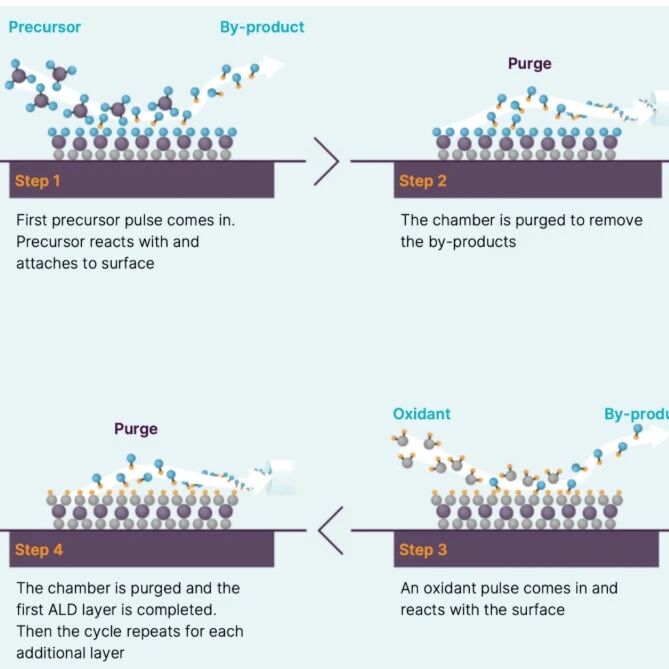
Core Viewpoint - The article discusses how atomic layer deposition (ALD) and mixed dielectric materials are redefining the reliability and scalability of semiconductors in the AI era, emphasizing the shift from traditional transistor scaling to advanced materials engineering to meet the demands of high-power AI systems [1][21]. Group 1: Importance of ALD in Semiconductor Manufacturing - ALD has become an essential technology for addressing challenges in semiconductor manufacturing, particularly in front-end processes, due to its atomic-level thickness control [2][21]. - The precision of ALD allows for the creation of new compounds and nanolaminates with specific electrical, mechanical, or thermal properties, which are crucial for advanced semiconductor devices [2][3]. - ALD's self-limiting surface chemistry enables uniform deposition even in complex geometries, making it vital for gate-all-around technology and other intricate structures [3][7]. Group 2: Challenges and Innovations in Material Engineering - The transition to three-dimensional device architectures necessitates new materials that can maintain electrical, mechanical, and chemical stability under extreme conditions [1][21]. - The complexity of modern semiconductor structures increases the need for precise control over material deposition, as even minor variations can lead to significant performance issues [3][9]. - Engineers are leveraging simulation and machine learning to explore design spaces and optimize material properties, which is essential for the development of next-generation AI accelerators [10][21]. Group 3: Interface and Reliability Concerns - As dielectric layers become thinner and more complex, the reliability of semiconductor devices increasingly depends on the interfaces between layers, which can introduce mismatches leading to delamination or breakdown [16][18]. - The use of ALD allows for fine-tuning of these interfaces, which is critical for maintaining device performance as the thickness of films approaches atomic scales [17][21]. - Long-term reliability is influenced by the evolution of the entire stack structure under thermal and chemical cycling, necessitating careful design and integration of materials [18][21]. Group 4: Mixed Dielectric Strategies - The industry is moving towards hybrid dielectric integration strategies that combine ALD with other deposition methods like CVD and PECVD to enhance mechanical strength and thickness [19][22]. - These mixed strategies allow for the creation of conformal seed layers with ALD, followed by thicker films from other methods to achieve desired mechanical properties [20][22]. - The integration of various deposition techniques reflects a broader trend towards combining multiple technologies to meet specific functional requirements in semiconductor manufacturing [22][21].

【总台央视】《中国展览经济发展报告2025》发布:国内展会数量与面积再创新高
Xin Lang Cai Jing· 2026-01-23 13:09
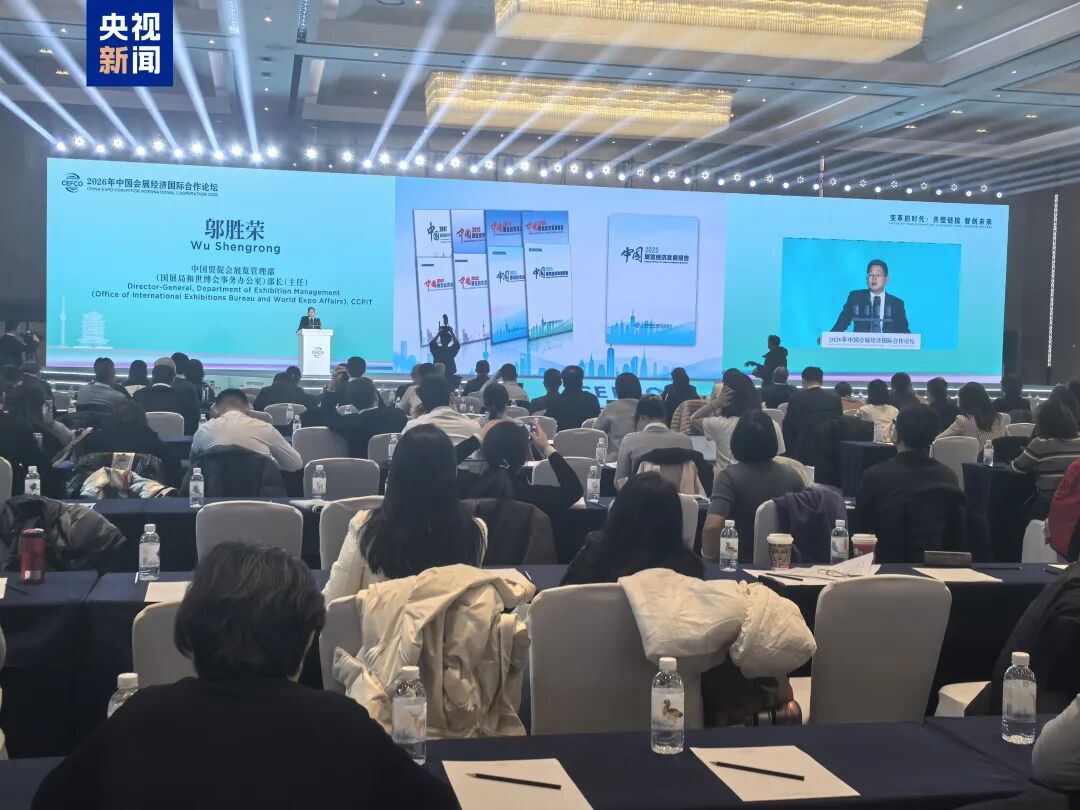
Core Insights - The "China Exhibition Economy Development Report 2025" indicates that the domestic exhibition industry in China continues to show steady progress, with record highs in both the number and area of exhibitions [1][4]. Group 1: Exhibition Statistics - In 2025, China hosted a total of 4,095 trade exhibitions, covering an exhibition area of 15.9 million square meters, representing year-on-year growth of 6.53% and 2.5% respectively [4][10]. - The eastern region of China accounts for over 60% of the total number and area of trade exhibitions, with the Beijing-Tianjin-Hebei, Yangtze River Delta, and Pearl River Delta regions contributing 53.85% of the total number and 62.48% of the total area of exhibitions [3][9]. Group 2: Regional Growth Trends - The central and western regions of China are experiencing rapid growth in the number of exhibitions, with year-on-year increases of 11.51% and 14.94% respectively [5][9]. Group 3: Digital and Green Transformation - The exhibition industry is undergoing significant digital and green transformation, with advancements in technologies such as artificial intelligence and digital twins driving improvements in digitalization levels [7][12]. - The overseas exhibition sector is characterized by overall stability and structural optimization, with mechanical and transportation logistics being the most represented industries among Chinese enterprises participating in international exhibitions [12].
凡拓数创:公司在空间智能技术领域,尤其是AI三维重建方向,已构建了深厚的技术积累和差异化优势
Zheng Quan Ri Bao Wang· 2026-01-23 10:55
Core Viewpoint - The company, Fantuo Digital Innovation (301313), has established a strong technical foundation and differentiated advantages in the field of spatial intelligence technology, particularly in AI 3D reconstruction [1] Group 1: Technology and Innovation - The core technologies of the company include 3DGS, AR interaction, self-developed 3D engine, and industry-level model datasets, which have been validated through vertical scene applications [1] - The self-developed FTE engine combines deep learning and Gaussian splashing algorithms to achieve high-precision environmental perception and dynamic modeling [1] - The AI 3D digital twin engine and simulation capabilities are the core underlying technologies of the company's spatial intelligence, featuring multi-physical field simulation capabilities to model complex environmental variables [1] Group 2: Application and Impact - In industrial robot scenarios, the company utilizes intelligent analysis of multi-view images/videos to generate interactive 3D scenes through 3D reconstruction, while providing AI algorithm support for robotic arm trajectory planning and obstacle avoidance training [1] - The virtual environment constructed by the engine supports millions of action iterations in robot training, significantly shortening the training cycle compared to traditional training methods [1]
中国办展面积创新高,展会经济将成城市竞争新赛道
Di Yi Cai Jing· 2026-01-23 05:19
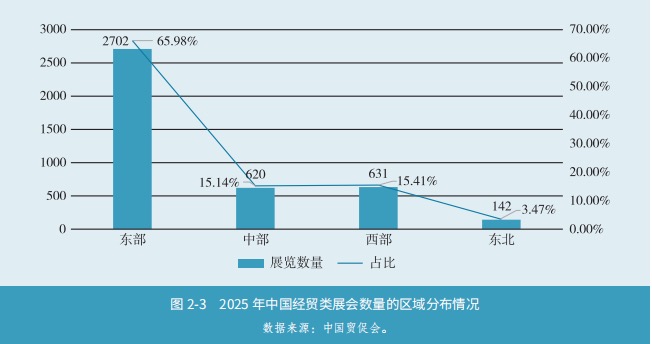
Core Insights - The exhibition economy in China is projected to reach historical highs in 2025, with 4,095 trade exhibitions and a total exhibition area of 159 million square meters [1][2]. Group 1: Industry Trends - Emerging hotspots for exhibitions include cutting-edge fields such as artificial intelligence and smart connected vehicles, with 28 Chinese exhibitions making it to the global top 100 list, ranking second worldwide [2]. - The number of exhibitions in the central and western regions is growing faster than the national average, indicating a shift in the regional exhibition landscape [3]. Group 2: Regional Dynamics - In 2025, the eastern region will host 2,702 trade exhibitions, accounting for 65.98% of the total, while the central and western regions will see slight increases in their shares, with 620 and 631 exhibitions respectively [3]. - The 20th China Western International Expo attracted over 3,000 enterprises from 62 countries and regions, with a total investment of 354.3 billion yuan, highlighting its significance as a gateway for western development [3]. Group 3: Exhibition Scale and Structure - The number of small to medium-sized exhibitions (10,000 to 30,000 square meters) increased by 24.26%, while large exhibitions (over 100,000 square meters) grew by 15.03% [5]. - Industrial and technology exhibitions lead the industry distribution, making up 21.87% of the total, followed by consumer goods and residential services at 11.5% [5]. Group 4: International Exhibition Projects - In 2025, overseas exhibition projects are primarily concentrated in Asia and Western Europe, with Asian projects increasing by 16.07% to 520, representing 41.3% of the total [6]. - The actual transaction amount from overseas exhibitions rose by 19.09%, with an average transaction value per event increasing by 14.16% [6]. Group 5: Government Support and Policy - Local governments are implementing diverse support systems for the exhibition industry, including financial incentives and policy measures to stimulate growth [7][8]. - Initiatives such as integrating exhibitions with consumption, trade, and cultural tourism are being promoted to enhance the overall economic impact of the exhibition sector [8]. Group 6: Future Development - The exhibition industry is expected to transition towards digitalization and sustainability, with a focus on creating a low-carbon exhibition environment [10]. - The competition among cities in the exhibition economy is intensifying, with international cities aiming for world-class exhibitions and regional cities focusing on national-level events [10].
预计增速超230%!摩尔线程2025年营收有望突破15亿元,国产全功能GPU迈入规模商用阶段
Mei Ri Jing Ji Xin Wen· 2026-01-22 09:44
Core Viewpoint - The domestic GPU sector is experiencing significant growth, with Moores Threads projecting a revenue increase of 230.70% to 246.67% in 2025, reaching between 1.45 billion to 1.52 billion yuan, marking a pivotal moment for the commercialization of domestic GPUs [1][2] Group 1: Revenue Growth and Market Demand - Moores Threads' revenue is expected to surge from 438 million yuan in 2024 to over 1.45 billion yuan in 2025, driven by external market demand and internal technological breakthroughs [2] - The year 2025 is identified as the "year of large-scale deployment of AI models," with a significant increase in demand for high-performance computing across various sectors, particularly under the ongoing domestic substitution policies [2][7] - The flagship product, MTT S5000, based on the fourth-generation GPU architecture, is set to achieve mass production in 2025, serving as the core engine for revenue growth [2][3] Group 2: Product Performance and Technological Advancements - The MTT S5000 supports large-scale model training and has demonstrated high efficiency and performance, achieving a linear expansion efficiency of 95% and effective training time exceeding 90% [2][3] - The S5000 has established new benchmarks for domestic inference performance, with throughput exceeding 4000 tokens/s for Prefill and 1000 tokens/s for Decode [3] - Moores Threads has successfully transitioned from technology development to large-scale commercialization, with the S5000 operating stably in complex scenarios [3][8] Group 3: Strategic Investment and R&D Commitment - The GPU industry is characterized by high capital and talent intensity, and Moores Threads has chosen a challenging path by focusing on full-function GPUs, which require breakthroughs in various computing capabilities [4][6] - The company has invested over 4.3 billion yuan in R&D from 2022 to mid-2025, with funds primarily directed towards developing new AI training and inference chips [6] - Moores Threads aims to build a comprehensive competitive strategy through sustained high-intensity R&D investments, reflecting its long-term vision [6][8] Group 4: Market Position and Future Outlook - The demand for domestic AI computing is projected to grow at an annual rate exceeding 50%, creating a substantial market for domestic GPUs [7] - Moores Threads is one of the few companies in China pursuing a full-function GPU technology route, which enhances user stickiness and ecosystem expansion [7] - The core team, with extensive experience from international GPU giants, is driving the company towards achieving competitive product performance and market presence [7][8]
一文彻底看懂6G
3 6 Ke· 2026-01-22 04:35
Core Insights - The Chinese government has announced significant advancements in 5G infrastructure, with 4.838 million base stations built and over 1.2 billion users, marking the largest and most advanced information infrastructure globally [1] - The development of 6G has entered its second phase, with over 300 key technologies already reserved, indicating a strong commitment to future advancements in mobile communication [1][27] Group 1: Definition and Differences between 6G and 5G - 6G, or the sixth generation of mobile communication technology, is officially referred to as IMT-2030, as designated by the International Telecommunication Union [3] - Unlike 5G, which primarily focuses on speed, 6G aims for a revolutionary integration of the physical, biological, and digital worlds, enhancing overall connectivity and functionality [6][8] Group 2: Key Technologies and Applications of 6G - The key technological directions for 6G include AI-native communication, integrated communication and sensing, and enhanced spectrum efficiency, among others [12] - 6G is expected to support six major application scenarios, including immersive communication, ultra-reliable low-latency communication, and AI integration, expanding the capabilities beyond those of 5G [14][16] Group 3: Performance Metrics and Capabilities - 6G is projected to achieve peak rates of 50 Gbps to 2 Tbps, significantly surpassing 5G's capabilities [23] - Key performance indicators for 6G include a user experience rate of 1-10 Gbps, latency as low as 0.1 ms, and a connection density of up to 1 billion devices per square kilometer [24] Group 4: Development Timeline and Future Outlook - The timeline for 6G development includes significant milestones, such as the establishment of the IMT-2030 promotion group in 2019 and the initiation of standard development by 3GPP expected by 2029 [28][39] - The first commercial systems for 6G are anticipated to be launched around 2030, with a full-scale deployment expected by 2035 [41]

2026-2032年能量路由器行业深度研究及趋势前景预判专项报告
Xin Lang Cai Jing· 2026-01-21 13:49
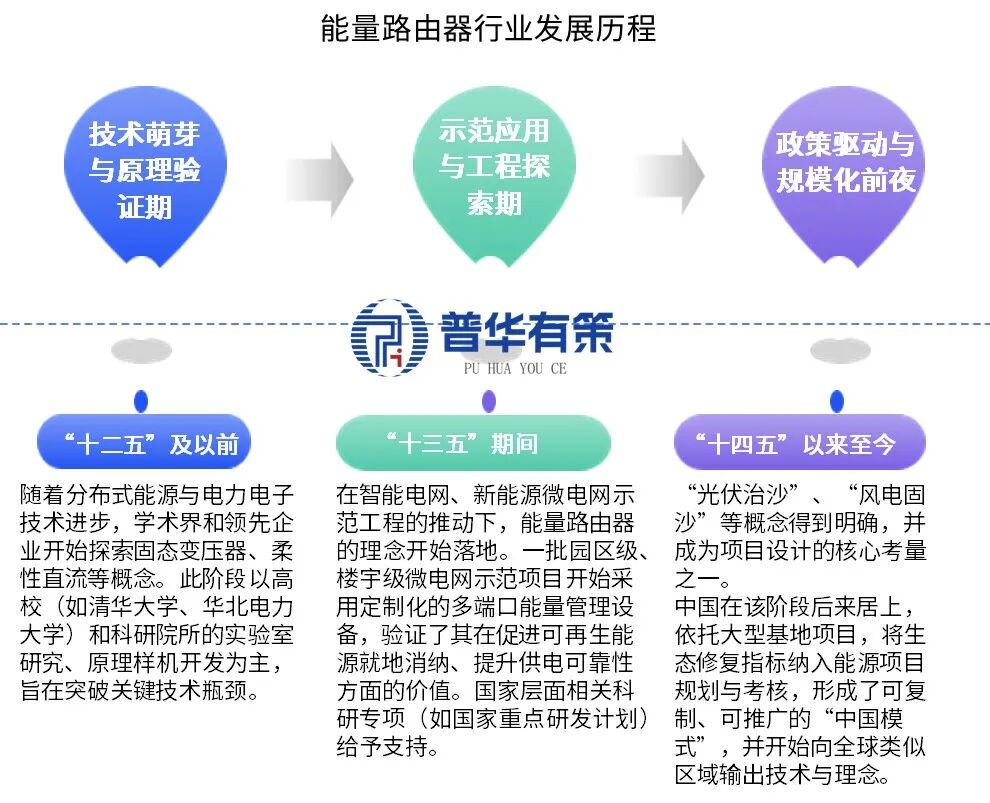
Industry Overview - The concept of "energy router" is not yet standardized in official Chinese documents, but its core functions align with national definitions for the high-quality development of new power systems and distribution networks [1] - Energy routers are seen as key physical carriers for integrating large-scale distributed renewable energy, supporting new energy storage, and enabling two-way interaction with users [1] - They represent a new generation of power electronic, digital, and intelligent distribution equipment, essential for flexible energy conversion, precise control, optimized distribution, and information coupling [1] Industry Development Stages - The industry is transitioning from demonstration applications to large-scale commercialization, with continuous iterations in technology routes (e.g., next-generation products based on SiC) and decreasing costs [4] - Market demand is shifting from grid-side driven "rigid upgrades" to user-side "economic-driven" dual forces, with accelerated product standardization, although mature business models are still being explored [4][26] Industry Value Chain Summary - The energy router industry chain includes upstream raw materials and core components, midstream equipment manufacturing and system integration, and downstream application investment and operation services [5] - Upstream components include power semiconductor devices (IGBT/SiC modules), high-frequency magnetic materials, specialized control chips, sensors, and high-end capacitors, which are crucial for performance and cost [5] - The domestic production rate of IGBT is increasing, but high-end SiC devices still rely on imports, highlighting a need for strengthening the supply chain [5][27] Key Drivers of Industry Development - The energy router industry's growth is driven by multiple macro forces [29] - Strong policy support is fundamental, with the "dual carbon" goal setting the tone for energy transformation and clear quantitative targets for distributed renewable energy by 2030 [30] - The structural changes in energy supply and demand, driven by the explosive growth of distributed solar and wind energy, necessitate the upgrade of traditional passive distribution networks to active smart grids [31] - The arrival of a technological economic inflection point, with declining costs of power electronics and energy storage, makes the construction of complex power electronic systems feasible [32] - The deepening of electricity market reforms provides clear economic returns for energy routers, stimulating investment in related technologies and business models [33] - Increasing frequency of extreme weather events raises societal demands for reliable power supply, making energy routers essential for resilient distribution networks [34] Industry Trends - The industry faces significant technological barriers due to the multidisciplinary nature of energy routers, requiring long-term technical accumulation and continuous R&D investment [37] - High market and qualification barriers exist, as new products must undergo lengthy testing and certification processes to meet stringent safety and reliability standards [38] - Capital and scale production barriers are prominent, as substantial and ongoing capital investment is needed for R&D, testing, and achieving cost competitiveness [38] - System integration and ecological barriers are critical, as future competition will focus on comprehensive solutions and ecosystem integration, necessitating strong design and development capabilities [39]
崔曙平委员:深化系统性改革,推动南京城市更新 能级跃升
Yang Zi Wan Bao Wang· 2026-01-21 13:44
Core Insights - Nanjing's municipal government emphasizes urban renewal as a key driver for high-quality development, leading to significant achievements and innovative paths unique to the city [1] - Challenges remain in urban renewal efforts, including insufficient systematization and coordination, leading to fragmented projects and a lack of effective integration [1] - Recommendations include enhancing planning and design, innovating policies and regulations, diversifying funding sources, applying new technologies, and fostering public participation [2][3] Group 1: Urban Renewal Strategies - Urban renewal is seen as essential for adapting to changes and promoting high-quality urban development, with a call for learning from advanced domestic and international experiences [1] - A "city update health assessment" system is proposed to create a comprehensive "asset map" for informed decision-making [2] - The establishment of "update units" for better spatial organization and integration of related areas is recommended to maximize land value and public benefits [1] Group 2: Policy and Regulatory Innovations - The exploration of "mixed-use land" and "floor area ratio incentives" aims to stimulate market vitality while balancing public interests [2] - Suggestions include streamlining approval processes and enhancing the business environment to improve service efficiency [2] - Addressing property rights issues is crucial for ensuring fair and transparent urban renewal pathways [2] Group 3: Financial and Commercial Models - A diversified financing system is proposed, including the establishment of a "Nanjing Urban Renewal Development Fund" to attract social capital with tax incentives [2] - The promotion of an "operational pre-positioning" business model is suggested to ensure long-term project viability and brand value [2] - A "cross-project balance" mechanism is recommended to maximize overall benefits by bundling public and commercial projects [2] Group 4: Technological and Community Engagement - The application of "digital twin" technology is encouraged to enhance the entire urban renewal cycle and support smart community development [2] - A comprehensive public participation mechanism is proposed to empower residents in decision-making regarding community updates [3] - Strengthening grassroots organizations and governance capabilities is essential for effective community-led renewal efforts [3]
天健集团(000090) - 000090天健集团投资者关系管理信息
2026-01-21 09:10
Group 1: Company Overview - The company focuses on urban construction, comprehensive development, and urban services [1] - It aims to accelerate green and low-carbon transformation, establishing ultra-low energy consumption building standards [1] - The company is expanding its business in external construction markets such as Dongguan, Zhaoqing, Ganzhou, and Hainan [1] Group 2: Urban Construction Sector - The company is enhancing the application of construction machinery in engineering, achieving automation in measurement, positioning, and quality inspection [1] - It is promoting the standardized design and intelligent production of prefabricated construction, advancing the application of BIM technology throughout the construction process [1] Group 3: Comprehensive Development Projects - The company is actively advancing several urban renewal projects, including: - The Luohu Jincui urban renewal project, with a demolition area of approximately 34,521 m², which is included in the 2021 Shenzhen major projects [1] - The Longhua Huafu Industrial Zone project, covering about 52,923.4 m², which will include residential and commercial facilities [1] Group 4: Urban Services Sector - The company is developing a smart maintenance system to enhance the management of urban infrastructure [2] - It is involved in land preparation services, with ongoing projects like the Tianjian and Junfu projects [2] - The company is expanding its commercial operation services, including asset management and project planning [2] Group 5: Urban Village Renovation - The company’s subsidiary, Tianjian Chengfa, specializes in urban renewal, providing comprehensive services for over 60 projects [3] - The Luohu Luoling area renovation project is a pilot project under Shenzhen's urban village renovation policy, covering approximately 12.06 hectares [4] Group 6: Research and Innovation - The company emphasizes technological innovation and has established multiple research centers in collaboration with universities and research institutions [5] Group 7: Strategic Development - The company aims to strengthen its core capabilities in urban construction and services, focusing on reform and technological innovation to foster new business models [6]

中国经济一月纪事丨开年冲刺!平陆运河建设日新月异
Yang Guang Wang· 2026-01-21 03:03
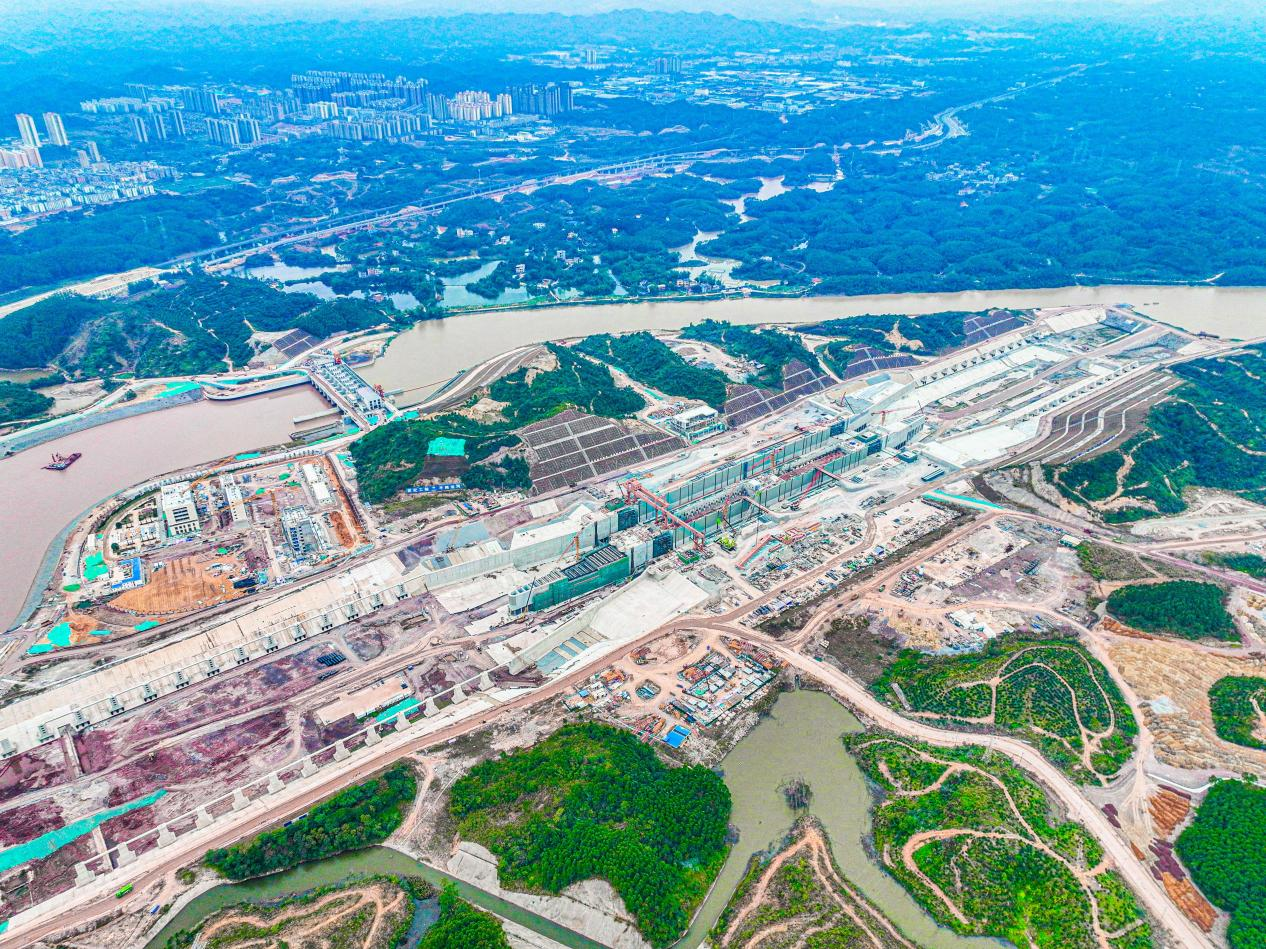
Core Viewpoint - The construction of the Pinglu Canal, a significant infrastructure project in Guangxi, aims to enhance the logistics capabilities of the southwestern region of China by providing a direct waterway to the sea, thereby reducing transportation costs and improving efficiency [1][4]. Group 1: Project Overview - The Pinglu Canal is the first canal in New China that connects rivers to the sea, with a total investment of approximately 72.7 billion yuan and a length of 134.2 kilometers [1][2]. - The canal will allow 5,000-ton vessels to travel directly from the southwestern region to the sea, fundamentally changing the shipping landscape for the area [4][5]. Group 2: Construction Progress - As of now, the construction of the Youth Hub has reached 96% completion for concrete pouring, with 60% of the metal structure installed, and is expected to be completed by the end of February [2][5]. - The project includes 134.2 kilometers of 5,000-ton navigation channels, three double-line ship locks, and 27 newly constructed or renovated bridges [5][12]. Group 3: Engineering Challenges - The Pinglu Canal faces significant engineering challenges, including a water level difference of 65 meters between its starting and ending points, which is equivalent to the height of a 22-story building [5][6]. - The Ma Dao Hub, the largest control project of the canal, features a unique water-saving design that can save over 1 billion tons of water annually [6][12]. Group 4: Technological Integration - The project employs a digital twin platform utilizing Beidou, cloud computing, and artificial intelligence to monitor construction progress in real-time, significantly enhancing efficiency and safety [12][17]. - The construction management system allows for efficient data collection and analysis, improving operational oversight and decision-making [12]. Group 5: Economic Impact - Once completed, the Pinglu Canal is expected to create the shortest, most economical, and convenient maritime route for the inland regions of Guangxi and the southwestern and northwestern areas of China, facilitating cross-border supply chain development [12][13]. - The canal will play a crucial role in transforming regional resource advantages into economic growth, linking the ASEAN region, the Beibu Gulf Economic Zone, the Chengdu-Chongqing Economic Circle, and the Guangdong-Hong Kong-Macau Greater Bay Area [12].