自由贸易

Search documents
持续扩大互利合作 更好造福两国人民
Xin Lang Cai Jing· 2026-01-01 22:54
Core Viewpoint - The message from President Xi Jinping to Swiss President Parmelin highlights the positive progress in the upgrade of the China-Switzerland Free Trade Agreement (FTA) negotiations, emphasizing the importance of bilateral cooperation in the face of rising unilateralism and protectionism [1] Group 1: Bilateral Relations - The FTA upgrade negotiations have made significant progress under President Parmelin's leadership, reflecting a high level of development in China-Switzerland relations [1] - The year 2026 marks the 10th anniversary of the China-Switzerland innovative strategic partnership, coinciding with the start of China's 14th Five-Year Plan, presenting broad opportunities for innovative cooperation between the two countries [1] Group 2: Global Trade Context - The collaboration between China and Switzerland in supporting free trade serves as a stabilizing factor for global development and prosperity amid current challenges [1] - The commitment to expand mutually beneficial cooperation is aimed at enhancing the well-being of both nations' peoples [1]
习近平向瑞士新任联邦主席致贺电
Yang Shi Wang· 2026-01-01 12:04
Core Viewpoint - The communication between Chinese President Xi Jinping and Swiss Federal President Parmelin highlights the strengthening of Sino-Swiss relations, particularly through the advancement of the free trade agreement negotiations initiated during Xi's 2017 state visit to Switzerland [1] Group 1: Bilateral Relations - The free trade agreement upgrade negotiations have made positive progress under President Parmelin's leadership [1] - Both countries are committed to supporting free trade amidst rising unilateralism and protectionism, reflecting the high-level development of Sino-Swiss relations [1] Group 2: Future Opportunities - The year 2026 marks the 10th anniversary of the Sino-Swiss innovative strategic partnership and the beginning of China's 14th Five-Year Plan, presenting broad opportunities for innovation cooperation between the two nations [1] - There is a strong emphasis on expanding mutually beneficial cooperation to elevate Sino-Swiss relations to new heights for the betterment of both peoples [1]
新加坡全年实现超预期4.8%经济增长
Xin Lang Cai Jing· 2026-01-01 03:18
Group 1 - Singapore's economy is projected to achieve an unexpected growth of 4.8% in 2025, surpassing the government's previous expectation of around 4% [1] - The growth forecast was revised upward from an earlier range of 1.5%-2.5% in November, indicating stronger resilience in the global economy [1] - The demand surge in the semiconductor and electronics sectors, driven by artificial intelligence, has significantly benefited Singapore's economy [1] Group 2 - The Prime Minister highlighted the challenges of maintaining this growth rate, emphasizing the need to reassess and update economic strategies to remain competitive [1] - A first round of proposals to address economic challenges will be announced soon, with the Ministry of Trade and Industry predicting a slowdown in GDP growth to a range of 1%-3% next year [1] - Strengthening the social safety net to protect employment amid increasing trade tensions and the rise of artificial intelligence is a top priority [1] Group 3 - The ruling People's Action Party has achieved a decisive victory in the May elections, and although the next election is not until 2030, the party is already looking for future leadership [2]
美意外出现经济奇迹的谜底:特朗普的饭票政治学
Sou Hu Cai Jing· 2025-12-31 04:27
Group 1 - The core economic growth of 4.3% in the U.S. during Trump's administration is seen as a significant achievement compared to other major economies [1][3] - Trump's economic strategy focuses on reducing government size and bureaucracy, aiming to alleviate the tax burden on American citizens [3][5] - The third quarter GDP growth of 4.3% exceeded market expectations, driven by increased consumer spending, government expenditure, and a rise in exports [3][5] Group 2 - Despite strong economic data, there are underlying risks such as rising inflation, with the core PCE price index reaching 2.9%, above the Federal Reserve's target [5][6] - The labor market shows signs of weakness, with unemployment rates rising to the highest level since 2021, indicating potential challenges in job creation [5][6] - Trump's policies prioritize immediate economic benefits for American households, reflecting a pragmatic approach to governance that emphasizes job stability and consumer confidence [6]

深刻认识建设中国特色自由贸易港的基本规律和时代价值(深入学习贯彻习近平新时代中国特色社会主义思想)
Ren Min Ri Bao· 2025-12-30 01:08
Core Viewpoint - The construction of Hainan Free Trade Port is a significant national strategy personally planned, deployed, and promoted by General Secretary Xi Jinping, emphasizing the importance of high-level opening up and the commitment to economic globalization [1][4][12]. Group 1: Importance of Hainan Free Trade Port - The official launch of the full island closure of Hainan Free Trade Port marks a milestone in high-level opening up and reflects China's determination to expand openness [1][5][12]. - Hainan Free Trade Port is positioned as a crucial experimental field for national reform and opening up, showcasing China's commitment to a more open world economy [4][12][15]. Group 2: Policy Framework and Implementation - The policy framework for Hainan Free Trade Port focuses on trade and investment liberalization, cross-border capital flow, and personnel mobility, establishing a system that promotes free and orderly movement of data [5][10][13]. - The construction of the Free Trade Port is guided by a phased approach, with specific goals set for 2025 and 2035 to establish a mature policy and operational system [9][14]. Group 3: Global Economic Integration - Hainan Free Trade Port aims to enhance China's integration into the global economy, serving as a new frontier for cooperation and a driving force for economic globalization [5][12][15]. - The port's establishment is seen as a response to rising unilateralism and protectionism, reinforcing China's role as a responsible major power in promoting an open world economy [4][12][15]. Group 4: Institutional Innovation - Institutional innovation is central to the development of Hainan Free Trade Port, focusing on overcoming deep-seated systemic barriers to enhance the quality of opening up [10][14]. - The port's policies are designed to facilitate a higher level of trade and investment liberalization, contributing to the transformation from factor dividends to institutional dividends [13][14]. Group 5: Lessons for Developing Countries - The experience gained from constructing Hainan Free Trade Port offers valuable insights for developing countries seeking to integrate into the global economy while maintaining their independence [17]. - China's approach to building a free trade port serves as a model for other nations aiming to establish their own open economic strategies [17].
美企高管委屈巴巴,抱怨中方太过霸道,不允许美国稀土加工自主化
Sou Hu Cai Jing· 2025-12-29 02:11
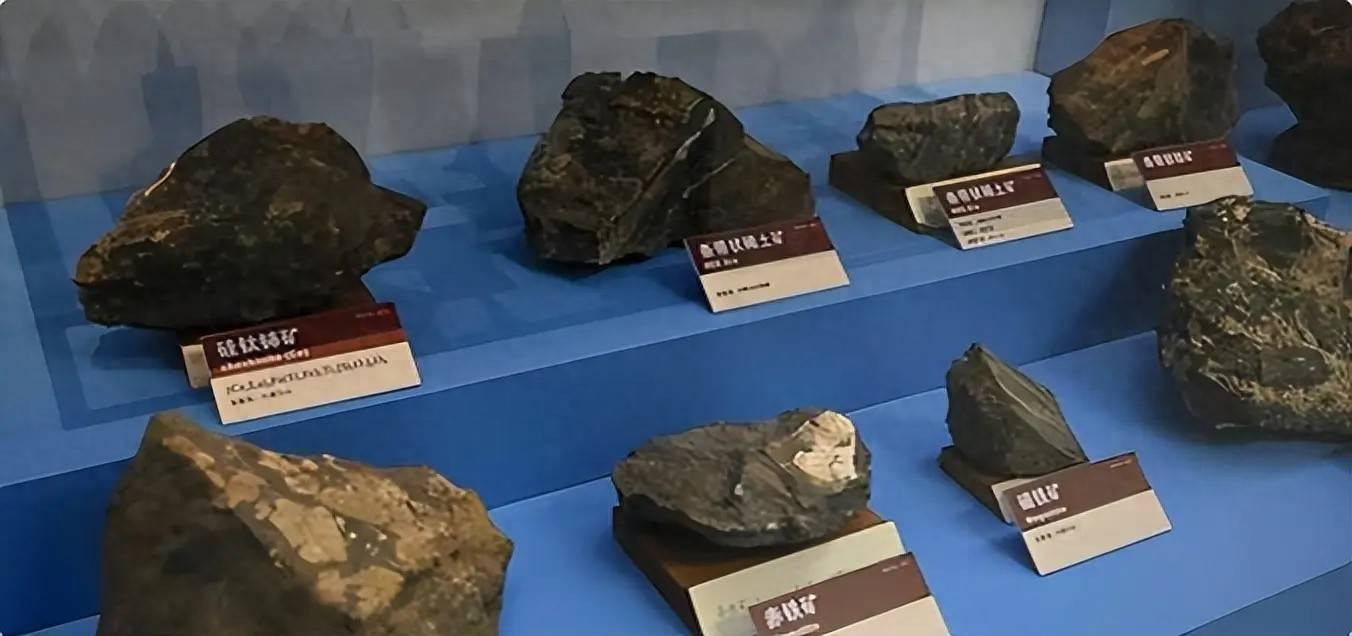
Group 1 - The core viewpoint of the article suggests that China's export control policy on rare earths is perceived as a means to hinder the U.S. from establishing its own rare earth processing industry, raising questions about the fairness of such restrictions [1][5][10] - Despite China temporarily suspending its export controls on rare earths to the U.S., it continues to limit the export of raw materials, which is seen as an obstacle for the U.S. in developing its rare earth processing capabilities [3][5] - The article argues that the responsibility for the U.S.'s inability to build a rare earth processing industry lies with the U.S. itself, as it has previously signed agreements with multiple countries for rare earth mining, indicating that raw materials are available globally [3][5] Group 2 - The U.S. has announced plans to impose tariffs on semiconductor products from China starting June 2027, citing concerns over China's pursuit of dominance in the semiconductor industry, which reflects a broader trend of U.S. protectionism [5][7] - The article highlights a contradiction in U.S. trade policy, where it advocates for free trade but resorts to intimidation and suppression in sectors where it fears being surpassed by China [7][10] - The narrative suggests that the U.S. fails to acknowledge its own shortcomings and instead blames China for its declining position, indicating a lack of self-reflection in U.S. policy [10]
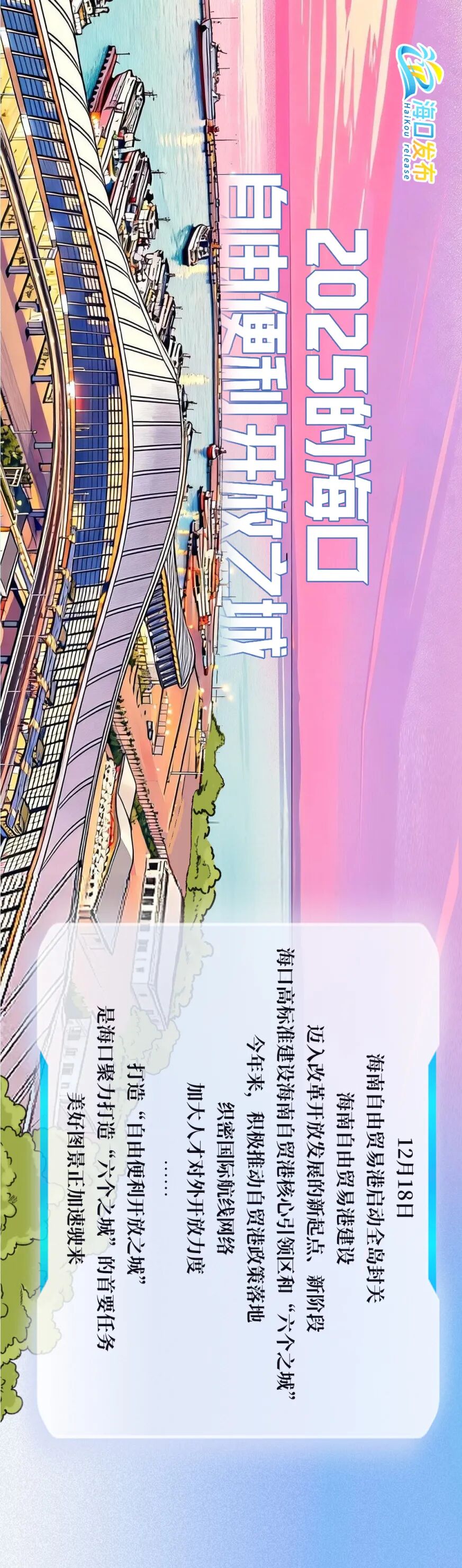
画说2025·海口“六个之城”图景① | 自由便利开放之城
Xin Lang Cai Jing· 2025-12-27 13:34
转自:海口发布 卧要首的"烟≤个六" 当Ttt 集口商品 "对大炕开响到由自" 当Tt 来来越武五景图书美 、 81 世界策划群贸自位批财界,,来年企 关楼岛全体自费展贸由自南函 澳大大大大大 线事都是贸由自南副 888 ati 12月18日 : "和立个》 F THE F TK TANZEN A WAS llen will (互觉) "肖口赴二" F k | H 111 好验室中美 its Q t th F HINETO in 178:5 ET T W T 网 时 F di 2017 pk and and a -9 :1 NE IHe er l Fr o 爰音歌 A IES CALL L I - vore Fire T 3 P 木戏战戏大 的新闻网 - www.padd.com - www.papp.com - www.alaws.com.com - www.com D 2 tims II IT HEN 超级味真菜如影贸 口出抵品产或晴再,無处赏出我切習大 大" 大"共转轨道发点发 1988年度自觉得调 DERETHE 群口武 . TINSTOLE F TCT callilling accom :汇ShI1 ...
格鲁吉亚的东方之约
Xin Lang Cai Jing· 2025-12-26 08:48
Core Insights - Georgia is China's first free trade partner in the Eurasian region, highlighting the strengthening economic ties between the two countries [1] - China has consistently been Georgia's largest export market and the third-largest trading partner, providing significant development opportunities for Georgia [1] - The participation of Georgia as a guest country at the 8th China International Import Expo (CIIE) showcases its commitment to expanding trade relations with China [1] Trade Opportunities - Georgian products such as wine, mineral water, honey, and dried fruits are rapidly entering the Chinese market, indicating a growing demand for these goods [1] - The CIIE serves as a platform for Georgia to present its unique products to a broader audience in China, enhancing its visibility and market access [1] - The increasing export of Georgian goods to China reflects the tangible benefits of the trade relationship, contributing to Georgia's economic growth [1]
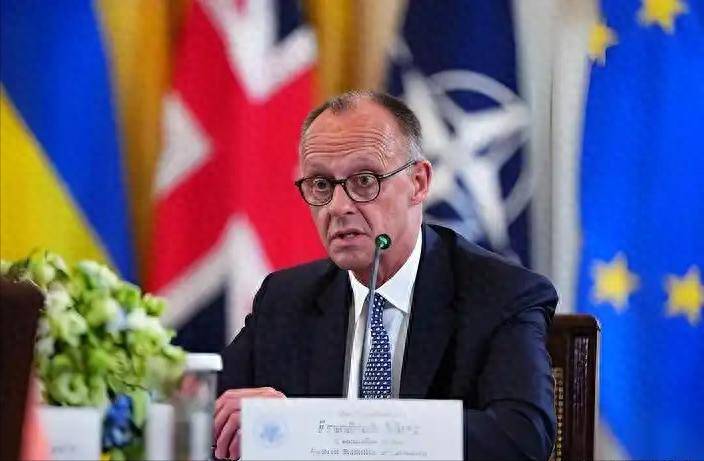
默茨也没想到,自己辛辛苦苦扛起欧洲,却让法国整成笑话!
Sou Hu Cai Jing· 2025-12-26 06:09
Core Viewpoint - The ongoing Russia-Ukraine conflict has led to a significant rift between Germany and France, undermining the EU's unity and complicating financial strategies regarding frozen Russian assets and trade agreements [1][4][8] Group 1: Germany's Position - Germany's new Chancellor Merz proposed to utilize 17 trillion RMB (approximately 2.1 billion euros) of frozen Russian assets to support Ukraine, but faced unexpected opposition from France [1] - Merz has adopted a hardline stance, advocating for aggressive defense and infrastructure spending, aiming to position Germany as a leader in EU decision-making [3][4] - The failure to secure consensus on the handling of Russian assets and trade agreements has left Merz in a difficult position, highlighting the fragility of EU unity [6] Group 2: France's Position - French President Macron's opposition to the asset proposal reflects his concerns over legal risks and domestic financial pressures, as France faces high debt and political instability [1][3] - Macron's cautious approach contrasts sharply with Germany's aggressive policies, indicating a shift in the traditional Franco-German partnership dynamics [4][8] - The alignment of France with Italy against the proposed free trade agreement with the Southern Common Market underscores the challenges in reaching consensus within the EU [4][6] Group 3: EU Dynamics - The discord between Germany and France has resulted in a lack of progress on key issues, such as the long-stalled free trade agreement, which has been under negotiation for nearly 26 years [4] - The internal divisions within the EU, exacerbated by financial constraints and differing national interests, threaten the bloc's ability to respond effectively to external challenges [8] - The contrasting strategies of Germany and France may lead to increased internal conflict within the EU, complicating future efforts to achieve cohesion and collective action [8]
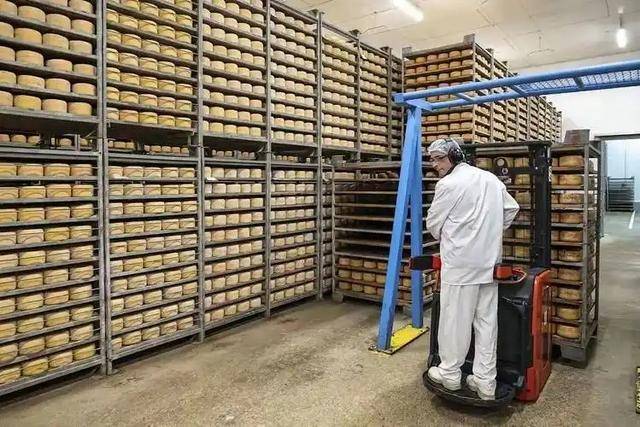
24小时已过!中方收费准时开始,卢拉通知欧盟:再不签协议就晚了
Sou Hu Cai Jing· 2025-12-25 03:28
Group 1 - China's temporary anti-subsidy tax on EU dairy products has come into effect, marking a significant trade response [1][5][6] - The EU is facing multiple challenges, including Brazil's ultimatum regarding the long-discussed free trade agreement with the EU [3][16] - The EU's agricultural policies, particularly the Common Agricultural Policy, have allowed its dairy products to be sold at artificially low prices in China, leading to accusations of unfair competition [9][11] Group 2 - The imposition of the anti-subsidy tax is a response to the substantial damage caused to local Chinese dairy companies by subsidized EU imports [11][15] - The investigation into EU dairy subsidies revealed that a significant number of the companies involved are French, highlighting the role of France in the EU's agricultural policy [26][28] - Brazil's President Lula has expressed frustration over the EU's reluctance to finalize the trade agreement, indicating a shift towards seeking partnerships with other markets, including China [22][39] Group 3 - The EU's dual approach of subsidizing its farmers while restricting imports from South America has been criticized as hypocritical and unsustainable [20][32] - The current trade dynamics suggest that if the EU continues its protectionist policies, it risks being isolated in the global market [41][46] - The situation serves as a warning to the EU about the consequences of maintaining a double standard in trade practices, as emerging markets are increasingly unwilling to accept such tactics [43][44]