高水平对外开放

Search documents
锻造“投资江苏”金招牌,打造高水平对外开放新高地
Xin Hua Ri Bao· 2026-01-05 22:26
Group 1 - The article emphasizes the importance of expanding high-level opening-up and promoting integrated development of trade and investment, as well as internal and external trade [1] - Samsung Electronics has begun mass production of ultrasound machines at its Suzhou factory, marking a significant reinvestment to embrace China's high-level opening-up opportunities [2][3] - The Suzhou factory has become Samsung's only overseas home appliance R&D center, showcasing a complete capability from R&D to high-end manufacturing [3] Group 2 - The production efficiency at the Suzhou factory is highlighted, with refrigerators being produced every 16 seconds and washing machines in less than 10 seconds, supported by a robust supply chain [3][4] - The proximity of the Suzhou Industrial Park to the Suzhou Port provides a competitive advantage, allowing for lower logistics and storage costs, which enhances global competitiveness for foreign enterprises [4] - The Suzhou Industrial Park has attracted over 5,200 foreign investment projects, with actual foreign capital utilization exceeding 42 billion USD, making it a key area for cross-border investment in China [4][5] Group 3 - Jiangsu province is actively promoting trade and investment integration, aiming to stabilize foreign trade and attract foreign investment through various initiatives and events [6][7] - The province plans to enhance its industrial system and improve operational efficiency for foreign enterprises, leveraging its comprehensive industrial coverage [7][8] - Policies are being implemented to stimulate foreign investment growth, including tax incentives for reinvestment and attracting foreign strategic investments [8]
国家发展改革委:长江经济带十年来地区生产总值占全国比重从42.2%提升到47.3%
Xin Hua Cai Jing· 2026-01-05 06:59
Core Viewpoint - The Yangtze River Economic Belt has achieved significant ecological and economic progress over the past decade, with a focus on ecological priority and green development, leading to improved water quality and increased GDP contribution to the national economy [1] Group 1: Ecological Progress - The proportion of good water quality in the Yangtze River Economic Belt has increased from 67% to 96.5% over the past ten years [1] - The GDP of the region has more than doubled, rising from 42.2% to 47.3% of the national total [1] - The concept of "big protection, not big development" has been effectively implemented, leading to significant pollution control in key areas such as industrial and agricultural sectors [1] Group 2: Technological and Industrial Innovation - The integration of technological and industrial innovation in the Yangtze River Economic Belt has accelerated, with a focus on fostering emerging and future industries [2] - The length of high-level navigable waterways has increased from 8,000 kilometers to 11,000 kilometers, and cargo throughput at mainline ports has grown by 71% to reach 4.2 billion tons [2] - The establishment of international technology innovation centers in Shanghai, Wuhan, and Chengdu-Chongqing regions has led to the emergence of competitive innovative enterprises [2] Group 3: Cultural Heritage and Community Well-being - The cultural heritage along the Yangtze River has been preserved and promoted, with significant archaeological discoveries and the establishment of the Yangtze National Cultural Park [3] - The flood control and disaster reduction system in the Yangtze River basin has been improved, protecting lives and property [3] - The per capita disposable income of residents has increased from 23,000 yuan to 44,000 yuan, representing a growth of 91% [3]
阔步而行的中国为2026的世界注入信心
Xin Lang Cai Jing· 2026-01-05 02:16
Group 1 - China's economy is projected to grow at around 5% in 2026, maintaining its position among the world's major economies, with a total economic output expected to reach 140 trillion yuan, contributing approximately 30% to global economic growth [1][2] - The World Intellectual Property Organization reported that China's innovation index has entered the global top ten for the first time, indicating a significant advancement in new productive forces and growth advantages [2] - China is committed to enhancing global governance and promoting peace, responding to the increasing frequency of local wars and cross-border conflicts, and has received support from over 150 countries and international organizations for its global governance initiatives [4][5] Group 2 - China is actively promoting high-level openness in response to unilateralism and protectionism, with the Hainan Free Trade Port set to officially launch by the end of 2025, providing a stable platform for international economic cooperation [5] - The upcoming year marks the beginning of China's 15th Five-Year Plan, with a focus on high-quality development, deepening reforms, and achieving common prosperity, as international institutions have raised their growth forecasts for China [7] - China will host significant diplomatic events in 2026, including the 70th anniversary of diplomatic relations with Africa and the second China-Arab States Summit, reinforcing its commitment to global peace and development [7]


国务院部署复制推广跨境贸易便利化措施 推动高水平对外开放
Chang Jiang Shang Bao· 2026-01-05 00:04
Core Viewpoint - The State Council's recent meeting emphasizes the importance of cross-border trade facilitation as a key measure to create a first-class business environment and promote high-level opening-up through institutional innovation and technological empowerment [1][3]. Group 1: Cross-Border Trade Facilitation - The meeting outlines systematic deployments to enhance cross-border trade quality, focusing on improving logistics efficiency by strengthening connections between transport modes and regions, thereby reducing logistics costs and increasing trade timeliness [1][2]. - New business models such as green trade and cross-border e-commerce are highlighted as key areas for development, with policies aimed at optimizing regulatory services to stimulate market innovation and expand trade opportunities [2][3]. - The emphasis on smart transformation includes enhancing smart customs and port services, promoting the "single window" for international trade, which has significantly improved customs efficiency [2][3]. Group 2: Safety and Quality Control - The meeting stresses the importance of strengthening joint prevention and control at ports to ensure the quality of import and export goods, balancing development with safety [2][3]. - Continuous efforts in cross-border trade facilitation have led to significant improvements in the business environment, with reduced customs clearance times and costs, enhancing the sense of gain for market participants [3]. Group 3: Institutional Innovation and Market Environment - The State Council's initiatives are seen as practical measures to lower barriers, enhance efficiency, and encourage innovation, ultimately benefiting enterprises and consumers while addressing global challenges [3]. - The ongoing promotion of cross-border trade facilitation actions aims to expand pilot cities and implement targeted measures, indicating that effective practices will benefit more regions and enterprises [3].
锚定开放新坐标 激活外事新动能 滨州市外办以“滨企创世界”行动谱写高水平开放新篇章
Xin Lang Cai Jing· 2026-01-04 15:53
Core Viewpoint - The article emphasizes the "Binhai Enterprises Create the World" initiative by the Binzhou Municipal Government, aimed at enhancing international cooperation and supporting local enterprises in their global expansion efforts, aligning with China's broader strategy for high-level opening up and cooperation [1][9]. Group 1: Institutional Framework and Policy Support - The Binzhou Municipal Foreign Affairs Office has established a systematic framework to support enterprises in their international ventures, including the issuance of guiding opinions and the formation of a specialized working group involving 22 foreign-related departments [2]. - A memorandum of cooperation was signed between the provincial foreign affairs office and the Binzhou government to enhance high-quality development in foreign affairs, along with the release of a service list for internationalization that includes 100 items and 29 service flowcharts [3]. Group 2: International Cooperation and Networking - The city successfully hosted the International Friendship Cities Day and a business matchmaking event, attracting nearly 80 foreign guests from 24 countries, marking a record scale for foreign affairs events in Binzhou [4]. - The city has expanded its network of international friendship cities to 15 countries and 19 cities, enhancing its global outreach and collaboration opportunities [4]. Group 3: Resource Integration and Service Optimization - A comprehensive foreign affairs resource database has been established, covering 175 countries and 10 major UN agencies, providing over 18,000 instances of overseas information consulting services to local enterprises [7]. - The city has implemented a three-tier foreign affairs service network to ensure efficient problem-solving and service delivery to enterprises, enhancing the overall support for international cooperation [8]. Group 4: Performance and Achievements - Over 200 enterprises were organized for international ventures, resulting in nearly 400 trade matching activities with 71 countries, achieving a record signing amount of over 6 billion yuan [5]. - The city has successfully invited foreign delegations, including a group from South Africa, facilitating significant agricultural exchanges and collaborations [6].

调整部分商品关税税率税目 我国持续扩大高水平对外开放
Jing Ji Ri Bao· 2026-01-04 01:38
Group 1 - The 2026 Tariff Adjustment Plan aims to scientifically adjust import provisional tax rates, optimize tariff categories, and continue implementing agreement and preferential tax rates, which will help lead the development of new productive forces and meet the growing needs of the people [1][2] - The adjustment includes a reduction in import tariffs for 935 items below the most-favored-nation rate, focusing on key components and advanced materials to promote high-level technological self-reliance and a modern industrial system [1][2] - The plan also aims to enhance the supply of quality goods and support the green transformation of the economy by lowering tariffs on resource-based products such as lithium-ion battery materials [1][2] Group 2 - The adjustment in the petrochemical sector includes items like bio-jet fuel and lithium-ion battery materials, reflecting the national policy to support the green and low-carbon transition of fossil energy [2] - The reduction of tariffs on medical products, such as artificial blood vessels and diagnostic kits, demonstrates a people-centered development approach, which is expected to improve public health and welfare [2][3] - The total number of tariff categories will be 8,972, with new categories added for emerging products like intelligent bionic robots, supporting technological advancement and the circular economy [3] Group 3 - The plan continues to implement preferential tax rates for goods from 43 least developed countries, promoting economic cooperation and development in these regions [3] - The adjustment reflects China's commitment to high-level opening-up and its role as a contributor to global development amid rising trade protectionism [4]
我国持续扩大高水平对外开放 调整部分商品关税税率税目
Jing Ji Ri Bao· 2026-01-03 23:31
Core Viewpoint - The "2026 Tariff Adjustment Plan" aims to scientifically adjust import provisional tax rates, optimize tariff categories, and continue implementing agreement and preferential tax rates, which will support the development of new productive forces, meet the growing needs of the people, expand high-level opening-up, and promote high-quality development [1] Group 1: Import Provisional Tax Rate Adjustments - The plan will implement lower-than-most-favored-nation tax rates on 935 items to enhance the linkage between domestic and international markets and expand the supply of quality goods [1] - Key components include reducing import tariffs on critical components and advanced materials to promote high-level technological self-reliance and the construction of a modern industrial system [2] - Tariff reductions on resource-based products like lithium-ion battery recycled black powder aim to support the green transformation of the economy and society [1][2] Group 2: Tax Category Optimization - The total number of tariff categories will be adjusted to 8,972, with new categories added for emerging products such as intelligent bionic robots and bio-aviation kerosene [3] - The adjustment will help industries and enterprises accurately grasp trade data and assess overseas market trends, facilitating the formulation of effective development strategies [3] - Continued implementation of preferential tax rates for goods from 34 trade partners and zero-tariff treatment for 43 least developed countries reflects China's commitment to deepening economic cooperation and regional integration [3]
我国持续扩大高水平对外开放
Xin Lang Cai Jing· 2026-01-03 22:20
Group 1 - The 2026 Tariff Adjustment Plan aims to scientifically adjust import provisional tax rates, optimize tariff categories, and continue implementing agreement and preferential tax rates, which will help lead the development of new productive forces and meet the growing needs of the people [1] - The plan includes three main aspects: adjusting import provisional tax rates, optimizing tariff categories, and continuing to implement agreement and preferential tax rates [1] - In the adjustment of import provisional tax rates, 935 items will have provisional tax rates lower than the most-favored-nation rate, enhancing the linkage between domestic and international markets [1] Group 2 - The adjustment in the petrochemical sector includes items such as bio-aviation kerosene and lithium-ion battery recycled black powder, reflecting the national policy to support the green and low-carbon transition of fossil energy [2] - The reduction of import tariffs on medical products like artificial blood vessels and diagnostic kits for infectious diseases aims to improve public health and enhance the well-being of the population [2] - The adjustment of tariffs on certain medical devices is expected to increase the supply of quality products and reduce the medical burden on consumers [2] Group 3 - The optimization of tariff categories will include new entries such as intelligent bionic robots and bio-aviation kerosene, with the total number of tariff categories reaching 8,972 [3] - The plan continues to implement agreement tax rates for certain imported goods from 34 trade partners, promoting regional integration and economic cooperation [3] - China aims to provide 100% zero-tariff treatment for products from 43 least developed countries, showcasing its commitment to global development amidst rising trade protectionism [3]
调整部分商品关税税率税目——我国持续扩大高水平对外开放
Jing Ji Ri Bao· 2026-01-03 22:16
Core Viewpoint - The "2026 Tariff Adjustment Plan" aims to scientifically adjust import provisional tax rates, optimize tariff categories, and continue implementing agreement and preferential tax rates, which will support the development of new productive forces and meet the growing needs of the people while promoting high-quality development [1]. Group 1: Import Provisional Tax Rate Adjustments - The plan will implement provisional tax rates lower than the most-favored-nation rate for 935 items to enhance the linkage between domestic and international markets and expand the supply of quality goods [1]. - Key components include reducing import tariffs on critical components and advanced materials to promote high-level technological self-reliance and the construction of a modern industrial system [1]. - Tariff reductions will also support the green transformation of the economy and society by lowering tariffs on resource-based products like lithium-ion battery recycled black powder [2]. Group 2: Support for Healthcare and Living Standards - The adjustment will lower import tariffs on medical products such as artificial blood vessels and diagnostic kits for certain infectious diseases, reflecting a people-centered development philosophy [2]. - This move is expected to enhance public health and improve the well-being of citizens, particularly in addressing cardiovascular diseases [2]. - The tariff reductions on medical devices and pharmaceuticals aim to increase the supply of quality goods and reduce the medical burden on consumers [2]. Group 3: Optimization of Tariff Categories - The plan will add new tariff categories for emerging products like intelligent bionic robots and bio-aviation kerosene, increasing the total number of tariff categories to 8,972 [3]. - This adjustment will help industries and companies accurately grasp trade data and assess overseas market trends, facilitating the formulation of effective development strategies [3]. - The plan continues to implement agreement rates for certain imported goods from 34 trade partners, promoting regional integration and economic cooperation [3]. Group 4: Support for Least Developed Countries - The plan will maintain zero tariff treatment for 100% of products from 43 least developed countries, supporting their development [3]. - It will also continue to apply preferential tax rates for certain imported goods from countries like Bangladesh, Laos, Cambodia, and Myanmar under relevant trade agreements [3]. - This approach demonstrates China's commitment to responding to global uncertainties with determined policies, showcasing its role as a contributor to global development [3].
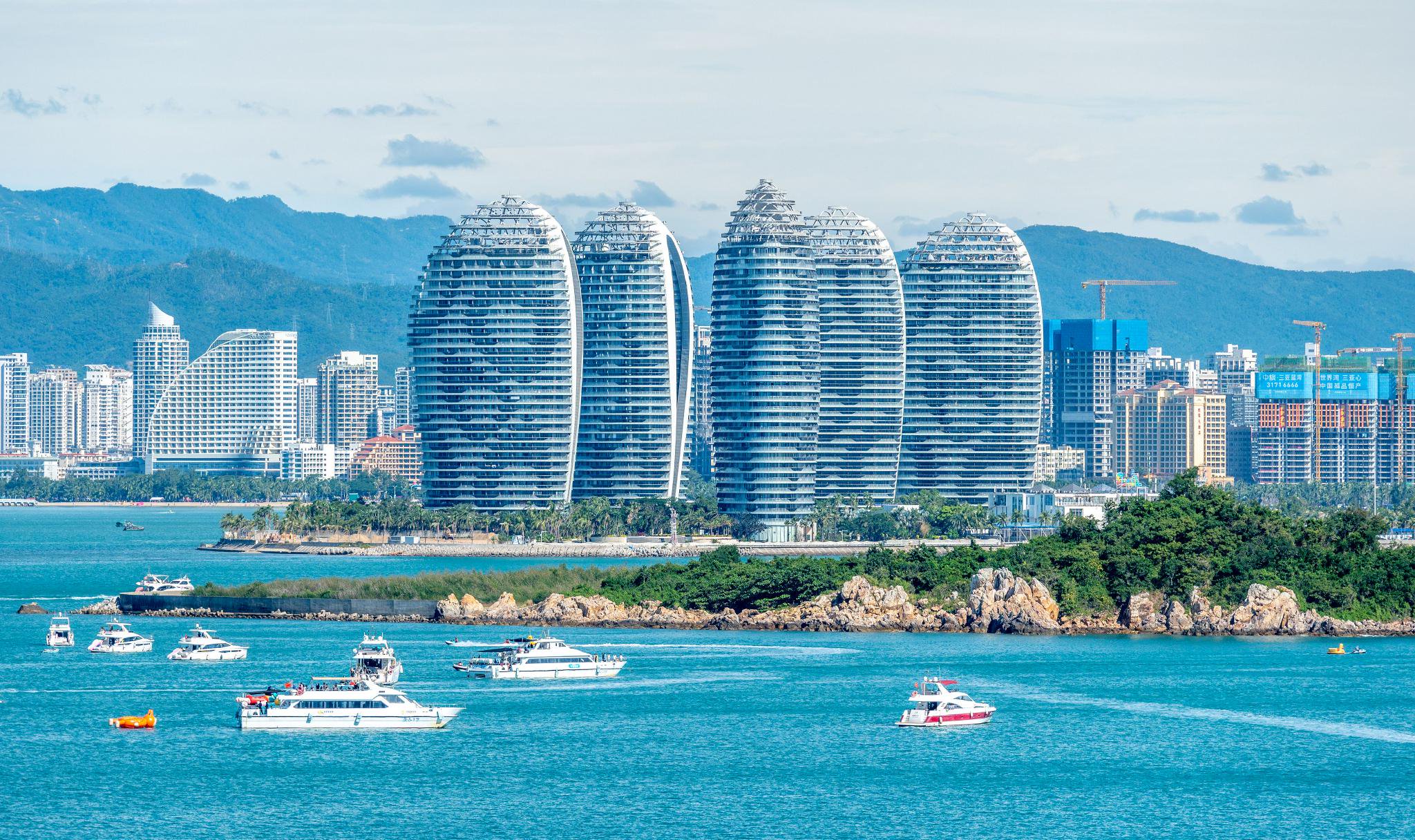
海南自贸港封关蝶变 高水平对外开放启新篇
Xin Lang Cai Jing· 2026-01-02 19:31
Core Viewpoint - The establishment of the Hainan Free Trade Port (FTP) marks a significant step in China's commitment to high-level opening-up and serves as a new gateway for international trade and investment, with a focus on creating a more open and competitive economic environment [2][3][4]. Group 1: Policy Implementation and Goals - The Hainan FTP will implement a policy framework characterized by "open on the first line, controlled on the second line, and free within the island," aiming for zero tariffs, low tax rates, and simplified tax systems [3][4]. - By 2025, the initial establishment of a policy system focusing on trade and investment facilitation is expected, with a more mature system by 2035, ultimately aiming to create a high-level FTP with significant international influence by the mid-21st century [4][5]. Group 2: Economic Impact and Growth - The first week of the FTP's operation saw the addition of 1,972 new foreign trade registered enterprises, and over 30,000 new registered customs units since 2025, reflecting a growth of over 40% [7]. - The adjustment of the duty-free shopping policy has expanded the eligible items to 47 categories, resulting in a shopping amount of 1.1 billion yuan, with increases of 54.9% in spending and 34.1% in the number of shoppers during a specific week [7]. Group 3: Customs and Trade Facilitation - The customs supervision of "zero tariff" imports exceeded 400 million yuan in value during the first week of operation, with significant expansions in the range of goods eligible for zero tariffs [8][9]. - The number of zero-tariff product categories will increase from 1,900 to approximately 6,600, covering about 74% of all goods, which is a 53% increase compared to before the FTP's operation [8][9]. Group 4: Strategic Positioning and Regional Cooperation - The FTP is positioned as a key platform for deepening openness and resource allocation in the context of a unified national market, enhancing international connections and cooperation opportunities, particularly with neighboring countries [5][6]. - The policy changes are expected to attract global resources and promote the development of service, tourism, and digital trade sectors in Hainan, shifting the focus from tourism consumption to trade, manufacturing, and logistics [5][6].