数字金融

Search documents
江西辖内农商银行交出高质量发展“半年报”
Jin Rong Shi Bao· 2025-07-24 02:37
Core Viewpoint - The article highlights the significant achievements and reforms of Jiangxi rural commercial banks, emphasizing their strong performance in asset growth, deposit and loan scales, and the implementation of various strategic initiatives aimed at high-quality financial development [1][3][4]. Group 1: Financial Performance - By the end of June, the total assets of Jiangxi rural commercial banks exceeded 1.4 trillion yuan, with deposits and loans surpassing 2.1 trillion yuan, maintaining the leading position among financial institutions in the province [1]. - The deposit increment reached a record high, and credit issuance exceeded 68% of the annual plan set by the provincial government [3]. - The net profit growth rate outperformed the national average for rural financial systems, with total tax contributions amounting to 3.011 billion yuan [3]. Group 2: Reform and Strategy - The establishment of Jiangxi Rural Commercial Bank represents a significant reform milestone, transitioning from a provincial association to a joint rural commercial bank, which is the seventh of its kind in the country [2]. - The bank has implemented an "eight-pronged strategy" focusing on management reform, compliance, and service enhancement, which has led to a robust governance structure [2][8]. Group 3: Sectoral Focus - The bank is committed to supporting small and micro enterprises, with nearly 97% of new agricultural and micro-enterprise loans issued this year [6]. - It has also prioritized green finance, with green loan growth outpacing overall loan growth by 16.8 percentage points [5]. Group 4: Digital and Inclusive Finance - The bank has launched innovative digital financial products, enhancing customer experience and satisfaction, with over 1.5 million digital finance clients [7]. - It has established a comprehensive service framework for elderly clients, including a dedicated customer service line and accessible banking facilities [6]. Group 5: Risk Management and Compliance - The bank has strengthened its risk management framework, implementing a centralized risk monitoring system for real-time oversight of over 2,200 branches [9]. - Continuous improvement in asset quality is evident, with a declining non-performing loan rate and an increasing provision coverage ratio, positioning the bank among the top tier of rural financial institutions in the country [8].
西安银行:打造文旅数智供应链金融平台 助力陕西文旅产业高质量发展_陕西日报数字报-群众新闻网
Shan Xi Ri Bao· 2025-07-23 20:06
Core Viewpoint - Xi'an Bank and Shaanxi Cultural Industry Investment Holding Group have launched a strategic cooperation to create a "Cultural Tourism Intelligent Supply Chain Financial Platform," aimed at enhancing the digital financial services in the cultural tourism sector and supporting the development of a trillion-level cultural tourism industry cluster in Shaanxi [1][2][3]. Group 1: Platform Overview - The platform is designed to integrate data flow, capital flow, logistics, and business flow in the cultural tourism industry, enhancing demand forecasting, intelligent decision-making, and risk perception capabilities [1][2]. - It has already facilitated credit issuance of 200 million yuan and reduced financing cycles to 2 days, achieving full online processes and data-driven credit assessments [2][3]. Group 2: Financial Services and Innovations - Xi'an Bank is leveraging its financial products and digital technology to provide customized financial services to cultural tourism enterprises, focusing on high-quality development [3][5]. - The bank has developed specialized financial products like "Cultural Tourism Loan" and "Scenic Business Loan" to support the development of key scenic spots in Shaanxi [6]. Group 3: Technological Integration - The bank is integrating technology into the cultural tourism ecosystem, offering services such as online ticket sales, smart payment solutions, and comprehensive financial services for various scenic spots [7]. - It has provided over 15 billion yuan in credit support to key cultural tourism enterprises in Shaanxi, focusing on projects related to scenic spots, cultural creativity, and rural tourism [7].
德林控股(01709.HK)公布有关集团于数字金融业务发展方面最新规划与战略布局
Ge Long Hui· 2025-07-23 15:00
Group 1 - The core announcement from Derlin Holdings (01709.HK) outlines the company's latest plans and strategic layout in the digital finance sector, aiming to strengthen its competitive advantage in digital financial infrastructure and asset tokenization [1] - The company is actively positioning itself in blockchain, stablecoins, and real-world assets (RWA) as part of its strategy to establish Hong Kong as a global Web 3.0 hub, focusing on compliance, security, and forward-looking strategies [3] Group 2 - The development strategy consists of three phases: 1. Establishing a licensed virtual asset over-the-counter (VAOTC) and prime brokerage business to provide compliant trading services for institutional and ultra-high-net-worth clients [3] 2. Creating an RWA tokenization and asset management platform to enhance liquidity and optimize asset management efficiency using existing client resources and technology [4] 3. Building a compliant cross-border digital asset fund ecosystem, leveraging a hybrid model that combines local regulatory advantages with international investor demand [5] Group 3 - In the next six months, the company plans to accelerate the implementation of its digital finance strategy, focusing on core capabilities in the virtual asset market and optimizing fund structures [7] - The company aims to expand its coverage of existing licenses related to securities trading, advisory, and asset management within the virtual asset domain, with an expected completion of regulatory approval processes by October 2025 [7] - Plans include applying for a virtual asset OTC operating license to provide flexible and transparent trading solutions for institutional investors and high-net-worth clients, as well as preparing for stablecoin applications [7]
金融助力县域高质量发展的定位、功能与路径—中国式现代化视域 | 宏观经济
清华金融评论· 2025-07-23 09:22
Core Viewpoint - The article emphasizes the critical role of finance in enabling high-quality development in county areas, which are essential for urban-rural integration and common prosperity in China. It advocates for a comprehensive financial empowerment system that integrates technology, application, and institutional layers to effectively support county development [2][3]. Financial Empowerment Mechanisms - Finance serves as the backbone of the national economy and is crucial for resource allocation and promoting factor mobility. It plays a key role in addressing the imbalances and inadequacies in county development, which include economic expansion alongside structural imbalances, and the need for industrial upgrades amidst factor outflows [3][6]. Industrial Promotion Function - The financial sector is vital for supporting the transformation and development of county industries. Many counties still rely on traditional, inefficient business models, necessitating better organization and resource allocation to reshape industrial chains [7]. - Digital finance enhances service efficiency and promotes collaboration among various stakeholders, leveraging big data and AI to integrate production factors with financial services. This integration helps reduce information asymmetry and drives county economic advancement [8]. Risk Mitigation Function - Counties face complex and diverse risks, making financial risk management essential for maintaining social stability. Financial institutions can enhance the resilience of industrial structures and support small and micro enterprises, thereby diversifying county economies and reducing dependency on single industries [9]. - By establishing risk-sharing mechanisms with local governments, financial institutions can alleviate pressure and improve access to financing for industries, effectively distributing risks between the government and the market [9].



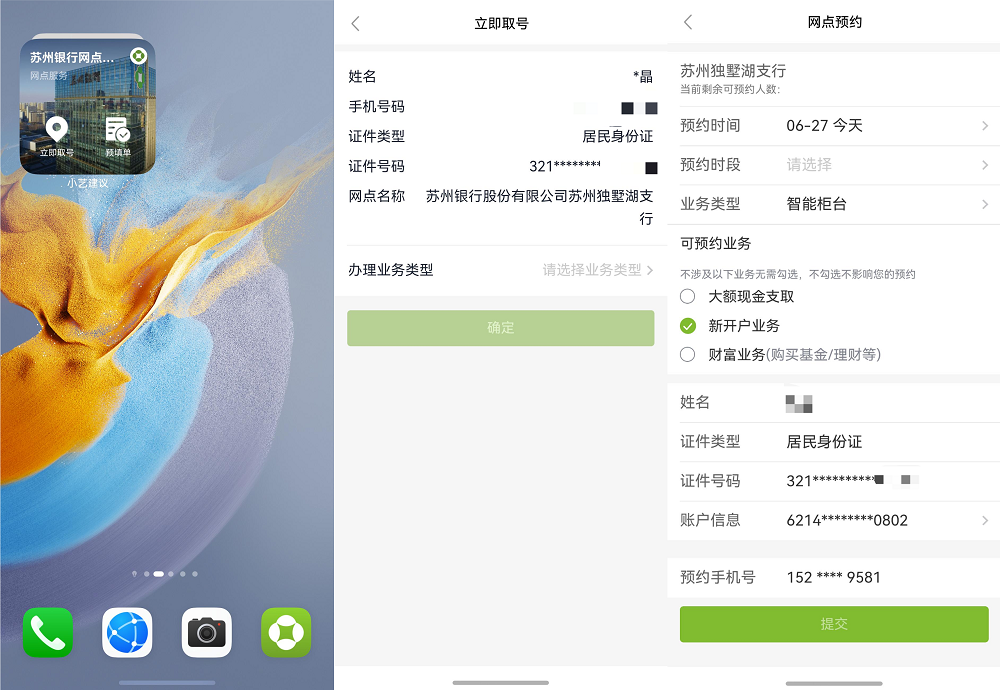
服务主动找人!苏州银行App鸿蒙版推出近场推荐服务,重塑智慧网点新体验
Cai Fu Zai Xian· 2025-07-23 04:31
Core Insights - Suzhou Bank's HarmonyOS app is pioneering financial service innovation by implementing proximity recommendation services in the financial sector [1] - The transition from a traditional "customer seeks service" model to an intelligent "service seeks customer" model enhances customer experience and service efficiency [1] Group 1: Technology Implementation - The service utilizes Beacon technology, which is based on Bluetooth Low Energy (BLE), to identify customer intent when they enter a bank branch [1] - The system predicts customer needs by combining Beacon location data with real-time customer positioning, allowing for precise service recommendations [1] - The seamless integration of hardware and software enables immediate service suggestions without the need for customers to actively search for assistance [1] Group 2: Service Efficiency - The implementation of this technology reduces the operational threshold for customers, significantly improving service efficiency and convenience [1] - The response time for service requests is enhanced to "second-level," streamlining the business processing workflow [1] Group 3: Product Development - The HarmonyOS app has successfully launched core modules including homepage, wealth management, loans, and lifestyle services, offering hundreds of online financial services [1] - Suzhou Bank aims to provide secure, convenient, and efficient financial services through the power of financial technology, aligning with its customer-centric integrated business strategy [1]
山东印发金融“五篇大文章”高质量发展实施方案
Da Zhong Ri Bao· 2025-07-23 00:53
Core Viewpoint - Shandong Province has issued the "High-Quality Development Implementation Plan" for the financial "Five Major Articles," aiming to enhance financial support for the real economy and promote sustainable economic growth by 2027 [2][4]. Group 1: Financial Development Goals - By 2027, Shandong aims for an annual growth rate of at least 20% in loans to technology-based SMEs and green loans, with a minimum of 100,000 new "first loan" households in the inclusive finance sector each year [2][4]. - The plan emphasizes increasing the proportion of direct financing and nurturing long-term capital [2][3]. Group 2: Key Financial Services - The implementation plan focuses on enhancing the quality and efficiency of technology finance, developing green financial products, and improving inclusive financial services [2][3]. - Specific financial products such as carbon reduction-linked loans and environmental pollution liability insurance are to be explored to expand green credit [3][4]. Group 3: Support for Specific Sectors - Inclusive finance will be strengthened to support small and micro enterprises, with an emphasis on first loans and credit loans [4]. - The plan includes measures to address the aging population, such as implementing a personal pension system and enhancing financial services tailored for the elderly [4][5]. Group 4: Digital Financial Transformation - Shandong will accelerate the digital transformation of financial institutions, enhancing digital service capabilities across various financial sectors [5]. - The province aims to promote the efficient sharing of financial and public data while exploring innovative financing models related to data rights [5].
特朗普签署“天才法案”,美国能否塑造数字金融规则?
Sou Hu Cai Jing· 2025-07-22 17:18
Core Points - The "Genius Act" establishes a federal regulatory framework for the issuance of dollar-pegged stablecoins in the U.S., marking the first formal legislation on this matter [1][5] - The act aims to solidify the dominance of the U.S. dollar in the digital currency space by allowing only licensed financial institutions to issue stablecoins [5][8] Summary by Sections Legislation Details - The "Genius Act" specifies that only federally or state-licensed financial institutions can issue stablecoins, preventing non-financial tech companies from bypassing regulations [5] - It mandates a "100% reserve requirement," meaning all issued stablecoins must be backed by an equivalent amount of U.S. cash or Treasury securities [5] - The act includes a bankruptcy protection mechanism, ensuring user funds are separated from company operational funds, granting users priority in case of issuer bankruptcy [5] - A "no digital dollar clause" is included, prohibiting the Federal Reserve from issuing a central bank digital currency (CBDC) to prevent government surveillance of financial transactions [5] Context and Timing - Stablecoins, which are pegged to fiat currencies or commodities, have gained significant market traction since their emergence around 2014, with total circulation surpassing $150 billion [7] - The lack of specific legislation has led to regulatory ambiguity, prompting concerns over transparency and user fund protection as the market expanded [7][8] - Geopolitical financial competition has intensified, with stablecoins evolving into a "digital extension" of the U.S. dollar, necessitating regulatory action to maintain control over the financial landscape [7][8] Political Consensus - Bipartisan support for the "Genius Act" emerged as Republicans view stablecoins as a blend of technological innovation and dollar strength, while Democrats seek orderly regulation to mitigate risks [8] - The act passed with significant support in both the Senate (68-30) and House (308-122), indicating a rare consensus on stablecoin regulation [8] Implications for the Financial System - The act is expected to attract more fintech and blockchain companies to operate in the U.S., fostering advancements in payment, settlement, and asset custody [12] - By establishing a regulatory framework, the U.S. positions dollar-pegged stablecoins as a new standard for global payments and savings, enhancing the dollar's influence in international capital flows [12] - The requirement for stablecoin issuers to hold U.S. cash or Treasury securities as reserves is likely to increase global demand for U.S. debt, potentially lowering financing costs for the U.S. government [12] Global Reactions and Future Outlook - Other countries are anticipated to accelerate their regulatory frameworks for stablecoins in response to the U.S. legislation, aiming to protect their monetary systems from excessive dollar influence [13] - The introduction of the "Genius Act" may pose challenges to local currencies and capital flow management, particularly in emerging markets [13]

中美博弈大变局!中国金融强势崛起,美国金融屠刀的时代已经结束
Sou Hu Cai Jing· 2025-07-22 12:48
Group 1 - The core viewpoint of the articles is that the financial competition between China and the United States is intensifying, with China making strides towards becoming a global financial center and challenging the dominance of the US dollar [1][43] - The definition of a financial power is not solely based on the number of banks or stock market size, but rather on a country's ability to play a significant role in global resource allocation and economic management [3] - The internationalization of the Renminbi is essential for China to enhance its position in the global financial system, with increased usage in trade, especially along the Belt and Road Initiative [5][43] Group 2 - The role of central banks is crucial for financial stability, with the Federal Reserve's independence and strong regulatory capabilities being key to its global influence [7][43] - China's central bank, the People's Bank of China, is enhancing its regulatory capabilities to stabilize domestic markets and respond to external financial fluctuations [9][43] - Major financial institutions like JPMorgan and Goldman Sachs dominate global capital flows, while Chinese financial institutions are shifting towards technology-driven financing models [11][43] Group 3 - Shanghai and Hong Kong are emerging as new global financial centers, but they need to overcome barriers to foreign investment and enhance product innovation to compete with traditional centers like New York and London [14][16][43] - The US stock market remains unmatched in scale and attractiveness, significantly influencing both domestic and global economies [22][25][43] - China's stock market, while growing, faces challenges such as regulatory issues and market confidence, but reforms are underway to attract more innovative companies and investors [29][31][43] Group 4 - Financial technology, green finance, and digital finance are emerging fields where China is beginning to establish a presence, potentially leading global financial reform [34][43] - The rise of financial technology offers opportunities for Chinese firms to support high-tech enterprises through innovative funding solutions [35][37][43] - Green finance is crucial for supporting global carbon neutrality goals, with China leveraging its position as the largest renewable energy market to promote green financial initiatives [39][43] Group 5 - The development of digital finance, particularly the digital yuan, presents an opportunity for China to disrupt traditional payment systems and enhance the international role of the Renminbi [41][43] - The essence of the US-China financial competition is a profound restructuring of the global financial landscape, with China gradually overcoming barriers to become a significant player in the new financial order [43]

青海举办资金流信息平台推广会 支持中小微企业融资发展
Sou Hu Cai Jing· 2025-07-22 11:25
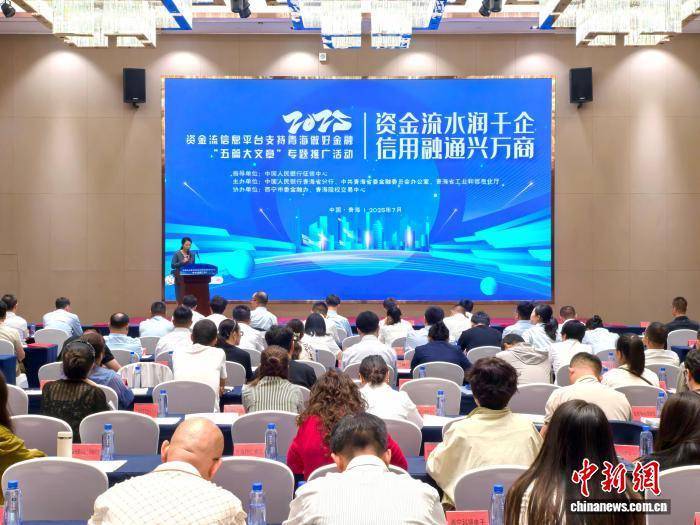
Group 1 - The core viewpoint of the article emphasizes the launch of the funding flow information platform as a significant initiative to support the financing development of small and micro enterprises in Qinghai Province [1][3]. - The funding flow credit information reflects the economic activities of enterprises and provides a dynamic overview of their operational status, cash flow, debt repayment ability, and compliance behavior [3][5]. - As of June 2025, the platform has connected 460 national legal entities and established credit information files for over 60 million enterprises and individual businesses, facilitating credit amounts exceeding 500 billion yuan for small and micro enterprises, with inclusive finance credit surpassing 320 billion yuan [3][5]. Group 2 - Since the platform's launch, financial institutions in Qinghai have focused on key industries such as salt lake chemicals and clean energy, utilizing funding flow credit information to provide precise financial services, resulting in 8.3 billion yuan in financing [5][7]. - Six banks assessed the credit status of enterprises using the funding flow information platform and signed financing intention letters with six small and micro enterprises during the promotional event [7]. - The People's Bank of China in Qinghai aims to leverage the platform's "economic radar" function to enhance digital finance, technology finance, and inclusive finance, creating a model for Qinghai [7].
14.16万亿元!深圳重磅发布!
中国基金报· 2025-07-22 07:56
Core Insights - As of June 2025, the total balance of various deposits in Shenzhen reached 14.16 trillion yuan, an increase of nearly 600 billion yuan since the beginning of the year [1] - The balance of various loans in Shenzhen reached 9.85 trillion yuan, with an increase of over 350 billion yuan since the beginning of the year [1] - The balance of loans to the private economy in Shenzhen reached 4.26 trillion yuan, with a new addition of 849.75 billion yuan [1] Financial Innovations - The scale of technology innovation bonds (referred to as "科创债") reached 20.75 billion yuan, with 14 bonds issued by 9 enterprises including major tech firms [3] - The People's Bank of China Shenzhen Branch has facilitated the issuance of technology innovation bonds, providing a model for financial support in the tech sector [3] - In the first half of 2025, 102 enterprises signed agreements for "腾飞贷" totaling 3.6 billion yuan, while "科技初创通" helped 3,761 enterprises secure loans amounting to 4.84 billion yuan [3] Cross-Border Transactions - In the first half of 2025, the number of foreign card transactions via WeChat Pay increased by 1.6 times, with nearly 2 million foreign users binding their cards [5] - Foreign personnel in Shenzhen conducted 85.8754 million non-cash payment transactions totaling 11.81 billion yuan, marking increases of 29% and 35% respectively [5] - The cross-border RMB payment amount reached 27.6328 trillion yuan, a year-on-year increase of 24.3%, with goods trade accounting for 5.5128 trillion yuan of this total [6] Digital Finance Development - The Shenzhen local credit platform launched over 50 credit products, enabling enterprises to secure financing of 574.4 billion yuan [8] - The digital RMB pilot program has seen nearly 30 million digital wallets opened, with pre-paid funds management reaching nearly 3.1 billion yuan [8] - Shenzhen is advancing the application of a multi-central bank digital currency bridge in cross-border transactions, successfully executing the first transaction involving "bulk commodity trading + multi-central bank digital currency bridge" [8]