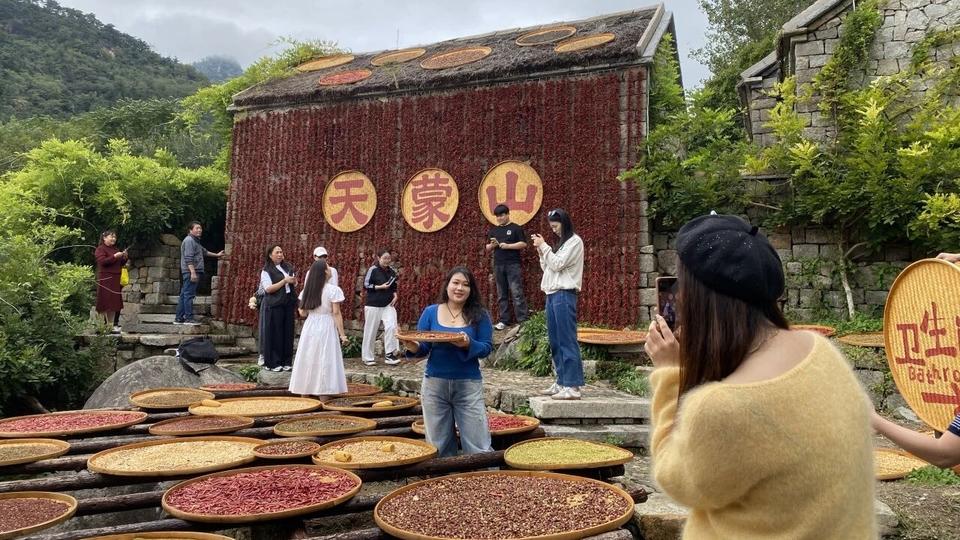
文旅融合

Search documents
中国旅游“新”产品什么样?(文旅新象)
Ren Min Ri Bao· 2025-10-08 20:47
Core Insights - The seventh "China Service" Tourism Product Innovation Conference showcased 11 innovative tourism product cases that reflect current trends in China's tourism industry [1] Group 1: Industry Trends - The integration of tourism with other sectors such as commerce, education, and technology is becoming a vital pathway for innovation in tourism development [2] - Guangzhou's Zhengjia Plaza has transformed from a shopping center to a "micro-vacation" destination, attracting over 50 million visitors annually and earning a national 4A tourism site rating [2] - The "Wangxian Valley" project in Jiangxi has successfully revitalized abandoned areas into a tourism hub, expecting to receive 3.1 million visitors in 2024, generating revenue of 528 million yuan [2] Group 2: Cultural and Experiential Focus - Cultural elements are central to tourism products, with many cases utilizing high-tech and artistic methods to provide immersive experiences [4] - "Only Henan: Drama Fantasy City" and "The Epic of the Qin" performances offer deep cultural engagement, transforming visitors from spectators to participants [4][5] - The "Songzan Meili Ring Line" provides not just scenic views but also rich cultural experiences through local storytelling and community interaction [5] Group 3: Service Excellence - The tourism industry is characterized by the need for warm human care and meticulous management to exceed visitor expectations [7] - Cloud Mountain, a national 5A tourist site, emphasizes exceptional service, implementing initiatives like free refreshments and entertainment to enhance visitor experience [7] - The Beijing Overseas Chinese Night Hotel has revitalized its brand and market competitiveness through unique experiences and cultural immersion, setting a benchmark for hotel industry renovations [8]
“流量”变“留量”“网红”变“长红” 国庆中秋假期激活多元文旅消费
Shang Hai Zheng Quan Bao· 2025-10-08 17:55
Core Insights - The article highlights the transformation of tourism consumption from mere "check-in" experiences to "deep cultural experiences," driven by emotional value and creative engagement [1][2] Group 1: Tourism Consumption Trends - During the National Day and Mid-Autumn Festival holiday, key retail and catering enterprises in China saw a sales increase of 2.7% year-on-year [1] - Foot traffic and sales in 78 monitored pedestrian streets increased by 8.8% and 6.0% year-on-year, respectively [1] - In Jingdezhen, the unique marketing approach of the "Chicken Chop Guy" led to a 15% year-on-year increase in travel bookings, with 50% of the visitors being aged 20 to 30 [2] Group 2: Cultural and Technological Integration - The integration of "culture and tourism" through various models such as "culture + performance," "culture + technology," and "culture + food" is creating diverse consumption scenarios [3] - In Beijing, 2,497 commercial performances attracted approximately 670,000 attendees, generating ticket sales of about 218 million yuan, a year-on-year increase of approximately 118% [3] - The use of technology in tourism, such as AI guides and AR interactions, is fostering new business models and enhancing traditional celebrations [3] Group 3: Policy and Market Dynamics - The outbound and inbound tourism markets are experiencing significant activity, with a notable increase in hotel bookings in countries like Japan, Thailand, and Vietnam [5] - Domestic cities are actively distributing consumption vouchers to stimulate spending, with Haikou issuing 13.5 million yuan in vouchers, primarily for tourism [5] - The issuance of consumption vouchers is aimed at boosting various sectors, including dining, accommodation, and entertainment, thereby enhancing overall consumer engagement [5]
音乐节、美食节轮番登场 科技商品成引流利器
Zheng Quan Shi Bao· 2025-10-08 17:32
Group 1 - The "Double Festival" holiday has ended, showing a continuous increase in national consumer market vitality, with key retail and catering enterprises' sales rising by 3.3% year-on-year during the first four days of the holiday [1] - The integration of culture and tourism has become the strongest engine for consumption, with a clear trend towards policy support, quality upgrades, and experiential consumption [1] - New consumption scenarios, business models, and experiences have emerged, with foot traffic in 78 monitored pedestrian streets and business districts increasing by 4.2% year-on-year during the first three days of the holiday [1] Group 2 - Technology products have become highly sought after during the holiday, with various shopping districts in Hangzhou attracting young visitors through "black technology" experiences, including over 50 types of robots providing diverse interactive performances [2] - The government has played a crucial role in stimulating consumption through policies, with the National Development and Reform Commission issuing 690 billion yuan in special bonds to support the replacement of old consumer goods [2] - As of October 7, over 127 million subsidy applications for vehicle replacements have been received, leading to new car sales exceeding 160 billion yuan, while 823.8 million consumers purchased 11.78 million units of major home appliances, generating over 55.7 billion yuan in sales [2] Group 3 - Various local markets and events have been organized to attract consumers, such as special discounts and live performances, with significant participation noted in places like Zhuzhou and Lushi County [3] - During the National Day cultural and tourism consumption month, over 29,000 cultural and tourism activities will be held, with more than 480 million yuan in consumer subsidies distributed to stimulate spending [3]
“双节”假期文旅市场活力奔涌 远途游与深度游成主流
Zheng Quan Ri Bao Zhi Sheng· 2025-10-08 16:15
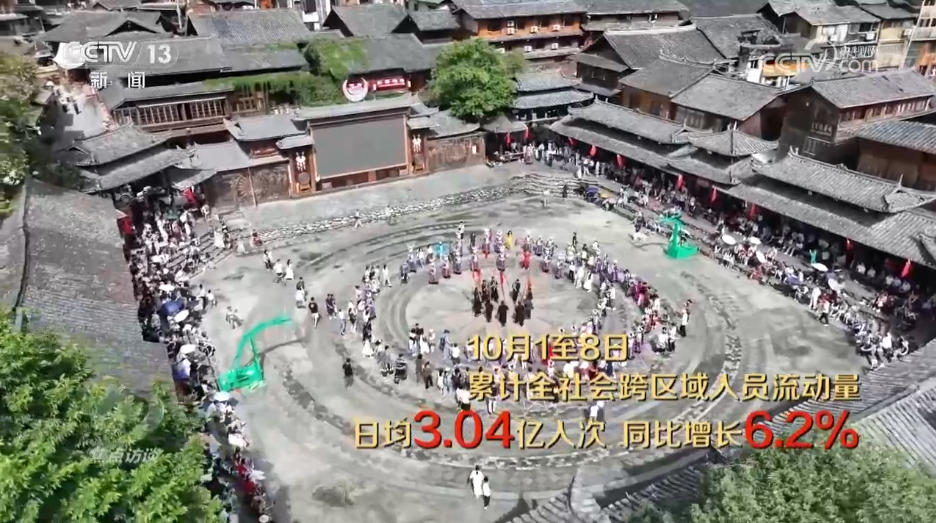
Group 1 - The total inter-regional mobility during the "Double Festival" period from October 1 to October 8 is expected to reach 2.432 billion person-times, with an average of 304 million person-times per day, reflecting a year-on-year increase of 6.2% [1] - The demand for holiday consumption is significantly released, with cities that are less crowded and have small airports seeing a notable increase in flight bookings, such as Alxa Left Banner in Inner Mongolia and Turpan in Xinjiang, which experienced over a 100% increase in flight bookings year-on-year [1] - The trend indicates that Chinese tourists are increasingly willing to spend on experiences and emotions, moving from popular to niche destinations and from sightseeing to immersive experiences [1] Group 2 - The tourism market during the "Double Festival" shows a deep integration of multiple business formats, with events like the "Wine Must Festival" in Luzhou driving a 45% year-on-year increase in local tourism orders [2] - Cultural experience tourism is on the rise, with significant interest in museum visits and archaeological tours, leading to increased searches for hotels and dining options within 3 kilometers of these attractions [2] - The night tourism economy is thriving, with a more than 200% increase in night tour searches on platforms like Ctrip during the holiday period, showcasing the growing importance of night experiences in attracting visitors [2][3] Group 3 - The integration of "Cultural Tourism + Various Industries" is boosting more travel destinations, with new models like night tourism encouraging longer stays and driving upgrades in local tourism, dining, and leisure services [3] - The shift in tourism consumption towards "experience" rather than merely reaching destinations indicates a maturation of the Chinese tourism market [3]
焦点访谈|新玩法、新引擎、新体验……“双节”引燃假日消费热潮
Yang Shi Wang· 2025-10-08 13:41
Core Insights - The dual holiday period of National Day and Mid-Autumn Festival has showcased a vibrant and diverse consumption market, reflecting new trends in cultural and tourism integration [1][3][23] Group 1: Tourism and Cultural Integration - The total cross-regional movement of people during the holiday is estimated at 2.432 billion, averaging 304 million daily, marking a 6.2% year-on-year increase [3] - The holiday period has seen a rise in creative tourism experiences, with many opting for immersive cultural activities, such as visiting museums and engaging in local traditions [5][8] - Collaborative efforts among museums in cities like Luoyang have enhanced visitor experiences by offering combined tours, addressing the fragmentation of cultural resources [5] Group 2: Technological Innovations in Tourism - The integration of technology in tourism has led to innovative experiences, such as robot-themed attractions in Shenzhen and industrial technology tours in Beijing [7][8] - Technology not only revitalizes traditional tourist sites but also creates new cultural experiences and consumption scenarios [8] Group 3: Sports and Entertainment as Economic Drivers - The holiday period has transformed sports events, movies, and concerts into a multi-faceted consumption ecosystem, driving economic growth [10][12] - Events like basketball leagues and international tennis competitions have successfully merged sports with tourism, enhancing local economies through ticket-based consumption [10][13] Group 4: Consumer Experience and New Offerings - The holiday has seen a shift in consumer experiences, with new retail and dining options emerging, such as themed restaurants and cultural exhibitions [15][19] - The introduction of first-time stores and exhibitions during the holiday has attracted significant consumer interest, contributing to a lively economic atmosphere [19] Group 5: Policy Support and Economic Impact - Government policies, including personal consumption loan subsidies and consumption vouchers, have stimulated consumer spending and enhanced market vitality [21] - The combination of policy support and innovative business models is expected to foster a positive cycle in the consumption ecosystem, promoting high-quality economic development [21][23]

古韵新潮两相宜——山东济宁推进以文促旅观察
Xin Hua Wang· 2025-10-08 13:00
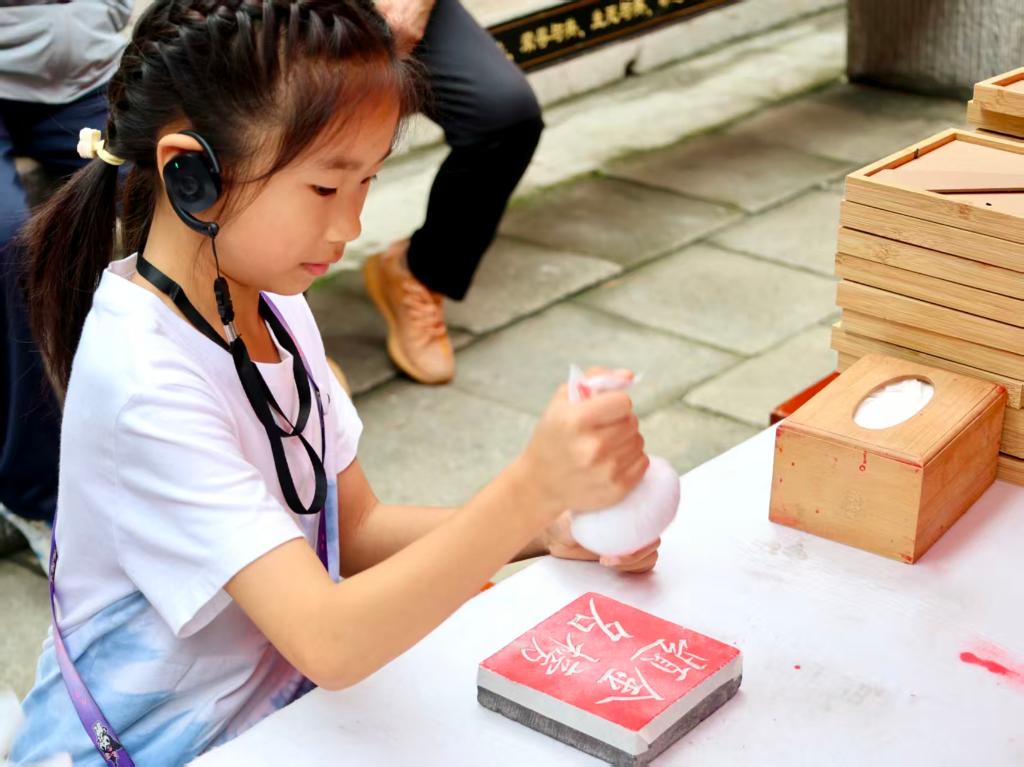
Core Insights - Jining, Shandong, is leveraging its rich cultural heritage to boost tourism, attracting nearly 3 million visitors and generating revenue of 149 million yuan during the National Day and Mid-Autumn Festival period [1][5]. Group 1: Cultural Tourism Development - The city is promoting traditional culture through interactive experiences, such as the "praying and teaching" ceremony at the Confucius Temple, where visitors can engage in activities like ink printing of Confucian texts [1][3]. - Jining is enhancing its educational tourism sector by developing a diverse range of study tours and innovative courses that allow visitors to experience Confucian culture firsthand [3][5]. Group 2: Interactive Experiences - The "Cultural Station" at the Qufu service area offers travelers hands-on experiences with traditional printing and calligraphy, while drone shows and interactive performances at the Confucius Museum bring ancient culture to life [3][5]. - The Liangshan Scenic Area features immersive "scripted tours" where visitors can interact with characters from the classic novel "Water Margin," blending historical narratives with modern entertainment [3][5]. Group 3: Historical and Red Tourism - The "Memory of the Canal" cultural district showcases performances that revive historical figures like Li Bai, allowing visitors to engage in poetry and traditional games, thus enriching the cultural experience [5][7]. - Jining's tourism strategy includes "Red Tourism+" routes that connect significant historical sites related to the anti-Japanese resistance, promoting awareness of revolutionary history among visitors [5][7]. Group 4: Overall Impact - The integration of ancient culture with modern attractions during the holiday period has revitalized Jining's tourism, creating a dynamic environment where tradition meets contemporary experiences [7].
国庆中秋假期北京游客接待量、旅游总花费双增长
Xin Hua Wang· 2025-10-08 13:00
Group 1: Tourism and Visitor Statistics - During the National Day and Mid-Autumn Festival holiday, Beijing received a total of 25.094 million tourists, with a total tourism expenditure of 31.65 billion yuan, representing year-on-year increases of 3.6% and 4.7% respectively [1] - The top ten tourist attractions in Beijing during the holiday included Tiananmen Square, Wangfujing, Olympic Park, Xidan, Liangma River International Style Waterfront, Qianmen Street, Temple of Heaven, Nanluoguxiang, Shichahai Scenic Area, and Summer Palace [1] - The inbound tourism market in Beijing showed rapid growth, receiving 119,000 inbound tourists, a year-on-year increase of 48%, and generating an inbound tourism expenditure of 1.23 billion yuan, up 54.1% year-on-year [1] Group 2: Cultural and Entertainment Events - During the holiday period, Beijing hosted 2,497 commercial performances, attracting approximately 670,000 audience members and generating box office revenue of about 218 million yuan [2] - The 9th China Traditional Opera Culture Week featured nearly 400 performances and related activities, drawing over 100,000 attendees [2] - The "Great Drama in Beijing" 2025 performance season showcased classic works such as the play "Thunderstorm," Peking Opera "Locking the Silk Pouch," and the dance drama "Carmen" [2]
夜经济升腾烟火气,文旅融合点亮古都新夜景
Zhong Guo Zheng Quan Bao· 2025-10-08 12:51
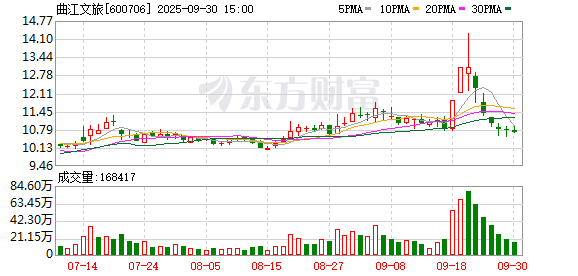
Core Insights - The tourism market in Shaanxi is thriving during the 2025 National Day holiday, with Qujiang Cultural Tourism reporting impressive results in "night economy" activities, including an average daily foot traffic of over 390,000 at the core scenic area, Datang Night City, and nighttime consumption accounting for over 60% of total sales [2][6] - Qujiang Cultural Tourism has successfully transformed from a single sightseeing model to an immersive cultural consumption experience through three driving forces: "night tours to attract visitors, cultural innovation to break boundaries, and technology to empower" [2][9] Group 1: Night Economy Development - Datang Night City has become a vibrant hub, with tourists dressed in Hanfu and engaging with performers portraying historical figures, creating a lively atmosphere reminiscent of the prosperous Tang Dynasty [2][4] - The company has upgraded traditional scenic spots into immersive cultural experience spaces, featuring events like "Tang Poetry Meetings" and "Hanfu Parades" to encourage deeper visitor participation [4][6] Group 2: Cultural and Creative Products - Qujiang Cultural Tourism's flagship store offers popular cultural and creative products inspired by Tang poetry and historical artifacts, with items like the "Tang Poetry Light" and "Tang Girl" blind boxes gaining popularity [6][7] - Unique products such as plush toys shaped like local delicacies and 3D puzzles of ancient Chinese clothing have become bestsellers, indicating a strong demand for innovative cultural merchandise [7] Group 3: Technology Integration - The integration of technology in cultural tourism is evident through initiatives like the AR immersive performance "Yanta Liuguang," which revitalizes ancient relics, and cross-border payment services that enhance the shopping experience for international tourists [9] - The introduction of cultural markets and intangible cultural heritage workshops enriches the nighttime consumption landscape, contributing to a high-quality development path for cultural tourism [9]

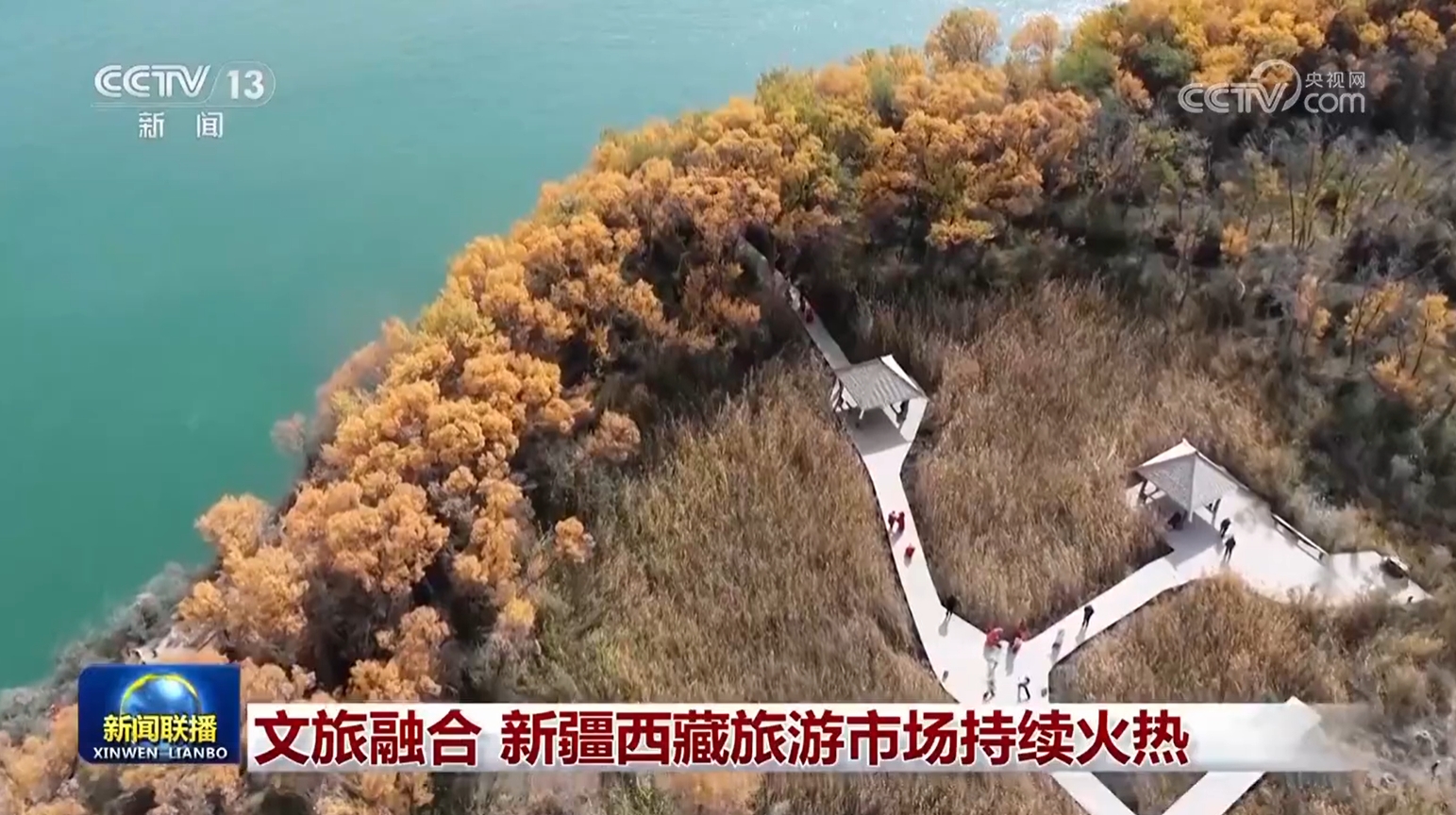
文旅融合 新疆西藏旅游市场持续火热
Yang Shi Wang· 2025-10-08 12:50
央视网消息(新闻联播):今年以来,新疆、西藏深挖特色资源,多措并举推动文旅深度融合,旅游市场持续火热,游客数量创新高。 今年,新疆持续擦亮"新疆是个好地方"文旅品牌。在开发低空旅游、度假型自驾营地等消费新场景的同时,还增设旅游适老化设施设备,进一步加强市 场综合监管,旅游消费环境不断优化。今年前9个月,新疆累计接待游客超2.6亿人次,同比增长8.36%。 这个假期,雪域高原西藏游人如织,人们走进自然,共享生态之美。在山南市羊卓雍错,基础设施的日趋完善,让人们饱览高原风光,感受民族风情。 在林芝市巴松措,每天来这里观光徒步的游客达到了约6000人次,同比增长29%。 推动文旅产业高质量发展。今年,西藏出台多项政策举措,支持文旅深度融合,并举办了"西藏味道体验周""来西藏摘星星""冬游西藏"等宣传推广活 动,大力发展"康养游""文博游"等精品旅游路线。今年1—8月,西藏共接待国内外游客5700多万人次,同比增长11.3%,文化产业产值超100亿元。 金秋时节,天山南北美景如画。在伊犁州那拉提景区,一场秋日降雪与漫山遍野黄绿交织的树木相映成趣。在塔里木河畔,胡杨林迎来最佳观赏季。景 区今年新增了停车场、环湖自行车道 ...

山东国庆中秋假期成绩单:200家重点景区纳客2966.6万人次,营收15.5亿元
Qi Lu Wan Bao Wang· 2025-10-08 12:03
Core Insights - The tourism sector in Shandong province experienced significant growth during the National Day holiday, with 29.67 million visitors and revenue of 1.55 billion yuan, marking increases of 8.0% and 5.0% respectively compared to the previous year [1] - The integration of culture and tourism continues to deepen, with innovative activities enhancing the holiday experience and driving consumer spending [2][4][5] Group 1: Tourism Performance - A total of 29.67 million visitors were received at 200 key monitored tourist attractions, generating revenue of 1.55 billion yuan during the holiday period [1] - Public cultural venues served 5.83 million people, reflecting an 11.6% increase from the previous year [1] Group 2: Innovative Tourism Activities - Various scenic spots introduced new activities, such as the "Red Leaf Festival" and "Harvest Festival," combining natural ecology and cultural traditions to create engaging tourism products [2] - The use of technology in cultural performances has transformed the tourist experience from passive viewing to active participation, with numerous interactive shows and events being launched [4] Group 3: Cultural Venue Engagement - The trend of "venue tourism" is rising, with many cultural institutions offering unique exhibitions and interactive experiences, attracting large numbers of visitors [5] - Notable events included the "Jinan Spring City Historical Culture Exhibition" and various hands-on activities at museums, enhancing visitor engagement [5] Group 4: Cross-Industry Integration - The "Culinary Competition" during the holiday attracted significant crowds, with events like the "Shandong Fruit Culinary Competition" drawing 597,000 visitors and generating 32.65 million yuan in tourism-related consumption [7] - Sports events, such as marathons, provided discounts to participants, promoting the integration of sports and tourism [8] Group 5: Promotional Strategies - A total of 164 tourist attractions implemented diverse promotional measures, including free admission and discounts, to stimulate consumer spending [9] - The introduction of "Sunny Day Insurance" offered visitors the opportunity to revisit attractions for free if it rained during their visit, enhancing customer satisfaction [11]