关税政策

Search documents
库存继续提升,热卷期价震荡下行
Rui Da Qi Huo· 2025-09-26 09:46
1. Report Industry Investment Rating - No relevant content provided 2. Core Views of the Report - The hot - rolled coil futures price fluctuated downward this week. The macro - environment has tariff disturbances, the industrial situation shows high production, falling terminal demand, rising inventory, and falling apparent demand. The HC2601 contract is considered to be in a volatile and bearish trend, and attention should be paid to operation rhythm and risk control [7]. 3. Summary by Relevant Catalogs 3.1 Week - to - Week Summary 3.1.1 Market Review - As of September 26, the closing price of the hot - rolled coil main contract was 3313 yuan/ton, down 61 yuan/ton from the previous week; the spot price of Hangzhou Lianggang hot - rolled coil was 3400 yuan/ton, down 30 yuan/ton [5]. - Hot - rolled coil production decreased to 324.19 million tons, a decrease of 2.3 million tons from the previous week, but an increase of 27.91 million tons year - on - year [5]. - Apparent demand was stable at 321.68 million tons, a decrease of 0.14 million tons from the previous week, but an increase of 3.3 million tons year - on - year [5]. - Factory and social inventories increased. The total inventory was 380.5 million tons, an increase of 2.51 million tons from the previous week, but a decrease of 19.13 million tons year - on - year [5]. - The steel mill profitability rate was 58.01%, a decrease of 0.86 percentage points from the previous week, but an increase of 39.40 percentage points year - on - year [5]. 3.1.2 Market Outlook - **Macro - aspect**: Overseas, Mexico plans to raise import tariffs on products from non - FTA partners including China, and the US may impose a 25% tariff on all imported heavy - duty trucks. Domestically, five ministries jointly issued a work plan for the steel industry, aiming for an average annual growth of about 4% in the added value of the steel industry from 2025 - 2026 [7]. - **Supply - demand aspect**: The weekly production of hot - rolled coils remained high with a capacity utilization rate of 82.81%. Terminal demand declined slightly, inventory increased, and apparent demand decreased but remained above 3.2 million tons [7]. - **Cost aspect**: The iron ore futures price fluctuated and corrected. Although the molten iron production was high, the arrival volume and port inventory increased. The coking coal futures price first rose and then fell. There was a pre - holiday restocking demand from downstream, but the coking coal mine capacity utilization rate increased for three consecutive weeks, with an expected increase in supply [7]. - **Technical aspect**: The HC2601 contract's center of gravity moved down, and the futures price was under pressure below multiple moving averages. It may test the support near 3300 and the previous low of 3280 in the short term. The MACD indicator showed that DIFF and DEA were under pressure below the 0 - axis, and the red bar shrank [7]. - **Strategy suggestion**: Considering the macro - environment, tariff disturbances have resurfaced. In the industrial aspect, hot - rolled coil production remains high, terminal demand has declined, inventory continues to increase, and apparent demand has decreased, but overall resilience is strong. The long - term bullish sentiment is not high, and cost - side support has weakened. Before the holiday, the game between bulls and bears intensified, and the market may fluctuate. The HC2601 contract is considered to be in a volatile and bearish trend [7]. 3.2 Futures and Spot Market - **Futures price**: This week, the HC2601 contract fluctuated downward. The HC2510 contract was stronger than the HC2601 contract, and the spread on the 26th was 82 yuan/ton, a week - on - week increase of 31 yuan/ton [13]. - **Warehouse receipts and net positions**: On September 26, the hot - rolled coil warehouse receipts of the Shanghai Futures Exchange increased to 46314 tons, a week - on - week increase of 6986 tons. The net short position of the top 20 holders of the hot - rolled coil futures contract was 75554 lots, a decrease of 30039 lots from the previous week [20]. - **Spot price**: On September 26, the spot price of 5.75mm Q235 hot - rolled coil in Shanghai was 3400 yuan/ton, a week - on - week decrease of 30 yuan/ton; the national average price was 3430 yuan/ton, a week - on - week decrease of 14 yuan/ton. This week, the spot price of hot - rolled coils was stronger than the futures price, and the basis on the 26th was 87 yuan/ton, a week - on - week increase of 31 yuan/ton [26]. 3.3 Upstream Market - **Raw material prices**: On September 26, the price of 61% Australian Macfayden iron ore powder at Qingdao Port was 851 yuan/dry ton, a week - on - week increase of 1 yuan/dry ton. The spot price of first - grade metallurgical coke at Tianjin Port was 1620 yuan/ton, a week - on - week increase of 50 yuan/ton [31]. - **Arrival volume**: From September 15 - 21, 2025, the total arrival volume of 47 ports in China was 2750.4 million tons, a week - on - week increase of 358.1 million tons [35]. - **Port inventory**: This week, the total inventory of imported iron ore at 47 ports was 14550.68 million tons, a week - on - week increase of 169.00 million tons. The daily average port clearance volume was 351.41 million tons, an increase of 0.38 million tons. On September 25, the billet inventory in Tangshan, Hebei was 122.5 million tons, a week - on - week increase of 0.77 million tons and a year - on - year increase of 11.67 million tons [39]. - **Coking plant situation**: This week, the capacity utilization rate of 230 independent coking enterprises was 75.31%, a decrease of 0.04%. Coke inventory decreased by 2.67 million tons to 39.54 million tons, while coking coal inventory increased by 53.06 million tons to 856.23 million tons, and the available days of coking coal increased by 0.76 days to 12.1 days [43]. 3.4 Industry Situation 3.4.1 Supply Side - **Steel production and export**: In August 2025, China's crude steel production was 7737 million tons, a year - on - year decrease of 0.7%. From January to August, the cumulative crude steel production was 67181 million tons, a year - on - year decrease of 2.8%. In August, China exported 951 million tons of steel, a month - on - month decrease of 32.6 million tons and a 3.3% decrease; imported 50.0 million tons of steel, a month - on - month increase of 4.8 million tons and a 10.6% increase [46]. - **Blast furnace operation**: On September 26, the blast furnace operating rate of 247 steel mills was 84.45%, a week - on - week increase of 0.47 percentage points and a year - on - year increase of 6.22 percentage points. The blast furnace iron - making capacity utilization rate was 90.86%, a week - on - week increase of 0.51 percentage points and a year - on - year increase of 6.41 percentage points. The daily average molten iron production was 242.36 million tons, a week - on - week increase of 1.34 million tons and a year - on - year increase of 17.50 million tons [50]. - **Hot - rolled coil production and inventory**: On September 25, the weekly production of hot - rolled coils of 37 enterprises was 324.19 million tons, a decrease of 2.3 million tons from the previous week but an increase of 27.91 million tons year - on - year. The in - factory inventory was 81.7 million tons, a week - on - week increase of 0.4 million tons but a year - on - year decrease of 1.95 million tons. The social inventory of 33 major cities was 298.8 million tons, a week - on - week increase of 2.11 million tons and a year - on - year decrease of 17.18 million tons. The total inventory was 380.5 million tons, a week - on - week increase of 2.51 million tons and a year - on - year decrease of 19.13 million tons [50][55]. 3.4.2 Demand Side - **Automobile and home appliance**: From January to August 2025, China's automobile production and sales were 2105.1 million and 2112.8 million vehicles respectively, a year - on - year increase of 12.7% and 12.6%. In August, the production and sales were 281.5 million and 285.7 million vehicles respectively, a year - on - year increase of 13% and 16.4%. From January to August, the cumulative production of household air - conditioners was 19964.62 million units, a year - on - year increase of 5.8%; household refrigerators were 7018.91 million units, a year - on - year increase of 1.9%; and household washing machines were 7826.28 million units, a year - on - year increase of 7.8% [58].
节前观望情绪渐浓,煤焦维持区间震荡
Bao Cheng Qi Huo· 2025-09-26 08:29
黑色金属 | 日报 2025 年 9 月 26 日 煤焦日报 专业研究·创造价值 节前观望情绪渐浓,煤焦维持区间震荡 投资咨询业务资格:证监许可【2011】1778 号 姓名:涂伟华 宝城期货投资咨询部 从业资格证号:F3060359 投资咨询证号:Z0011688 电话:0571-87006873 邮箱:tuweihua@bcqhgs.com 作者声明 本人具有中国期货业协会 授予的期货从业资格证书,期 货投资咨询资格证书,本人承 诺以勤勉的职业态度,独立、 客观地出具本报告。本报告清 晰准确地反映了本人的研究观 点。本人不会因本报告中的具 体推荐意见或观点而直接或间 接接收到任何形式的报酬。 核心观点 (仅供参考,不构成任何投资建议) 专业研究·创造价值 1 / 6 请务必阅读文末免责条款 请务必阅读文末免责条款部分 黑色金属 | 日报 一 产业资讯 (1)特朗普宣布:对进口重型卡车加征 25%关税 当地时间 9 月 25 日,美国总统特朗普在社交媒体上发文称,自 10 月 1 日起, 将对所有进口重型卡车加征 25%关税。特朗普还表示,此举主要是出于"国家安 全"的考虑。 (2)8 月,俄罗斯煤炭生产总 ...
在欧美企对经济关系担忧明显下降 三分之一预计保持稳定
智通财经网· 2025-09-26 07:57
智通财经APP获悉,周五发布的一项调查显示,近半数在欧洲运营的美国企业认为欧美之间经济关系将 恶化,但这一比例较美国总统唐纳德·特朗普第二任期初期已有显著下降。 不过,多数企业仍预计美国和欧盟的政策将产生负面影响——其中60%的企业担忧美国政策,56%的企 业担忧欧盟政策。 本次调查于9月8日至16日期间开展,受访者为52家美国控股企业成员。调查显示,降低关税仍是企业的 首要诉求。 这些企业还强调,需解决非关税壁垒问题(例如欧盟关于森林砍伐和供应链的相关规定),并加强标准合 作与互认。 美国驻欧盟商会(AmCham EU)——其成员超160家,包括苹果公司(AAPL.US)、高盛集团(GS.US)、 Meta(META.US)和Visa(V.US)——表示,调查显示46%的受访者预计欧美贸易与投资关系将恶化,而今 年1月的同类调查中这一比例为89%。 如今,有三分之一的企业预计欧美关系将保持稳定,这得益于欧盟与美国在7月底达成的一项贸易协 议。该协议计划取消欧盟对大多数美国商品征收的关税,而美国则对大多数欧盟商品征收15%的进口关 税。尽管布鲁塞尔(欧盟总部所在地)及欧盟各国首都对该协议存在批评声音,美国驻欧 ...
特朗普宣布新关税最高达100%!谁最受伤?
第一财经· 2025-09-26 05:49
Group 1: Tariffs on Heavy Trucks - President Trump announced a 25% tariff on imported heavy trucks, which follows an investigation by the U.S. Department of Commerce to assess whether such imports pose a national security threat [4] - The tariffs aim to protect U.S. truck manufacturers like Peterbilt, Kenworth, and Freightliner from foreign competition, although previous tariffs on steel and aluminum have already increased production costs for U.S. manufacturers [4][5] - Mexico is the largest exporter of medium and heavy trucks to the U.S., with a significant increase in imports since 2019, raising concerns about the impact of tariffs on the supply chain [5][3] Group 2: Pharmaceutical Tariffs - A new 100% tariff on all imported brand and patented drugs will apply unless companies have already begun construction of manufacturing plants in the U.S. [7] - The pharmaceutical industry has seen a decline in stock prices in Asia following the announcement, with companies like Sumitomo Pharma and CSL experiencing significant drops [7] - Major pharmaceutical companies have committed to investing over $350 billion in U.S. manufacturing and R&D by the end of the century, indicating a shift towards domestic production in response to tariff threats [8][9] Group 3: Furniture Tariffs - Trump stated that tariffs on imported furniture are necessary to restore U.S. manufacturing strength, particularly in states like North Carolina and South Carolina [12] - The furniture and wood products manufacturing sector has seen a significant decline in jobs, with employment halved since 2000 [12] - Recent tariffs have led to a 4.7% increase in overall furniture prices, with living and dining room furniture prices rising by 9.5% over the past year [12][13]

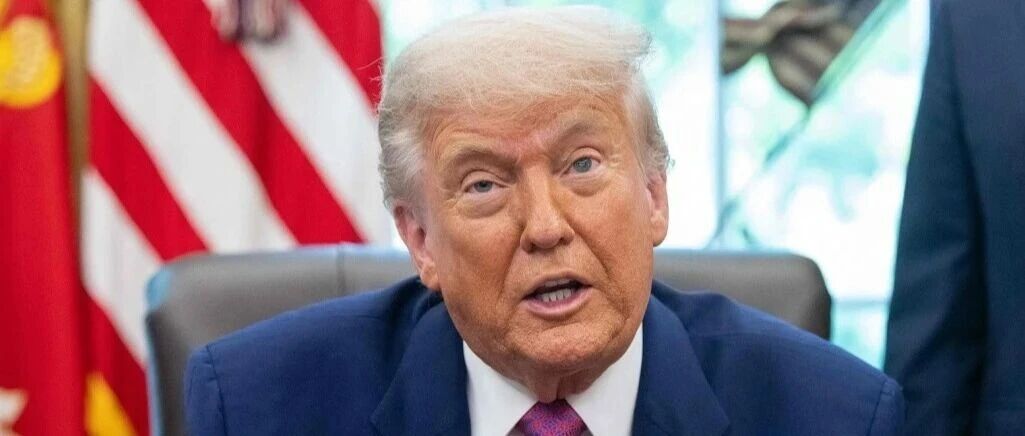
India's pharma stock crash after Trump's 100% tariff on branded drugs
Invezz· 2025-09-26 05:37
Core Viewpoint - The announcement of a 100% tariff on imported branded and patented drugs by President Donald Trump has significantly impacted India's pharmaceutical stocks, effective October 1 [1] Group 1: Industry Impact - The tariff is expected to create shockwaves throughout the pharmaceutical industry, particularly affecting companies that rely heavily on exports to the U.S. market [1] - Indian pharmaceutical companies may face increased costs and reduced competitiveness in the U.S. market due to the new tariff [1] Group 2: Market Reaction - Following the announcement, there was a notable decline in the stock prices of major Indian pharmaceutical firms, indicating investor concern over the potential financial implications [1] - The market's immediate reaction reflects the uncertainty surrounding the future of trade relations between India and the U.S. in the pharmaceutical sector [1]

特朗普关税导致物价上涨才开始?美联储大消息,再降息150个基点
Sou Hu Cai Jing· 2025-09-26 05:32
Group 1: Price Increases and Tariff Impact - In June, the price of household appliances in the U.S. rose by 1.9%, the highest monthly increase since August 2020, while prices for home textiles surged by 4.2%, breaking historical records [3] - The average tariff rate in the U.S. has increased to 18.7%, significantly impacting consumer prices as companies like Ford and Subaru adjust their pricing strategies due to rising costs [3][10] - The Trump administration has imposed substantial tariffs on various imports, including a 25% tariff on auto parts and a 50% tariff on steel and aluminum, with further increases planned for the EU, Mexico, and Canada [3] Group 2: Corporate Sentiment and Investment Challenges - Despite a sense of stability from recent tariff agreements, 70% of CEOs believe that tariff policies harm their businesses, and 62% do not plan to increase domestic investments [10] - Companies are facing a dilemma between passing on increased costs to consumers and managing long-term pricing strategies, with expectations of price increases extending into 2027 [10] - The uncertainty surrounding tariffs and trade policies complicates long-term investment planning for businesses, as highlighted by the mixed sentiments among corporate CFOs [10][12] Group 3: Federal Reserve's Monetary Policy and Market Reactions - The Federal Reserve's recent decision to cut interest rates by 25 basis points reflects a cautious approach amid political pressures and mixed economic signals [6][8] - There is a divide within the Federal Reserve regarding the extent of necessary rate cuts, with some officials advocating for more aggressive measures while others prefer a wait-and-see approach [8] - Political interventions, including pressure from the Trump administration, have raised concerns about the independence of the Federal Reserve, with 80% of business leaders opposing such pressures [12] Group 4: Global Trade and Economic Implications - The U.S. tariff policies are expected to have a global impact, with the WTO predicting a nearly 4 percentage point reduction in global trade growth expectations by 2025 [14] - The Federal Reserve's interest rate cuts are anticipated to have spillover effects, with 73% of surveyed central banks expecting a decline in the dollar's share in global reserves due to U.S. policy uncertainties [14]
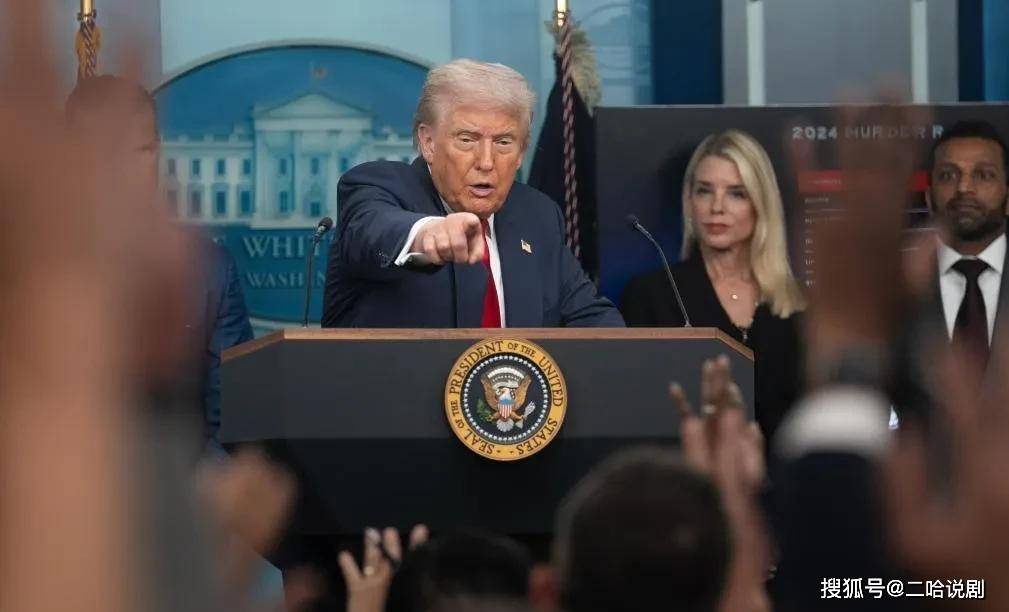
一文尽知|特朗普宣布新关税最高达100%!谁最受伤?
Di Yi Cai Jing· 2025-09-26 05:26
Group 1: Tariffs on Heavy Trucks and Furniture - President Trump announced a 25% tariff on all imported heavy trucks, effective from October 1, 2025, as part of a broader strategy to protect U.S. manufacturers [1][3] - The U.S. Department of Commerce had previously initiated an investigation into whether the import of medium and heavy trucks poses a national security threat [3] - The tariffs aim to bolster U.S. truck manufacturers like Peterbilt, Kenworth, and Freightliner, but previous tariffs on steel and aluminum have already increased production costs for American truck manufacturers [4][5] Group 2: Impact on the Mexican Truck Manufacturing Industry - Mexico is the largest exporter of medium and heavy trucks to the U.S., with 95% of its exports going to the U.S. market [5][6] - The U.S. imported nearly $128 billion worth of heavy vehicle parts from Mexico last year, indicating a significant reliance on Mexican manufacturing [5] - The tariffs may affect companies like Stellantis, which produces heavy Ram trucks in Mexico, and Volvo Group, which is investing $700 million in a new heavy truck factory in Monterrey, Mexico [4] Group 3: Pharmaceutical Industry Implications - Trump announced a 100% tariff on all imported brand-name and patented drugs unless companies have already begun construction of manufacturing plants in the U.S. [7] - The pharmaceutical industry has been responding to potential tariffs by announcing significant investments in U.S. manufacturing, with over $350 billion pledged by various companies [8][9] - The tariffs could hinder the development of new drugs in the U.S. due to increased costs, potentially leading to greater reliance on foreign research and development [9] Group 4: Furniture Industry and Inflation - Trump stated that tariffs on furniture are necessary to restore the strength of U.S. manufacturing, with previous tariffs already pushing furniture prices higher [10][11] - The furniture manufacturing sector has seen a significant decline in jobs, with employment halved since 2000, currently standing at approximately 340,000 [11] - The U.S. imported about $25.5 billion worth of furniture in 2024, a 7% increase from 2023, with around 60% of imports coming from countries like Vietnam [12]

中东战火再起美国面临停摆 黄金于3720双底获撑
Jin Tou Wang· 2025-09-26 02:18
另外,投资者还应密切关注国际贸易形势的最新动态。据最新消息披露,美国总统特朗普于当地时间周 四晚间郑重宣布:"自2025年10月1日起,我将针对所有在世界其他地区生产的'重型(大型)卡车'加征 25%的关税。" 颇为耐人寻味的是,金价历经短暂下挫之后,旋即强势收复失地,最终实现收涨。究其原因,一股强劲 的"暗流"正悄然涌动——全球地缘政治局势持续紧张。以色列军队在加沙地区的军事行动不断升级,同 时对也门胡塞武装目标展开空袭,致使中东地区战火纷飞、局势动荡不安。尤为引人关注的是,欧洲外 交官向克里姆林宫发出严正警告,意味着北约已做好充分准备,将以武力应对俄罗斯侵犯领空的行为, 此举无疑将俄乌冲突的紧张态势推向了全新高峰。 与此同时,美国国内围绕政府可能停摆的议论声此起彼伏,进一步加剧了市场的不确定性。恰是在这般 纷繁复杂的"乱世"环境之下,黄金作为避险资产的属性愈发凸显、光芒四射。尽管当前经济数据透露出 一定的鹰派倾向,然而却难以撼动市场对于降息的整体预期。"每当金价出现下行走势时,总有敏锐的 投资者选择逢低吸纳,以及大量寻求资产安全保障的避险资金涌入市场托底支撑,从而构筑起一道令金 价"跌无可跌"的坚实防线。 ...
突发“黑天鹅”!刚刚,集体下跌
Zhong Guo Ji Jin Bao· 2025-09-26 02:09
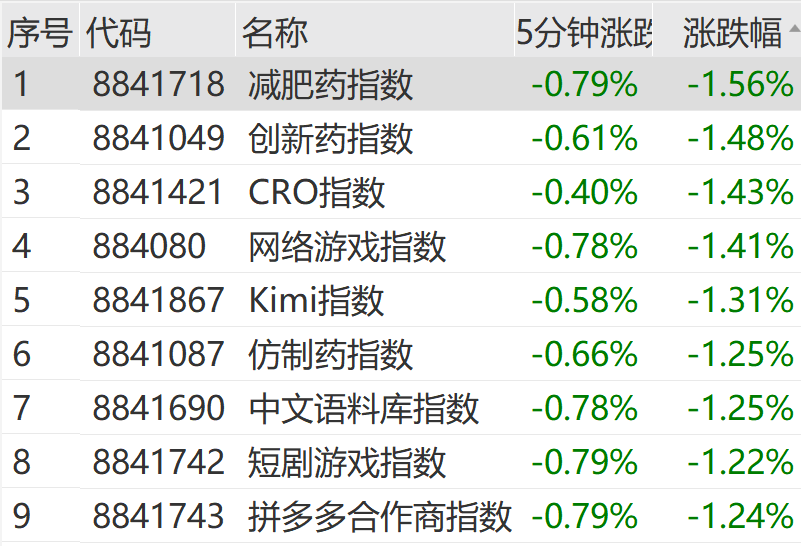
Core Viewpoint - The pharmaceutical sector in the Asia-Pacific market experienced a significant decline, with various indices showing notable drops, particularly in the weight loss drugs, innovative drugs, and CRO sectors [1][2]. Group 1: Market Performance - The A-share pharmaceutical and biotechnology sector saw a downturn, with weight loss drug index dropping by 1.56%, innovative drug index by 0.61%, and CRO index by 0.40% [2]. - Individual stocks such as Sunflower (向日葵) fell over 10%, while Aosaikang (奥赛康) and Guangshengtang (广生堂) also experienced significant declines of 9.02% and 6.56% respectively [3]. Group 2: Hong Kong and Japan Market Impact - The Hang Seng Biotechnology Index opened down nearly 2% and continued to decline, with companies like MicroPort Medical (微创医疗) and BeiGene (百济神州) showing notable drops of 5.47% and 4.75% respectively [4]. - In Japan, companies such as Sumitomo Pharma (住友制药) and Daiichi Sankyo (第一三共) also faced declines exceeding 4% and 3% respectively [4]. Group 3: External Factors - The recent announcement by U.S. President Trump regarding a new round of high tariffs on imported goods, including a punitive 100% tariff on patented and branded pharmaceuticals, is expected to impact the pharmaceutical industry significantly [5].


突发“黑天鹅”!刚刚,集体下跌
中国基金报· 2025-09-26 02:02
Core Viewpoint - The pharmaceutical sector in the Asia-Pacific market experienced a significant decline, particularly in China, with various indices related to weight-loss drugs, innovative drugs, and CROs showing notable drops [1][5]. Group 1: Market Performance - The A-share pharmaceutical and biotechnology sector saw a downturn, with the weight-loss drug index dropping by 1.56%, the innovative drug index by 1.48%, and the CRO index by 1.43% [2]. - Individual stocks such as Sunflower fell over 10%, while other companies like Aosaikang, Guangshengtang, and Jiming Health also reported significant declines [3]. Group 2: Stock Details - Specific stock performances included: - Sunflower (300111) at 7.90, down 12.22% [3] - Aosaikang (002755) at 21.18, down 9.02% [3] - Guangshengtang (300436) at 113.59, down 6.56% [3] - Jiming Health (603222) at 10.98, down 6.15% [3] - In the Hong Kong market, the Hang Seng Biotechnology Index opened nearly 2% lower, with companies like MicroPort Medical, CanSino Biologics, and BeiGene showing significant declines [4]. Group 3: External Factors - A major contributing factor to the decline was the announcement by U.S. President Trump regarding new tariffs, including a punitive 100% tariff on pharmaceutical products, effective October 1 [5].