稀土出口管制

Search documents
稀土,大消息!外交部,最新回应
Zheng Quan Shi Bao· 2025-10-28 10:46
Core Viewpoint - The Chinese government emphasizes that its export control measures on rare earths are aimed at standardizing and improving the export control system, aligning with international practices to maintain global peace and regional stability [1] Group 1: Export Control Policies - China has reiterated its stance on rare earth export control policies, stating that these measures are in line with international norms and are intended to fulfill international obligations related to non-proliferation [1] - The Chinese government expresses willingness to enhance dialogue and communication with other countries regarding export controls to ensure the security and stability of global supply chains [1] Group 2: China-EU Trade Relations - The essence of China-EU economic and trade relations is characterized by complementary advantages and mutual benefits, with a call for the EU to uphold commitments to free trade and oppose protectionism [1] - China urges the EU to resolve trade differences through dialogue and to provide a fair, transparent, and non-discriminatory business environment for enterprises [1]
稀土,大消息!外交部,最新回应
证券时报· 2025-10-28 09:57
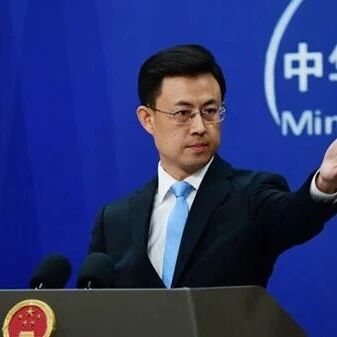
10月28日,外交部发言人郭嘉昆主持例行记者会。 有记者就美国财长相关涉中美经贸问题言论提问。 证券时报各平台所有原创内容,未经书面授权,任何单位及个人不得转载。我社保留追 究相关 行 为主体 法律责任的权利。 郭嘉昆表示,具体问题建议向中方的主管部门进行了解。 关于稀土出口管制政策,中方已多次阐明立场。中 方相关措施是对出口管制体系的规范和完善,符合国际通行做法,目的是更好维护世界和平和地区稳定,履行 防扩散等国际义务。 我们愿同各国加强出口管制的对话交流,维护全球产供链安全稳定。关于中美经贸磋商 的情况,中方已经发布了有关消息,可以查阅。 法新社记者提问,欧盟和中国的代表团将在布鲁塞尔进行贸易协定的会谈,并且讨论稀土的相关问题。请问中 方是否打算放松对稀土的出口管制? 郭嘉昆表示,中欧经贸关系的本质是优势互补、互利共赢。我们希望欧方恪守支持自由贸易、反对贸易保护主 义的承诺,不要动辄采取限制性的措施,而应坚持通过对话协商妥善解决贸易分歧,为各国企业提供公平透 明、非歧视的营商环境,以实际行动维护市场经济和世贸组织规则。具体问题建议向中方主管部门询问。 综合自:央视新闻、北京日报 责编:李丹 校对: 王朝全 ...

中欧将进行会谈讨论稀土问题?外交部回应
第一财经· 2025-10-28 08:05
Group 1 - The core viewpoint emphasizes the importance of mutual benefits and complementary advantages in China-EU economic and trade relations, advocating for dialogue and cooperation to resolve trade differences [1] - The spokesperson urges the EU to adhere to commitments supporting free trade and opposing protectionism, suggesting that restrictive measures should be avoided [1] - There is a call for creating a fair, transparent, and non-discriminatory business environment for enterprises from all countries, reinforcing the need to uphold market economy principles and WTO rules [1]
中方是否将与欧盟谈判放松对稀土的出口管制?外交部回应
Zhong Guo Xin Wen Wang· 2025-10-28 07:57
Core Viewpoint - The Chinese Ministry of Foreign Affairs emphasizes the importance of maintaining a mutually beneficial trade relationship with the EU, advocating for dialogue over restrictive measures regarding rare earth export controls [1]. Group 1: Trade Relations - The essence of China-EU economic and trade relations is characterized by complementary advantages and mutual benefits [1]. - China hopes that the EU will adhere to its commitments to support free trade and oppose trade protectionism [1]. Group 2: Export Controls - The Chinese government encourages the EU to resolve trade differences through dialogue and consultation rather than imposing restrictive measures [1]. - There is a call for the EU to provide a fair, transparent, and non-discriminatory business environment for enterprises from all countries [1].
中欧将讨论稀土问题?外交部回应
券商中国· 2025-10-28 07:56
Core Viewpoint - The essence of China-EU economic and trade relations is complementary advantages and mutual benefits, emphasizing the need for dialogue and cooperation to resolve trade differences and maintain a fair business environment [1]. Group 1 - The Chinese Foreign Ministry spokesperson, Guo Jia Kun, addressed a question regarding the potential relaxation of China's export controls on rare earths during a press conference [1]. - Guo emphasized that the EU should adhere to its commitments to support free trade and oppose protectionism, avoiding restrictive measures [1]. - The spokesperson suggested that specific inquiries regarding export controls should be directed to the relevant Chinese authorities [1].
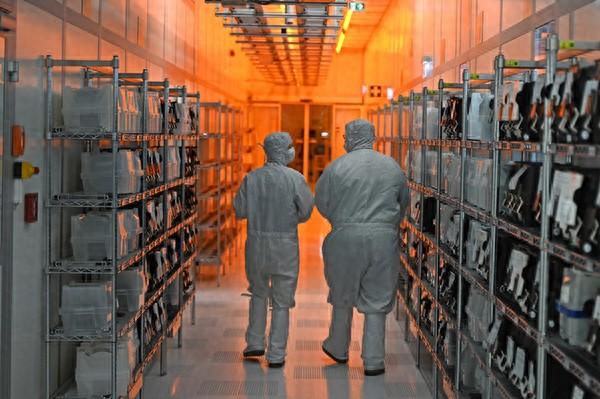
台积电高管:供应商目前有足够的稀土库存!烟雾弹?
是说芯语· 2025-10-28 05:43
Core Viewpoint - The article discusses the impact of China's rare earth export control policies on TSMC, highlighting the company's current confidence in its suppliers' inventory levels while acknowledging potential long-term risks if supply constraints persist [1][2][6]. Group 1: TSMC's Current Situation - TSMC's executives express confidence that their suppliers currently have sufficient rare earth inventory to sustain operations for 1-2 years despite potential supply chain disruptions [2][4]. - The company is exploring alternative sources for rare earth materials, such as Australia, but acknowledges that transitioning to these suppliers will take time due to the underdeveloped state of Australia's rare earth mining industry [6][10]. Group 2: Impact of Export Controls - China's recent announcement of export controls on certain rare earth materials could significantly affect TSMC's supply chain, particularly if its main suppliers like ASML and TEL face restrictions [4][9]. - The export controls cover a range of rare earth elements and related items, with stringent measures similar to those imposed by the U.S. on technology exports [9][10]. Group 3: China's Dominance in Rare Earths - China dominates the global rare earth market, controlling approximately 40% of rare earth mineral reserves, nearly 70% of global extraction, and about 90% of processing capacity [8][10]. - The article emphasizes that many modern high-tech devices rely on Chinese rare earths, making it challenging for countries like the U.S. and its allies to establish independent supply chains [10][11].


狠话说尽后,欧盟:中方代表团水平很高,周四在布鲁塞尔不见不散
Guan Cha Zhe Wang· 2025-10-28 04:14
Core Points - The supply issues of rare earths and the Nexperia semiconductor situation are severely impacting the European automotive industry, causing significant concern among EU member states [1] - The EU is preparing to engage in discussions with a high-level Chinese technical delegation regarding rare earth issues, indicating a desire to find a resolution to the supply crisis [1][2] - The Dutch government's intervention in Nexperia has led to a freeze on assets and operations, which is expected to disrupt the supply chain for automotive manufacturers in Europe, particularly in Germany [4][5] Group 1: Rare Earth Supply Issues - The EU is facing a potential crisis in the automotive sector due to rare earth supply disruptions, prompting discussions of retaliatory measures against China [1] - A high-level Chinese delegation is scheduled to visit Brussels to discuss rare earth issues, with preliminary meetings already taking place [1][2] - The EU is exploring options to mitigate the impact of rare earth supply shortages, including local production and diversification of suppliers [5][7] Group 2: Nexperia Semiconductor Situation - The Dutch government has mandated a freeze on Nexperia's assets and operations, which has raised concerns about the impact on the global automotive supply chain [4][5] - Nexperia's operations in China are facing challenges due to the Dutch government's intervention, leading to reduced output and supply chain complications [4][5] - The German government is actively engaging with affected companies to address potential supply chain difficulties stemming from the Nexperia situation [5][7] Group 3: EU's Trade Measures and Responses - The EU is considering new regulations that would impose conditions on Chinese companies operating in Europe, including technology transfer and local content requirements [7] - Discussions among EU member states are ongoing regarding potential retaliatory trade measures against China, with a focus on the recent rare earth export controls [7][8] - The EU is preparing a list of trade measures to enhance its negotiating position in discussions with China, reflecting a strategic approach to the ongoing trade tensions [7][8]

中美谈判靴子落地,如何影响各行业板块?
Hu Xiu· 2025-10-27 11:16
Group 1 - The core viewpoint of the article is that the easing of tensions in US-China negotiations is positively impacting market sentiment, particularly in strategic resource commodities [3] - The market is experiencing a rebound in overall activity, driven by the positive signals from both US and Chinese officials regarding trade negotiations [3] - US Treasury Secretary indicated that China has "delayed" its export controls on rare earths, which is perceived as a significant development in the trade talks [3] Group 2 - Despite the lack of a signed final agreement, both sides are releasing reassuring signals, with the US expressing optimism about reaching a consensus [3] - The Chinese negotiating team remains cautious, acknowledging that key differences are unlikely to be resolved in the short term, while also noting that preliminary agreements have been formed on various topics [3]
小金属板块盘中走高,稀有金属ETF(562800)连续3日上涨,成分股厦门钨业、东方钽业双双10cm涨停
Xin Lang Cai Jing· 2025-10-27 05:26
Group 1: ETF Performance and Metrics - The Rare Metals ETF has a turnover rate of 4.69% during trading, with a transaction volume of 189 million yuan [3] - The latest scale of the Rare Metals ETF reached 3.893 billion yuan, marking a new high since its establishment and ranking first among comparable funds [3] - The latest share count of the Rare Metals ETF is 4.658 billion shares, also a new high since its inception and leading among comparable funds [3] - The net inflow of funds into the Rare Metals ETF is 31.117 million yuan, with a total of 122 million yuan raised over the past five trading days [3] - As of October 24, the net value of the Rare Metals ETF has increased by 15.51% over the past three years [3] - The highest monthly return since inception for the Rare Metals ETF is 24.02%, with the longest consecutive months of increase being five, and the maximum increase during this period being 66.25% [3] - The average return during the months of increase is 8.60% [3] Group 2: Market Trends and Regulations - The Ministry of Commerce has released a new round of rare earth export control policies aimed at strengthening management of the rare earth industry chain, with a focus on secondary resource recycling technologies [4] - By 2025, the proportion of secondary recycling in the rare earth supply chain is expected to reach 27% [4] - The new regulations will strictly control the incremental supply of rare earths, making it difficult for the market to see sudden increases in supply outside of government actions [4] - According to CITIC Securities, the demand for lithium salts is expected to continue exceeding expectations due to sustained global energy storage and power battery market conditions [4] - The peak investment period for the lithium industry has passed, with future increments mainly coming from existing project expansions, and the growth rate of lithium resource supply is expected to gradually decline [4] - The inventory-to-sales ratio for lithium salt smelting plants in September was 28%, returning to 2022 levels, indicating that lithium salt inventory levels have reached their limits [4] - Forecasts suggest that global lithium supply surplus from 2025 to 2028 will be 10.1, 7.8, 2.9, and 1.1 thousand tons respectively, with lithium supply and demand gradually shifting to a tight balance [4] - Lithium prices are expected to rise from the bottom, with a projected range of 80,000 to 100,000 yuan per ton in 2026 [4] Group 3: Key Stocks in Rare Metals - The top ten weighted stocks in the CSI Rare Metals Theme Index account for a total of 59.91%, including Northern Rare Earth, Luoyang Molybdenum, Huayou Cobalt, and others [3] - Notable stock performances include Xihua Salt Lake with a 2.58% increase and Northern Rare Earth with a 3.95% increase [6] - Investors can also participate in the rare metals sector through the Rare Metals ETF linked fund (014111) [6]


中欧稀土战一触即发!冯德莱恩柏林挑衅:考虑对华动用一切手段?
Sou Hu Cai Jing· 2025-10-27 04:20
随着欧盟委员会主席冯德莱恩的一番讲话,中国和欧洲之间的稀土争斗似乎即将拉开帷幕。据彭博社等媒体的报道,冯德莱恩在周六的柏林宣布:"近几个 月来,中国加大了对稀土和电池材料的控制,这带来了重大的风险"。因此,"布鲁塞尔正在评估应对中国稀土威胁的所有可能方案,必要时会动用一切可用 手段"。不仅如此,法国也开始站在中国的"对立面",法国总统马克龙表示:"如果无法找到解决北京对关键原材料实施出口管制的办法,欧盟应考虑使用欧 盟最强有力的反制贸易工具(反胁迫法)来应对中国"。 欧盟领导人的反应为何如此激烈呢?这主要是因为中国与美国之间的稀土争斗间接影响了欧盟的企业。众所周知,随着中国对稀土出口的逐步收紧,欧盟和 美国若想获得中国的稀土,就得依赖中国的"审批"。尽管审批速度不断提高,但仍然远不如以前自由贸易时的效率快,导致了欧盟和美国的企业出现了"稀 土短缺"的情况。欧盟认为,尽管中国是在与美国进行稀土战争,但欧盟也受到了影响,而且影响极为严重。 至此,中欧之间的紧张局势日益加剧,欧盟对中国的态度也越来越强硬。此前,德国外长瓦德富尔曾计划访华。理论上,中国与德国的关系较好,德国外长 来访应当受到高规格接待。但此次,中国方 ...