细胞治疗

Search documents
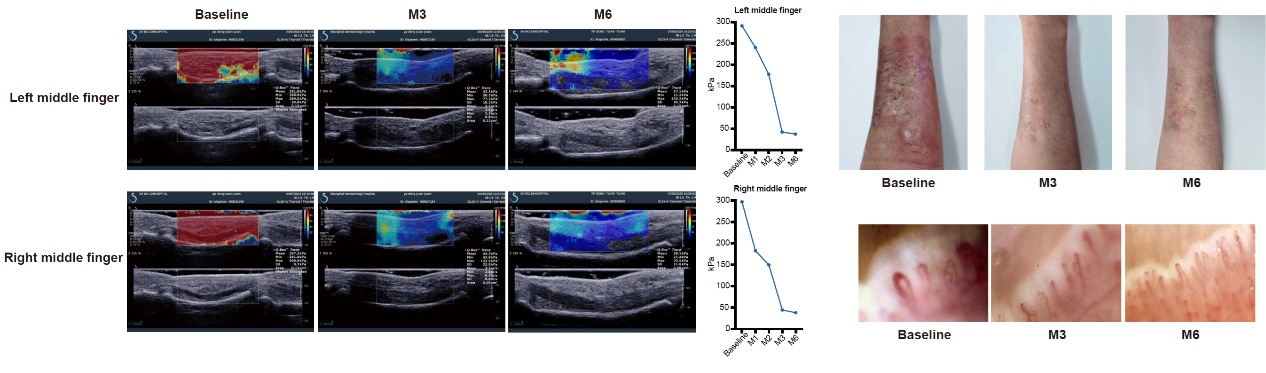
硬皮病新治疗手段成功临床转化中 治疗费用或从百万降至十万元级
Bei Ke Cai Jing· 2025-06-25 04:22
Core Viewpoint - A new treatment method developed by a research team led by Professor Xu Huji from the Second Affiliated Hospital of Naval Medical University has successfully improved the condition of a patient with refractory systemic sclerosis, demonstrating significant clinical transformation and improvement in key health indicators [1][3]. Group 1: Treatment Method and Results - The new treatment method has shown significant improvement in skin sclerosis and reversal of tissue fibrosis in the patient, along with notable enhancements in lung and heart functions [1][3]. - Systemic sclerosis is characterized by vascular abnormalities, immune activation, and progressive tissue fibrosis, presenting long-term treatment challenges due to limited drug efficacy and high disease heterogeneity [1][3]. Group 2: Cost and Future Implications - Current treatments like autologous hematopoietic stem cell transplantation or CAR-T cell therapy can cost up to 1 million yuan, while the new treatment method is expected to reduce costs to around 100,000 yuan once mass production is achieved [3]. - This research not only provides a new strategy for treating refractory systemic sclerosis but also validates the treatment concept of "targeted elimination" followed by "regenerative repair," opening new pathways for cell therapy in rheumatic diseases [3]. Group 3: Publication and Recognition - The case study titled "Application and Mechanism Study of iPSC-Derived Dual-Target CAR-NK Cells in Refractory Systemic Sclerosis" was published as an original article in the prestigious journal "Cell" on June 24 [4].

中国创新药企对外授权巨额交易捷报频传,科创医药ETF嘉实(588700)冲击3连涨
Xin Lang Cai Jing· 2025-06-24 03:19
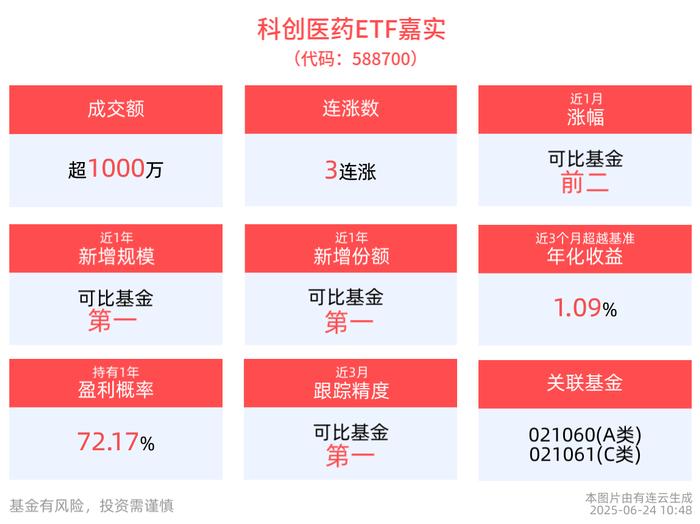
Core Insights - The Shanghai Stock Exchange Sci-Tech Innovation Board Biopharmaceutical Index has shown a positive trend, with notable increases in constituent stocks such as Zhenhua Cell and Rongchang Biopharmaceutical [1][3] - The Jiashi Sci-Tech Medicine ETF has experienced significant trading activity and growth, leading in both scale and share increase among comparable funds [3][6] Market Performance - As of June 24, 2025, the Sci-Tech Innovation Board Biopharmaceutical Index rose by 0.82%, with Zhenhua Cell up by 9.46% and Rongchang Biopharmaceutical up by 4.23% [1] - The Jiashi Sci-Tech Medicine ETF recorded a turnover of 8.8% and a transaction volume of 18.05 million yuan, with an average daily transaction of 41.47 million yuan over the past month [3] Fund Growth - The Jiashi Sci-Tech Medicine ETF has seen a scale increase of 128 million yuan over the past year, leading among comparable funds [3] - The fund's net asset value has increased by 21.01% over the past year, with a historical one-year profit probability of 72.17% [3][6] Top Holdings - The top ten weighted stocks in the Sci-Tech Innovation Board Biopharmaceutical Index account for 51.6% of the index, with leading companies including United Imaging Healthcare and BeiGene [3][5] Industry Trends - Recent significant licensing deals in the Chinese innovative pharmaceutical sector include a $6 billion deal by 3SBio and a $5.33 billion strategic collaboration between CSPC and AstraZeneca [5][6] - Chinese innovative pharmaceutical companies are demonstrating competitive advantages in R&D efficiency and cost control, particularly in advanced technology fields such as ADC and cell therapy [6]
晚报 | 6月24日主题前瞻
Xuan Gu Bao· 2025-06-23 14:36
Group 1: Autonomous Driving - Tesla has officially launched its Robotaxi pilot service in Austin, Texas, with initial fares set at $4.20 per ride, utilizing a fleet of 10 to 20 modified Model Y vehicles equipped with Tesla's self-developed vision perception system and FSD software [1][2] - Analysts expect Tesla's successful operation of the Robotaxi business to accelerate the commercialization process of autonomous ride-hailing services, with predictions that the market could reach nearly 500 billion yuan by 2030 [1][2] Group 2: Commercial Space - The commercial space innovation company, Orbital Insight, has completed its first and additional rounds of financing, totaling 140 million yuan, with significant investment from Shunhao Co. and Lenovo Venture Capital [2] - The financing will support the development and deployment of the "926 Project," which focuses on constructing and operating a giant computing satellite constellation [2] Group 3: Solid-State Batteries - The solid-state battery sector is gaining momentum, with companies like Xinwangda and Yiwei Lithium Energy reporting advancements, including Xinwangda achieving an energy density of 500 Wh/kg in laboratory samples and planning to reach 700 Wh/kg by 2027 [3] - The U.S. startup Lon Storage Systems has begun producing solid-state batteries and is shipping test units to potential clients, including the U.S. Department of Defense [3] Group 4: Cell Therapy - Chinese scientists have published a new cell therapy paradigm in the journal "Cell," demonstrating engineered human anti-aging mesenchymal stem cells that can delay multi-organ aging in primate models [4] - The global stem cell therapy market is projected to reach $100 billion by 2030, with China's market expected to grow from 45 billion yuan in 2025 to 300 billion yuan by 2030, reflecting a compound annual growth rate of over 25% [4] Group 5: Nuclear Power - The Chinese Academy of Sciences has announced the continuous stable operation of the thorium-based molten salt experimental reactor in Wuwei, Gansu, marking a significant advancement in fourth-generation nuclear technology [5] - The thorium molten salt reactor has advantages such as abundant thorium resources and passive safety features, with plans to build 5 to 10 commercial reactors by 2035 [5]

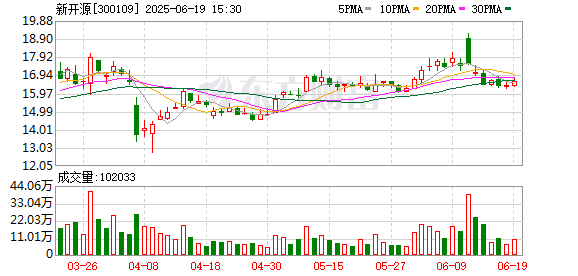
新开源(松江)全球研发转化生产基地盛大开业,打造生物医药产业新高地
Zheng Quan Shi Bao Wang· 2025-06-19 09:33
Core Viewpoint - The opening of the new R&D transformation production base by Xin Kai Yuan in Songjiang marks a significant milestone for the company and contributes to the development of the biopharmaceutical industry in the region [2][3][4] Group 1: Company Overview - Xin Kai Yuan is the first domestic high-tech enterprise focused on the production, R&D, and sales of PVP series products and PVME/MA series products, with over 1,000 clients globally [2] - The company has been planning its medical business headquarters in Shanghai Songjiang since 2018, aiming to strengthen its existing precision medicine and women's health businesses [2] - Xin Kai Yuan collaborates deeply with its invested companies, Huada Bio and Yongtai Bio, to establish a fully autonomous CAR-T cell production base with complete intellectual property rights [2] Group 2: Industry Impact - The establishment of the "Yuan Yin Nuo Fang" biopharmaceutical incubator and the signing of a commercial production base agreement for CAR-T cell drugs with Huada Bio will enhance production efficiency and reduce costs [3] - The new base aligns with the strategic goals of the Songjiang District, which aims to create a world-class biopharmaceutical industry cluster, thereby boosting R&D capabilities in cutting-edge fields like cell therapy and gene technology [3] - The operation of the new base is expected to drive innovation and international development in precision medicine and high-end fine chemicals in China [3][4]

消化系统肿瘤高发,国内领军专家共探破解之道
Xin Jing Bao· 2025-06-16 13:29
Core Insights - The 15th Peking University Digestive Oncology Forum focused on "innovation, precision, and collaboration" in the context of digestive system tumors, emphasizing the importance of translational research and precision treatment in China [1] Group 1: Disease Prevalence and Trends - Asia has a high incidence of digestive system tumors, influenced by genetic backgrounds and dietary habits, with half of the global upper digestive system tumor patients located in China [1] - The incidence rates of the three major digestive system tumors (esophageal cancer, gastric cancer, liver cancer) in China are declining due to improved disease awareness and lifestyle changes [1] Group 2: Diagnosis and Treatment Challenges - Late diagnosis remains a significant issue in China, with low five-year survival rates for esophageal cancer (approximately 30%) and gastric cancer (approximately 40%) [2] - The early diagnosis rate for digestive tract tumors has improved but still requires further enhancement, with a call for increased public screening and early endoscopic examinations [2] Group 3: Advances in Treatment - The field of digestive system tumor treatment is undergoing profound changes, with new technologies, targets, and drugs emerging, presenting both opportunities and challenges [2] - A "BtoB" bidirectional translational research model is proposed to explore new treatment options targeting HER2, EGFR, and CLDN18.2 [2] Group 4: Immunotherapy and Research Directions - Cell therapy and immunotherapy have made significant strides, with a shift from 1.0 to 2.0 in immunotherapy, expanding the beneficiary population for upper digestive tract tumors [3] - A comprehensive clinical-translational-basic research system is advocated to enhance the clinical application of precision treatment for upper digestive tract tumors [3] Group 5: Collaborative Efforts - The high incidence and mortality rates of digestive system tumors in China call for multidisciplinary integration and innovation to drive advancements in diagnosis and treatment, aligning with the "Healthy China 2030" initiative [3]
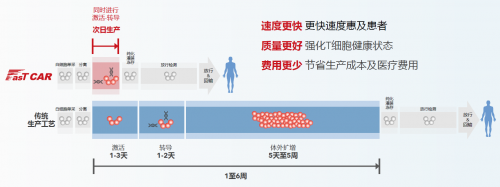
匠心布局细胞治疗,阿斯利康押注的高潜力CAR-T疗法又有新进展
Zhong Guo Chan Ye Jing Ji Xin Xi Wang· 2025-06-16 06:26
Group 1: Company Developments - AstraZeneca (AZ) showcased its dominance at the ASCO annual meeting, marking its seventh consecutive year on the main stage and has been selected for eight LBA studies since 2020, particularly excelling in lung and breast cancer while making significant strides in gastrointestinal tumors [1] - In recent years, AZ has made strategic acquisitions to enhance its position in cell therapy, including the purchase of Neogene in 2022 for TCR-T therapy, a partnership with Quell in 2023 for Treg therapy, and a $1 billion acquisition of EsoBiotec, focusing on in vivo cell therapy [1][9] - The acquisition of Gengxi Biotech is highlighted as a pivotal move for AZ in the CAR-T space, with promising data emerging from its clinical trials, particularly for AZD0120 in treating refractory systemic lupus erythematosus (rSLE) and newly diagnosed multiple myeloma (NDMM) [2][6][9] Group 2: Clinical Data and Efficacy - AZD0120 has shown positive safety and preliminary efficacy in a study involving 10 rSLE patients, with 100% of patients normalizing complement levels and 70% achieving sustained serological remission [3][5] - In NDMM, AZD0120 demonstrated a 100% overall response rate (ORR) and a 95.5% stringent complete response (sCR) rate in high-risk transplant-eligible patients, with a median follow-up of 32.3 months [6][8] - For elderly patients with NDMM, AZD0120 also achieved a 100% ORR and sCR rate, indicating its potential as a new treatment option for patients over 70 years old [7][8] Group 3: Market Potential and Future Outlook - The global market for multiple myeloma (MM) drugs is projected to reach $43.7 billion by 2028 and $52.1 billion by 2033, highlighting the significant opportunity for AZD0120 if it can secure a position in first-line treatment [8] - AZD0120 is positioned as a key asset in AZ's cell therapy portfolio, with expectations for it to drive growth beyond 2030, especially following its recent clinical successes [8][9] - The strategic focus on Shanghai as a research hub for cell therapy underlines AZ's commitment to leveraging China's innovative capabilities to enhance its global cell therapy development [9]

十年磨一剑,从肺再生到肾再生,这个新药证明了中国在细胞治疗领域的创新能力
Ge Long Hui· 2025-06-04 19:18
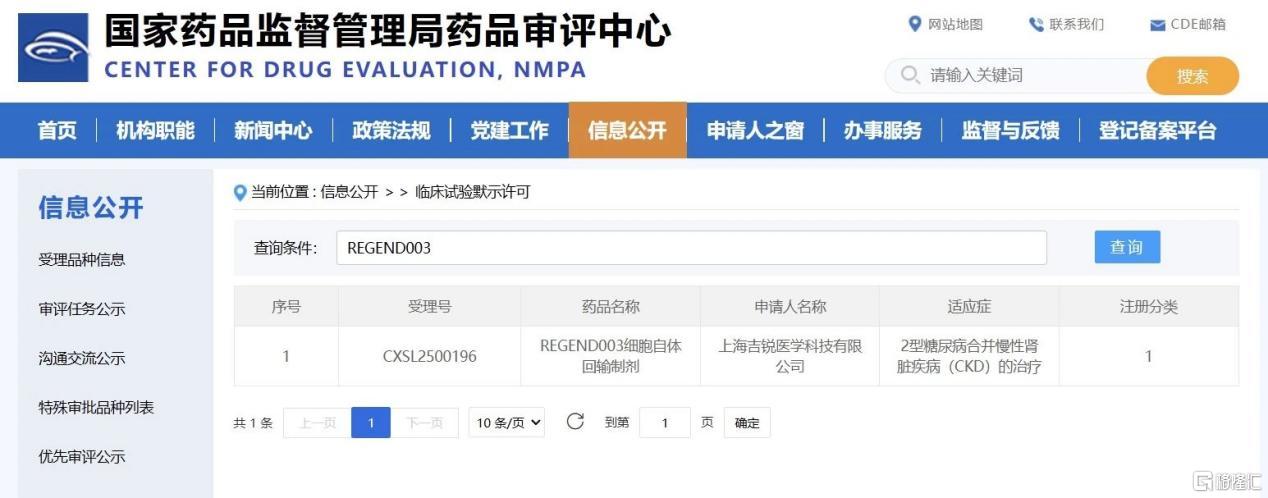
Core Insights - The approval of REGEND003, a novel kidney stem cell therapy developed by Shanghai Jirui Medical Technology Co., a subsidiary of Jimei Life Sciences, marks a significant advancement in the treatment of diabetic kidney disease (DKD) in China [1][11] - This therapy utilizes a dual mechanism of "regeneration + repair" to potentially reverse kidney function decline, offering a new treatment pathway for over 120 million chronic kidney disease patients in China [3][7] Group 1: Product Development and Approval - REGEND003 has received approval from the National Medical Products Administration (NMPA) to enter clinical trials, specifically targeting DKD [1][2] - The therapy is based on the R-Clone® precursor cell amplification platform, which isolates and amplifies SOX9+ kidney precursor cells from patients' urine [3][10] - The clinical trial application for REGEND003 was accepted in March 2025, with approval for Phase I/II trials granted in May 2025, reflecting regulatory support for innovative therapies [10][11] Group 2: Clinical and Market Implications - REGEND003 aims to fill a treatment gap for the 30%-40% of chronic kidney disease patients who suffer from diabetic kidney disease, which is increasing at a rate of 10% annually [7][9] - The therapy's autologous cell infusion method avoids the risks associated with allogeneic transplants and may reduce long-term treatment costs [9][11] - If successful, REGEND003 could become the first approved kidney regeneration therapy in China, potentially transforming the treatment landscape for chronic kidney diseases [11][12] Group 3: Competitive Landscape and Future Outlook - REGEND003 is positioned against ProKidney's kidney repair product in the U.S., which is currently in Phase III trials, highlighting the competitive nature of the regenerative medicine market [10][11] - The company has established a comprehensive industrial chain with GMP pilot bases and super organ research centers in multiple cities, ensuring efficient technology transfer [10][11] - The approval of REGEND003 not only signifies a breakthrough for diabetic kidney disease patients but also underscores China's growing leadership in the field of cell therapy [12]
如何保障“干细胞”疗效可靠?——国际新标出炉:由“干细胞”回归“间充质基质细胞”的认知革新
Xin Lang Cai Jing· 2025-06-04 09:37
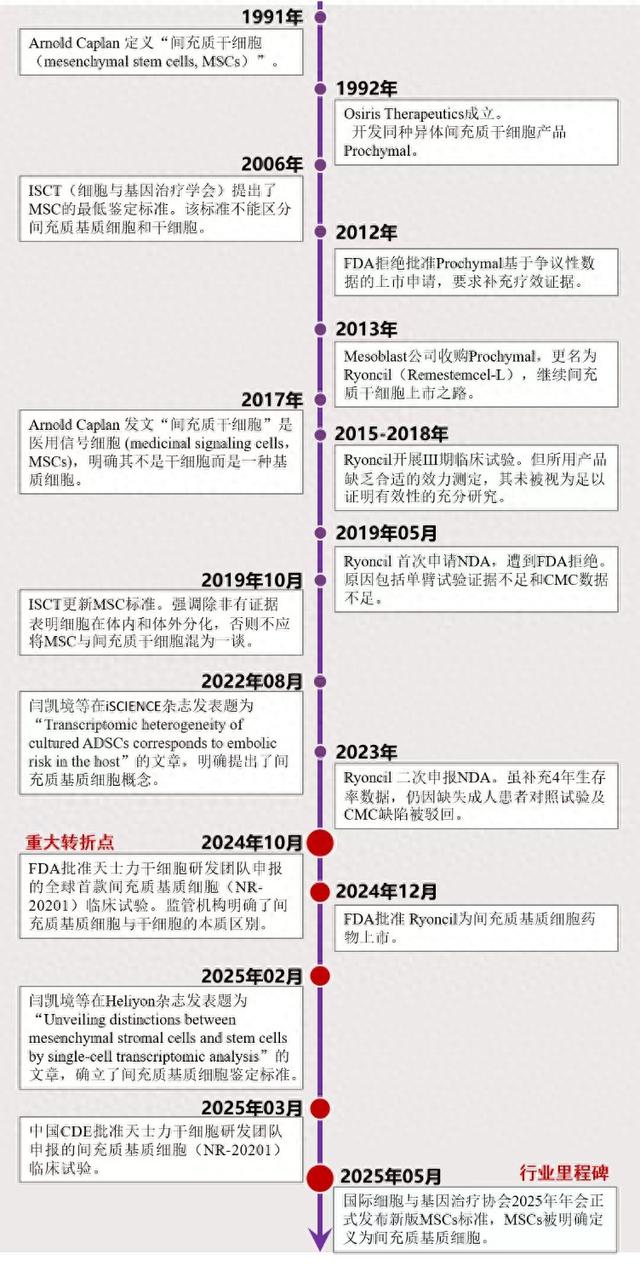
近日,国际细胞与基因治疗协会(ISCT)2025年度会议发布重大新闻:作为当下"干细胞疗法"应用主 力的"间充质干细胞"的实际身份却并非是干细胞,而是"间充质基质细胞( MSCs)"。2025年初,天士 力闫凯境博士等在国际期刊"Heliyon"上发表里程碑研究,在全球首次明确的揭示了MSCs与干细胞在分 子层面的根本区别,找到了区分两者的生物标志物,为MSCs标准更新奠定了核心基础。 在近日举行的国际细胞与基因治疗协会(ISCT)2025年度会议上发布了重大新闻:作为当下"干细胞疗 法"应用主力的"间充质干细胞"的实际身份却并非是干细胞,而是"间充质基质细胞(Mesenchymal Stromal Cells, MSCs)"。这看似只是一场学术争论的尘埃落定,但其背后却是一场历经三十年的间充质 基质细胞疗法认知革命,更是直接催生了疗程定价达155万美元(约1100万人民币)"天价"药的诞生。 看到这里,我们不禁要问:MSCs究竟是什么细胞,为什么身份争议不断却让人们趋之若鹜?它又有哪 些功能,值得人们一掷千金? 历史迷雾:"干细胞"标签下的治疗困局 MSCs的故事始于1991年,其发现者Arnold Cap ...

每日市场观察-20250604
Caida Securities· 2025-06-04 03:49
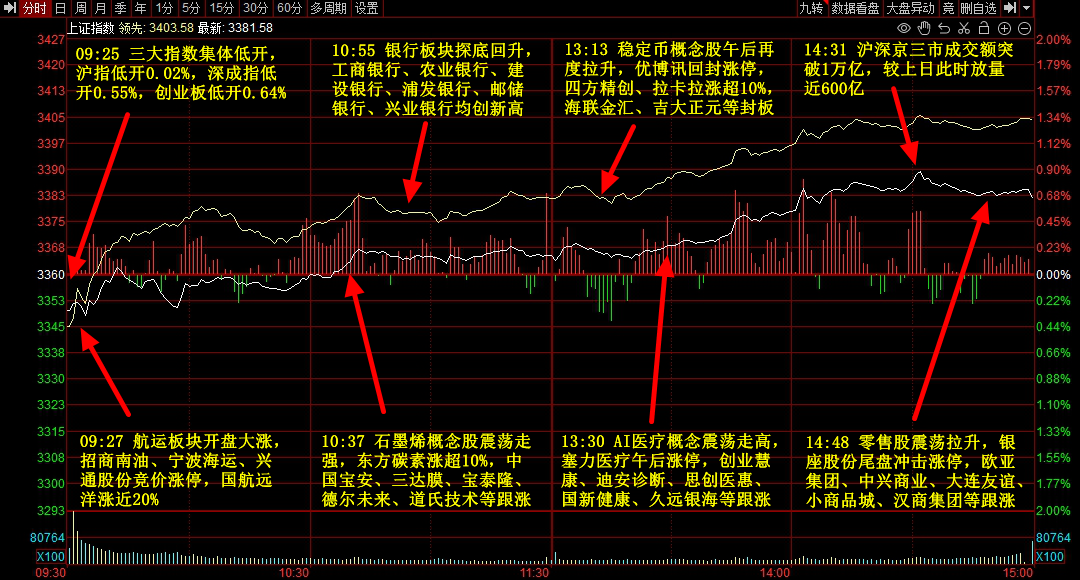
每日市场观察 2025 年 6 月 4 日 【今日关注】 周二是六月的第一个交易日,端午节期间外围市场虽有所波动,但 A 股 周二走势较稳,三大股指开盘小幅低开后,全天稳步上涨,收盘三大股 指均小幅收涨,沪指涨 0.43%,深证成指涨 0.16%,创业板指涨 0.48%。 沪深两市成交额超过 1.14 万亿元,量能基本维持前两个交易日的水平, 行业板块涨多跌少,农业、医药、银行、有色、传媒等行业涨幅居前; 细分行业方面,免疫治疗、创新药、培育钻石、数字货币、无人机等板 块热点较为突出,两市上涨股票数量接近 3400 只。 三大股指总体上维持震荡格局,从沪指的 K 线看,前期的调整未跌破 6 0 日均线,短线 K 线组合属于偏强势的氛围,但量能上略显不足;信息 面上,美国近期出台多项对华歧视性限制措施,包括发布 AI 芯片出口 管制指南、停止对华 EDA 的销售、宣布撤销中国留学生签证等,对 A 股 市场还是有一定影响,总体分析,市场继续延续震荡反弹的基调,投资 者操作上优化布局,轻指数,重个股。 近期从市场结构和资金运行的特征分析,在市场的震荡性行情中,更加 突出细分行业的成长亮点。从近期市场的表现看,医药中 ...
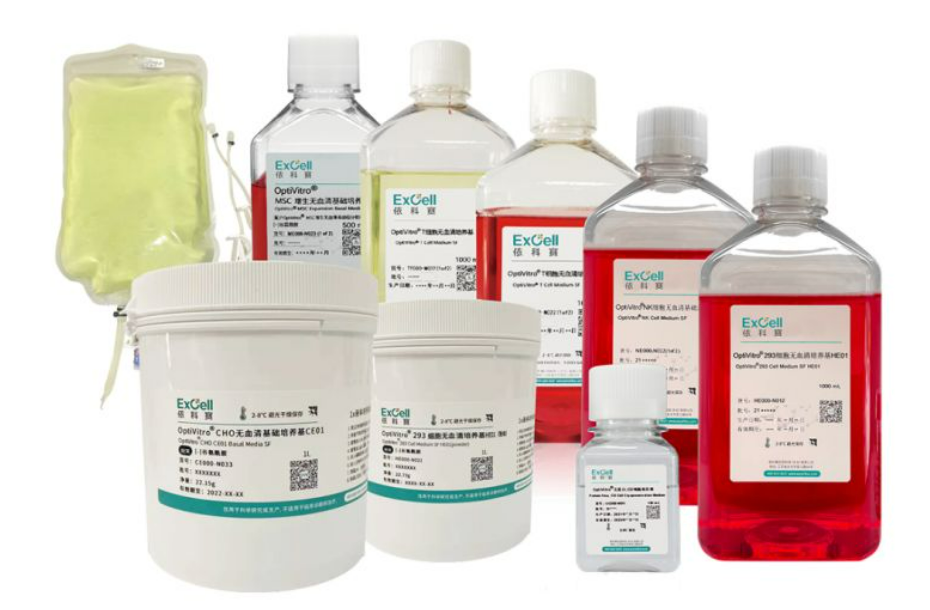
依科赛无血清培养基助力细胞治疗企业降本增效
Zhong Guo Chan Ye Jing Ji Xin Xi Wang· 2025-06-03 15:12
近年来,细胞治疗作为生物医药领域的"明日之星",在肿瘤、免疫疾病等领域展现出巨大潜力。然而,行业繁荣背后,进口培养基 的掣肘却成为制约企业发展的隐痛。进口产品不仅价格高昂,更面临中美博弈带来的供应链中断风险,此外,企业在使用进口培养 基的过程中,面临技术服务、定制化响应慢等痛点,导致企业临床申报和商业化进程受阻。 依科赛无血清培养基 性能比肩国际,成本优势显著 依科赛生物深耕细胞培养领域十余年,以"打造细胞培养中国芯"为使命,推出多款国际品质的无血清培养基,直击行业痛点: 提供瓶装、袋装形式,适配封闭式培养系统,GMP车间年产千万升,产能稳定保障供应链安全; 01 卓越性能: 专为T细胞、NK细胞等设计,支持高密度扩增、高活率(>95%),且无血清、无异源成分,性能媲美进口品牌; 02 成本优势: 帮助企业降低临床和生产成本,对冲关税压力; 03 全球合规: 国际品质的无血清培养基,完善的质量资质,FDA DMF备案,符合多国监管要求,助力众多细分领域客户完成中美IND双报; 04 灵活供应: 05 原料国产化: 无需担忧供应源头,自主可控国产化供应链; 全流程变更支持:化繁为简,加速国产替代 在细胞治疗产品 ...