绿色航运

Search documents
靖江民企书写全球市场新“船”奇
Xin Hua Ri Bao· 2025-07-27 22:35
Group 1 - The core viewpoint of the articles highlights the significant achievements of Jiangsu New Era Shipbuilding Co., Ltd. in the shipbuilding industry, particularly its delivery of the first LNG dual-fuel powered oil tanker, marking a milestone in the company's transition to green shipbuilding [1][2] - The company has successfully delivered its 500th large vessel since its inception, showcasing its growth from traditional shipbuilding to high-value, environmentally friendly vessels, with an average delivery rate of one large ship every 20 days [1][2] - In 2024, the company achieved a sales revenue of 16.068 billion yuan and secured a new order volume of 4.63 million gross tons, ranking first globally and capturing 7% of the market share [1][3] Group 2 - Jiangsu New Era Shipbuilding was founded in the early 1970s and has evolved from a small shipyard to a prominent player in the global market, focusing on high-value vessels over 10,000 tons [2] - The company is the first private shipbuilding enterprise in China to integrate LNG fuel tank research, manufacturing, and practical application, indicating its leadership in the industry [2] - The resurgence of shipping demand has led to increased competition in the shipbuilding industry, with Jiangsu New Era Shipbuilding emerging as a strong contender, reflecting the robust growth of China's shipbuilding sector [3]
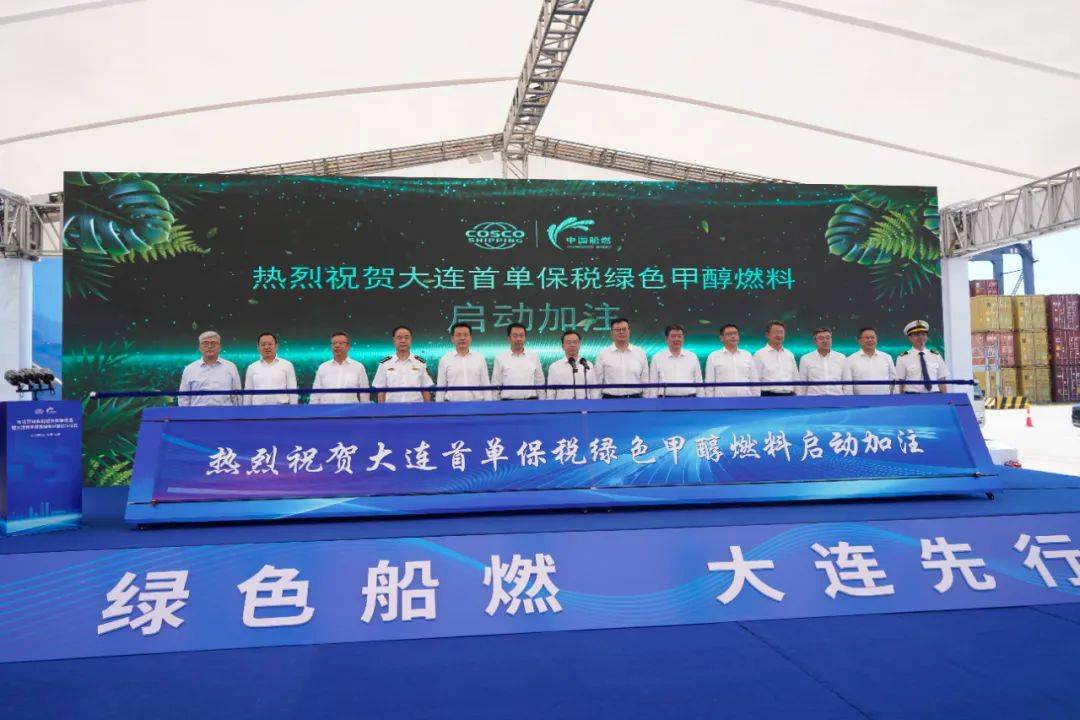
构建全球领先低碳船队,中远海运集运这样干!
Sou Hu Cai Jing· 2025-07-23 13:07
Core Viewpoint - China COSCO Shipping's container transportation division is committed to building a global leading low-carbon shipping ecosystem, emphasizing the importance of green transformation as a strategic necessity for survival in the shipping industry [4][5]. Group 1: Strategic Goals and Framework - The company has elevated its green transformation to a strategic level, aiming to construct a global leading low-carbon shipping ecosystem, reflecting its responsibility as an industry leader and forward-thinking approach regarding the "dual carbon" strategy [4]. - A clear green development path has been established, integrating shipbuilding, retrofitting, green fuel usage, carbon emission control, and ecosystem building into a cohesive framework [6]. Group 2: Fleet and Fuel Innovations - The company employs a dual strategy of new shipbuilding and retrofitting existing vessels to optimize fleet structure, focusing on the application of alternative fuels as a key component in decarbonization [8]. - Significant upgrades have been made to over 30 large container ships, achieving an average annual carbon reduction of over 15% per vessel through various energy-saving modifications [9]. - The company is constructing 12 dual-fuel methanol container ships, which will form the world's largest methanol-powered container fleet, expected to reduce carbon emissions by 1.2 million tons annually upon full operation by 2026 [9]. Group 3: Service and Supply Chain Enhancements - The introduction of the "Hi ECO" green shipping product allows for traceable carbon footprint management using blockchain technology, serving over 500 global clients and achieving a cumulative carbon reduction of over 80,000 tons [9]. - The company has successfully established a closed-loop ecosystem for green methanol, with the recent completion of a 500-ton green methanol bunkering at Dalian Port, showcasing a fully integrated domestic low-carbon solution [9]. Group 4: Industry Collaboration and Future Directions - The transition to green shipping requires collaboration across the entire industry, as demonstrated by partnerships with China Ship Fuel, Dalian Port, and local governments to enhance the Northeast Asia green methanol supply chain [11]. - Future initiatives include upgrading green fuel production capacity, expanding port energy networks, and participating in international standard-setting to enhance China's influence in the global green shipping framework [14].


LNG 动力船狂潮:15.3 亿订单掀起航运业赌局,全球贸易链路生变
Sou Hu Cai Jing· 2025-07-18 06:53
Group 1 - Yang Ming Marine Transport has placed an order for 7 LNG dual-fuel container ships at a cost of $1.53 billion, reflecting a significant investment in environmentally friendly shipping solutions [1] - The introduction of LNG-powered vessels is a response to stringent IMO environmental regulations, with these ships reducing emissions by nearly 20% compared to traditional fuel vessels [1] - The shipping industry is experiencing a shift in capacity dynamics, with major players like Maersk and Mediterranean Shipping Company (MSC) expanding their fleets to adapt to changing market demands [2] Group 2 - The reallocation of shipping capacity to emerging markets, such as Africa, is reshaping international logistics, allowing for direct routes that reduce transit times by 3-5 days [2] - The influx of new vessels could lead to increased competition and potential pricing pressures, particularly if growth in emerging markets does not meet expectations [2] - The entry of LNG-powered ships is also transforming fuel supply chains, with ports that can efficiently provide LNG fueling services becoming new logistical hubs [2] Group 3 - The recent $1.53 billion order signifies the beginning of a broader transformation in the shipping industry, with implications for global trade patterns [3]
氢能与燃料电池行业研究:绿色航运驱动绿氢消纳破局,开启绿醇千万吨级机遇窗口
SINOLINK SECURITIES· 2025-07-16 13:53
Investment Rating - The report maintains a "Buy" rating for the hydrogen and fuel cell industry [1] Core Insights - Green hydrogen consumption is crucial, with green shipping opening up demand opportunities. As of June 2025, green hydrogen project approvals correspond to a production capacity of 7.6 million tons, but the project startup rate is only 24%, equating to about 1.8 million tons of green hydrogen capacity. The key to commercializing the industry lies in establishing a sustainable profit model and finding downstream applications that can accept green hydrogen prices [1][10] - The International Maritime Organization (IMO) has introduced a legally binding net-zero emissions framework for the shipping industry, which is expected to come into effect around 2027. This framework will apply to all international vessels over 5,000 gross tons, making hydrogen-based fuels like green methanol a suitable option for compliance [1][28] Summary by Sections Section 1: Green Hydrogen Consumption and Demand from Green Shipping - Green hydrogen project approvals are high, but actual project implementation remains low, with only 24% of projects started [10] - The IMO's new regulations are pushing the shipping industry towards decarbonization, with significant penalties for non-compliance [23][25] Section 2: Rapid Growth in Demand for Methanol Ships - Methanol is becoming the preferred fuel for shipping companies, with 125 methanol dual-fuel ships ordered in 2023, accounting for 23% of new orders [2][42] - The economic viability of methanol as a fuel is critical, with fuel costs representing 30%-50% of operational costs for ships [2][48] Section 3: High Growth in Green Methanol Demand and Its Impact on Green Hydrogen - The demand for green methanol is expected to exceed 40 million tons by 2030, significantly driving green hydrogen consumption [3][4] - The introduction of 300 methanol-fueled ships will lead to a demand for approximately 6.8 million tons of green methanol, which will in turn drive the consumption of 750,000 to 1.3 million tons of green hydrogen [4] Section 4: Investment Recommendations - Companies that are early adopters of green methanol projects and collaborate with methanol shipowners are expected to benefit significantly. Recommended companies include Huadian Technology, Huaguang Huaneng, and Jidian Co [4]
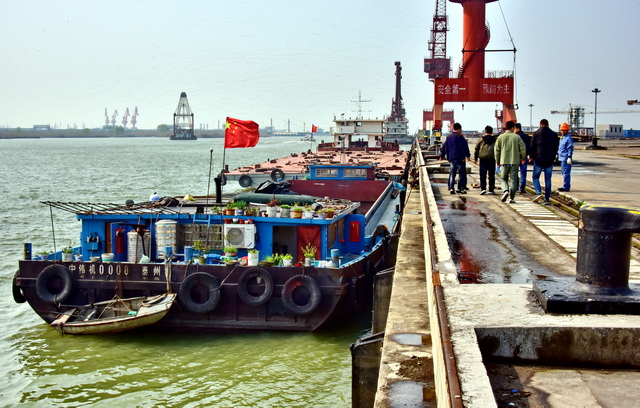
交通运输部:发展内河水运平台经济,建设通港达园短支航道
Di Yi Cai Jing· 2025-07-16 03:22
Core Viewpoint - The Ministry of Transport will collaborate with the Yangtze River Delta region to implement an action plan aimed at promoting high-quality development of inland river shipping, focusing on enhancing transportation capacity and efficiency [1][2]. Group 1: Policy Initiatives - The Ministry of Transport, along with several other ministries, has issued the "Opinions on Promoting High-Quality Development of Inland River Shipping," which includes innovative measures to develop a logistics platform for inland water transport, reducing empty sailing and waiting times for vessels [1][5]. - The government plans to construct short connecting waterways to improve access between inland waterways and key industrial parks, addressing connectivity issues and enhancing logistics efficiency [2][5]. Group 2: Advantages of Inland Shipping - Inland shipping is characterized by large capacity, low costs, and low energy consumption, making it a vital component in reducing overall logistics costs for society [1][2]. - The country has the largest demand and transport scale for inland shipping globally, with the Yangtze River, Pearl River, and Grand Canal linking the most developed economic regions, significantly supporting economic and social development [2][3]. Group 3: Challenges and Development Goals - Current challenges in inland shipping include bottlenecks in waterways, weak port hub capabilities, and insufficient organizational levels in transportation, indicating significant potential for development [3]. - The government aims to enhance the digitalization and intelligence of port and waterway infrastructure, with a target for 85% coverage of electronic navigation charts by 2030 and a complete railway access for major ports along the Yangtze River [6]. Group 4: Green and Smart Transformation - The government is promoting the use of new energy and clean energy in inland shipping, including battery-powered and LNG technologies, to support a green shipping industry [5][6]. - There will be a focus on developing smart ports and waterways, utilizing technologies like digital twins and intelligent sensing devices to improve safety and reduce operational costs [6].
闽帆破浪 福建打造绿色智航新蓝图
Zhong Guo Chan Ye Jing Ji Xin Xi Wang· 2025-07-15 00:34
Core Viewpoint - Fujian is leveraging innovation and green initiatives to enhance its maritime industry, focusing on sustainable development and international cooperation in shipping and marine exploration [1][7]. Group 1: Green Port Development - Fujian has accelerated the construction of green ports, increasing the use of clean energy and shore power, with 7 port companies rated as four-star "China Green Ports" [2] - Xiamen Port has implemented an "electricity substitution action" for container terminals, achieving over 55% electrification of equipment [2] - The first new energy tugboat in Fujian, "Xianggang Tug 30," saves over 200 tons of fuel annually, reducing CO2 emissions by more than 600 tons [2] - The coverage rate of shore power facilities at non-oil chemical terminal berths in the province has reached 69% [2] Group 2: Shipbuilding and Export Growth - Fujian has made significant advancements in battery power systems and ship design, with over 80 electric ships in demonstration projects and a domestic market share exceeding 40% [3] - In the first four months of this year, Fujian's ship exports reached 5.27 billion, a year-on-year increase of 17.1%, with ASEAN and Latin America as major markets [3] - Exports to ASEAN amounted to 2.06 billion, a staggering increase of 245.2%, accounting for 39% of total ship exports [3] Group 3: Maritime Technology Innovations - Fujian companies have developed advanced technologies such as fluorescent ceramic light sources and high-strength aluminum alloys for shipbuilding [4] - The fluorescent ceramic LED products are widely used in various vessels, enhancing safety and efficiency [4] - Fuzhou Jin Kong provides high-throughput satellite communication terminals for nearly 10,000 fishing vessels, establishing a "information highway" at sea [4] Group 4: Deep Sea Exploration - Fujian has established a competitive edge in deep-sea exploration equipment, with significant contributions to both domestic and international projects [5] - The "Exploration No. 2" research vessel, built by Fujian Shipbuilding, is the largest support ship for deep-sea manned submersibles, contributing to deep-sea exploration [5][6] - The delivery of the "WINDPIPER" ocean engineering vessel marks a milestone as the world's first ultra-large ship with a cargo capacity exceeding 45,000 tons [6] Group 5: Policy and Industry Support - Fujian's maritime sector is experiencing robust growth driven by policy support, technological innovation, and industry collaboration [7] - Five key shipbuilding projects have been announced for 2025, focusing on upgrading the new energy ship industry [7] - Fuzhou Customs is facilitating ship exports by streamlining customs procedures, enhancing support for Fujian shipbuilders [7] Group 6: International Cooperation and Events - International maritime conferences and exhibitions are providing platforms for cooperation in Fujian's marine economy [8] - The 2024 East Asia Sea Conference and the World Maritime Equipment Conference will enhance Fujian's influence in international maritime affairs [8] - These events create favorable conditions for Fujian enterprises to expand globally and attract foreign investments [8]
特种运输高效服务中国产业链出海——访中远海运特种运输南美公司总经理单国洋
Xin Hua Cai Jing· 2025-07-14 13:12
Core Viewpoint - The successful unloading of the "Nanhai No. 8" semi-submersible drilling platform by COSCO Shipping Specialized Carriers marks a significant advancement in Sino-Brazilian cooperation in the marine engineering sector [1] Group 1: Company Operations - COSCO Shipping Specialized Carriers has completed the unloading operation of the "Nanhai No. 8" platform, which will serve Petrobras for nearly four years in offshore oil and gas tasks [1] - The "Xiang'an Kou" vessel, equipped with intelligent systems, is the first of its kind in China, capable of submerging to a maximum depth of 26 meters, representing a technological flagship for the company [1] - The company has established itself as a key partner for Chinese enterprises going global, providing customized services for various cargo types including engineering machinery and new energy vehicles [2] Group 2: Market Growth and Strategy - COSCO Shipping Specialized Carriers has seen rapid growth in the South American market, with Brazil becoming its largest single market for specialized transportation, handling over 8 million tons of cargo annually between China and Brazil [1] - The company is planning to launch customized shipping routes, including a direct service from Taicang to Victoria for electric vehicles, addressing issues of capacity and delivery times [3] - The company aims to establish a direct shipping route from Zhuhai to Manaus, enhancing logistics reliability and reducing transportation costs and risks [3] Group 3: Environmental Initiatives - The company is exploring green shipping solutions, such as shore power connections at ports, to reduce carbon emissions in shipping operations [4] - COSCO Shipping Specialized Carriers has significantly increased the volume of pulp transported from Brazil to China, growing from 300,000 tons to nearly 5 million tons over five years, reflecting a commitment to sustainable practices [3]

2025年中国航海日主场活动圆满收官
Hai Nan Ri Bao· 2025-07-12 23:22
Core Insights - The 2025 China Maritime Day event concluded successfully in Qionghai, gathering global shipping leaders to discuss green shipping, new energy vessels, and low (zero) carbon emissions in the shipping industry [1][2] - The event featured 18 activities, including high-level forums and discussions, with over 130 experts and representatives focusing on innovative development paths for sustainable maritime growth [1] - The event initiated the "Boao Initiative" for the 2025 China Maritime Day, calling for collaboration in promoting green, low-carbon, and intelligent development in the shipping sector [1] Group 1 - The event showcased the transformation of maritime technology, exemplified by the arrival of the world's first intelligent research and training vessel, "Xin Hongzhuan," at Longwan Port, Qionghai [2] - The China Maritime Day brought the establishment of the China Maritime Museum Boao Digital Pavilion, which combines advanced digital and physical displays to illustrate the evolution of Chinese maritime history from Zheng He's treasure ships to modern intelligent vessels [2] - The Zheng He Research Association and Hainan Daily Group launched the "He Li" cultural project to promote Chinese stories and wisdom, particularly to ASEAN countries, emphasizing cultural exchange [2] Group 2 - Coastal cities such as Haikou, Danzhou, and Qionghai held promotional events to showcase their unique characteristics and advantages, aiming to attract investment and strategic partnerships for the development of Hainan's free trade port shipping industry [2]
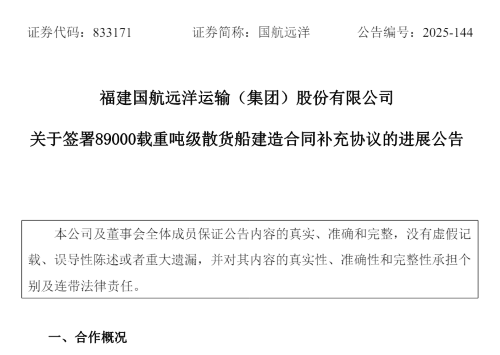
改单!国航远洋新建散货船改为甲醇双燃料
Sou Hu Cai Jing· 2025-07-12 12:32
Core Viewpoint - Fujian Guohang Ocean Transportation (Group) Co., Ltd. has announced a modification of two 89,000 deadweight ton bulk carrier orders to methanol dual-fuel vessels to better meet environmental requirements [3][4]. Group 1: Contract Modifications - The company held a board meeting on May 29, 2025, to approve a supplementary agreement for the construction of two methanol dual-fuel bulk carriers, with additional costs not exceeding $6.3 million per vessel [3]. - On July 4, 2025, the company signed a supplementary agreement with Wuhu Shipyard, with total additional costs amounting to $1,246.44 million (approximately ¥89.44 million) for both vessels [3]. Group 2: Ship Specifications - The vessels have a length of 229.00 meters, a width of 36.00 meters, and a depth of 20.90 meters, with a deadweight capacity of 88,700 tons, showcasing strong carrying capabilities [6]. - The design incorporates a dual-fuel main engine and advanced single-screw propulsion system, ensuring stability and safety during navigation [6]. Group 3: Environmental and Technological Innovations - The vessels are equipped with a methanol dual-fuel power system that allows for net-zero greenhouse gas emissions, enhancing operational economic efficiency through flexible fuel composition [7]. - The design features optimizations such as lightweight construction and integrated energy-saving devices, achieving a 2% reduction in steel usage compared to similar vessels, while improving energy efficiency [7].
家门口“新出海”?新一代海事海商律师跨界破解“小而散”丨律新调研
Sou Hu Cai Jing· 2025-07-12 00:46
Core Viewpoint - The article discusses the imbalance in the maritime legal service system in Ningbo, despite its status as the world's largest port by cargo throughput for 15 consecutive years, highlighting the need for a more robust legal service framework to support its maritime industry [2][4]. Group 1: Ningbo's Maritime Legal Service Challenges - Ningbo's cargo throughput reached 69,376.6 million tons in 2024, with a growth of 3.2%, while foreign trade cargo throughput was 41,199.2 million tons, growing by 4.6% [4]. - The maritime legal service industry in Ningbo is characterized by a "big port, small firms" dilemma, with only a few specialized maritime law firms available to handle complex legal issues [4][5]. - Ningbo Maritime Court received over 5,000 cases in a year, indicating its role as a significant center for maritime dispute resolution, yet the scale of legal services remains inferior to Shanghai and Hangzhou [4][5]. Group 2: Regional Disparities and Competition - Ningbo's legal services primarily cater to local economic needs, lacking the internationalization seen in Shanghai and Hangzhou, which limits the availability of high-end legal services [5]. - The competition from larger national firms, especially those in Shanghai, poses a significant challenge to local law firms in Ningbo, affecting their market presence and service capabilities [5]. Group 3: Evolution of Maritime Lawyers - The article categorizes maritime lawyers into three generations, with the first generation focusing on traditional legal practices, the second generation emphasizing interdisciplinary collaboration, and the third generation facing challenges from technological advancements [8][14]. - The transition from "rule application" to "value creation" reflects the evolving role of maritime lawyers, necessitating a shift in skills and approaches to meet modern demands [12][14]. Group 4: Legal Talent Development - The current maritime law education system in China faces a "lagging crisis," with a need for a more comprehensive curriculum that includes public law and international regulations [18]. - There is a significant gap in practical training within law schools, leading to a lack of real-world experience for graduates, which is critical for meeting the demands of law firms [19]. - A proposed shift towards a "case-based practical training" model aims to enhance the readiness of young lawyers for the complexities of maritime law [20]. Group 5: Future Directions - The maritime legal service industry is expected to evolve into a global collaborative network, integrating technology and interdisciplinary approaches to enhance service delivery [22]. - Continuous adaptation and innovation are essential for maritime lawyers to navigate the challenges posed by technological advancements and changing market dynamics [22].