银发经济

Search documents
一纸“善邻折”撬动银发消费新活力
Hang Zhou Ri Bao· 2025-10-16 02:42
Core Insights - The "Yuhua Hui Lao Shan Lin Zhe" initiative is a community-driven program aimed at enhancing the silver economy by providing discounts and benefits to elderly residents, thereby addressing their diverse needs while supporting local businesses [2][3] Group 1: Community Engagement - The initiative was developed by the Yuhua Public Service Center, which identified the challenges faced by elderly residents, including the need for practical and sustainable benefits [2] - The program involves collaboration with 20 local businesses to form the "Yuhua Public Welfare Alliance," offering discounts ranging from 20% to 95% across various services such as dining, shopping, and healthcare [2][3] Group 2: Business Impact - Since the launch of the discount program, participating businesses have seen an average increase of 40% in elderly customer traffic, demonstrating the effectiveness of targeted promotions [3] - Local merchants have reported improved business performance, with one shop owner noting a 20% increase in customer flow due to a 10% discount offered [3] Group 3: Sustainable Development - The initiative fosters a symbiotic relationship between the community, businesses, and elderly residents, creating a value loop that enhances community cohesion and economic vitality [3] - By integrating community promotion, merchant discounts, and volunteer services, the program effectively addresses the challenges of implementing a silver economy while promoting a "silver-friendly" community governance model [3]
京东健康2024年高调推出的几十种“到家服务”,尝试扭转亏损,秘籍是跟B端共生?
Di Yi Cai Jing· 2025-10-16 02:13
Core Insights - JD Health's "Nurse at Home" service is shifting focus to B-end clients to address ongoing losses in the C-end market [1][2][5] - The collaboration with a medical device brand for continuous glucose monitoring (CGM) products aims to enhance user experience and retention [3][4] - The overall industry struggles with profitability in the "Nurse at Home" segment, with many companies facing significant losses [2][12] Summary by Sections Business Model Shift - JD Health is actively expanding its "Nurse at Home" service to B-end clients, which is expected to provide more stable business volume and higher gross margins compared to the C-end market [2][5] - The service is being packaged as a value-added offering for medical device companies, enhancing customer trust and potentially increasing service revenue [3][4] Industry Context - The "Nurse at Home" service has not yet established a successful business model across the industry, with many companies experiencing financial difficulties [2][12] - The C-end market for self-paid services is less than 20% of the overall market, and competition from public hospitals and community health services is intensifying [13][12] Strategic Importance - JD Health views the "Nurse at Home" service as a strategic tool to drive traffic to its e-commerce platform and enhance the overall customer experience [8][9] - The service is expected to create synergies with JD Health's existing medical services, potentially leading to increased customer acquisition and brand loyalty [6][8] Future Outlook - The long-term market potential for the "Nurse at Home" service remains uncertain, with industry experts expressing skepticism about its viability as an independent business [10][12] - However, the involvement of major players like JD Health and Meituan may introduce new business models and opportunities in the aging population market [14][15]

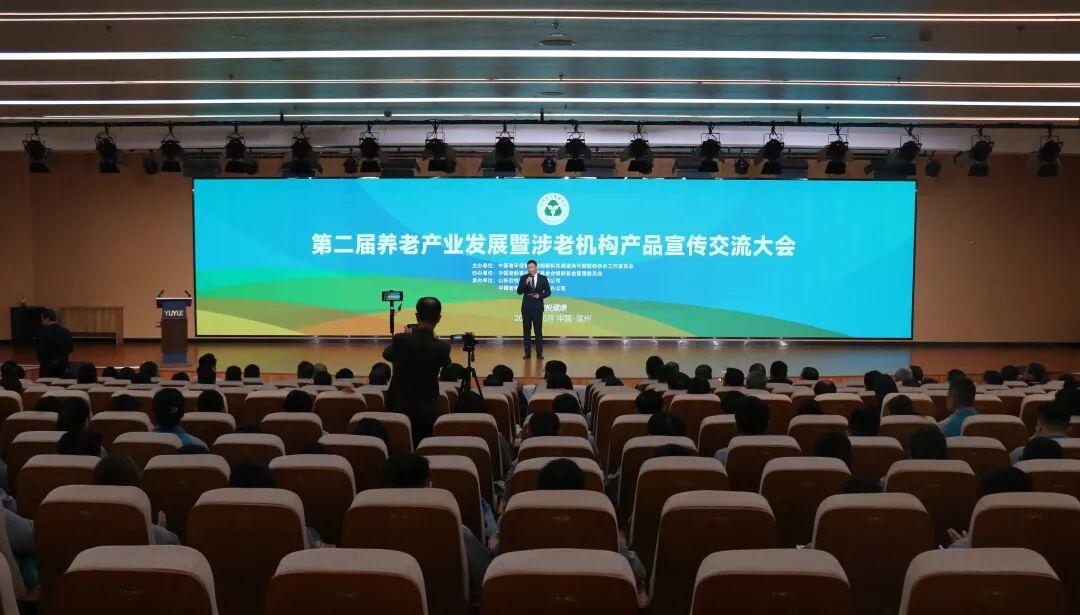
养老产业发展暨涉老机构产品宣传交流大会在黄河谣·健康城举办
Qi Lu Wan Bao Wang· 2025-10-16 01:33
Core Insights - The second conference on the development of the elderly care industry was held in Binzhou, focusing on "innovative development, quality improvement, and benefiting the elderly and enterprises" [1] - The elderly population in China has surpassed 310 million, indicating a shift in the elderly care service system from "existence" to "quality" [1] - The conference highlighted the need for a demand-driven approach to address issues such as service quality inconsistency and talent shortages in the elderly care sector [1] Group 1 - The conference was organized by the China Association of Gerontology and Geriatrics and featured representatives from various elderly care enterprises and experts [1] - Liu Yuxing, Chairman of the Joy Group, introduced the group's "five unique" development features in the health sector, emphasizing the establishment of a comprehensive elderly care ecosystem [3] - Shandong Xinyue Health Technology Co., Ltd. launched an innovative "home elderly care four-piece set" service model, addressing the core needs of elderly individuals for aging in place [4] Group 2 - The "home elderly care four-piece set" includes modifications for elderly-friendly environments, home delivery of elderly care products, in-home medical services, and on-site nursing care, covering all aspects of home elderly care [4] - The company has completed nearly 100,000 home modifications and integrated 15,000 elderly care products, utilizing the "Ten Thousand Doctors" health management platform to extend professional medical and care resources to home settings [4] - A "Shared Elderly Care Resource Office" was established during the conference to coordinate resources from 11 elderly care bases and related enterprises, aiming to enhance the accessibility of elderly care services nationwide [4][10] Group 3 - The conference provided a practical platform for collaboration among government, institutions, and enterprises to promote high-quality development in the elderly care sector [10] - Xinyue Health demonstrated its capabilities in product innovation and resource integration, positioning itself as a key player in the emerging silver economy [10] - The company plans to leverage the "home elderly care four-piece set" and the Shared Resource Office to contribute to the upgrading of China's elderly care industry [10]

4亿老人如何养?
3 6 Ke· 2025-10-16 00:18
Group 1 - The concept of "short-term elderly care" is gaining popularity, especially during holidays, with services offered at a daily cost of 99 yuan for meals and daily care [1] - There is a growing concern about the well-being of elderly individuals, particularly those who are neglected or mistreated in care facilities [1] - The number of empty-nest elderly individuals in China is significant, with nearly 150 million reported in 2020, and the trend is expected to continue as the population ages [2][3] Group 2 - The aging population in China is projected to exceed 400 million by 2035, accounting for over 30% of the total population, indicating a severe aging crisis [2] - The "silver economy" is anticipated to drive economic growth, with estimates suggesting that by 2030, 60-70% of national wealth will be held by the elderly [3][4] Group 3 - High-end elderly care facilities are emerging, with examples like the "He Yuan" community in Beijing, which offers comprehensive services and activities for residents [6][10] - The cost of living in such facilities can be substantial, with monthly fees ranging from 8,000 to 14,000 yuan, making them accessible primarily to higher-income families [6][10] Group 4 - The current elderly care system in China is characterized by a "9073" model, where 90% of elderly individuals live at home, 7% rely on community support, and only 3% reside in care institutions [10][11] - The market for mid to high-end elderly care is dominated by real estate companies and insurance firms, indicating a shift towards privatized care solutions [12][15] Group 5 - The financial burden of elderly care is significant, with many families unable to afford high-quality care, leading to a reliance on government-supported facilities [11][12] - The average urban household in China has assets averaging 3.179 million yuan, but many families still struggle to finance elderly care due to high costs and limited savings [16] Group 6 - The pension system in China is under pressure, with projections indicating that the replacement rate may drop to 30-40% of pre-retirement income, raising concerns about financial security in old age [17][19] - The third pillar of the pension system, which includes personal savings and investments, is not widely adopted, limiting its effectiveness in providing additional retirement income [19][20] Group 7 - The shortage of qualified caregivers is a pressing issue, with a reported gap of 5.5 million caregivers needed to meet the demands of the aging population [22][23] - Community-based support and services are essential for addressing the needs of elderly individuals, with many preferring to age in place rather than in institutional settings [24][25] Group 8 - Trust services are being explored as a means to manage elderly care finances, allowing individuals to allocate funds for care without relying solely on family support [30][31] - The concept of designated guardianship is also being discussed to ensure that elderly individuals receive appropriate care and support when needed [31][32]

私域直播购物,“银发族”权益如何护
Ren Min Ri Bao· 2025-10-15 23:03
Core Insights - The report from the China Internet Network Information Center indicates that as of June this year, the number of internet users aged 60 and above in China reached 161 million, with an internet penetration rate of 52.0% among the elderly [1] - The China Consumers Association highlights that in the first half of 2025, complaints related to elderly consumer traps and chaotic private domain marketing will be major issues [1] - The rise of private domain live streaming, which lacks regulatory oversight, has led to various scams targeting elderly consumers, who are often more susceptible to misleading marketing tactics [2][3] Group 1: Elderly Internet Usage - The elderly population is increasingly engaging in online activities such as learning, communication, shopping, and entertainment, but they are also falling victim to sophisticated scams [1] - The private domain live streaming model is gaining traction, where sales are conducted outside major platforms like WeChat and Taobao, making it difficult for consumers to seek recourse [2][3] Group 2: Private Domain Live Streaming - Private domain live streaming is characterized by a lack of platform oversight, allowing sellers to evade regulations and create a "脱平台" (脱离平台) transaction model that complicates consumer protection [3][6] - The business model is particularly appealing to sellers targeting the elderly, as it allows for more aggressive marketing tactics without the constraints of public domain platforms [3][6] Group 3: Consumer Vulnerability - Elderly consumers are often targeted based on their emotional vulnerabilities, such as loneliness and health anxieties, leading them to engage in excessive online shopping [4][5] - The products sold in these private domain live streams are often of questionable quality and priced significantly higher than similar products available through regulated channels [5] Group 4: Regulatory Challenges and Recommendations - Experts emphasize the need for improved regulatory frameworks to address the unique challenges posed by private domain live streaming, particularly in protecting elderly consumers [6][7] - Recommendations include establishing clear responsibilities for all parties involved in private domain live streaming, enhancing consumer protection mechanisms, and implementing stricter oversight of health-related content [7]
私域直播购物,“银发族”权益如何护(民生一线)
Ren Min Ri Bao· 2025-10-15 22:22
Core Insights - The report from the China Internet Network Information Center indicates that as of June this year, the number of internet users aged 60 and above in China reached 161 million, with an internet penetration rate of 52.0% among the elderly [1] - The China Consumers Association highlights that in the first half of 2025, complaints related to elderly consumer traps and chaotic private domain marketing will be major issues [1] - The rise of private domain live streaming, which operates outside traditional e-commerce platforms, poses significant risks for elderly consumers, who are often targeted by deceptive marketing tactics [2][3] Group 1: Elderly Internet Usage - The elderly population is increasingly engaging in online activities such as learning, communication, shopping, and entertainment, but they are also vulnerable to scams and traps set by unscrupulous businesses [1] - The private domain live streaming model, which lacks regulatory oversight, is particularly concerning as it allows for deceptive practices that can exploit elderly consumers [2][3] Group 2: Private Domain Live Streaming - Private domain live streaming is characterized by its operation outside major platforms like WeChat and Taobao, making it difficult for consumers to seek recourse in case of fraud [2] - The model is appealing to businesses due to less stringent regulations and the potential for high profits, especially when targeting elderly consumers [3][6] Group 3: Consumer Behavior and Vulnerabilities - Elderly consumers are often drawn into private domain live streaming due to feelings of loneliness and a desire for social interaction, leading to compulsive purchasing behaviors [4][5] - The marketing strategies employed in these live streams often include emotional manipulation and the creation of false narratives, which can mislead elderly consumers into making poor purchasing decisions [3][5] Group 4: Regulatory Recommendations - Experts suggest that regulatory bodies need to clarify the responsibilities of various stakeholders in private domain live streaming, including content creators and platforms, to protect elderly consumers [7] - Recommendations include mandatory disclosure of business information, retention of live stream content for accountability, and the establishment of special protections for elderly consumers [7][8]
明确主体责任,解决监管真空 私域直播购物,“银发族”权益如何护(民生一线)
Ren Min Ri Bao· 2025-10-15 22:13
Core Insights - The report from the China Internet Network Information Center indicates that as of June this year, the number of internet users aged 60 and above in China reached 161 million, with an internet penetration rate of 52.0% among the elderly [1] - The China Consumers Association highlights that in the first half of 2025, complaints related to elderly consumer traps and chaotic private domain marketing will be major issues [1] - The rise of private domain e-commerce, particularly targeting the elderly, has led to various deceptive practices that exploit their vulnerabilities, such as fake personas and health anxiety [2][3] Group 1: Private Domain E-commerce - Private domain live streaming is characterized by a lack of platform oversight, allowing sellers to evade regulations and create a "脱平台" (脱离平台) model that complicates consumer protection [3][6] - The private domain live streaming market is growing rapidly, with a projected year-on-year increase of 8.69% in transaction volume for 2024 [6] - Many elderly consumers are drawn into private domain live streaming through tactics that exploit their loneliness and health concerns, leading to impulsive purchases of overpriced or substandard products [5][6] Group 2: Consumer Vulnerabilities - Elderly consumers are often targeted based on their demographic characteristics, such as being "老漂族" (elderly migrants), which makes them more susceptible to manipulation through live streaming [5] - The lack of regulatory oversight in private domain e-commerce creates a vacuum where deceptive practices can flourish, making it difficult for consumers to seek redress [6][7] - Experts suggest that regulatory bodies need to clarify the responsibilities of various stakeholders in private domain live streaming to protect elderly consumers effectively [7]
探索“老有所乐”新玩法 浙江云和木玩拓银发经济新空间
Zhong Guo Xin Wen Wang· 2025-10-15 10:42
Group 1 - The "Third Elderly Wooden Toy Invitational Competition" was held in Hangzhou, attracting elderly representatives from 11 cities in Zhejiang Province to engage in various wooden toy games, promoting teamwork and cognitive skills [1][3] - The competition featured seven events, including "Ants Moving Home" and "Dragon Tail," designed to enhance hand-eye coordination and provide a blend of competition and entertainment for the elderly participants [1][3] - The event highlighted the importance of joy and social interaction among elderly participants, with a focus on enjoyment over competition, as expressed by participants like Qian Lifeng and Ma Bogen [1][3] Group 2 - The wooden toys used in the competition were sourced from Yunhe County, known as the "Hometown of Wooden Toys in China," which has developed into the largest wooden toy production base in the country over the past 50 years [3] - Yunhe County has been actively promoting the "silver economy" since 2019, guiding enterprises to develop the elderly wooden toy industry, which enhances the well-being of older adults through interactive play [3][4] - The county has developed over 200 wooden toy products suitable for the elderly, focusing on various functional areas such as hand-eye coordination, memory training, and team interaction, with products reaching over 400 elderly care institutions nationwide and exporting to markets like Germany and Japan [4]

英大证券晨会纪要-20251015
British Securities· 2025-10-15 01:31
Core Insights - The report highlights the short-term volatility in the A-share market, indicating a potential for continued fluctuations due to external uncertainties and internal structural contradictions [2][3][11] - It emphasizes the divergence between individual stocks and indices, with a notable pressure from profit-taking among investors who have accumulated significant gains since April [5][10] - The upcoming clarity on trade policies, particularly around November 1, is identified as a critical point for reducing market uncertainties and potentially stabilizing the market [3][11] Market Overview - On Tuesday, the A-share market showed resilience, but concerns remain regarding the lack of enthusiasm among participants, as evidenced by a significant disparity between stock performance and index movements [5][6] - The trading volume on Monday was reported at 2.3 trillion, reflecting a cautious stance from new capital entering the market [5][11] - The indices experienced a mixed performance, with the Shanghai Composite Index rising while the Shenzhen Component and ChiNext indices faced declines, indicating a selective rally driven by a few heavyweight stocks [6][7] Sector Analysis - Defensive sectors such as banking and utilities are recommended for attention due to their high dividend yields, which may become attractive as the market adjusts [8][10] - Consumer sectors, particularly the liquor industry, are noted for their strength, with domestic consumption expected to drive economic recovery in 2025 [9][10] - The report suggests focusing on the AI industry chain, semiconductors, and robotics as potential growth areas amidst the current market corrections, presenting opportunities for long-term investments [3][10]
刚刚 利好来了!
Zhong Guo Ji Jin Bao· 2025-10-14 14:50
Core Viewpoint - The Shanghai Municipal Economic and Information Commission has issued the "Shanghai Intelligent Terminal Industry High-Quality Development Action Plan (2026-2027)", aiming to enhance the city's intelligent terminal industry, targeting a total scale exceeding 300 billion yuan by 2027 and establishing over three globally influential consumer terminal brands [1][17]. Group 1: Key Product Development Actions - Promote the rapid development of artificial intelligence computers, aiming for an annual production capacity of 10 million units and a complete transition from traditional computers to AI computers [3][18]. - Develop artificial intelligence smartphone products to fill the production capacity gap in the city, focusing on AI-enabled interaction methods and real-time scene understanding [3][18]. - Enhance the scale of intelligent computing terminals by accelerating the deployment of edge computing integrated machines and developing lightweight inference products [4][18]. - Strengthen the capabilities of humanoid robots, supporting R&D and mass production of products with emotional intelligence and skills [5][19]. - Support the advancement of smart glasses, focusing on AR, MR, and VR products, and creating a complete product matrix for various market segments [6][20]. - Cultivate satellite internet terminal products to meet low-orbit satellite constellation deployment needs, aiming for a production scale of 100,000 satellite terminals [7][20]. - Stimulate the silver economy by supporting the development of AI hearing aids, autonomous wheelchairs, and other innovative products for the elderly [8][20]. - Launch industrial terminal products that adapt to advanced AI technology trends, promoting smart factory transformations [9][20]. - Accelerate the R&D of future terminals, focusing on next-generation mobile communication and quantum computing technologies [10][20]. - Innovate new consumer terminal products, including smart vehicle terminals, wearables, and smart home devices [11][21]. Group 2: Key Technology Foundations - Strengthen the layout of edge AI chips, focusing on SoC and CPU development across major technology routes [12][22]. - Enhance the performance of edge models, supporting the development of competitive edge model products [14][22]. - Promote software and hardware collaborative innovation to improve the efficiency and energy efficiency of edge models [13][22]. - Reinforce intelligent module capabilities by integrating multi-modal sensing and developing edge computing modules [23][22]. - Advance next-generation display technologies, focusing on lightweight, low-power, and high-resolution innovations [15][24]. Group 3: Industry Ecosystem Optimization Actions - Enhance the competitiveness of Shanghai's intelligent terminal brands through targeted policies and support for brand operations [25][26]. - Build large-scale production bases for intelligent terminals, improving support for technological upgrades and smart factory initiatives [26][26]. - Accelerate the formation of industrial agglomeration effects by developing key areas for intelligent terminal industries [26][26]. - Increase financial support for the industry through investment funds and encourage participation from various enterprises [26][26]. - Promote the application and adoption of intelligent terminal products across various sectors, leveraging government procurement to drive innovation [26][26].