地缘政治博弈

Search documents
美俄割土刀落乌克兰!印度关税殉葬,杀猴儆百警世
Sou Hu Cai Jing· 2025-08-10 21:32
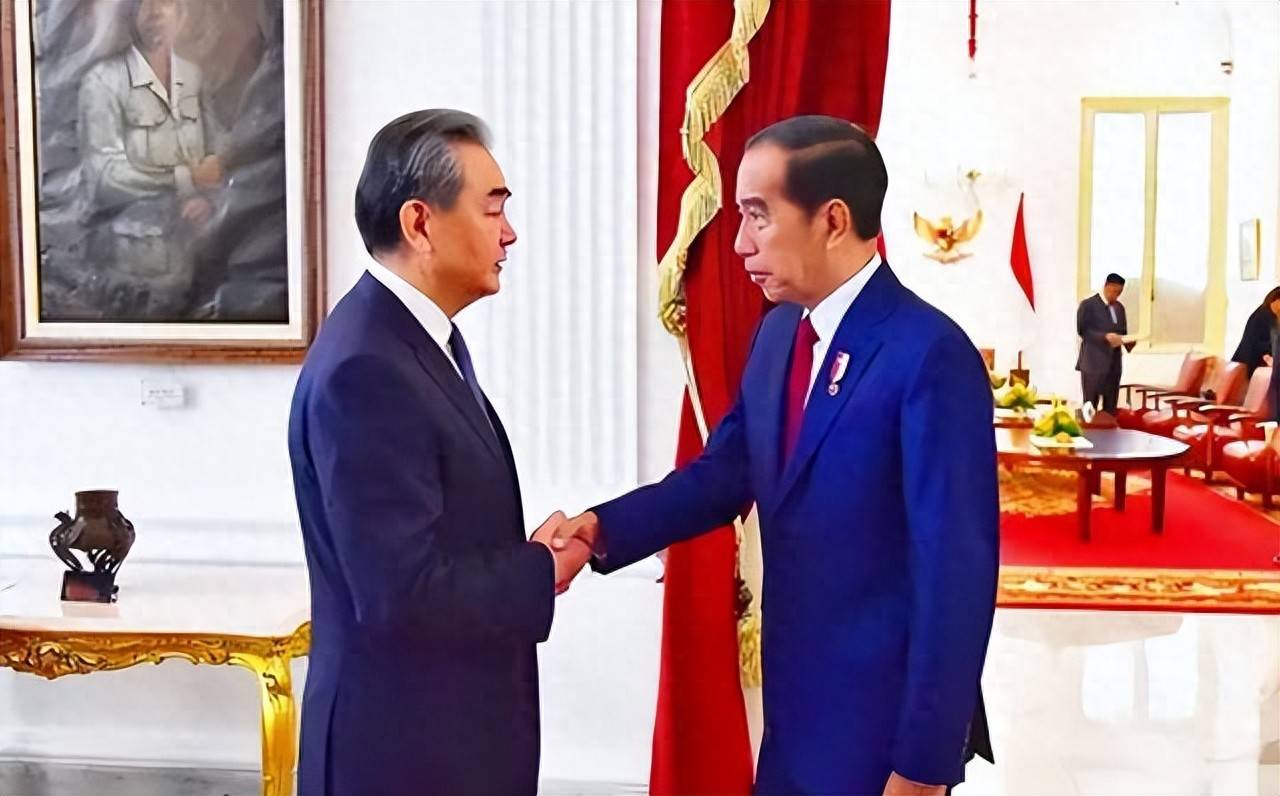
Group 1 - The core agreement of the Alaska summit involves Ukraine making concessions in exchange for benefits between the US and Russia, with the cost of this transaction far exceeding mere ceasefire promises [1] - Trump's strategy is characterized by a "four-pronged" approach, including time pressure, ally sanctions, emissary roles, and military deterrence to compel Putin [1][3] - The US imposed a 25% tariff on India, raising total tariffs to 50%, as part of Trump's "secondary sanctions" strategy targeting countries closely trading with Russia [3] Group 2 - Putin's counter-strategy involves leveraging battlefield progress and legal frameworks to resist US pressure, including ongoing military offensives in Donetsk [4][6] - The summit's location was strategically chosen, with Putin initially preferring the UAE to highlight Russia's influence in the Middle East, but ultimately agreeing to Alaska to facilitate bilateral talks with Trump [6] - The agreement reached at the summit includes Ukraine's military withdrawal from Donetsk and a vague stance on territorial claims, effectively resulting in territorial losses for Ukraine [7]

美国高关税下,巴西印度如何共克时艰?
Sou Hu Cai Jing· 2025-08-09 18:31
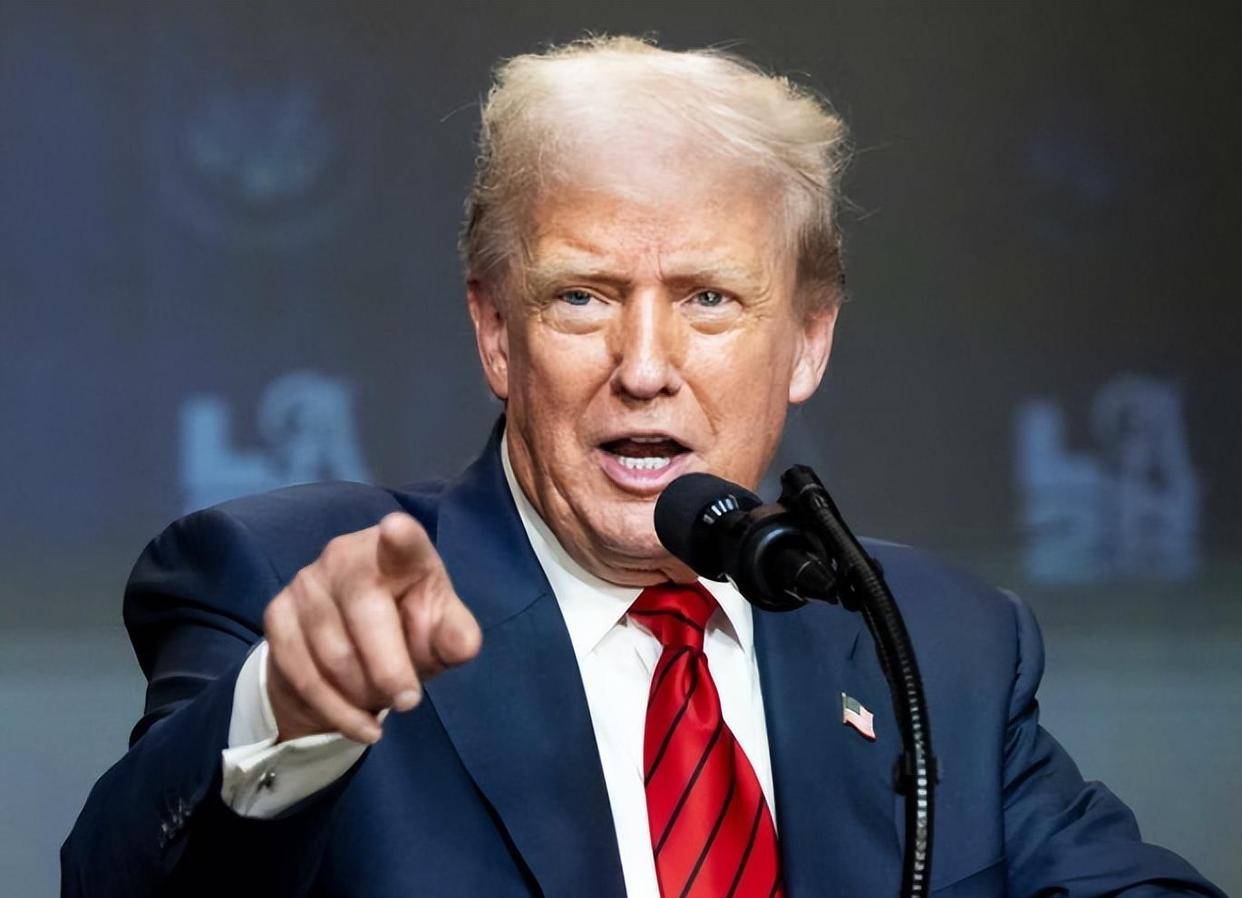
Group 1 - The core event involves Brazil and India leaders' urgent communication to unite against the U.S. unilateral tariff policies, marking a significant strategic action in response to the Trump administration's tariffs [1][4] - The U.S. government has raised tariffs on Brazilian and Indian goods to 50%, the highest level since World War II, severely impacting key exports such as meat, orange juice, and textiles [6][12] - Brazil and India aim to enhance bilateral cooperation by expanding trade agreements and reducing reliance on the U.S. dollar through local currency transactions [5][7] Group 2 - The leaders reaffirmed their commitment to defending multilateralism and expressed the necessity of joint action to mitigate risks posed by U.S. trade policies [4][9] - Brazil's economic stability has been partially supported by strong trade ties with China, while India maintains its strategic partnership with Russia despite U.S. pressures [9][10] - The collaboration between Brazil and India is seen as a response to the geopolitical isolation and the need for diversified alliances to counter U.S. unilateralism [10][11] Group 3 - The potential establishment of a "Southern Common Market - India Trade Zone" could challenge the effectiveness of U.S. tariff policies and contribute to the reconfiguration of global economic order [12][13] - The cooperation may lead to the emergence of a new geopolitical alliance that balances against traditional Western powers, especially with the inclusion of new BRICS members [13][14] - Brazil and India's actions could catalyze reforms in multilateral governance mechanisms, such as the WTO, and strengthen their commitments to a multipolar international order [14]
热点问答丨阿塞拜疆和亚美尼亚草签协议三问
Xin Hua Wang· 2025-08-09 08:03
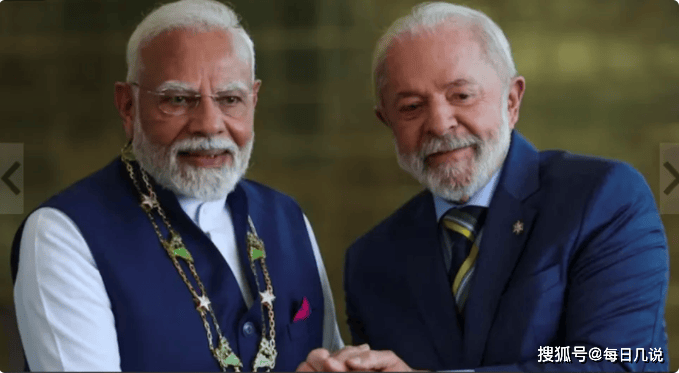
Key Points - The meeting between Azerbaijani President Aliyev and Armenian Prime Minister Pashinyan in Washington resulted in a joint statement announcing the end of the long-standing conflict over the Nagorno-Karabakh region [1] - A peace agreement was drafted, with both leaders and U.S. President Trump witnessing the signing of the text, indicating that a formal signing is expected soon [1] - The core content of the agreement includes mutual recognition of territorial integrity, establishment of diplomatic relations, and the withdrawal of claims from international courts [1] - The agreement also addresses issues such as prisoner exchanges and mine clearance cooperation, although some unresolved issues have delayed its signing [1] Background of the Conflict - The conflict originated from the Nagorno-Karabakh issue, where the region was an autonomous territory of Azerbaijan but predominantly populated by Armenians [3] - The demand for integration into Armenia led to ethnic conflicts, and after the Soviet Union's dissolution, armed conflicts erupted over the region's status [3] - A ceasefire was reached in 1994, but tensions remained high, with sporadic clashes continuing over the years [3][4] U.S. Involvement and Interests - The U.S. has used the Nagorno-Karabakh issue as a geopolitical tool to disrupt the Eurasian region and counter Russian influence [5] - The recent agreements include bilateral economic agreements between the U.S. and both countries, focusing on trade, transportation, energy, infrastructure, and technology [5] - Analysts suggest that the U.S. is increasingly interested in the energy and transportation potential of the South Caucasus region, aiming to influence projects that could alter the regional balance [5]
印度被逼墙角,一不做二不休供出美国,特朗普这回丢脸丢到姥姥家
Sou Hu Cai Jing· 2025-08-07 06:26
Core Viewpoint - The article discusses India's response to the U.S. tariffs imposed by Trump, highlighting India's diplomatic maneuvering and the underlying geopolitical tensions between the U.S., India, and Russia [1][3][6]. Group 1: U.S.-India Relations - Trump has imposed significant tariffs on Indian goods, citing India's importation of Russian oil as a reason, which he claims is being resold at high prices [3][5]. - The previous mutual tariff rate between the U.S. and India was 25%, indicating a sudden and harsh shift in U.S. policy [5]. - India's government, led by Modi, has reacted strongly to the tariffs, indicating a shift from a previously cooperative stance to a more confrontational one [6][12]. Group 2: India's Energy Dependence - India relies heavily on Russian oil, which is cheaper and provides stable transportation, making it essential for India's industrial growth [6][14]. - The Modi government is aware that abandoning Russian oil could lead to economic slowdown and potential energy crises [6][14]. Group 3: Perception of U.S. Double Standards - India is frustrated with the perceived double standards of the U.S., which allows allies like Turkey to import Russian oil without repercussions while targeting India [8][10]. - The article suggests that India's response is a calculated political move to expose U.S. hypocrisy and gain leverage in future negotiations [8][12]. Group 4: Geopolitical Strategy - The article posits that Trump's actions are aimed at creating a narrative that even allies are distancing themselves from Russian oil, thereby weakening Russia's diplomatic standing [10][12]. - India is portrayed as a pawn in Trump's strategy, highlighting the precarious position of India in the global power dynamics [10][12]. Group 5: Future Considerations for India - India must balance its strategic partnerships with Russia while recognizing that the U.S. may not always act as a reliable ally [14][16]. - The article emphasizes the need for India to strengthen its position within BRICS and focus on building hard power and a clear strategic direction to navigate the complexities of international relations [14][16].

特朗普开始反击,美国准备公开抢夺中企资产,港口经营权之争一触即发!
Sou Hu Cai Jing· 2025-08-06 18:58
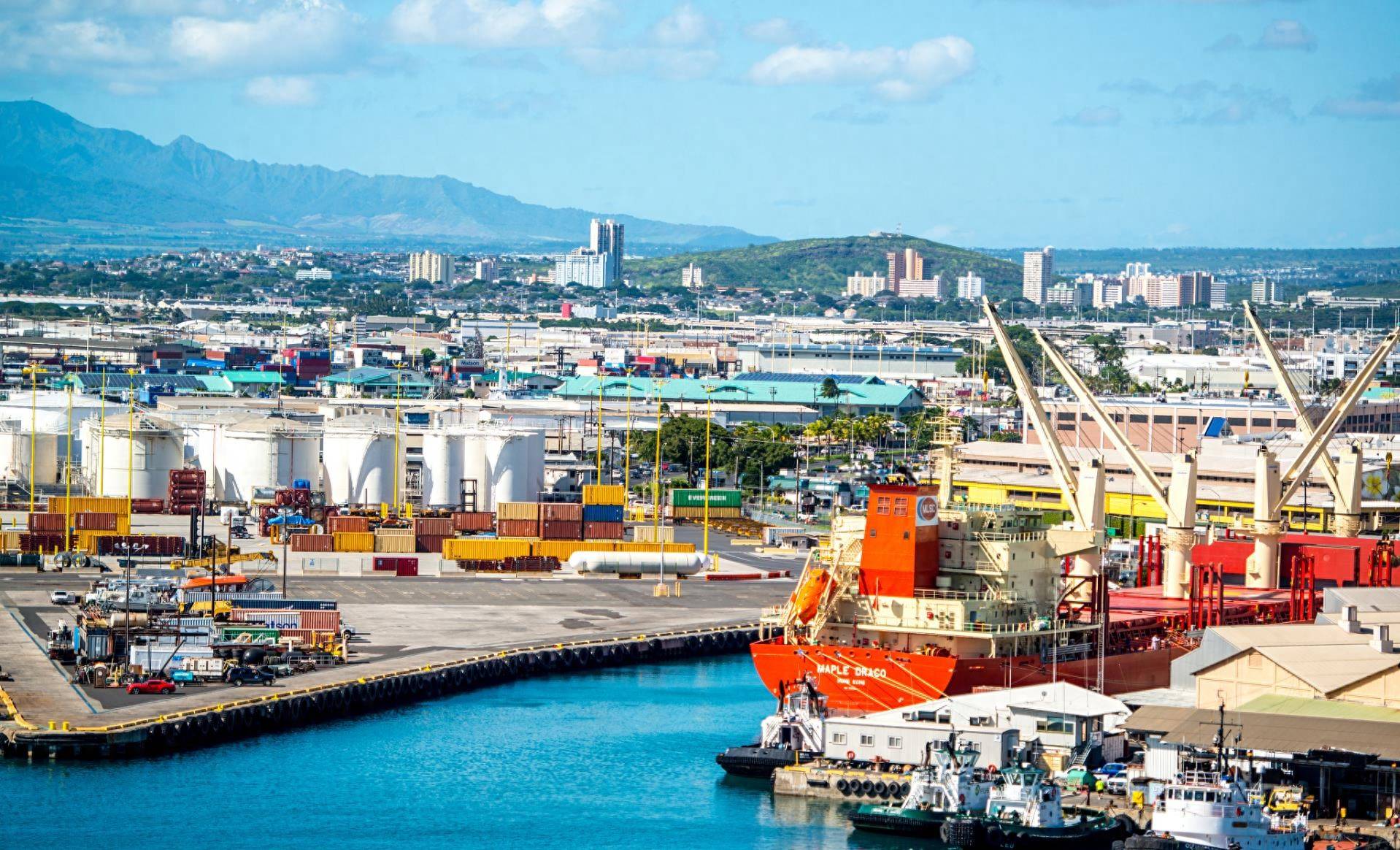
Group 1 - The U.S. has implemented a tiered tariff policy against Brazil, imposing tariffs ranging from 10% to 50% on Brazilian products, reflecting a strategic maneuver to exert economic pressure and influence Brazilian politics [1] - The Brazilian government has responded strongly to the U.S. tariffs, viewing them as an infringement on its judicial sovereignty, which may lead to a backlash against U.S. influence in the region [1] - The tariff policy could potentially weaken the solidarity of BRICS nations, as the U.S. aims to pull Brazil closer to its sphere of influence, undermining the progress made towards "de-dollarization" [1] Group 2 - Australia is attempting to reclaim control over the Darwin Port from Chinese enterprises, citing "security risks" as the justification for nationalization, which may be influenced by U.S. pressure [3] - The move to nationalize the port sends a negative signal to foreign investors and could escalate tensions between Australia and China, possibly leading to retaliatory measures from China in other trade areas [3] Group 3 - The ongoing U.S.-China tensions are characterized by Trump's dual strategy of imposing tariffs on China while seeking to balance relations with Russia, aiming to maintain a strong international image [5] - Analysts suggest that Trump's actions are not necessarily aimed at reigniting a trade war with China, but rather at applying pressure during negotiations, indicating a complex interdependence between U.S. and Chinese interests [5] Group 4 - The geopolitical landscape is becoming increasingly complex, with U.S. tariffs and Australia's actions creating dual pressure on China, raising questions about how nations can maintain independence and security in a globalized world [7] - Both Brazil and Australia must navigate their roles in the U.S.-China rivalry carefully to protect their economic interests while balancing international relations [7]
无视关税!印度称继续进口俄石油
Sou Hu Cai Jing· 2025-08-05 19:16
Core Viewpoint - The recent trade tensions between the US and India, primarily over India's oil purchases from Russia, highlight the complex interplay of global energy security and economic interests, revealing geopolitical rifts between the two nations [1][3]. Group 1: US-India Trade Relations - The US has imposed punitive tariffs on India, accusing it of undermining international sanctions by profiting from Russian oil sales [1][3]. - India has responded by emphasizing its need for Russian oil to ensure energy security and has criticized the US for its double standards, noting that the US previously encouraged such purchases [3][5]. - The trade dispute extends beyond oil, with India refusing to grant tariff concessions on agricultural products, leading to dissatisfaction from the US [5]. Group 2: Energy Security and Economic Impact - India's imports of Russian oil have surged dramatically, from approximately 68,000 barrels per day in early 2022 to 2.15 million barrels per day by May 2023, making Russia its largest oil supplier [3]. - India consumes about 5.5 million barrels of oil daily, with nearly 90% of its consumption reliant on imports, making it difficult to abandon Russian oil due to geopolitical pressures [3][6]. - The US's approach of using economic pressure may not yield the desired results and could instead lead India to diversify its energy sources further, potentially strengthening ties with Russia [6][8]. Group 3: Geopolitical Implications - The ongoing US-India conflict over Russian oil reflects broader power struggles in the reconfiguration of international order, with the US seeking to position India as a strategic ally against Russia and China [5][8]. - India's firm stance on oil imports is not only a pragmatic choice for energy security but also a signal against perceived US hegemony and its coercive tactics [5][8]. - The situation underscores the need for both nations to navigate their interests carefully, balancing cooperation and competition in a multipolar world [8].
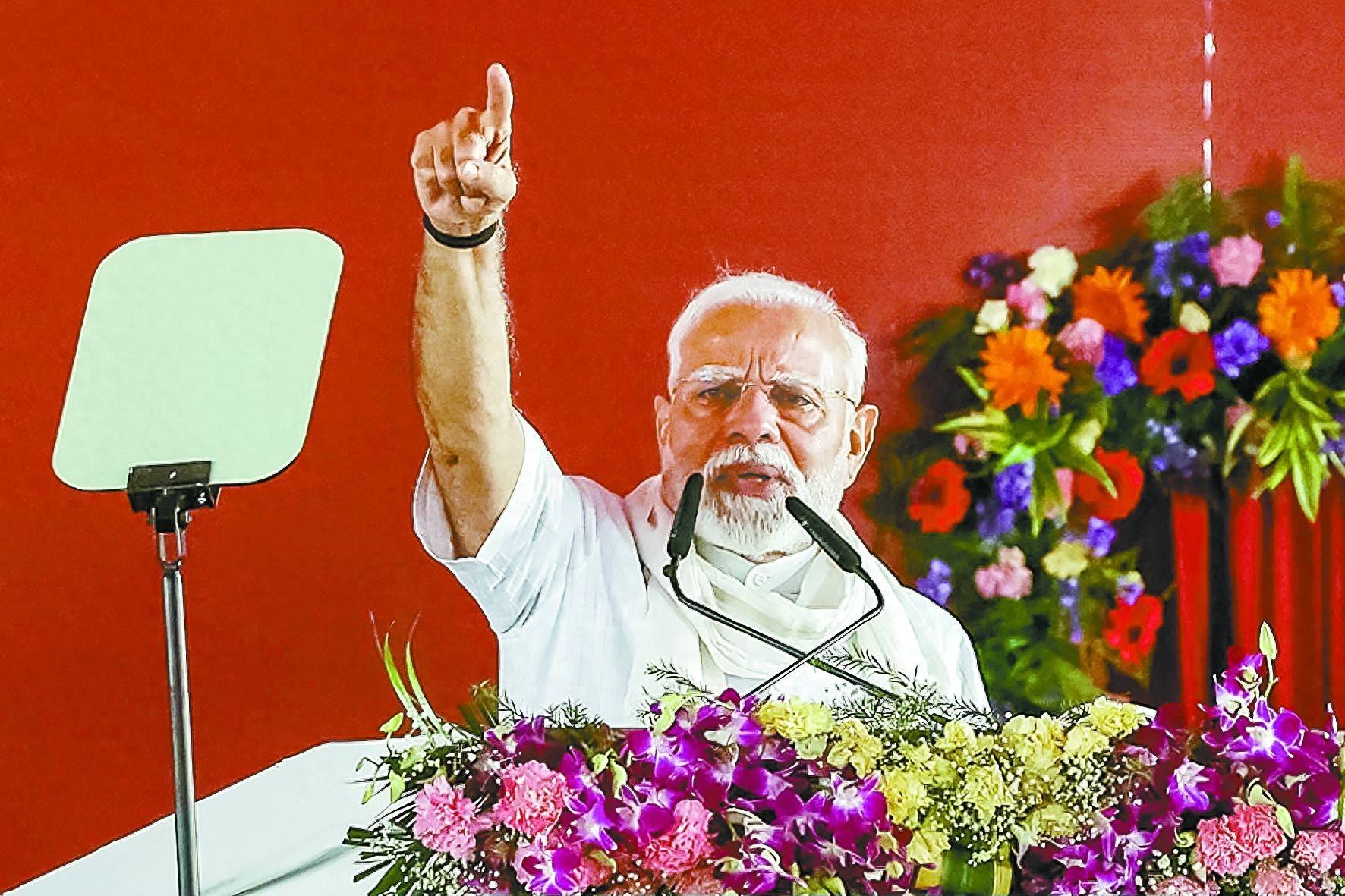
莫迪弃俄油,特朗普“极限施压”能否撼动亚洲利益链?
Sou Hu Cai Jing· 2025-08-04 11:03
Group 1 - The International Energy Agency (IEA) reported a 36% drop in Russian crude oil exports to India in the first half of 2025, marking the largest decline in two years [1] - Indian state-owned refiners have collectively suspended new purchases of Russian crude oil, coinciding with the U.S. imposing a 25% tariff on all Indian goods starting August 1 [1][3] - The geopolitical landscape is shifting rapidly, with India pivoting away from Russian oil, the U.S. exerting pressure, and Europe observing the developments closely [1] Group 2 - Indian Prime Minister Modi convened an emergency energy security meeting, directing state-owned refiners to halt new orders from Russia and expedite negotiations for alternative supplies from the Middle East and the U.S. [3] - The discount on Russian oil has significantly decreased from $14-16 per barrel to $2.5-4 per barrel, eroding the profit margins for Indian refiners [3][5] - The end of India's "arbitrage" business model, which involved buying cheap Russian oil and selling refined products to Europe, is under threat due to U.S. pressure and new European regulations [5] Group 3 - The U.S. has explicitly targeted India, threatening to impose a 100% tariff on all Indian goods if it continues to purchase Russian oil, leading to public outcry in India [5][11] - The IEA noted that India's imports of Russian crude oil surged by 111% from 2022 to 2024, with Russian oil accounting for 40% of India's total imports by 2024 [5] - The shift in India's energy sourcing is causing a ripple effect in Europe, where the supply chain for refined products is becoming strained again [7] Group 4 - Middle Eastern oil producers, particularly Saudi Arabia and the UAE, are poised to benefit from India's shift away from Russian oil, with Saudi Aramco increasing exports to India by 24% in July [9] - The geopolitical dynamics are complex, with U.S.-India relations under strain while Pakistan unexpectedly benefits from the situation, as discussions about U.S. involvement in Pakistani oil resources emerge [11] - The ongoing energy crisis is intertwined with trade wars and geopolitical maneuvering, indicating a significant transformation in global energy and trade relationships [13][14]
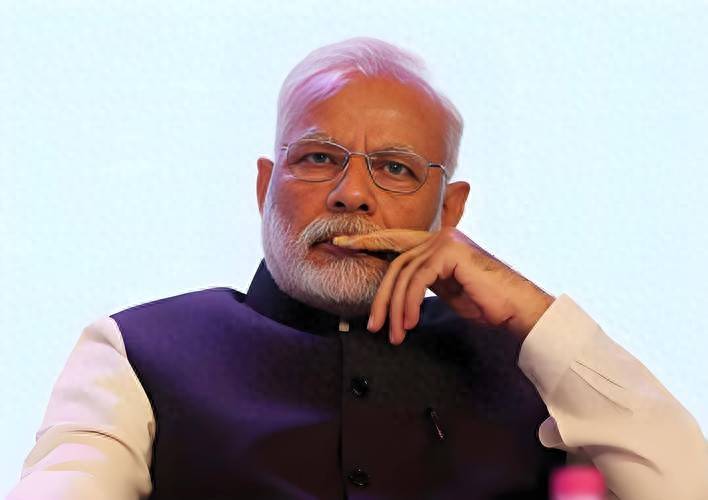
从武斗到政权割据:苏丹内战“利比亚化”,域内外势力推波助澜
Yang Shi Wang· 2025-07-31 10:02
Core Points - The Sudanese civil war has escalated into a political confrontation with the establishment of a "parallel government" by the Rapid Support Forces (RSF) on July 26, 2023, indicating a shift from military to political conflict [1][2] - The RSF, along with its allies, has gained significant military control and is asserting its political independence, challenging the legitimacy of the Sudanese Armed Forces (SAF) [3][5] - The ongoing conflict has resulted in a humanitarian crisis, with over 150,000 deaths and millions displaced, drawing comparisons to other global conflicts [7][11] Group 1: Political Developments - The RSF has formed a political alliance called the "Sudan Founding Alliance," which includes 23 political and armed groups, and has begun operating its own government structures [5][6] - The SAF has attempted to consolidate power by proposing a transitional government and amending the constitution to exclude the RSF and its allies from power [4][6] - The establishment of the "parallel government" by the RSF is a direct response to the SAF's actions and reflects the deepening political divide in Sudan [6][7] Group 2: Military Dynamics - The RSF has approximately 120,000 troops and controls significant territories, including key locations in Darfur and parts of Khartoum [3][4] - The SAF has launched military offensives to regain control over lost territories, particularly targeting the capital [4][5] - The conflict has seen external influences, with various countries providing support to both the RSF and SAF, complicating the military landscape [8][9] Group 3: Humanitarian Impact - The civil war has led to a severe humanitarian crisis, with 8.85 million people displaced and 3.5 million becoming refugees [7][11] - The Sudan Doctors Union reports that at least 520,000 children have died from malnutrition due to the ongoing conflict [7] - The situation in Sudan is increasingly dire, with the potential for further escalation and regional instability [11]
中美最关键一局打响!美国财长突然“放大招”,不许中国购买俄伊石油!中方拒绝就加500%关税
Sou Hu Cai Jing· 2025-07-30 07:14
Group 1: Geopolitical and Economic Context - The U.S. aims to disrupt the energy cooperation between China, Russia, and Iran, as these countries account for approximately 30% of China's crude oil imports [3] - The U.S. is using tariffs as a negotiation tool, with a proposed 500% tariff on goods from China if it continues to purchase oil from Russia and Iran, which exceeds WTO rules [3][4] - The U.S. is also attempting to shift China's energy purchases from non-Western countries to U.S.-led high-priced energy sources [3] Group 2: China's Response and Strategic Position - China has diversified its crude oil import sources, covering 15 countries, with over 60% of imports coming from the Middle East, Africa, and South America, making it less reliant on Russian and Iranian oil [4] - China controls 60% of global rare earth mining and 90% of deep processing capabilities, which could impact U.S. military technology if trade tensions escalate [4] - The Chinese government has initiated a "trade war emergency plan" with a $50 billion fund to support affected enterprises and is expanding procurement in ASEAN and Middle Eastern markets [9] Group 3: Global Market Implications - The ongoing negotiations have caused significant volatility in global financial markets, with the MSCI global index experiencing notable fluctuations and oil futures rising by 4.5% in a single day [8] - There is a trend of companies like Apple relocating production to countries like India and Vietnam, although these regions face challenges in supply chain efficiency [8] - OPEC+ countries are exploring pricing oil in renminbi, indicating a potential shift away from the "petrodollar" system [8] Group 4: Future Outlook and Recommendations - The U.S. faces internal contradictions, as a 500% tariff could lead to gasoline prices reaching $8 per gallon, potentially increasing inflation and affecting political support for the current administration [8] - The United Nations Conference on Trade and Development has called for a "tariff fluctuation stabilization mechanism," highlighting the need for a multilateral approach to trade disputes [12] - The emphasis on cooperation over confrontation is seen as essential for global economic stability, suggesting that both nations should seek non-zero-sum solutions [12]
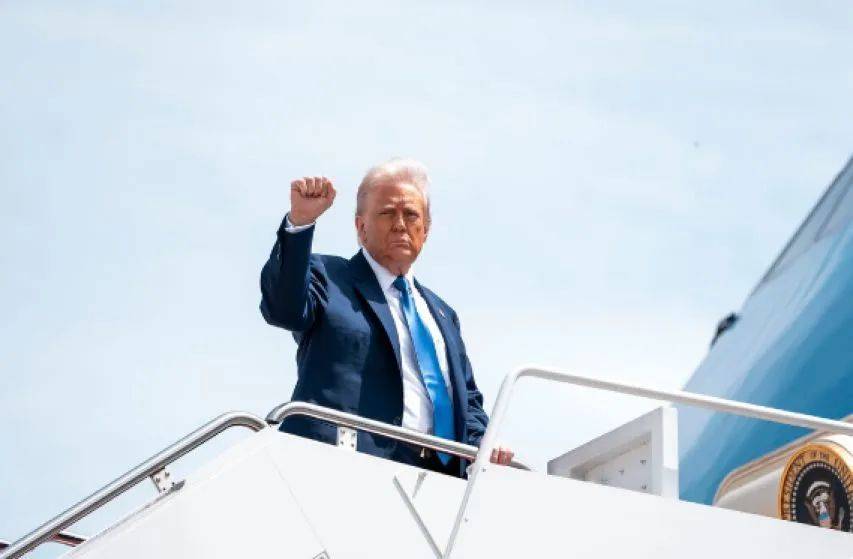
亚洲货币沦陷,28国强逼中俄分离,普京已失去耐心,中方怎么办?
Sou Hu Cai Jing· 2025-07-30 05:05
Group 1: Currency Depreciation in Asia - The depreciation of Asian currencies, particularly the Japanese yen and South Korean won, has reached significant lows against the US dollar, with the yen falling to 154, the lowest in 34 years, and the won dropping below 1400 [1][2] - Other currencies such as the Indian rupee and Vietnamese dong have also seen substantial declines, with the rupee at 83.5 and the dong at 25463 [1] - The depreciation is impacting export-dependent economies, leading to increased import costs, squeezed corporate profits, and rising living costs for citizens [1] Group 2: US Monetary Policy and Global Impact - The US Federal Reserve's interest rate hikes, which began in 2022 and are expected to remain high until mid-2024, have had profound effects on Asian economies and have also slowed growth in the Eurozone [2] - The US is attempting to manage its debt crisis through these rate increases, with interest payments projected to exceed defense spending in 2024 [1][2] Group 3: Geopolitical Dynamics - The global economic situation is intertwined with geopolitical tensions, particularly as the US seeks to maintain its dominance through financial means while Asian countries recognize the risks of over-reliance on the dollar [3][8] - The G7 and EU have intensified sanctions against Russia, with the US also considering sanctions on Chinese financial institutions to disrupt China-Russia economic ties [3][5] Group 4: China's Strategic Position - China holds over $3 trillion in foreign exchange reserves, providing a stable foundation for the renminbi, which has not depreciated as severely as other Asian currencies [6][10] - China is promoting regional cooperation and trade with ASEAN countries, with increasing use of the renminbi for transactions to mitigate dollar dependency [6][10] - The Shanghai Cooperation Organization is exploring ways to counter Western sanctions, with a growing recognition of the need for a multipolar world [8][10] Group 5: Future Outlook - The ongoing currency war and geopolitical struggle are expected to accelerate the process of de-dollarization, with the internationalization of the renminbi likely to increase by 2025 [10] - The lessons learned from currency depreciation are prompting more countries to seek collaboration with China, while internal divisions within the Western bloc are becoming apparent [10]