人工智能(AI)

Search documents
AI&半导体周度电话会议:华为发布AI芯片三年路线图
2025-09-22 01:00
Summary of Key Points from the Conference Call Industry and Company Involved - The conference call primarily discusses the **AI and semiconductor industry**, with a focus on **Huawei** and its AI chip roadmap, as well as collaborations between **NVIDIA** and **Intel**. Core Insights and Arguments - **Huawei's AI Chip Roadmap**: Huawei's roadmap indicates rapid iteration and performance enhancement of its Ascend series chips, with the Ascend 910C set to launch in Q1 2025 and the Ascend 950P2 expected in Q1 2026. These chips utilize SMID, SIMT architectures, and self-developed HBM technology to enhance computing power and memory bandwidth to meet growing demand [1][2] - **Technological Innovations**: Huawei employs supernodes, cluster interconnections, and self-developed HBM technology to compensate for insufficient single-chip computing power, thereby improving memory bandwidth and capacity. The company also implements product tiering for different application scenarios to achieve technological innovation and performance enhancement [1][4][5] - **NVIDIA and Intel Collaboration**: The partnership aims to leverage NVIDIA's strengths in AI chips and GPU acceleration alongside Intel's x86 ecosystem to enhance overall competitiveness and expand market share in data centers and consumer markets [1][8] - **Storage Market Trends**: The storage market is experiencing a price increase, with companies like Nanya Technology and Winbond achieving record revenues due to AI-driven supply-demand tightness. NAND prices are gradually rising, benefiting domestic NAND manufacturers such as Demingli and Capcloud [1][12][13] Other Important but Potentially Overlooked Content - **Future AI Developments**: Huawei's reports, including "Smart World 2035" and "Globalization Index 2025," emphasize the transformative potential of Artificial General Intelligence (AGI), predicting a tenfold increase in total computing power by 2035 [1][15] - **Differentiated Computing Power Development**: There is a notable difference in computing power development between domestic and international markets, with overseas markets focusing on overall growth while domestic markets emphasize localization. Companies like Haiguang Information and Xingyuan Co. are gaining attention in the cloud and edge chip sectors, respectively [1][16] - **Upcoming Events**: Key upcoming events include Micron's quarterly report on September 23, which may influence market trends, and Alibaba's Cloud Summit, where new developments in AI will be showcased [1][14] - **Macro-Economic and Geopolitical Influences**: The macroeconomic environment and geopolitical factors are impacting the industry, necessitating ongoing monitoring of related dynamics. Huawei's AI chip roadmap is expected to exceed expectations, with weekly updates planned to address market changes [1][18]
SiC 进入先进封装主舞台:观察台积电的 SiC 策略 --- SiC Enters the Advanced Packaging Mainstage_ Observing TSMC’s SiC Strategy
2025-09-22 00:59
Summary of Key Points from the Conference Call Industry and Company Overview - The discussion centers around the semiconductor industry, particularly focusing on advanced packaging technologies and the role of Silicon Carbide (SiC) in AI chip design and manufacturing. Key players mentioned include TSMC, NVIDIA, AMD, Google, and AWS, with a specific emphasis on TSMC's strategies and innovations in packaging solutions [1][2][3]. Core Insights and Arguments 1. **Challenges in AI Chip Design**: The increasing complexity and power demands of AI chips have led to significant challenges in power delivery networks (PDNs) and thermal management. Traditional methods are becoming inadequate, with single GPUs now requiring over 1000A of current [5][19]. 2. **Innovative Solutions**: Companies like Marvell and ASE are proposing solutions such as Package-Integrated Voltage Regulators (PIVR) and optimized PDN platforms to address these challenges. TSMC is also innovating with its CoWoS-L platform, which integrates embedded voltage regulators and advanced thermal management techniques [7][10][11]. 3. **Emergence of SiC**: SiC is highlighted as a critical material for AI chip and system design due to its superior properties, including high thermal conductivity and mechanical strength. It is increasingly being viewed as essential for advanced packaging and heterogeneous integration [13][14][16]. 4. **Market Demand**: The demand for ultra-large-scale GPUs and ASICs is driven by generative AI and large-scale model training, with power consumption often exceeding 1 kW. This has exposed bottlenecks in thermal management and power delivery [19][20]. 5. **Bottlenecks Identified**: The exponential growth in AI computing has revealed three critical bottlenecks: thermal challenges, power delivery bottlenecks, and electro-optical integration demands. TSMC is actively addressing these through its 3DFabric strategy and various packaging solutions [22][28][30][32]. Additional Important Content 1. **SiC's Role in Advanced Packaging**: SiC is positioned as a hybrid integration enabler, linking power delivery, thermal dissipation, and optical interconnects. Its unique properties make it suitable for high-voltage integrated circuits (HVICs) and optical interposers [40][44]. 2. **Competitive Landscape**: TSMC's exploration of SiC as an interposer material could provide a competitive edge in thermal management and electro-optical integration, especially compared to Intel and Samsung, who are also advancing their own technologies [45][46]. 3. **Challenges Ahead**: The successful commercialization of SiC in advanced packaging faces challenges such as defect density control in large-size wafers, process compatibility, and cost structure improvements [53][54]. 4. **Future Directions**: The integration of SiC into TSMC's platforms like COUPE and CoWoS-Next could reshape the AI semiconductor supply chain, establishing new industrial advantages in the AI and high-performance computing (HPC) era [44][97]. This summary encapsulates the critical insights and developments discussed in the conference call, emphasizing the strategic importance of SiC in the evolving semiconductor landscape.


以四季理论为指挥棒 放眼全市场投资
Zhong Guo Zheng Quan Bao· 2025-09-21 20:17
Market Overview - The market has recently rebounded, with the Shanghai Composite Index approaching 3900 points and the ChiNext Index surpassing 3100 points, indicating a potential structural differentiation in market styles [1] - The current market temperature is assessed to be between 40-50 degrees, suggesting it is not overheated [1][8] Investment Strategy - The company has increased allocations in cyclical, technology, and pharmaceutical sectors while reducing exposure to high-dividend sectors [1] - Focus will be on investment opportunities in artificial intelligence (AI) and innovative pharmaceuticals [1][8] Growth Stock Characteristics - Growth stocks are identified based on three key characteristics: significant future revenue and profit growth potential, strong business models with pricing power, and excellent management teams [2] - Growth stocks are further categorized into four types: new economy growth stocks, market share gainers, stable profit growth stocks, and cyclical growth stocks [3] Team Structure and Decision-Making - The investment team consists of nearly 30 members, organized into fundamental research, quantitative research, and international investment departments [4] - The company emphasizes a team-based investment research system to adapt to market changes and enhance decision-making efficiency [4][5] Market Cycle Theory - The company employs a seasonal theory to guide investment decisions, correlating market phases to seasonal changes [6] - The current market is viewed as being in a spring/summer phase, with no signs of overheating or market euphoria [6][8] Historical Context and Future Outlook - The market's turning point is traced back to September of the previous year, following a prolonged period of adjustment [7] - The company plans to maintain a high allocation in technology, pharmaceuticals, and cyclical sectors, with a positive outlook on AI and innovative pharmaceuticals [8]
警惕投资过程中的花样误导
Zheng Quan Ri Bao· 2025-09-21 16:21
■田鹏 例如,8月18日,深圳东方港湾投资管理股份有限公司发布声明,提醒投资者警惕有人利用AI伪造其创始人但斌形象开展 非法证券活动。这些账号通过AI生成图像、视频,假借"投资股东大会"等名义,以"不卖课、不收费""共同学习"为幌子从事非 法荐股。 面对花样翻新的诱导行为,需要通过强化监管科技能力、提升投资者教育针对性、压实平台及中介机构主体责任等多种手 段,切实筑牢投资者"防护网",维护市场信息环境的真实与透明。 另一方面,部分上市公司直接或间接参与诱导行为,进一步加剧了市场乱象。例如,上海证券交易所近日对青岛鼎信通讯 股份有限公司出具的监管警示提出,该公司在"上证e互动"平台回应市场热点时,存在信息披露不准确、风险提示不充分等问 题,可能对投资者产生误导。 在监管层面,应着力提升精准度与响应效率,破解"高科技误导"和上市公司违规问题。可联合科技企业构建AI虚假信息识 别模型,实时监测荐股内容,对虚假报告和仿冒账号实现快速处置;对上市公司信息披露实施"全流程监管",强化违规责任追 究,并从重处罚以形成有效震慑。 近日,上海证券交易所对宁波天普橡胶科技股份有限公司部分投资者在交易中的异常行为发出通报,指出其扰 ...
借AI之眼,看中国—东盟未来合作的青春展望
Xin Hua She· 2025-09-21 11:05
Core Viewpoint - The 22nd China-ASEAN Expo and China-ASEAN Business and Investment Summit are being held in Nanning, Guangxi, emphasizing the deepening cooperation between China and ASEAN countries, with China being ASEAN's largest trading partner for 16 consecutive years and ASEAN being China's largest trading partner for 5 years [2]. Group 1 - The theme of this year's expo and summit is "Digital Intelligence Empowering Development, Innovation Leading the Future - Building a Community with a Shared Future through New Opportunities from the China-ASEAN Free Trade Area 3.0" [2]. - The event highlights the increasing exchanges and cooperation in various fields between China and ASEAN, showcasing the strong ties and mutual interests [2]. - Youth from China and ASEAN countries are encouraged to share their visions and expectations for future cooperation, indicating a focus on the next generation's role in fostering these relationships [2].
《自然》:斯坦福团队揭秘超效自然塑身元素!惊艳成效让你自然进食减半
GLP1减重宝典· 2025-09-21 10:42
Core Insights - The article highlights the alarming rise in global obesity rates, with over 1 billion individuals affected by obesity as of 2022, marking a doubling since 1990. The prevalence among adolescents has increased fourfold, making obesity a critical health issue that requires urgent attention [6]. - New weight loss therapies, particularly the GLP-1 receptor agonist semaglutide, have shown significant promise, with clinical trials indicating an average weight reduction of 15% in obese patients. This drug has been recognized as a scientific breakthrough in 2023 [6][9]. - Despite its effectiveness, approximately 60% of users experience side effects such as nausea and vomiting, which can hinder adherence to the treatment [6]. - Research is shifting towards developing safer weight loss medications with fewer side effects. A recent study from Stanford University identified a natural bioactive peptide that effectively suppresses appetite without causing nausea [7]. Group 1: Obesity Statistics and Health Risks - The World Health Organization (WHO) reports that the number of obese adults has exceeded 1 billion, with a fourfold increase in adolescent obesity since 1990 [6]. - Obesity significantly raises the risk of chronic diseases, including cardiovascular diseases, diabetes, and metabolic-associated fatty liver disease (MASH) [6]. Group 2: New Weight Loss Therapies - Semaglutide, a GLP-1 receptor agonist, was approved by the FDA in 2021 for long-term management of obesity, demonstrating an average weight loss of 15% in clinical trials [6]. - The drug's mechanism involves mimicking GLP-1, promoting insulin secretion, and prolonging satiety, which leads to reduced food intake [9]. Group 3: Research Innovations - Stanford University's research team has developed a peptide named BRP, derived from the precursor hormone BRINP2, which effectively reduces appetite and body weight without adverse effects [10][12]. - The research utilized AI technology to identify potential cleavage sites in precursor hormones, leading to the discovery of over 2600 previously overlooked peptide segments [10]. - In animal studies, BRP administration resulted in a significant reduction in food intake and weight loss, with no negative impact on other behavioral aspects [12].


宏观与资产论(20250921):“重启”降息,对资产有何影响?
Western Securities· 2025-09-21 06:41
Monetary Policy Impact - On September 17, the Federal Reserve "restarted" interest rate cuts, lowering the federal funds rate target range by 25 basis points to between 4.0% and 4.25%[2] - This 25 basis point cut was anticipated due to recent economic indicators showing a slowdown, particularly in non-farm employment[2] - The Fed's cautious stance suggests a likelihood of another 25 basis point cut in October, while December's expectations remain uncertain[2] Historical Context - The Fed has previously experienced seven instances of "hawkish rate cuts" after pausing, often in response to confirmed economic weakness or crisis events[2] - The current rate cut is categorized as a "preventive rate cut," similar to historical instances in 1985, 1995, and 2002, which reflect economic uncertainty but aim for a soft landing[3] Market Reactions - Historical analysis shows that "preventive" rate cuts tend to positively influence emerging market stocks, growth stocks, and commodities, while the dollar may weaken[3] - Following the Fed's rate cut, global stock performance is likely to depend on the U.S. economic fundamentals, with past instances showing varied outcomes based on economic conditions[3] Economic Indicators - The Fed's median projections for GDP growth from 2025 to 2027 have been revised upward to 1.6%, 1.8%, and 1.9%, respectively, while unemployment rates are expected to stabilize around 4.5%[11] - The core PCE inflation forecast remains stable, with projections of 3.0%, 2.6%, and 2.1% for the same period[11] Sector Performance - In the wake of the rate cut, sectors such as real estate and consumer goods are showing signs of recovery, with increased transaction volumes in first-tier cities and improved car sales[4] - Commodity prices, particularly for coking coal and industrial silicon, have seen upward trends, indicating a potential shift in market dynamics[4]
港股互联网板块迎价值重估,多只ETF获大额资金流入
天天基金网· 2025-09-21 02:51
Core Viewpoint - The Hong Kong internet sector is experiencing a significant rebound, with leading companies like Alibaba and Tencent seeing substantial stock price increases, driven by AI business developments and performance improvements [3][5][6] Group 1: Market Performance - Alibaba's stock has surged nearly 40% since September, while Tencent has also shown strong performance [3] - The Fuqun CSI Hong Kong Internet ETF has attracted a net inflow of 16.049 billion yuan in the past month, ranking first among cross-border ETFs, with its total size nearing 92.473 billion yuan [3] - Other technology-related ETFs have also seen significant inflows, with several products receiving over 3.5 billion yuan in net inflows [3] Group 2: Investment Trends - The KraneShares China Overseas Internet ETF listed in the US has grown to 9.407 billion USD, marking a 13% increase from the end of August [5] - Short selling in the Hong Kong internet sector peaked at 20.8% in August but has since decreased to 13.8% by mid-September, indicating a shift in market sentiment [6] - The technology sector has attracted significant foreign capital inflows, with net inflows of 28.48 billion yuan in February 2025 and further increases in subsequent months [6] Group 3: Strategic Insights - Analysts believe that Alibaba and Tencent are strategically positioned at the core of the AI value chain, particularly in cloud platforms, which are essential for AI development [7] - The companies' strong business foundations, robust growth momentum, and significant barriers to entry contribute to their competitive advantages in the market [7] - Investment strategies are shifting towards long-term positions in these companies, recognizing their potential for value re-evaluation in the AI era [7]


零度解读9月17日美联储利率决议发布会
Di Yi Cai Jing· 2025-09-21 01:46
利率点阵图本意是与市场沟通决策透明度,结果让大家看清会议室里毫无头绪。 9月份议息会议不是美联储主席鲍威尔主持的,美国总统特朗普在美联储会议室墙上投下肥胖的身影。斯蒂芬·米兰作为白宫经济顾问委员会主席,由特朗普 提名以停薪留职的身份经国会确认,成为美联储理事参加本次会议。特朗普安插米兰,提出要解雇美联储理事库克,财长贝森特公开批评货币政策,透露启 动下任主席人选面试。市场心领神会地把降息25个基点概率交易到了100%。 米兰首秀对降息25个基点投出一张反对票。政策点阵图上有一个黑点落在3%以下,预测年内还要降息100个基点。这个黑点远离落在3.75%附近的十几个黑 点,让点阵图形成了一个感叹号。坊间猜测这个黑点就是米兰。 7月份会议之后就业数据大幅调整,连续几个月的用工岗位数从原先15万上下被调低到只有2万多。失业率升高到4.3%,就业目标压力增大。另一边通胀并 未明显回落,居民消费甚至好于预期。金融市场在AI情绪和降息预期推动下创出新高。经济预测(SEP)调高今年GDP增长到1.6%(明年1.8%),失业率维 持在4.5%(明年4.4%),通胀PCE维持在3.0%(明年2.6%),政策利率降低25点到3.6 ...

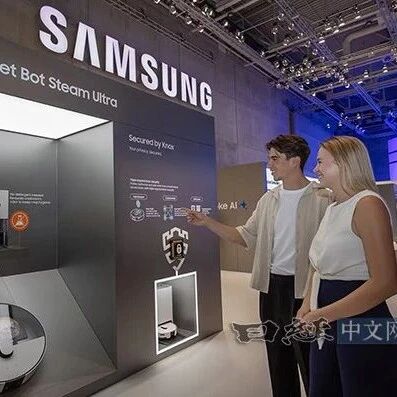
三星和LG要反攻被中企席卷的扫地机器人市场
日经中文网· 2025-09-21 00:33
Core Viewpoint - The article highlights the competitive landscape of the global vacuum robot market, emphasizing the dominance of Chinese companies and the strategic responses from South Korean firms like Samsung and LG to regain market share through advanced technology and product differentiation [1][9][10]. Group 1: Market Dynamics - In the first half of 2025, four out of the top five companies in the global vacuum robot market are Chinese, with leading firms like Beijing Stone Technology, Ecovacs Robotics, and Dreame Technology each holding over 10% market share [1][9]. - iRobot, which once held over 30% market share in the 2010s, has seen its share drop to 5.8%, placing it in fifth position [9]. - The price range for Chinese vacuum robots is approximately 20,000 to 30,000 yen (about 965 to 1,448 RMB), while South Korean products are priced between 100,000 to 200,000 yen (about 4,826 to 9,653 RMB), indicating a significant price disparity [9]. Group 2: Product Innovations - Samsung and LG are launching new vacuum robots equipped with advanced AI and sensor technologies to enhance cleaning quality and user safety [1][5]. - LG's new product features a unique design that reduces the height of the robot's workstation from 50 cm to 15 cm and includes steam functionality for sanitization [3][6]. - Samsung's model incorporates the "Knox" technology for data protection, improving the recognition of both colored and colorless liquids, allowing for flexible cleaning options [5][10]. Group 3: Strategic Responses - South Korean companies are focusing on high-value-added products to compete with the cost-effective Chinese alternatives, as they face challenges in pricing and performance [10][13]. - The emphasis on safety, high-end features, and ease of use is a strategic move to differentiate from Chinese products, which have been gaining market share due to their affordability and improved performance [13]. - The success of Samsung and LG in the vacuum robot sector is seen as a critical test for their ability to reclaim their status in the global home appliance market [13].