新能源汽车

Search documents
特斯拉将在华布局自动驾驶?记者求证→
Zheng Quan Shi Bao· 2025-12-28 09:00
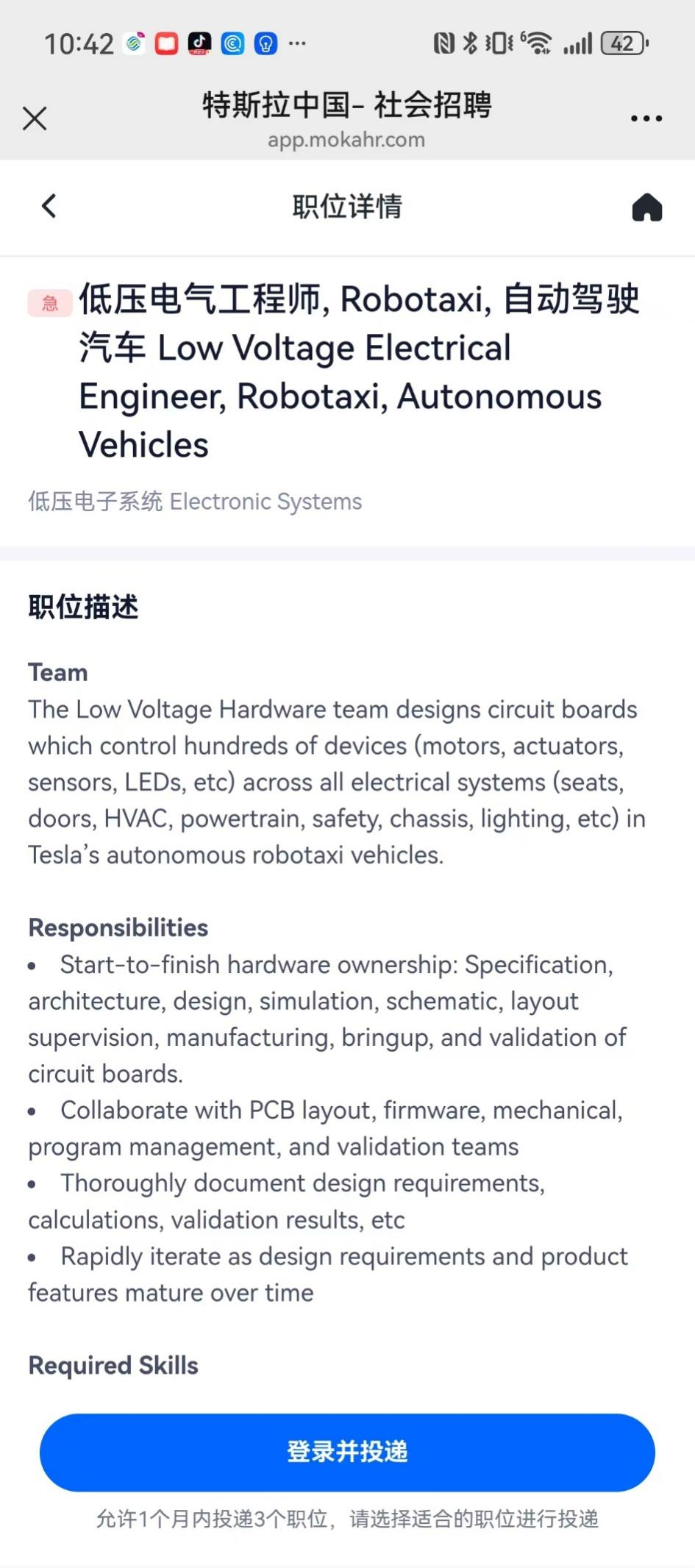
Group 1 - Tesla is reportedly preparing to launch its Robotaxi service in China, as indicated by a recent job posting related to the project [1][6] - The Robotaxi business is set to begin operations in Austin, Texas, by June 2025, with the current fleet utilizing the Model Y vehicle [6] - As of early November, the Robotaxi in Austin has accumulated over 400,000 kilometers, while the Bay Area has seen over 1.6 million kilometers [6] Group 2 - Tesla's Shanghai Gigafactory has reached a milestone of producing its 4 millionth vehicle, contributing nearly half of Tesla's global electric vehicle deliveries [7] - In November, the Shanghai Gigafactory delivered 86,700 units of Model 3 and Model Y, marking a 10% year-on-year increase and a 40% month-on-month increase [7] - The factory has achieved a localization rate of 95% for its supply chain and has established a complete ecosystem for electric vehicles in the Yangtze River Delta region [7] Group 3 - Tesla's second Gigafactory in Shanghai, focused on energy storage, is set to begin production in February 2025, marking Tesla's first energy storage factory outside the U.S. [7][9] - The factory is planned to produce 10,000 units of the Megapack energy storage system annually, with a total storage capacity of nearly 40 GWh [9]


数字环驾中国大赛运营基地在津揭牌 打造新能源汽车产业创新服务新平台
Zhong Guo Jin Rong Xin Xi Wang· 2025-12-28 08:52
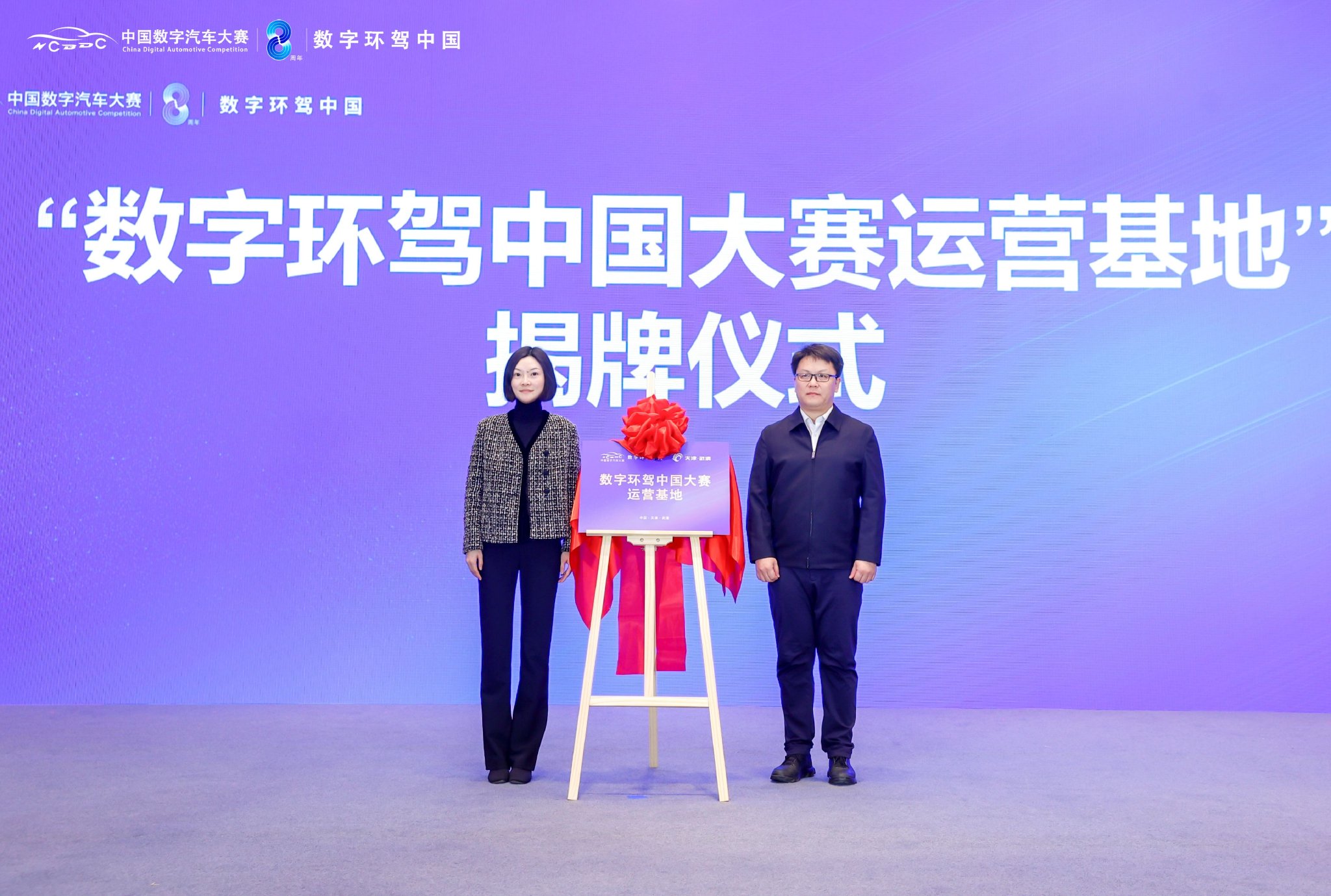
Core Viewpoint - The establishment of the "Digital Ring Driving China Competition Operation Base" in Wuqing District, Tianjin, marks a significant step towards systematizing and platforming the 2025 Digital Ring Driving China Competition, which focuses on real-world performance evaluation of vehicles [1][3]. Group 1: Event Overview - The base is a collaboration between the China Economic Information Agency and Wuqing District, aimed at integrating and continuously operating the resources and results accumulated from the competition [1]. - The 2025 Digital Ring Driving China Competition is designed to systematically assess the performance of new energy vehicles in complex real-world environments through extensive field testing [3]. Group 2: Competition Details - The competition involves a testing fleet of over 10 mainstream new energy vehicle brands, including GAC Aion, Haobo, BAIC, and BYD, covering diverse environmental challenges across China [3]. - The event lasts over 40 days and tests vehicles under extreme conditions, including a temperature difference of 23 degrees Celsius and an altitude variation of over 3000 meters, evaluating thermal management, electric systems, and energy consumption [3]. Group 3: Research and Development Integration - The competition creates an open platform that integrates industry, academia, research, and application, facilitating a new pathway for talent development and industry collaboration [5]. - Universities such as Beihang University and Beijing University of Technology participate in the event, providing real-world data for research on fault prediction, model optimization, and system reliability [5]. Group 4: Report and Future Plans - Following the competition, a report titled "2025 Digital Ring Driving China: New Energy Vehicle Testing Report" was released, focusing on real-world conditions, vehicle performance, and insights into young users [6]. - The operation base will institutionalize and sustain the competition's model, aiming to create a widely influential professional event IP and develop an innovative ecosystem based on accumulated data resources [6].
崔东树:11月锂电池需求疲软 明年初电池生产企业预计将减产休假对应需求波动
智通财经网· 2025-12-28 05:48
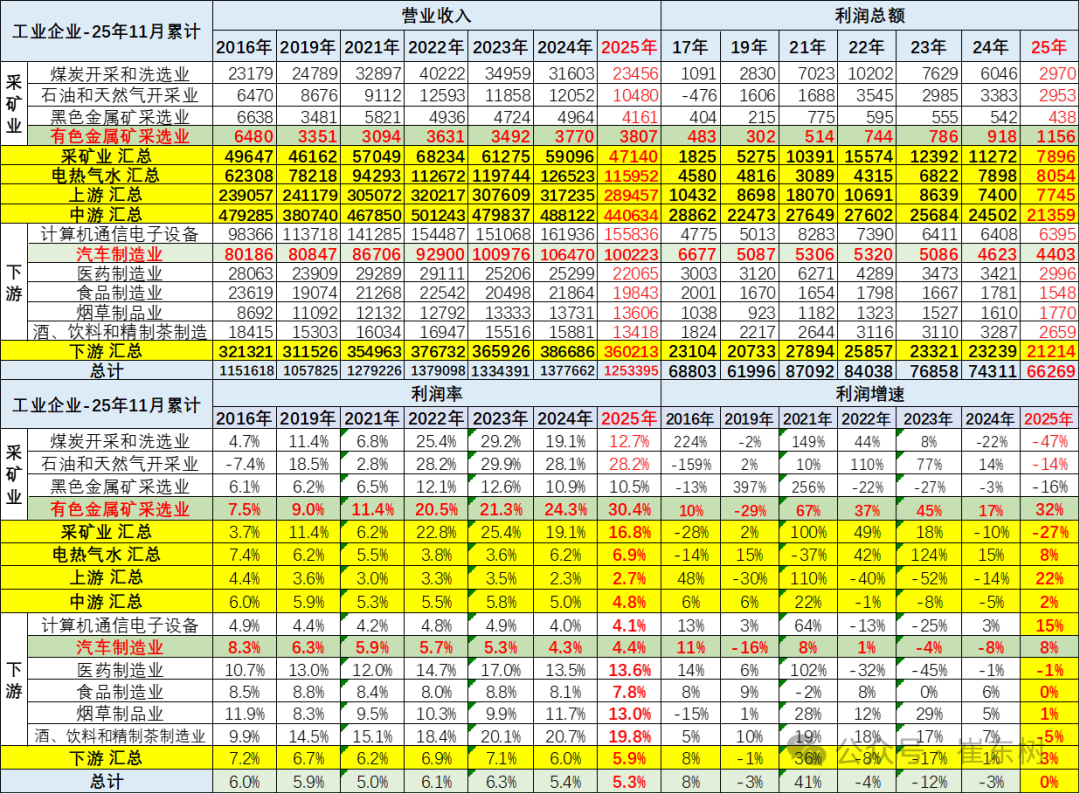
Core Viewpoint - The demand for new energy lithium batteries is expected to decline significantly in early 2026, influenced by policy adjustments and market dynamics, leading to production cuts and reduced profitability for upstream materials [1][2][4]. Group 1: Market Performance and Trends - The automotive market's performance at the end of the "14th Five-Year Plan" is in line with expectations, with a strong growth rate in the first three quarters of the year, but a noticeable slowdown in the fourth quarter [1]. - The profit margin in the non-ferrous mining sector reached 30% from January to November, which is seven times that of the automotive industry, indicating a significant profit imbalance within the supply chain [1]. - The production of new energy passenger vehicles in November was 7,286 million units, reflecting a 23% year-on-year increase, while retail sales grew only 13% [3][7]. Group 2: Future Demand Projections - The demand for lithium batteries is projected to drop sharply in early 2026, with new energy passenger vehicle sales expected to decline by at least 30% compared to the fourth quarter due to changes in vehicle purchase tax policies [2][4]. - The export of new energy passenger vehicles is expected to remain strong in early 2026, primarily driven by BYD, but this will not significantly boost demand for independent battery suppliers [4][14]. - The domestic retail demand for lithium batteries showed signs of weakness, with only 5,710 million units sold in November, marking a notable decline in demand [10][11]. Group 3: Export Dynamics - The export of lithium batteries has been robust, with a significant contribution from BYD, which produces its own batteries, while other suppliers rely on commercial vehicle demand [4][14]. - China's lithium battery exports to the EU account for approximately 40% of the total, while exports to the US have sharply declined, with a 45% drop in value from $1.87 billion to $1.04 billion [21][23]. - The overall export structure is shifting, with a notable decrease in shipments to the US, reflecting a broader trend of declining demand in that market [23][25].

2025年英国国防出口交易额超200亿英镑|首席资讯日报
首席商业评论· 2025-12-28 04:12
Group 1 - The UK government announced that defense export transactions will exceed £20 billion (approximately 189.5 billion RMB) by 2025, marking the highest level in over 40 years. This record is attributed to several major defense cooperation agreements, including a £10 billion (approximately 94.8 billion RMB) deal with Norway for the construction of at least five Type 26 frigates, which is the largest naval export transaction in UK history [2] Group 2 - Tianjin has launched the "2026 New Spring Consumption Season" with over 1,000 promotional activities aimed at boosting consumption across various sectors, including food, accommodation, transportation, and retail. The campaign will run throughout the first quarter of 2026, focusing on key events such as New Year's and the Spring Festival [3] Group 3 - Srey New Materials stated that its liquid rocket engine thrust chamber is a critical component of the engine, requiring materials with excellent high-temperature resistance and thermal conductivity to ensure proper engine operation during rocket launches [4] Group 4 - The "Artificial Intelligence and Food Safety Risk Governance" research results were released in Beijing, showcasing platforms for food safety supervision and digital transformation guidelines for food industries. The event highlighted seven research outcomes, including the "2025 China Food Safety Status Research Report" [6] Group 5 - The China Industrial Internet Research Institute has officially released an industrial data resource database, which aggregates key data on materials, components, and processes to support industrial AI model training. The database includes 230 million digital industrial products, 180,000 raw material specifications, 35 terabytes of real-time equipment operation data, and 300,000 process data entries [7] Group 6 - Shengyuan Environmental Protection received a warning letter from the Xiamen Securities Regulatory Bureau for failing to timely disclose significant losses from a private equity product subscribed by its subsidiary, which violated information disclosure regulations [8] Group 7 - Suzhou Tongxin Medical Technology Co., Ltd. has had its IPO application accepted by the Science and Technology Innovation Board, aiming to raise 1.064 billion RMB for projects related to implantable left ventricular assist systems and working capital [9] Group 8 - National grain procurement has exceeded 200 million tons, an increase of 3.2 million tons compared to the same period last year, marking the highest level in recent years. The procurement progress for various grains, including indica rice and corn, is reported to be on track [10] Group 9 - Several lithium iron phosphate manufacturers, including Hunan Youneng and Wanrun New Energy, announced production cuts due to high upstream raw material prices and cost pressures. The production adjustments are described as necessary maintenance and do not affect overall order fulfillment [11] Group 10 - Greebo stated that its commercial cleaning robots are in the pre-mass production testing and optimization phase, focusing on adapting to complex commercial scenarios and ensuring performance stability before market launch [12] Group 11 - A lawsuit involving a subsidiary of Xinwangda, claiming quality issues with delivered battery cells, has been filed for over 2.314 billion RMB. The case has been accepted by the Ningbo Intermediate People's Court [13]

远程连冠!长安超五菱,江铃/东风翻倍涨!11月新能源轻客销量增24% | 头条
第一商用车网· 2025-12-27 13:41
Core Viewpoint - The new energy light commercial vehicle (NE LCV) market is experiencing fluctuations, resembling a mature market, with a cumulative sales growth of 18% year-on-year as of October 2025, amounting to nearly 36,000 units [1][5]. Group 1: Market Performance - In November 2025, NE LCV sales reached 28,700 units, marking a 24% year-on-year increase and achieving a "seven consecutive months of growth" [5][34]. - The NE LCV market has shown a pattern of alternating growth and decline throughout the year, with a notable increase in sales from May to November, maintaining monthly sales above 20,000 units [7][34]. - The cumulative sales for NE LCVs from January to November 2025 reached 262,600 units, reflecting a 19% year-on-year growth, surpassing the total sales of the previous year [11][28]. Group 2: Market Penetration and Share - The penetration rate of NE LCVs in the commercial vehicle market has exceeded 70% in recent months, indicating a strong adoption of electric vehicles in this segment [2][9]. - In November 2025, NE LCVs accounted for 70.80% of the total light commercial vehicle market, marking the highest penetration rate recorded [9][32]. - By the end of November 2025, three companies held over 10% market share in the NE LCV sector, with SAIC-GM-Wuling leading at 20.65%, followed closely by Farizon at 19.67% and Changan at 13.35% [25][32]. Group 3: Regional Performance - All 31 provincial-level administrative regions in mainland China have registered NE LCVs, with Guangdong province leading with 47,400 units, accounting for 18.04% of the national total [13][15]. - Notably, provinces like Chongqing and Yunnan have seen their NE LCV registrations double compared to the previous year, while Guangdong experienced a decline in registrations [15][17]. Group 4: Company Performance - In November 2025, 14 companies sold over 300 units of NE LCVs, with 9 companies exceeding 1,000 units, indicating a competitive market landscape [19][21]. - Companies such as Changan, Jiangling, and Dongfeng reported significant year-on-year growth rates, with Changan and Jiangling achieving increases of 128% and 315%, respectively [21][26]. - The cumulative sales rankings for NE LCVs from January to November 2025 show that SAIC-GM-Wuling, Farizon, and Changan are the top three companies, with respective sales of 54,200, 51,700, and 35,100 units [30][32].



全球第一,清华高考状元要IPO
Sou Hu Cai Jing· 2025-12-27 12:57
Core Viewpoint - The emergence of Xihua Technology, a leading player in the ASIC scaler segment, is set to make a significant impact on the capital market as it prepares for an IPO on the Hong Kong Stock Exchange, potentially becoming the first ASIC scaler stock globally [1][2]. Company Overview - Xihua Technology, founded by Chen Xi, has rapidly grown to dominate the ASIC scaler market, achieving a global market share of 55% with an annual shipment of 37 million units in 2024 [2][10]. - The company has successfully completed over six rounds of financing, attracting notable venture capital and private equity firms, which has bolstered its growth trajectory [2][8]. - Xihua Technology's revenue increased from 86.68 million yuan in 2022 to 244 million yuan in 2024, reflecting a compound annual growth rate of nearly 68% [10]. Market Position and Strategy - The company has positioned itself in the high-demand automotive sector, particularly in electric vehicles, where the need for efficient image processing chips is growing [7][10]. - Xihua Technology's ASIC scaler chips offer significant advantages over traditional FPGA solutions, including a 40% reduction in power consumption and a 30% increase in processing efficiency [8]. - The global market for smart cockpit SoC chips is projected to reach $79.77 billion by 2025 and $148.41 billion by 2030, indicating a robust growth opportunity for Xihua Technology [8]. Investment and Growth Potential - The capital market is increasingly favoring hard technology and semiconductor companies, with the Hong Kong Stock Exchange's "Science and Technology Enterprise Special Line" initiative facilitating IPOs for companies like Xihua Technology [9][10]. - Despite current losses, the company is optimistic about its future, as the market for domestic semiconductor products is expected to continue expanding, particularly in light of the rise of AI and electric vehicles [11]. Leadership and Ownership - Chen Xi and his wife Wang Hong collectively hold over 65% of Xihua Technology's shares, ensuring significant control over the company's direction [11].
350亿,又一家新势力宣布破产
凤凰网财经· 2025-12-27 11:46
Core Viewpoint - The demise of Qoros Auto serves as a warning for the Chinese automotive industry, highlighting the challenges of transitioning from product development to market success in the rapidly evolving landscape of new energy vehicles [3][4]. Group 1: Qoros Auto's Exit - Qoros Auto has officially entered bankruptcy proceedings, marking the end of a brand once seen as a benchmark for high-end domestic vehicles in China [4]. - The bankruptcy was initiated by a supplier due to Qoros's long-standing debt issues, with over 1,000 enforcement actions and a total frozen equity amount exceeding 35 billion yuan [4][5]. - The company's failure reflects the harsh realities faced by traditional fuel vehicle manufacturers in the wake of the new energy and intelligent transformation wave [4][11]. Group 2: Strategic Missteps - Qoros Auto's challenges stemmed from both inherent weaknesses and strategic miscalculations, including high R&D costs and an overly ambitious product positioning that led to prices comparable to established brands without a solid consumer trust base [5][6]. - Despite initial success with its first model, Qoros 3, the company struggled with sales, averaging around 10,000 units annually from 2014 to 2016, resulting in cumulative losses exceeding 6 billion yuan [5][6]. - The acquisition by Baoneng Group in 2017, which promised significant investment, ultimately failed to revitalize the brand as Baoneng faced its own liquidity crisis, leading to operational disruptions at Qoros [6][7]. Group 3: Industry Implications - The bankruptcy of Qoros Auto is emblematic of broader systemic issues within the automotive industry, including brand building, market positioning, and technological pathways [8][11]. - The case illustrates the importance of establishing consumer trust and brand recognition over time, as Qoros's high-end positioning did not resonate with consumers unfamiliar with the brand [8][9]. - The need for strategic agility and market responsiveness is underscored, as Qoros failed to adapt to the rapid shift towards electric and intelligent vehicles, leading to its marginalization [9][10]. Group 4: Future of the Industry - The new energy vehicle sector is entering a critical phase where the focus will shift from merely having vehicles to ensuring they are user-friendly and worth long-term investment [12][17]. - Companies must evolve from being "car manufacturers" to "smart mobility technology enterprises," necessitating a comprehensive upgrade in organizational capabilities and business models [12][13]. - The competitive landscape will increasingly depend on understanding real-life scenarios and providing tailored solutions, moving away from mere technical specifications [13][14]. - The transition to software-defined vehicles will become crucial, with a focus on delivering value through software services and user engagement throughout the vehicle lifecycle [14][15]. - Global expansion will be essential for new players, as domestic markets become saturated, with emerging markets presenting new opportunities for growth [15][16]. - Sustainable development will shift from being a moral choice to a business necessity, as regulatory pressures increase and companies must build low-carbon systems across the entire supply chain [16][17].
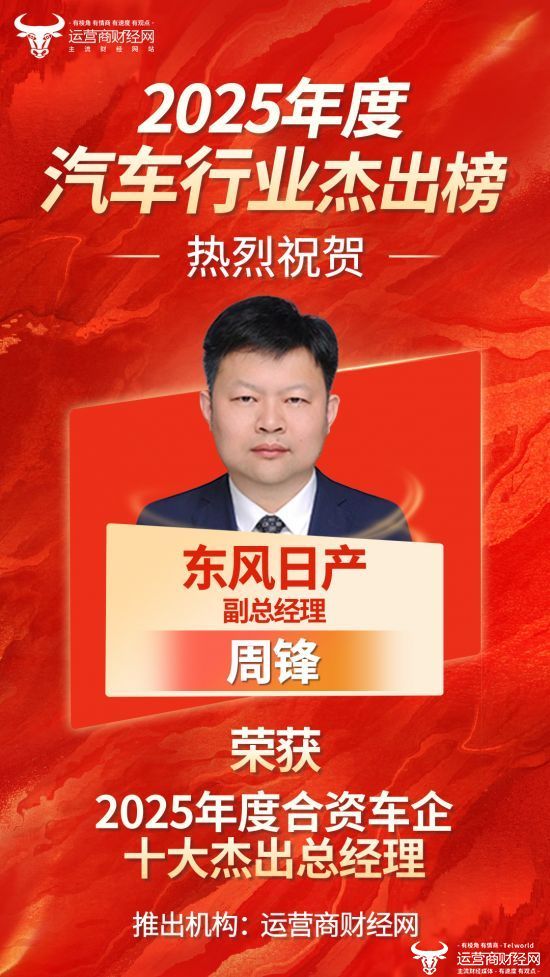
重磅消息!东风日产副总周锋荣获“2025年度合资车企十大杰出总经理”
Xin Lang Cai Jing· 2025-12-27 05:18
运营商财经网讯 近年来,新能源汽车的渗透率逐渐攀升,东风日产也深知,国内汽车市场格局已然发生改变,所以,在 新能源领域,东风日产于今年4月底推出了首款纯电轿车N7,由中国本土团队主导并开发。上市之后, 该车型的市场表现十分优异,上市18天大定用户就超过了1万,成为行业最快大定破万的合资纯电车 型;8月份,N7销量达10148台,环比增长57%,成为首个"单月交付破万"的合资纯电车型。 N7的推出,自然是符合中国汽车市场发展现状的,作为东风日产中方一把手,周锋带领团队制定的策 略无疑是正确的。今年7月份,他还被提拔到东风汽车集团做副总,并继续兼任东风日产乘用车副总经 理。 据此,周锋荣膺"2025年度合资车企十大杰出总经理",恭喜! (责任编辑:李广艳) 日前,国内知名财经媒体——运营商财经网正式发布"2025年度合资车企十大杰出总经理",该榜单 是"2025年度汽车业杰出高管榜"系列榜单之一,从多重角度出发进行编排,包括企业的经营业绩、销量 表现、高管在行业内的知名度、对企业的贡献以及各种公开可查的数据等,比较客观。 其中,东风日产副总经理周锋成功上榜。 ...
卢放:中国汽车近五年的巨变远大于前二十年|我们的四分之一世纪
经济观察报· 2025-12-27 05:04
Core Viewpoint - The current moment presents a unique opportunity for the rise of Chinese automotive brands, as articulated by Lu Fang, Chairman of Lantu Automotive, who reflects on the challenges faced when establishing the brand in 2019 and emphasizes the importance of taking risks to seize opportunities [1][3]. Group 1: Brand Development and Market Position - Lantu Automotive aims to integrate Chinese culture and stories into its brand narrative, distinguishing itself in a competitive market by launching new models that embody this vision [2][3]. - The Chinese automotive market has seen a significant shift, with domestic brands transitioning from followers to leaders, capturing a market share of 69.4% by October 2025, up from 44.4% in 2021 [23]. - The sales of new energy vehicles in China surged from 352 million units in 2021 to nearly 1,287 million units by 2024, indicating a rapid increase in market penetration from 13.4% to 40.9% [22][23]. Group 2: Strategic Insights and Future Directions - Lu Fang believes that technology is no longer a barrier for Chinese brands but rather a tool for competitive advantage, while cultural elements can provide unique differentiation [24]. - Lantu has developed a comprehensive technological framework, including platforms for new energy vehicles, intelligent connectivity, and autonomous driving, which are essential for adapting to market changes [20]. - The company emphasizes the importance of direct sales channels to foster a closer relationship with customers, aiming to create a feedback loop that enhances brand loyalty and user engagement [26].
研判2025!中国电池箱体行业产业链上下游、发展现状、竞争格局及发展趋势分析:新能源汽车+储能双轮驱动,电池箱体行业规模快速增长[图]
Chan Ye Xin Xi Wang· 2025-12-27 02:29
Core Viewpoint - The battery box industry in China is experiencing significant growth, projected to increase from 7.5 billion yuan in 2021 to 27.5 billion yuan in 2024, driven by the demand from the electric vehicle and energy storage sectors [1][7]. Industry Overview - The battery box is a protective structure for battery packs, designed for support, connection, heat dissipation, and ease of installation and maintenance. It can be categorized by application (electric vehicles, energy storage systems, portable devices), material (metal, plastic), structure (modular, integrated), installation method (built-in, external), and battery type (lithium-ion, lead-acid) [3][4]. Market Size and Growth - The market size for battery boxes in China is expected to reach 35.188 billion yuan by 2025, continuing the upward trend fueled by the booming demand in the electric vehicle and energy storage sectors [1][7]. - The production of aluminum alloy, a key material for battery boxes, is projected to reach 16.141 million tons in 2024, reflecting a year-on-year increase of 9.6% [5][6]. Competitive Landscape - The battery box industry is primarily composed of two types of competitors: those focused on electric vehicle battery box production, such as He Sheng Co. and New Aluminum Era, and traditional automotive parts manufacturers like Lingyun Co. and Huayu Automotive, which are expanding into the battery box market [9][10]. - Leading companies are capturing a significant market share, while smaller firms often resort to price competition, which may hinder their long-term sustainability [13]. Industry Trends - Lightweight materials are becoming increasingly important in the industry, as the weight of battery systems significantly impacts energy efficiency in electric vehicles. The battery box, as a non-cell component, plays a crucial role in achieving this lightweight goal [11]. - The demand for battery boxes is expected to grow in tandem with the electric vehicle market, as they are essential components of the vehicle's power system [12]. - The concentration of market share is rising, with leading companies like He Sheng Co. and New Aluminum Era dominating the industry, while smaller players struggle to maintain competitiveness [13].