人类命运共同体

Search documents
“中方为弥合南北‘智能鸿沟’发挥重要作用”
Ren Min Wang· 2026-01-22 22:38
目前,中国正深入推进"人工智能+"行动,共享发展经验和技术产品,帮助世界各国特别是全球南方国 家加强能力建设,让人工智能发展成果更好惠及全球。"人工智能不应成为加剧全球数字鸿沟的工具, 而应成为促进全球南方国家发展的普惠力量。中国人工智能技术通过开源开放,吸引全球开发者共同参 与技术迭代,打破了西方技术垄断,提升了技术的可及性,推动人工智能朝着有益、安全、公平方向健 康有序发展。"阿坦加纳说,中国通过共建"一带一路"倡议等与广大发展中国家共享发展机遇,这是中 国作为负责任大国担当的体现。 阿坦加纳曾获得联合国教科文组织"阿勒福赞奖",该奖每两年颁发给5名科学、技术、工程、数学领域 的青年工作者,表彰他们在国家、地区和全球层面对科学事业和社会经济发展等方面的贡献。阿坦加纳 说,期待非中进一步加强人才交流,"非洲国家有优秀人才,希望有更多非洲学生可以到中国学习人工 智能技术,我们也邀请中国学生去非洲了解当地需求。这种交流不仅让非洲青年有机会学习先进技术, 同时也让中国青年学者理解非洲的现实挑战,使双方合作更富成效、互利共赢。" "当前,中国在人工智能领域处于全球领先地位,感谢中国帮助非洲在相关领域实现发展。"世界 ...
社评:欧盟应认真考虑构建中欧命运共同体
Xin Lang Cai Jing· 2026-01-22 15:06
Core Viewpoint - The article emphasizes the importance of multilateralism and global governance in addressing common challenges faced by humanity, advocating for the construction of a community with a shared future for mankind, particularly between China and the European Union [1][2]. Group 1: Concept of Community with a Shared Future - The concept of building a community with a shared future is a significant original thought proposed by President Xi Jinping, representing China's response to the question of what kind of world to build and how to build it [1]. - This idea has been incorporated into various international documents, including UN resolutions and declarations from significant summits, and has gained recognition from numerous countries [1]. Group 2: Current State of China-EU Relations - Despite the close ties in trade, culture, technology, and education, EU countries are not yet part of the community with a shared future, which is seen as a regrettable situation [2]. - The article suggests that a key reason for this disconnect is the EU's misperception of China, which needs to be addressed for better cooperation [2]. Group 3: Economic and Material Foundations - Bilateral trade between China and the EU has grown from $2.4 billion at the time of diplomatic relations to $828.1 billion by 2025, with mutual investment stock increasing to $280 billion [3]. - The China-Europe Railway Express has operated 120,000 trains, reaching over 200 cities in 26 European countries, highlighting the deepening economic interdependence [3]. Group 4: Areas for Cooperation - China and the EU can collaborate on various fronts, including climate change, technological innovation, health, and supply chain management, under the framework of building a community with a shared future [3]. - Specific areas for cooperation include enhancing dialogue on international peace and security, aligning the Belt and Road Initiative with the Global Gateway strategy, and promoting cultural exchanges [3]. Group 5: Vision for the Future - The article calls for Europe to become an integral part of the community with a shared future, emphasizing that differences in ideology, culture, and development stages should not hinder cooperation [4]. - It advocates for both sides to prioritize their fundamental interests and the future of the world, promoting dialogue, open development, and multilateralism [4].
确保“十五五”开好局起好步——形势政策系列报告会扫描
Xin Hua She· 2026-01-22 10:24
5场报告会的专题分别为"坚持稳中求进、提质增效 努力实现'十五五'良好开局""进一步全面深化改革 面临的形势与任务""积极发展新质生产力 扎实推进高质量发展""扩大高水平对外开放 促进普惠包容 的经济全球化""深入学习贯彻党的二十届四中全会精神 奋力开创'十五五'时期外交工作新局面"。报告 会上,5名有关方面负责同志聚焦各自专题,对形势政策进行分析。 在过去的2025年,我国经济平稳运行、向新向优发展,全年经济社会发展主要目标顺利完成。 中央财办分管日常工作的副主任、中央农办主任韩文秀在报告会上表示,要充分认识2025年和"十四 五"时期来之不易的发展成就,进一步增强持续推进中国式现代化、续写经济快速发展和社会长期稳定 两大奇迹新篇章的信心和底气,正确把握我国发展面临的国际国内形势,不断巩固拓展经济稳中向好势 头。 对于2026年的经济工作,韩文秀表示,要按照高质量发展要求,抓好中央经济工作会议部署的重点任 务,建设强大国内市场,加紧培育壮大新动能,着力深化改革开放,促进城乡融合和区域联动,推动全 面绿色转型,努力为人民群众多办实事,积极稳妥化解重点领域风险。形势越是复杂,越要加强党对经 济工作的全面领导,坚 ...
达沃斯论坛外媒聚焦中国:动荡中的稳定力量与多边秩序倡导者
Zhong Guo Xin Wen Wang· 2026-01-22 10:04
达沃斯论坛外媒聚焦中国:动荡中的稳定力量与多边秩序倡导者 中新网1月22日电 世界经济论坛2026年年会正在瑞士达沃斯举行。随着全球主要经济体领导人和国际组 织机构负责人陆续发表讲话,越来越多的目光投向中国,关注在国际环境复杂动荡的背景下,其为全球 经济注入的强劲动力和稳定力量。 当地时间1月19日,世界经济论坛2026年年会在瑞士东部小镇达沃斯拉开帷幕。图为参会代表领取 参会证件。中新社记者 马秀秀 摄 从"内需主导"到"开放承诺" 外媒眼中的中国经济主张 路透社、法新社等外媒普遍关注中国如何向世界传递信心,并解读其经济战略对全球格局的深远寓意。 "成熟、稳定的大国" 中国向世界传递全球治理愿景 中国在达沃斯论坛的发声不止于经济。英国广播公司(BBC)等外媒认为,在全球动荡的背景下,中国在 达沃斯展现出其"成熟、世界第二大经济体"的大国形象。有专家认为,在美国战略调整和全球治理弱化 的背景下,中国被期望并正在扮演更积极的稳定角色。 新加坡《联合早报》报道称,中美经贸关系过去一年从历经波折走向总体稳定。报道注意到,何立峰指 出,这充分表明,只要相互之间能平等协商,相向而行,办法总比问题多。 欧洲《现代外交》网 ...


“五万公里”铺展的现代化图景——解码数字里的“机遇清单”
Ren Min Ri Bao· 2026-01-21 08:11
Core Insights - The article emphasizes that China's railway development is not just about extending tracks but also about pursuing interconnectedness and common development, showcasing China's role in global modernization [1][3] Group 1: Achievements in Railway Development - China's high-speed rail network has surpassed 50,000 kilometers, setting a new global standard for high-speed rail construction [1][2] - The development of high-speed rail has been a long-term commitment, with strategic planning dating back to the first version of the "Medium and Long-term Railway Network Plan" in 2004, leading to a comprehensive framework for high-speed rail development [1] - The "14th Five-Year Plan" period has seen 128 counties, such as Fuping and Badong, gain access to high-speed rail, enhancing regional connectivity and economic opportunities [2] Group 2: Policy Stability and Long-term Vision - International media analysis highlights China's focus on long-term infrastructure development, contrasting with other countries hindered by political gridlock [2] - China's ability to maintain policy stability and continuity has become a distinctive feature of its development, allowing for effective long-term planning and execution [2] Group 3: Global Impact and Cooperation - China's railway projects, such as the Jakarta-Bandung High-Speed Railway and the China-Laos Railway, are not only transforming local economies but also creating jobs and enhancing regional connectivity [3] - The narrative of Chinese modernization emphasizes partnerships and cooperation rather than hierarchical relationships, providing a unique framework for developing countries [3] - China's commitment to sharing its development achievements globally reflects its open and inclusive approach, contributing to the construction of a community with a shared future for mankind [3]
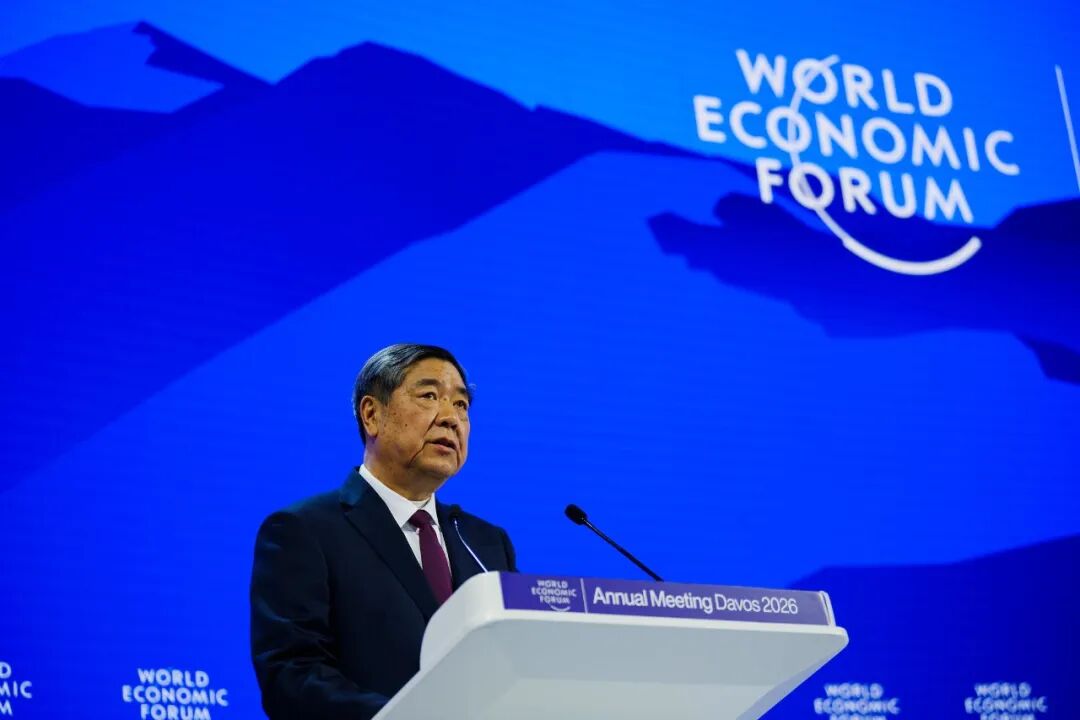
中华人民共和国国务院副总理何立峰在世界经济论坛2026年年会上的特别致辞
Xin Lang Cai Jing· 2026-01-21 06:12
Core Viewpoint - The article emphasizes the importance of dialogue and cooperation in addressing global challenges, advocating for multilateralism and inclusive economic globalization as essential for sustainable development and international stability [2][3][18]. Group 1: Economic Globalization - Economic globalization is portrayed as a historical trend that benefits countries through cooperation and mutual advantages, while trade wars and tariffs lead to fragmentation and increased costs [3][18]. - The World Trade Organization reports a decline in global trade share from 80% to 72% under most-favored-nation treatment, with the International Monetary Fund estimating a potential 7% loss in global GDP due to economic fragmentation [3][18]. Group 2: Multilateralism - The article stresses the need to uphold multilateralism and create a fairer international order, highlighting that unilateral actions by some countries violate World Trade Organization principles and disrupt global trade [4][20]. - China has committed to adhering to WTO rules and has announced it will not seek special treatment in current and future negotiations, aiming to enhance the authority and inclusiveness of multilateral trade systems [5][20]. Group 3: Cooperation and Development - The article calls for a cooperative approach to expand the economic pie rather than engaging in zero-sum competition, emphasizing the importance of addressing development challenges collectively [6][21]. - The International Monetary Fund projects a global economic growth rate of 3.1% by 2026, below the pre-pandemic average of 3.7%, indicating a need for collaborative solutions to development issues [6][21]. Group 4: China's Economic Performance - Over the past five years, China's economy has grown at an average rate of approximately 5.4%, contributing about 30% to global economic growth, with total economic output reaching 140 trillion RMB [8][23]. - China has imported over 15 trillion USD in goods and services and has contributed over 300 billion USD in taxes to host countries through foreign investments, fostering local economic development [8][23]. Group 5: Future Economic Strategies - China plans to deepen its commitment to the new development philosophy of "innovation, coordination, green, openness, and sharing," aiming to stimulate high-quality growth and provide more opportunities for other countries [9][24]. - The focus will be on expanding domestic demand, with plans to enhance consumption and investment in education, healthcare, and elder care, while also increasing imports to meet diverse consumer needs [10][25]. Group 6: Open Market and Innovation - China aims to expand its openness to global markets, aligning with international high-standard trade rules and creating a favorable business environment for both domestic and foreign enterprises [11][26]. - The country is committed to accelerating technological innovation and fostering international cooperation in this area, recognizing the dual nature of opportunities and risks associated with technological advancements [12][27]. Group 7: Green Development - China has set ambitious goals for carbon emissions reduction, aiming for peak emissions by 2030 and carbon neutrality by 2060, while promoting global green development partnerships [13][28]. - The country is positioned to lead in renewable energy and green technologies, encouraging international collaboration in sectors such as green infrastructure and finance [13][28].
中国给达沃斯带来确定性
Huan Qiu Shi Bao· 2026-01-21 03:44
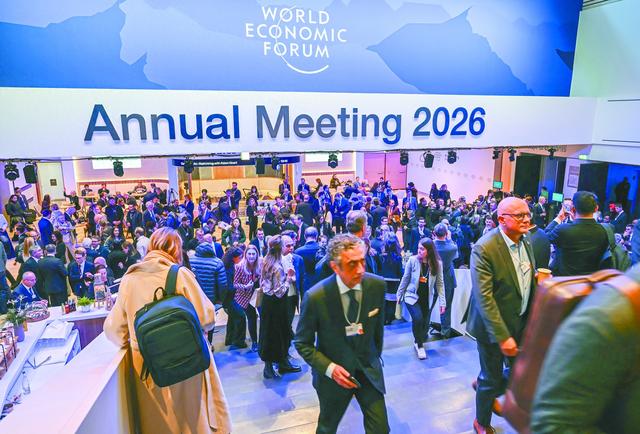
专题:世界经济论坛年会_2026冬季达沃斯 本报驻德国特约记者 昭 东 本报记者 倪 浩 刘 洋 唐 亚 文 远 23日,世界经济论坛2026年年会在瑞士达沃斯举行。图为20日的年会主会场。(法新社) 当地时间20日,中共中央政治局委员、国务院副总理何立峰在瑞士达沃斯出席世界经济论坛2026年年 会,并发表致辞。欧洲《现代外交》网站称,作为全球主要经济大国,中国参加此次论坛,旨在强化国 际合作,并在充满不确定性的当下为全球经济注入强劲动力。中方在会上着重强调了对话的重要性以及 实现高质量增长的坚定决心。"因此,我们认为中国在达沃斯世界经济论坛中的作用对塑造全球经济格 局至关重要。"商务部国际贸易经济合作研究院研究员周密20日对《环球时报》记者表示,在当今世界 充满变动的背景下,全球普遍担忧未来发展的不确定性,而中国展现出的巨大确定性,为达沃斯论坛提 供了极为重要的依托。中国在达沃斯论坛上传递的声音一贯稳定,这种稳定的态度对于全球经济和科技 发展非常关键。 英媒:中国将展现可靠伙伴形象 中国世界贸易组织研究会常务理事李永20日对《环球时报》记者表示,在当前全球经济贸易格局动荡的 背景下,中国政府高层官员出席达沃 ...
和音:“五万公里”铺展的现代化图景——解码数字里的“机遇清单”②
Ren Min Ri Bao· 2026-01-21 03:31
Core Insights - China's high-speed rail network has surpassed 50,000 kilometers, setting a new global standard for high-speed rail construction and serving as a model for other countries seeking to improve their railway systems [1][2] Group 1: Infrastructure Development - The achievement of 50,000 kilometers is not just a numerical milestone but a modern achievement that opens a window for the world to understand China's governance and modernization opportunities [1] - China's long-term commitment to railway construction is evident through its planning and execution, starting from the 2004 "Medium- and Long-term Railway Network Plan" to the 2016 "Eight Vertical and Eight Horizontal" blueprint [1] - The unique governance system in China has facilitated the integration of production, education, research, and application, transforming the largest high-speed rail market into a strong innovation hub [1] Group 2: Societal Impact - The expansion of high-speed rail has significantly improved connectivity for rural areas, with 128 counties ending their history of lacking high-speed rail during the 14th Five-Year Plan period [2] - The recent opening of the Xiyan high-speed rail line has integrated revolutionary old areas into the national "one-day traffic circle," enhancing market access for local agricultural products [2] - China's commitment to building high-speed rail in underdeveloped regions reflects a broader strategy for regional coordination and common prosperity, ensuring that no one is left behind in the modernization process [2] Group 3: Global Influence - China's railway initiatives are contributing to global modernization, with projects like the Jakarta-Bandung high-speed rail in Indonesia and the China-Laos Railway creating jobs and enhancing connectivity [3] - The narrative of Chinese modernization emphasizes partnerships and cooperation rather than hierarchy, providing a unique framework for developing countries [3] - China's achievements in high-speed rail not only extend within its borders but also offer global standards and development opportunities, showcasing its long-term planning and execution capabilities [3]
“五万公里”铺展的现代化图景(和音)
Ren Min Ri Bao· 2026-01-20 23:38
铁路的价值不仅在于轨道的延伸,更体现着对互联互通、共同发展的追求。中国铁路正为世界现代化注 入更强劲动能 责编:张靖雯、李萌 "5万公里"背后,闪耀着人民至上的价值底色。仅"十四五"时期,就有富平、巴东、龙州等128个县结束 了不通高铁的历史。以不久前开通的西延高铁为例,这条让革命老区融入全国"一日交通圈"的线路,将 一本民生大账算得清清楚楚:它不仅让洛川的苹果、富平的柿饼能链接更大消费市场,更推动形成产业 协作新格局。中国不遗余力将高铁修进老区、山区,谋划的是区域协调与共同富裕的宏阔布局。"现代 化道路上一个都不能少"的庄严承诺,正铺展在广袤的大地上。 铁路的价值不仅在于轨道的延伸,更体现着对互联互通、共同发展的追求。今天,中国铁路正为世界现 代化注入更强劲动能。雅万高铁圆了印度尼西亚人民的"高铁梦",带动沿线产业带加速崛起;中老铁路 让老挝变"陆锁国"为"陆联国",创造了超10万个就业岗位;蒙内铁路重塑东非交通枢纽,通过公益帮 扶、社区共建改善沿线民生;正在建设的中吉乌铁路铺展着亚欧大陆互联互通的新图景……中国式现代 化追求的不是独善其身,而是通过加强国际合作,引领全球共同发展繁荣。有肯尼亚媒体指出,中国 ...
蓝厅观察 | 中国迎来开年外交热潮 一系列合作成果为大国外交写下生动注脚
Yang Shi Wang· 2026-01-20 13:26
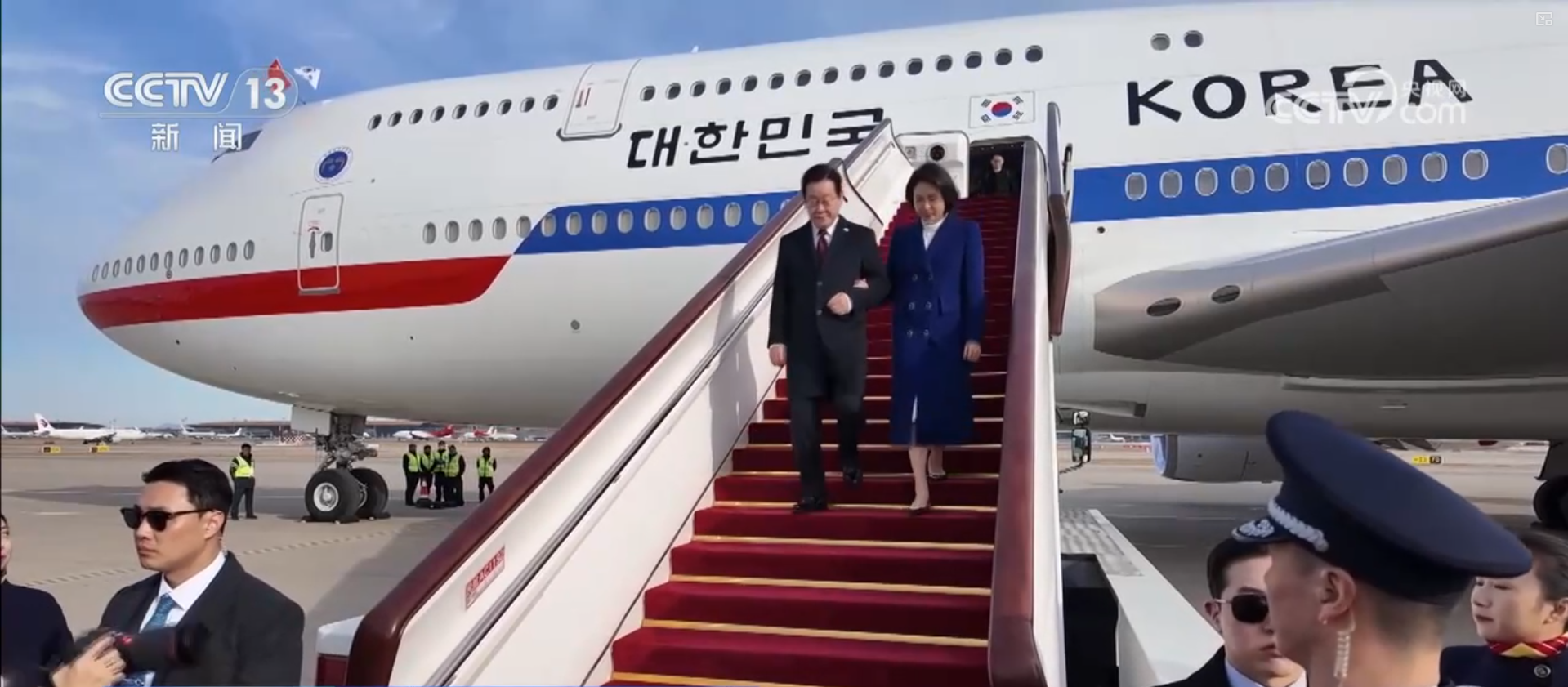
"多个首次"释放出各方希望同中国拓展合作、共享发展机遇的强烈信号。外交学院院长高飞表示,和平赤字、发展赤字、安全赤字、治理赤字,再加上 全球的信任赤字,可以说今天的世界变乱有内在的深层根源,在这种情况之下,今天世界上稳定的力量是谁?大家看得很清楚,无论从哪个角度来讲,最具 可预测性的大国就是中国。在变乱的世界当中,很多国家都遇到了新的挑战,那么到哪里寻求和平、稳定、发展?现在中国在这里面就扮演这样一个角色。 在过去的一年,可以看到中国外交取得了很大的成就,世界各国对此高度认可。所以,在新年伊始,在百年变局加速演进的背景之下,大家都到中国来寻找 中国答案、中国智慧、中国方案,全世界现在都很关注。 央视网消息:迈入2026年以来,国际形势愈发变乱交织,全球性挑战更加突出。同样在新年伊始,接连有来自亚洲、欧洲、北美洲的外国领导人访华, 中国与世界高频互动,交流合作持续深化,为动荡的世界注入稳定性。他们为何不约而同在年初选择来到中国,中国外交以怎样的广度和深度拉开了新一年 的序幕?一起来看1月20日的《蓝厅观察》。 多国领导人密集访华,我们发现有多个"首次"。韩国总统李在明将中国作为2026年新年首访的目的地,这也是 ...