对外开放

Search documents
免签政策助推中外合作提速
Zhong Guo Qing Nian Bao· 2025-11-28 02:19
Core Points - China's continuous expansion of visa-free policies and facilitation measures is enhancing tourism and economic cooperation with countries like Malta and Kazakhstan [1][2][4] - The visa exemption for Malta will be extended until December 31, 2026, allowing Maltese passport holders to enter China for business, tourism, and other purposes without a visa for up to 30 days [2][4] - The number of foreign visitors entering China has significantly increased, with 51.3 million foreign entries recorded from January to August 2025, a 27.8% year-on-year increase [3] - The introduction of an online entry card system for foreigners is expected to streamline the entry process further [3] Visa Policy Expansion - China has established mutual visa exemption agreements with 29 countries and unilaterally with 48 countries, expanding its "visa-free circle" [2] - The visa facilitation is seen as a key step in attracting tourists, enhancing their experience in China [3] Economic Cooperation - The visa exemption policy has improved cooperation efficiency, as evidenced by entrepreneurs from Kazakhstan who can now travel to China with minimal notice [4] - The Portuguese Chamber of Commerce highlights that the visa exemption has catalyzed economic cooperation between Portugal and China, allowing for more efficient project coordination [4] Aviation and Travel Growth - The launch of new direct flights, such as the route from Brussels to Chongqing, is expected to enhance travel opportunities between China and Europe [4][5] - Following the announcement of the visa extension, there has been a noticeable increase in flight bookings from countries like France, Germany, and Spain to China [4] Open Cooperation - China's commitment to open cooperation is reflected in its signing of 23 free trade agreements with 30 countries and regions, promoting mutual benefits [6] - The ongoing implementation of visa-free policies demonstrates China's confidence and determination in fostering international relations [6]
清华大学教授孙立平:解决经济内卷的出路在于社会修复,回归正常的循环
Sou Hu Cai Jing· 2025-11-27 02:18
Core Insights - The current state of the Chinese economy is characterized by a weakening of three fundamental drivers: the large-scale consumption wave driven by technological revolution, the wealth effect tied to real estate, and the external market opportunities created by joining the WTO [4][12][14] - The economy is facing issues of "overdraft," "contraction," and "involution," indicating a need for comprehensive "repair" rather than mere stimulus or simple reforms [7][17] Group 1: Economic Drivers - The technological revolution has led to a significant consumption wave, particularly through the introduction of household appliances, which has been a key factor in economic growth over the past decades [9][10] - The wealth effect associated with real estate has played a crucial role in consumer spending, with a notable decline in this effect leading to reduced consumption despite stable income levels [11][13] - The external market created by China's entry into the WTO has been vital for economic expansion, but current trends indicate a retreat from globalization, contributing to economic stagnation [12][14] Group 2: Current Economic Challenges - The economy is experiencing a "contraction" phase, where businesses and government revenues are declining sharply, reflecting a broader economic downturn [15][16] - There is a pressing need for societal and economic "repair" to restore normal consumption patterns and social life, which have been disrupted by the previous economic model [17][18] - The lack of normal social activities, such as marriage and childbirth among younger generations, is indicative of deeper societal issues that affect overall economic health [18]

外国专家:“十五五”规划建议为世界经济提供信心与动力
Zhong Guo Xin Wen Wang· 2025-11-26 13:56
Core Points - The 20th Central Committee's Fourth Plenary Session was held from October 20 to 23 in Beijing, where the "Suggestions for Formulating the 15th Five-Year Plan for National Economic and Social Development" were reviewed and approved [2] - The full text of the "Suggestions" was published on October 28, along with translations in multiple languages [2] - The most important message conveyed to the world is China's reaffirmation of its commitment to openness, free trade, and mutually beneficial policies, positioning itself as a stabilizing anchor in a world characterized by uncertainty and rising protectionism [2] Summary by Categories Economic Policy - The "Suggestions" emphasize China's dedication to maintaining an open economy and promoting free trade [2] - The document aims to provide confidence and momentum for the global economy amidst challenges [2] Global Trade - China seeks to counteract the prevailing protectionism and obstacles to trade liberalization [2] - The country aims to be a stabilizing force in the global economic landscape [2]
专访吉姆·罗杰斯:中国经济正在进入一个新的繁荣期
2 1 Shi Ji Jing Ji Bao Dao· 2025-11-26 12:33
Core Insights - China's economy is transitioning from high-speed growth to high-quality development, emphasizing innovation, green transformation, and industrial upgrades [2][3] - The "14th Five-Year Plan" is viewed as a strategic design for sustainable growth amid a complex international landscape, influencing China's economic resilience and its relationship with global capital markets [2][3] Economic Trends - Over the past five years, China's economic growth has not been characterized by high-speed expansion, but it is now entering a new phase of prosperity [4] - The Chinese stock market is showing improvement, with optimism for 2025, making it one of the few markets where investments are still held [4][6] Investment Opportunities - The tourism and travel-related industries are highlighted as sectors with significant potential for investors, driven by increased domestic exploration and international travel [5][8] - A broad range of industries is expected to benefit from China's ongoing economic growth and expansion [5] Market Sentiment - The A-share market is perceived to be in a "systematic slow bull" phase, with a positive medium to long-term outlook [6] - Confidence in the Chinese market remains strong, despite recent stock price increases prompting a more cautious approach [6] Global Relations and Cooperation - Cross-border business, academic, and cultural exchanges are seen as vital for enhancing mutual understanding between China and the world [9] - The importance of maintaining an open policy towards foreign investments is emphasized for long-term economic health [11] Technological Innovation - China's historical spirit of innovation and its large, knowledge-seeking population position it well for future advancements in technology [12][21] - The potential for China to lead in the artificial intelligence sector is acknowledged, especially in light of the U.S.'s growing debt issues [21][22]
中国经济增长中的香港“桥梁”作用将更重要
Ren Min Ri Bao Hai Wai Ban· 2025-11-26 02:21
Group 1 - The core viewpoint is that China's ongoing open-door policy will continue to drive economic growth, albeit in a different manner than in the past decades [1] - Joseph Stiglitz expressed optimism about China's economic development in a multipolar world, highlighting the significant achievements of past reform policies, particularly in income enhancement and poverty alleviation [1][2] - Stiglitz emphasized the importance of high-level technological self-reliance as outlined in the "14th Five-Year Plan," stating that while China has made progress in certain areas, it still needs to learn from other countries [1][2] Group 2 - Stiglitz projected that China's GDP will grow by 5% year-on-year in 2024, contributing approximately 30% to global economic growth [2] - He noted that there is ample room for China to maintain rapid economic growth and suggested that stronger policies are needed to expand domestic demand, particularly in healthcare, education, and elderly care during the urbanization process over the next 20 years [2] - Regarding Hong Kong, Stiglitz highlighted the advantages of the "One Country, Two Systems" framework, which provides greater adaptability and flexibility, and suggested that Hong Kong should diversify its economy while maintaining effective regulation in the financial sector [2][4]

中国Vlog丨一件家具的“出海之旅”
Xin Hua Wang· 2025-11-24 10:59
Core Viewpoint - Jiangxi Province's Ganzhou City, specifically Nankang District, has become one of China's largest furniture manufacturing bases despite lacking wood resources, thanks to the development of the China-Europe Railway Express, which has significantly enhanced local competitiveness and global connectivity [1] Group 1: Infrastructure and Logistics - The China-Europe Railway Express has operated over 1,700 trains, establishing a logistics corridor that connects Asia and Europe, facilitating trade for inland cities like Ganzhou [1] - The local furniture industry benefits from a well-developed infrastructure and industrial cluster, allowing companies to import wood from over 50 countries and regions [1] Group 2: Market Reach and Opportunities - Furniture produced in Ganzhou is exported to over 100 countries and regions, exemplifying the strategy of "buying wood globally and selling furniture globally" [1] - The railway has transformed not only the logistics of furniture but also positioned Ganzhou as a microcosm of China's broader opening-up strategy, providing new pathways for many inland cities to engage with the global market [1]
“硬核”港口,何以链接全球?
Zhong Guo Xin Wen Wang· 2025-11-24 09:45
Core Viewpoint - The article highlights the significance of Ningbo-Zhoushan Port as a crucial hub for China's trade and its role in the global supply chain, emphasizing its continuous growth and modernization efforts through smart technologies and enhanced connectivity [2][5][6]. Group 1: Port Performance and Achievements - Ningbo-Zhoushan Port has maintained its position as the world's largest port in terms of cargo throughput for 16 consecutive years since 2009, with container throughput consistently ranking among the top three globally [2]. - In 2024, the port is projected to handle approximately 1.38 billion tons of cargo and 39.3 million TEUs (Twenty-foot Equivalent Units) of containers, with two container terminals each capable of handling over 10 million TEUs [2]. - As of September 11, 2024, the port's container throughput for 2025 has already surpassed 30 million TEUs, setting a new historical record [2]. Group 2: Technological Advancements - The port is undergoing a "smart revolution" by integrating advanced technologies such as 5G and digital twin systems, enhancing operational efficiency through remote-controlled cranes and automated vehicles [4]. - The "2+1" smart terminal construction is being accelerated, with the Meishan Port area featuring the world's largest cluster of remote-controlled cranes [4]. Group 3: Global Connectivity and Trade - The successful launch of the "China-Europe Arctic Express" route has significantly reduced transit time to the UK, cutting it by about 20 days and halving carbon emissions for the journey [5]. - Ningbo-Zhoushan Port has established a comprehensive global shipping network, connecting major oceans including the Pacific, Atlantic, Indian, and Arctic Oceans [5]. Group 4: China's Open Policy - China is actively enhancing its openness by improving its foreign trade and investment frameworks, including reducing the negative list for foreign investment and expanding free trade agreements [6][7]. - The Central Economic Work Conference in 2024 emphasized the importance of orderly expansion of autonomous and unilateral openness, aiming to stabilize foreign trade and investment [6][7].
探寻新时代发展足迹|“硬核”港口,何以链接全球?
Zhong Guo Xin Wen Wang· 2025-11-24 06:44
Core Viewpoint - The article highlights the significance of Ningbo-Zhoushan Port as a crucial hub for global trade, emphasizing its role in connecting China with the world and supporting the country's economic development [1][3]. Group 1: Port Performance and Achievements - Since 2009, Ningbo-Zhoushan Port has maintained its position as the world's largest port in terms of cargo throughput for 16 consecutive years, with container throughput consistently ranking among the top three globally [3]. - In 2024, the port is expected to achieve a cargo throughput of approximately 1.38 billion tons and a container throughput of 39.3 million TEUs, with two container terminals each handling over 10 million TEUs [3][4]. - As of September 11, 2024, the port's container throughput surpassed 30 million TEUs, setting a new historical record [4]. Group 2: Technological Advancements - The port's operational efficiency is enhanced through the integration of smart technologies, including remote-controlled bridge cranes and autonomous vehicles, marking a significant step in the "smart revolution" [5][6]. - The port is implementing a "2+1" smart terminal construction model, featuring the largest remote-controlled bridge crane and gantry crane clusters globally, along with automated operations [6]. Group 3: Global Connectivity and Trade Initiatives - The successful launch of the "China-Europe Arctic Express" in September reduced transit time from Ningbo-Zhoushan Port to Felixstowe, UK, by approximately 20 days, while halving carbon emissions for the journey [7]. - Ningbo-Zhoushan Port connects over 600 global ports, reflecting China's commitment to expanding its openness and integration into the global economy [7][8]. - Recent government meetings emphasize the importance of high-level openness, trade innovation, and expanding bilateral investment cooperation as part of China's broader economic strategy [8][9].

前10个月全国新设立外资企业数同比增长14.7%
Yang Guang Wang· 2025-11-24 02:36
Core Insights - The number of newly established foreign-invested enterprises in China increased by 14.7% year-on-year in the first ten months of this year, with a total of 53,782 new enterprises [1] - The actual use of foreign capital reached 621.93 billion RMB, with significant contributions from the manufacturing and service sectors [1] - High-tech industries attracted 192.52 billion RMB in foreign investment, indicating a growing interest in technology-intensive sectors [1] Group 1 - The average number of foreign enterprises established daily in China is nearly 180, countering claims of foreign capital withdrawal [1] - The manufacturing sector received 161.91 billion RMB, while the service sector attracted 445.82 billion RMB in foreign investment [1] - High-tech industries, particularly e-commerce services, medical equipment manufacturing, and aerospace manufacturing, showed rapid growth in foreign investment [1] Group 2 - Recent interactions between multiple ministries and foreign enterprises signal a commitment to expanding high-level openness and improving the business environment [1][2] - The Chinese government aims to transform its openness commitments into tangible benefits for enterprises, enhancing the overall development environment [2]
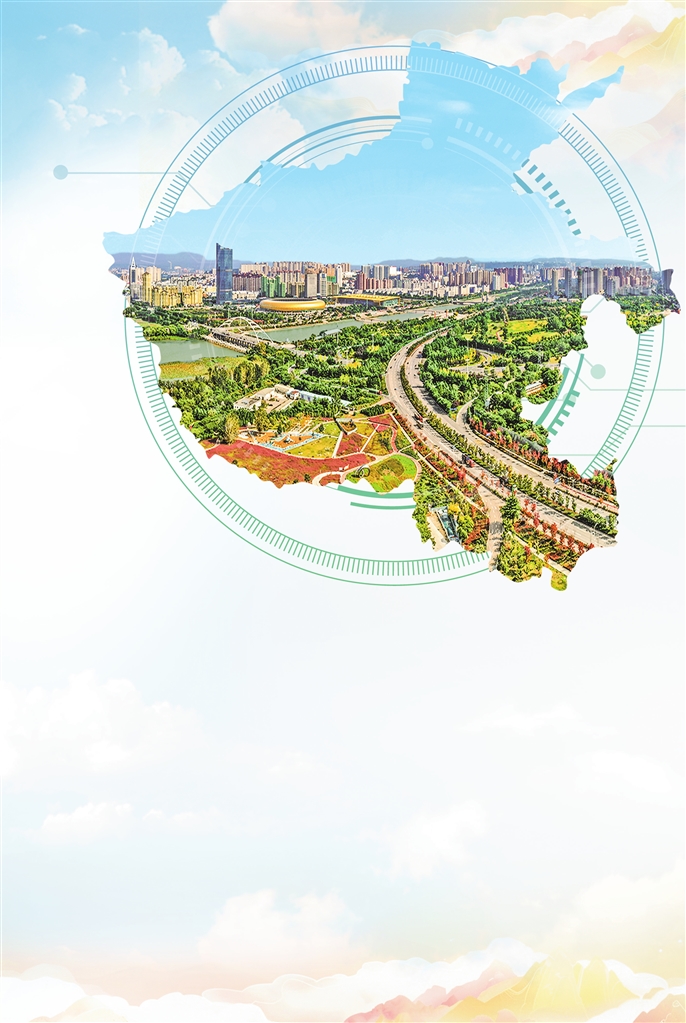
奋进的河南 决胜“十四五”·三门峡篇丨天鹅之城 材料新城 ——三门峡市交出厚重“十四五”答卷
He Nan Ri Bao· 2025-11-24 01:56
Core Viewpoint - Sanmenxia is undergoing a transformation from a resource-dependent city to an innovation-driven city, showcasing significant economic growth and industrial upgrades during the "14th Five-Year Plan" period. Economic Growth - The city's GDP is projected to grow at an average annual rate of 4.8% from 2021 to 2024, with a per capita GDP exceeding 80,000 yuan in 2024, ranking 4th in the province [2] - In the first three quarters of 2025, the GDP grew by 5.6% year-on-year, indicating steady economic progress [2] - Major economic indicators show consistent improvement, with industrial added value and retail sales growing at annual rates of 7% and 5.8%, respectively [2] Innovation and Industrial Upgrade - R&D investment intensity has increased from 1.81% to 2.99%, maintaining a leading position in the province for five consecutive years [3] - The city has established 835 innovation platforms, including key laboratories and research bases, to support industrial innovation [3][4] - Breakthroughs in key technologies, such as ammonia-free molybdenum metallurgy and ultra-thin copper foil production, have been achieved [3] Structural Changes in Industry - The mining sector's contribution to the economy has decreased from nearly 40% to 20%, while manufacturing has increased from 50% to nearly 70% [5] - The city has invested 364 million yuan in special funds for industrial upgrades, resulting in an average production efficiency increase of 42% and cost reduction of over 26% for 846 industrial enterprises [5] Emerging Industries - The copper-based new materials sector has seen significant growth, with production capacity reaching 78,000 tons, making it the largest in the country [5] - New energy storage and superconducting materials are being developed, with projects like the energy storage equipment industrialization underway [6] Environmental and Ecological Initiatives - The city has implemented effective ecological governance, restoring 1.9 million mu of wetlands and achieving a forest coverage rate of 41.2% [8] - Air quality has improved, with PM10 and PM2.5 concentrations decreasing by 11.8% and 12.5%, respectively [8] Open Economy and Trade - Sanmenxia has enhanced its external trade capabilities, with a continuous increase in service trade by an average of 49.6% annually from 2021 to 2024 [9] - The establishment of the Sanmenxia Port and the operation of the Sanmenxia Customs have facilitated local trade [9] Social Development and Welfare - The per capita disposable income for rural residents is projected to reach 22,307 yuan in 2024, growing by 7.6% [10] - The city has implemented 105 key livelihood projects, expanding medical resources and improving social security [10] Governance and Leadership - The city emphasizes the role of party leadership in governance, enhancing grassroots organizational strength and promoting effective management [11][12] Future Goals - Sanmenxia aims to become a center for industrial strength, ecological sustainability, cultural richness, openness, and digital innovation, contributing to the modernization of the Central Plains [13]