
智能网联汽车

Search documents
L3级产品上路,激活产业六种可能
2 1 Shi Ji Jing Ji Bao Dao· 2025-12-25 22:52
L3上路激活的第二个发展可能,是汽车产业由此进入"第二曲线"。过去以来凭借新能源电动化第一曲 线,中国汽车产业实现赶超,确立了这个领域汽车科技与产业供应链的全球先导地位。如今自动驾驶、 数字座舱、数字地盘等智能化发展大潮来临,中国汽车产业又面临着第二次发展机遇,如果及时主动实 施智能发展战略,不仅有希望再一次矗立潮头,而且有希望进入汽车产业发展的第二曲线。此次L3上 路,实质是为"第二曲线"正式按下了启动键。此举也标志着产业竞争重点从电动化时代的"三电"系统, 转向"三电+智能"的双引擎发展新格局。中国汽车产业进入以科技深度赋能为特征的新阶段。 第三个可能是推动消费增长与智能应用场景创新。相关部门近期印发的《关于增强消费品供需适配性进 一步促进消费的实施方案》明确提出,到2027年要将智能网联汽车产业打造成三个万亿级消费领域之 一。L3级自动驾驶正是撬动这一万亿市场的技术支点。L3不仅创造新的驾乘体验,也有利于激活和创 造新的消费需求,使汽车从单纯的出行工具,演进为连接各种生活与服务场景的移动智能空间。 激活的第四种发展可能是,自动驾驶对汽车、智能科技产业链产生带动作用。L3级自动驾驶是高度复 杂的技术集成系 ...
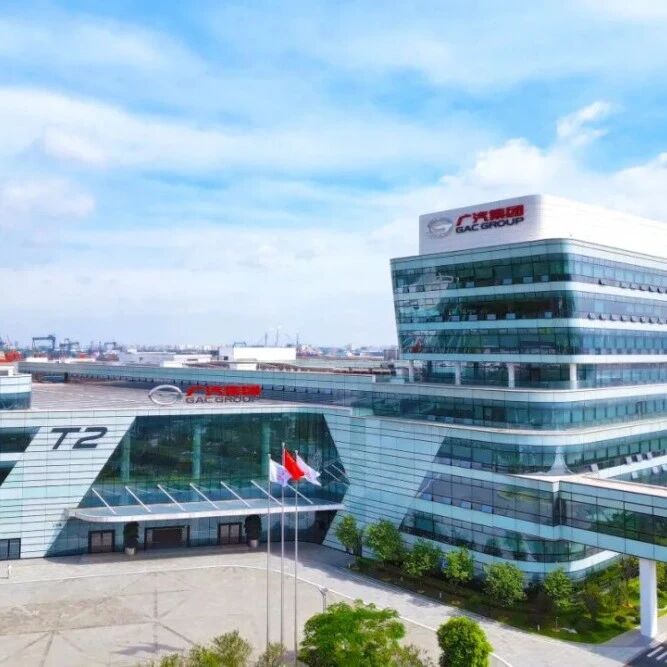
专访广汽泰国总经理王浩勇:新能源出海是生态体系的远征
21世纪经济报道· 2025-12-25 09:37
Core Viewpoint - GAC has successfully entered the Thai market, leveraging the country's push for electric vehicle (EV) adoption and establishing itself as a significant player in the region's automotive landscape [1][4][18]. Group 1: Market Entry and Strategy - GAC officially launched its strategy in Thailand in June 2023, with its first model entering the market in September [1]. - Despite being a latecomer compared to competitors like SAIC, Great Wall, and BYD, GAC has quickly risen to become the third-largest player in Thailand's EV market [1][4]. - The company aims to replicate its domestic success in Thailand, focusing on building a comprehensive ecosystem that includes manufacturing, energy supply, and after-sales services [1][6]. Group 2: Market Potential and Government Support - The Thai government is actively promoting the transition to EVs, targeting a 30% market share for electric vehicles by 2030, which presents significant opportunities for GAC [4][5]. - GAC views Thailand as a strategic base for expanding into the broader ASEAN market, emphasizing the need for a robust local ecosystem before scaling operations [5][6]. Group 3: Sales Performance and Local Production - GAC's sales in Thailand have shown rapid growth, with projections of approximately 15,000 units delivered in 2023, up from around 1,000 in the first year [1][7]. - The company has established a local factory, with plans for over 95% of its models sold in Thailand to be produced locally starting next year [7][18]. Group 4: Consumer Preferences and Market Dynamics - Thai consumers are increasingly receptive to EVs, viewing them as advanced technology, which has led to a significant market penetration of Chinese electric vehicles [9][10]. - GAC is also addressing local charging infrastructure challenges by promoting home charging solutions and collaborating with local partners [9][11]. Group 5: Competitive Landscape and Future Plans - GAC recognizes the need to adapt to local culture and industry practices, focusing on supporting local supply chains and collaborating with educational institutions to develop local talent [13][14]. - The company plans to introduce more hybrid products in addition to its EV lineup and aims to increase local component sourcing to enhance its competitive edge [18].


我国自动驾驶向商业化应用迈出关键一步
Zhong Guo Zhi Liang Xin Wen Wang· 2025-12-25 05:08
Core Viewpoint - The approval of the first batch of L3-level conditional autonomous driving vehicles in China marks a significant step towards the commercialization of autonomous driving, transitioning from "technical validation" to "mass production application" [1] Group 1: Regulatory Developments - The Ministry of Industry and Information Technology has granted approval for two L3-level autonomous driving models from Changan and Arcfox to conduct road trials in designated areas of Beijing and Chongqing [1] - This approval signifies a shift in responsibility, where automakers and system providers will be held accountable for accidents occurring while the vehicle is in autonomous mode [1][2] - The L3-level vehicles must have "front-mounted mass production" sensing equipment, ensuring technical stability from the outset [1] Group 2: Industry Standards and Safety - The global autonomous driving industry is transitioning from technical validation to large-scale commercialization, with standardization becoming crucial for technological discourse [2] - The establishment of standards such as the "Intelligent Driving Pyramid Grading Evaluation System" and the national standard for "Safety Requirements for Intelligent Connected Vehicle Combination Driving Assistance Systems" aims to provide clear technical evaluations and safety guidelines [2] - The differentiation between L2 and L3 levels lies in the "human-machine responsibility transition" and "safety redundancy mechanisms," with L3 allowing for autonomous driving in specific scenarios [3] Group 3: Pilot Vehicle Specifications - The Changan SC7000AAARBEV can operate autonomously at speeds up to 50 km/h in specific urban and highway conditions, while the Arcfox BJ7001A61NBEV can reach speeds of 80 km/h under similar conditions [4][5] - The two models represent different technological approaches, with Changan using a combination of cameras and radar, while Arcfox employs multiple sensors including LiDAR [5] - The pilot program is limited to specific routes in Chongqing and Beijing to ensure safety and effective monitoring [5] Group 4: Collaborative Efforts and Future Directions - The advancement of autonomous driving relies not only on technological innovation but also on precise policy adaptation, clear responsibility delineation, and public trust [6] - Companies are encouraged to focus on safety redundancy in their designs and to enhance user experience through intuitive interfaces [6] - To achieve sustainable development, companies should deepen their algorithm and data research, build comprehensive service capabilities, and foster cross-industry collaborations [6][7] Group 5: Challenges Ahead - The commercialization of L3-level autonomous driving faces challenges related to technology, policy, and societal acceptance [7] - Companies are advised to participate in the formulation of local and industry standards and to establish necessary infrastructure in key areas to support testing and future scalability [7]
L3量产开闸,电池国标升级!2025中国汽车十大新闻见证产业变革
Mei Ri Jing Ji Xin Wen· 2025-12-24 11:37
每日经济新闻 NATIONAL BUSINESS DAILY 77 日 D 97 人儿 2025年中国汽车产业干深刻变革中坚定迈向高质量发 展,全球格局加速重塑,国内市场量稳质升,新能源与智 能网联汽车双轮驱动。行业告别"价格战",转向"技术战"与 "生态战",关键领域本土化突破筑牢产业根基,电动化智能 化全球化路径清晰。每经汽车发布年度十大新闻,凝练产 业脉络,前瞻未来发展之路。 每经记者 |李星 孙桐桐 1 : 160% 新能源乘用车渗透率首次 突破60% 信部发文规范智能驾驶 亚林公十 537 5 5 自动 智驴 零公司 7 ar FEXTL 3 3 安全 电池安全强制性国标升级, 要求"不起火、不爆炸" 中汽协联合17家车企发布 反"内卷"倡议 工信部批准L3级自动驾驶车 量产准入 6 2025年汽车以旧换新政策 落地,国四车型纳入补贴 4 4 2 pp 2 四部门联合发文严控零公里二 手车出口,设180天注册期红线 比亚迪纯电车销量首超 特斯拉,登顶全球第 t 社港 50 上市可 智驾企业纷纷赴港上市, 产业集群效应凸显 El % :10% EE STI 固态电池技术迎来关键突 曲 名家在个推进导文 ...

四维图新:部分募集资金投资项目延期
2 1 Shi Ji Jing Ji Bao Dao· 2025-12-24 10:59
Core Viewpoint - The company has announced delays in the completion dates of its key projects, specifically the "Intelligent Connected Vehicle Chip R&D Project" and the "Autonomous Driving Dedicated Cloud Platform Project," due to various industry challenges [1] Group 1: Project Delays - The completion date for the "Intelligent Connected Vehicle Chip R&D Project" has been postponed from December 2025 to December 2028, with a total planned investment of 1.639 billion yuan, of which 1.240 billion yuan will be funded through non-public stock issuance [1] - The "Autonomous Driving Dedicated Cloud Platform Project" has also been delayed from December 2025 to December 2026, with a total planned investment of 735 million yuan, and 724 million yuan will be sourced from the same fundraising method [1] Group 2: Reasons for Delays - The delays are attributed to a slowdown in global electric vehicle growth, conservative procurement by automakers, increased technical integration difficulties, and a lack of standardization affecting the chip project [1] - The cloud platform project delay is due to changes in the industry ecosystem caused by iterations in AI model architecture, leading to reduced demand for independent cloud platforms from automakers, and the need for more time to optimize data security technology [1] Group 3: Company Position - The company states that the decision to delay is a prudent choice based on actual progress and will not adversely affect its financial status, main business, or overall fundraising arrangements [1] - The company believes that the delay will enhance the efficiency of fund utilization, ensure the quality of R&D, and protect investor interests [1]

博时市场点评12月24日:板块轮动加剧,沪指六连阳
Xin Lang Cai Jing· 2025-12-24 09:22
Market Overview - The Shanghai Composite Index recorded six consecutive days of gains, with a closing value of 3940.95 points, up 0.53% [4] - The Shenzhen Component Index closed at 13486.42 points, up 0.88%, while the ChiNext Index rose by 0.77% to 3229.58 points [4] - The total market turnover was approximately 1.9 trillion yuan, showing a decrease compared to the previous trading day [5] Economic Data - The U.S. GDP for Q3 showed an annualized growth rate of 4.3%, exceeding market expectations of 3.3% and marking the fastest growth in two years [3][8] - Consumer spending was a significant driver of this growth, accelerating to 3.5% in the same quarter [8] - The core PCE price index rose by 2.9%, indicating persistent inflation [8] Energy Sector - In November, China's total electricity consumption reached 835.6 billion kWh, a year-on-year increase of 6.2% [2][7] - From January to November, total electricity consumption accumulated to 9460.2 billion kWh, with a growth rate of 5.2% [2][7] - The second industry saw a stable growth in electricity consumption of 4.4%, while the high-tech and equipment manufacturing sectors grew by 6.7% [2][7] Automotive Industry - Beijing issued the first L3-level highway autonomous driving vehicle license plates, marking a significant milestone in the commercialization of autonomous vehicles in China [2][8] - The three licensed vehicles can achieve 80 km/h autonomous driving on designated highway sections, although a driver must be ready to take control [3][8] Stock Performance - Among the sectors, defense and military, electronics, and building materials showed the highest gains, with increases of 2.88%, 2.12%, and 1.72% respectively [4][9] - Conversely, agriculture, coal, and food and beverage sectors experienced declines of 0.85%, 0.70%, and 0.36% respectively [4][9] Financing Trends - The margin trading balance reported at 25,315.63 billion yuan, showing an increase from the previous trading day [10]
全国首块L3级自动驾驶专用号牌落地——从技术验证加速迈向量产应用
Xin Hua Wang· 2025-12-24 07:43
Core Insights - The first L3 conditional autonomous driving license "渝AD0001Z" has been issued in Chongqing, granted to Changan Automobile, marking a significant step towards the commercialization of autonomous vehicles in China [1][4] - The L3 level, defined as "conditional automation," allows vehicles to perform all dynamic driving tasks under specific conditions, although the driver must remain attentive and ready to take control when prompted by the system [1][2] Industry Developments - The Ministry of Industry and Information Technology has conditionally approved two automotive companies to submit applications for L3 autonomous driving vehicles, indicating a shift from technology validation to mass production applications in China's autonomous driving industry [1][2] - The automotive industry is increasingly focusing on smart technology, with China and the U.S. leading in intelligent driving, while Europe is making significant efforts to catch up [2] Regulatory Framework - The approval for the two models is not a blanket release; it includes specific regulations regarding operational scenarios, road types, urban areas, and speed limits [2][3] - The Changan SC7000AAARBEV model can operate in congested traffic at a maximum speed of 50 km/h on designated roads in Chongqing, while the Extreme Fox BJ7001A61NBEV model can achieve L3 automation at speeds up to 80 km/h on certain highways in Beijing [3] Operational Aspects - The two models are not available for private users but will be operated by affiliated ride-hailing service companies, which helps mitigate uncertainties during the initial rollout of L3 autonomous driving [3] - As the pilot programs progress and the industry gains a better understanding of safety risks, restrictions on these vehicles are expected to be relaxed, allowing for broader public access to autonomous driving technology [3][4] Government Support - The issuance of autonomous vehicle licenses reflects the government's commitment to fostering innovation while ensuring safety through prudent regulation [4] - This initiative is expected to stimulate technological innovation and upgrades within the automotive sector, aligning with the overall strategy of "institutional primacy, pilot breakthroughs, and gradual promotion" [4]
两款L3级自动驾驶车型获工信部准入许可 北京重庆率先试点
Zhong Guo Zhi Liang Xin Wen Wang· 2025-12-24 06:15
Core Viewpoint - The Ministry of Industry and Information Technology of China has approved the first batch of smart connected vehicles equipped with L3 level conditional autonomous driving functions, specifically models from Changan Automobile and BAIC Blue Valley Magna Automotive [1] Group 1: Approved Models - Changan's SC7000AAARBEV electric sedan can achieve autonomous driving in congested traffic environments on highways and urban expressways at a maximum speed of 50 km/h, limited to specific routes in Chongqing [1] - The Arcfox BJ7001A61NBEV electric sedan can perform autonomous driving on highways and urban expressways at a maximum speed of 80 km/h, restricted to designated routes in Beijing [1] Group 2: Next Steps - Changan Automobile and Beijing Travel Automotive Service will conduct road trials for the approved models in the specified areas [1] - The Ministry of Industry and Information Technology will collaborate with relevant departments and local authorities to enhance vehicle operation monitoring and safety assurance, while continuously improving the management and regulatory framework for smart connected vehicles [1]


首块L3级自动驾驶专用号牌落地——从技术验证加速迈向量产
Jing Ji Ri Bao· 2025-12-24 06:11
Core Insights - The first L3 conditional autonomous driving license "渝AD0001Z" has been issued in Chongqing, granted to Changan Automobile, marking a significant step towards the commercialization of autonomous vehicles in China [1][4] - The L3 level, defined as "conditional automation," allows vehicles to perform all dynamic driving tasks under specific conditions, although the driver must remain attentive and ready to take control when prompted [1][2] Group 1: Industry Developments - The Ministry of Industry and Information Technology has conditionally approved two automotive companies to submit applications for L3 autonomous vehicle products, indicating a shift from technology validation to mass production applications in China's autonomous driving industry [1][2] - The approval of L3 autonomous vehicles is seen as a critical step towards industrialization, with pilot programs aimed at validating technology and establishing a foundation for large-scale applications [2][3] Group 2: Regulatory Framework - The licenses for the two models are not a blanket approval; they come with specific restrictions regarding operational scenarios, road types, urban areas, and speed limits [2][3] - The Changan SC7000AAARBEV model can operate in congested traffic at a maximum speed of 50 km/h on designated roads in Chongqing, while the Extreme Fox BJ7001A61NBEV model can achieve L3 automation at speeds up to 80 km/h on certain highways in Beijing [3] Group 3: Operational Aspects - The two models will not be available for private users initially; instead, they will be operated by affiliated ride-hailing service companies to manage the deployment of L3 autonomous driving [3] - The operational management aims to reduce uncertainties associated with the initial rollout of L3 autonomous driving, allowing consumers to experience the technology through ride-hailing services [3] Group 4: Government Support and Future Outlook - The issuance of autonomous vehicle licenses reflects the government's commitment to fostering innovation while ensuring safety through prudent regulation [4] - The ongoing pilot programs for smart connected vehicles are expected to inject strong momentum into technological innovation and upgrades within the automotive sector in China [4]
汽车早餐 | 极氪完成私有化;沃尔沃中国回应“换帅”;启境首款车型开启全国路测
Zhong Guo Qi Che Bao Wang· 2025-12-24 01:47
Group 1: Electric Vehicle Infrastructure - As of the end of November, China's electric vehicle charging infrastructure reached 19.322 million units, a year-on-year increase of 52.0% [2] - Public charging facilities accounted for 4.625 million units, growing by 36.0%, while private charging facilities reached 14.697 million units, with a growth of 57.8% [2] - By 2026, China plans to build over 10,000 charging units in national highway service areas, with at least 25% being high-power chargers [5] Group 2: Autonomous Driving and Vehicle Technology - Beijing issued the first L3-level highway autonomous vehicle special license plates, marking a significant milestone in the mass production of autonomous vehicles in China [4] - Samsung SDI announced a partnership with KG Mobility to develop advanced battery pack technology for electric vehicles, focusing on safety and durability [6] Group 3: Automotive Industry Developments - The "Yue Che Nan Xia" policy allows private cars from four cities in Guangdong to enter Hong Kong, with a maximum stay of three days [3] - Geely Auto completed the privatization of Zeekr, which is now a wholly-owned subsidiary, and management adjustments have been finalized [10] - Volvo China clarified that recent changes in legal representation are administrative and do not affect the management team or daily operations [11] Group 4: Market Trends and Regulatory Issues - European new car sales increased for the fifth consecutive month in November, driven by rising electric vehicle registrations in Germany, Italy, and Spain [9] - Concerns over electric vehicle door handle designs have led to safety reviews by regulators across three continents, impacting companies like Tesla [7] - Mercedes-Benz reached a $120 million settlement with multiple U.S. states regarding emissions cheating allegations [8] Group 5: Company Innovations and Projects - EVE Energy launched a project for sodium-ion batteries and AI robotics, aiming to fill market gaps and promote large-scale applications in energy storage and automation [13] - Qijun Automotive announced the nationwide road testing of its first model, a hunting-style coupe, set to launch in June 2026 [14]

