AI

Search documents
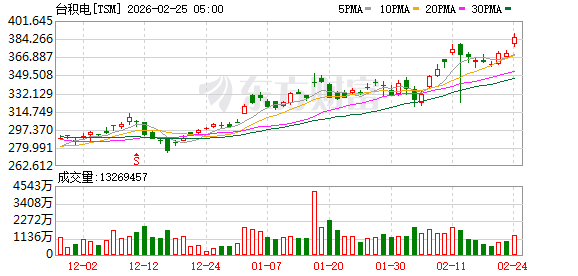
未知机构:春节后首个交易日市场普涨机构赎回含权资产202602224春-20260225
未知机构· 2026-02-25 03:45
假期间的事件驱动较难预判,今天的涨幅一次性释放后需要关注持续性。 ☁AI软件:春节期间,美股软件股继续暴跌,Adobe、CRM、Autodesk的最大回撤已经达到30%,驱动因素还是 多个大模型的密集发布,而Claude宣称具备的Cobol改造能力更是直逼IBM的心理防线(后者昨夜大跌13%,Cobol 语言起源于上世纪50年代,至今仍是美国政府和银行系统的核心底层支柱,因程序语言较为陈旧,稀缺维保能力 是IBM的护城河之一),但值得注意的是,这波计提的跌幅本质上是华尔街在等待一个尚未横空出世的杀手级产 品,何时到来、是否会到来都是未知数。 ☁AI硬件:不管软件板块有多腥风血雨,卖铲人的逻辑依然可靠。 "易中天"分别上涨1%、4%、12%,折射出的是市场对新技术的抢跑,CPO(光电共封装)技术有望在年底实现量 产,增量环节的光引擎、硅光芯片、光源、光纤、耦合乃至存储都是最大受益者,而业务模式单一、专注传统光 模块厂商的份额可能遭到挤占。 【春节后首个交易日,市场普涨,机构赎回含权资产】202602224 ☁春节假期海外事件频出,16号至23号期间恒生科技、纳斯达克整体微涨,对比之下A股表现更强,早盘高开、 午 ...
价格狂飙,光纤赛道为什么火了?丨每日研选
Shang Hai Zheng Quan Bao· 2026-02-25 03:43
Core Viewpoint - The optical fiber and cable market is experiencing a significant price surge driven primarily by the demand from AI data centers, rather than traditional drivers like FTTH or 5G construction [1][2]. Group 1: Market Dynamics - Since the end of 2025, the price of G.652.D bare fiber has been continuously rising, surpassing 30 yuan per core kilometer by February 2026, with actual transaction prices concentrated between 40 to 50 yuan per core kilometer, reflecting an increase of 94% to 144% [1]. - The demand structure for optical fibers has fundamentally changed due to the high consumption levels and specifications required by AI data centers, which exceed those of traditional telecom networks [1]. - The demand for special fibers like G.657.A2 and hollow-core fibers has surged to meet the low-latency and high-bandwidth interconnection needs of GPU clusters [1]. Group 2: Supply Constraints - The core raw material for optical fibers, optical preform, accounts for about 70% of the fiber's cost and has a long production cycle of 1.5 to 2 years, leading to tight supply constraints [2]. - Following previous years of price wars and supply clearances, there has been little large-scale expansion in production capacity, causing a mismatch between rising demand and constrained supply [2]. - As high-end special fiber demand surges, preform manufacturers prioritize capacity for higher-margin products, further squeezing the production of standard fibers like G.652.D [2]. Group 3: Investment Opportunities - Companies with optical preform production capacity, such as Yangtze Optical Fibre and Cable, Hengtong Optic-electric, Zhongtian Technology, FiberHome, and Hangzhou Hikvision, are expected to benefit significantly from the price increase [3]. - Key suppliers in the upstream of the computing power supply chain, particularly in the optical module sector like Zhongji Xuchuang and NewEase, as well as optical device manufacturers like Tianfu Communication and Shijia Photon, are also highlighted as potential investment targets [3]. - Companies with advanced technological reserves, particularly those involved in next-generation technologies like hollow-core fibers, are likely to see valuation catalysts as these technologies enter operator trials [3].



A股午评:三大指数半日涨幅均超1.2%,小金属、磷化工板块活跃,全市场近4000只个股走高
Jin Rong Jie· 2026-02-25 03:41
Group 1: Market Overview - The A-share market continued its strong performance with major indices rising: Shanghai Composite Index up 1.2% to 4166.72 points, Shenzhen Component Index up 1.47% to 14501.5 points, and ChiNext Index up 1.43% to 3355.66 points, with a total trading volume of 1.52 trillion yuan [1] - Nearly 4000 stocks in the market experienced gains, indicating broad market strength [1] Group 2: Sector Performance - Rare earth, phosphorus chemical, shipping, and oil and gas sectors showed strong performance, with lithium mining stocks surging, particularly Dazhong Mining hitting the daily limit [1] - The phosphorus chemical sector remained active, with stocks like Chengxing Co., Huanbang Bio, and Liuguo Chemical achieving consecutive gains [3] - The oil and gas sector continued to strengthen, with Tongyuan Petroleum rising over 12% and several other companies also seeing significant gains [4] Group 3: Shipping Sector Insights - The shipping sector saw repeated strength, with China Merchants Energy achieving three consecutive daily limits and other shipping companies following suit [5] - The cost of renting very large crude carriers (VLCC) to transport Middle Eastern oil to China surged to $170,000 per day, tripling since the beginning of the year, driven by geopolitical tensions and changes in global oil supply dynamics [5] Group 4: Institutional Perspectives - Zhongyuan Securities noted that the inflow of incremental funds and the technical recovery of the market provide a solid foundation for upward movement, although the rate of increase may slow [6] - Dongguan Securities observed that the Shanghai Composite Index showed signs of stabilization above 4100 points, indicating a potential technical recovery [6] - Huatai Securities highlighted the strong performance of technology sectors, particularly in autonomous driving and robotics, suggesting significant mid-term investment value [6]


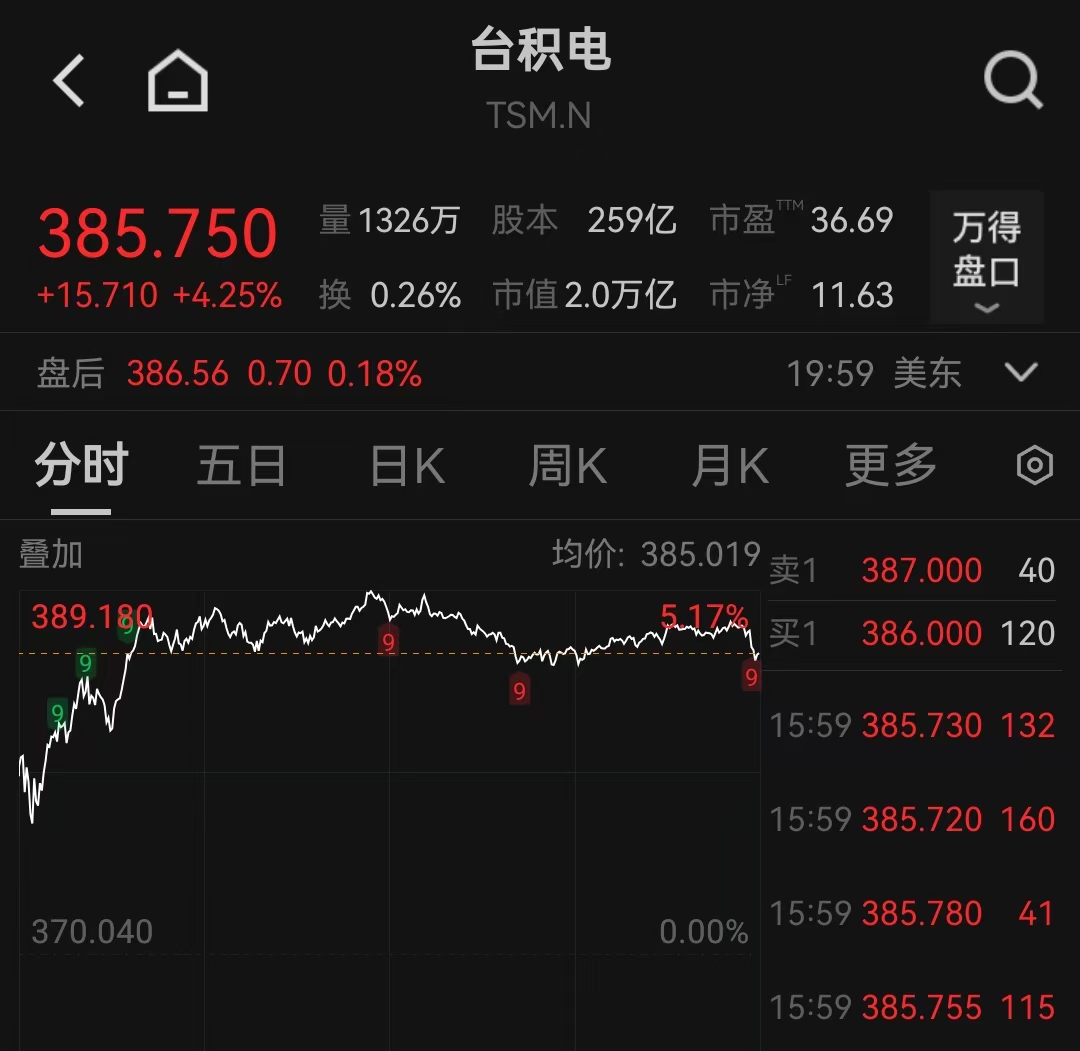
台积电市值翻倍只用了16个月
Di Yi Cai Jing Zi Xun· 2026-02-25 03:35
Core Insights - TSMC's market capitalization reached $2 trillion, doubling in just over a year since it first surpassed $1 trillion in October 2024 [4] - The surge in TSMC's valuation is largely driven by strong demand in the AI sector, with the company forecasting Q1 2024 revenue between $34.6 billion and $35.8 billion [4] - Major tech companies like Amazon and Meta are significantly investing in AI infrastructure, with Amazon planning $12 billion for new data centers and Meta over $115 billion [5] Group 1: TSMC's Market Performance - TSMC's stock price increased by 4.25% to $385.75 per share, marking a significant milestone in its market valuation [4] - The company has indicated robust AI demand, with clients expressing strong needs for production capacity [4][5] - TSMC is expected to increase its production capacity by 100% over the next decade to meet growing demands [6] Group 2: AI Infrastructure Investments - Amazon's capital expenditure for AI infrastructure is projected to be $200 billion this year, while Meta's is expected to exceed $115 billion [5] - NVIDIA's CEO highlighted the importance of TSMC in producing essential AI chips, indicating a long-term commitment to AI infrastructure development [5][6] - Concerns about potential over-investment in AI and the existence of an AI bubble have been raised, with industry leaders expressing uncertainty about future demand [6] Group 3: Competitive Landscape - TSMC remains a leader in advanced process technology, having begun mass production of 2nm chips, while competitors like Intel are struggling with production yields [6] - The semiconductor industry faces competitive pressures, but TSMC's technological advancements position it favorably [6] - The market is closely watching NVIDIA's upcoming quarterly earnings report as a potential indicator of the AI sector's health [6]

科创半导体设备ETF鹏华(589020)涨近3%,北大团队实现芯片领域重要突破
Xin Lang Cai Jing· 2026-02-25 03:34
Group 1 - Peking University’s electronic engineering team has developed the smallest and lowest power ferroelectric transistor to date, which is expected to support AI chip computing power and energy efficiency improvements [1] - CITIC Construction Investment Securities noted that the domestic production rate of semiconductor equipment has increased from 4.91% in 2018 to 18.02% in 2024, while the upstream component localization rate remains low, particularly in high-barrier areas such as RF power supplies and optical components [1] - As of February 25, 2026, the STAR Market semiconductor materials and equipment theme index (950125) rose by 3.28%, with significant gains in constituent stocks such as Youyan Silicon (up 11.28%) and Fuchuang Precision (up 10.54%) [1] Group 2 - The STAR Market semiconductor materials and equipment theme index closely tracks the performance of listed companies involved in semiconductor materials and equipment, reflecting the overall performance of these companies on the STAR Market [2] - As of January 30, 2026, the top ten weighted stocks in the STAR Market semiconductor materials and equipment theme index accounted for 73.89% of the index, including companies like Huahai Qingshi and Zhongwei Company [2]
对话 Citrini 报告联合作者:AI 越快,市场越怕什么?
3 6 Ke· 2026-02-25 03:32
过去几年,市场对 AI 的看法其实挺一致:AI 来了,效率上去,成本下来,利润变多,股价自然就涨。 这个逻辑几乎没什么争议。 但到了 2026 年,情绪变了。头部 SaaS 公司增速放缓,软件板块集体承压。市场开始意识到:AI 越 强,可能意味着现有的商业壁垒会越快崩塌。 Citrini 这份报告《2028全球智能危机》(THE 2028 GLOBAL INTELLIGENCE CRISIS)正是为了回应 这种焦虑。报告联合作者 Alap Shah 在采访中强调,他们不是在预测未来,而是基于长期模型做了一次 压力测试:如果 AI 真的像大家期待的那样持续变强,哪些商业逻辑会最先行不通?哪些行业会最先被 波及? 这份报告,就是拆解市场到底在怕什么。 第一节|白领收入下滑,消费在萎缩 危机从哪里开始?市场最怕的是什么?Shah 在采访中谈得最多的,不是模型参数或技术突破,而是白 领的工资在下滑和岗位在减少,而且幅度惊人。 美国 IT 行业的就业人数,从 2022 年高点到 2026 年初,累计下降了 8%。这是过去十年都没出现过的 跌幅。这个行业,正是 AI 渗透最快的地方。 Shah 直接指出:一个行业越容易把 ...
Anthropic不再带崩美股?香橼做空SNDK三大逻辑
3 6 Ke· 2026-02-25 03:32
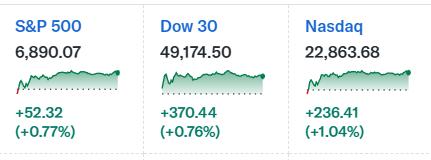
周二,美股三大指数全线收涨,纳指涨幅超过1%。科技股领涨,而此前空头仓位较重的软件股出现了典型的短线挤压行情。 | S&P 500 | Dow 30 | Nasdaq | | --- | --- | --- | | 6,890.07 | 49,174.50 | 22,863.68 | | and and the many of the same | A par rom monute | | | +52.32 | +370.44 | +236.41 | | (+0.77%) | (+0.76%) | (+1.04%) | 从"替代风险"到"增值工具" 这次反弹的核心在于市场叙事的切换。 此前的担忧是:AI自动化工具可能直接削弱法律数据库、金融终端、CRM系统的使用价值,从而压缩传统SaaS公司的订阅收入。 过去两周,Anthropic几乎成了美股SaaS板块波动的核心变量。 每当这家硅谷AI公司释放产品进展,软件股便先跌为敬。市场一度形成明显的防御姿态——先降低风险敞口,再判断影响程度。iShares软件业ETF (IGV)年初至今一度回撤接近26%,不少法律、金融信息服务商被视为"潜在受害者"。 但本周二的直 ...
AI颠覆软件行业商业模式?美股SaaS公司股价大跌,如何转型?
Xin Lang Cai Jing· 2026-02-25 03:19
Core Insights - The article discusses the significant impact of AI on the SaaS industry, particularly following the launch of Anthropic's AI tool for legal services, which caused a sharp decline in stock prices of major SaaS companies and raised concerns about the traditional subscription model [3][4][5]. Group 1: Stock Price Decline - The launch of Anthropic's AI tool led to a single-day stock price drop of over 13% for legal information service giants like WEX Group and LexisNexis, triggering a broader sell-off in the software industry [3][5]. - The S&P North American Software Index saw a cumulative decline of 15% in January 2026, marking its worst monthly performance since the 2008 financial crisis [6]. - The term "SaaSpocalypse" was coined to describe the drastic sell-off in the SaaS sector, with over $1 trillion in market value evaporating from software companies [3][6]. Group 2: Challenges to Subscription Model - The traditional SaaS business model, which relies on a "seat-based payment" system, is being challenged by AI's ability to automate tasks previously requiring multiple employees [4][5]. - Companies like Salesforce and Intuit experienced significant stock price drops, with Salesforce's stock down 23% year-to-date and 30% from its peak in December 2025 [8][5]. Group 3: Need for Valuation Restructuring - IT budgets are becoming increasingly fixed, with major tech companies like Amazon and Alphabet allocating substantial funds (approximately $200 billion and $175-185 billion respectively) towards AI infrastructure, thereby squeezing traditional SaaS budgets [7]. - The shift in IT spending from traditional software to AI solutions has led to a reevaluation of SaaS company valuations, moving from a user-based growth model to a performance-based payment model [10][11]. Group 4: Transformation Paths for Leading Companies - Major SaaS companies like Salesforce and Microsoft are restructuring their products to create AI-native enterprise service systems rather than simply adding AI as a feature [14][15]. - Salesforce's transition has faced challenges, including a significant layoff of 4,000 customer service positions, which later resulted in service quality issues and increased customer complaints [17][19]. - Adobe has adopted a different strategy by integrating AI deeply into its Creative Cloud, allowing users to pay extra for AI features rather than reducing seat licenses [20][21]. Group 5: Industry Reconstruction Insights - The impact of AI on the SaaS industry represents a "value reconstruction" rather than a complete industry replacement, emphasizing the need for SaaS companies to redefine their core value propositions [23]. - Future software business models may evolve into hybrid models, performance-based models, or platform models, with no single approach suitable for all companies [25][26][27]. - Investors are encouraged to shift their focus from user growth to AI monetization capabilities and the quality of profits [30]. Group 6: Implications for IT Professionals - Companies must redefine product value by focusing on business outcomes rather than merely listing features, as clients prioritize efficiency and cost reduction [31][33]. - The traditional seat-based payment model is becoming obsolete, necessitating a shift to performance-based or usage-based pricing structures [34]. - Establishing industry-specific expertise and trust with clients is crucial for SaaS companies to maintain a competitive edge in the AI era [35][36].



台积电突破2万亿美元:AI算力时代 制造龙头的价值重估
Di Yi Cai Jing· 2026-02-25 03:18
Group 1 - TSMC's stock price rose by 4.25% to $385.75 per share, achieving a market capitalization of $2 trillion, marking a significant milestone just 16 months after reaching $1 trillion [2] - TSMC's market capitalization doubled within a year, driven by strong demand signals from the AI sector, with projected Q1 revenue between $34.6 billion and $35.8 billion [2] - TSMC's downstream AI chip customers, AMD and NVIDIA, are seeking business expansion, with NVIDIA announcing a strategic partnership with Meta for the deployment of millions of chips [2] Group 2 - Amazon plans to invest $12 billion in building new data centers in Louisiana to support AI and cloud computing infrastructure, indicating ongoing high capital expenditures in the AI sector [4] - NVIDIA's CEO highlighted the importance of TSMC in the production of Blackwell and Rubin chips, indicating a potential 100% increase in TSMC's capacity over the next decade [4] - TSMC is leading in advanced process technology, having started mass production of 2nm (N2) process, while competitors like Intel are struggling with production yields [4] Group 3 - Concerns exist regarding potential over-investment in AI by tech giants, with some industry leaders questioning the clarity of future AI infrastructure needs [5] - A recent global fund manager survey indicated that capital expenditures by AI cloud service providers are viewed as a significant systemic credit risk [5] - NVIDIA's upcoming quarterly earnings report is anticipated to serve as a barometer for the strength of AI demand [5]
台积电突破2万亿美元:AI算力时代,制造龙头的价值重估
Di Yi Cai Jing· 2026-02-25 03:08
Core Viewpoint - TSMC's market capitalization has doubled in just over a year, reaching $2 trillion, driven by strong demand in the AI sector and significant partnerships with major tech companies [1][2][3] Group 1: Market Performance - TSMC's stock price increased by 4.25% to close at $385.75 per share, achieving a market capitalization of $2 trillion [2] - The company reached the $1 trillion market cap milestone in October 2024, becoming the seventh tech company in history to do so [2] Group 2: AI Demand and Partnerships - TSMC is experiencing strong demand signals from AI chip customers, with revenue projections for Q1 expected to be between $34.6 billion and $35.8 billion due to the booming AI industry [3] - Major clients like AMD and NVIDIA are expanding their business, with NVIDIA announcing a strategic partnership with Meta for the deployment of millions of chips [3] - Amazon plans to invest $12 billion in building new data centers in Louisiana to support AI and cloud computing infrastructure [3] Group 3: Industry Outlook - NVIDIA's CEO highlighted the importance of TSMC in the production of their Blackwell and Rubin chips, indicating a potential 100% increase in TSMC's capacity over the next decade [4] - TSMC is leading in advanced process technology, with plans to start mass production of 2nm chips by Q4 2025, while competitors like Intel are struggling with production yields [4] Group 4: Market Concerns - There are concerns about potential over-investment in AI by tech giants, with some industry leaders questioning the sustainability of current AI infrastructure plans [5] - A recent survey indicated that capital expenditures by AI cloud service providers are viewed as a significant credit risk [5] - NVIDIA's upcoming quarterly earnings report is anticipated to provide insights into the ongoing AI demand and market expectations [5]