银发经济

Search documents
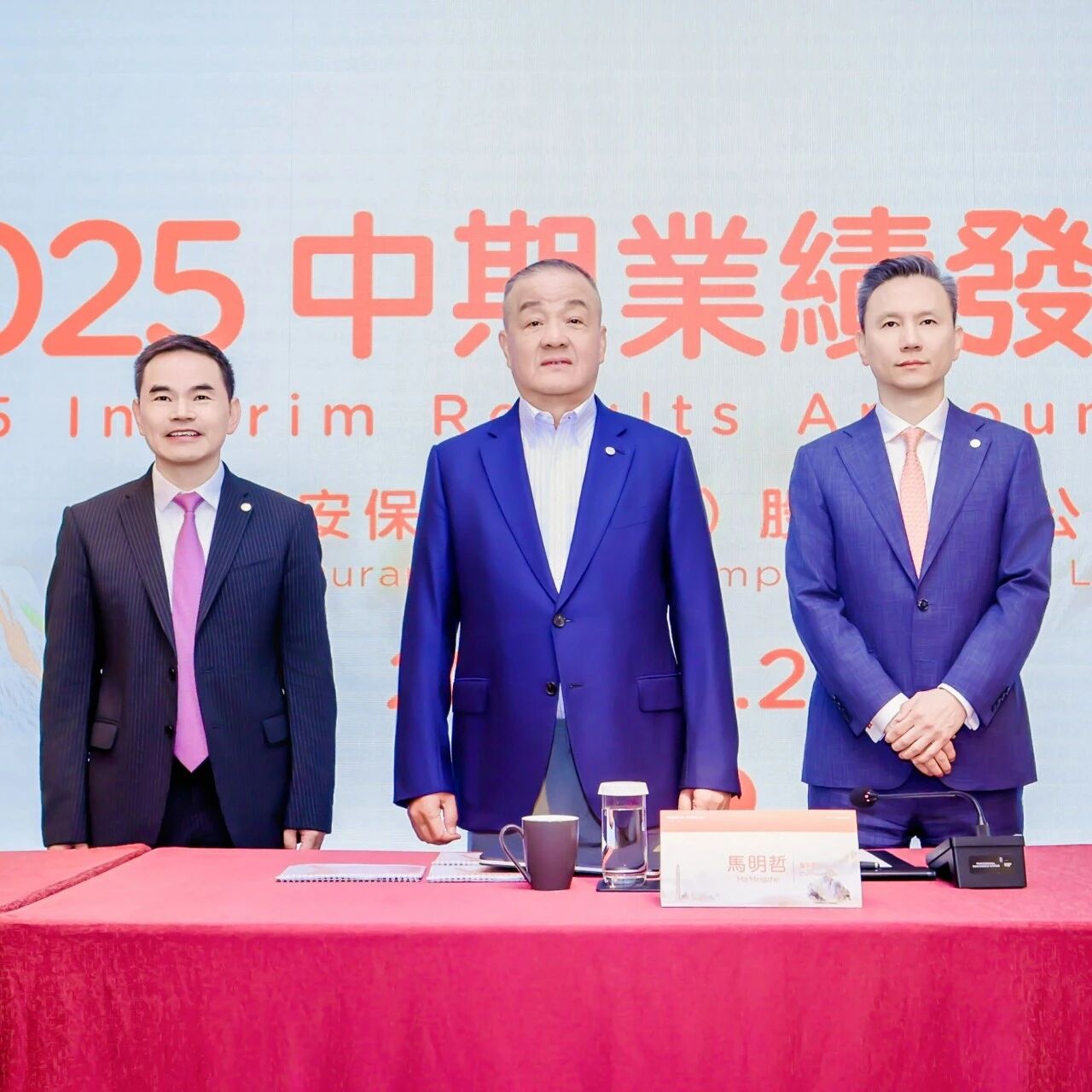
直击中国平安业绩发布会!回应举牌、寿险改革等热门话题
券商中国· 2025-08-27 11:34
Core Viewpoint - China Ping An's operating profit increased by 3.7% year-on-year, while net profit decreased by 8.8% in the first half of 2025, coinciding with its market capitalization returning to 1 trillion yuan [1][5]. Financial Performance - In the first half of 2025, China Ping An achieved operating revenue of 500.1 billion yuan, a year-on-year increase of 1% [5]. - The net profit attributable to shareholders was 68.047 billion yuan, down 8.8% year-on-year [5]. - The interim cash dividend was raised to 0.95 yuan per share, an increase of 2.2% year-on-year [1]. Profit Discrepancies - The difference in profit metrics is attributed to three main factors, two of which are one-time events: 1. A 3.4 billion yuan impairment from the consolidation of Ping An Good Doctor, affecting growth by 4.6 percentage points. 2. A decline in the valuation of convertible bonds due to stock price increases, which will not affect the financial statements over the long term. 3. Approximately 60 billion yuan in unrealized gains classified under Other Comprehensive Income (OCI), which do not appear in the profit statement but enhance net assets [5][6]. New Business Value Growth - New business value in life and health insurance reached 22.335 billion yuan, a year-on-year increase of 39.8% [7]. - The agent channel's new business value grew by 17%, while the bank insurance channel saw a significant increase of 168.6% [7]. Insurance Sector Performance - The property and casualty insurance sector reported original insurance premium income of 171.857 billion yuan, up 7.1% year-on-year [8]. - The overall combined cost ratio improved by 2.6 percentage points to 95.2% [8]. Strategic Focus - China Ping An plans to increase equity allocation, focusing on growth sectors representing new productive forces and high-dividend value stocks [4][12]. - The investment strategy is guided by a "three Cs" principle: reliable operations, expected growth, and sustainable dividends [12]. Investment Scale and Returns - As of June 2025, the investment scale of insurance funds reached 6.2 trillion yuan, an increase of 8.2% since the beginning of the year [4][14]. - The comprehensive investment return rate (non-annualized) was 3.1%, up 0.3 percentage points year-on-year [14].


天目药业: 杭州天目山药业股份有限公司2025年半年度报告
Zheng Quan Zhi Xing· 2025-08-27 09:59
Core Viewpoint - Hangzhou Tianmu Mountain Pharmaceutical Co., Ltd. reported significant revenue growth and a return to profitability in the first half of 2025, driven by increased sales and effective management strategies [2][9]. Company Overview and Financial Indicators - The company achieved operating revenue of approximately 103.60 million yuan, a 73.97% increase compared to the same period last year [2][15]. - The total profit for the period was approximately 7.12 million yuan, a significant recovery from a loss of 21.38 million yuan in the previous year [2][15]. - The net profit attributable to shareholders was approximately 10.25 million yuan, compared to a loss of 18.50 million yuan in the same period last year [2][15]. - The net cash flow from operating activities improved by 61.35%, reaching approximately -10.87 million yuan, compared to -28.13 million yuan in the previous year [2][15]. - The company's total assets decreased by 8.33% to approximately 404.71 million yuan, while net assets attributable to shareholders increased by 19.56% to approximately 62.63 million yuan [2][15]. Business Operations - The company operates in the pharmaceutical manufacturing industry, focusing on traditional Chinese medicine, Western medicine, raw materials, and health products [3][4]. - It has established modern production bases in Hangzhou and Huangshan, compliant with national GMP standards, and holds 99 drug approval numbers [3][4]. - The marketing strategy emphasizes a "three-chain collaboration" approach, integrating the industrial chain, innovation chain, and supply chain to enhance product innovation and market coverage [3][4]. Industry Context - The pharmaceutical manufacturing industry is strategically important for national economic development, with ongoing reforms aimed at improving quality and promoting innovation [6][8]. - The "14th Five-Year Plan" encourages pharmaceutical innovation and the development of high-end production technologies, particularly in traditional Chinese medicine [6][8]. - The market for the aging population, projected to reach approximately 7 trillion yuan by 2025, presents new opportunities for growth in the health sector [7][8].

新模式、新场景、新业态激荡新势能 暑期文旅市场需求强劲、热潮涌动
Yang Shi Wang· 2025-08-27 09:29
Group 1 - The summer tourism market in China has shown strong demand and vibrant highlights, with a shift from "general sightseeing" to "experiential travel" [3] - Popular activities for family trips include intangible cultural heritage experiences, folk activities, and traditional crafts, indicating a trend towards diversified experiences [3] - The "cool resources" have transformed into a "hot economy," with activities like rafting and camping gaining popularity due to rising temperatures [5] Group 2 - The easing of entry policies has led to an influx of foreign tourists in China, enhancing the country's image and reputation [7] - Tourists are interested in experiencing modern and unique aspects of China, such as visiting electric vehicle factories and witnessing advanced technology [7] - The railway sector has been actively developing diverse tourism routes, promoting scenic and historical attractions through specially designed tourist trains [10]
AI绘画、组队攀岩…“退休俱乐部”重新定义退休生活
Sou Hu Cai Jing· 2025-08-27 09:19
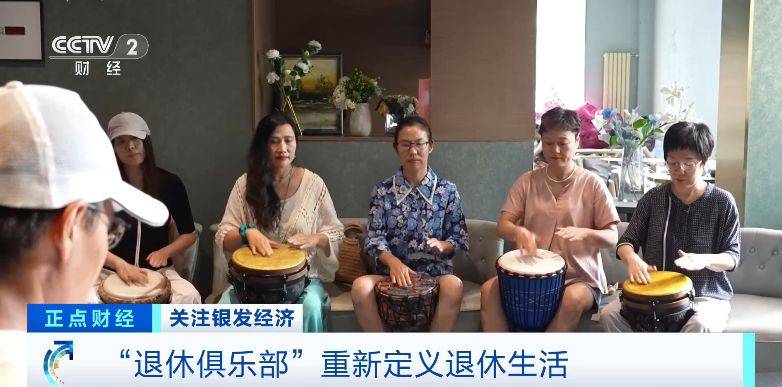
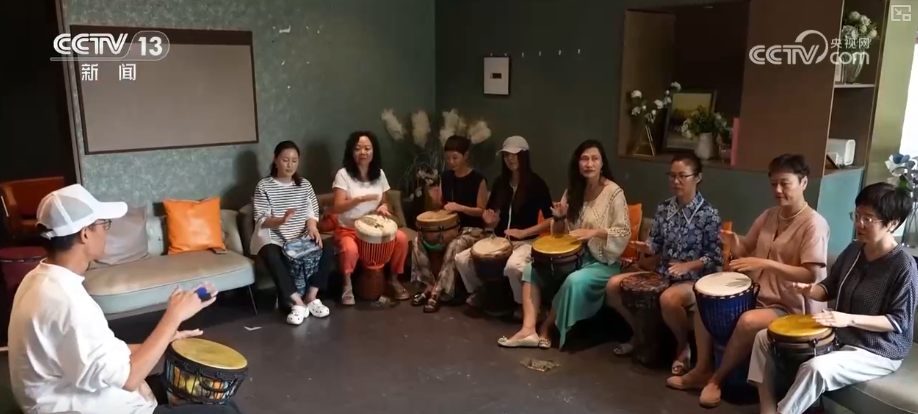
Core Insights - The emergence of "retirement clubs" is providing new options for retirees, offering activities that break traditional stereotypes of aging [1][13] - These clubs are primarily attracting individuals aged 50 to 65, indicating a growing interest in active lifestyles among older adults [13] Group 1: Retirement Clubs - "Retirement clubs" are organizing diverse activities such as AI painting, DJing, rock climbing, and coffee art, catering to the interests of newly retired individuals [7][11] - The founder of a notable retirement club, Liu Jing, initially aimed to find companions for her parents but ended up attracting over ten thousand elderly members, highlighting the demand for such social platforms [11] - The rapid growth of these clubs across the country is injecting new vitality into the silver economy, which is projected to reach a market size of 30 trillion yuan by 2035 [13] Group 2: Participant Experiences - Participants, like Ms. Liu, express that these activities not only help in physical exercise but also provide opportunities for social interaction and learning [5][9] - The clubs are fostering a sense of community among retirees, allowing them to engage in enjoyable and enriching experiences [5][11]
新华保险前7个月保费1378亿元 三大维度诠释高质量发展
Sou Hu Cai Jing· 2025-08-27 07:52
Core Insights - Xinhua Insurance achieved a cumulative original insurance premium income of 137.8 billion yuan in the first seven months of 2025, representing a year-on-year growth of 23%, continuing its steady growth trend this year [1] Group 1: High-Quality Development - The company emphasizes high-quality development as the core driving force, integrating into the national development strategy and focusing on customer-centric, professional, market-oriented, and systematic reforms [1] - Xinhua Insurance has enriched its product offerings with over 100 products available, focusing on the second and third pillar business opportunities, particularly in the aging economy [2] - The company aims to enhance customer satisfaction through improved claims experiences, achieving a total of 2.41 million claims with a payout amount of 7.3 billion yuan in the first half of 2025, with an average claim processing time of just 0.72 days [2] Group 2: Serving National Strategy - Xinhua Insurance supports the real economy with investments exceeding one trillion yuan, aligning its operations with national strategies [3] - The company has provided risk protection for over 30,000 corporate clients, amounting to approximately 14.5 trillion yuan, and has undertaken 20 public welfare insurance projects [3] - Investments in key national areas have increased by nearly 60% year-on-year, focusing on technology innovation, industrial upgrades, and low-carbon development [3] Group 3: Reform and Innovation - The company is committed to deepening its reforms across products, services, teams, and institutional construction to build multiple core advantages [4] - Xinhua Insurance is enhancing its product framework to offer comprehensive insurance coverage and is actively transforming its dividend insurance products to meet customer wealth preservation needs [4] - The company is also upgrading its service capabilities and expanding its service offerings across various domains, including healthcare and legal services [4] Group 4: Industry Outlook - The insurance industry is entering a golden opportunity period for high-quality development, supported by national policies and regulatory guidance [5] - Xinhua Insurance aims to implement the new national guidelines, focusing on large-scale products, markets, services, and investments to enhance its development capabilities [5]

AI绘画、打碟、咖啡拉花……“新”“潮”“酷”点燃银发经济新热力
Yang Shi Wang· 2025-08-27 07:12
Group 1 - The rise of "retirement clubs" is providing new options for retirees, breaking traditional stereotypes of aging with vibrant and fashionable activities like AI painting and rock climbing [1][4][6] - The "retirement club" phenomenon is gaining popularity across the country, primarily attracting members aged 50 to 65, indicating a significant market potential in the silver economy, projected to reach 30 trillion yuan by 2035 [8][9] - The shift in elderly consumers' preferences from basic living needs to socializing, learning, and self-fulfillment is driving a comprehensive upgrade in commercial scenarios [9][16] Group 2 - Shopping malls are adapting to the changing consumption logic of older adults, focusing on "social + learning + nostalgia" rather than just shopping, leading to innovative service models [11][16] - A "silver-themed mall" in Chongqing has transformed its space to evoke emotional resonance and introduced branches of elderly universities, reflecting the trend of catering to older consumers [14][20] - The opening of a silver-themed mall saw a 307% increase in sales and a 205% increase in foot traffic on its opening day, highlighting the economic potential of the silver market [18] Group 3 - The silver economy is fostering new growth points across various industries, prompting a wave of "age-friendly transformations" from service upgrades to product innovations [20] - Retailers are increasingly offering products specifically designed for older adults, such as height-adjustable smart toilets and multifunctional smart wristbands, indicating a strong demand in this segment [23][24] - The market for specialized products, like chess sets tailored for seniors, is experiencing high demand, showcasing the evolving needs of the elderly demographic [21]
诚意药业上半年净利润同比增长47.03%
Zheng Quan Ri Bao· 2025-08-27 07:11
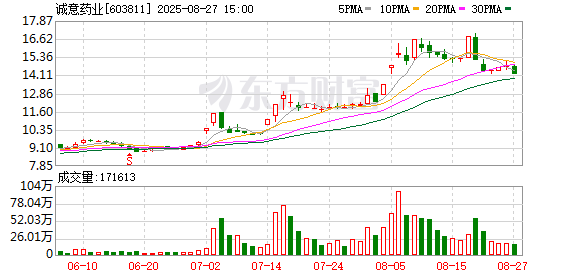
Core Viewpoint - Zhejiang Chengyi Pharmaceutical Co., Ltd. reported significant growth in its 2025 semi-annual results, with a focus on marine economy and health products as key growth drivers [2] Financial Performance - The company achieved operating revenue of 417 million yuan, a year-on-year increase of 17.11% [2] - Net profit attributable to shareholders reached 112 million yuan, reflecting a 47.03% increase compared to the same period last year [2] - The net profit excluding non-recurring gains and losses was 111 million yuan, up 54.21% year-on-year [2] Business Strategy - Chengyi Pharmaceutical is committed to the dual-driven strategy of pharmaceuticals and health products, aligning with national initiatives to develop the marine economy and marine biomedicine [2] - In the pharmaceutical sector, the company focuses on a full industry chain approach, increasing R&D investment to enhance competitive advantages in clinical treatment areas such as bone and joint, cardiovascular, anti-infection, and nervous system [2] Product Development - The company prioritized key profitable products for consistency evaluation and new product development, successfully passing consistency evaluation for two specifications of sodium cytidine injection [2] - New products such as mercaptopurine tablets have been approved, and the raw material for dobutamine hydrochloride has been filed successfully [2] - As of the date of the interim report, the company has obtained a drug registration certificate for palivizumab injection [2] Market Focus - In the health product sector, the company strategically focuses on marine biomedicine and the silver economy, seizing opportunities from consumption upgrades and increased health awareness [2]

索菲亚成为广州银发经济公共实验室共建单位 参编两大居家适老团体标准
Zhong Zheng Wang· 2025-08-27 04:16
Group 1 - The core viewpoint of the article highlights Sophia's active role in the development of standards for aging-friendly home products, marking a shift towards high-quality development in the industry [1] - Sophia was invited to participate in the "Home Aging Product Standard Exchange Conference" and was awarded as one of the first co-construction units of the Guangzhou Silver Economy Public Laboratory [1] - As the only representative enterprise in the custom furniture industry, Sophia contributed to the formulation of the group standard "Classification and Coding of Aging-Friendly Home Products," aiming to establish unified norms and scientific classifications for aging-friendly products [1] Group 2 - Sophia will also serve as the chief editor for the group standard "Evaluation Specification for Aging-Friendly Home Products - Custom Cabinets," leading the establishment of an evaluation system for aging-friendly functions of custom cabinet products [1] - The establishment of these two standards signifies a transition for China's aging-friendly home industry from initial chaotic growth to a new phase characterized by standard leadership and innovation-driven high-quality development [1] - Currently, Sophia has created the first verification space for aging-friendly products in the laboratory, utilizing real feedback from elderly users to validate products, thus achieving a full-loop process from demand research to standard output [1] Group 3 - The company plans to continue investing in the research and development of aging-friendly products, focusing on the concept of "invisible aging" [2] - Sophia aims to provide a comprehensive solution for the elderly through three product systems: "Safety Protection System," "Smart Elderly Care System," and "Concealed Support System" [2]

当机器人从实验室走向养老生活
Jin Rong Shi Bao· 2025-08-27 02:41
Group 1 - The aging population in China is projected to reach 220 million by the end of 2024, accounting for 15.6% of the total population, and is expected to exceed 300 million by around 2035, marking a significant demographic shift towards a heavily aged society [1] - There is a severe shortage of nursing staff, with a demand for over 6 million caregivers while only 500,000 are currently employed, indicating a significant imbalance in supply and demand for elderly care services [1] - The emergence of "elderly care robots" is seen as a crucial solution to address the challenges posed by the aging population and the shortage of caregivers, with various types of robots being developed for different care needs [1][2] Group 2 - The market for smart elderly care robots is expected to exceed 2 trillion yuan by 2030, with an annual output value reaching 400 billion yuan, highlighting the potential for growth in the silver economy [4] - The Chinese government has been actively promoting the integration of smart technology in elderly care, with policies aimed at enhancing the quality of care through the use of intelligent health products and services [5][6] - Various companies, including both traditional robotics firms and new entrants from different sectors, are increasingly focusing on the development of elderly care robots, which are categorized into rehabilitation, nursing, and companionship robots [6] Group 3 - Despite the promising developments in elderly care robots, the industry is still in its early stages and faces challenges such as high costs, technological limitations, and the need for better understanding of elderly users' needs [7][8] - The high cost of robotic solutions remains a barrier to widespread adoption, with some robotic arms costing up to 500,000 yuan, making them unaffordable for average households [8] - A collaborative approach involving government policy, technological innovation, and societal changes is necessary to transform elderly care robots from auxiliary tools into essential components of elderly care services [8]

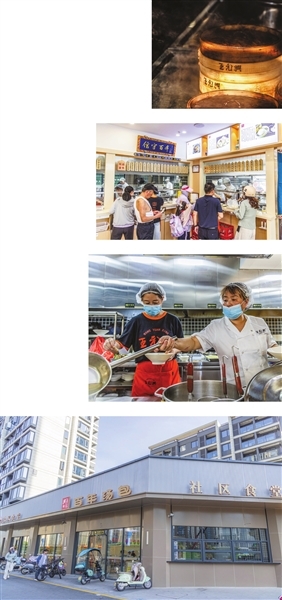
老人走出厨房 服务嵌入社区 幸福挂在脸上
Hang Zhou Ri Bao· 2025-08-27 02:25
Core Insights - The article highlights the transformation of a community canteen in Hangzhou into a modern dining hub, catering to over 800 visitors daily and serving as a "community living room" for different generations [3][4][6] Group 1: Community Canteen Development - The community canteen has expanded from 50 square meters to nearly 400 square meters within six months, indicating significant growth and demand [3] - Daily operations include a diverse menu that appeals to both elderly residents and younger families, showcasing the canteen's role in enhancing community life [5][6] - The canteen provides various amenities, such as wheelchair access and child-friendly facilities, making it a versatile space for all age groups [6] Group 2: Silver Economy and Policy Innovation - The canteen's success reflects a broader trend in Hangzhou's silver economy, driven by policy innovations and a shift towards market-oriented elder care services [7][8] - The city has launched a three-year action plan aimed at improving elder care services, emphasizing the importance of community-based support systems [7] - The collaboration between government, enterprises, and traditional brands in the community canteen model exemplifies the integration of social forces in elder care [8] Group 3: Social Impact and Future Directions - The initiative represents a shift from basic elder care to enhancing quality of life, aligning with national strategies to address population aging [8] - The development of the canteen contributes to intergenerational harmony and community cohesion, positioning it as a vital platform for social engagement [8] - Continuous innovation in service delivery and facility enhancement is essential for building a resilient elder care system in Hangzhou [8]