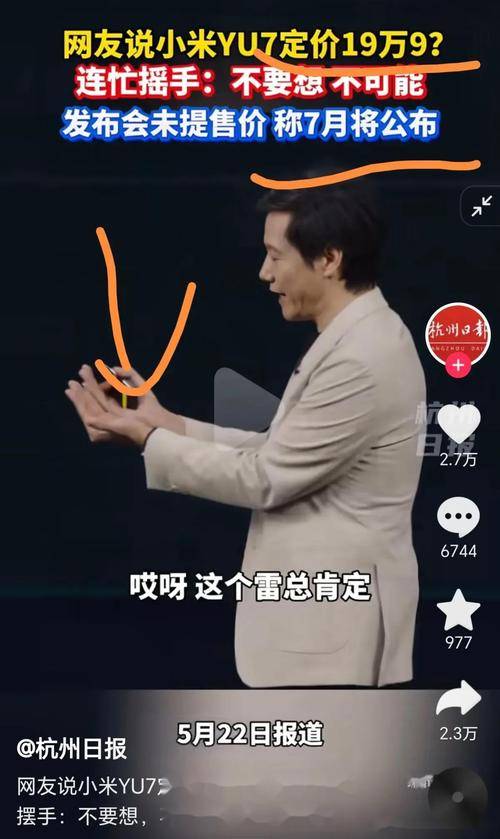
产品定价

Search documents
鼎泰高科:公司产品定价是基于原材料市场行情、生产成本等多方面因素综合制定的
Zheng Quan Ri Bao Zhi Sheng· 2025-11-07 13:08
Core Viewpoint - The company emphasizes that its product pricing is determined by a comprehensive analysis of various factors including raw material market trends, production costs, technological value, market supply and demand, and industry competition [1] Group 1 - The company management closely monitors the price trends of key raw materials [1] - The company actively responds to potential impacts from raw material price fluctuations through continuous technological innovation, process optimization, cost control, and supply chain management [1] - These strategies are aimed at maintaining the company's market competitiveness and profitability [1]
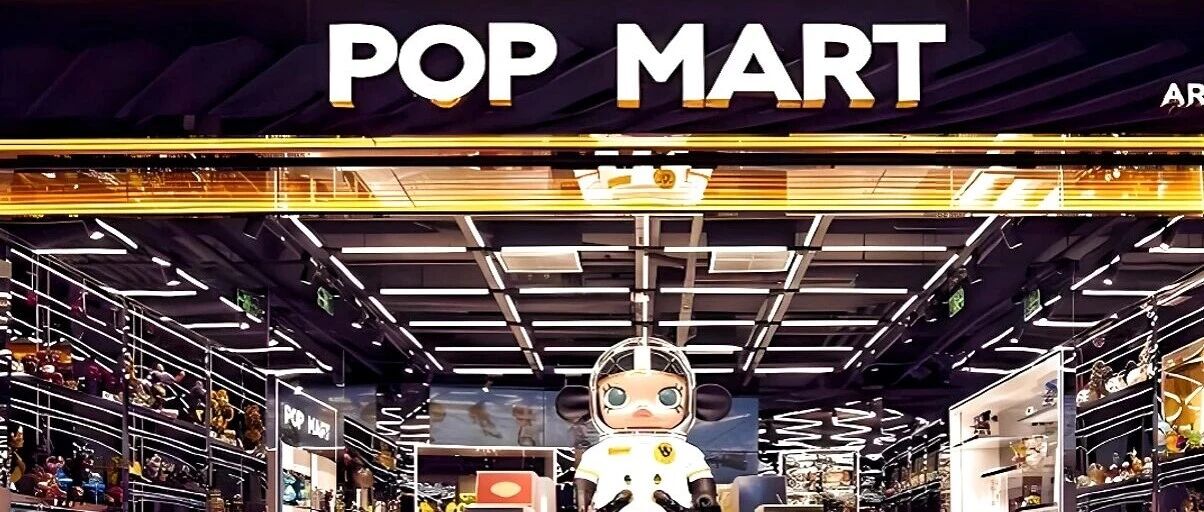
“没事,会有人买单的”,泡泡玛特直播事故,员工内涵消费者是韭菜!
新浪财经· 2025-11-07 10:11
Core Viewpoint - The recent live-stream incident involving Pop Mart has raised concerns about the company's high product pricing and consumer perception, particularly after employees were overheard discussing the pricing of a 79 yuan blind box as being "a bit expensive" [7][9][10]. Pricing and Product Issues - Pop Mart's most expensive product is a collaboration with the Van Gogh Museum, priced at 6,999 yuan, which is currently out of stock [4][16]. - The company has multiple products priced at 5,999 yuan, indicating a trend of high pricing across its product range [4][16]. - Despite consumer backlash regarding the 79 yuan blind box, it has sold out on multiple platforms, suggesting strong demand despite complaints about pricing [14]. Financial Performance - Pop Mart reported a 245% to 250% year-on-year revenue growth for Q3 2025, with domestic revenue increasing by 185% to 190% and overseas revenue by 365% to 370% [20]. - The company's gross margin reached 70.3% in the first half of 2025, a 6.3 percentage point increase year-on-year, significantly higher than major companies like Apple (47.18%) and luxury brands such as LVMH (66.84%) [4][20]. Consumer Complaints and Quality Control - Pop Mart has received over 20,000 complaints, primarily related to product quality and after-sales service, highlighting a disconnect between high pricing and consumer satisfaction [22]. - Recent incidents, including misprints on products, have further fueled consumer dissatisfaction and allegations of the company treating customers as "韭菜" (a term implying exploitation) [22].


艾比森:产品价格受市场供需关系等多重因素影响
Zheng Quan Ri Bao Wang· 2025-10-24 11:12
Core Viewpoint - The company, Abison (300389), indicated that product pricing is influenced by multiple factors including market supply and demand, raw material costs, and customer relationships [1] Group 1 - The company will closely monitor market dynamics [1] - The company will prudently set product prices based on its own and upstream and downstream conditions [1]

海科新源:公司始终以市场为导向,密切关注市场动态与行业趋势
Zheng Quan Ri Bao Zhi Sheng· 2025-10-20 11:08
Core Viewpoint - Haike Xinyuan emphasizes its commitment to market-oriented strategies and closely monitors market dynamics and industry trends [1] Pricing Strategy - The company adheres to market-based pricing principles, considering cost structure, technical quality, customer demand, and long-term partnerships to ensure a robust and sustainable pricing system [1] - Product prices are influenced by multiple factors, including market demand intensity, industry competition, and macroeconomic fluctuations [1] Supply Chain Management - In response to price fluctuations, the company effectively manages supply chain stability through flexible capacity allocation and meticulous cost management [1] - The company plans to continue tracking material price trends, supply-demand dynamics, and actual customer needs to optimize operational strategies [1] Long-term Value Creation - The core focus remains on value creation, aiming to provide long-term returns for customers and shareholders [1]
库克首度回应iPhone定价 称未含关税成本
Sou Hu Cai Jing· 2025-09-20 04:14
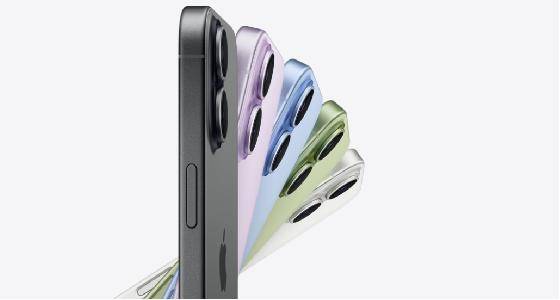
Core Insights - Apple's CEO Tim Cook addressed the impact of tariffs on iPhone pricing during an interview, stating that product prices do not include additional costs from tariffs [1][3] - The company has faced uncertainty regarding tariffs due to its highly globalized supply chain, particularly for iPhone production [3] Pricing Strategy - Apple has implemented a differentiated pricing strategy for the new iPhone 17 series, increasing the price of the flagship iPhone 17 Pro by $100 while keeping the entry-level model stable [3] - The newly introduced iPhone 17 Air replaces the Plus series and enters the mid-to-high-end market at a higher price point [3] Supply Chain Management - Apple has diversified its supply chain to mitigate tariff risks, moving approximately 15% of iPhone production to India, with expectations to increase this to 25% by 2025 [3] - The company has also engaged in long-term agreements with suppliers and locked in prices for key raw materials to smooth out cost fluctuations [3]

Don't Overlook This Pricing Detail From Apple's iPhone Announcement
Yahoo Finance· 2025-09-11 10:33
Core Insights - Apple shares experienced a slight dip following the unveiling of the iPhone 17 series, with the starting price of the iPhone 17 Pro increased to $1,099, which is $100 higher than the previous year's model [2][8] - The iPhone business has shown a resurgence, with record fiscal third-quarter revenue and double-digit growth in iPhone sales, indicating a strong demand environment [3][5] Financial Performance - In the fiscal third quarter, Apple reported total revenue of $94.0 billion, a 10% year-over-year increase, with iPhone revenue rising 13% to $44.6 billion from $39.3 billion [5] - Services revenue reached a record $27.4 billion for the June quarter, contributing to a 12% year-over-year increase in earnings per share [5][6] Market Position and Valuation - Apple's stock is trading at a high valuation, with a market cap near $3.5 trillion and a trailing price-to-earnings ratio in the mid-30s, reflecting high expectations for sustained growth [7] - The introduction of the iPhone Air, priced below the Pro line, aims to attract mainstream buyers and potentially boost average selling prices and revenue [8]
李斌回应全新ES8定价:仍有可观毛利,蔚来活下去最重要
Jing Ji Guan Cha Bao· 2025-08-22 04:39
Core Viewpoint - NIO's founder Li Bin emphasized the importance of competitive pricing for the new ES8 model to maintain market advantage in a highly competitive environment [2] Pricing Strategy - The new ES8 has significantly lower production costs compared to the previous model due to advancements in technology [2] - Current pricing of the new ES8 allows for a sustainable gross margin [2] Customer Considerations - Li Bin addressed concerns regarding potential dissatisfaction among existing ES8 owners due to pricing changes, highlighting that the survival of NIO is paramount [2]


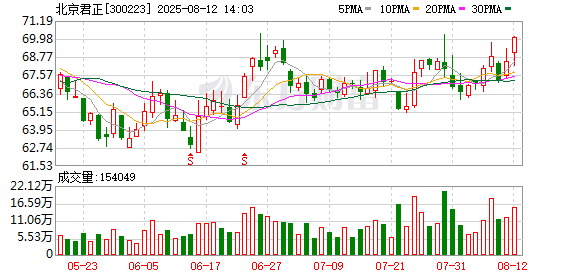
北京君正:目前对现有客户暂无调价计划,新的导入会根据新的市场情况进行定价
Mei Ri Jing Ji Xin Wen· 2025-08-12 06:02
Group 1 - The core viewpoint is that despite significant price increases in DDR4 and DDR3 memory in recent months, the company has no plans to raise prices for its niche DRAM products for existing customers [2] - The company indicated that any new pricing for its products will be determined based on the current market conditions [2]

小米YU7定价
数说新能源· 2025-06-26 07:35
Core Viewpoint - The article discusses the pricing strategy for the YU7 vehicle, comparing it to Tesla's Model Y, and estimates the most likely price points based on cost analysis and market conditions [1][2]. Pricing Analysis - The starting price of Tesla Model Y is 263,500 CNY with a 60 kWh battery, while YU7 is expected to have a starting price of around 283,500 CNY, featuring a 90 kWh battery [1]. - The battery cost is estimated to account for 40% of the overall Bill of Materials (BOM), leading to a cost difference of approximately 42,160 CNY for YU7 when considering an 80% gross margin [1]. - Financial policy differences are highlighted, with Tesla offering a 5-year interest-free loan, effectively reducing the price by about 17,000 CNY compared to a 2.5% loan rate from Xiaomi [1]. Likely Pricing Scenarios - The most probable price point for YU7 is estimated at 269,800 CNY with a 70% probability, as it aligns with the cost breakdown and market expectations [2]. - A price of 299,800 CNY has a 20% probability, which fits industry norms but conflicts with Xiaomi's value proposition of being customer-friendly [2]. - A lower price range of 245,900 to 259,800 CNY has a 10% probability, which could lead to high sales but presents challenges [3]. Challenges and Considerations - There are concerns regarding production capacity and order fulfillment, which could lead to significant issues if not managed properly [4]. - The potential backlash from existing and prospective SU7 owners must be addressed to avoid negative public sentiment [4]. - The optimal pricing solution is suggested to be between 265,900 and 298,800 CNY, which could disrupt the domestic SUV market significantly [4].



雷军回应yu7定价问题,成本与市场定位影响产品定价
Sou Hu Cai Jing· 2025-06-03 17:26
Core Viewpoint - The pricing strategy for the yu7 product is influenced by multiple factors, including costs, market positioning, and consumer expectations, as articulated by Lei Jun [1][6]. Cost Considerations Behind Pricing - The pricing of the yu7 product is based on significant investments in research and development, high-quality materials, and refined production processes, which must be reflected in the final price to ensure profitability and continued investment in future innovations [2]. Impact of Market Positioning - The pricing must align with the market positioning of the yu7, targeting either the mid-to-high-end market with higher prices for quality-conscious consumers or a cost-effective strategy to attract price-sensitive customers while maintaining quality [3]. Lei Jun's Attitude Expression - Lei Jun emphasizes the rationale behind the pricing strategy, highlighting the company's commitment to high cost-performance products and the need to balance various factors due to changing market conditions [6]. Consumer Reaction Expectations - Consumer responses to the pricing vary, with some understanding the cost and market positioning influences and willing to pay for perceived value, while others may view the price as too high, reflecting expectations for Xiaomi's historically high cost-performance ratio [7]. Significance for Future Development - Clear pricing rules and Lei Jun's proactive stance can alleviate consumer concerns, ensuring sustainable company growth and profitability, while rational consumer attitudes can guide product selection. Xiaomi may adjust pricing and configurations based on market feedback to achieve more reasonable pricing [8].