
人工智能商业化

Search documents
雪花公司洽谈收购应用监控初创企业Observe,交易估值约10亿美元
Xin Lang Cai Jing· 2025-12-24 09:11
Core Viewpoint - Snowflake is negotiating to acquire the California-based observability startup Observe for approximately $1 billion, which would be its largest acquisition to date if completed [2][7]. Group 1: Acquisition Details - The acquisition of Observe, which specializes in observability tools, aims to enhance Snowflake's capabilities in monitoring the performance of self-developed AI applications [3][8]. - Observe's technology is built on Snowflake's database technology, indicating a strong existing relationship between the two companies [3][8]. - Snowflake's venture capital arm participated in Observe's financing in 2024, and Observe's CEO Jeremy Burton is also a board member at Snowflake [3][8]. Group 2: Market Context - The observability sector has seen a surge in startups, with companies leveraging these tools to monitor AI applications. For instance, Palo Alto Networks recently acquired Chronosphere for $3.35 billion, highlighting the competitive landscape [3][8]. - Snowflake previously acquired TruEra AI, a startup focused on monitoring the performance of large language models, although the financial details were not disclosed [3][8]. Group 3: Financial Performance - Snowflake reported a revenue increase of 29% year-over-year to $1.21 billion for the quarter ending October 31, exceeding previous growth expectations by 3 percentage points [5][10]. - The company has raised its product revenue growth forecast for fiscal year 2026 from 25% to 27%, although overall revenue growth has declined compared to the previous year [5][10]. - Snowflake's stock has risen 43% this year, with a current market capitalization of approximately $77 billion [10].


高盛分析师:中国股票市场到2027年底有望再涨38%
Xin Lang Cai Jing· 2025-12-22 14:11
Core Viewpoint - The Chinese stock market is experiencing a strong rebound due to investor reassessment of the technology sector's value and increased household savings flowing into the stock market, with Goldman Sachs predicting continued growth through 2026 [1][2]. Group 1: Market Predictions - Goldman Sachs forecasts that the bull market for Chinese stocks will persist, although the pace of growth may slow down [1]. - The analysts predict a 14% growth in corporate earnings in China next year, followed by a 12% increase in 2027, with valuation expansion expected to be around 10% [1]. - By the end of 2027, Chinese stocks are projected to rise an additional 38% [1]. Group 2: Sector Insights - The growth in overseas revenue for listed companies is expected to contribute to a 1.5% annual increase in earnings for MSCI China index constituents by 2030 [1]. - The valuation of China's AI technology ecosystem has been reassessed, indicating that it remains relatively inexpensive compared to the U.S., given the potential for capital expenditure growth and emphasis on AI commercialization [1][2]. Group 3: Market Dynamics - The rise of AI-driven Chinese stocks is not seen as a bubble, as there is room for technology companies to enhance their valuations and earnings through a focus on AI applications [2]. - The shift of household savings into the stock market, driven by declining bank deposit rates, has further fueled the current market rally [2]. Group 4: Broader Market Sentiment - Major international banks, including Morgan Stanley, JPMorgan, and UBS, have recently expressed bullish views on the Chinese stock market, particularly regarding the technology sector [2]. - JPMorgan's stock strategy head for mainland China and Hong Kong suggests that the current economic and stock market conditions are in a "summer" phase, with a potential "spring sprint" expected in 2026 [3].
谷歌推出Gemini3 上线首日即接入搜索体系
Di Yi Cai Jing· 2025-11-19 00:02
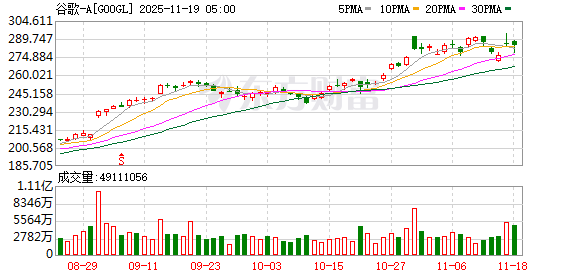
Core Insights - Google has launched its next-generation large language model, Gemini 3, which is now integrated into key products such as Google Search, Gemini applications, API interfaces, and VertexAI, marking it as the company's "smartest model" to date [2] - The market's focus has shifted from model upgrades to the actual revenue generation and return on investment from these models, influenced by rapid iterations from competitors like OpenAI and Anthropic [2][5] Group 1: Gemini 3 Launch Strategy - Gemini 3 is deployed in Google Search on the same day of its release, unlike previous versions that took weeks to integrate, allowing AI-generated search results to cover billions of search queries immediately [4] - The consumer-facing generative search is more prominent, with Gemini 3 providing structured and visual responses, resembling interactive web pages rather than traditional link lists, potentially impacting websites reliant on traffic monetization [4] - Google emphasized the performance advantages of Gemini 3, showcasing its leading results in industry benchmarks and the ability to push updates to users more rapidly [4][5] Group 2: Gemini Agents and Enterprise Focus - Google introduced "Gemini Agents," a systematic AI assistant capable of executing multi-step tasks, such as organizing emails and planning travel itineraries, marking a significant step in creating a general-purpose assistant [7] - The company announced the "Antigravity" development platform for enterprise clients, allowing AI agents to perform coding tasks, which strengthens Google's position in the enterprise AI tools market [7] - The Gemini application interface has been revamped to focus on structured layouts and visual content, enhancing the ability to answer complex questions and increasing user engagement [7]

谷歌推出Gemini3!模型竞赛转向“落地速度”?上线首日即接入搜索体系
Di Yi Cai Jing· 2025-11-18 23:40
Core Insights - Google has launched its next-generation large language model, Gemini 3, which is integrated into key products like Google Search, Gemini applications, API interfaces, and VertexAI from the day of its release, marking it as the company's "smartest model" [1] - The market's focus has shifted from merely upgrading models to assessing whether these models can drive revenue growth and deliver substantial returns for core businesses, influenced by rapid iterations from competitors like OpenAI and Anthropic [1][3] Group 1: Gemini 3 Launch Strategy - Gemini 3 is deployed in Google Search on the same day of its release, allowing AI-generated search results to cover billions of search requests immediately, unlike previous versions that took weeks to integrate [2] - The model emphasizes consumer-facing generative search, providing more structured and visual responses that resemble interactive web pages rather than traditional link lists, potentially impacting websites reliant on traffic monetization [2] - Google showcased Gemini 3's performance advantages in various industry benchmarks, highlighting its faster rollout to users and closer support for the developer ecosystem [2] Group 2: Market Sentiment and AI Agents - Market sentiment remains cautious due to underwhelming performance of some AI products from Meta and management upheavals at OpenAI, leading investors to be reserved about the commercialization speed of large models [3] - Google introduced "Gemini Agents," its first systematic AI assistant capable of executing multi-step tasks, which includes organizing emails, planning travel itineraries, and performing complex tasks across different applications [4] - The company announced a development platform named "Antigravity" for enterprise clients, allowing AI agents to perform coding tasks, indicating Google's intent to strengthen its position in the enterprise AI tools market [4]
Sora做社交,ChatGPT上广告,OpenAI正在复刻早期的Facebook?
美股IPO· 2025-10-26 03:30
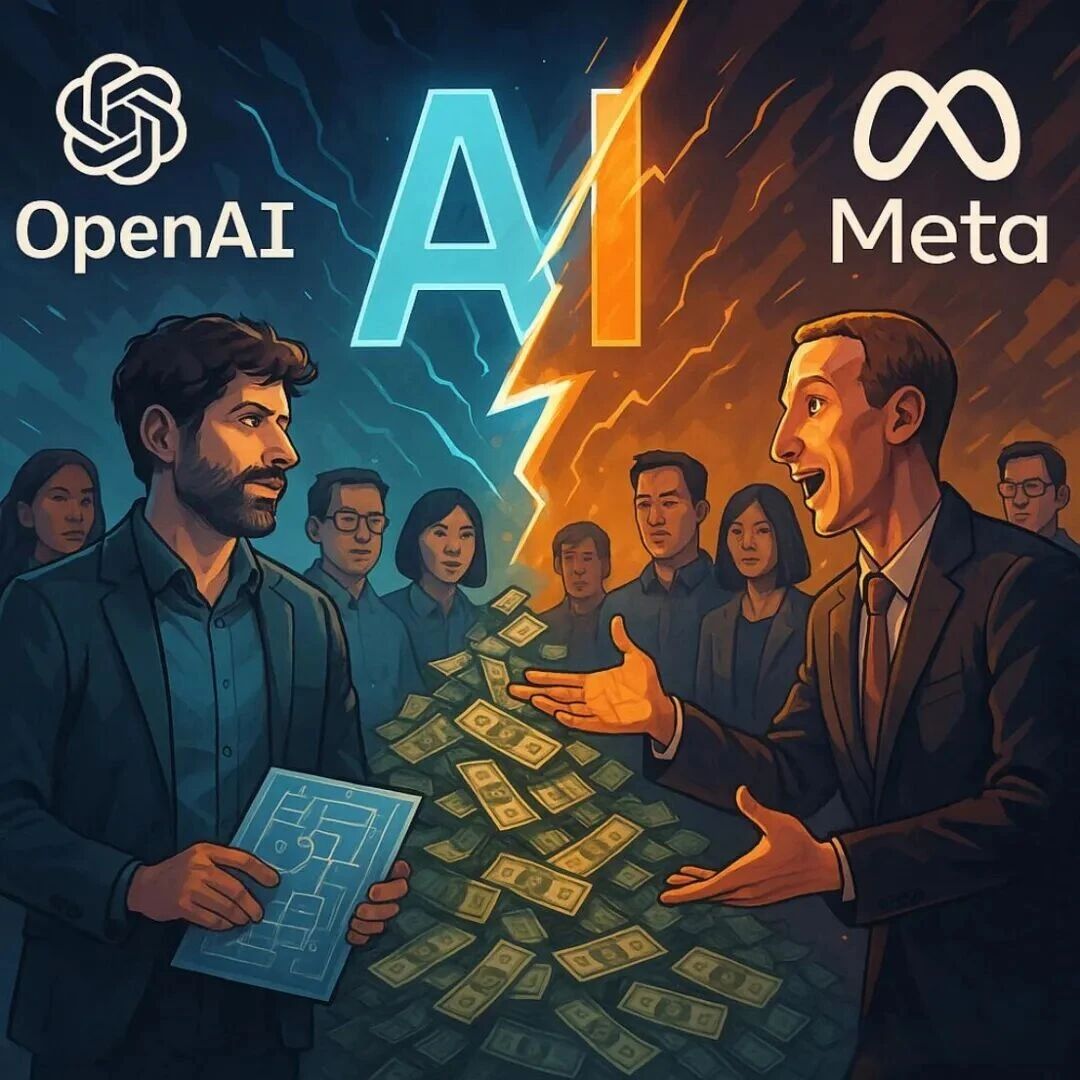
Core Insights - OpenAI is increasingly adopting a Meta-like development strategy, focusing on user growth and commercialization, transitioning from an idealistic research lab to a growth-oriented commercial giant [1][3][4] Group 1: Strategic Shifts - OpenAI has introduced a video application, Sora, which is rapidly gaining popularity in app stores, but this shift has raised internal concerns about content moderation and platform governance [3][4] - The company is softening its stance on advertising, with CEO Sam Altman acknowledging that certain ads could add value for users, contrasting with his previous view of ads as a last resort [3][4][8] - OpenAI's valuation pressure, reaching half a trillion dollars, is driving its transformation into a mature tech giant, raising questions about maintaining innovation and brand reputation while embracing commercialization [4][8] Group 2: Workforce and Culture - Approximately 20% of OpenAI's 3,000 employees have previously worked at Meta, leading to concerns about the company's culture becoming too similar to Meta's, particularly regarding content moderation and user privacy [5][6] - The influx of former Meta employees has resulted in significant leadership changes, with key positions filled by individuals with Meta backgrounds, raising internal concerns about the company's direction [5][6] Group 3: User Engagement and Metrics - OpenAI is shifting its product strategy to prioritize user growth, aiming for 1 billion weekly active users for ChatGPT, emphasizing quantity over quality [6][7] - The focus on user engagement metrics has permeated core research activities, causing unease among employees who fear the company may prioritize engagement over innovation [7][9] Group 4: Advertising and Revenue Generation - OpenAI is exploring advertising as a revenue source, with a dedicated team investigating how to integrate ads into ChatGPT based on user data, mirroring Meta's advertising model [8][9] - The company's rapid growth, with employee numbers increasing from 800 to 3,000 and revenue reaching $4.3 billion in the first half of the year, underscores the need for sustainable revenue sources [8][9] Group 5: Internal Dynamics and Balance - Despite the "Meta-ization" trend, there are mixed feelings within OpenAI, with some employees welcoming the business discipline brought by former Meta staff while others are concerned about preserving the research culture [9][10] - OpenAI is attempting to balance commercial success with a healthy product ecosystem, implementing features to prevent user overindulgence while pursuing growth [9][10]

AI商业化落地提速,产业协同进入新阶段
Soochow Securities· 2025-10-19 12:03
Group 1 - The core viewpoint of the report highlights the acceleration of AI commercialization and the entry into a new phase of industrial collaboration, driven by technological innovation and business application [2][6] - Walmart's partnership with OpenAI to integrate its product catalog into ChatGPT signifies a major step in AI-driven retail, enhancing the shopping experience from search to checkout, resulting in a nearly 5% increase in Walmart's stock price [5][6] - OpenAI's recent collaborations with major companies like Amazon AWS and Broadcom indicate a strategic shift from being a technology platform to becoming a core hub in the AI economic system, showcasing a strategy of vertical integration and horizontal penetration [2][6] Group 2 - Anthropic's release of the Claude Haiku 4.5 model demonstrates significant advancements in AI model performance at a lower cost, enhancing the ecosystem of AI applications in enterprise automation and customer service [3][6] - Baidu's upgrade of its Wenxin assistant to support eight modalities of AIGC creation, including real-time interactive digital humans, reflects ongoing breakthroughs in multi-modal and intelligent interaction capabilities within the domestic market [5][6] - The report suggests a shift in focus from hardware upstream to software applications, recommending investment in sectors like innovative pharmaceuticals, gaming, and short video platforms, as well as consumer electronics [6]
ChatGPT成OpenAI营收主力军,2025年预计收入近百亿,2030年增长预期再提升
Sou Hu Cai Jing· 2025-09-07 04:26
Group 1 - OpenAI is expected to achieve nearly $10 billion in revenue from ChatGPT in 2025, contributing to a total revenue of $13 billion, while operating costs are projected to exceed $8 billion, an increase of $1.5 billion from previous estimates [1] - The revenue forecast for 2030 has been raised by approximately 15%, indicating continued optimism regarding the commercialization prospects of artificial intelligence [1] Group 2 - ChatGPT's revenue structure is driven by both enterprise services and personal subscriptions, with ChatGPT Enterprise establishing long-term partnerships with major tech companies and traditional industry leaders, generating significant revenue [3] - The number of ChatGPT Plus paid users has surpassed 120 million, with a subscription fee of $20 per month, ensuring stable cash flow and creating a positive feedback loop for model optimization [3] Group 3 - Collaborations with third-party platforms, including deep integration with Apple and Android app stores, are expected to generate over $1 billion in revenue this year [4] - OpenAI's success is attributed to its ability to meet enterprise digital transformation needs and user personalization demands, effectively converting technological value into commercial value through a combination of general models and scenario-based solutions [4]
OpenAI会走向Google的商业化之路吗?
Hu Xiu· 2025-08-26 06:07
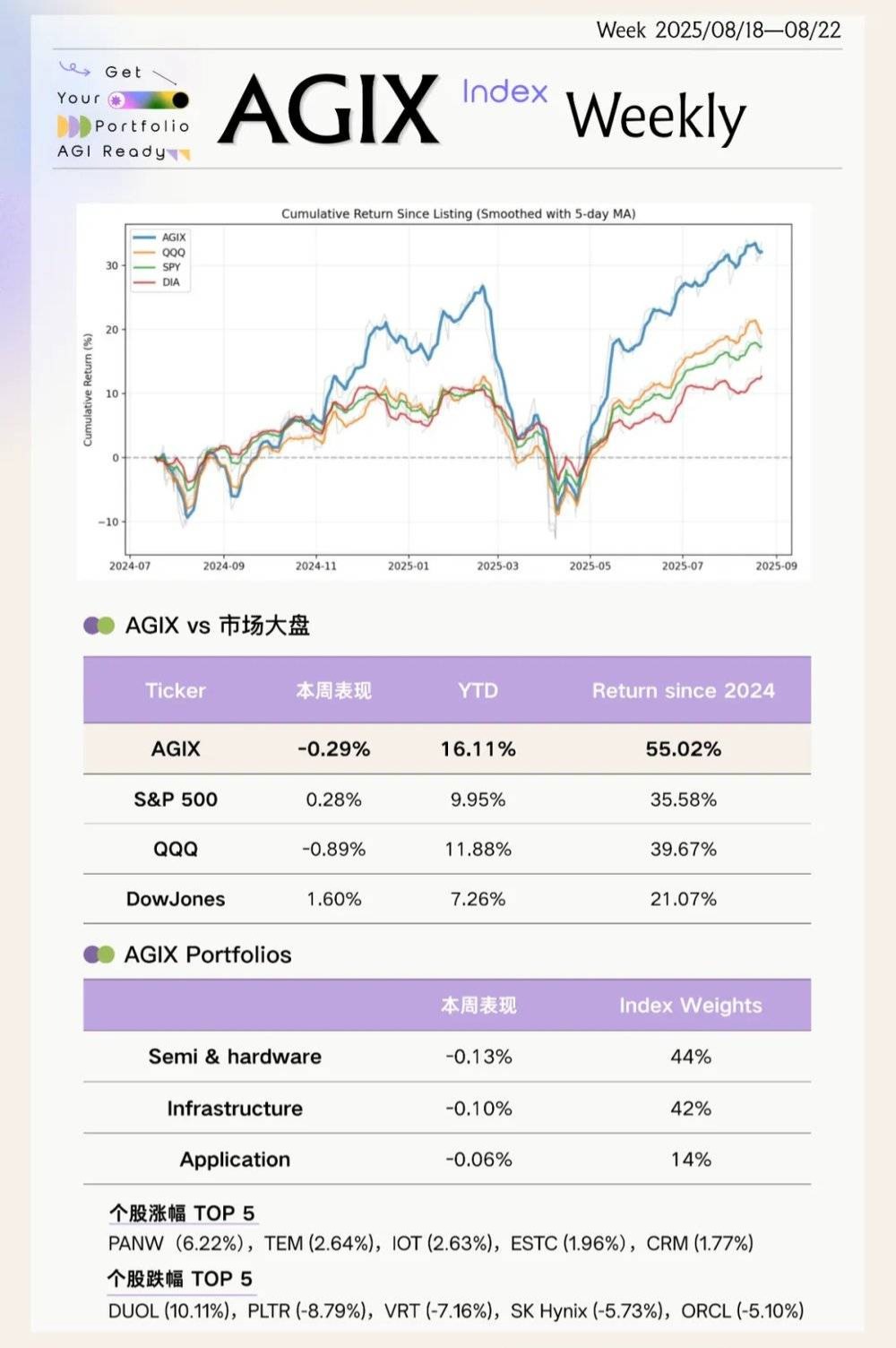
Group 1 - AGIX aims to capture the essence of the AGI era, which is expected to be a significant technological paradigm shift over the next 20 years, similar to the impact of the internet [1] - The "AGIX PM Note" serves as a record of thoughts on the AGI process, inspired by legendary investors like Warren Buffett and Ray Dalio, to witness and participate in this unprecedented technological revolution [2] Group 2 - Semianalysis discusses the commercialization potential of GPT-5 as an AI chatbot engine, highlighting the low marginal cost of serving additional users and the direct relationship between funding, computing power, and better answers [3] - GPT-5 can identify high-value user queries and monetize through a take rate model after assisting users with transactions, targeting nearly 900 million free users [3] Group 3 - OpenAI's potential monetization strategy resembles Google's CPA (Cost per Action) model, which accounts for only 10% of Google's ad revenue, compared to CPC (Cost per Click) which dominates at over 70% [4] - The challenges of CPA arise from the complexity of user transactions in sectors like travel and finance, where multiple comparisons and cross-platform orders complicate attribution [5] Group 4 - The current ChatGPT product's commercialization faces limitations in granularity and conversion rates compared to Google, which thrived by leveraging content creators and enhancing user experience [7] - Google’s model has been criticized for over-inserting ads, damaging user trust and experience, which contrasts with the potential for AI search engines to better understand user needs [8] Group 5 - Two AI-native business models are proposed: one that leverages the asynchronous nature of agents to provide value-based pricing for tasks, and another that addresses the linear marginal costs of LLMs [9][10] - The first model focuses on understanding deep user needs and embedding advertising in a way that enhances user experience, while the second model suggests that advertisers maintain a context database to manage costs associated with token consumption [11] Group 6 - A token auction mechanism is proposed where advertisers bid not for ad space but for influence over LLM-generated content, shifting the value from clicks to content contribution [12][13] - This model aims to ensure that advertisers only pay when their content impacts AI outputs, thus aligning advertising value with the quality of content rather than mere exposure [13] Group 7 - The market summary indicates a structural adjustment in hedge fund allocations, with technology stocks, particularly AI-related sectors, being reduced, while defensive sectors like healthcare are being favored [18] - The net leverage ratio of U.S. markets has decreased significantly, reflecting a cautious outlook among hedge funds, while total exposure has increased due to rising short positions [19][20] Group 8 - Asian markets have shown resilience, with net buying driven by Chinese and Korean stocks, indicating a positive outlook for the Chinese market amid anticipated policy support [21][22] - Asian hedge funds have performed well, achieving a year-to-date return of 10.2%, although still trailing the MSCI Asia Pacific index [23] Group 9 - AGIX demonstrated defensive advantages during a week of global market pressure, with a decline of approximately -0.29%, outperforming the MSCI global index which fell nearly -1% [24] - The performance of hedge funds in the U.S. and Europe showed a decline, while Asian funds managed a slight increase, indicating varying levels of market resilience [24] Group 10 - Google announced an upgrade to its AI Mode, expanding its support to over 180 countries and enhancing features like agentic capabilities for complex tasks and personalized recommendations [25][26] - Elon Musk's new venture, Macrohard, aims to compete directly with Microsoft by developing AI tools for programming assistance and content generation [27] - Meta has signed a significant cloud services agreement with Google Cloud Platform, valued at over $10 billion, indicating strong collaboration in the tech sector [28]

海外进展顺利,关注国内AI商业化进程
China Post Securities· 2025-08-12 02:15
Industry Investment Rating - The investment rating for the computer industry is "Outperform the Market" and is maintained [1] Core Viewpoints - The report highlights the strong demand for AI computing power, driven by increased capital expenditures from major tech companies such as Alphabet, Microsoft, and Meta, indicating a robust growth trajectory for the industry [6] - The release of GPT-5 by OpenAI is expected to accelerate the commercialization of AI applications, enhancing capabilities in various sectors including software development, writing, and financial analysis [5] - The performance of overseas AI application companies has exceeded expectations, suggesting a rapid acceleration in AI commercialization [7][8] Summary by Relevant Sections Industry Basic Situation - The closing index for the computer industry is 4993.28, with a 52-week high of 5440.49 and a low of 2805.53 [1] Relative Index Performance - The relative performance of the computer industry against the CSI 300 index shows a significant upward trend, with a 40% increase observed by August 2025 [3] Recent Developments - Major tech companies have significantly increased their capital expenditures, with Alphabet raising its 2025 capital expenditure guidance from $75 billion to $85 billion, primarily for GPU/TPU servers and data center expansions [6] - Microsoft's Azure cloud service revenue grew by 39% year-on-year, reflecting strong demand for AI and cloud services [6] - Palantir's revenue reached $1 billion, a 48% increase year-on-year, driven by surging AI demand [8]
星展:上调商汤-W目标价至2.1港元 维持“买入”评级
Zhi Tong Cai Jing· 2025-07-31 02:08
Core Viewpoint - DBS maintains a "Buy" rating on SenseTime-W (00020), raising the target price by 16.7% from HKD 1.8 to HKD 2.1 [1] Group 1: Product Development - SenseTime launched the upgraded SenseNova V6.5 at the 2025 World Artificial Intelligence Conference (WAIC), which is considered a top model globally, offering a cost-effectiveness improvement of approximately 5 times compared to its predecessor [1] - The company introduced an embodied intelligence platform, referred to as the "robot brain," to enhance its competitive advantage [1] Group 2: Market Position and Capabilities - SenseTime's leading multimodal generative AI capabilities (text, image, audio, and video processing) benefit from proprietary visual data and strong training and inference efficiency, providing the company with a significant advantage in developing AI applications [1]