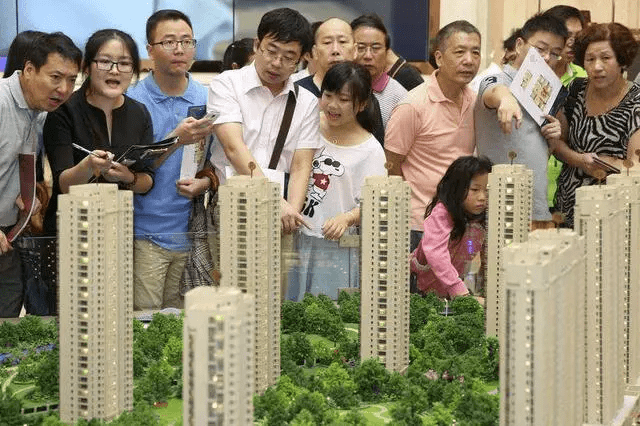
保障性住房建设

Search documents
中央定调:明年将着力稳定房地产市场,保障性住房建设提速,一线城市限购有望再放松
Hua Xia Shi Bao· 2025-12-13 01:23
Core Viewpoint - The Central Economic Work Conference emphasizes stabilizing the real estate market and implementing policies tailored to individual cities to control supply, reduce inventory, and improve housing quality, while encouraging the acquisition of existing homes for affordable housing [3][6][9]. Group 1: Economic Strategy - The conference outlines eight key tasks for economic work in 2026, with a focus on domestic demand and the construction of a robust domestic market, highlighting the importance of real estate in expanding domestic demand [6]. - The need to clear unreasonable restrictions in the consumption sector, particularly in housing, is noted, with expectations for adjustments in purchase restrictions in major cities like Beijing, Shanghai, and Shenzhen [6][4]. Group 2: Real Estate Market Stability - The real estate sector has seen a significant decline in investment, with a year-on-year drop from 9.8% at the beginning of the year to 14.7% by October [7]. - The conference stresses the importance of stabilizing the real estate market, with specific measures to control supply, reduce inventory, and encourage the acquisition of existing homes for affordable housing [7][8]. Group 3: Housing Supply and Policy Reform - The focus on affordable housing and the reform of the housing provident fund system is highlighted as a key direction for future development, linking the acquisition of existing homes with the promotion of affordable housing [9][10]. - The conference indicates that local government special bonds will continue to play a significant role in acquiring idle land and existing homes, with over 4,800 plots of land and a total amount exceeding 650 billion yuan earmarked for acquisition [9]. Group 4: Future Directions - The new model for real estate development will focus on a dual-track system, balancing supply and demand policies to ensure healthy market development, including the introduction of rental and sale-type affordable housing [10]. - The ongoing reform of the housing provident fund system is expected to continue, with over 260 new policies introduced this year, aiming to enhance loan limits and flexibility in usage [10][11].


中央定调:明年将着力稳定房地产市场,保障性住房建设提速,一线城市限购有望再放松 | 2025年终经济观察
Hua Xia Shi Bao· 2025-12-12 13:36
Group 1 - The central economic work conference emphasized stabilizing the real estate market, implementing city-specific policies to control supply, reduce inventory, and improve quality, while encouraging the acquisition of existing residential properties for affordable housing [2][4] - The conference identified "domestic demand as the main driver" and highlighted the importance of real estate in expanding domestic demand, with expectations for continued policy support in 2026 [3][4] - The conference noted the need to address unreasonable restrictions in the consumption sector, particularly in housing, with potential adjustments to purchase restrictions in major cities [3][4] Group 2 - The conference outlined eight key tasks for economic work in 2026, with a focus on stabilizing investment and increasing central budget investment to stimulate private investment and promote urban renewal [4] - Data from the National Bureau of Statistics indicated a continuous decline in real estate development investment, with a year-on-year drop from 9.8% at the beginning of the year to 14.7% in the first ten months [4] - The conference highlighted the urgency of reducing inventory in the real estate sector, with the inventory cycle for new residential properties in 100 cities reaching 27.4 months, significantly exceeding the reasonable range of 14 months [5] Group 3 - The conference emphasized the importance of affordable housing and reforming the housing provident fund system, linking the acquisition of existing properties to the development of affordable housing [6][7] - Local government special bonds have played a significant role in acquiring idle land and existing properties, with over 4,800 parcels of land targeted for acquisition and a total amount exceeding 650 billion yuan [6] - The conference proposed a new development model for real estate, focusing on a dual-track system that balances supply and demand policies to ensure healthy market development [7][8] Group 4 - The reform of the housing provident fund system is expected to continue, with over 260 new policies introduced this year, focusing on increasing loan limits and flexibility in usage [8] - Shenzhen has implemented new regulations to optimize the withdrawal policies for housing provident funds, supporting employees involved in old housing renovation projects [8]

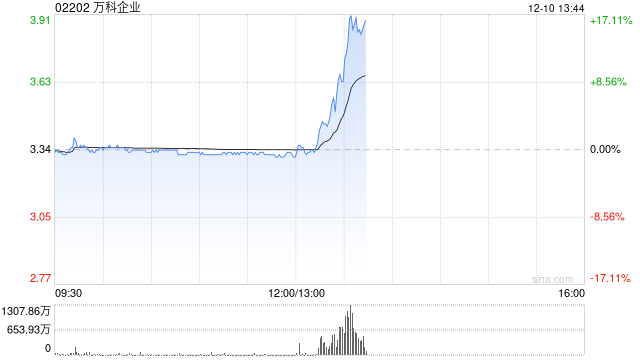
港股内房股午后涨幅扩大,万科企业涨超17%
Xin Lang Cai Jing· 2025-12-10 05:45
港股内房股午后涨幅扩大,万科企业涨超17%,融创中国、融信中国涨超12%,世茂集团涨超10%,金 辉控股、雅居乐集团、中国金茂涨超9%。 | 内房股 | | | | --- | --- | --- | | 325.708↑+12.421 +3.96% | | 交易中 | | 图易同网 | | | | 最高价 327.227 | 开盘价 316.001 | 成交量 10.08亿 | | 骨低价 311.888 | 昨收价 313.286 | 成交额 20.86亿 | | 市盈率 -3.389 | 换手率 0.64% | 总市值 6400.78亿(1) | | 市净率 0.461 | 平均价 319.558 | 流通值 6024.46亿 | | 上 涨22 | 平 盘0 | 下 跌 0 | | 52周最高 392.494 | 历史最高 1246.202 | | | 52周最低 271.198 | 历史最低 208.771 | | 12月8日,中指研究院发布2025年11月中国住房租赁企业规模排行榜。2025年11月,TOP30企业开业规 模榜合计开业房源量增长至140.9万间,管理规模榜合计管理房源量增长至200 ...

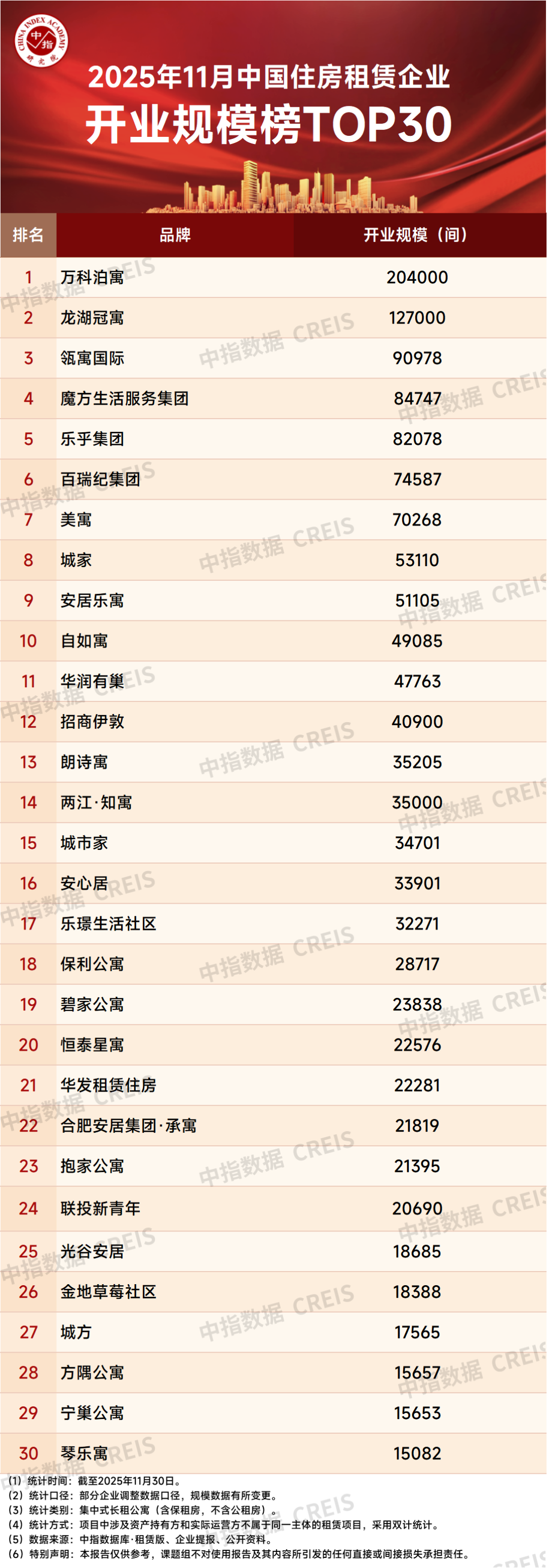
中指研究院:11月TOP30企业开业规模榜合计开业房源量增长至140.9万间
智通财经网· 2025-12-08 09:45
智通财经APP获悉,12月8日,中指研究院发布2025年11月中国住房租赁企业规模排行榜。2025年11月,TOP30企业开业规模榜合计开业房源量增长至 140.9万间,管理规模榜合计管理房源量增长至200.7万间。2025年11月,住房租赁行业进入传统淡季,50城住宅平均租金为34.36元/平方米/月,环比下跌 0.60%,同比下跌3.57%。11月重点22城共成交191宗涉宅用地,合计规划建筑面积约1357万平方米,其中上海成交5宗涉租用地,租赁住房规划建筑面积 约6.7万平方米。 中央层面强调要为保障性住房建设提供金融支持,如专项债收储、保障性住房再贷款等。地方层面,上海推动保障性住房扩容提质,北京"十五五"时期将 完善"市场+保障"的住房供应体系、租购并举的住房制度。佛山、成都、重庆支持通过存量转化的方式增加保障性住房/保租房供给。天津支持REITs高质 量发展,完善项目储备库。广州、天津出台租赁补贴相关政策,减轻居民租房负担。 企业格局 1.规模排行 | | 2025年11月中国住房租赁企业 | | | --- | --- | --- | | | 开业规模榜TOP30 | | | 排名 | 品牌 | ...
北京“十四五”建设筹集67万套保障房
Bei Jing Shang Bao· 2025-11-23 15:32
Group 1: Housing Supply and Urban Renewal - During the "14th Five-Year Plan" period, Beijing has constructed and collected over 670,000 units of various types of affordable housing, with 430,000 units completed [1] - A total of 78 million square meters of old residential area have been renovated, achieving a 98% implementation rate [5] - The city has initiated the reconstruction of 1.04 million square meters of dilapidated housing and has fully advanced the resolution of D-grade dangerous buildings [1][5] Group 2: Public Rental Housing - The public rental housing registration family guarantee rate has reached 85.5%, up from 42.5% in 2020, meeting the target set for the end of the "14th Five-Year Plan" [3] - Over the past five years, 240 batches of public rental housing allocations have been conducted, providing approximately 136,000 units [3] - A total of 33 billion yuan in market rent subsidies and 24 billion yuan in public rental housing rent subsidies have been distributed to enhance the rental burden capacity of beneficiaries [3] Group 3: Affordable Rental Housing for New Citizens - Since 2022, Beijing has actively developed affordable rental housing to meet the needs of new citizens and young people, exceeding the target of 400,000 units set for the "14th Five-Year Plan" [4] - The city has utilized collective construction land to build nearly 130,000 units of affordable rental housing, the largest total in the country [4] Group 4: Financial Sector Development - The financial sector's added value in Beijing increased from 6,804.1 billion yuan at the end of 2020 to 8,154.2 billion yuan by the end of 2024, contributing significantly to the city's economic stability [8] - The financial industry contributes approximately 20% to the city's GDP, local public budget revenue, and local tax revenue, with a 40% contribution to total tax revenue [7][8] Group 5: Risk Management in Financial Sector - Over the past five years, the disposal of non-performing loans in Beijing has increased by 1.4 times compared to the "13th Five-Year Plan" period, with a non-performing loan rate of 0.7% [10] - The capital adequacy ratio of banks in Beijing stands at 16.58%, exceeding the national average by 1.22 percentage points [10]

党的十八大以来我国累计改造30多万个老旧小区
Xin Hua Wang· 2025-11-20 09:18
Core Points - The Chinese government has built over 68 million units of various types of affordable housing and relocation housing since the 18th National Congress, benefiting more than 170 million people with housing difficulties [1] - The government has also renovated over 300,000 old communities, improving living conditions for more than 130 million urban residents [1] Group 1: Housing Construction and Improvement - The government is accelerating the construction of affordable housing to meet the basic housing needs of disadvantaged groups, implementing policies tailored to local conditions [1] - A multi-tiered housing security system has been established, including public rental housing, affordable rental housing, and allocated affordable housing, catering to different groups such as low-income families, new citizens, and youth [1] - The approach combines monetary subsidies and physical guarantees, with a focus on demand-driven construction and procurement [1] Group 2: Renovation Projects - The government is prioritizing renovation projects that address urgent issues faced by the public, focusing on areas with significant risks and poor living conditions [2] - Support for these projects includes tax incentives, financial loans, land planning, and central subsidies, ensuring diverse funding sources for renovations [2] - The renovation strategy includes a mix of retention, renovation, and demolition based on community needs and the characteristics of the buildings [2]
杭州国企加大力度收购存量商品房
Mei Ri Shang Bao· 2025-11-12 22:27
Core Viewpoint - Hangzhou Anju Group is actively pursuing the acquisition of existing commercial housing to be used for affordable housing, emphasizing a market-oriented and legal approach while publicly soliciting eligible housing sources [1] Group 1: Acquisition Conditions - The acquisition targets are located in eight districts of Hangzhou, prioritizing completed existing commercial housing in central urban areas [2] - Four main conditions for the housing sources include: 1. Suitable location near transportation and facilities, especially around transit stations and business districts [3] 2. Appropriate size, with residential units not exceeding 125 square meters for affordable housing and 70 square meters for rental housing [3] 3. Relative concentration, with a preference for independent buildings or units, and non-residential sources requiring a minimum area of 3,000 square meters [3] 4. Complete documentation, ensuring clear property rights and compliance with financial institution requirements [3] Group 2: Previous Acquisition Examples - Anju Group has been engaged in acquiring existing commercial housing since October 2022, with similar conditions as the current solicitation [5] - The first successful acquisition occurred in May 2023, involving a project named Vanke Heyu Guangnianfu, which included 75 units with a total area of 4,152.3 square meters [5] - The acquired units are set to be operated as affordable rental housing by Anju Group's subsidiary, Anju Ningchao, with expected availability by the end of this year [5]
今明两年买房,5年后会亏得一塌糊涂?曹德旺马光远观点一致
Sou Hu Cai Jing· 2025-11-01 06:14
Core Viewpoint - The real estate market is experiencing a significant downturn, with a notable increase in the number of cities witnessing falling property prices, contrasting sharply with previous trends of rising prices during peak seasons [2][4]. Market Dynamics - As of August this year, only 29 out of 100 key cities in the country saw an increase in new home prices, while 69 cities experienced price declines. In the secondary housing market, only 23 cities maintained rising prices, with 74 cities reporting price drops [2]. - Local governments are attempting to stabilize the real estate market through measures such as relaxing purchase restrictions, lowering down payment ratios, and reducing mortgage rates, but these efforts have had limited success [4]. Future Outlook - The future of the real estate market is expected to show a divergent pattern, with core locations in first and second-tier cities potentially still having room for price increases due to their scarcity and quality resources. In contrast, third and fourth-tier cities may face significant price declines [8]. - Notable figures like Cao Dewang and independent economist Ma Guangyuan predict that the value of real estate will revert to its fundamental nature, suggesting that the market will not see a rebound and that buyers in both high-tier and lower-tier cities may face price adjustment risks [10][11]. Factors Influencing the Market - A rapid decline in rigid housing demand is observed, as people's expectations for future income have decreased, leading many families to abandon their home-buying plans. Central bank surveys indicate a shift towards saving rather than investing or consuming [12]. - The exit of speculative investors from the market is contributing to a shrinking demand for real estate, as the previous profit-driven buying behavior is no longer sustainable in a declining price environment [12]. - The potential introduction of property taxes within the next five years is anticipated to increase holding costs and suppress speculative behavior, further impacting property values [12]. - The acceleration of affordable housing construction is expected to diversify the real estate market, with various housing options coexisting, thereby redistributing demand away from traditional commodity housing [13].
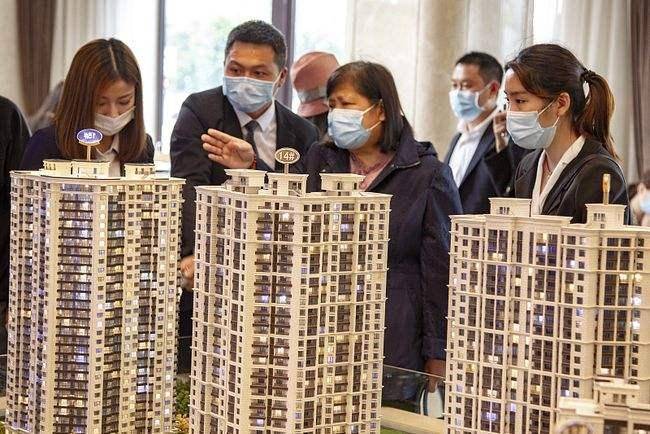
今明两年买房,是吃亏还是捡漏?房产趋势给出答案
Sou Hu Cai Jing· 2025-10-26 06:12
Core Viewpoint - The Chinese real estate market, which has seen significant price increases since the housing reform in 1998, is now experiencing a downturn, with average prices declining from a peak of 11,000 RMB per square meter to 9,560 RMB, a drop of over 15% [2] Group 1: Market Trends - Since the implementation of housing reform in 1998, the average national housing price has surged from 2,000 RMB to 11,000 RMB per square meter, marking an increase of 5.5 times [1] - In major cities like Beijing, Shanghai, and Shenzhen, housing prices have skyrocketed from 3,000 RMB to 65,000 RMB per square meter, with a cumulative increase exceeding 20 times [1] - As of June this year, 34 out of 70 major cities have housing prices lower than two years ago, with 27 cities seeing prices revert to three years ago levels [2] Group 2: Sales Performance - In the first eight months of 2022, new housing sales in 100 cities fell by 44% year-on-year, with first and second-tier cities experiencing a 37% decline [4] - Sales in third and fourth-tier cities also dropped by 25%, totaling 1,083 million square meters [4] Group 3: Government Policies - To stimulate the sluggish market, local governments have implemented various measures, including lowering down payment ratios, reducing loan interest rates, and increasing housing fund loan limits [4] Group 4: Market Sentiment - There are two contrasting perspectives in the market: the optimistic "bullish" camp believes that policy easing will lead to a rebound in housing prices, while the pessimistic "bearish" camp anticipates a prolonged adjustment period [6] - The Chinese government's real estate regulation measures have been extensive, with 651 instances of policy adjustments by 2021, indicating a gradual but significant impact on the market [6] - Factors such as slowing urbanization, saturated housing supply, and declining marriage rates are expected to reinforce the ongoing market adjustment [6] Group 5: Consumer Behavior - Consumer willingness to purchase homes is declining, influenced by economic pressures and job losses, leading many to postpone buying plans [8] - A survey by the People's Bank of China indicates that residents prefer saving over investing or consuming, which may lead to a prolonged adjustment cycle in housing prices [8] - The acceleration of affordable housing construction is expected to divert demand away from the commercial housing market, potentially stabilizing prices [8]
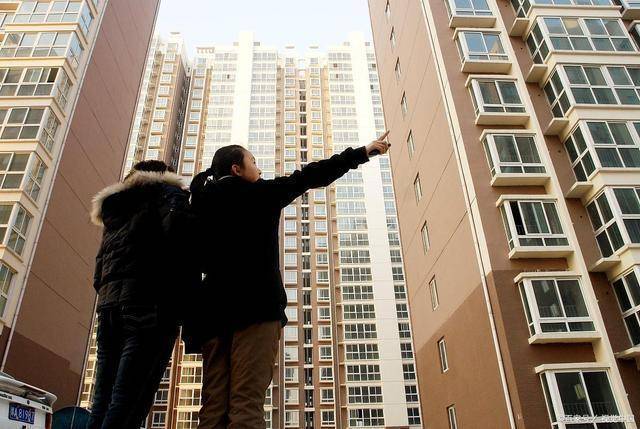
房地产或将迎来4大新变化?内行:已买房的家庭,需提前做准备
Sou Hu Cai Jing· 2025-10-25 06:14
Core Insights - The Chinese real estate market is undergoing unprecedented adjustments, with high property prices remaining a significant challenge for homebuyers [2] - The government has implemented various policies to alleviate the financial burden on homebuyers, including lowering mortgage rates and down payment requirements [4] - The construction of affordable housing is being accelerated to provide housing security for low-income families [5] Group 1: Market Conditions - As of November 2022, the average price of new residential properties in 100 cities reached 16,190 yuan per square meter, while the average price for second-hand homes was 15,911 yuan per square meter, making homeownership increasingly unattainable for ordinary families [2] - The urbanization process in China is nearing its end, with 64% of the population living in urban areas, leading to a significant reduction in the influx of rural residents into cities [7] Group 2: Demographic Changes - The aging population and declining number of young people are significantly impacting the real estate market, with the elderly population exceeding 267 million and expected to surpass 400 million by 2035 [9] - The number of young people is decreasing, with 17.58 million births in 2017 dropping to 10.63 million in 2021, leading to a potential negative population growth in 2022 [9] Group 3: Supply and Demand Dynamics - There is a growing oversupply in the housing market, with 120 million existing homes available, sufficient to meet the needs of 300-400 million people, while over 14 million new homes are supplied annually [10] - 96% of households own at least one home, and 41.5% own two or more, indicating a saturation of housing demand [10] Group 4: Policy Effectiveness - Despite various regulatory measures aimed at stimulating the market, including relaxed purchase restrictions and lower mortgage rates, the overall performance of the real estate market remains sluggish [11] - The inertia of the market adjustment trend suggests that the real estate sector may enter a prolonged period of adjustment and consolidation [11]