反向团圆

Search documents
餐饮破圈新老协同
Bei Jing Shang Bao· 2026-02-23 16:20
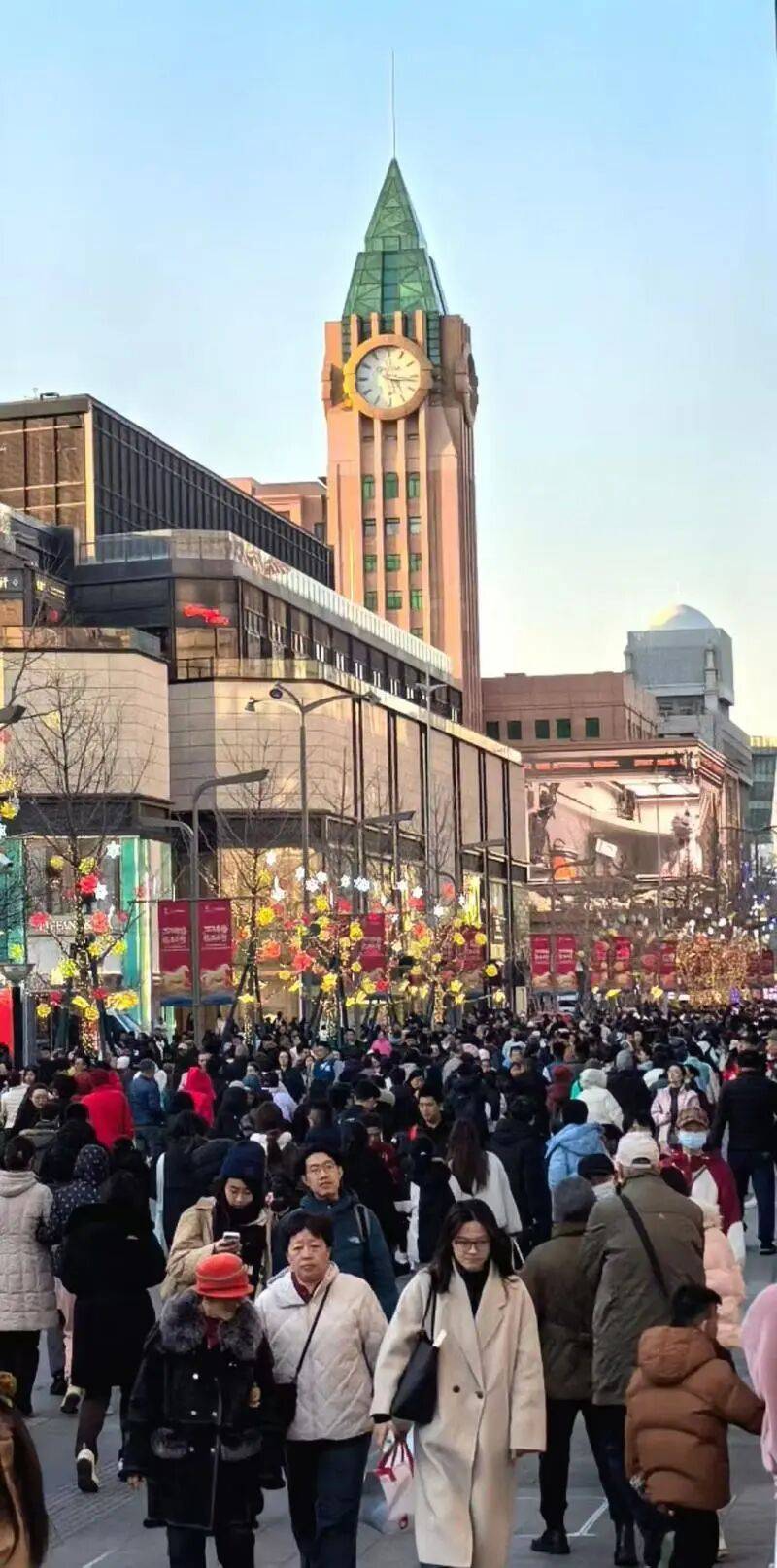
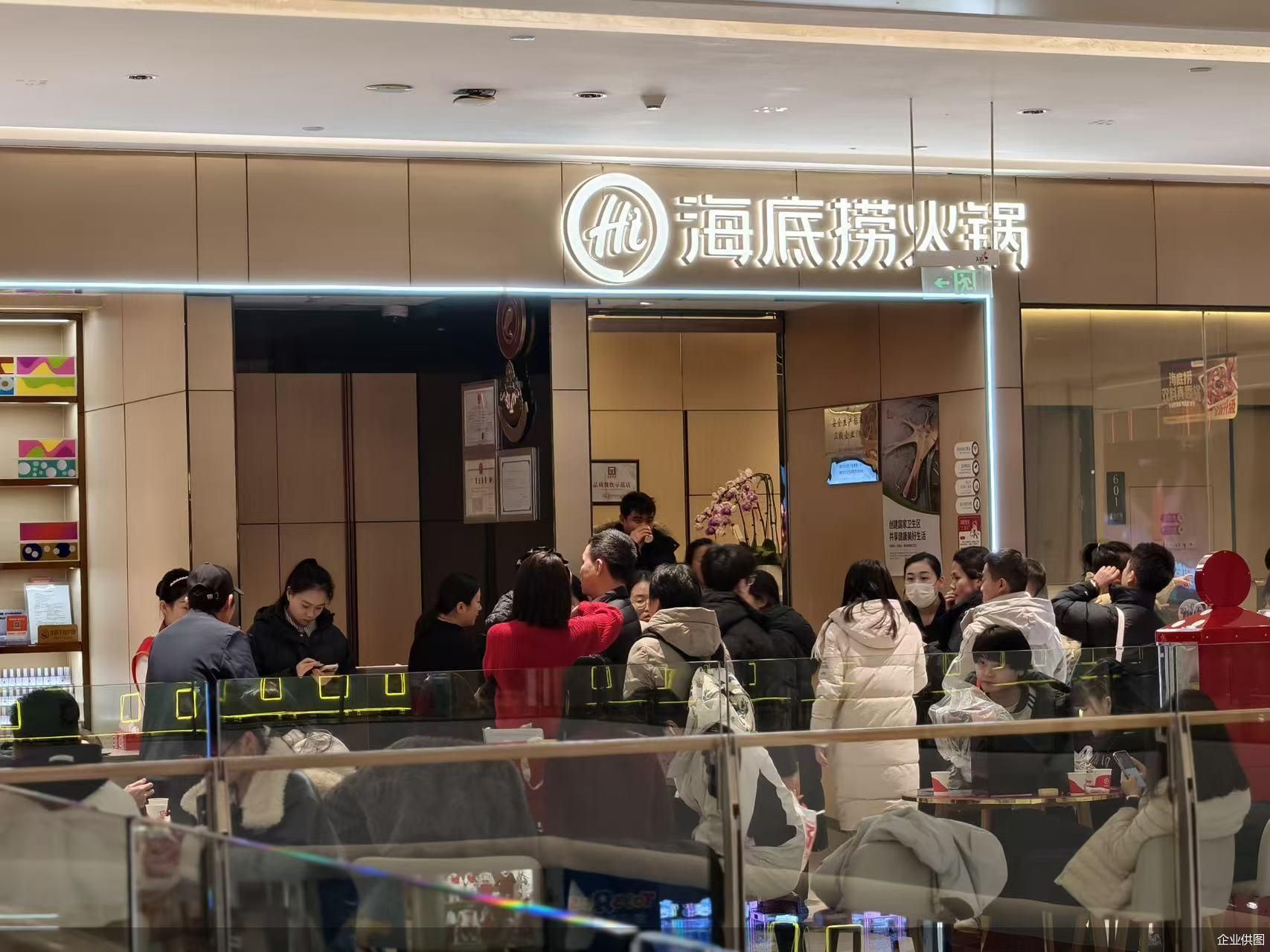
Group 1 - The Beijing dining market experienced a significant increase in customer traffic during the Spring Festival, with some restaurants seeing revenue growth of over 10% compared to the previous year [1][2] - The trend of "reverse reunion" and the integration of cultural tourism have transformed traditional consumption patterns, making Beijing a popular destination for the New Year [1][2] - Major brands like Same Old, Same Old and Qingfeng Baozi Shop reported record customer volumes, with Same Old, Same Old selling nearly 500 large yellow croakers on New Year's Eve alone [1][2] Group 2 - Hot pot chain Haidilao reported an increase in customer traffic of over 18% and 17% in Beijing and Shenzhen, respectively, during the New Year's period [2] - Scenic area restaurants, particularly time-honored brands, saw remarkable performance, with some locations experiencing order volume growth of nearly 40% [2][3] - The integration of traditional brands with cultural tourism has created new consumption highlights, with significant revenue increases reported by restaurants near popular tourist sites [2][3] Group 3 - To meet the high consumer demand, many dining establishments implemented "Spring Festival open" services, extending operating hours and increasing staff [3] - The collaboration between traditional brands and new entrants in the market has led to a thriving dining consumption landscape during the Spring Festival [3] - The overall dining market was activated by a combination of non-stop service, innovative products, and quality experiences, resulting in increased revenue across multiple channels [3]

提前两小时开门营业、客流升至平日数倍 9天长假引燃春节餐饮消费
Bei Jing Shang Bao· 2026-02-23 12:37
Core Insights - The 2026 Spring Festival in China is marked by a record 9-day holiday, leading to a surge in consumer activity in Beijing's dining market, with foot traffic increasing to several times the usual levels [1][3] - The trend of "reverse reunion" and the integration of cultural tourism with dining have made Beijing a popular destination for the New Year [1][3] Group 1: Consumer Trends - "Reverse reunion" has become the core driver of dining consumption during the Spring Festival, altering traditional spending patterns [3] - Major cities like Beijing, Shanghai, Chengdu, and Chongqing have emerged as popular travel destinations, with a new consumption model combining dining and tourism [3] - The search interest for local delicacies, such as "Beijing Niujie snacks," surged by 470% year-on-year, indicating a strong preference for regional cuisine among tourists [3] Group 2: Performance of Dining Brands - Notable dining brands like Qingfeng Baozi and Huatian Yanji Restaurant reported over 10% year-on-year revenue growth during the festival period [1] - Haidilao experienced over 18% and 17% increases in customer traffic in Beijing and Shenzhen, respectively, during the New Year [3] - Traditional restaurants near tourist attractions, such as Gulou Makai Restaurant and Songheju, saw significant increases in customer flow and revenue, with some reporting nearly 40% growth in orders [4] Group 3: Innovations and Strategies - Dining establishments have adopted "Spring Festival open all day" services, extending hours and increasing staff to meet high demand [5] - Tea Baidao implemented subsidy policies for franchisees, resulting in a significant increase in operational stores during the holiday [5] - The collaboration between traditional brands and new products has sparked consumer interest, with innovative offerings from brands like Yili and Shuanghe Sheng driving sales [4][5]

旅游过年、科技年俗,今年春节都有哪些新图景?
Xin Lang Cai Jing· 2026-02-23 04:16
Group 1 - The article highlights the introduction of a dedicated phone booking service for elderly travelers by the railway department, enhancing accessibility and convenience during the Spring Festival travel season [1] - There is a notable increase in ticket bookings for travelers aged 60 and above, with a reported growth of over 35% in flight reservations during the Spring Festival, particularly to first-tier and new first-tier cities [5] - The railway authorities have implemented new measures allowing travelers to cancel mistakenly purchased tickets without incurring fees if done within 30 minutes of payment and more than 4 hours before departure [4] Group 2 - The article discusses the trend of "reverse reunion," where individuals choose to celebrate the New Year in urban areas rather than returning to their hometowns, reflecting a shift in traditional travel patterns [6] - Various cities are providing support for workers who remain in urban areas during the holiday, including free housing and transportation subsidies, to ensure they can celebrate the New Year comfortably [8] - The use of technology, such as AI and virtual communication tools, has enhanced the emotional connection during the holiday, allowing families to maintain traditions despite physical distance [12][15]
“反向团圆”的意义,藏在父母欣慰的笑容里
Xin Lang Cai Jing· 2026-02-23 03:11
Core Viewpoint - The concept of "reverse reunion" has gained popularity during the 2026 Spring Festival, where young people invite their parents to their working cities instead of returning to their hometowns for the holiday, enhancing intergenerational communication and understanding [1] Group 1: Trends in Travel - During the Spring Festival, the ticket booking volume for travelers aged 60 and above increased by over 35% year-on-year, with destinations concentrated in first-tier and new first-tier cities [1] - More than 20% of elderly travelers experienced their first flight during this period, indicating a shift in travel patterns among older generations [1] Group 2: Economic Implications - The cost of tickets for returning to hometowns during the Spring Festival tends to be high, while reverse travel options are more affordable, appealing to young people who prioritize cost-effectiveness [1] - Families can save significantly on transportation costs by opting for "reverse reunion," allowing them to enhance their parents' travel experiences instead [1] Group 3: Cultural Shifts - The definition of "New Year flavor" is evolving, with younger generations valuing the quality of companionship over traditional forms of celebration [1] - The trend of parents visiting their children's cities for the New Year reflects changes in family values and customs amid urbanization [1] Group 4: City Initiatives - Cities are actively promoting various cultural and festive activities to attract visitors for the Spring Festival, with Shanghai offering 2,570 events across seven categories to create a joyful atmosphere [1] - The experience of celebrating the New Year in urban settings can be rich and fulfilling, as evidenced by the activities and landmarks explored by families during their visits [1]
旅游过年、科技年俗 今年春节都有哪些新图景?
Xin Lang Cai Jing· 2026-02-23 02:11
Core Viewpoint - The article highlights the evolving landscape of travel during the Spring Festival in China, showcasing new services and trends that cater to the needs of various demographics, particularly the elderly and those traveling for family reunions. Group 1: New Services and Initiatives - The railway department has introduced a dedicated phone booking service for elderly travelers, enhancing accessibility and convenience during the busy Spring Festival travel period [1] - The introduction of a refund policy by the National Railway Group allows travelers to cancel mistakenly purchased tickets without incurring fees if done within 30 minutes of payment and more than 4 hours before departure [4] Group 2: Travel Trends - There has been a significant increase in ticket bookings for travelers aged 60 and above, with a year-on-year growth of over 35% during the Spring Festival, particularly towards first-tier and new first-tier cities [5] - The concept of "reverse reunion" is gaining popularity, indicating a shift in traditional travel patterns where individuals are opting to host family members in urban areas rather than returning to their hometowns [6] Group 3: Cultural and Community Engagement - Cities are enhancing their cultural offerings during the Spring Festival, with events and activities designed to engage both residents and visitors, such as the over 1000 cultural activities planned in Quanzhou [8] - Local governments are providing support for workers who remain in cities during the holiday, including free housing and transportation subsidies, reflecting a community-oriented approach to the festive season [8]
新春新风新图景温情智慧两相融
Jing Ji Wang· 2026-02-23 02:00
Group 1 - The article highlights the introduction of a new telephone ticket booking service for elderly travelers by the railway department, reflecting a shift in service offerings during the Spring Festival travel season [1] - There is a notable increase in ticket bookings for travelers aged 60 and above, with a reported growth of over 35% in flight reservations during the 2026 Spring Festival, primarily to first-tier and new first-tier cities [4] - The railway authorities have implemented a new policy allowing travelers to cancel mistakenly purchased tickets without a fee if done within 30 minutes of payment and more than 4 hours before departure [3] Group 2 - The concept of "reverse reunion" is emerging, where families are redefining the notion of home and gathering, expanding the geographical boundaries of family reunions [5] - Various cities are providing support for workers who remain in urban areas during the holiday, such as free housing in Shenzhen and transportation and accommodation subsidies in Nantong [9] - The use of technology for virtual family gatherings is increasing, with individuals utilizing AI tools to create personalized messages and virtual presence, enhancing emotional connections despite physical absence [12][14]
新春新风新图景 温情智慧两相融
Ren Min Ri Bao· 2026-02-23 00:19
Core Viewpoint - The article highlights the evolving travel trends during the Spring Festival in China, showcasing new services and changing behaviors among travelers, particularly the elderly and those opting for reverse travel to urban areas instead of returning home [1][5][6]. Group 1: New Services and Initiatives - The railway department has introduced a dedicated phone booking service for elderly travelers, enhancing accessibility and convenience during the busy Spring Festival travel period [1]. - National Railway Group has implemented a new policy allowing travelers to cancel mistakenly purchased tickets without a fee if done within 30 minutes of payment and more than 4 hours before departure [4]. Group 2: Changing Travel Patterns - There is a significant increase in ticket bookings for travelers aged 60 and above, with a reported growth of over 35% in flight reservations during the Spring Festival, particularly to first-tier and new first-tier cities [5]. - The trend of "reverse reunion" is emerging, where families are gathering in urban areas rather than traditional hometowns, reflecting a shift in cultural practices around the holiday [6]. Group 3: Enhanced Travel Experience - Various cities are providing special services and support for travelers, such as free housing for new employment groups in Shenzhen and transportation subsidies in Nantong, to ensure a pleasant experience for those who remain in the city during the holiday [10]. - The article describes the use of technology to maintain family connections, with individuals using AI tools to create virtual experiences that simulate family gatherings, enhancing emotional connections despite physical absence [16][18].
马上评|“反向团圆”的意义,藏在父母欣慰的笑容里
Xin Lang Cai Jing· 2026-02-22 12:44
2026年马年春节,一种名为"反向团圆"的过年方式悄然走红。 所谓"反向团圆",是指年轻人不再回老家过年,而是将父母接到自己工作的城市共度佳节。这种过年方 式既能让父母开阔眼界、放松身心,也可以让父母看看孩子在城市的生活,增强两代人之间的沟通和理 解。这个春节,笔者一家就是"反向团圆"的见证者、实践者。 为迎接"反向团圆"的游客和境外游客,各城市也是动足了脑筋,拿出了十二分的热情。今年春节期间, 上海推出覆盖节庆活动、演出、展览、非遗活动、公共文化活动等七大板块共计2570项活动及多重优 惠,为上海市民留沪过年、外地游客来沪过年营造"处处可乐游、人人有所得"的欢乐氛围。 这次父母来上海过年,从腊月二十七到正月初六,前后八九天时间,丰盛的年夜饭、充满欢声笑语的拉 家常,城市的年味也可以很浓烈。我还带他们打卡了南京路、外滩、东平国家森林公园、西沙湿地、佘 山、泗泾古镇等沪上知名旅游地标,让两位老人的"体验感"拉满。 当"父母奔赴子女所在的城市过年"成为新潮流,虽然春运的方向变了,但团圆的温情从未改变。 更关键的是,通过"反向团圆",年迈的父母可以到孩子打拼的城市实地走一走、看一看,感受都市生活 的点滴细节和时代变 ...
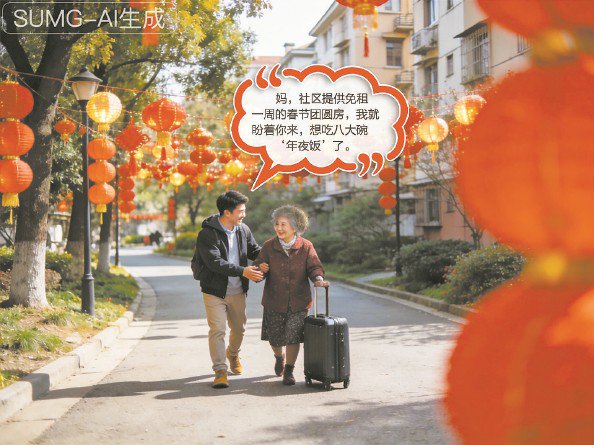
昆明小伙吃上妈妈做的“八大碗”
Xin Lang Cai Jing· 2026-02-22 06:37
Core Viewpoint - The article highlights the trend of "reverse reunion" during the Spring Festival, where young people invite their parents to their cities for the holiday, creating a new way to celebrate family togetherness and cultural traditions [5]. Group 1: Community Initiatives - The community where the protagonist lives offers a "Year Together" program, providing free housing for a week to tenants who bring their families to celebrate the New Year in Shanghai [3]. - This initiative aims to bridge the gap for young people working away from home, allowing them to share their lives with their families during the festive season [3]. Group 2: Cultural Significance - The protagonist's mother brings traditional ingredients for the "Eight Dishes" of Kunming, which symbolizes deep-rooted cultural heritage and family connections [4]. - The "Eight Dishes" is not merely a meal but a significant cultural feast that includes various local ingredients, reflecting the essence of home and tradition [4]. Group 3: Personal Experiences - The protagonist experiences a fulfilling reunion with his mother, enjoying home-cooked meals and quality time, contrasting with previous years of solitude or rushed visits [5]. - The article illustrates the emotional warmth and joy of spending the holiday together, emphasizing the importance of family bonds and shared experiences in a new environment [5]. Group 4: Broader Trend - The trend of inviting parents to urban areas for the Spring Festival is growing among young professionals, indicating a shift in how families celebrate together [5]. - This movement not only enhances familial relationships but also enriches community interactions, as parents become part of their children's lives in a more integrated manner [5].
春节新图景:商圈热、餐饮火|新春消费青观察
Sou Hu Cai Jing· 2026-02-21 10:15
Group 1 - The average daily sales of key retail and catering enterprises in the first four days before the holiday increased by 8.6% compared to the same period in 2025 [1] - The foot traffic and sales in 78 monitored pedestrian streets increased by 4.5% and 4.8% respectively compared to the same period last year [1] - The total number of people entering and exiting Beijing during the holiday is expected to reach 26.709 million, with a daily average of approximately 2.968 million, a year-on-year increase of 3.7% [1] Group 2 - Beijing launched over 460 new spring consumption promotion activities, with the Longfu Temple Spring Market breaking its historical record with a single-day foot traffic exceeding 120,000 [4] - The Dajixiang "Alley Market" aims to explore the cultural heritage of the ancient capital, while other events like the "God of Wealth Parade" and "Lion King in Beijing" combine traditional culture with modern trends [4] Group 3 - The dining consumption scene has been amplified, with Haidilao reporting over 18% and 17% increases in customer traffic in Beijing and Shenzhen respectively during the New Year's Eve and the first day of the new year compared to last year [5] - During the first five days of the Spring Festival, Haidilao served over 7 million customers nationwide, with significant increases in customer traffic on New Year's Eve and the first day of the new year [6] - The overall traffic of the "Must Eat List" increased by nearly 40% compared to last year's Spring Festival, with a nearly 50% increase in cross-regional traffic [6]