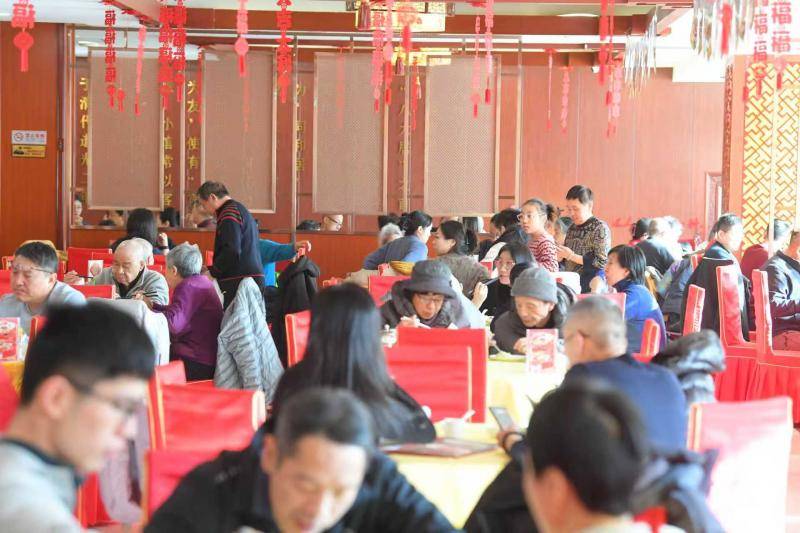
麻酱糖饼

Search documents
炸酱面吃了12万碗、吃小龙虾等4小时 春节北京餐饮热度超预期
Xin Jing Bao· 2026-02-24 05:28
Core Insights - The Beijing dining market experienced a significant surge during the 9-day Spring Festival holiday, with traditional brands becoming essential tourist attractions and long queues becoming the norm [1][2]. Group 1: Revenue and Customer Flow - Many well-known dining enterprises reported a multiple increase in revenue and customer flow during the Spring Festival, with "exceeding expectations" being a common theme among interviewees [1][2]. - The average waiting time for dining at popular restaurants exceeded 1 hour, with some locations seeing order volumes increase by nearly 40% compared to the previous year [2][4]. - Specific restaurants like Hu Da and Fei Da Chu reported customer flow increases of 113% and over 2000 daily customers, respectively, during peak days of the holiday [7][8]. Group 2: Popular Dining Trends - Traditional restaurants near tourist attractions saw a notable increase in customer traffic, with some locations selling out of popular dishes like the "dry-fried big yellow fish" and "sugar pancakes" [2][4]. - The trend of "reverse reunion" led to urban areas becoming new destinations for families during the holiday, while "niche flavors" in smaller towns also gained popularity [8][11]. - Brands like Hai Di Lao reported over 700 million customer visits during the holiday, with significant growth in customer flow in cities like Beijing and Shenzhen [9][11]. Group 3: Operational Adjustments - Many restaurants extended their operating hours and increased staff to accommodate the surge in customers, with some opening earlier than usual to manage the high demand [2][7]. - Innovative service methods, such as using robots for customer interaction, were implemented to enhance the dining experience during peak times [7].

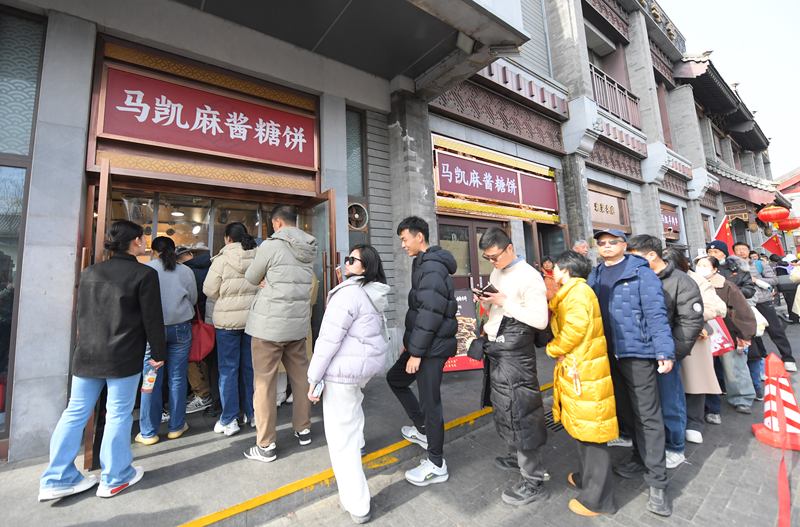
餐饮破圈新老协同
Bei Jing Shang Bao· 2026-02-23 16:20
Group 1 - The Beijing dining market experienced a significant increase in customer traffic during the Spring Festival, with some restaurants seeing revenue growth of over 10% compared to the previous year [1][2] - The trend of "reverse reunion" and the integration of cultural tourism have transformed traditional consumption patterns, making Beijing a popular destination for the New Year [1][2] - Major brands like Same Old, Same Old and Qingfeng Baozi Shop reported record customer volumes, with Same Old, Same Old selling nearly 500 large yellow croakers on New Year's Eve alone [1][2] Group 2 - Hot pot chain Haidilao reported an increase in customer traffic of over 18% and 17% in Beijing and Shenzhen, respectively, during the New Year's period [2] - Scenic area restaurants, particularly time-honored brands, saw remarkable performance, with some locations experiencing order volume growth of nearly 40% [2][3] - The integration of traditional brands with cultural tourism has created new consumption highlights, with significant revenue increases reported by restaurants near popular tourist sites [2][3] Group 3 - To meet the high consumer demand, many dining establishments implemented "Spring Festival open" services, extending operating hours and increasing staff [3] - The collaboration between traditional brands and new entrants in the market has led to a thriving dining consumption landscape during the Spring Festival [3] - The overall dining market was activated by a combination of non-stop service, innovative products, and quality experiences, resulting in increased revenue across multiple channels [3]

提前两小时开门营业、客流升至平日数倍 9天长假引燃春节餐饮消费
Bei Jing Shang Bao· 2026-02-23 12:37
Core Insights - The 2026 Spring Festival in China is marked by a record 9-day holiday, leading to a surge in consumer activity in Beijing's dining market, with foot traffic increasing to several times the usual levels [1][3] - The trend of "reverse reunion" and the integration of cultural tourism with dining have made Beijing a popular destination for the New Year [1][3] Group 1: Consumer Trends - "Reverse reunion" has become the core driver of dining consumption during the Spring Festival, altering traditional spending patterns [3] - Major cities like Beijing, Shanghai, Chengdu, and Chongqing have emerged as popular travel destinations, with a new consumption model combining dining and tourism [3] - The search interest for local delicacies, such as "Beijing Niujie snacks," surged by 470% year-on-year, indicating a strong preference for regional cuisine among tourists [3] Group 2: Performance of Dining Brands - Notable dining brands like Qingfeng Baozi and Huatian Yanji Restaurant reported over 10% year-on-year revenue growth during the festival period [1] - Haidilao experienced over 18% and 17% increases in customer traffic in Beijing and Shenzhen, respectively, during the New Year [3] - Traditional restaurants near tourist attractions, such as Gulou Makai Restaurant and Songheju, saw significant increases in customer flow and revenue, with some reporting nearly 40% growth in orders [4] Group 3: Innovations and Strategies - Dining establishments have adopted "Spring Festival open all day" services, extending hours and increasing staff to meet high demand [5] - Tea Baidao implemented subsidy policies for franchisees, resulting in a significant increase in operational stores during the holiday [5] - The collaboration between traditional brands and new products has sparked consumer interest, with innovative offerings from brands like Yili and Shuanghe Sheng driving sales [4][5]
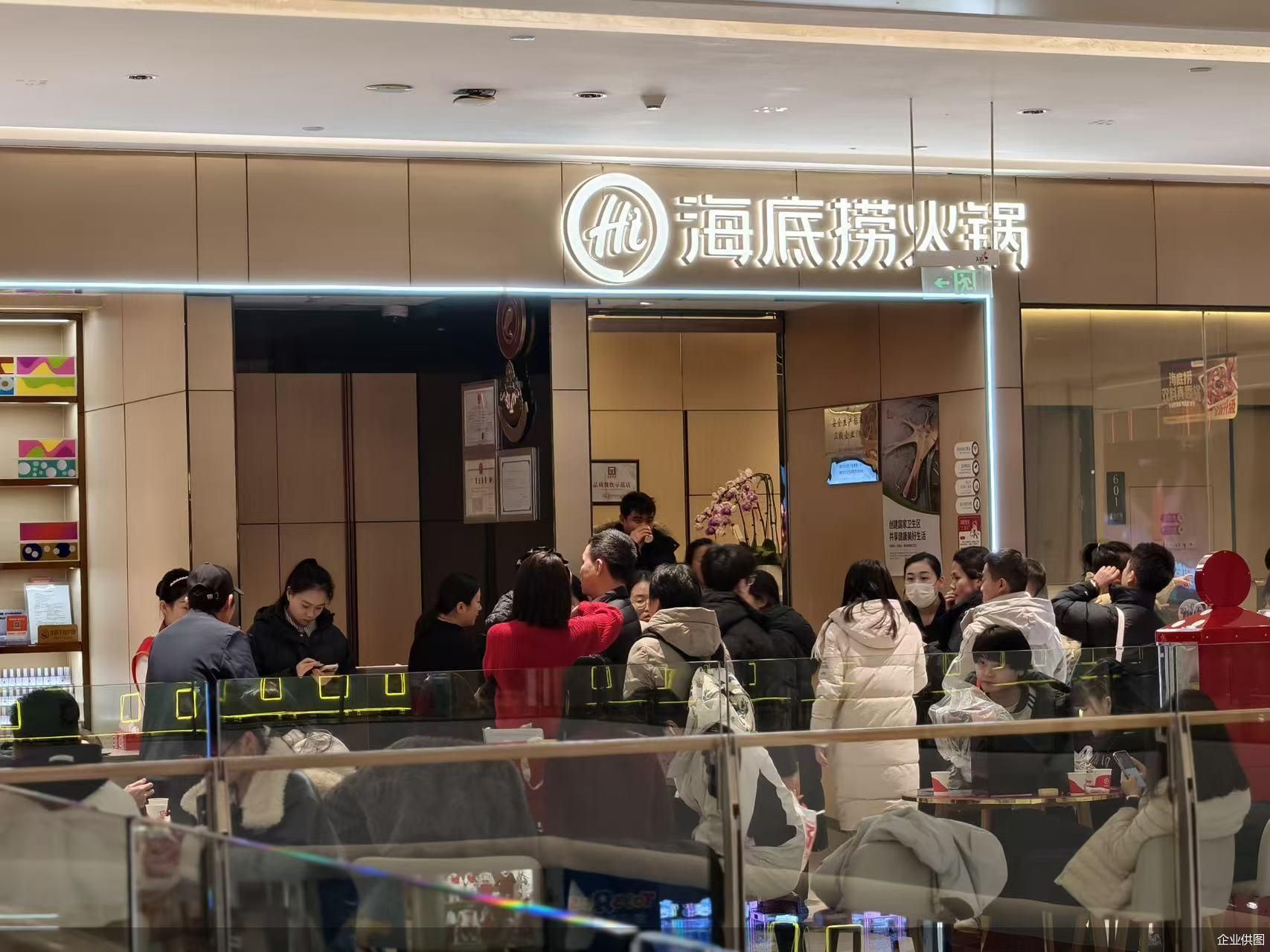
“掌勺权”交替,年轻人当起年夜饭“主理人”丨新年消费青观察
Sou Hu Cai Jing· 2026-02-17 04:54
Core Insights - The "control" of the New Year's Eve dinner is shifting to younger generations, with 80s, 90s, and even 00s taking charge and infusing new creativity into traditional meals [2][4][10] - The younger generation is blending traditional dishes with innovative recipes, creating a new dining experience that reflects their values and preferences [6][10] Group 1: Generational Shift in New Year's Eve Dinner - The younger generation, particularly those from the 90s and 00s, are taking over the preparation of the New Year's Eve dinner, showcasing their creativity and modern interpretations of traditional dishes [2][4] - Examples of new dishes include "Purple Qi East Comes" and "Orange Heart Like" alongside traditional favorites, indicating a blend of old and new [4][6] Group 2: Market Response and Support - The market has responded to the needs of younger cooks by offering "semi-finished" New Year's Eve dinner options, making it easier for them to prepare meals [7][10] - Instant retail platforms and traditional restaurants are capitalizing on this trend, with many offering ready-to-cook meals that require minimal preparation [7][12] Group 3: Changing Consumer Preferences - Younger consumers are increasingly opting for personalized dining experiences rather than pre-set meal packages, reflecting a desire for involvement and customization in their dining choices [12] - The rise of online ordering and pre-ordering features in traditional restaurants indicates a shift in how younger generations engage with dining experiences [12] Group 4: Cultural Impact - The trend of younger generations taking charge of New Year's Eve dinners is fostering a new cultural resonance, with social media discussions around the topic generating significant engagement [12] - This shift is seen as a way to rejuvenate traditional customs, allowing for a modern interpretation that enhances family connections and cultural continuity [10][12]
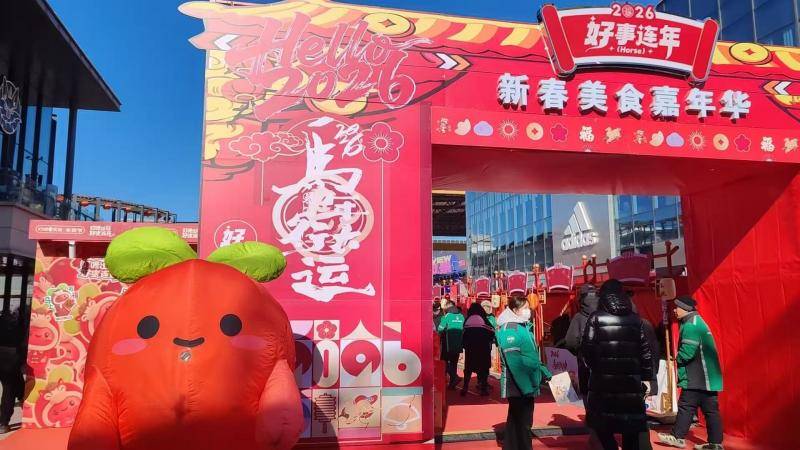
年夜饭预订爆满,北京老字号“焕新密码”是什么?
Bei Jing Qing Nian Bao· 2026-02-15 05:53
Core Insights - The article highlights the booming demand for traditional Beijing restaurants' New Year's Eve dinners, with many establishments fully booked weeks in advance, indicating a strong consumer interest in these historic dining options [1][2]. Group 1: Reservation Trends - Many traditional restaurants in Beijing, such as Bianyifang and Quanjude, reported that their New Year's Eve dinner reservations were sold out, with some bookings made as early as two months prior [2]. - Prices for New Year's Eve dinners range from hundreds to thousands of yuan, with specific packages offered by various restaurants, such as Quanjude's 400 yuan per person package and Bianyifang's 1,000 yuan for 6-8 people [2]. Group 2: Digital Transformation - Traditional restaurants are increasingly adopting digital solutions, including online ordering, VR room previews, and smart ordering systems, to enhance customer convenience and operational efficiency [3][4]. - Data shows that 206 traditional restaurant brands and 6,027 locations have completed their online transformation, with a nearly 9-fold increase in search volume and a 34% rise in order volume on platforms like Meituan [3]. Group 3: Innovation and Health Trends - The focus on health-conscious menu items is becoming a significant trend, with restaurants like Huatiansheng requiring their brands to include healthy options in their offerings [5]. - Creative product development, such as the plush toy representing Quanjude's roast duck, is being used to engage younger consumers and enhance the dining experience [5]. Group 4: Young Consumer Engagement - The proportion of young consumers (under 35) searching for traditional restaurant options has reached 48.5%, indicating a successful appeal to this demographic [5]. - The shift from merely selling products to offering experiences is a key strategy for traditional restaurants to attract younger patrons [5].
年夜饭预订火爆,北京老字号数字化转型激发消费新活力|新春消费青观察
Sou Hu Cai Jing· 2026-02-14 02:26
Core Insights - The article highlights the booming demand for traditional Beijing restaurants, particularly during the upcoming Spring Festival, with many restaurants fully booked for New Year's Eve dinners well in advance [1][3] - Traditional brands are successfully attracting younger consumers by embracing digital transformation, AI integration, and cultural innovation, with 48.5% of searches related to these brands coming from consumers aged 35 and under [1][9] Group 1: Reservation Trends - Many traditional restaurants in Beijing have reported that their New Year's Eve dinner reservations are sold out, with some locations fully booked as early as two months prior [3] - Prices for New Year's Eve dinners range from hundreds to thousands of yuan, with specific packages offered by various restaurants, such as Quanjude's 400 yuan per person package and Bianyifang's 1,000 yuan for 6-8 people [3][4] - The revenue generated from a single New Year's Eve dinner can equal ten days of a restaurant's typical earnings, indicating the significance of this event for restaurant operators [3] Group 2: Digital Transformation - Traditional restaurants are increasingly adopting digital solutions, such as online ordering, VR room previews, and smart dining features, to enhance customer experience and operational efficiency [6][4] - Data shows that 206 traditional restaurant brands and 6,027 locations have completed their online transformation, covering 234 cities nationwide, with search volume on platforms like Meituan increasing nearly ninefold and order volume rising by 34% [6] - The introduction of AI-driven systems has allowed restaurants to automate data collection and customer inquiries, significantly reducing labor costs and improving service efficiency [6][7] Group 3: Product Innovation - Traditional restaurants are focusing on health-oriented and culturally innovative products to appeal to younger consumers, with an emphasis on quality-to-price ratio [9][8] - Innovations include healthier menu options and creative cultural products, such as plush toys representing traditional dishes, which enhance customer engagement and emotional value [9][8] - The shift from merely selling products to offering experiences is evident, as traditional brands adapt to modern consumer preferences while maintaining their cultural heritage [9][7]