反胁迫工具(ACI)

Search documents
欧盟“备战”特朗普关税威胁:若无法达成协议 将对1000亿欧元美国商品征收30%关税
智通财经网· 2025-07-23 12:48
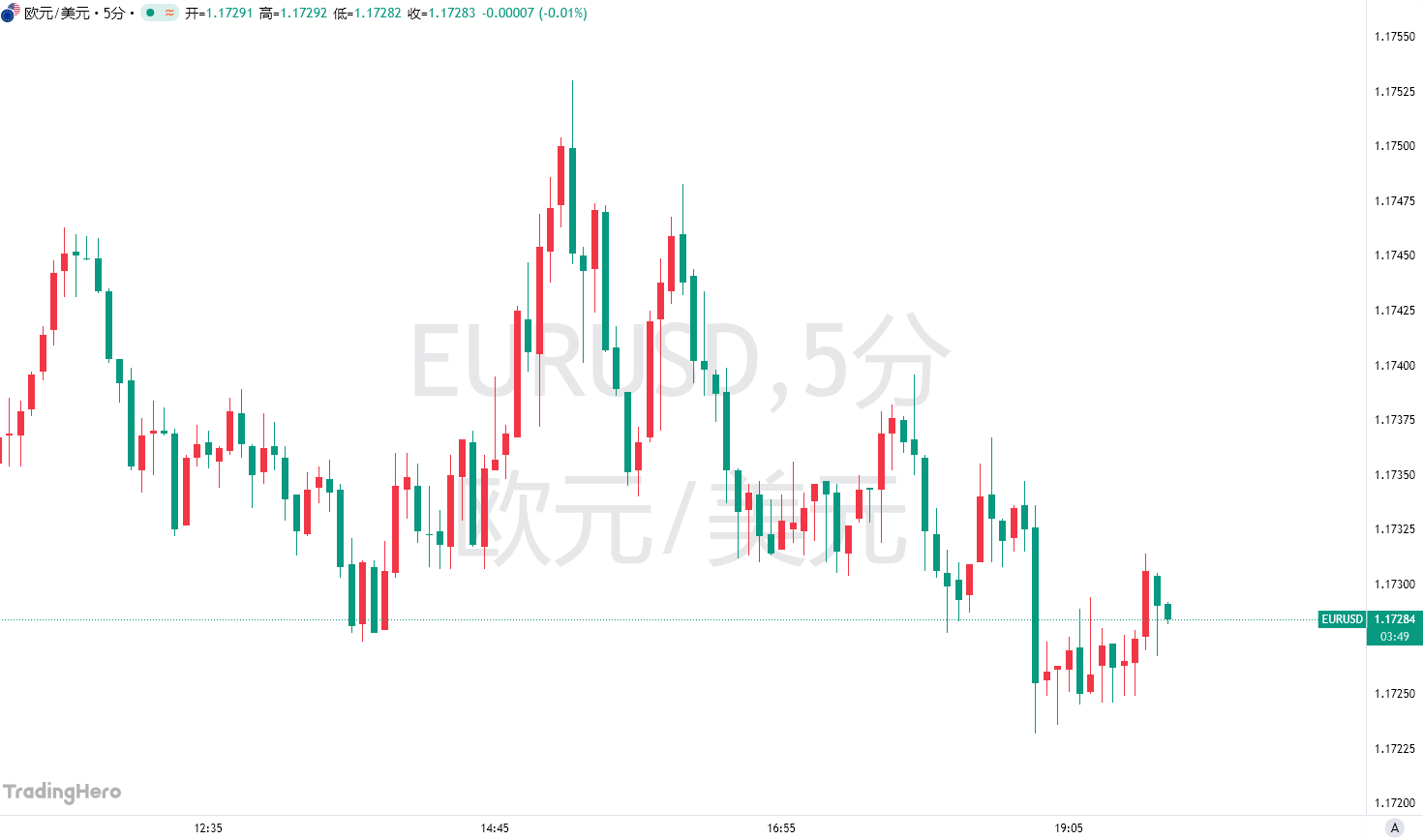
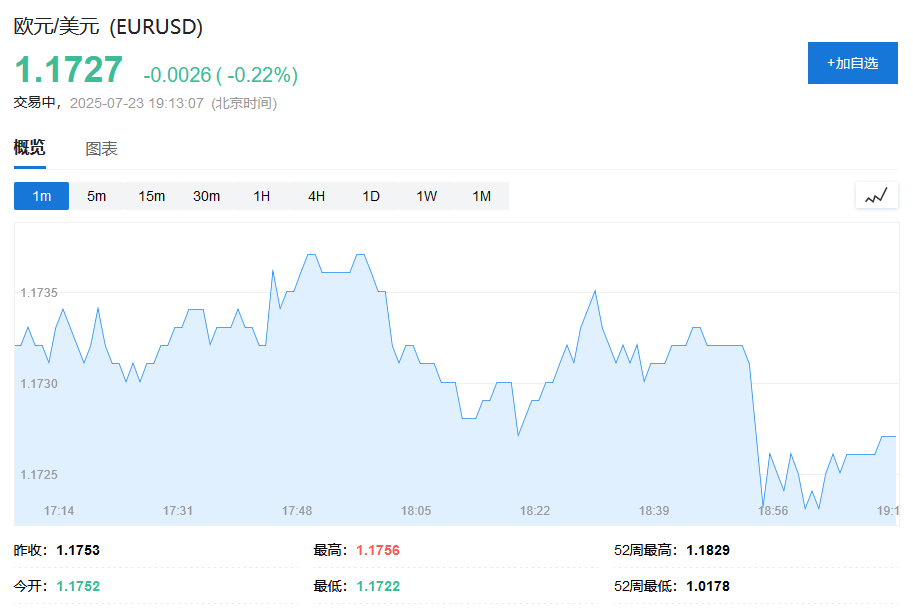
Core Points - The European Union plans to impose retaliatory tariffs on approximately €100 billion (about $117 billion) worth of U.S. products in response to President Trump's threat of a 30% tariff on EU exports starting August 1 [1] - The EU will combine previously approved tariffs on €21 billion worth of U.S. goods with an additional proposed €72 billion tariff list into a single package [1] - The EU's strategy includes continuing negotiations while preparing for retaliatory measures, with a focus on maintaining a strong position against the U.S. [3][4] Group 1 - The U.S. products affected by the tariffs include Boeing aircraft, American-made cars, and bourbon whiskey, with the tariffs set to match Trump's 30% threat [2] - The euro has continued to decline against the dollar, dropping 0.3% to €1 = $1.1723 following the news [3] - Germany is willing to support the activation of the EU's "Anti-Coercion Instrument" (ACI) if no agreement is reached, indicating a strong stance among EU member states [3] Group 2 - The ACI is one of the EU's most powerful trade tools, designed for deterrence and requiring a qualified majority of member states to activate [3] - The European Commission is in discussions with member states regarding the ACI, with some advocating for immediate activation while others prefer to wait and observe developments after August 1 [4] - Ongoing negotiations between EU and U.S. representatives are scheduled to continue, with the EU aiming to break the deadlock before the deadline [4]

准备动用“核选项”?为反制特朗普,欧盟或将启动史上“最强工具”!
Jin Shi Shu Ju· 2025-07-23 12:09
Group 1 - The European Union plans to impose a 30% tariff on approximately €100 billion ($117 billion) worth of U.S. goods in response to U.S. tariffs, which will include products like Boeing aircraft, American-made cars, and bourbon whiskey [2] - The EU's response includes merging two previously approved tariff lists targeting $210 billion and $720 billion of U.S. products into one comprehensive plan [2] - The tariffs are set to take effect next month if no agreement is reached and the U.S. implements its tariffs after the August deadline [2] Group 2 - EU member states, including Germany, are adopting a tougher stance in response to the U.S.'s hardline negotiation tactics, with Berlin willing to support the activation of the EU's "Anti-Coercion Instrument" (ACI) if no agreement is reached [5][6] - The ACI is designed as a deterrent and would allow the EU to initiate broad retaliatory actions, including new taxes on U.S. tech giants and targeted restrictions on U.S. investments [7] - The EU is prioritizing ongoing negotiations with Washington to resolve the tariff dispute before the August deadline, with representatives scheduled to continue talks [7]

8月关税大限逼近,欧盟再度“亮剑”反击:拟对1000亿欧元的美国商品征收30%关税
Hua Er Jie Jian Wen· 2025-07-23 11:58
Group 1 - The EU is preparing a high-intensity countermeasure plan in response to the US tariff threats, potentially imposing a 30% retaliatory tariff on approximately €100 billion (about $117 billion) worth of US products if the US follows through with its tariff announcement [1] - The first round of countermeasures includes a consolidated tariff list of €210 billion worth of US products and an additional €720 billion proposed for taxation, affecting US exports such as Boeing aircraft, American-made cars, and bourbon whiskey [4] - Germany's stance has shifted towards a harder line in negotiations, with support from France for strong countermeasures, indicating a significant shift in the EU's trade strategy from negotiation to a more aggressive response [4][6] Group 2 - The EU's primary goal remains to achieve a mutually beneficial agreement with the US, emphasizing the importance of US sincerity in negotiations [6] - As the deadline for negotiations approaches, internal resistance within the EU is growing, particularly as Germany's patience has worn thin due to the 30% tariff threat [5][6]
欧盟准备千亿欧元“无协议”计划,以应对美国30%的关税
news flash· 2025-07-23 11:04
Core Viewpoint - The European Union is preparing a €100 billion (approximately $117 billion) "no-deal" plan in response to the potential 30% tariffs imposed by the United States on a wide range of EU exports if negotiations fail [1] Group 1 - The EU plans to impose a 30% tariff on U.S. products worth approximately €100 billion if U.S. President Trump follows through on his threat after August 1 [1] - The European Commission spokesperson indicated that the EU will merge the previously approved tariff list of €21 billion and an additional proposed list of €72 billion into a comprehensive plan [1] - U.S. export products, including Boeing aircraft, American-made cars, and bourbon whiskey, will face tariffs matching the 30% threat from Trump [1] Group 2 - The tariffs are expected to be ready for implementation next month, contingent on the failure of negotiations and the U.S. enforcing its tax measures after the August deadline [1] - A government official mentioned that Berlin is even willing to support the activation of the EU's "Anti-Coercion Instrument" (ACI) in the absence of an agreement [1]
关税大限将至,德国态度180度转变!联合法国敦促欧盟准备对美国采取贸易报复措施
Hua Er Jie Jian Wen· 2025-07-23 06:38
Core Viewpoint - The EU is adopting a tougher stance against the US in response to President Trump's announcement of a 30% tariff on EU imports starting August 1, marking a significant shift from negotiation to potential retaliation [1][2]. Group 1: EU's Response Strategy - Germany and France are leading efforts to unify EU member states in support of retaliatory measures against US tariffs, moving from a previously conciliatory approach to a more aggressive stance [2]. - The EU is considering the activation of the "Anti-Coercion Instrument" (ACI), described as a "trade nuclear weapon," which would allow the EU to restrict US companies from participating in EU government procurement and limit trade between the US and EU [3]. Group 2: Retaliatory Measures - If the US proceeds with the planned tariff increase, the EU is prepared to implement a first round of retaliatory tariffs on approximately €21 billion worth of US products, including chicken and jeans, starting August 6 [4]. - A second round of retaliatory measures is being prepared, targeting around €72 billion worth of US goods, including Boeing aircraft and bourbon whiskey, with a vote planned before August 6 [4]. - The EU is also developing a third round of measures aimed at the service sector, which may include taxes on digital services and online advertising revenue [4].
欧美贸易战一触即发 白银行情再破39关口
Jin Tou Wang· 2025-07-23 06:36
Group 1 - The core viewpoint of the articles highlights the impact of the EU's response to US tariff policies, which has led to fluctuations in silver prices, with spot silver closing at $39.29 per ounce, up 0.94% on July 22 [1][2] - The latest data from the CFTC indicates that silver ETF holdings increased to 15,158.37 tons as of July 22, reflecting a rise of 152.58 tons from the previous day, suggesting a bullish sentiment in the market [1][2] - The EU is considering using its "Anti-Coercion Instrument" (ACI) against the US, which may involve retaliatory measures such as restricting US companies' access to the EU financial services market and public procurement projects [2][3] Group 2 - The ACI is designed to allow the EU to retaliate against third countries that attempt to coerce member states through economic means, potentially affecting a market worth €2 trillion annually [3] - The EU has prepared a set of tariff measures targeting $24.5 billion worth of US goods, with further evaluations on imposing additional measures on $72 billion worth of US exports due to failed negotiations [3] - Silver prices are showing strong bullish momentum, with potential targets of $39.50 and $40.00 if the price breaks above the annual high of $39.12, while key support levels are identified at $38.50 and $37.30 [4]
美欧贸易协议前景黯淡,欧盟考虑"核选项"反制
Hua Er Jie Jian Wen· 2025-07-21 13:04
Core Points - The transatlantic trade agreement is on the verge of collapse due to the U.S. demanding harsher trade terms, including increasing the baseline tariff on most European goods from 10% to 15% or higher [1][2] - The EU is considering activating its "Anti-Coercion Instrument" (ACI) as a strong response, which would allow the EU to restrict U.S. access to its service sector, public procurement, and investment [1][4] Group 1: U.S. Demands and EU Response - The U.S. has indicated that the current 25% tariff on automobiles will remain unchanged and may impose a 100% tariff on pharmaceuticals [1][2] - The EU had previously been optimistic about reaching an agreement, with plans to lower tariffs and increase purchases of U.S. energy products and advanced semiconductors [2][6] - The U.S. has rejected the EU's proposal for a "standstill" arrangement to prevent new tariffs after an agreement is reached, citing national security concerns [2][6] Group 2: Internal EU Dynamics - Germany's position has shifted towards a more hardline stance, aligning with France and other EU members who advocate for stronger measures against the U.S. [3][5] - The EU is preparing two sets of retaliatory tariff plans, one targeting $24.5 billion worth of U.S. goods and another for $72 billion, covering a wide range of American products [5] Group 3: Potential for Agreement - Despite rising tensions, EU officials still prefer a negotiated solution and do not plan to initiate retaliatory actions before the August 1 deadline [6] - The activation of the ACI reflects the seriousness of the situation, requiring support from 15 member states representing 65% of the EU population to proceed [6]
欧盟紧急制定“无协议”反制预案,最强贸易武器瞄准美国七寸
Jin Shi Shu Ju· 2025-07-21 01:09
Group 1 - The EU is preparing to respond to potential tariffs imposed by the US, with a meeting scheduled to discuss countermeasures against President Trump's "no deal" scenario [1][4] - The US is pushing for a universal tariff on EU goods exceeding 10%, with only a few exemptions, including aircraft and certain medical devices [1][3] - The EU has already approved a retaliatory tariff plan targeting $210 billion worth of US goods, focusing on politically sensitive products [4] Group 2 - The EU is considering the implementation of the "Anti-Coercion Instrument" (ACI) if negotiations fail, which would grant broad retaliatory powers to EU officials [5][6] - The ACI could allow the EU to impose new taxes on US tech giants, restrict US investments in Europe, and limit US companies' access to EU government contracts [6] - The EU's response strategy includes potential tariffs on $72 billion worth of US goods, targeting products like Boeing aircraft and American-made cars [4]
呼吁欧企暂停在美投资后,马克龙还要推动欧盟放这个大招
Di Yi Cai Jing· 2025-04-04 08:05
Group 1 - France's strategy is to use fines instead of taxes, which has been promoted within the EU [2] - Macron criticized Trump's tariffs as "barbaric" and proposed a temporary halt to European investments in the US until clarifications are made [1][5] - The US has imposed a 20% tariff on the EU, alongside existing tariffs on steel, aluminum, and automobiles [4] Group 2 - Macron predicts that the tariffs will weaken the US economy and make American businesses and citizens poorer [5] - Stellantis announced layoffs of 900 employees in the US due to the impact of the tariffs, indicating a direct consequence of the trade policies [6] - The EU is considering retaliatory measures against US tech companies and may utilize the Anti-Coercion Instrument (ACI) to impose tariffs and restrictions [1][7] Group 3 - The EU's trade deficit with the US was €155.8 billion (approximately $168.6 billion) in goods, while the US had a surplus of €104 billion (approximately $112.6 billion) in services [4] - The ACI allows the EU to impose counter-sanctions against economic coercion, including trade and service restrictions [7][8] - France has been effective in pushing for fines against US tech giants, reflecting a strategic shift in how the EU addresses trade imbalances [8]