
固体废物综合治理

Search documents
“反向开票”利好资源回收企业
Sou Hu Cai Jing· 2026-01-16 22:24
Core Viewpoint - The recent implementation of "reverse invoicing" for resource recovery enterprises selling scrapped products to individuals is a significant reform aimed at addressing industry pain points and promoting comprehensive solid waste management and the circular economy [1][2]. Group 1: Cost Reduction - The previous practice of individuals selling scrapped products without invoices increased operational costs for resource recovery enterprises due to the lack of valid input tax deduction certificates. The introduction of "reverse invoicing" starting April 29, 2024, allows eligible resource recovery enterprises to issue invoices to individual sellers, thereby reducing costs and facilitating industry development [1]. Group 2: Industry Standardization and Confidence - Individuals selling scrapped products through "reverse invoicing" can benefit from tax exemptions and reductions, including a monthly sales threshold of 100,000 yuan for small-scale taxpayers exempt from VAT, a reduced VAT rate of 1%, and a prepayment of individual income tax at 0.5% of sales. This policy not only protects individual rights but also reduces their tax burden, encouraging participation in formal recycling [2]. - Currently, there are 14,800 resource recovery enterprises utilizing "reverse invoicing," with the invoicing amount reaching nearly 900 billion yuan from January to early December 2025. Continuous optimization of tax management systems is underway to enhance tax filing convenience [2].
推动末端治理向全过程防控转变
Xin Lang Cai Jing· 2026-01-16 18:01
Core Viewpoint - The Chinese government has launched a comprehensive solid waste management action plan aimed at promoting green transformation and addressing the challenges of solid waste disposal and recycling in various sectors. Group 1: Action Plan Overview - The action plan outlines the overall strategy, work objectives, key tasks, and support measures for solid waste management in the coming period, addressing prominent issues in solid waste governance [6][8] - It emphasizes a problem-oriented approach, integrating existing management methods across various fields to enhance comprehensive governance throughout the waste management process [6][8] Group 2: Key Principles and Goals - The principles of "reduction, resource utilization, and harmlessness" will guide solid waste management efforts, with a focus on improving resource utilization efficiency [7] - The plan aims to achieve a comprehensive utilization rate of industrial solid waste, which currently stands at 57% [10] Group 3: Specific Initiatives - The plan includes a three-year special rectification action against illegal dumping of solid waste, with a target to identify and rectify 27,000 issues by the end of 2025 [8] - The initiative to build "waste-free cities" will be expanded to around 200 cities, focusing on regions like the Beijing-Tianjin-Hebei area and the Yangtze River Delta [8] Group 4: Sector-Specific Strategies - In agriculture, the focus will be on improving the management of agricultural solid waste, including the promotion of biodegradable materials and better recycling of pesticide packaging [9] - For construction waste, the strategy includes enhancing source management, promoting green construction practices, and implementing comprehensive monitoring mechanisms [9] Group 5: Industrial Waste Management - The industrial sector will see efforts to reduce the generation of industrial solid waste through green design and manufacturing practices, alongside the promotion of advanced recycling technologies [10] - The government will work with relevant departments to ensure the effective implementation of the action plan and the achievement of its objectives [10]

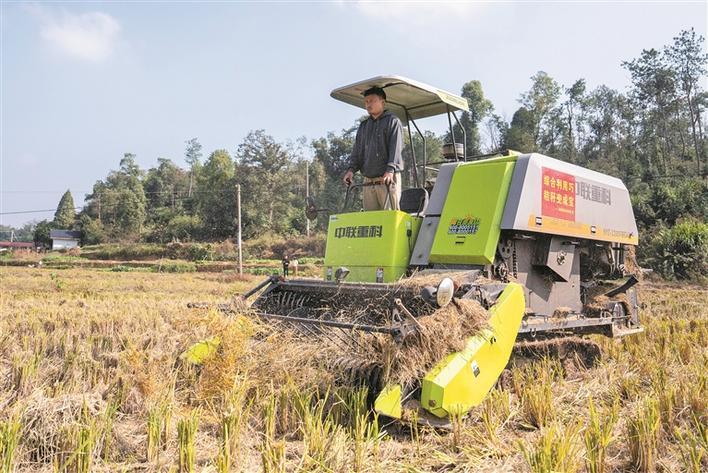
两部门协力推进固废综合治理
Zhong Guo Hua Gong Bao· 2026-01-16 02:16
Group 1 - The first comprehensive action plan for solid waste management in China has been released, aiming to establish a systematic approach to address solid waste issues [1] - The Ministry of Ecology and Environment (MEE) plans to reduce both the generation and accumulation of industrial solid waste, targeting a "double reduction" goal [1] - In 2022, large-scale utilization projects for coal gangue and fly ash in nine provinces of the Yellow River basin reached 128, with over 100 million tons utilized [1] - In the Yangtze River basin, 24 large-scale projects for phosphogypsum utilization were conducted, with over 2.9 million tons utilized [1] Group 2 - The MEE will promote the closure and ecological restoration of tailings and slag sites that meet environmental standards, aiming to remediate over 60% of historical solid waste storage sites by 2030 [2] - The Ministry of Industry and Information Technology (MIIT) reported that the comprehensive utilization rate of major industrial solid waste in China has reached 57% [2] Group 3 - The MIIT emphasizes reducing the intensity of industrial solid waste generation through green design and manufacturing practices, particularly in key industries such as steel and petrochemicals [3] - The MIIT aims to enhance the comprehensive utilization of industrial solid waste and recycled resources, focusing on typical categories like smelting slag and phosphogypsum [3] - The MIIT will continue to implement industry standards and encourage technological innovation and quality control in sectors like scrap steel, copper, aluminum, paper, plastic, and used tires [3]
我国首个针对固废综合治理专项文件出炉
Mei Ri Jing Ji Xin Wen· 2026-01-14 12:21
Core Viewpoint - The "Comprehensive Solid Waste Management Action Plan" aims to establish a systematic approach to solid waste management in China, addressing key issues and promoting a shift from end-of-pipe treatment to a holistic prevention strategy [1] Group 1: Action Plan Overview - The Action Plan outlines the overall strategy, work objectives, key tasks, and support measures for solid waste management, integrating existing management methods across various sectors [1] - It emphasizes a problem-oriented approach and aims to enhance the effectiveness of solid waste management through comprehensive policy measures [1] Group 2: Resource Utilization and Circular Economy - The Action Plan aims to improve the resource utilization efficiency of solid waste, promoting the development of a circular economy [2] - It follows the principles of "reduction, resource utilization, and harmlessness," highlighting the resource attributes of solid waste [2] - Specific measures include source reduction, process control, and resource utilization to create sustainable business models and leverage market forces [2][3] Group 3: Specific Measures for Solid Waste Management - Strengthening comprehensive utilization by directly using industrial, construction, agricultural solid waste without altering their properties [3] - Encouraging the extraction of valuable components from waste products through detailed disassembly and promoting the development of the remanufacturing industry [3] - Promoting the application of recycled materials through institutional and market incentives, establishing standards and certification for recycled materials [3] Group 4: Future Planning and Goals - The National Development and Reform Commission will lead the formulation of the "14th Five-Year Plan" for circular economy development, focusing on key areas and improving resource utilization efficiency [4] - The plan aims to support green and low-carbon transitions and enhance resource security [4] Group 5: Industrial Solid Waste Management - The focus will be on reducing the intensity of industrial solid waste generation through green design and manufacturing practices [6] - The plan encourages the construction of "waste-free" parks and enterprises to lower waste generation and improve the usability of solid waste [6] - It also emphasizes the importance of enhancing the comprehensive utilization of industrial solid waste, particularly in sectors like steel and non-ferrous metals [6][7]
《固体废物综合治理行动计划》出台 如何构建“无废未来”?
Ren Min Wang· 2026-01-14 09:32
Core Viewpoint - Strengthening solid waste comprehensive management is crucial for promoting the construction of a beautiful China and accelerating the green transformation of economic and social development [1] Group 1: Action Plan Overview - The State Council has issued the "Solid Waste Comprehensive Management Action Plan," which, along with previous pollution prevention documents, forms a policy system for pollution control [1] - The Action Plan sets clear goals for 2030, including significant improvements in solid waste management, effective control of historical stockpiles, and a reduction in illegal dumping [1] - The annual comprehensive utilization of major solid waste is targeted to reach 4.5 billion tons, and the annual recycling of major renewable resources is aimed at 510 million tons [1] Group 2: Industrial Solid Waste Management - China generates over 4 billion tons of industrial solid waste annually, accounting for nearly half of the total solid waste, leading to increasing environmental pollution risks [2] - The Ministry of Ecology and Environment emphasizes the need to address both historical stockpiles and the rising new stockpiles of industrial solid waste [2] - Efforts will focus on exploring new channels for large-scale utilization of industrial solid waste and gradually advancing the remediation of historical stockpiles [2] Group 3: Current Status and Initiatives - A survey identified approximately 33 billion tons of accumulated industrial solid waste in China, occupying around 3,500 square kilometers [3] - Over 5,000 tailings ponds have undergone safety inspections and remediation, with more than 2,200 completed in key river basins [3] - The Action Plan calls for accelerating the construction of "waste-free cities" and enhancing unified supervision and management of solid waste pollution prevention [3] Group 4: Strategic Focus Areas - The Ministry of Ecology and Environment will focus on planning guidance, responsibility assessment, regulatory standards, and technological support to enhance solid waste management [3] - The "14th Five-Year Plan" will include solid waste pollution prevention requirements and specific tasks, aiming to address shortcomings in solid waste management [3] - A comprehensive and industry-specific control standard system for hazardous solid waste will be established to reduce the generation of harmful solid waste at the source [3]
新能源汽车动力电池综合利用管理办法即将出台
Cai Jing Wang· 2026-01-14 09:09
Core Viewpoint - The National Development and Reform Commission (NDRC) emphasizes the need to clarify the responsibilities of the government and enterprises in the comprehensive management of solid waste, particularly in the context of the new energy vehicle battery sector [1] Group 1 - The NDRC plans to improve supporting systems and introduce a comprehensive management approach for the recycling of new energy vehicle power batteries [1] - The NDRC will revise the industrial structure adjustment guidance catalog to enhance the regulation of outdated processes and equipment [1] - There will be an increased focus on limiting and phasing out outdated technologies and equipment in the industry [1]
锐财经|固废综合治理能力再提升
Ren Min Ri Bao Hai Wai Ban· 2026-01-14 06:06
Core Viewpoint - The article discusses the release of the "Solid Waste Comprehensive Management Action Plan" by the State Council, which aims to strengthen solid waste management in China as part of the country's green transformation efforts. The plan emphasizes a comprehensive management system based on reduction, resource utilization, and harmless disposal of solid waste [1][2]. Group 1: Overall Strategy and Goals - The "Action Plan" outlines the overall strategy, work objectives, key tasks, and supporting measures for solid waste management in the coming years, addressing prominent issues in solid waste governance with systematic and integrated policy measures [2]. - By 2030, the plan aims for significant improvements in solid waste management, including controlling historical stockpiles, curbing illegal dumping, achieving a comprehensive utilization of 4.5 billion tons of major solid waste, and recycling 510 million tons of main renewable resources annually [2]. Group 2: Sector-Specific Management - In agriculture, the plan highlights the challenges of managing solid waste, with current utilization rates for livestock waste at 80.1%, straw at over 88%, and agricultural film disposal at over 85%. The Ministry of Agriculture will enhance guidance on the scientific use of agricultural film and promote resource utilization of livestock waste [4]. - In urban areas, the plan addresses the large amounts of construction waste generated by urbanization, with the Ministry of Housing and Urban-Rural Development focusing on promoting green construction and improving waste management practices [4]. - For industrial waste, the plan emphasizes controlling the generation and historical stockpiles of industrial solid waste, with the Ministry of Ecology and Environment aiming to explore new channels for large-scale utilization and gradually reduce both new and accumulated waste [5]. Group 3: Promoting Circular Economy - The "Action Plan" aims to enhance resource utilization levels and leverage market forces to promote the development of a circular economy, emphasizing the principles of reduction and resource utilization [6]. - Specific requirements are set for the source reduction, process control, and resource utilization of solid waste, encouraging sustainable business models [6]. - The plan also focuses on the extraction and utilization of valuable components from industrial and agricultural solid waste, promoting the recycling of various materials and the development of remanufacturing industries [6]. Group 4: Future Planning - The National Development and Reform Commission will lead the formulation of the "14th Five-Year Plan" for circular economy development, setting clear goals and tasks for key areas of recycling and utilization of solid waste [7].
固废综合治理能力再提升
Ren Min Ri Bao Hai Wai Ban· 2026-01-14 01:56
Core Viewpoint - Strengthening solid waste comprehensive management is crucial for promoting the construction of a beautiful China and accelerating the green transformation of economic and social development. The State Council has issued the "Solid Waste Comprehensive Management Action Plan" to establish a comprehensive management system based on reduction, resource utilization, and harmlessness [2][3]. Group 1: Overall Strategy and Goals - The "Action Plan" outlines the overall strategy, work goals, key tasks, and supporting measures for solid waste management, aiming for significant results by 2030, including controlling historical stockpiles and achieving a comprehensive utilization of 4.5 billion tons of major solid waste annually [3][5]. - The plan emphasizes a shift from end-of-pipe treatment to a holistic prevention approach, addressing key issues in solid waste management [3][4]. Group 2: Sector-Specific Management - In agriculture, the plan aims to enhance the comprehensive utilization of solid waste, with current utilization rates for livestock manure at 80.1%, straw at over 88%, and agricultural film disposal at over 85% [5]. - Urban areas are targeted for improved construction waste management, promoting green construction and enhancing recycling facilities [5][6]. - The industrial sector will focus on reducing the generation of solid waste and improving the utilization of industrial by-products, with specific measures to manage historical waste stockpiles [6][7]. Group 3: Promoting Circular Economy - The "Action Plan" promotes resource utilization and the development of a circular economy, emphasizing source reduction and resource recycling [7][8]. - Specific requirements are set for the comprehensive utilization of various solid wastes, encouraging the extraction of valuable components and the development of sustainable business models [7]. - The plan also aims to enhance the recycling of materials and establish standards for recycled materials, integrating these practices into corporate social responsibility [7][8].
开展生活垃圾填埋场环境污染隐患等五项专项整治 全链条加强固体废物综合治理
Ren Min Ri Bao· 2026-01-14 01:21
近日,《固体废物综合治理行动计划》发布。1月13日,国务院新闻办公室举行政策例行吹风会,介绍 行动计划有关情况。 围绕主要产废领域,全链条综合治理 加强固体废物综合治理,是推进美丽中国建设、加快经济社会发展全面绿色转型的重要举措。围绕工 业、城镇、农林等主要产废领域,行动计划明确了各环节治理任务。按照全链条综合治理的思路,推动 源头管控和减量,规范收集转运和贮存,提升资源化利用水平,增强无害化治理能力。 国家发展改革委副主任周海兵介绍,针对与群众生活和安全生产密切相关、环境风险隐患突出的重点领 域,行动计划部署开展非法倾倒处置固体废物、生活垃圾填埋场环境污染隐患、建筑垃圾、历史遗留固 体废物堆存场所、磷石膏等5项专项整治。 为抓好落实,周海兵表示,将重点抓好5方面工作: 压实各方责任。明确各部门和各地方的责任分工,同时明确要厘清政府和企业的责任边界,坚持"谁污 染、谁治理",杜绝出现企业赚了钱却留下污染,让政府和社会公众买单。 完善配套制度。推动生态环境法典编纂,修订废弃电器电子产品回收处理、危险废物经营许可、建筑垃 圾管理等法规规章。出台新能源汽车动力电池综合利用管理办法。修订产业结构调整指导目录,加大落 ...
我国首部固体废物综合治理专项文件发布 迈向全链条精准治理
Xin Lang Cai Jing· 2026-01-13 22:55
伴随工业化、城市化进程,工业废物、建筑垃圾、农林业废物等固体废物快速增加,我国每年产生的固 体废物超110亿吨。与大气污染、水污染的区域性、流域性特征不同,固体废物污染点多面广,如何有 效治理是一个世界性难题。 工业固体废物年产生量占固废总量近一半,环境污染隐患不断上升。近年来,由于基建等传统利用渠道 减少,工业固体废物利用难度增大,又造成了新增堆存量进一步增加。"工业固体废物治理不仅要解决 历史存量问题,也要解决新增堆存量上升的问题。"生态环境部副部长李高介绍,去年,生态环境部组 织开展了典型大宗工业固体废物堆存场排查,建立了相关的数据库,初步查明,全国累计堆存工业固体 废物约330亿吨,占地约3500平方公里。下一步,将建立统一规范的管理制度,严格按照"科学论证、制 定规范、主动公开、全程监督"的程序开展规模化消纳利用,并进行跟踪评估,防止综合利用演变成非 法倾倒。 "工业固体废物综合利用是固废治理的重要组成部分,将按照《行动计划》要求着力推动一'降'一'升'工 作。"工业和信息化部节能与综合利用司司长王鹏表示,一方面,降低工业固废的产生强度,通过在生 产前端推行绿色设计、在生产过程中推行绿色制造,从源头 ...