
多元化转型

Search documents
绿地控股2025年预亏160亿元至190亿元,加码新赛道谋求“二次创业”
Hua Xia Shi Bao· 2026-01-14 09:20
Core Viewpoint - Greenland Holdings Group Co., Ltd. is expected to report significant losses for 2025, with net profit attributable to shareholders projected between -19 billion to -16 billion yuan, marking the third consecutive year of losses for the company [2][3] Financial Performance - In 2023 and 2024, Greenland Holdings reported net losses of -9.556 billion yuan and -15.552 billion yuan, respectively [2] - For 2025, the company anticipates a net profit loss of -19 billion to -16 billion yuan, with adjusted net profit (excluding non-recurring items) expected to be between -18.95 billion to -15.9 billion yuan [2] - The company achieved a contract sales area of 7.972 million square meters in 2025, a 21.9% increase year-on-year, with contract sales amounting to 68.099 billion yuan, a 6.53% increase [3] Business Operations - The company plans to focus on stabilizing operations while promoting transformation and risk prevention in traditional sectors like real estate and infrastructure, and accelerating innovation in new sectors such as finance, energy, automotive circulation, and bulk trade [6][7] - In 2025, Greenland Holdings added only three new real estate projects with a land area of 116,400 square meters, indicating a slowdown in project development [3] Debt and Financial Health - As of September 2025, the company's total liabilities reached 943.1 billion yuan, with a cash balance of only 14.946 billion yuan, leading to a debt-to-asset ratio of 89.52% [4] - To alleviate debt pressure, the company proposed a plan to repurchase approximately 1.34 billion USD of its dollar bonds at a two-thirds discount [4] Industry Context - The real estate and infrastructure sectors are currently undergoing an adjustment period, with many companies, including Greenland Holdings, facing similar financial challenges [8][9] - The overall real estate market in China is experiencing a downturn, with a reported 15.9% decline in real estate development investment from January to November 2025 [9]


中东经济在变乱交织下韧性增强
Xin Lang Cai Jing· 2026-01-04 21:06
Group 1: Economic Growth and Trends - The Middle East and North Africa (MENA) region is projected to experience an economic growth of 3.3% in 2025, driven by oil-exporting countries benefiting from increased oil production, public investment, and economic diversification [1] - The Gulf Cooperation Council (GCC) countries are expected to see accelerated economic growth in 2025 due to structural reforms and digital innovation, with diversification and digital transformation being crucial for long-term stability and prosperity [2] - Turkey, as a major economy in the region, is anticipated to achieve stable growth driven by domestic consumption and the service sector [2] Group 2: Sectoral Contributions - The tourism sector is increasingly vital for economic growth in the Middle East, with Saudi Arabia expecting record tourist numbers in 2025, and Egypt's Grand Egyptian Museum seen as a catalyst for tourism upgrade [3] - The digital economy is rapidly evolving, with Saudi Arabia and the UAE emerging as leaders in this sector, supported by a vibrant startup ecosystem and strong venture capital [3] Group 3: Challenges and Inflation - The region continues to face challenges such as the negative impact of geopolitical conflicts, fiscal pressures on oil-exporting countries due to falling oil prices, and long-term issues like population imbalance and climate change [3] - Inflation, which has been a persistent issue, is expected to ease in 2025 due to tight monetary policies and lower food and energy prices [3] Group 4: China-Middle East Cooperation - China has become the largest trading partner for the Gulf region, with bilateral trade exceeding that of the Gulf's trade with the US, UK, and Eurozone combined, indicating strong economic ties [4] - Cooperation between China and Middle Eastern countries is expanding into high-tech and future-oriented industries, marking a qualitative leap in their economic collaboration [4] - The IMF forecasts a further increase in economic growth to 3.7% in 2026, supported by investments in non-oil sectors and the development of the digital economy [4]
多元化转型驱动中东石化业逆势扩张
Zhong Guo Hua Gong Bao· 2025-12-30 06:09
Group 1 - The global petrochemical industry is experiencing a prolonged downturn due to trade headwinds, oversupply, and weak end-demand, lasting for four years, while Middle Eastern producers are expanding and diversifying into high-value product chains [1] - By 2028, the Gulf Cooperation Council (GCC) countries are expected to add over 20 million tons of petrochemical capacity through new and expanded projects, with Saudi Arabia and the UAE being the main drivers of this growth [1] - The GCC region's ethylene production accounts for 10.4% of the global total, with the petrochemical sector becoming the second-largest manufacturing industry in the region, generating over $108 billion annually [1] Group 2 - Recent investments in the Middle Eastern petrochemical industry show a trend of "slower growth but improved quality," focusing on world-class projects in high-value chains, particularly in ethylene and propylene [2] - The Borouge 4 polyolefins project in Abu Dhabi is nearing completion, with a core ethane cracking unit expected to produce 1.4 million tons of polyethylene annually by 2026 [2] - The Ras Laffan petrochemical complex in Qatar, set to begin operations by the end of 2027, will feature a 2.1 million tons per year ethane cracking unit, significantly increasing Qatar's petrochemical capacity [3] Group 3 - Saudi Arabia's petrochemical sector is actively expanding, with the Amiral project set for completion in 2027, featuring a 1.65 million tons per year mixed feed cracking unit [4] - Saudi Aramco aims to increase its crude-to-chemicals production from 1.8 million barrels per day to 4 million barrels per day in the long term [4] - SABIC is accelerating its investments in high-growth markets, including a new MTBE facility expected to be the largest of its kind globally, and a joint venture project in Fujian, China, with significant progress made [4]
手机主业下滑,传音控股拟港股IPO谋第二增长极
Sou Hu Cai Jing· 2025-12-17 09:18
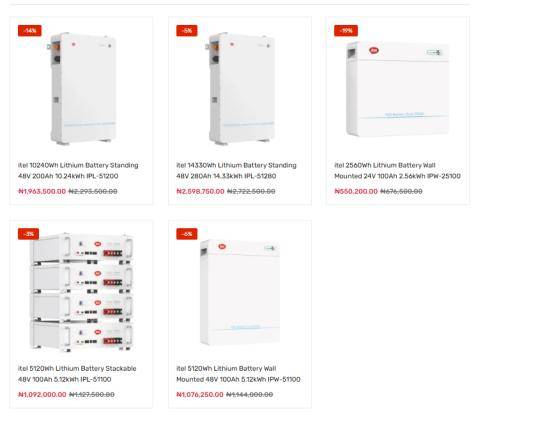
Core Viewpoint - Transsion Holdings, known as the "King of Mobile Phones in Africa," has submitted a prospectus for a secondary listing on the Hong Kong Stock Exchange, positioning its energy storage business as a second growth curve with an investment plan of approximately 2 billion yuan, despite the main business facing profitability pressures and needing new growth points [1] Group 1: Business Strategy and Market Position - The company has established a strong distribution network with over 100,000 retail outlets in emerging markets, leveraging local operational experience as a core competitive advantage [2] - In the energy storage sector, Transsion is extending its resources, utilizing its mobile phone sales channels to penetrate markets like Pakistan, where it holds a nearly 15% market share in household energy storage [2][5] - The company aims to integrate its mobile business channels and marketing experience into energy storage products, creating a synergistic effect [3] Group 2: Market Demand and Challenges - The demand for household energy storage in emerging markets is driven by weak electricity infrastructure and frequent power outages, with specific regions showing significant need for reliable backup power solutions [6][8] - Transsion's energy storage products are designed for emergency and outdoor applications, focusing on modular solutions to cater to different household sizes [6] - However, the growth of the energy storage business is constrained by the local power infrastructure's development and the need for professional installation and maintenance services [5][8] Group 3: Competitive Landscape - Transsion faces competition from established players in the energy storage market, who have developed comprehensive service networks and technical expertise over the years [9][10] - The company employs a light-asset model to maintain price competitiveness, but this approach may lead to challenges in achieving the same level of technical reliability and service depth as its competitors [10][11] Group 4: Financial Performance and Investment Outlook - Transsion plans to invest 2 billion yuan in its energy storage business, which is expected to take several years to yield returns, contrasting with the shorter return cycles typical of consumer electronics [12][18] - In the first half of 2025, the revenue from "IoT and other products," including energy storage, reached 2.568 billion yuan, accounting for 8.8% of total revenue, indicating limited contribution from the new business [12] - The company's mobile phone business remains heavily reliant on emerging markets, with nearly 90% of revenue, and faces declining profitability due to increased competition and rising supply chain costs [14][17]

绿地,员工曝内部又有大动作!
Xin Lang Cai Jing· 2025-12-09 06:01
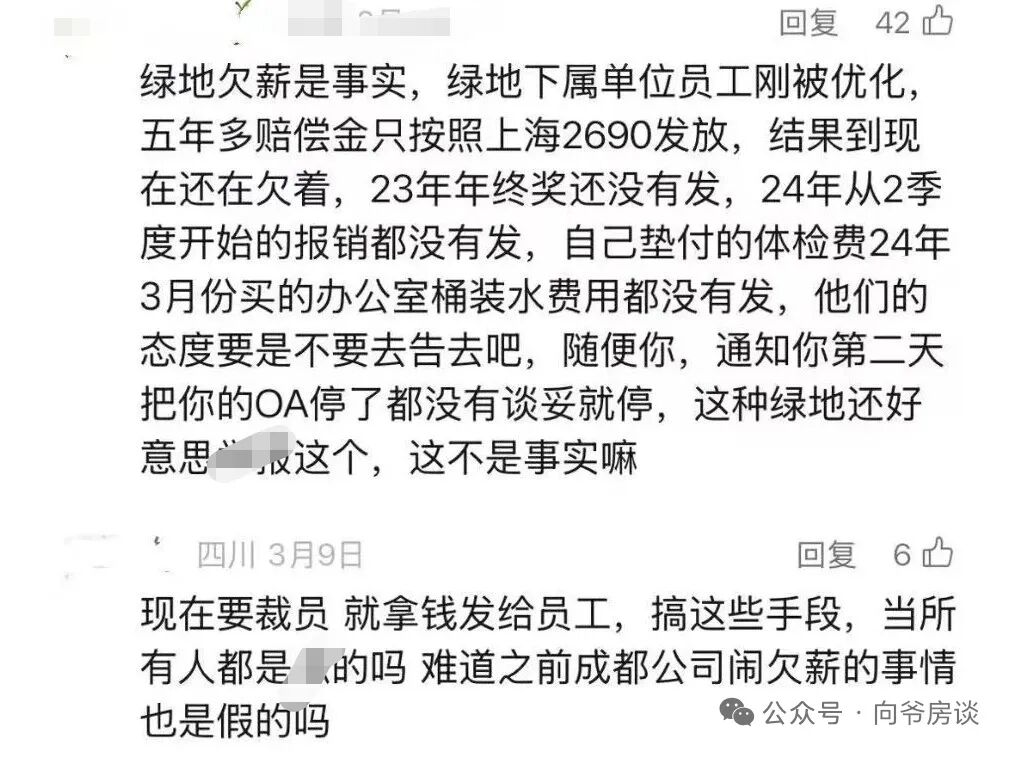
Core Viewpoint - Greenland Holdings is undergoing significant organizational restructuring, including layoffs and compensation disputes, amid financial difficulties and increasing litigation issues [1][3][10] Group 1: Organizational Changes - Greenland's subsidiary, Greenland Hong Kong, has eliminated seven project cluster departments and established three cross-regional centers for management [1] - The administrative and operational departments of project clusters have been streamlined and merged [1] - The company has conducted multiple rounds of personnel optimization and organizational adjustments throughout the year, including merging real estate divisions in January and initiating layoffs in March with a reported rate exceeding 30% [1][3] Group 2: Employee Compensation Issues - Employees have reported dissatisfaction with compensation packages, which are below legal standards, leading to disputes and arbitration [1][3] - Compensation discussions are ongoing, with previous feedback indicating that severance payments have been low and delayed for some employees [1] - Reports suggest that the company has employed coercive measures against employees who refuse compensation offers, including work stoppages and revoking access to facilities [2][9] Group 3: Financial and Legal Challenges - Greenland Holdings faces a significant financial burden, with total liabilities reaching 936.9 billion and a debt-to-asset ratio soaring to 89.05% [10] - The company has been involved in numerous legal disputes, with 1,834 new lawsuits filed between October 21 and November 13, totaling 6.587 billion [10] - The company's revenue is under pressure due to declining real estate turnover and slowing infrastructure business growth, exacerbating its liquidity crisis [10] Group 4: Management and Strategic Direction - Despite attempts at diversification, the effectiveness of Greenland's strategies has been questioned, as many new ventures are seen as poorly executed [10] - High executive compensation has drawn criticism, with total executive pay reported at 18.4 million, including 17 million for six top executives [10] - The company is expected to continue its restructuring efforts, impacting both departing and current employees amid ongoing financial instability [10]
光伏银粉“头牌”的盈利之惑,建邦高科港股IPO能否摆脱低毛利困局?
Zhi Tong Cai Jing· 2025-11-11 01:47
Core Viewpoint - The photovoltaic silver powder industry is experiencing significant growth, attracting capital markets, while the leading company, Jianbang High-Tech, faces challenges in profitability despite its strong market position [1][2]. Financial Performance - Jianbang High-Tech's revenue is projected to grow from 1.759 billion RMB in 2022 to 3.95 billion RMB in 2024, with net profit increasing from 24.2 million RMB to 79.03 million RMB during the same period [2]. - However, by August 31, 2025, the company's profit dropped to 52.7 million RMB, a year-on-year decline of 32.1%, indicating ongoing pressure on profitability despite revenue growth [2]. - The company's gross margin has remained low, fluctuating between 3.3% and 3.9%, with net profit margins only between 1.4% and 2.2%, primarily due to pricing mechanisms linked to silver nitrate prices [2][3]. Market Position and Competition - Jianbang High-Tech ranks among the top three domestic manufacturers of photovoltaic silver powder in China from 2022 to 2024, holding market shares of 10.1%, 10.0%, and 9.8% respectively [1]. - The company relies heavily on silver powder, which constitutes over 97% of its total revenue, making it vulnerable to fluctuations in demand and pricing [2][3]. Operational Challenges - The company faces high customer and supplier concentration, with the top five customers accounting for 84.4% to 95.4% of revenue, and the top five suppliers representing over 97.7% of total procurement [3]. - Negative cash flow from operating activities has accumulated to approximately 620 million RMB over three years, indicating insufficient cash reserves to meet operational demands [3]. Industry Trends and Risks - The photovoltaic silver powder industry is experiencing overcapacity, with utilization rates around 31.7% for the industry and 36.7% to 43.4% for Jianbang High-Tech [4]. - The trend towards "silver reduction" and "silver-free" technologies in downstream photovoltaic cells poses a significant risk to silver powder demand [5]. Strategic Initiatives - Jianbang High-Tech aims to leverage its upcoming IPO to diversify and innovate, focusing on research and development for non-photovoltaic applications and alternative conductive materials [6]. - The company plans to establish R&D centers in East Asia and new production facilities in the Middle East to capitalize on regional growth opportunities [6].
东鹏特饮赴港IPO,“不差钱”表象下的战略深谋
Sou Hu Cai Jing· 2025-11-06 06:07
Core Viewpoint - Dongpeng Beverage is pursuing a second listing application on the Hong Kong Stock Exchange, despite having substantial cash reserves, indicating a strategic move to enhance its capital structure and support international expansion [3][10]. Financial Position - As of the end of 2024, the company holds cash and cash equivalents of 5.653 billion yuan and trading financial assets of 4.897 billion yuan, totaling 14.223 billion yuan in cash-like assets [3][6]. - The company reported a revenue of 10.737 billion yuan and a net profit of 2.375 billion yuan for the first half of 2025, both showing over 30% year-on-year growth [6]. - Short-term borrowings surged to 6.128 billion yuan, with a debt-to-asset ratio climbing to 61.86% [6][7]. Strategic Intent - The funds raised from the IPO, approximately 1.493 billion yuan, will be allocated to enhance production capacity, upgrade the supply chain, strengthen brand development, and expand into overseas markets [3][10]. - The company aims to address growth bottlenecks through internationalization and diversification, as domestic beverage market growth slows [10][12]. Market Dynamics - Dongpeng's international revenue contribution is currently less than 0.3%, despite a revenue target of over 15.8 billion yuan for 2024 [10][11]. - The company is investing in Southeast Asia, with plans for a logistics hub in Hainan and a factory in Indonesia, which requires significant capital [11][12]. Capital Management - The company is engaging in a strategy of "financial management" by utilizing low-interest short-term loans while investing in higher-yield financial products, indicating a sophisticated approach to capital efficiency [6][7]. - The cash flow situation shows a decline in operating cash flow by over 20% compared to the previous year, raising concerns about the sustainability of cash reserves [7][10]. Shareholder Dynamics - Since the lifting of the lock-up period in 2022, shareholders have reduced their holdings by over 5 billion yuan, indicating potential pressure on the company to perform [7][9]. - The actions of major shareholders, including significant reductions in their stakes, reflect a complex sentiment regarding the company's future [8][9]. Challenges Ahead - The dual-market strategy may face scrutiny regarding the necessity of fundraising given the company's substantial cash reserves [14][16]. - The long-term investment in overseas markets may not yield immediate returns, raising concerns about the efficiency of capital utilization [14][16]. - The company must navigate the competitive landscape in Southeast Asia, where established players like Red Bull pose significant challenges [14][16].

黄金周四大板块交出亮眼成绩单,深业开启大资管转型“加速跑”
Sou Hu Cai Jing· 2025-11-03 06:10
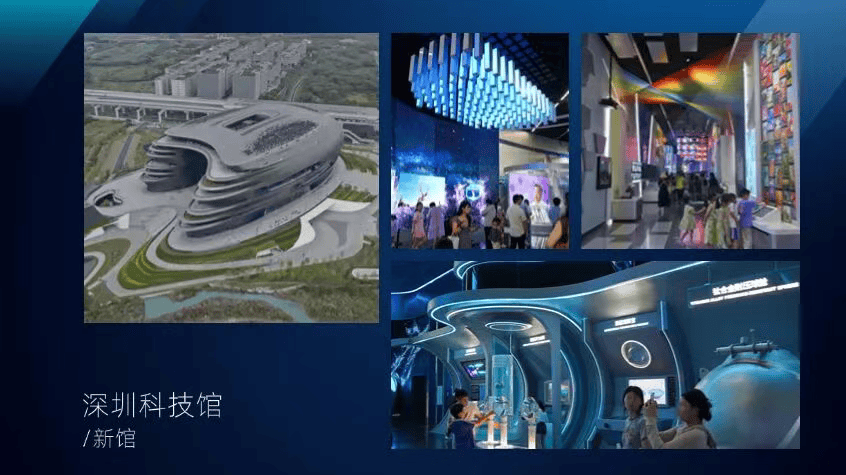
Core Insights - The article highlights the strategic transformation of the company from traditional real estate development to a diversified asset management model, focusing on enhancing operational efficiency and value integration across its four main business segments: property management, commercial management, hotel management, and infrastructure [1][28]. Property Management - The property management segment has achieved significant growth, expanding its operational area to over 100 million square meters and adding 3.11 million square meters in the first half of the year, with successful bids for high-quality projects [4][27]. - The company has been recognized as the 14th among the top 100 property service companies in China for 2025, marking four consecutive years of improvement in its ranking [4][27]. - The segment has demonstrated exceptional service capabilities in public cultural venues, achieving a record of over 1 million visitors at the Shenzhen Science Museum within three months of its opening [4][10]. Commercial Management - The commercial management segment plays a crucial role in the company's transformation, with the flagship project, Deep Industry City, serving as a model for integrating culture, commerce, and tourism [11][15]. - In the first half of the year, the project attracted over 20 million visitors and achieved a 29% increase in commercial sales, showcasing its successful multi-faceted operational strategy [11][15]. - The company is expanding its commercial footprint through strategic partnerships and new projects, enhancing its market presence in the Greater Bay Area [13][15]. Hotel Management - The hotel management segment is focusing on high-end operations, with the Mandarin Oriental Hotel in Shenzhen leading the luxury market in room revenue and receiving prestigious awards [16][18]. - The company has launched its own hotel brand, "Jingju," which includes various product lines catering to different market segments, further solidifying its competitive position [18][20]. - The successful opening of the Wuyishan Jingju Resort marks a significant step in expanding its national hotel portfolio, with a total of 17 hotels either operational or under construction [20][28]. Infrastructure - The infrastructure segment is leveraging technology to enhance traffic efficiency and safety, implementing smart monitoring systems that have effectively managed over 90,000 incidents since 2025 [21][26]. - The introduction of intelligent toll collection systems has improved vehicle passage efficiency by an average of 15 seconds, significantly reducing congestion at toll stations [26][27]. - The segment aims to provide high-quality service for urban transportation through continuous technological advancements and operational improvements [26][27]. Strategic Transformation - The company is transitioning from a traditional developer to a modern asset manager, focusing on a dual strategy of "sales + self-holding" to redefine real estate value logic [28][29]. - The establishment of a "group asset management platform + professional operation platform" ecosystem is underway, aiming to enhance asset liquidity and optimize capital returns [27][28]. - This strategic shift is expected to not only optimize the asset structure but also provide a valuable reference model for the industry [29].
西藏天路修订公司章程 注册资本13.62亿元强化党建与公司治理
Xin Lang Cai Jing· 2025-10-30 12:47
Core Viewpoint - Xizang Tianlu Co., Ltd. has revised its articles of association to optimize corporate governance, enhance shareholder rights, and support strategic transformation and diversification [1][9]. Company Overview and Shareholding Structure - The registered capital of Xizang Tianlu is RMB 1.362 billion, with a total of 1.362 billion shares, all of which are ordinary shares [2]. - The company was established by five entities, underwent three rounds of equity financing, and is currently listed on the Shanghai Stock Exchange (stock code: 600326) [2]. Corporate Governance Structure Optimization - The shareholders' meeting is defined as the highest authority, with new provisions for shareholders to access accounting books under specified conditions [3]. - Special resolutions require approval from over two-thirds of the voting rights, while ordinary resolutions need a simple majority [3]. Board of Directors and Executive Responsibilities - The board will consist of 5-9 members, including 3 independent directors and 1 employee director, with independent directors holding a majority in specialized committees [4]. - The chairman can make investment decisions up to 20% of the latest audited total assets, with a project cap of 10% of net assets [4]. Party Leadership and Social Responsibility - A dedicated chapter outlines the establishment and responsibilities of the party committee, which will participate in major decision-making processes [5]. - The company will also establish labor unions and youth organizations to ensure synchronized planning and execution of party work [5]. Financial and Profit Distribution Policy - The company has established a "cash dividend priority" principle, mandating cash dividends under certain conditions, including a minimum earnings per share of RMB 0.12 [6][7]. - Annual cash dividends must be at least 10% of distributable profits, with cumulative dividends over three years not less than 30% of average distributable profits [7]. Risk Control and Compliance Management - The articles specify that external guarantees exceeding 50% of net assets or 30% of total assets require shareholder approval [8]. - Transactions with related parties must be approved by independent directors and reviewed by the audit committee [8]. Future Development Strategy - The revised articles expand the business scope to include "energy storage technology services, charging pile sales, and electric vehicle charging infrastructure operations," indicating a strategic shift towards diversification in the "transportation + new energy" sector [9]. - The company aims to develop into a large-scale comprehensive enterprise, contributing to the economic development of the Tibet region [9].

中顺洁柔前三季度净利暴涨超300%,为何资本市场表现平平?
Tai Mei Ti A P P· 2025-10-30 08:57
Core Viewpoint - Zhongshun Jierou reported a significant increase in revenue and net profit for the third quarter of 2025, but the stock market reacted negatively, leading to a drop in share price [1] Financial Performance - For the first three quarters of 2025, Zhongshun Jierou achieved revenue of 6.478 billion yuan, a year-on-year increase of 8.78% [1] - The net profit attributable to shareholders reached 230 million yuan, a staggering year-on-year increase of 329.59% [1] - The net operating cash flow was 840 million yuan, up 282.10% year-on-year [1] Historical Context - Zhongshun Jierou was established in 1999 and became the first listed company in the domestic household paper industry in 2010 [3][4] - The company experienced a peak period from 2018 to 2020, with revenue rising from 5.679 billion yuan to 7.85 billion yuan [4] - However, from 2021 to 2024, the company faced a decline in net profit due to rising raw material costs and increased competition [4] Current Challenges - Despite the impressive third-quarter performance, Zhongshun Jierou faces challenges in achieving its net profit target of 300 million yuan for 2025 [6] - The household paper market is becoming increasingly concentrated, with competitors like Vinda International and Hengan International gaining advantages in the mid-to-high-end market [6][7] - The company has struggled with diversification, as its revenue from personal care and other products remains low at only 1.15% [7] Future Outlook - The recent performance rebound is attributed to a cyclical decline in raw material prices, but long-term stability in earnings is needed to restore market confidence [8] - Zhongshun Jierou must achieve substantial breakthroughs in its diversification strategy to ensure sustainable growth [8]
