
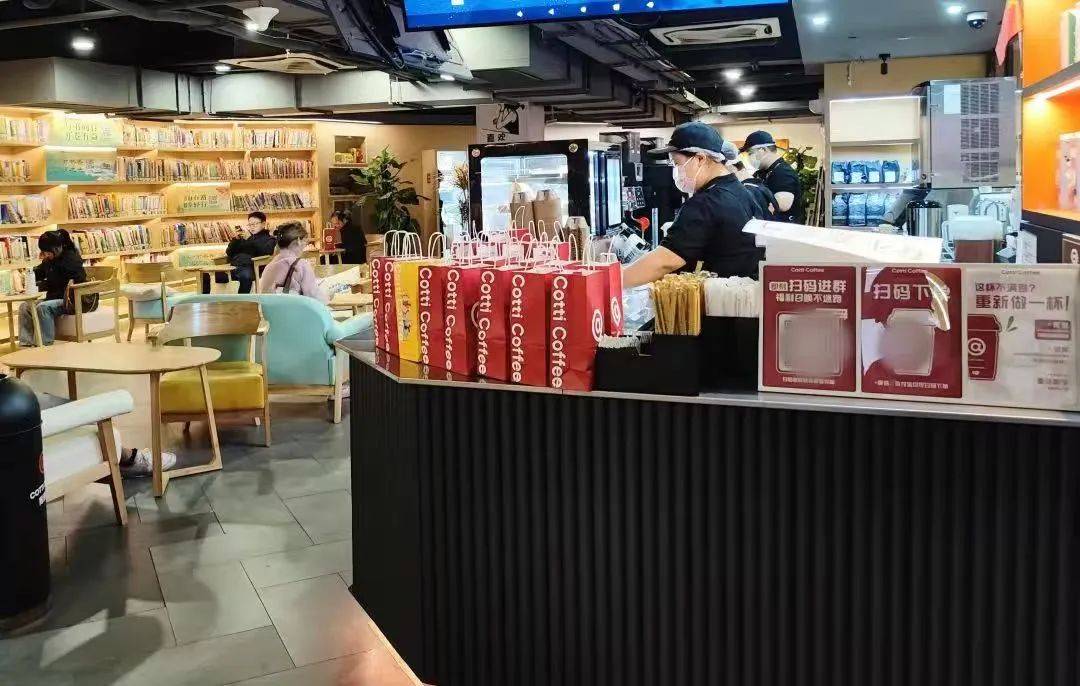
店中店模式

Search documents
门店破万,跻身咖啡“四大天王”,前饿了么高管和瑞幸掰手腕
3 6 Ke· 2025-12-23 23:36
Core Insights - The article discusses the rapid expansion of coffee chains in China, particularly focusing on NOWWA Coffee, which has recently surpassed 10,000 stores globally, joining the ranks of major competitors like Luckin Coffee, Kudi, and Lucky Coffee [1][7] Group 1: Market Overview - The coffee market in China is witnessing a significant transformation, with four major players: Luckin Coffee (29,000 stores), Kudi (15,000 stores), Lucky Coffee (10,000 stores), and NOWWA Coffee (10,000 stores) [1] - NOWWA Coffee has achieved a remarkable growth rate, with a year-on-year increase of over 400% in store numbers, peaking at 1,800 new stores in a single month [8][12] Group 2: Business Model and Strategy - NOWWA Coffee employs a "store-in-store" model, partnering with existing businesses like restaurants and convenience stores to minimize costs and maximize reach, with 91.9% of its stores being this type [8][12] - The initial investment for opening a NOWWA Coffee outlet in a convenience store is approximately 16,000 yuan, significantly lower than traditional standalone coffee shop investments [12] Group 3: Competitive Landscape - The competitive dynamics among the four major coffee brands highlight different strategies: Luckin focuses on digital operations, Kudi on aggressive expansion, and Lucky Coffee on cost leadership, while NOWWA emphasizes flexibility and market penetration [15][17] - The article notes that while NOWWA has a strong presence, it still lacks a standout product that can dominate the market, which may hinder its brand recognition [15] Group 4: Future Outlook - NOWWA Coffee aims to expand to over 30,000 high-quality stores by 2030, with a focus on maintaining profitability and operational efficiency [13] - The coffee market's evolution raises questions about brand loyalty and consumer choice as coffee becomes ubiquitous, emphasizing the need for brands to differentiate themselves [17]

中国本土第四个万店咖啡品牌诞生
中国基金报· 2025-12-12 10:21
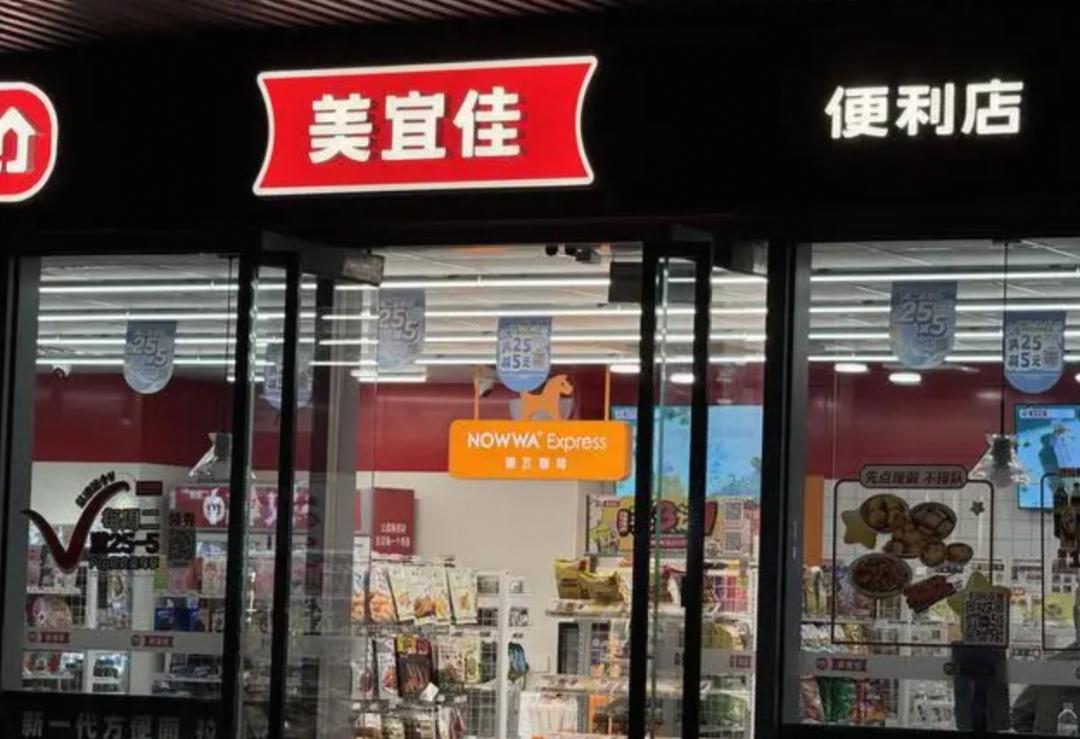
Core Viewpoint - Nova Coffee has surpassed 10,000 stores, becoming the fourth local coffee brand in China to achieve this milestone, following Luckin Coffee, Kudi Coffee, and Lucky Coffee. However, its brand presence among consumers is relatively weak compared to its competitors due to its "parasitic store" model [2][4]. Group 1: Business Model - Nova Coffee operates under a "parasitic store" model, embedding its coffee business into existing commercial entities like convenience stores and esports cafes, rather than establishing independent stores. This approach allows for rapid expansion with minimal costs [4][5]. - As of November 3, 2025, 7,235 of Nova Coffee's stores (91.9%) are parasitic stores, with convenience stores being the primary location type. Notably, 3,635 of these stores are embedded within the 40,000+ locations of the convenience store chain Meiyijia, accounting for 46.2% of Nova's total stores [5]. Group 2: Brand Image Challenges - The "parasitic store" model presents a dual-edged sword, creating rapid expansion while hindering brand identity. The brand's perception is heavily influenced by the host stores, making it difficult to establish a distinct and high-quality brand image [7][9]. - Consumer purchasing behavior is primarily driven by location or price rather than brand loyalty, resulting in low customer retention and minimal brand premium [10]. Group 3: Strategic Initiatives - In response to brand image challenges, Nova Coffee is implementing a "light store" strategy, maintaining a large number of parasitic stores while gradually opening a few delivery-focused and brand image stores to enhance brand recognition [10]. - The company has completed multiple rounds of financing since its establishment in 2019, with the latest B++ round in September 2024 raising several hundred million yuan, aimed at building a coffee industry base and dedicated factory in Ningbo [13][15]. Group 4: Future Outlook - As Nova Coffee achieves its store count goals, the focus is shifting from the number of stores to the profitability and long-term brand value of each location. The challenge lies in transforming its extensive network into a brand with strong consumer loyalty and mental connection [16].

京东还想卖咖啡
3 6 Ke· 2025-09-26 09:53
Core Insights - JD.com is accelerating its exploration of offline self-operated business models, recently entering the coffee market with the launch of "Seven Fresh Coffee" [1][4] - The new coffee venture is part of JD's newly established local life business group, differentiating itself from traditional coffee chains by adopting a light-asset model [4] Group 1: Business Model and Strategy - Seven Fresh Coffee is leveraging a partnership model, similar to its "Seven Fresh Kitchen," by collaborating with resource-rich partners to achieve rapid growth [4] - The operational strategy includes recruiting partners from supermarkets, hotels, and office buildings, focusing on locations with a space requirement of around 10 square meters [5] - JD.com provides coffee machines, raw materials, and operational support, emphasizing quality and low prices, with a focus on takeaway and self-pickup services [5] Group 2: Market Position and Performance - The first Seven Fresh Coffee location in Beijing has reported over 4,000 online orders, with prices significantly lower than competitors like Luckin Coffee, offering discounts of 20%-30% [5] - The "store-in-store" model has been previously attempted by other brands but faced challenges, highlighting the importance of execution and brand perception [5][6] - The success of Seven Fresh Coffee's model will depend on JD's delivery capabilities and commitment to local life business investments [6]

背靠中石化,咖啡赛道再迎来千店品牌
3 6 Ke· 2025-09-03 03:20
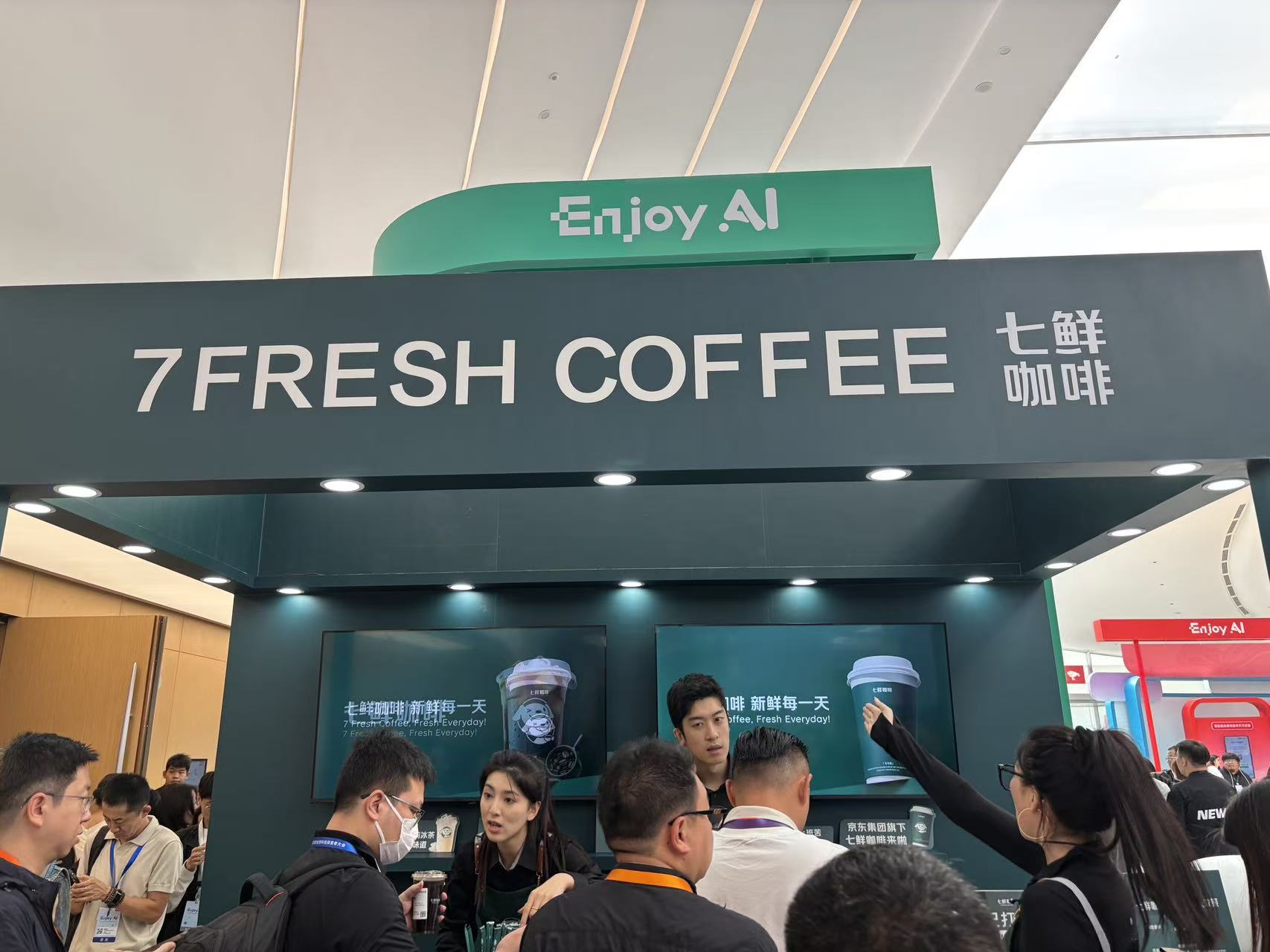
Group 1 - The core point of the news is the rapid expansion of Sinopec's Easy Coffee, which recently opened its 1000th store, marking a significant milestone in its growth strategy [1][5]. - Easy Coffee aims to open 3000 stores within three years, a goal set in 2020, and has now entered the "thousand-store club" after six years [1][4]. - The partnership with Luckin Coffee has contributed to the growth, with shared stores reaching 148 by the end of 2023 [2][4]. Group 2 - Easy Coffee's expansion strategy leverages Sinopec's extensive network of over 30,000 gas stations, allowing for low-cost operations and competitive pricing [5][6]. - The brand has shifted to a fully owned model after Luckin Coffee exited the joint venture, indicating a strategic move to consolidate resources [4][5]. - The store-in-store model has become popular among coffee brands, with several others like Tims and Kudi Coffee also adopting this approach to expand their market presence [6][8]. Group 3 - The store-in-store model allows for rapid expansion with lower investment and operational costs, making it attractive for coffee brands [9][11]. - However, challenges exist, such as limited product offerings and complexities in management and revenue sharing among partners [9][11]. - Despite these challenges, the store-in-store model remains a viable solution for coffee brands to enhance market coverage while managing operational costs [11].

进击的库迪,能成为咖啡界的“蜜雪冰城”吗?
Xin Lang Cai Jing· 2025-08-05 01:54
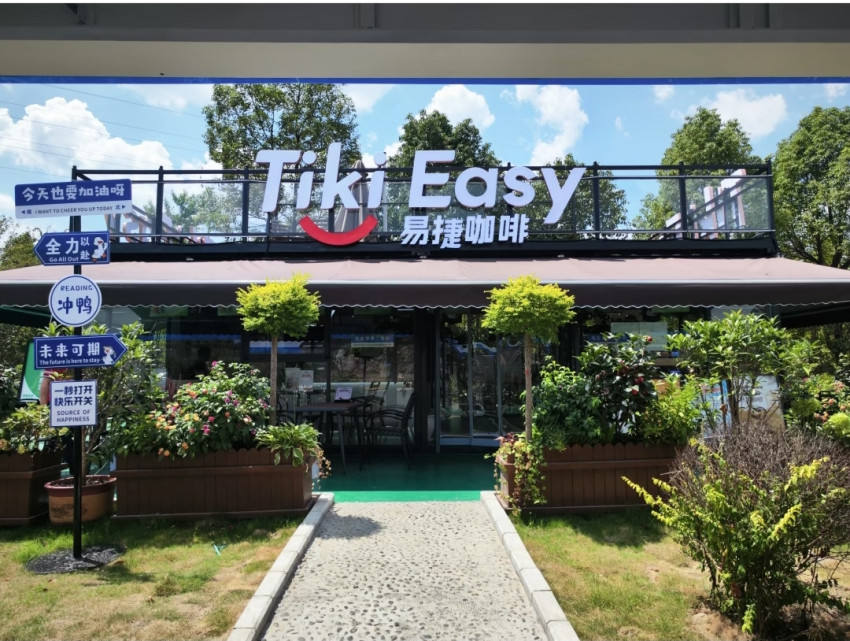
Core Insights - The "takeout war" involving major platforms like Ele.me, Meituan, and JD has ended, leading to significant growth in daily active users and transaction volumes for these platforms, while coffee brands like Luckin and Kudi have also benefited from this competition [1][2][3] - Luckin Coffee reported a net increase of 2,109 stores in Q2, with total revenue reaching 12.36 billion yuan, a year-on-year increase of 47.1%, marking the highest growth rate in the past four quarters [1][2] - Kudi Coffee has adopted aggressive pricing strategies, with prices as low as 2.68 yuan, aiming to expand rapidly and reach a target of 50,000 stores by the end of 2025, which would surpass the combined total of Luckin and Starbucks [1][2][3] Company Strategies - Kudi Coffee is expanding into convenience stores and fast food, attempting to create a "coffee+" model, but faces challenges with supply chain issues and customer complaints about product quality [2][4] - Kudi's pricing strategy has significantly lowered the market price for coffee, forcing competitors like Luckin to adjust their pricing as well [4][5] - Kudi's operational model relies on a franchise system, transferring the financial burden of low pricing to franchisees, which has led to dissatisfaction among them [7][8] Expansion and Market Position - Kudi has rapidly expanded its store count, reaching over 15,000 locations by June, utilizing a "store-in-store" model to reduce costs and facilitate quick growth [10][15][16] - The company has faced criticism for the quality of its products and the inconsistency in customer experience due to the rapid expansion and lack of standardized equipment across locations [22][23] - Kudi's aggressive expansion strategy has raised concerns about its long-term sustainability, as it struggles to establish a strong brand identity and core competencies compared to competitors like Luckin and Starbucks [25][26] Financial Performance and Challenges - Kudi's cost structure indicates that selling coffee at low prices results in losses, which are absorbed by franchisees rather than the company itself [6][7] - The company has attempted to diversify its offerings by introducing food items, but this has led to a dilution of its brand identity and raised questions about its operational focus [24][25] - Despite achieving a significant number of stores, Kudi's financial health remains in question, with ongoing concerns about cash flow and profitability compared to its competitors [25][26]


谁在“围猎”星巴克?
3 6 Ke· 2025-08-01 01:18
Core Insights - Starbucks' market share in China has significantly declined from a peak of 42% in 2017 to 14% in 2024, despite a strong performance in its Chinese operations with a 7% increase in store count year-over-year [3][6] - Luckin Coffee has shown remarkable growth, reporting a total net revenue of 12.36 billion yuan, a 47.1% year-over-year increase, and a GAAP operating profit growth of 61.8% to 1.7 billion yuan [3][19] - The coffee market in China is experiencing intense competition, particularly in lower-tier cities and price-sensitive segments, with various brands aggressively expanding their presence [4][12] Market Performance - Starbucks' global net profit has decreased by 47.1%, while its Chinese operations have seen a 2% increase in same-store sales and a 6% increase in transaction volume [1][3] - The number of registered coffee shops in China has surged, with nearly 30,000 new registrations, marking a 19.54% increase in the first half of the year [4][6] Competitive Landscape - Brands like Luckin Coffee and Mixue Ice City are targeting the lower-tier markets and one- to two-line cities, with Mixue aiming to exceed 10,000 stores by the end of the year [3][15] - The coffee market is shifting towards a "store-in-store" model, allowing brands to leverage existing retail spaces, which has become a common strategy among various coffee brands [9][11] Consumer Behavior - The average coffee consumption in China has increased from 9 cups per year in 2021 to approximately 22 cups in 2024, indicating significant growth potential compared to countries like the U.S. and Japan [14][18] - Price remains a critical factor in consumer decision-making, with brands competing aggressively on pricing to capture market share [18][19] Strategic Focus - Starbucks is expanding into 166 new county-level markets in China, but faces challenges due to its higher price point compared to competitors [6][12] - The coffee market is transitioning from rapid store expansion to a focus on operational efficiency and product quality, as brands seek to establish a sustainable presence [19]

餐厅寿命为何越来越短?
虎嗅APP· 2025-05-14 09:36
Core Viewpoint - The restaurant industry is experiencing a shorter lifespan for establishments, often closing shortly after opening due to poor initial decisions, particularly in site selection [2][5]. Group 1: Importance of Location - Selecting the right location is crucial for a restaurant's success, as it directly impacts customer flow and acquisition costs [2][3]. - Restaurants should align their location with their target customer demographics, ensuring that the chosen area matches the brand's positioning and customer preferences [3][4]. - Avoiding common pitfalls in location selection is essential, such as assuming lower rent equates to lower operational costs, and blindly following trends in popular areas without considering customer behavior [3][4]. Group 2: Market Analysis - Conducting on-site assessments of potential locations is necessary to understand the local customer base and consumption patterns [6][7]. - Key factors to evaluate during site visits include the supply-demand relationship of similar restaurants, average consumer spending in the area, and the availability of essential infrastructure [8][9]. - Understanding local regulations and requirements for restaurant operations is critical to avoid costly mistakes [9][10]. Group 3: Evaluating Store Traffic - Assessing the potential traffic for a specific store location involves estimating foot traffic, conversion rates, and average spending per customer [11][12]. - It is important to monitor traffic patterns across different times and days to gain a comprehensive understanding of customer flow [12][13]. - Special attention should be given to the visibility and accessibility of the store, as well as the presence of necessary facilities for restaurant operations [15][16]. Group 4: Innovative Business Models - The "store-in-store" model is gaining traction as a viable option for restaurant owners, allowing them to leverage existing high-traffic locations [17][20]. - Selecting the right partner for the store-in-store model is crucial, as it can significantly influence customer traffic and overall success [17][19]. - Clear agreements on operational roles and revenue sharing are essential to prevent conflicts and ensure mutual benefits [20].

餐厅寿命为何越来越短?
Hu Xiu· 2025-05-12 04:22
Group 1 - The restaurant industry is experiencing a shorter reshuffling cycle, with many establishments closing shortly after opening [1][2] - Many restaurants reach their peak immediately after opening, but face a significant drop in customers once promotional offers end, leading to closures within months [3] - Successful restaurant longevity begins with strategic location selection, which is crucial for attracting natural foot traffic and reducing customer acquisition costs [4] Group 2 - Location selection should align with the target customer demographic, ensuring that restaurants are situated where their intended clientele frequents [5] - The alignment between brand positioning and customer consumption purposes at the chosen location increases the likelihood of profitability [6] - Precise customer matching in location selection is more valuable than merely chasing foot traffic [7] Group 3 - Low rent is not always advantageous; it may indicate lower foot traffic, which can adversely affect customer acquisition [8] - Avoid blindly following trends in popular shopping districts, as mismatched consumption patterns can lead to poor performance [9] - Real-world examples illustrate the importance of understanding local preferences and peak dining times when selecting a location [10] Group 4 - Conducting on-site assessments to understand the supply-demand dynamics of the chosen area is essential for restaurant owners [11] - Key factors to evaluate during site visits include the competitive landscape, average consumer spending, and the availability of necessary infrastructure [12][16] - Understanding local regulations and requirements for restaurant operations is critical to avoid costly mistakes [17][18] Group 5 - Evaluating potential store locations involves estimating foot traffic and conversion rates to project daily revenue [22][24] - Observing foot traffic during various times, including weekdays and weekends, is necessary for accurate assessments [25] - The visibility and accessibility of the storefront are crucial for attracting customers [30] Group 6 - The "store within a store" model is emerging as a viable option for restaurant owners to reduce costs and leverage existing customer traffic [34][41] - Choosing the right partner for the "store within a store" concept is vital, as it significantly impacts customer flow [36][38] - Clear agreements on partnership terms and conditions are essential to prevent disputes and ensure mutual benefits [40]
匠心家居:产品结构改善,盈利超预期增长
Xinda Securities· 2025-04-23 12:23
Investment Rating - The report does not provide a specific investment rating for the company [1] Core Insights - The company reported a revenue of 2.548 billion yuan in 2024, representing a year-on-year increase of 32.63%, and a net profit attributable to shareholders of 683 million yuan, up 67.64% year-on-year [1] - In Q4 2024, the company achieved a revenue of 699 million yuan, a year-on-year increase of 49.78%, with a net profit of 252 million yuan, reflecting a significant growth of 197.20% year-on-year [1] - The strong performance in Q4 is attributed to favorable exchange rates, interest income, and an increase in the proportion of high-margin new products [1] - The company has successfully expanded its customer base, adding 96 new clients, with 9 out of the top 10 clients increasing their purchase amounts significantly [2] - The "store-in-store" model has been implemented, with over 500 locations in the US and 24 in Canada, enhancing product visibility and sales of high-margin products [2] - The company has established a strong overseas production capacity, with approximately 90.5% of its revenue coming from the US and 84.0% from exports through Vietnam, minimizing the impact of tariffs [3] - The gross profit margin for Q4 2024 was 54.3%, an increase of 14.3 percentage points year-on-year, while the net profit margin was 36.1%, up 17.9 percentage points year-on-year [3] - The company’s operating cash flow for Q4 2024 was 63 million yuan, showing a decline compared to the previous year [4] - Profit forecasts for 2025 to 2027 indicate net profits of 780 million, 900 million, and 1.048 billion yuan, respectively, with corresponding P/E ratios of 14.8X, 12.8X, and 11.0X [4] Financial Summary - Total revenue for 2023 was 1.921 billion yuan, with a year-on-year growth of 31.4% [6] - The company’s net profit attributable to shareholders for 2023 was 407 million yuan, reflecting a year-on-year increase of 21.8% [6] - The gross profit margin for 2023 was 33.6%, with a projected increase to 39.4% in 2024 [6] - The return on equity (ROE) for 2023 was 13.6%, expected to rise to 19.1% in 2024 [6] - The earnings per share (EPS) for 2023 was 2.43 yuan, projected to increase to 4.08 yuan in 2024 [6]