
情绪经济

Search documents
一颗豆子一根针“指尖经济”成为情绪消费新蓝海
Sou Hu Cai Jing· 2026-02-28 03:19
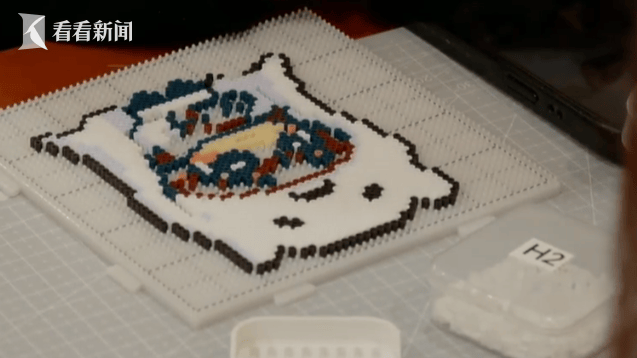
Core Insights - The "emotional economy" is emerging as a new frontier in consumer spending, with activities like bead crafting and knitting gaining significant popularity among young people [1][9] - Social media reports indicate that topics related to bead crafting and knitting have garnered billions of views, highlighting a shift towards immersive, hands-on experiences [1][9] Group 1: Bead Crafting - Bead crafting, referred to as "拼豆," allows participants to create designs using small plastic beads, fostering a sense of focus and accomplishment [3][5] - The activity has become a social experience, with many young people gathering in stores to craft together while enjoying each other's company [5][6] - The popularity of bead crafting is reflected in its high store occupancy rates, with some locations reporting up to 80% capacity daily [6] Group 2: Knitting - Knitting, particularly through guided classes, is attracting a younger demographic, with participants creating meaningful items like clothing for loved ones [8][9] - The knitting community is characterized by social gatherings, where participants bond over the crafting process, enhancing the overall experience [8][9] - The interest in knitting has increased by approximately 30% among younger individuals, indicating a shift in demographic engagement [9] Group 3: Market Trends - The combined interest in bead crafting and knitting is indicative of a broader trend towards "slow" and mindful consumption, as young people seek to counteract the fast-paced nature of modern life [9] - The emotional economy is creating a complete industry chain, from material supply to experiential spaces, injecting new dynamics into the consumer market [9]

“悦己”产品热度暴涨160% ,38大促折射节后消费新动向
Sou Hu Cai Jing· 2026-02-27 13:32
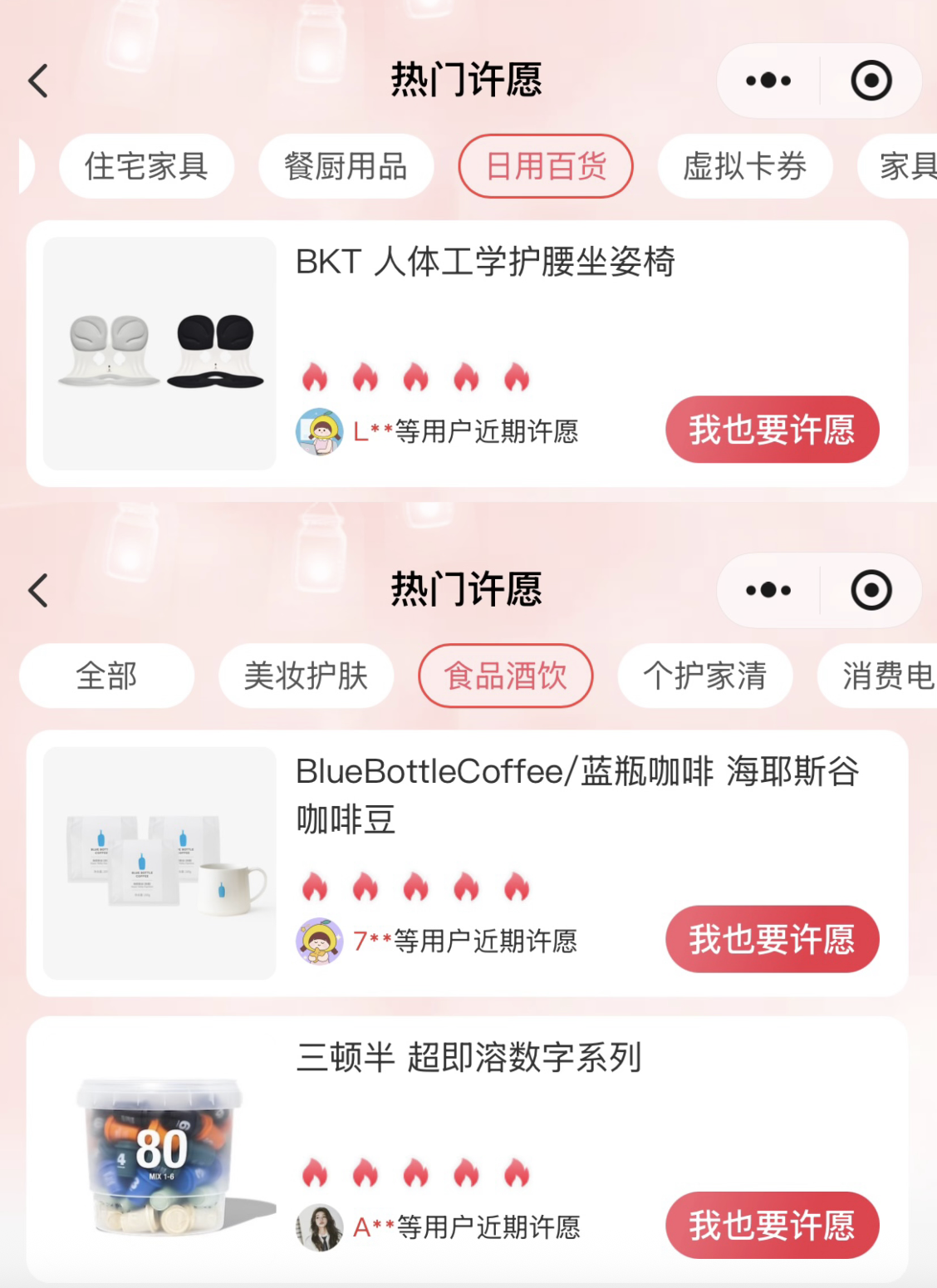
Core Insights - The consumption market has shifted focus from "gift-giving" during the Spring Festival to "self-care" and enhancing quality of life post-holiday [1][4] - The "38 Promotion" serves as a transitional phase for consumers, moving from festive spending to everyday purchases centered around personal well-being [1][4] Group 1: Changes in Consumer Behavior - Post-Spring Festival, consumer attention has shifted towards self-care, with significant increases in searches for personal care, office improvement, and health management products [4] - Notable search volume increases include coffee and sleep pillows, with growth rates of 161% and 132% respectively compared to pre-holiday levels [4] Group 2: Product Structure Adjustments - The product offerings during the "38 Promotion" have shifted from family-oriented goods to items that enhance individual comfort and efficiency in daily life [5] - Key product categories include skincare focused on anti-aging, ergonomic office supplies, and convenient health-oriented snacks and beverages [5] Group 3: Characteristics of "Self-Care" Consumption - The "self-care" consumption trend is characterized by rational and detailed purchasing behavior, with consumers showing deeper inquiries into product specifications [8] - The live-streaming platforms have become amplifiers of consumer emotions and needs, reflecting the evolving demands of consumers at different life stages [9]

38大促折射节后消费新动向:李佳琦直播间“悦己型”产品热度攀升
Guan Cha Zhe Wang· 2026-02-27 12:08
Core Insights - The consumption market has shifted from "gift-giving" during the Spring Festival to "self-care" post-holiday, indicating a transition in consumer focus from pleasing others to enhancing personal quality of life [1][2][5] Group 1: Changes in Consumer Behavior - Post-Spring Festival, consumer motivations have shifted from purchasing for others to self-care, with a notable increase in searches for personal care and health management products [2][5] - Data shows that after the holiday, searches for coffee and sleep pillows surged by 161% and 132% respectively compared to the pre-holiday period [2] Group 2: Product Trends in 38 Promotion - The product structure during the 38 promotion has shifted from family-oriented goods to items that enhance individual comfort and efficiency in daily life [6][8] - Key product categories include skincare focused on anti-aging, ergonomic office supplies, and health-conscious snacks and beverages [7][8] Group 3: Consumer Expectations and Behavior - Consumers are seeking specific improvements in their daily experiences and long-term quality of life, reflecting a desire for thoughtful consumption rather than impulsive buying [9][10] - The interaction in live-streaming sessions indicates a deeper inquiry into product details, showcasing a more rational and informed approach to self-rewarding purchases [9]
李佳琦直播间“38大促”:“自我犒劳”推动美妆、办公、健康品类增长
Bei Ke Cai Jing· 2026-02-27 11:26
Core Insights - The article highlights a shift in consumer focus from "gift-giving" during the pre-festival period to "self-care" and enhancing quality of life post-festival, indicating a trend towards "self-reward" consumption [1] Group 1: Consumer Behavior Trends - Consumers are increasingly prioritizing self-care, leading to growth in categories such as beauty, office supplies, and health products [1] - Products like coffee, ergonomic chairs, and sleep pillows have seen significant increases in popularity, with search volumes rising by 161% and 132% respectively in the week following the festival compared to the week before [1] Group 2: Market Dynamics - The concept of "emotional economy" has become a key term in the consumer market, with live streaming platforms acting as amplifiers for changes in consumer emotions and demands [1] - The "self-reward" consumption trend is characterized by rational and refined purchasing decisions, rather than impulsive buying, based on clear needs and understanding [1]
从“代际断层”到“沉浸式社交货币”,Z世代重新定义娱乐空间
Sou Hu Cai Jing· 2026-02-27 03:17
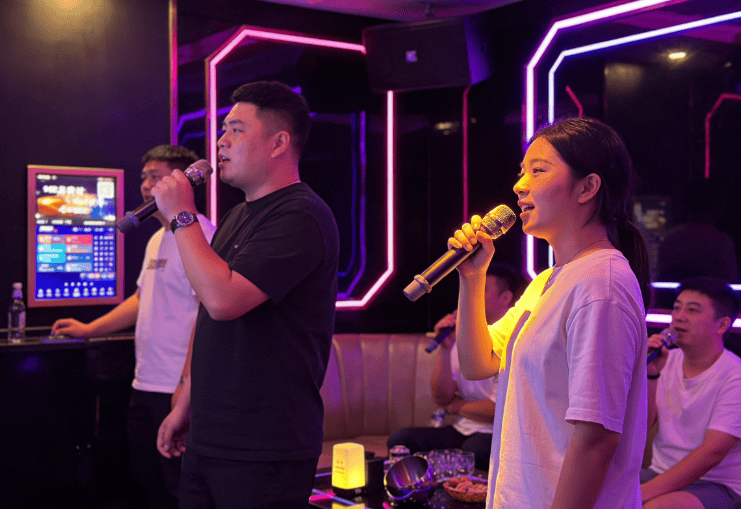
Core Insights - The entertainment market in Shanghai is undergoing a significant transformation, with a shift towards immersive and social experiences driven by Generation Z's preferences [1][2][4] Group 1: Market Trends - The Chinese entertainment consumption market is experiencing a "generational reset," with over 90% of Generation Z prioritizing "emotional value" in their spending [1] - The Spring Festival box office in Shanghai reached 196 million yuan, making it the top city in the country, indicating a resurgence in cinema attendance [1] - Generation Z's entertainment habits reflect a dual-mode of "O+O" (online and offline integration), where they seek personalized and immediate experiences [1][2] Group 2: Online and Offline Dynamics - Online entertainment is evolving from mere consumption to creation, with trends in short videos, live streaming, and virtual idols becoming prominent [2] - Offline experiences are thriving due to the irreplaceable social interactions they provide, with activities like live music events and immersive games gaining popularity [2] - Successful entertainment models are those that create a closed loop between online content and offline experiences, enhancing user-generated content (UGC) and social currency [2] Group 3: KTV Industry Challenges - Traditional KTVs face a mismatch with Generation Z's demands, characterized by outdated environments and social pressures [2][3] - The need for KTVs to evolve from simple singing venues to immersive entertainment spaces is critical for survival [3][4] Group 4: Technological Integration - The transformation of KTV involves integrating smart solutions like "Giant Hi-Tech," which combines IoT control systems, SaaS platforms, and AI data engines [3] - KTVs are moving towards a self-service model that enhances user autonomy and reduces social discomfort, aligning with Generation Z's preferences for efficiency and personalization [5] Group 5: Future Predictions - The future KTV market will be defined by those who can deliver exceptional emotional experiences, as traditional singing alone will not attract consumers in competitive markets like Shanghai [4] - The competition will shift from individual stores to a systemic and platform-based ecosystem, with leading service providers like Giant Hi-Tech setting new standards for entertainment spaces [7] - Data indicates that in transformed venues utilizing smart systems, the proportion of customers under 30 has risen to over 70% [7]
突然爆火的拼豆,一种毛利高达90%的新型口红经济
3 6 Ke· 2026-02-26 12:59
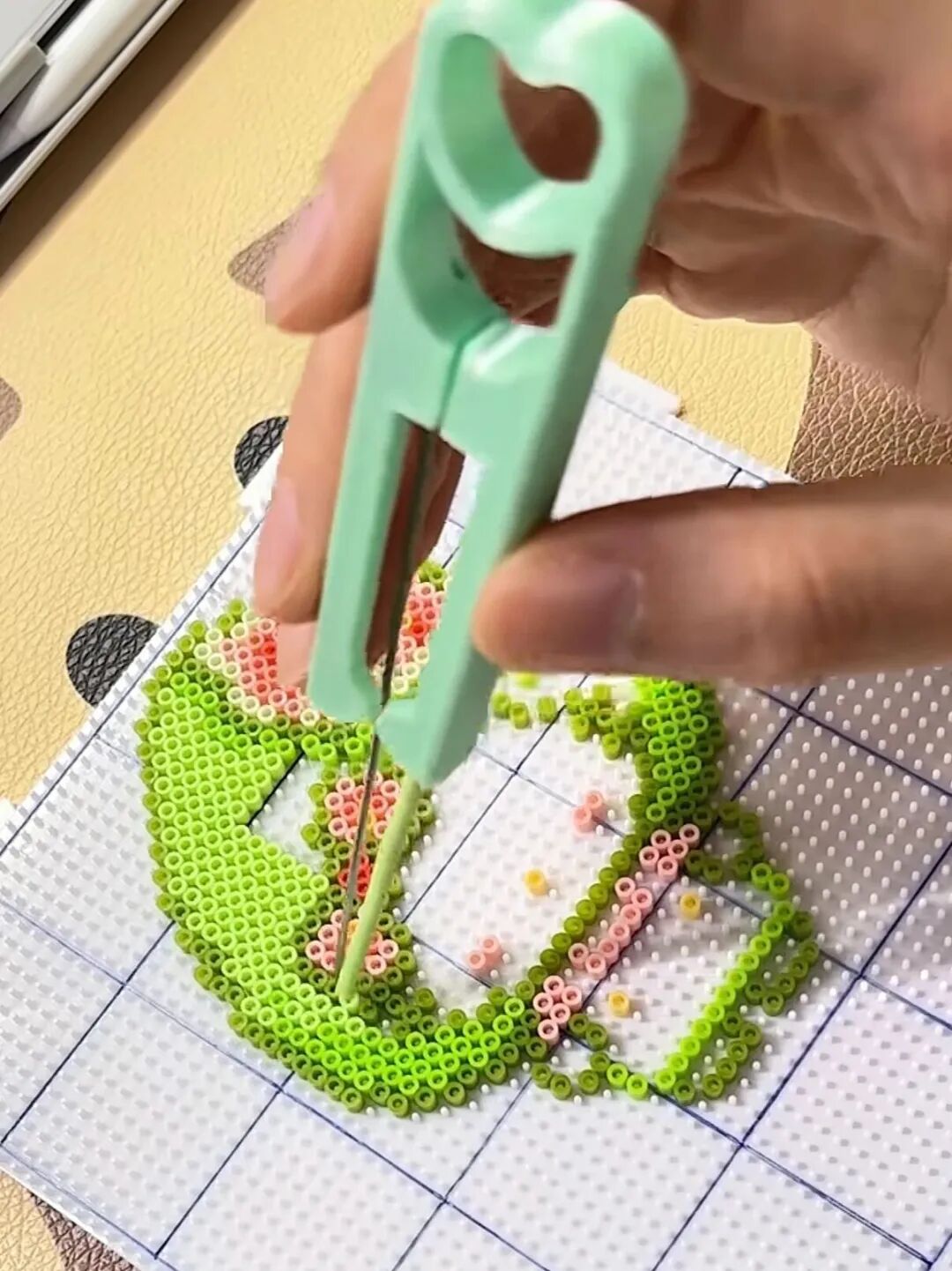
Core Insights - The rise of "Pindou" represents a new form of "lipstick economy," where affordable entertainment options thrive during economic downturns, reflecting a shift in consumer spending towards low-cost items that provide emotional value [1][4] - Pindou has emerged as a popular "time-killing" entertainment form, similar to previous trends like "squeeze toys" and "tangle," with its unique appeal allowing for both individual creativity and social interaction in dedicated spaces [1][3] Industry Overview - Pindou has become a significant offline industry, with dedicated stores offering a communal experience that differs from other crafts like knitting or clay modeling, which are typically solitary activities [3] - The Pindou phenomenon has been recognized in social media reports, with platforms like Xiaohongshu listing it among the top emerging interests for 2025 [6] Consumer Engagement - The process of creating Pindou art involves arranging small plastic beads into designs, which can be transformed into various forms, from 2D images to 3D objects, appealing to a wide range of consumers [7][10] - The low technical barrier to entry and the therapeutic nature of the activity contribute to its addictive quality, allowing participants to enter a state of flow and focus on the task at hand [10][12] Business Opportunities - The surge in popularity of Pindou has revitalized struggling craft stores, with some reporting a five to six-fold increase in customer traffic and monthly sales exceeding tens of thousands of yuan [13][14] - The market for Pindou-related products has seen significant growth, with a reported 500% increase in search volume and a total sales figure exceeding 75 million yuan in 2025 [14][16] Profitability and Market Dynamics - Pindou stores can achieve high profit margins, with some reporting up to 90% gross profit, and daily revenues potentially reaching thousands of yuan depending on customer volume and pricing strategies [20][21] - The competitive landscape is evolving, with new entrants focusing on enhancing customer experience through improved facilities and services, indicating a shift towards a more service-oriented business model [17][19] Future Outlook - While Pindou currently enjoys a strong market presence, its sustainability is questioned, with industry insiders suggesting it may only be a short-term trend, potentially lasting two to three years [21][23] - The inherent limitations of the Pindou business model, such as low pricing power and reliance on physical space, suggest that while it may thrive temporarily, it is unlikely to become a long-term lucrative industry [24][25]
花4万买「他会回头」结果人财两空?测测的「赛博算命」,收割了多少脆弱的心?
3 6 Ke· 2026-02-26 03:37
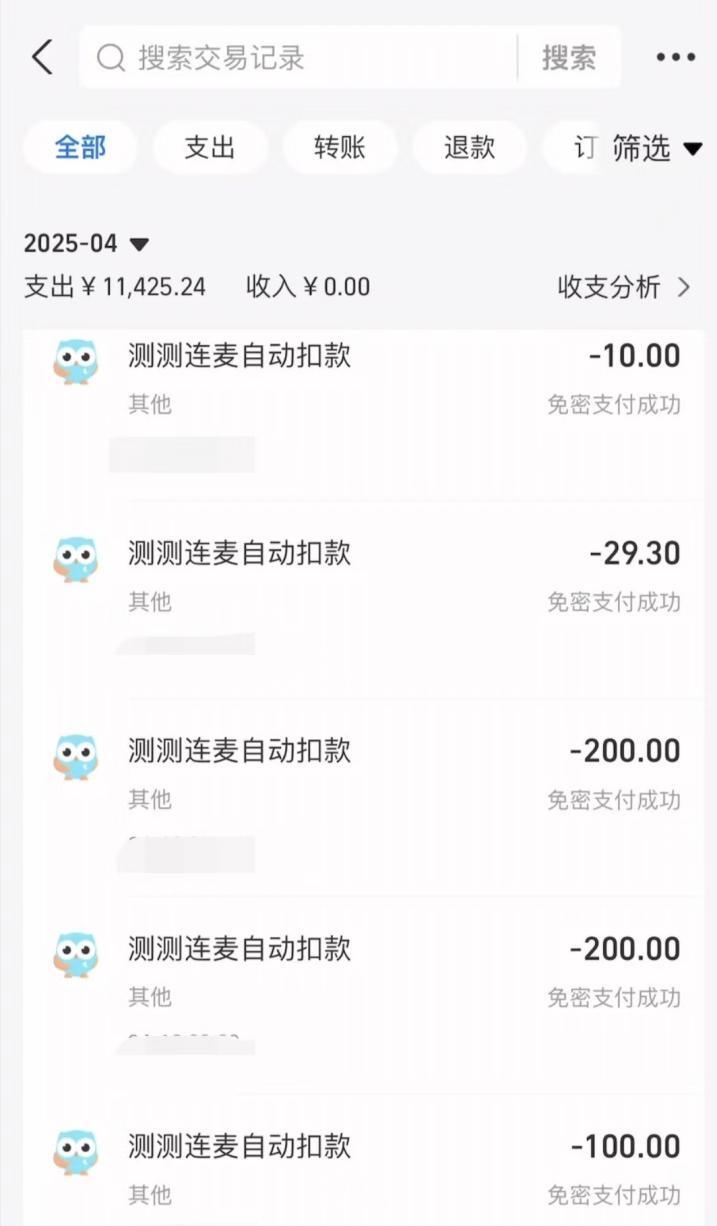
Core Insights - The article highlights the rise of "cyber fortune-telling" services, particularly through the app "测测," which has attracted significant user engagement but has also faced numerous complaints regarding fraudulent practices and consumer exploitation [1][7][14]. Group 1: User Experiences and Complaints - Users like 然然 have reported spending over 40,000 yuan on consultations, often feeling misled by promises of relationship resolutions that never materialize [1][4]. - Complaints on platforms like 黑猫投诉 have accumulated nearly 1,000 cases, with common issues including "induced consumption," "false advertising," and "poor service quality" [7][14]. - Users have expressed frustration with the app's customer service, which often deflects responsibility and fails to address refund requests effectively [4][14]. Group 2: Regulatory and Industry Response - The Central Cyberspace Administration of China has initiated a month-long campaign to address online fortune-telling services, categorizing them as promoting feudal superstition [1]. - The app's management claims to have mechanisms for reporting and addressing unprofessional service, but users report a lack of transparency and effectiveness in these processes [7][14]. Group 3: Business Model and Market Potential - The app has amassed 55 million registered users and employs 26,000 online consultants, indicating a substantial market presence in the emotional and psychological support sector [8][10]. - The founder, 任永亮, envisions expanding the app's offerings to include AI-driven emotional support, positioning it as a comprehensive platform for psychological services [10][11]. - The emotional economy is becoming increasingly attractive to investors, with the app capitalizing on the growing demand for certainty and comfort among young consumers [8][10].
花4万买“他会回头”结果人财两空 赛博算命收割了多少脆弱的心
Xin Lang Ke Ji· 2026-02-26 01:53
Core Viewpoint - The article highlights the growing concerns regarding the "cyber fortune-telling" services provided by the app "测测" (MeiMei), particularly focusing on user complaints about financial exploitation and misleading practices by the platform's consultants [1][2][7]. User Experiences - Users like 然然 (a pseudonym) have reported spending over 40,000 yuan on consultations, often contacting multiple consultants daily, leading to significant financial losses [2][4]. - Complaints on platforms like 黑猫投诉 (Black Cat Complaints) have accumulated nearly 1,000 cases, with common issues including "induced consumption," "false advertising," and "lack of refunds" [1][7]. - Users have expressed feelings of being deceived, as consultants often provide vague promises about future events, which are not fulfilled, leading to repeated consultations and increased spending [4][5]. Regulatory Actions - The Central Cyberspace Administration of China has initiated a month-long campaign to address online fortune-telling services that promote superstitions, marking it as a key issue for regulation [1]. Business Model and Growth - The app "测测" has amassed 55 million registered users and signed 26,000 online psychological and emotional consultants, indicating a significant market presence in the emotional service sector [8][10]. - The platform operates on a dual model of "human + AI," providing a range of online emotional services and achieving efficient monetization through user payments for consultations and reports [10][12]. Industry Challenges - The platform faces scrutiny over the quality and qualifications of its consultants, with many users questioning the transparency of the vetting process and the effectiveness of the complaint handling system [14]. - Legal experts suggest that the platform may be liable for consumer fraud due to misleading practices and inadequate oversight of its consultants, which could lead to significant legal repercussions [14].
花4万买“他会回头”结果人财两空?测测的“赛博算命”,收割了多少脆弱的心?|BUG
Xin Lang Cai Jing· 2026-02-26 00:34
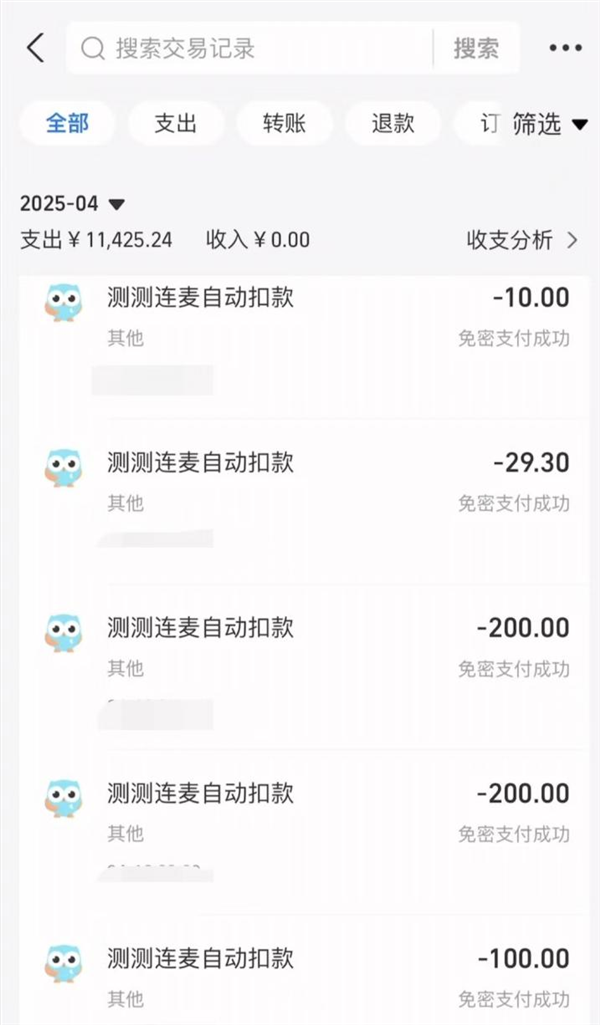
Core Viewpoint - The article highlights the growing concerns regarding the "MeiMei" app, which offers online fortune-telling services, particularly in the context of consumer complaints about deceptive practices and the potential regulatory crackdown on such services [1][19]. Group 1: Consumer Experiences - Users like "Ranran" have reported spending over 40,000 yuan on consultations, often being misled by "consultants" who continuously push back promised outcomes [1][19]. - Complaints on platforms like "Black Cat Complaints" have accumulated nearly 1,000 cases, with common issues including "induced consumption," "false advertising," and "refund difficulties" [7][24]. - Users have expressed feelings of being deceived, as promises made by consultants often do not materialize, leading to significant financial losses [5][22]. Group 2: Regulatory Environment - The Central Cyberspace Administration of China has initiated a month-long campaign to address online fortune-telling services that promote superstitions, marking a potential threat to the business model of "MeiMei" [1][19]. - The article suggests that regulatory scrutiny may impact the viability of the "cyber fortune-telling" business, as authorities focus on consumer protection [19]. Group 3: Business Model and Market Dynamics - "MeiMei" app has reportedly amassed 55 million registered users and signed 26,000 online psychological and emotional consultants, indicating a significant market presence [8][25]. - The app operates on a dual model of "human + AI," providing a range of emotional services, which has positioned it as a popular choice among young users seeking emotional support [10][27]. - The founder, Ren Yongliang, has articulated a vision for the app's evolution from a star sign community to a comprehensive "pan-psychology" platform, with plans to integrate AI technology into future offerings [8][28]. Group 4: Legal and Ethical Considerations - Legal experts have indicated that the platform may be liable for consumer fraud if it is found to be promoting superstitious practices under the guise of psychological counseling [12][31]. - The lack of transparency in the vetting process for consultants and the handling of complaints has raised ethical concerns about the platform's operational practices [14][31].

佛山创意产业园:打造“25H快乐智造厂”,探索多元消费场景
2 1 Shi Ji Jing Ji Bao Dao· 2026-02-25 09:14
Core Insights - The article emphasizes the importance of the synergy between manufacturing and service industries, highlighting that lifestyle services can enhance consumer experiences and support manufacturing by providing product displays and brand promotion [1] Group 1: Industry Trends - The current consumer trend is shifting from material-based consumption to spiritual and experiential consumption, with emotional and experiential economies becoming new focal points [2] - The "25H Happy Manufacturing Factory" is positioned as a key initiative to create immersive and diverse consumer experiences, thereby enhancing the quality and expansion of the service industry [2] Group 2: Strategic Initiatives - The creative industrial park plans to implement four major initiatives by 2026: 1. Upgrade the "25H Birthday Hall" with over 5,000 planned events to stimulate consumer engagement [2] 2. Revitalize the "Foshan Kung Fu Night Market" with over 600 food vendors, blending local and global flavors to establish a new nighttime consumption landmark [2] 3. Enhance online traffic and live e-commerce, exploring a new model of "offline scenarios + online traffic" to inject digital vitality into the commercial area [2] 4. Promote organizational reform through a "25-hour open lifelong learning university" model to improve responsiveness [2] Group 3: Future Outlook - The creative industrial park aims to leverage new technologies such as new media and AI to keep pace with consumer upgrade trends, providing high-quality spiritual consumption experiences while broadening brand exposure and market channels for Foshan manufacturing [2]