
投资者保护

Search documents
吴清最新表态
第一财经· 2026-03-06 11:39
Core Viewpoint - The article discusses the key points raised by the Chairman of the China Securities Regulatory Commission (CSRC), Wu Qing, regarding the reform and development of the capital market during the 14th National People's Congress, emphasizing the importance of high-quality development and risk prevention in the capital market [3]. Group 1: Capital Market Reforms - The CSRC plans to deepen the reform of the ChiNext board by introducing a more inclusive and precise set of listing standards to support innovative enterprises in new industries and services [5][6]. - A pre-review process for IPOs will be implemented for eligible ChiNext companies, allowing them to raise funds from existing shareholders and optimize new stock pricing [8]. - The CSRC aims to revise and introduce new regulations for securities companies and listed companies to enhance governance and protect investors [9]. Group 2: Investor Protection and Market Integrity - The CSRC will strengthen the protection of investor rights by improving dispute resolution channels and cracking down on market manipulation and misleading practices [10]. - There will be a focus on combating illegal activities in private equity funds and enhancing the regulation of high-frequency trading [11]. - The CSRC will enforce stricter regulations on refinancing practices to prevent misuse of raised funds [13]. Group 3: Market Stability and Quality - The CSRC emphasizes the importance of maintaining market stability and quality, with a commitment to rigorous enforcement against financial fraud and enhancing the quality of listed companies [15][21]. - The article highlights the need for a robust mechanism to ensure the authenticity of listed companies while improving their investment appeal [21]. - The CSRC aims to enhance the attractiveness of Chinese assets to international investors and promote deeper bilateral market openness [23].

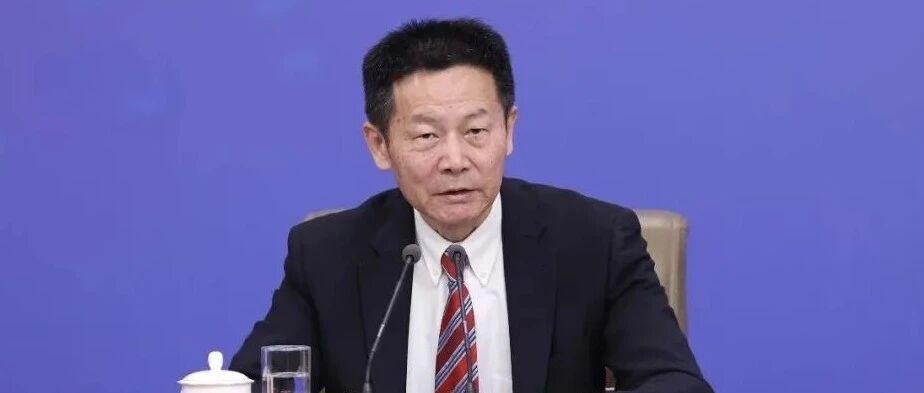
吴清:监管执法和投资者保护是核心职能,不能削弱、只能加强
第一财经· 2026-03-06 08:02
Core Viewpoint - The overall scale, structure, and quality of the capital market are achieving new leaps, with enhanced market resilience and risk resistance, highlighting the stock market's role as a barometer in stabilizing employment, enterprises, markets, and expectations [1] Regulatory Environment - The core functions of the China Securities Regulatory Commission (CSRC) include stronger and more effective regulatory enforcement and investor protection, which must be strengthened rather than weakened [1] - The CSRC will adhere to the rule of law in market reforms and development, promoting the establishment of a legal system for the capital market [1]
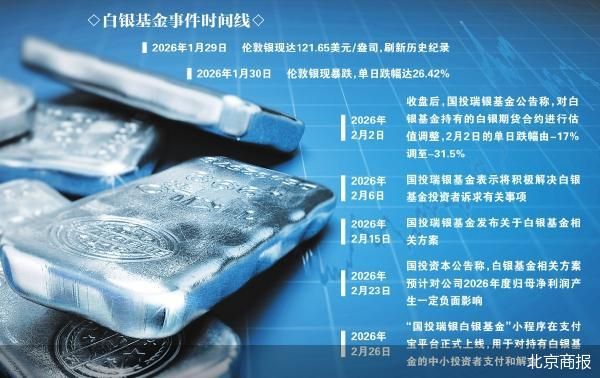
白银基金风波启示
Bei Jing Shang Bao· 2026-02-26 16:47
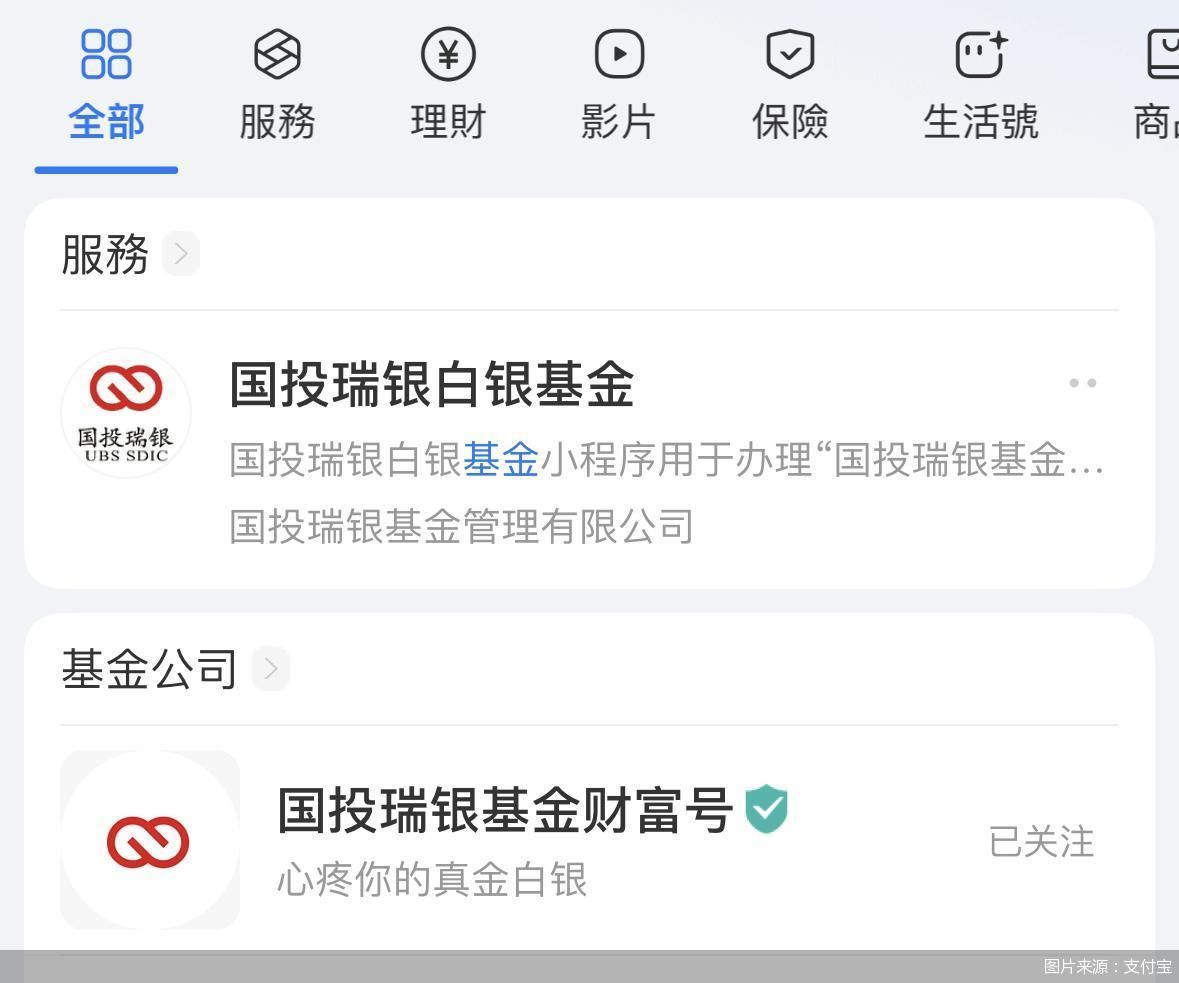
Core Viewpoint - The incident involving Guotou Ruijin Silver Fund highlights the challenges faced by fund management companies in extreme market conditions, leading to a unique settlement case with investors, which may set a precedent for investor protection in the industry [1][9][12] Group 1: Settlement Process - Guotou Ruijin Fund initiated a settlement process for affected investors through a mini-program on Alipay, allowing eligible investors to apply for compensation [3][4] - The settlement scheme differentiates between investors based on the amount of loss, with those losing less than 1,000 yuan receiving full compensation, while those with losses above 1,000 yuan receive a percentage of their excess loss [4][5] - The program is limited to individual investors who redeemed their shares on February 2, 2026, excluding institutional investors [5][6] Group 2: Impact on Fund and Company - The Guotou Ruijin Silver Fund's assets surged to over 10 billion yuan due to rising silver prices, but the recent valuation adjustment has led to significant reputational damage and financial implications for the parent company [1][9][10] - The estimated impact on Guotou Ruijin's parent company, Guotou Capital, is projected to be less than 1.347 billion yuan, which is under 5% of its audited net profit for 2024 [10][11] - The incident has raised concerns about the fund's management capabilities in extreme market conditions and the adequacy of risk management tools available [9][10] Group 3: Industry Implications - This case serves as a warning for the industry regarding the need for improved risk management and investor protection mechanisms, especially in the context of cross-border products [9][11] - The settlement is seen as a potential catalyst for enhancing investor protection practices across the public fund industry, indicating a shift towards better safeguarding of investor rights [12] - The incident underscores the importance of maintaining trust and compliance within the financial sector, as reputational risks can have far-reaching consequences [11][12]
年内23家A股公司公告收立案告知书
Zheng Quan Ri Bao Zhi Sheng· 2026-02-26 16:10
Group 1 - A total of 23 A-share companies have received investigation notices from regulatory authorities since the beginning of the year, primarily due to information disclosure violations [1] - Companies involved in short-term trading and insider trading are also under investigation, indicating a broader scrutiny of market practices [1] - The tightening of capital market reforms has significantly reduced arbitrage opportunities arising from information asymmetry, leading to increased legal costs for companies that violate disclosure standards [1][2] Group 2 - The focus of regulatory enforcement has shifted towards financial fraud, illegal guarantees, and fund occupation, with increased scrutiny on misleading statements related to market trends and restructuring [2] - Key individuals such as directors and senior management are frequently included in investigations alongside their companies, highlighting the importance of accountability within corporate governance [2] - Companies under investigation have stated that their business operations continue normally and they will cooperate with regulatory inquiries while adhering to disclosure obligations [2] Group 3 - There are concerns among investors regarding the potential impact of serious violations on their legal rights, emphasizing the need for improved investor protection mechanisms [3] - Recommendations include streamlining the compensation process for investors affected by securities violations to enhance their sense of security and satisfaction [3]


白银基金风波启示:从估值调整到和解退钱,行业如何预防“三输”困局
Bei Jing Shang Bao· 2026-02-26 12:20
Core Viewpoint - The incident involving Guotou Ruijin Silver Fund highlights the challenges faced by fund management companies in extreme market conditions, leading to a significant valuation adjustment and subsequent investor dissatisfaction. The resolution process initiated by the fund represents a first in the public fund industry, aiming to address investor grievances while also impacting the company's reputation and financial performance [1][19][26]. Summary by Sections Fund Valuation Adjustment - Guotou Ruijin Fund adjusted the valuation of its Silver Fund due to extreme fluctuations in the silver market, which resulted in a significant drop in the fund's value from -17% to -31.5% [20][22]. - The adjustment led to widespread investor dissatisfaction, particularly because the announcement was made after the market closed, preventing many from redeeming their investments in time [20][21]. Resolution Process - A special work plan was developed to address the concerns of affected investors, allowing them to apply for compensation through a dedicated mini-program on Alipay [2][3]. - The compensation scheme categorizes investors based on the amount of their losses, with those losing less than 1,000 yuan receiving full compensation, while those with losses exceeding 1,000 yuan receive a percentage of their losses [9][12][19]. Impact on Company and Shareholders - The resolution process is expected to negatively impact the net profit of Guotou Ruijin Fund's parent company for the fiscal year 2026, with estimates suggesting a potential impact of less than 1.347 billion yuan [25]. - The fund's management scale had previously reached a peak of 254.3 billion yuan, with the Silver Fund alone accounting for 18.9 billion yuan, but the recent events have raised concerns about the fund's reputation and future investor confidence [24][25]. Industry Implications - This incident serves as a warning for the entire public fund industry regarding the need for improved risk management and investor protection mechanisms, especially in volatile market conditions [26]. - The case is seen as a potential catalyst for enhancing investor protection frameworks and may lead to more stringent management practices for popular investment products in the future [26].
今年已有4家A股公司,触发重大违法强制退市
Di Yi Cai Jing Zi Xun· 2026-02-26 09:02
Core Viewpoint - *ST Lifan (300344.SZ) is officially on the path to delisting after three consecutive years of financial fraud, with the Shenzhen Stock Exchange announcing the termination of its listing on February 14, 2026 [2][3]. Group 1: Company Delisting and Regulatory Actions - The company received a notice from the Shenzhen Stock Exchange on February 14, 2026, indicating the decision to terminate its listing, with trading suspended from February 24, 2026 [2]. - The administrative penalty decision revealed that *ST Lifan had false records in its annual reports from 2021 to 2023, with a total false revenue exceeding 500 million yuan, accounting for over 50% of the reported revenue for those years [2][3]. - The company was found to have inflated revenue and costs through various fraudulent activities, leading to a fine of 10 million yuan imposed by the Anhui Securities Regulatory Bureau [3][4]. Group 2: Broader Market Context - Since the implementation of new delisting regulations, four companies have been delisted or entered the delisting process due to major violations [3]. - The regulatory environment is characterized by a "zero tolerance" approach towards financial fraud, with significant penalties aimed at key individuals involved in such activities [3][4]. - Other companies, such as *ST Changyao (300391.SZ) and Guandao Digital, have also faced similar delisting actions due to financial misconduct [4][5]. Group 3: Investor Protection and Legal Framework - There is an ongoing effort to enhance investor protection mechanisms, including the establishment of a comprehensive system for addressing fraud, which involves administrative, criminal, and civil accountability [5][6]. - The Shanghai Zhixin Law Firm suggests that delisting should be accompanied by compensation measures to protect investors, advocating for a more robust legal framework to facilitate this [5][6]. - The case of Guandao Digital illustrates the implementation of a compensation fund to address investor losses due to fraudulent disclosures, highlighting the need for proactive measures in investor protection [6]. Group 4: Market Behavior and Risks - Companies like *ST Lifan and Guandao Digital experienced significant stock price speculation before their delisting, with *ST Lifan's stock rising by 314.93% over a period of 10 trading days [8][9]. - The phenomenon of "末日狂欢" (end-day carnival) reflects the speculative trading behavior surrounding stocks that are at risk of delisting, often leading to substantial losses for retail investors [7][9]. - Analysts warn that such speculative trading is fraught with risks, including delisting risk, liquidity issues, and poor information disclosure, urging investors to focus on value investing rather than speculative plays [9].



A股“净化风暴”继续:今年已有4公司触发重大违法强制退市
Di Yi Cai Jing· 2026-02-26 08:30
Core Viewpoint - The article discusses the recent trend of companies facing delisting due to serious financial fraud, highlighting the regulatory environment's shift towards a zero-tolerance approach to such violations, which aims to purify the market ecosystem [2][3]. Group 1: Company Delistings - *ST Lifan has officially entered the delisting process after being found guilty of financial fraud for three consecutive years, with over 500 million yuan in false revenue reported in 2021 and 2022, exceeding 50% of the total revenue disclosed for those years [2][3]. - Four companies have been delisted or entered the delisting process this year due to serious violations, indicating a trend towards timely market exits for companies that fail to comply with regulations [3]. - *ST Changyao is also undergoing the delisting process due to similar fraudulent activities reported in its financial statements for 2021, 2022, and 2023, resulting in a 10 million yuan fine [4]. Group 2: Regulatory Actions - The regulatory authorities have intensified their crackdown on companies involved in systemic financial fraud, with significant penalties imposed, including a 10 million yuan fine on *ST Lifan and a total of 30 million yuan in fines on responsible individuals [3][4]. - The regulatory framework is evolving to include a comprehensive system of accountability, combining administrative, criminal, and civil measures to deter fraudulent activities [5][6]. - The introduction of investor protection mechanisms is ongoing, aiming to balance strict enforcement of delisting rules with effective investor safeguards [6][7]. Group 3: Market Dynamics and Risks - Companies like *ST Lifan and *ST Changyao have experienced significant stock price speculation prior to their delisting, with *ST Lifan's stock rising by 314.93% over a period of 10 trading days [8][9]. - The phenomenon of "speculative trading" in risk-warning stocks poses substantial risks to investors, including delisting risk, liquidity issues, and poor information disclosure [9][10]. - Investors are cautioned against viewing ST stocks as opportunities based solely on low prices, as the underlying value has diminished significantly due to regulatory reforms [10].
国投白银LOF,补偿方案今日启动
Sou Hu Cai Jing· 2026-02-26 03:57
Core Viewpoint - The announcement by Guotou Ruijin Fund regarding the compensation plan for investors affected by the valuation adjustment of the Guotou Ruijin Silver Futures Securities Investment Fund (LOF) aims to protect the rights of individual investors, particularly small and medium-sized ones, by providing a streamlined and reliable process for compensation [1][2][3]. Group 1: Compensation Plan Details - The compensation plan is applicable to individual investors who redeemed their shares based on the net asset value confirmed on February 2, including those who submitted redemption requests between January 30 at 15:00 and February 2 at 15:00 [1][2]. - Over 90% of the affected individual investors, whose valuation adjustment impact is below 1,000 yuan, will receive full compensation based on the actual impact amount [2]. - For individual investors with an impact exceeding 1,000 yuan, the compensation will be calculated based on a formula that adds a certain percentage to the base amount of 1,000 yuan [2]. Group 2: Market Insights - Market analysts believe that the compensation plan is designed to bridge the gap between regulatory compliance and investor sentiment, emphasizing a higher standard of service rather than legal liability [3]. - The valuation adjustment primarily affects the net asset value and only impacts those transactions based on this value, excluding investors engaged in secondary market trading [3]. Group 3: Financial Impact - The funding for the compensation plan will come from the company's own assets, which are strictly separated from fund assets [4]. - The estimated negative impact on the company's net profit for 2026 is expected to be less than 5% of the audited net profit for 2024, indicating that the overall business development will not be materially affected [4][5].

国投瑞银白银LOF,补偿方案启动
Jing Ji Wang· 2026-02-26 02:40
Group 1 - The core viewpoint of the news is that Guotou Ruijin Fund has launched a compensation plan for investors affected by the valuation adjustment of the Guotou Ruijin Silver Futures Securities Investment Fund (LOF), aiming to protect the rights of individual investors, especially small and medium-sized ones [1][2][3] - The compensation plan allows eligible individual investors who redeemed their shares based on the net asset value confirmed on February 2 to receive full compensation for amounts affected by the valuation adjustment, with over 90% of these investors expected to receive full compensation [2][3] - The adjustment in valuation impacted the fund's net asset value, changing from -17% to -31.5%, with individual investors affected by amounts below 1,000 yuan receiving full compensation based on the actual impact amount [2][3] Group 2 - The funding for the compensation plan will come from the company's own assets, which are strictly separated from fund assets, and the estimated negative impact on the company's net profit for 2026 is expected to be less than 5% of the audited net profit for 2024 [4] - Guotou Capital reported a net profit of approximately 2.694 billion yuan attributable to shareholders of the listed company for the year 2024 [5]
国投白银LOF,补偿方案启动
Zhong Guo Zheng Quan Bao· 2026-02-26 01:05
Group 1 - The core viewpoint of the news is that Guotou Ruijin Fund has launched a compensation plan for investors affected by the valuation adjustment of the Guotou Ruijin Silver Futures Securities Investment Fund (LOF), aiming to protect the rights of individual investors, especially small and medium-sized ones [1][2][3] - The compensation plan allows eligible individual investors who redeemed their shares based on the net value confirmed on February 2 to receive full compensation for amounts affected by the valuation adjustment, with over 90% of these investors expected to receive full compensation [2][3] - The funding for the compensation plan will come from the company's own assets, which are strictly separated from fund assets, and the estimated impact on the company's net profit for 2026 is expected to be less than 5% of the audited net profit for 2024 [4] Group 2 - The compensation plan is designed to redefine investor protection service standards, emphasizing convenience and reliability, and aims to replace complex processes with a straightforward online solution [2][3] - The valuation adjustment, which changed from -17% to -31.5%, will affect individual investors differently based on the amount impacted, with those affected by less than 1,000 yuan receiving full compensation [2][3] - The plan does not cover investors who traded on the secondary market, as their profits and losses are determined by market prices rather than the fund's net value, which was directly impacted by the valuation adjustment [3]