
教育科技人才一体发展

Search documents
围绕创新驱动发展、科教强省建设——代表委员有何高招?
He Nan Ri Bao· 2026-02-01 23:31
Core Viewpoint - The 2026 Henan Provincial Two Sessions emphasize "technological innovation" as a key driver for future development, focusing on building a robust technological support system and integrating education with technology and talent development [1][2]. Group 1: Technological Support System - The core task for 2026 is to strengthen the technological support system, promoting the deep integration of technological and industrial innovation, and constructing a modern industrial system with Henan's unique advantages [2][3]. - The "list of challenges" mechanism will be further implemented to encourage open collaboration among government, industry, academia, and research institutions, aiming to publish over 100 challenge lists to drive breakthroughs in key technologies [3][4]. Group 2: Industry and Innovation Integration - The role of enterprises as innovation leaders will be reinforced, with support for leading companies to form innovation alliances and the establishment of a provincial-level innovation platform whitelist to enhance industry support [4][5]. - A collaborative engine for innovation within industrial chains is proposed, particularly in key sectors like new energy vehicles and aerospace, to ensure that innovation resources are effectively utilized [7][8]. Group 3: Talent Development - Higher education institutions are encouraged to align their programs with the needs of the light industry sector, enhancing the quality of talent development to support high-quality growth in the industry [12][14]. - The establishment of collaborative innovation ecosystems is essential, with a focus on breaking down barriers between universities and industries to facilitate deeper integration of education and technology [19][20].

北京首提构建青年友好型政策体系
Zhong Guo Qing Nian Bao· 2026-01-27 10:09
Core Points - Beijing's government work report emphasizes the establishment of a youth-friendly policy system, including ten support measures for housing and entrepreneurship, aimed at stimulating innovation among young people [1][4][15] - The report highlights the need to address housing difficulties for youth by increasing the supply of various housing products [2] - The "14th Five-Year Plan" includes a dedicated chapter on talent, focusing on attracting young people to develop and innovate in the city [3] Group 1: Youth Development Initiatives - The Haidian District is creating a service brand for youth, providing housing and internship opportunities, with 1.5 million internship positions leading to job placements for nearly one-third of participants [5][6] - A survey targeting young talent was conducted to identify challenges faced in innovation and entrepreneurship, leading to the establishment of pilot innovation and entrepreneurship ecological demonstration zones [7] - The government has introduced a comprehensive policy package to support youth in five areas: living security, entrepreneurship support, talent cultivation, government services, and environmental creation [8] Group 2: Economic and Industrial Growth - Beijing aims to become an international center for technological innovation and develop high-tech industries, which will provide a solid foundation for youth talent [10] - The city has seen a doubling in the number of high-value invention patents and specialized small giant enterprises over the past five years, indicating strong economic growth [10] - The government plans to enhance educational resources and establish a global scientific and technological innovation hub, focusing on cutting-edge fields like artificial intelligence and biotechnology [11] Group 3: Talent Ecosystem and Recommendations - The government is implementing key talent plans to support a diverse range of talent, including top-tier and young talents, through a special allocation mechanism [13] - Suggestions from representatives include improving housing support for young talent and creating innovation alliances between universities, research institutions, and leading enterprises [14] - The city is also focusing on creating a competitive modern industrial system and an open innovation culture to attract and retain talent [12]
“十五五”开局,北京重点着墨教育科技人才一体发展
Zhong Guo Qing Nian Bao· 2026-01-26 12:20
Group 1 - The core viewpoint of the news is the integration of education, technology, and talent development as a key focus in Beijing's "14th Five-Year Plan" [1][2] - The plan emphasizes five continuous themes, including the implementation of central government decisions, achieving socialist modernization, a people-centered development approach, deepening reforms, and aligning strategic goals with practical implementation [1] - Beijing aims to leverage its strategic functions as the national political, cultural, international communication, and technology innovation center to enhance its modernization efforts [1] Group 2 - By 2025, Beijing will establish a leading group for education, technology, and talent work, marking an innovative step in promoting integrated development [2] - The city plans to strengthen collaboration between central and local governments and enhance regional cooperation to become a global hub for scientific innovation and high-level talent [2] - Key initiatives include attracting strategic scientists and leading technology talents, promoting interdisciplinary studies, and expanding enrollment in top-tier universities [2][3] Group 3 - Beijing will implement key talent plans and projects, establishing a support mechanism for top talents, young talents, and reserve forces [3] - A special allocation mechanism for critical technology talent will be created to facilitate cross-departmental and cross-regional collaboration [3] - The city aims to enhance talent exchange among universities, research institutions, hospitals, and enterprises to optimize talent utilization [3]
今年新增中小学学位1.7万个
Xin Lang Cai Jing· 2026-01-25 22:25
Group 1: Education Development Goals - The city aims to enhance the quality and balance of basic education, integrate vocational education, and develop higher education, with a target of adding 17,000 new primary and secondary school seats this year [1][2] - A focus on building a strong ideological and political education framework is emphasized, including the establishment of a monitoring center for teaching quality and the integration of AI in evaluation processes [1][3] Group 2: Special Education and Resource Allocation - The city plans to improve special education resources and support the development of 15-year integrated special education schools to provide quality education for every special needs child [2] - There will be a strategic allocation of educational resources, including the construction and expansion of 10 primary and secondary schools [2] Group 3: High School and Vocational Education Initiatives - The implementation of a strong high school initiative will involve collaboration between 35 project schools and 30 brand high schools to enhance educational quality [3] - New measures for vocational education will be introduced, including the establishment of industry-education integration bodies and the promotion of a "strong teaching and prosperous industry" action plan [5] Group 4: Higher Education Optimization - A three-year action plan will be initiated to optimize the layout of academic disciplines and professional training in higher education, aligning them with industry needs [4] - The city will launch a 2.0 plan for new engineering education and enhance the integration of new disciplines to support technological and industrial advancements [4]
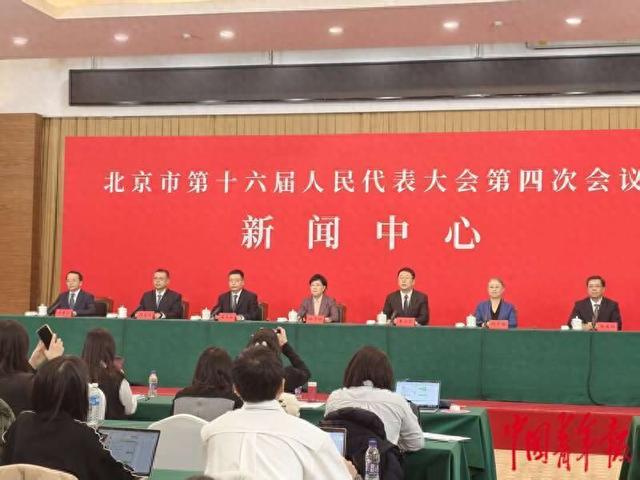
北京市政协十四届四次会议举行记者会
Xin Jing Bao· 2026-01-25 11:53
Group 1 - The core focus of the meeting was on the implementation of the "14th Five-Year Plan" and how the Political Consultative Conference can contribute wisdom and strength to this initiative [1] - The discussion included topics such as the integrated development of education, technology, and talent, as well as urban renewal [1] - The meeting also addressed the collaborative development of culture, commerce, tourism, and sports, alongside the expansion of effective rural investment and market consumption [1]
邢善萍在西安市调研教育科技人才一体发展工作
Shan Xi Ri Bao· 2026-01-23 22:58
Group 1 - The core focus is on the integration of education, technology, and talent development in Shaanxi province, emphasizing the need for a strong policy framework to support this initiative [1][2] - The "Fifteen Five" plan aims to enhance collaboration between education and technology sectors, ensuring that reforms in these areas are aligned and mutually reinforcing [2] - The importance of leveraging the "Qin Chuang Yuan" platform to enhance innovation resource aggregation and drive the integration of technology and industry is highlighted [2] Group 2 - The need for a comprehensive policy system that supports the integration of education, technology, and industry is stressed, including collaboration in talent evaluation and research topics [2] - The emphasis on building and utilizing experimental testing bases to foster original achievements and hard-tech enterprises is noted [1] - Encouragement for companies to focus on cutting-edge technologies and future industry directions to effectively convert scientific achievements into productive forces is mentioned [1]
加紧培育壮大新动能——访科技部党组书记、部长阴和俊
Ren Min Ri Bao· 2026-01-15 03:19
Group 1 - The core viewpoint emphasizes the importance of technological innovation as a driving force for economic development and the need to cultivate new industries and future industries to gain a competitive edge internationally [1][2] - The Central Economic Work Conference has identified "innovation-driven development and the cultivation of new driving forces" as one of the eight key tasks for economic work in 2026, highlighting the strategic importance of technology [2][3] - The Ministry of Science and Technology aims to strengthen strategic planning, policy measures, and resource platforms to enhance the overall effectiveness of the national innovation system and support the construction of a modern industrial system [2][3] Group 2 - The Ministry plans to accelerate the formulation of the "14th Five-Year" national science and technology innovation plan, ensuring a comprehensive and systematic approach to key tasks and major initiatives over the next five years [3] - There will be a focus on deep integration of technological innovation and industrial innovation, with an emphasis on addressing urgent economic and social development needs through major national science and technology projects [3][4] - The Ministry aims to establish high-level international science and technology innovation centers in Beijing, Shanghai, and the Guangdong-Hong Kong-Macao Greater Bay Area, enhancing their roles in original innovation and high-end industry leadership [6][7] Group 3 - The Ministry will implement a coordinated mechanism to promote the integrated development of education, technology, and talent, ensuring that technological innovation drives education and talent development [4][5] - There will be reforms in project evaluation, institutional assessment, and talent evaluation to enhance the innovation capabilities of scientific and technological personnel [5] - The Ministry will support enterprises in taking the lead in technological innovation, ensuring that they play a central role in decision-making, R&D investment, and the transformation of scientific achievements [8][9]
加紧培育壮大新动能——访科技部党组书记、部长阴和俊(权威访谈·开局“十五五”)
Ren Min Ri Bao· 2026-01-14 23:04
Group 1 - The core viewpoint emphasizes the importance of technological innovation as a driving force for economic development and the need to cultivate new industries and future industries to gain a competitive edge internationally [1][2] - The Central Economic Work Conference has identified "innovation-driven development and the cultivation of new driving forces" as one of the eight key tasks for economic work in 2026, highlighting the strategic importance of technology [2][3] - The Ministry of Science and Technology plans to implement a comprehensive approach to enhance the national innovation system, focusing on strategic planning, policy measures, and regional innovation to support high-quality development [2][3] Group 2 - The Ministry will accelerate the formulation of the "14th Five-Year" National Science and Technology Innovation Plan to ensure a systematic approach to key tasks and major initiatives over the next five years [3] - There will be a focus on deep integration of technological innovation and industrial innovation, with an emphasis on addressing urgent economic and social needs through major national science and technology projects [3][4] - The establishment of international technology innovation centers in Beijing, Shanghai, and the Guangdong-Hong Kong-Macao Greater Bay Area aims to enhance original innovation capabilities and attract top talent [6][7] Group 3 - The Ministry will implement a coordinated mechanism to promote the integrated development of education, technology, and talent, ensuring that technological innovation drives educational and talent development [4][5] - Measures will be taken to strengthen the role of enterprises in technological innovation, including enhancing their decision-making and R&D investment capabilities [8][9] - The Ministry aims to improve the conversion of technological achievements into practical applications, particularly for small and medium-sized technology enterprises [9]
三个视角,看教育科技人才一体发展
Ren Min Ri Bao· 2026-01-11 04:45
Group 1: Education Technology Talent Development - The topic of "education technology talent" has become a focal point, with various institutions demonstrating how education, technology, and talent can support and advance each other [1] - Shanghai Jiao Tong University has established a unique "Huawei Class" to cultivate software talent, connecting academic research with industry needs, particularly in the development of Huawei's Harmony operating system [2][3] - The "Huawei Class" employs a three-stage training path for graduate students, involving deep collaboration with Huawei mentors, practical project work, and a focus on thesis and defense in the final year [3] Group 2: Industry Collaboration and Innovation - The Jiangsu Regional Technology Transfer Center has played a crucial role in facilitating the commercialization of new drugs developed by Nanjing Medical University, highlighting the importance of industry partnerships in innovation [5][6] - The center provides comprehensive support for technology transfer, including funding and risk management strategies, which have enabled successful collaborations between academia and industry [7] - The center has established over 32 one-stop public transfer platforms, facilitating the connection of 5,337 university research outcomes with industry needs [9] Group 3: University-Industry Synergy in Shenzhen - Shenzhen Polytechnic University emphasizes practical experience for students, integrating academic learning with real-world projects in collaboration with leading enterprises [11][12] - The university's establishment aligns with Shenzhen's industrial needs, focusing on interdisciplinary programs that address high-demand sectors such as healthcare and artificial intelligence [12][13] - Shenzhen's rapid development of higher education institutions aims to create a robust ecosystem for innovation and talent development, with significant financial support for research initiatives [14]
三个视角,看教育科技人才一体发展(深聚焦)
Ren Min Ri Bao· 2026-01-11 00:05
Group 1: Education Technology Talent Development - The topic of "education technology talent" has become a focal point, with practical examples showing how education, technology, and talent can support and advance each other [1] - Shanghai Jiao Tong University has established a unique "Huawei Class" to cultivate software talent, connecting academic research with industry needs [2][3] - The "Huawei Class" features a three-stage training path for graduate students, emphasizing collaboration between academic and industry mentors [3] Group 2: Successful Case Studies - A professor at Nanjing Medical University successfully transitioned a new drug to commercialization, aided by the Jiangsu Regional Technology Transfer Center [5][6] - The Jiangsu center provides comprehensive support for technology transfer, including funding and risk management strategies [7] - The center has facilitated numerous collaborations between universities and companies, resulting in significant technology transfers and innovations [9] Group 3: University-Industry Collaboration - Shenzhen Polytechnic University emphasizes hands-on experience for students, integrating academic learning with real-world projects in collaboration with industry [11][12] - The university aligns its curriculum with Shenzhen's industrial needs, focusing on interdisciplinary programs that address core industry demands [12][13] - Shenzhen's rapid establishment of new universities aims to enhance local education resources and support technological innovation [13][14] Group 4: Government Support and Initiatives - The Shenzhen government has invested significantly in research funding and infrastructure to support higher education and innovation [14] - Initiatives include granting universities autonomy in talent recruitment and establishing research platforms to foster collaboration [14] - The city aims to create a virtuous cycle of talent development and technological innovation through comprehensive reforms in higher education [14]