文明互鉴

Search documents
全球看春晚!我驻印度使馆举行春节招待会 总台春晚宣传片精彩亮相
Jing Ji Guan Cha Wang· 2026-02-05 03:58
Group 1 - The Chinese Embassy in India hosted a Spring Festival reception in New Delhi, attended by nearly 600 guests from various sectors, including government, media, and business [1] - Ambassador Xu Feihong emphasized China's commitment to multilateralism and maintaining a stable global trade system, highlighting China's role as a major trading partner for over 150 countries and regions [1] - The event showcased Chinese culture through traditional cuisine and performances, fostering goodwill and cultural exchange between China and India [1] Group 2 - The Secretary-General of the India-China Economic and Cultural Council noted that the Chinese New Year serves as a platform for dialogue between civilizations, enhancing mutual understanding and cooperation [2] - Indian scholar Ash Nalan Roy expressed that the Spring Festival celebrations, including the Spring Festival Gala, resonate globally and serve as a new bond for cultural exchange between China and India [2]
南京城的年味,有多浓?第十一季“城门挂春联”震撼开场,非遗、国际友人都来啦!
Xin Lang Cai Jing· 2026-01-31 12:15
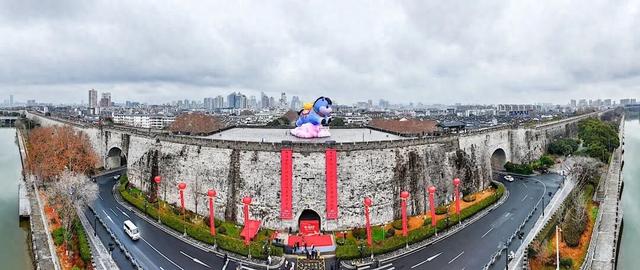
"五千年聚宝藏珍,耀我中华,频开盛世;九万里腾龙跃马,行其大道,再展雄风。"一副长十五米、宽 两米的巨幅大红春联于1月31日上午在南京中华门瓮城震撼亮相,正式拉开丙午马年新春序幕。由新华 报业传媒集团、南京市文化和旅游局、中国银行江苏省分行、江苏省书法家协会、江苏省楹联研究会联 合主办,南京城墙保护管理中心、南京晨报、中国银行南京分行共同承办的2026年第十一季"城门挂春 联 南京开门红"揭联仪式,在中华门隆重举行。 现场致辞中,新华日报社党委书记、社长,新华报业传媒集团董事长双传学表示,自2016年启幕,这一 活动已从一项媒体文化创意,成长为备受瞩目的城市新春盛典。 马年将至,十三城门春联大气磅礴,激励人心。作为连续十一年打造的城市文化品牌,"城门挂春联"活 动早已成为南京人迎接春节不可或缺的年俗。 传统与现代交融,非遗与数字共舞 2024年,"春节——中国人庆祝传统新年的社会实践"被列入人类非物质文化遗产代表作名录,成为世界 普遍接受、认同和欣赏的中华文化符号。"城门挂春联 南京开门红"活动,创造性地将660岁的物质文化 遗产明城墙,和传承千年的书法、楹联、春节民俗等非物质文化遗产完美融合在一起,正是南京 ...

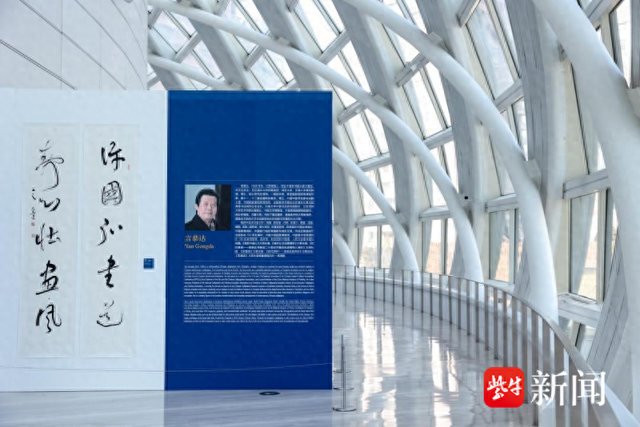
言恭达《文明互鉴赋》亮相太空艺术计划,书写中外文明对话新篇
Xin Lang Cai Jing· 2026-01-31 04:03
而不同"的中华哲思,倡导"命运同舟、福泽共沐"的当代共识,内容凝结着对人类文明共生的深切期 许。书法创作上,言恭达以其标志性的"以篆入草、碑帖相融"技法,线条兼具篆籀的厚重与草书的灵 动,章法布局虚实相生,让"文明互鉴"的理念既藏于文辞,更显于笔墨肌理。 转自:扬子晚报 2026年1月24日,"星河璀璨,艺术远航——首届书画瓷器艺术太空计划"在北京隆重启幕。著名书法家 言恭达先生携代表作《文明互鉴赋》参展,其融合古今智慧与时代精神的笔墨创作,不仅点亮地面艺术 长廊,更将随中国外文局"有戏号"卫星奔赴太空,以"天地联动"的创新形式,向世界传递中华文化的包 容与温度。 据了解,作为本次活动的核心展品之一,大草长卷《文明互鉴赋》长达二十米。言恭达先生自撰赋文正 是感应了2025年由中国发起、第78届联合国大会通过将每年6月10日设立为"文明对话国际日"背景下的 匠心之作,作品内容表达了中华民族对世界和平的渴望与维护。 《文明互鉴赋》以赋体文的典雅气韵与书法艺术的笔墨风骨完美交融,成为全场焦点。作品文辞精悍宏 阔,上溯黄河陶符与两河楔形文字的文明共鸣,追忆张骞凿空、郑和下西洋的千年丝路传奇;下承"和 "书法是时代人文 ...
开拓经贸机遇,助力合作“大有作为”——聆听来自中英商务论坛的声音
Xin Hua Wang· 2026-01-30 16:17
Group 1 - The UK and China are actively exploring economic and trade opportunities, with a strong emphasis on cooperation and mutual respect [1][2] - The UK Prime Minister's visit to China marks the first in eight years, highlighting the historical significance of the event and the desire for a long-term strategic partnership [1][2] - Bilateral trade between the UK and China is projected to reach $103.7 billion by 2025, with service trade expected to exceed $30 billion and mutual investment stock nearing $68 billion [1] Group 2 - During the visit, 12 intergovernmental cooperation documents were signed across various sectors, including trade, agriculture, culture, and market regulation, strengthening the ties between the two nations [2] - The UK is recognized as a leading destination for investment, characterized by openness, innovation, and stability, which is expected to drive global economic growth [2] - There is a consensus on the need to deepen UK-China economic relations and expand bilateral trade, particularly by nurturing service trade as a new growth area [2] Group 3 - The UK is acknowledged for its global leadership in green finance, and there are plans for collaboration between UK financial institutions and Chinese banks to support green industry development [3] - The focus on green economic transformation aligns with the shared development goals of both governments, indicating a commitment to sustainable practices [2][3]

“智慧就像一棵猴面包树,没有人可以独自拥抱”(国际论坛)
Ren Min Ri Bao· 2026-01-28 00:37
Core Viewpoint - The articles emphasize the importance of mutual learning and cooperation between China and Africa, highlighting that different civilizations can coexist harmoniously and overcome challenges together through shared wisdom and understanding [2][3][4]. Group 1: Historical Context and Development - Both China and Africa have experienced colonial oppression and development challenges, which have shaped their modern paths towards development [2]. - China's recent achievements in economic and social development reflect a strong national cohesion and a commitment to reform and innovation, showcasing a people-centered development philosophy [2]. Group 2: Cooperation and Partnership - China has actively engaged in global governance reforms while maintaining its cultural roots, providing valuable insights for developing countries, including those in Africa [3]. - The historical friendship between China and Africa has evolved through initiatives like the Belt and Road Initiative and the Forum on China-Africa Cooperation, leading to increased collaboration in sectors such as renewable energy and digital technology [3]. Group 3: Cultural Exchange and Understanding - Continuous cultural exchanges between China and Africa are fostering a more open and inclusive world, with initiatives like Confucius Institutes and student exchanges enhancing mutual understanding [4]. - The ongoing dialogue among media, academia, and think tanks is crucial for building a more inclusive international discourse that respects diverse civilizations [4]. Group 4: Future Outlook - The year 2026 is designated as the "Year of China-Africa Cultural Exchange," with a focus on enhancing cooperation in digital transformation, renewable energy, and public health [4]. - Strengthening collaboration networks among universities, think tanks, and cultural institutions will make China-Africa cooperation more strategic and beneficial for both peoples [5].
劳费尔与他的《马铃薯的全球史》
Xin Lang Cai Jing· 2026-01-25 23:27
一地植物结构的形成与农业的发展、社会的演进存在紧密的联系。不同地区的植物结构又造就了不同区 域 人类 的 饮食 结构,诚如西方谚语you are what you eat(人如其食)所言,饮食甚至足以左右一个国 家、民族的性格。所以,植物虽小,兹事体大。但是,由于各地植物资源并不均衡,即使植物大国—— 中国,在古代也有对异域植物的强烈渴望。甚至可以说,全球交往从植物的传播开始,毕竟在古代社 会,农业是最初的和最基本的行业,吃饱是人最朴素和最本质的追求。 西方马铃薯史研究硕果累累,影响最大的首推劳费尔的《马铃薯的全球史》 历史上中国不断从域外引进植物,这些植物不仅丰富了国人的口腹与舌尖,完善了作物结构、种植制 度,还与人民生计、医疗卫生、社会生活紧密相连。同样,起源于中国的植物不断外传,演绎和丰富了 世界农业文明。植物传播跨越山海,不仅织就了"各美其美、美美与共"的文明画卷,而且为构建人类知 识新图谱与人类命运共同体注入了雄浑的历史力量。 马铃薯,原产南美洲,在中国更为广泛的称呼是土豆和洋(羊、阳)芋,系茄科茄属的一年生草本植 物,全球第四大主粮。在欧美国家,马铃薯早就成为仅次于小麦的主食。当今中国马铃薯产量与 ...
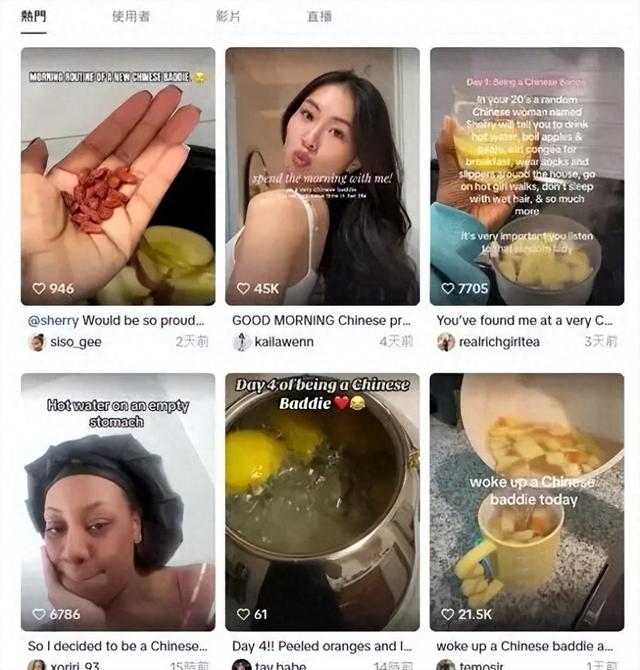
“有点紧张,我第一次变中国人”
Xin Lang Cai Jing· 2026-01-25 17:17
Core Viewpoint - The trend of "Becoming Chinese" is gaining popularity among young people overseas, reflecting a growing interest in Chinese culture and lifestyle practices [4][14]. Group 1: Cultural Adoption - Foreign social media users are actively sharing their experiences of adopting Chinese habits, such as drinking hot water and practicing traditional exercises like Ba Duan Jin [5][8]. - Many participants, despite never having visited China, are engaging with Chinese culture through online platforms, showcasing a shift from traditional stereotypes to a more nuanced understanding of daily Chinese life [14][15]. Group 2: Cultural Exchange - The phenomenon represents a significant cultural exchange, where foreign individuals express a desire to learn and integrate aspects of Chinese culture into their lives, breaking down long-standing stereotypes [14][15]. - This trend highlights the importance of mutual cultural recognition and interaction, emphasizing that effective cultural exchange is characterized by a two-way engagement rather than one-sided adaptation [15][16]. Group 3: Broader Implications - The "Becoming Chinese" movement illustrates a broader human aspiration for a better life, showcasing the wisdom inherent in Chinese culture that resonates with universal values [19]. - The engagement with Chinese culture through practical daily activities signifies a transformative potential, allowing cultural elements to transcend borders and thrive independently [16][19].
听,千载文物在说话
Xin Lang Cai Jing· 2026-01-16 23:10
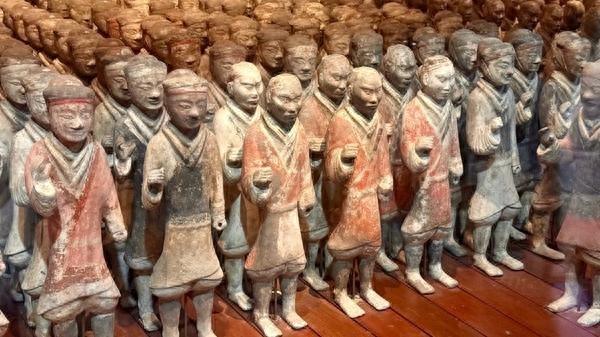
Group 1 - The core idea of the articles revolves around the innovative use of digital technology and cultural heritage to enhance visitor experiences in museums, particularly in Xi'an and its surrounding areas [2][5][12] - The Xi'an Ancient Ferry Ruins Museum has introduced a high-resolution 3D immersive experience project, allowing visitors to engage with historical scenes in a more interactive manner [2][3] - The use of VR technology and digital guides is transforming traditional museum visits into immersive cultural experiences, appealing to younger audiences and fostering a deeper understanding of history [2][6][7] Group 2 - The Xi'an cultural scene is expanding its global reach, with exhibitions featuring local artifacts being showcased internationally, such as the 36 artifacts sent to Australia in 2025 [3][4] - The integration of technology in cultural preservation is exemplified by the restoration efforts of the Han Dynasty terracotta warriors, utilizing advanced materials to restore their original colors and details [12][13] - The promotion of intangible cultural heritage in Xi'an, such as the local paper-cutting art, is being enhanced through creative live streaming and community engagement, contributing to both cultural preservation and economic growth [8][9]
以丝为媒 焕彩古今——中国丝绸博物馆的守正与创新
Xin Lang Cai Jing· 2026-01-13 04:19
Core Insights - The China Silk Museum is focusing on the integration of museum resources with higher education in design, emphasizing silk as a vital cultural and aesthetic symbol of Chinese civilization [1] - The museum is committed to research and innovation in textile conservation, showcasing its achievements in a dedicated exhibition space [4][6] - The museum has upgraded its exhibition system to provide immersive experiences, with a focus on themes related to the Silk Road and silk culture [7][8] Research and Innovation - The museum has implemented over 40 research projects in 2025, including national key research and social science fund projects [6] - The development of silk protein reinforcement technology has been a significant achievement, enhancing the durability of fragile silk artifacts [6] - The museum has established nine workstations across regions along the Silk Road to promote conservation techniques and train industry professionals [6] Exhibition and Cultural Exchange - The core permanent exhibition "Silk Journey: Chinese Silk and the Silk Road" has been fully upgraded, focusing on the dual influence of silk in cultural exchanges [7][8] - The museum has launched the "National Silk Global Exhibition Cabinet" project, which has reached over 400 million people through international exhibitions in eight countries [10][11] - Collaborative exhibitions with local designers in countries like Kazakhstan and Brazil have highlighted silk as a medium for cross-cultural dialogue [10][11] Educational Initiatives - The museum is expanding its educational functions, transitioning from a traditional museum to a more interactive educational institution [12] - Activities such as the "National Silk Hanfu Month" and hands-on workshops have attracted significant participation, enhancing public engagement with silk culture [12][13] - The museum has developed programs for schools, reaching 24 institutions to instill knowledge about the Silk Road in younger generations [12]

东西问丨乔治·帕潘德里欧:如何打破“文明冲突”叙事陷阱?
Zhong Guo Xin Wen Wang· 2026-01-13 01:53
Group 1 - The core idea of the interview is to explore how to break the narrative trap of "civilizational conflict" and promote inclusive globalization through dialogue and mutual understanding among different civilizations [3][4][7]. - The dialogue tradition of ancient Greece emphasizes listening and learning from each other rather than merely winning arguments, which resonates with China's concept of "harmony in diversity" [3][4]. - The principles for international relations should include building trust based on rules, maintaining open communication channels, creating platforms for joint problem-solving, and using respectful discourse to avoid escalating tensions [7][8]. Group 2 - The potential for cooperation between Europe and China is significant, particularly in supporting sustainable development in Africa, which can lead to a more balanced global economic system [6]. - The concept of "de-risking" should not lead to decoupling or cultural value judgments, as this could exacerbate misunderstandings and conflicts [6][7]. - Education in the digital age should focus on critical thinking, media literacy, and fostering a global citizen consciousness to combat cultural biases and promote understanding [13][14].