电商转型

Search documents
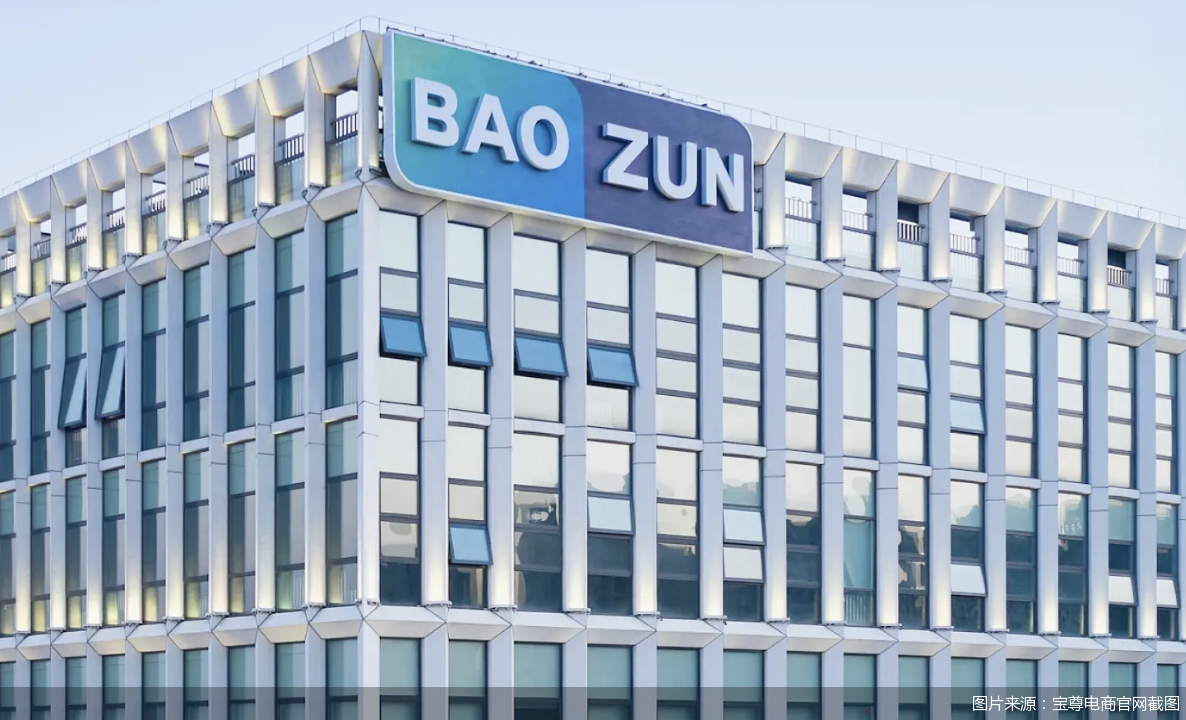
三季度经营亏损收窄 宝尊电商改革成效初显
Bei Jing Shang Bao· 2025-11-27 00:51
Core Viewpoint - Baozun E-commerce reported a total net revenue of 2.156 billion yuan in Q3, representing a year-on-year growth of 4.8% compared to 2.057 billion yuan in the same period last year [1] Financial Performance - In Q3, the operating loss significantly narrowed to 10.8 million yuan under non-GAAP standards [1] - The e-commerce business revenue grew by 2% to 1.8 billion yuan, while brand management business revenue increased by 20% to 400 million yuan [1][3] - Historical performance shows Baozun E-commerce has been near the loss margin, with revenues of 9.396 billion yuan in 2021 (up 6.15%) and losses of 220 million yuan, followed by 8.401 billion yuan in 2022 (down 10.6%) with losses of 653 million yuan [2] Strategic Transformation - The company is undergoing a strategic transformation, with a focus on expanding its own brand portfolio, including the acquisition of GAP's China business for 40 million USD and the purchase of the UK brand Hunter [2] - In March 2023, Baozun E-commerce announced an upgrade to its business layout into three lines: Baozun E-commerce (BEC), Baozun Brand Management (BBM), and Baozun International (BZI) [2] Brand Management and Market Position - The transformation effects are beginning to show, with GAP's brand visibility increasing significantly, achieving 1.27 billion exposures and 9.05 million interactions in Q3 [3] - Despite initial successes in developing proprietary brands, the company still faces challenges in a competitive market, particularly in the fast fashion segment where local brands like UR and international brands like Uniqlo and Zara are strong competitors [3] Future Outlook - The CEO of Shenzhen Sisheng Company believes that Baozun E-commerce's expertise in online operations can help brands like GAP establish their brand image and drive traffic to offline stores, enhancing the company's competitive edge [3]
张近东“净身出户”,为何这么多大佬朋友无人能救苏宁?
Sou Hu Cai Jing· 2025-11-26 23:31
Core Points - Zhang Jindong, once a prominent figure on China's Forbes rich list, has seen his assets wiped out overnight due to the restructuring of Suning Electric Group and its 38 subsidiaries [2][4] - The restructuring plan has been delayed multiple times, with a new vote scheduled for December 14, and requires Zhang and his spouse to transfer all personal assets into a trust [2][3] - Suning's total liabilities amount to 238.7 billion yuan, while its assessed asset value is only 63.7 billion yuan, indicating a significant financial shortfall [4][16] Company Overview - Suning Electric Group, founded by Zhang Jindong in 1990, rapidly expanded and became a leading player in the home appliance retail sector [5][13] - The company went public in 2004, and by 2010, Zhang's net worth reached 38 billion yuan, ranking him fourth on the Forbes list [6][7] - Suning's business model faced challenges with the rise of e-commerce, particularly from competitors like JD.com, leading to a decline in market share [13][16] Financial Situation - The restructuring plan involves creating a bankruptcy trust to manage the assets of the 38 companies, effectively transferring ownership from Zhang and his family [3][4] - Despite the restructuring, there remains a debt gap of over 190 billion yuan, which even Zhang's peak wealth could not cover [4][16] - The company's financial struggles have been exacerbated by failed investments, including significant losses in the real estate and sports sectors [8][10] Strategic Missteps - Zhang's aggressive expansion into various sectors, including sports and e-commerce, did not yield the expected returns and strained the company's finances [8][12] - Suning's late entry into online retail and reliance on traditional retail strategies hindered its ability to compete effectively in the evolving market [13][16] - The company's failure to adapt to digital transformation and maintain technological competitiveness has been a critical factor in its decline [16][17]



三季度经营亏损收窄,宝尊电商改革成效初显?
Bei Jing Shang Bao· 2025-11-26 11:44
Core Viewpoint - Baozun E-commerce reported a total net revenue of 2.156 billion yuan in Q3, representing a year-on-year growth of 4.8% compared to 2.057 billion yuan in the same period last year. The operating loss significantly narrowed to 10.8 million yuan under non-GAAP standards, indicating progress in the company's strategic transformation [1][3]. Group 1: Financial Performance - In Q3, the e-commerce business revenue grew by 2% to 1.8 billion yuan, while brand management business revenue increased by 20% to 400 million yuan [3]. - Over the past two years, Baozun E-commerce has been operating at a loss, with revenues of 9.396 billion yuan in 2021 (up 6.15%) and a loss of 220 million yuan, followed by 8.401 billion yuan in 2022 (down 10.6%) and a loss of 653 million yuan [3][4]. Group 2: Strategic Transformation - The company has been pushing for reform and transformation, expanding its own brand portfolio. In March 2023, Baozun announced an upgrade of its business layout into three major lines: Baozun E-commerce (BEC), Baozun Brand Management (BBM), and Baozun International (BZI) [3][4]. - In late 2022, Baozun acquired GAP's China business for 40 million USD, and in 2023, it acquired the UK high-end footwear and outdoor brand Hunter, as well as the Chinese operations of the yoga apparel brand Sweaty Betty [4]. Group 3: Market Challenges - Despite initial success in developing its own brands, Baozun E-commerce continues to face challenges in achieving profitability. The fast fashion market in China is highly competitive, with local brands like UR and international brands like Uniqlo, Zara, and H&M intensifying their market presence [5]. - Experts suggest that while Baozun's expertise in online operations can help brands like GAP establish their brand image and drive traffic to physical stores, the long-term development remains to be observed [5].
新鲜!昆明老板将花店搬到武汉,汉交会成为众多新品首发平台
Chang Jiang Ri Bao· 2025-11-19 12:17
Core Points - The 2025 Wuhan (Hankou North) Commodity Fair will open on November 20, continuing its 16-year tradition of attracting numerous businesses to showcase their products and innovations [1] - The fair has evolved from a sales-focused event to a platform for launching new products and exploring business collaborations [4][5] Group 1: Company Participation and Impact - Companies like Feidiao Electric have participated multiple times, using the fair as a key platform for brand visibility and product showcase, leading to a nearly 30% increase in sales [3] - Wuhan Jing Tian Yi Shang Trading Co. has shifted its focus from merely selling products to showcasing new designs and seeking e-commerce partnerships, reflecting a broader trend among participants [4] - The founder of Wuhan Tangqihe Coffee noted a 50% increase in sales after leveraging the fair for brand promotion and expanding service offerings [5] Group 2: Business Transformation and Growth - Wuhan Qimengdie Clothing Co. transitioned from traditional wholesale to e-commerce, inspired by the fair's dynamic environment and the presence of online influencers [5][6] - The fair has facilitated significant business growth for participants, with some like Wang Jitao expanding their operations and securing contracts worth millions annually [10] Group 3: Diverse Offerings and International Appeal - The fair features a wide range of products, including fresh flowers from around the world, attracting both local and international buyers [7][8] - The event has become a vital networking opportunity, allowing businesses to connect with potential clients and partners, enhancing their market reach [9][10]

阿里敲钟人何宁宁:电商转型不是刻意的 我想面包和精神兼得
Mei Ri Jing Ji Xin Wen· 2025-11-11 15:34
Core Viewpoint - The article highlights the journey of He Ningning, an experienced e-commerce live streamer, who has successfully navigated various transformations in her career while also engaging in autism advocacy. Her adaptability and focus on niche markets have allowed her to thrive in the competitive landscape of e-commerce live streaming [3][5][6]. E-commerce Journey - He Ningning began her career in e-commerce as a "Tao Girl" while working in autism education, aiming to raise awareness for the autism community [4][5]. - She transitioned to being a live streamer in 2016, leveraging her background in sports to focus on the fitness sector, achieving significant sales during events like "Double Eleven" [5][6]. - The e-commerce live streaming industry has seen rapid growth, with increasing competition and a shift towards niche markets, prompting He Ningning to explore less saturated categories [5][6]. Autism Advocacy - He Ningning has been actively involved in autism advocacy since 2015, launching the "Star Guardian" project to support children with autism and their families [5][6]. - Her commitment to this cause is reflected in her use of live streaming earnings to fund her advocacy efforts, emphasizing the importance of understanding and supporting the autism community [6]. Market Trends - The article notes a shift in the e-commerce landscape from broad-based competition to a focus on personalized content and niche markets, as consumer attention spans become more limited [5][6]. - He Ningning identifies the growing interest in exotic pets, particularly reptiles, as a unique market opportunity that aligns with younger consumers' preferences for low-maintenance pets [6]. Future Outlook - The future of e-commerce live streaming is expected to prioritize service quality, product value, and brand reputation, moving away from mere price competition [6]. - He Ningning expresses a desire for continued transformation, indicating that her journey in e-commerce is ongoing and that she remains open to new opportunities [6][7].
阿里敲钟人何宁宁:电商转型不是刻意的,我想面包和精神兼得
Mei Ri Jing Ji Xin Wen· 2025-11-11 15:25
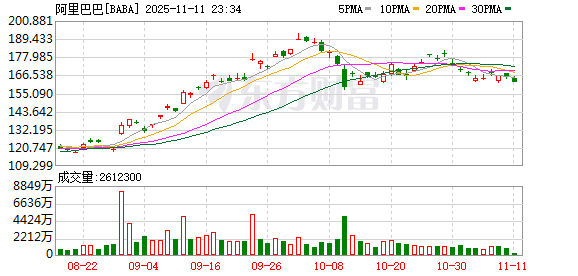
"哥,拍4号链接的第一个选项就可以了。欢迎大家来到直播间!"走进直播区,何宁宁正在直播间里介绍一只巨人守宫, 何宁宁的"直播搭子"斑帆蜥蜴"斑总"安静悠闲地趴在她的头顶,早已经习惯了主人热情、快语速的直播场面。 2014年9月19日,8名敲钟人在纽约证券交易所敲响了阿里巴巴上市的钟声,何宁宁就是其中之一。 每经记者|张凌霄 张建 徐九良 每经编辑|魏官红 身为一名电商直播的"老人",何宁宁的标签很多,从"淘女郎"到直播主播,从健身到爬宠领域,从自闭症老师到自闭症公 益发起人⋯⋯十年流量起落,也是何宁宁的电商转型记录。 "当时我发现赛道走向了细分,所以我去了一些小众的赛道。消费者的精力都很有限,因此平台更倾向于流量定制化,非 常精准地推送阅读者感兴趣的内容和商品。店铺通过流量直线触达受众,就会连接起许多新的赛道。"何宁宁讲述道。 "我的转型不是刻意的。"何宁宁讲述道,"我只是拥抱变化,去到细分领域深耕。我相信每一次转型都是有用的,所有的 经历都会在将来发挥它意想不到的作用。" 电商与公益:物质和精神都需要 何宁宁的电商之路开始得很简单。 何宁宁毕业于杭州师范大学,身在电商氛围逐渐兴起的杭州,她毫不例外地走进了这 ...

影视飓风卖衣服,这个富二代赢了所有人
盐财经· 2025-10-30 09:41
Core Viewpoint - The article highlights the unexpected success of a tech company, Yingshi Juhuang, in the e-commerce space during the "Double Eleven" shopping festival, primarily through selling T-shirts and other apparel, which has significantly boosted its revenue [2][4][10]. Group 1: Company Overview - Yingshi Juhuang, founded by Tim (Pan Tianhong), has evolved from a digital content creator to a successful e-commerce player, achieving over 100 million in annual revenue [9][10]. - The company has gained immense popularity, with over 14 million followers on Bilibili, showcasing its strong brand presence [10]. Group 2: E-commerce Success Factors - The surge in sales can be attributed to Tim's engaging video content and his keen market sensitivity, which allowed the company to pivot towards e-commerce effectively [12][13]. - The company has successfully leveraged its video content to drive e-commerce sales, with popular items including base layer long sleeves and lightweight jackets, achieving over 7,000 payment transactions for its best-selling products [4][10]. Group 3: Content Creation Strategy - Yingshi Juhuang focuses on creating "explosive" content, which is essential for audience retention and engagement, leading to higher viewership and sales [22][24]. - The company employs a unique approach of combining short videos into longer formats, ensuring high information density to keep viewers engaged [23][24]. Group 4: Financial Performance - The revenue from e-commerce has surpassed traditional advertising income, with T-shirt sales alone generating approximately 16 million from 200,000 units sold at 80 yuan each [53]. - The company has shifted its revenue model, with e-commerce now constituting a significant portion of its income, moving away from reliance on TVC advertising [49][53]. Group 5: Future Directions - Yingshi Juhuang is exploring diversification in content, including new formats and themes, to maintain audience engagement and drive further growth [62]. - The company aims to replicate successful models from other creators, such as Mr. Beast, to enhance its content strategy and audience appeal [28][31].

11年磨一剑?量化派第五次冲击港交所IPO,业务转型难消合规隐忧
Sou Hu Cai Jing· 2025-10-21 09:08
Core Viewpoint - The company, Quantitative Technology, has submitted its fifth IPO application to the Hong Kong Stock Exchange after 11 years since its establishment, facing significant uncertainties due to regulatory scrutiny and compliance issues [2][5]. Group 1: Company Overview - Quantitative Technology focuses on the Chinese consumer sector, operating primarily through two platforms: "Yang Xiaomei" for e-commerce and "Consumption Map" for automotive transaction facilitation [3][4]. - The company transitioned from its original product "Credit Wallet" to "Yang Xiaomei" in November 2020, aiming to enhance its digital transaction capabilities and cater to consumer needs [4][6]. Group 2: Business Performance - From 2019 to 2021, Quantitative Technology recommended over 1.5 million potential end-users to financial institutions through its platforms, with annual recommendations of approximately 655,000, 393,000, and 486,000 respectively [3]. - In the first five months of 2025, "Yang Xiaomei" generated revenue of 406 million yuan, accounting for 98.1% of the company's total revenue, while "Consumption Map" only contributed 7.9 million yuan, or 1.9% [8]. Group 3: Regulatory Challenges - The company has faced multiple inquiries from regulatory bodies regarding its compliance with financial regulations, particularly concerning its "assisted lending" services and user complaints [9][10]. - As of October 17, 2025, "Yang Xiaomei" had over 30,000 complaints related to high pricing, inducement to consume, and aggressive collection practices, raising concerns about the company's compliance costs [10].

在白沟,这里有北方商埠的流量密码
Jing Ji Guan Cha Wang· 2025-10-08 22:57
Core Insights - Bai Gou has transformed from a traditional market to a digital trade hub, producing nearly 50 billion yuan in bag output annually and serving 199 countries and regions globally [1][6] - The local economy is supported by a robust logistics network and a vibrant e-commerce ecosystem, with over 40,000 e-commerce entities and nearly 80,000 employees involved in the bag industry [6][11] Historical Context - Bai Gou's commercial roots date back to its historical significance as a water and land port, thriving during the Song and Liao dynasties as a hub for border trade [2] - The evolution of Bai Gou's market from street stalls in the 1980s to modern enterprises reflects a significant transformation in its commercial landscape [5] Industry Development - Bai Gou has become one of China's largest bag production and sales bases, with a complete industrial chain supporting its growth [6] - The local bag industry benefits from a flexible supply chain and a quick response to market changes, allowing for rapid design-to-production cycles [7] E-commerce and Digital Transformation - The rise of e-commerce has led to a shift from traditional sales to online platforms, with Bai Gou's e-commerce industry recognized as an innovative case for development [8][11] - A complete ecosystem for live-streaming e-commerce has emerged, with various associations and parks supporting the growth of this sector [9] Cross-border E-commerce - Cross-border e-commerce is identified as a new growth point, with Bai Gou's bag exports reaching 199 countries and regions, supported by a new cross-border e-commerce industrial park [11] - The local government provides financial support and training to facilitate the transition of traditional merchants to digital platforms [12] Consumer Experience and Tourism - Bai Gou is evolving from a wholesale destination to a comprehensive consumer experience center, integrating various business functions and enhancing tourism [14][15] - The introduction of experiential consumption is reshaping the local commercial ecosystem, attracting visitors for both shopping and leisure [16][18] Future Prospects - Bai Gou's digital infrastructure is being developed as a key driver for future growth, with real-time data analytics guiding production decisions [19] - Ongoing infrastructure projects, such as the R1 line rapid transit, will further integrate Bai Gou into the Beijing-Tianjin-Hebei economic region, enhancing its logistical capabilities [20]
3.5亿!小红书,何以克服焦虑?丨正经深度
Sou Hu Cai Jing· 2025-09-23 03:03
Core Viewpoint - Xiaohongshu is facing significant challenges as it navigates the balance between user trust and regulatory compliance, particularly after being penalized for failing to manage harmful content effectively, despite its rising valuation and user base [3][5][17]. Group 1: Regulatory Challenges - The National Internet Information Office has imposed penalties on Xiaohongshu for failing to fulfill its content management responsibilities, particularly regarding the promotion of celebrity gossip and other undesirable content [3][5]. - Xiaohongshu's hot search rankings have been dominated by celebrity-related content, leading to user dissatisfaction and regulatory scrutiny [4][6]. - The platform's failure to adhere to the "Ecological Governance Regulations for Internet Information Content" has highlighted the risks associated with prioritizing traffic over social responsibility [5][8]. Group 2: User Trust and Content Management - Xiaohongshu's shift from a community-driven platform to one focused on celebrity culture has eroded user trust, which is critical for its long-term success [6][9]. - The platform's algorithm has been criticized for excessively promoting celebrity content, which detracts from its original purpose of sharing genuine lifestyle experiences [7][8]. - The need for Xiaohongshu to restore its image and user trust is underscored by its recent initiatives to combat false marketing and improve content quality [16][18]. Group 3: Commercialization and Growth Strategy - Xiaohongshu's primary revenue source is advertising, contributing approximately 70% to 80% of its income, while its e-commerce gross merchandise volume (GMV) has just surpassed 400 billion [9][10]. - The platform is attempting to enhance its e-commerce capabilities to compete with established players like Douyin and Kuaishou, which have significantly higher GMV figures [10][11]. - Xiaohongshu is exploring new strategies, such as the introduction of a marketplace and cash incentives for users and merchants, to improve its e-commerce performance and user engagement [13][14]. Group 4: Future Outlook - The platform's future hinges on its ability to balance compliance with regulatory demands and the need to attract and retain users, particularly its core demographic of young consumers [14][16]. - Xiaohongshu's community-driven approach and content integration with e-commerce present opportunities for growth, but it must address current challenges to realize its potential [15][16]. - The recent penalties serve as both a warning and an opportunity for Xiaohongshu to reflect and innovate, ensuring it remains relevant in a competitive market [17][18].