
绿色

Search documents
(经济观察)全球造船业“向东看” 长三角船厂成“引力场”
Zhong Guo Xin Wen Wang· 2025-12-05 11:09
Core Insights - The global shipbuilding industry is increasingly shifting towards China, with Chinese shipyards capturing 64.2% of new global ship orders as of mid-2023, maintaining the world's largest market share for 16 consecutive years [1][2] - The three major shipyards in Shanghai—Waigaoqiao Shipbuilding, China Shipbuilding Jiangnan, and Hudong-Zhonghua—are projected to deliver 69 ships and receive 128 new orders in 2024, marking a year-on-year increase of 19% and 70% respectively [1] - The focus on "green" and "smart" technologies is driving order flows, with Chinese shipyards actively developing high-end vessels such as large container ships and energy transport ships [3][4] Industry Trends - The shift of the shipbuilding industry's center of gravity towards China is attributed to the decline of European shipbuilding due to rising labor costs and a shrinking workforce, while China's advancements in smart transformation have created key opportunities [1][2] - Traditional shipyards are struggling with low production efficiency due to a lack of R&D capabilities and non-standard production models, prompting many shipyards in the Yangtze River Delta to integrate industrial internet and AI into their processes [2] - The introduction of AI technologies has significantly improved production efficiency, with examples including a 50% reduction in manual labor for welding defect detection and a shortened project cycle for large cruise ships [2] Market Position - As of mid-2023, China has secured nearly 70% of global green ship orders, achieving full coverage of mainstream ship types [4] - Hudong-Zhonghua has developed a series of green ship design solutions and showcased advanced products at the recent maritime exhibition, including the world's largest LNG ship [4] - The reputation and brand trust in the shipping industry are becoming more significant than mere pricing, indicating that as the quality of Chinese ships continues to improve, their position in the global shipping market will strengthen [4]
大国五年|澎湃内需,铸就发展主锚
Xin Hua Wang· 2025-12-03 08:55
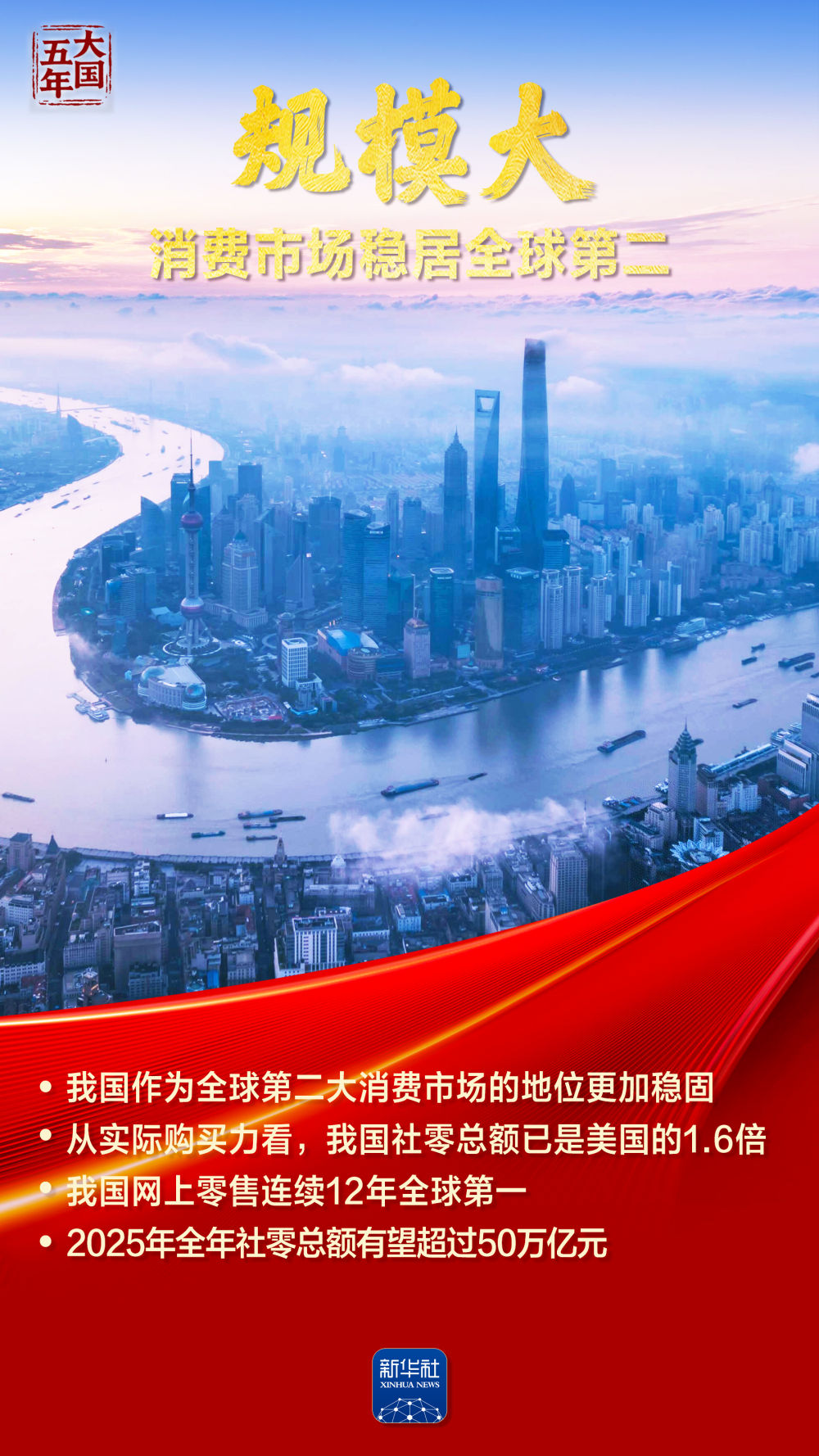
Core Insights - Domestic demand is a key driver of China's economic growth, contributing an average of 86.4% to economic growth during the "14th Five-Year Plan" period, with consumption accounting for approximately 60% of this growth [1][5][20] Group 1: Consumer Market Dynamics - China's total retail sales of consumer goods reached 50 trillion yuan, establishing it as the world's second-largest consumer market [1] - The average annual growth rate of retail sales is projected to be 5.5%, increasing from 39.1 trillion yuan in 2020 to 48.3 trillion yuan in 2024 [5] - Online retail sales in China have maintained the global leading position for 12 consecutive years [3] Group 2: Sectoral Growth and Innovations - The sales volume in sectors such as automobiles and home appliances ranks first globally [5] - The value added by the wholesale and retail industry is expected to reach 13.8 trillion yuan in 2024, marking a 40% increase compared to the end of the "13th Five-Year Plan" [5] - The integration of culture, tourism, and commerce is driving innovation in "one-stop" services, with domestic products gaining popularity both domestically and internationally [11] Group 3: Logistics and Infrastructure - The proportion of social logistics costs to GDP has decreased from 14.7% five years ago to 14.1% [13] - Over 95% of administrative villages can now access direct express delivery services [13] - The total volume of cold storage facilities in the country has reached 25.3 million cubic meters, with 495,000 refrigerated vehicles [14] Group 4: International Trade and Investment - Cumulative imports of consumer goods from 2021 to 2024 are expected to reach 7.4 trillion yuan [16] - The total expenditure of inbound tourists in 2024 is projected to be 94.2 billion USD, reflecting a 77.8% increase [16] - The actual use of foreign capital during the "14th Five-Year Plan" period reached 70.87 billion USD, with a significant increase in newly established foreign enterprises [22]

博苑股份:公司目前对地方政府与监管部门无额外具体建议
Zheng Quan Ri Bao Wang· 2025-11-27 08:41
Core Viewpoint - The company expresses appreciation for the supportive development environment created by local governments and regulatory bodies, acknowledging their efforts in promoting enterprise growth and market vitality [1] Company Strategy - The company plans to actively integrate into local industrial layouts and development plans, aligning with relevant policy directions and regulatory guidelines [1] - The company emphasizes its commitment to sustainable development through continuous implementation of green, low-carbon practices in all operational aspects [1] Environmental Commitment - The company aims to enhance its green manufacturing foundation by increasing environmental protection investments, optimizing energy structure, and promoting resource recycling [1] - The focus on sustainable practices is intended to contribute to high-quality regional economic development and industry standard improvement [1] Corporate Social Responsibility - The company is dedicated to fulfilling its corporate social responsibility by adopting measures that support environmental sustainability and community development [1]
央行余剑:金融“五篇大文章”支持力度不断提升
2 1 Shi Ji Jing Ji Bao Dao· 2025-11-24 10:43
Core Insights - The speech by Yu Jian emphasized the importance of financial services in supporting high-quality economic development in China, focusing on five key areas: technology, green finance, inclusive finance, elderly care, and digital economy [1][2] - The People's Bank of China is actively working on enhancing the policy framework and service system for these five areas, establishing a dynamic feedback loop for policy implementation, evaluation, and optimization [1] Financial Performance - As of August 2025, the loan balance for the five key areas reached 105.6 trillion yuan, accounting for 38.7% of total loans, with a year-on-year growth of 13.2%, outpacing the average growth rate of total loans by 6.6 percentage points [2] - Specific growth rates for loans in the key areas include: technology (12.1%), green finance (23.8%), inclusive finance (10.8%), elderly care (52%), and digital economy (12.5%), all significantly higher than the average loan growth rate [2]
倒计时8天 杭州!第四届绿色复合材料论坛:探索绿色复材产业高值化应用路线
DT新材料· 2025-11-21 16:05
Core Viewpoint - The fourth Green Composite Materials Forum emphasizes the inevitable trend of the composite materials industry towards green, low-carbon, and sustainable transformation, focusing on fibers, resins, composite technologies, and downstream applications [2]. Group 1: Event Details - The forum will take place on November 30 in Hangzhou, Zhejiang, with the theme "Green Composite, Innovative Future" [2]. - Registration and check-in will occur on November 29 from 12:00 to 20:00, where attendees will receive conference materials and meal vouchers [3]. - The venue is the Hangzhou Gongshu Kaiyuan Mingting Hotel, located at 389 Shixiang Road, Gongshu District, Hangzhou [3]. Group 2: Organizing Institutions - The forum is organized by DT New Materials, with key figures including Yi Xiaosu, a professor at the University of Nottingham Ningbo China, and Liu Xiaoqing, a researcher at the Ningbo Institute of Materials Technology and Engineering [4]. - Special acknowledgments are given to companies such as Germany's Netzsch Instrument and Shandong Elpai Powder Technology Co., Ltd. for their contributions [4]. Group 3: Forum Agenda - The agenda includes discussions on global trends in green composite materials, high-performance bio-based resins, and applications of natural fiber composites [8][9]. - Notable speakers include Chris Rudd, Liu Xiaoqing, and Qiu Yiping, who will present on various topics related to green composite materials and their applications [8][9]. - The forum will also feature a session on the sustainable development of bamboo as a plastic alternative and the recycling of carbon fiber composites [9]. Group 4: Special Activities - The forum will host a special event for showcasing and connecting innovative projects in the biomass utilization field, encouraging industry-academia collaboration [13].
地方政府与城投企业债务风险研究报告:陕西篇
Lian He Zi Xin· 2025-11-17 13:08
Group 1: Report Summary - The report focuses on the debt risks of local governments and urban investment enterprises in Shaanxi Province, covering the province's economic and fiscal strength, the economic and fiscal strength of its prefecture - level cities, and the solvency of urban investment enterprises [4] - Shaanxi Province has prominent location advantages, rich cultural and tourism resources, and obvious transportation and mineral resource advantages. In 2024, its economic aggregate and per - capita GDP were at the middle level in the country. The industrial structure is constantly optimized, and new productive forces are developing steadily [4] - The economic strength and general public budget revenue scale of Shaanxi's prefecture - level cities are significantly differentiated. The province has formulated a package of debt - resolution plans, and each city has achieved certain results in debt risk prevention and control [5] - From January to September 2025, the number and scale of bond issuances by Shaanxi's urban investment enterprises exceeded the full - year level of 2024, still mainly in Xi'an [6] Group 2: Shaanxi Province's Economic and Fiscal Strength Economic Development Status - Shaanxi is located in the inland hinterland of China, with obvious transportation location advantages, rich cultural and tourism and mineral resources. It has a large number of universities and research institutions, and a well - developed transportation network [7] - As of the end of 2024, Shaanxi's permanent population was 39.53 million, with a slight increase from the previous year. The urbanization rate reached 66.14%, slightly lower than the national average. In 2024, the GDP was 3.553877 trillion yuan, ranking 14th in the country, with a growth rate of 5.3% [10] - Shaanxi is an energy - rich province. The industrial structure has been continuously optimized, with the proportion of the tertiary industry significantly increasing. The new productive forces are developing steadily, and the province is gradually transforming from traditional energy dependence to green and high - tech manufacturing [12][15] - Shaanxi focuses on promoting the development of advanced manufacturing, forming a "one - area, six - base" energy development pattern. In 2024, it focused on strategic emerging industries such as new productive forces [17][19] - Shaanxi promotes coordinated development among Guanzhong, northern Shaanxi, and southern Shaanxi, implementing the "6 + 5+N" modern manufacturing system and the three - region development strategy [20] - Since 2024, Shaanxi has introduced various economic - promotion policies in areas such as opening up international markets, promoting free - trade zone strategies, and building industrial innovation clusters [22] Fiscal Strength and Debt Situation - In 2024, Shaanxi's general public budget revenue was 339.328 billion yuan, ranking 15th in the country. The tax revenue accounted for about 77%, with good tax quality. The fiscal self - sufficiency rate decreased to 46.50%, showing weak self - sufficiency [26] - Shaanxi's government - funded revenue continued to decline. In 2024, it was 167.16 billion yuan, a decrease of 6.4%. In the first half of 2025, it was 48.09 billion yuan, a decrease of 27.6% [27][29] - In 2024, Shaanxi's superior subsidy revenue increased to 349.736 billion yuan, ranking 17th in the country, accounting for 40.85% of the local comprehensive financial resources. The comprehensive financial resources ranked 15th in the country [30] - In 2024, Shaanxi's local government debt ratio and debt - to - GDP ratio were 146.87% and 35.39% respectively, ranking 8th and 11th among 31 provincial - level administrative regions, showing a slight increase from the previous year [34] Group 3: Economic and Fiscal Strength of Shaanxi's Prefecture - level Cities Economic Development Status of Prefecture - level Cities - The economic strength of Shaanxi's prefecture - level cities is significantly differentiated. Xi'an and Yulin have a significant driving effect on Shaanxi's economic growth. Xi'an has obvious industrial advantages, and Yulin's GDP ranks second in the province, with a much higher per - capita GDP than other cities [36] - Each prefecture - level city in Shaanxi develops relevant industries based on its own resource advantages. Xi'an has prominent industrial advantages and a significant agglomeration effect, while northern Shaanxi has obvious resource advantages [37] Fiscal Strength and Debt Situation of Prefecture - level Cities Fiscal Revenue - The general public budget revenue scale of Shaanxi's prefecture - level cities is significantly differentiated. Resource - based cities' local fiscal revenues are highly dependent on energy prices, and non - resource - based cities generally have low self - sufficiency rates. Xi'an and Yulin have much larger general public budget revenues than other cities [43][44] - In 2024, the general public budget revenues of Xianyang and Weinan declined significantly. Most prefecture - level cities' government - funded revenues decreased due to the weakening real - estate market. Superior subsidy revenues contribute significantly to the comprehensive financial resources of prefecture - level cities [44][45] Debt - The government debt balance, debt ratio, and debt - to - GDP ratio of Shaanxi's prefecture - level cities have been continuously increasing, with the debt mainly concentrated in Xi'an. The province has formulated a package of debt - resolution plans, and each city has achieved certain results in debt replacement and resolution [51] - Shaanxi and its prefecture - level cities have introduced various debt - resolution measures, including setting up regional stability - development funds, coordinating financial institutions for support, and striving for central government debt - resolution funds. They also actively participate in debt resolution by盘活存量 assets and expanding revenue sources [59] Group 4: Solvency of Shaanxi's Urban Investment Enterprises Overview of Urban Investment Enterprises - Shaanxi's urban investment enterprises are concentrated in Xi'an. The credit ratings of bond - issuing urban investment enterprises are mainly AA and AA+. Some urban investment enterprises have been put on the credit rating watch list due to factors such as debt overdue, high debt - repayment pressure, and operating losses [62] Bond Issuance of Urban Investment Enterprises - In the first three quarters of 2025, the number and scale of bond issuances by Shaanxi's urban investment enterprises exceeded the full - year level of 2024, still mainly in Xi'an. The bond issuance scale of AAA - rated urban investment enterprises accounted for a significantly increased proportion year - on - year [65]
超越绿色工厂:中集集团从装备制造商到解决方案服务商的绿色基因蜕变
21世纪经济报道· 2025-11-17 06:22
Core Viewpoint - The article emphasizes the urgent need for global action against climate change, highlighting the critical state of coral reefs and the importance of sustainable practices in industries like logistics and energy [1][2]. Group 1: Climate Change and Coral Reefs - The global coral reefs are experiencing their fourth bleaching event, significantly impacting millions of people and marine biodiversity [1]. - China has set ambitious targets for reducing greenhouse gas emissions and increasing non-fossil energy consumption by 2035, marking a shift from intensity control to total control [1]. Group 2: Company Overview and Green Transformation - China International Marine Containers (Group) Co., Ltd. (CIMC) integrates green, low-carbon, and circular economy principles into its product design and services, focusing on energy conservation and carbon reduction in its ESG reports [2][3]. - CIMC's green transformation involves a shift from single product environmentalization to a zero-carbon approach across the entire industry chain, utilizing innovative materials and technologies [2][4]. Group 3: Innovations in Container Manufacturing - CIMC has developed bamboo-wood composite flooring, which protects tropical rainforests and supports local economies while providing a cost-effective alternative to traditional materials [3][4]. - The company has led the industry in transitioning from oil-based to water-based coatings, significantly reducing VOC emissions by over 85% [4]. Group 4: Green Energy Initiatives - CIMC is actively involved in multiple clean energy sectors, including offshore wind, hydrogen, and green methanol, creating a collaborative clean energy ecosystem [5][7]. - The company has delivered advanced offshore wind installation vessels and is pioneering projects that significantly reduce carbon emissions, such as the hybrid-powered installation ship [5][6]. Group 5: Financial Support and Strategic Partnerships - CIMC has received substantial financial support from banks for its green projects, including a 400 million yuan approval for its green methanol project [8]. - The company collaborates with various partners to develop innovative solutions in hydrogen production and transportation, contributing to the green energy supply chain [7][8]. Group 6: Future Goals and Zero-Carbon Manufacturing - CIMC aims to establish a comprehensive green manufacturing system, with a focus on energy efficiency and waste resource utilization, targeting the development of zero-carbon factories [9][10]. - The company is leveraging digital technologies for precise energy management, achieving significant cost savings and efficiency improvements [10][11]. Group 7: Commitment to Sustainable Development - CIMC's mission is to provide high-quality, reliable equipment and services while creating sustainable value for society, aligning with its vision of becoming a world-class enterprise [11][12]. - The company is committed to continuous innovation and efficiency improvements in its product strategy, contributing to a better quality of life globally [12].

华帝三夺红点至尊奖,从“制造”到“定义”的飞跃,勾勒未来厨房新图景
Xin Lang Zheng Quan· 2025-11-10 08:35
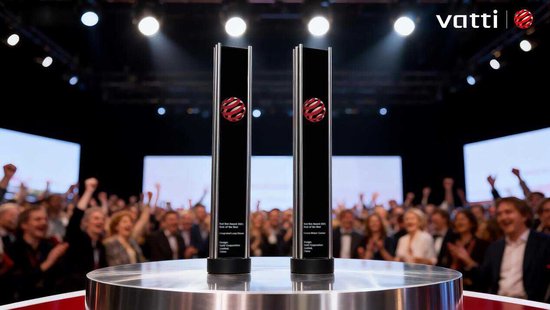
Core Insights - Vatti has won two Red Dot Best of the Best awards for its innovative products "Magic Cooking Center 2.0" and "Artist – Light Kitchen Series Sideboards," marking its third consecutive year of recognition in this prestigious international design competition, often referred to as the "Oscar of Design" [1][6] - The awards highlight the rising influence of Chinese brands in the global industrial design arena and underscore the strength of Chinese design innovation [1][5] Group 1: Product Innovation - "Magic Cooking Center 2.0" emphasizes "hidden aesthetics," focusing on how kitchens can integrate into daily life beyond just cooking, featuring a hidden lift design that enhances operational space and visual purity [5][6] - The product incorporates smart cooking and self-cleaning systems, utilizing AI technology to identify ingredients and suggest cooking methods, thus addressing cleaning challenges and enhancing user experience [5][6] - "Artist – Light Kitchen Series Sideboards" blurs the lines between kitchen appliances and furniture, using a modular framework and minimalist aesthetics to seamlessly integrate kitchen appliances into home decor, catering to the diverse needs of Generation Z for social cooking and personalized expression [6][5] Group 2: Market Trends and User Insights - The company has identified significant shifts in consumer preferences, particularly among younger generations who seek higher quality home aesthetics and sustainable living solutions post-pandemic [3][5] - Vatti's design philosophy transforms kitchens from isolated functional areas into open, interactive family spaces, redefining the kitchen's role in modern life as a center for emotional connection and sustainable living [3][6] - The continuous recognition at the Red Dot Awards illustrates Vatti's commitment to forward-thinking insights, innovative research, and a focus on user value, positioning the brand as a leader in defining global design trends and future lifestyles [6][5]

全球经济发展中的理念嬗变
Sou Hu Cai Jing· 2025-11-10 06:09
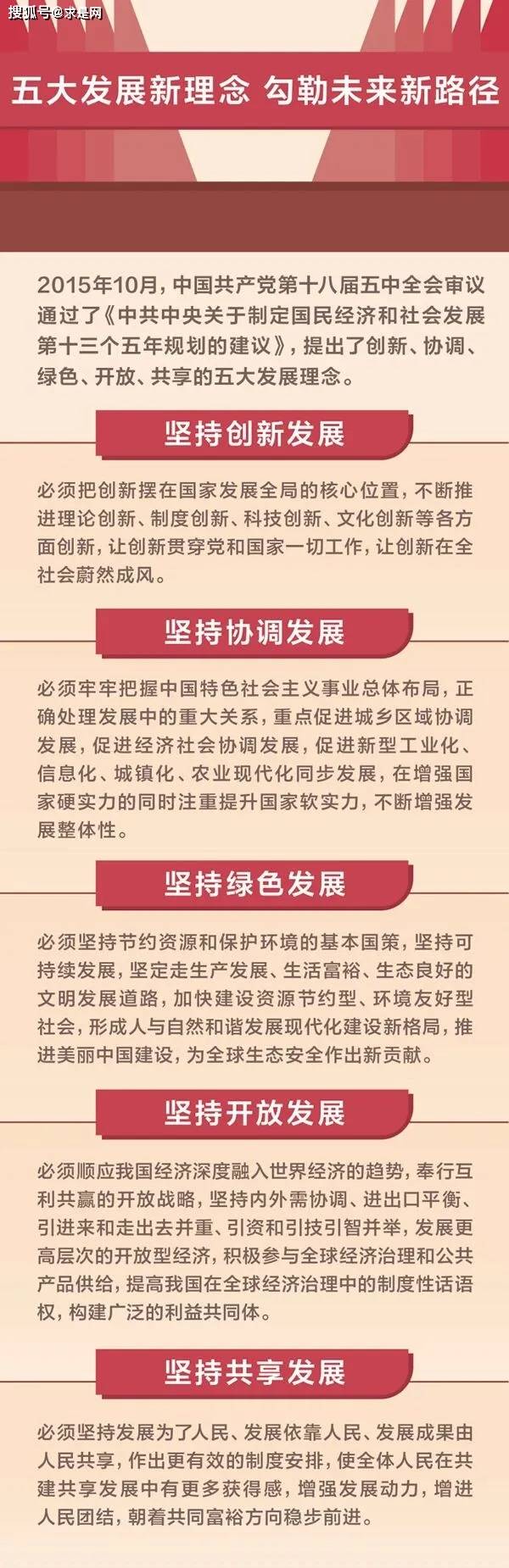
Core Viewpoint - The article discusses the evolution of development theories and practices across different historical contexts, emphasizing the need for innovative and adaptive approaches to economic development in response to changing global conditions [1][2][14][15]. Group 1: Historical Context of Development Theories - The transition to capitalism and industrialization in Western countries set a precedent for economic development, leading to the emergence of various economic theories that influenced global policies [1]. - Post-World War II, development economics emerged to address the urgent economic development needs of newly independent nations, drawing from Western industrialization experiences [2]. - Structuralism dominated development economics from the 1940s to the 1960s, advocating for government intervention and capital accumulation, but faced challenges in the 1970s leading to stagnation in developing countries [2]. Group 2: Shift to Neoliberalism - The rise of neoliberal economic theories in the 1980s, particularly the "Washington Consensus," promoted market liberalization and reduced government intervention, which ultimately led to significant failures in many developing nations [2]. - The period termed the "lost two decades" for developing countries highlighted the inadequacies of applying Western industrialization models to diverse economic contexts [2]. Group 3: New Development Concepts - The introduction of new development concepts by Xi Jinping emphasizes innovation, coordination, green development, openness, and sharing as essential for high-quality economic growth [14]. - These new concepts aim to address the contradictions and challenges faced by China in the context of rapid development and changing global dynamics, moving beyond traditional development paradigms [14][15]. - The new development philosophy is positioned as a solution to contemporary global issues such as economic inequality, environmental degradation, and the challenges of globalization [15].
全运会|一图看懂第十五届全运会
Xin Hua Wang· 2025-11-09 02:19
Group 1: Event Overview - The 15th National Games will be held from November 9 to 21 in Guangdong, Hong Kong, and Macau, marking the first time these regions jointly host a large-scale sports event [1][2] - The theme slogan is "Passion for National Games, Vitality for Greater Bay Area," reflecting the spirit of the event [2][3] - The event will feature a total of 366 competitive events in Guangdong, 39 in Hong Kong, and 14 in Macau, adhering to the principle of "Guangdong first, Hong Kong and Macau prioritized" [15][17] Group 2: Design and Symbolism - The emblem of the Games symbolizes the integration of the Greater Bay Area, featuring overlapping petals of the cotton tree, bauhinia, and lotus, representing cultural unity and vitality [3][4] - The medals for competitive sports showcase the emblem and the national treasure, the Chinese white dolphin, emphasizing the region's development and contribution to national rejuvenation [7][9] Group 3: Opening Ceremony Highlights - The opening ceremony will take place in Guangzhou, themed "Dreaming of the Future," incorporating iconic elements from Hong Kong, Macau, and Guangzhou to showcase the vibrancy of the Greater Bay Area [32][34] - The ceremony will emphasize the integration of sports, art, and technology, featuring traditional cultural performances and modern artistic expressions [36][37] - Advanced technologies such as naked-eye 3D and artificial intelligence will be utilized to enhance the ceremony's visual appeal and engagement [37][38] Group 4: Community Engagement and Events - The event will include youth categories in football, basketball, and volleyball to foster talent development in these sports [26][27] - Community sports activities will be closely linked with local festivals, encouraging broader participation and interest in the Games [27][30] - The organization aims to integrate resources from various social sectors to enhance the overall experience and engagement of the public [27]
