
绿色供应链

Search documents
全球疯抢、价格飙涨,铜价怎么就起飞了?
3 6 Ke· 2026-01-20 03:09
Core Insights - The copper market is expected to experience a fluctuating upward trend in 2025, influenced by factors such as signals of interest rate cuts from the Federal Reserve, tariff policy adjustments, and mining accidents, with prices reaching a peak of 88,700 yuan/ton [1] - The importance of copper in the AI era is highlighted, as it plays a critical role in the hardware infrastructure necessary for AI development, particularly in terms of electrical conductivity and heat dissipation [2][3] Copper's Importance - Copper is essential due to its excellent electrical conductivity and thermal performance, making it irreplaceable in the AI industry [3] - Compared to other conductive materials, copper offers a significant balance between cost and performance, with electrolytic copper priced at 86,000 yuan/ton [5] - In AI data centers, copper usage is substantial, with a standard cabinet requiring over 1 ton of copper for power distribution systems [6] Supply Chain Challenges - The global copper supply chain faces unprecedented pressure due to resource distribution, market prices, and environmental regulations [7] - Major copper-producing countries like Chile, Peru, and the Democratic Republic of Congo hold nearly half of the world's copper reserves, making the supply chain vulnerable to geopolitical risks [7] - The price of copper has risen from 77,000 yuan/ton at the beginning of 2023 to 86,000 yuan/ton, with a projected increase to over 90,000 yuan/ton by 2025 [7] Environmental Compliance - Increasing environmental regulations, such as the EU's new battery regulations and the U.S. Inflation Reduction Act, are raising the bar for copper supply chain sustainability [9] - The importance of the recycled copper industry is growing, with approximately 35% of global copper supply coming from recycled sources [9] Future Industry Outlook - By 2026, the copper industry is expected to enter a phase of tight supply and demand balance, driven by supply constraints and upgraded demand from sectors like AI data centers and electric vehicles [10][11] - The supply side is under pressure due to frequent production disruptions and limited new capacity, while demand is shifting towards new growth areas [11] Development Opportunities - The integration of AI technology with the copper industry is creating opportunities in smart upgrades, technological innovation, and industrial transformation [14] - The adoption of liquid cooling technology in data centers is projected to increase significantly, driving demand for high-end copper cooling products [15] - Innovations in recycled copper technology and the establishment of carbon footprint tracking systems are expected to reshape the industry [16]


[奋力实现开局之年“开门红”]贵阳极光湾锚定年产50万台发动机目标
Xin Lang Cai Jing· 2026-01-18 22:33
Group 1 - The company, located in Guizhou's Baiyun Economic and Technological Development Zone, aims to produce 500,000 engines annually by 2026, with a target of 45,000 engines for January [1] - The company has implemented technological innovations and model explorations, including smart production lines and digital twin systems, which have increased production efficiency by 30% and reduced defect rates by 15% [1] - The core product, the BHE15 series 1.5TD turbocharged engine, is compatible with multiple energy sources and is not only supplied to domestic manufacturers but also exported to international markets such as Sweden and Belgium [1] Group 2 - The company has established a 450MWp distributed photovoltaic system, achieving near-zero carbon emissions in production through a combination of rooftop solar, green electricity procurement, and smart energy scheduling [2] - Utilizing the "Ji Carbon Cloud" carbon management platform, the company has created a carbon tracking system covering the entire industry chain, allowing for precise carbon footprint accounting for each engine produced [2] - The company is in the process of applying for an excellent-level smart factory certification, aiming to complete this by 2026 [3]
深圳成中欧出海母港!新能源、金融科技合作密码解锁,曹德旺支招企业全球化路径
Xin Lang Cai Jing· 2026-01-15 09:11
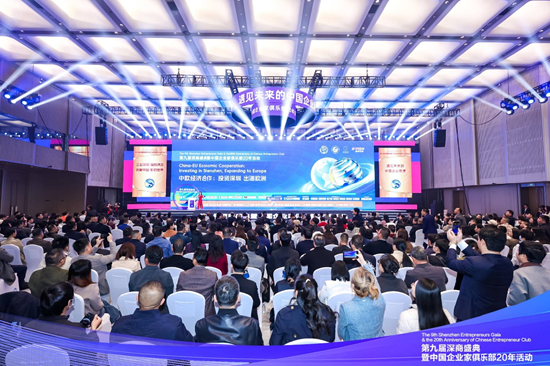
Group 1 - The forum focused on "Investing in Shenzhen, Going Global to Europe," discussing strategic emerging industries such as new energy, fintech, life health, cultural tourism, and digital economy [1][18] - The trade volume between China and Europe reached $749.34 billion from January to November 2025, marking a 4.6% year-on-year increase, indicating a deep symbiotic relationship with nearly $1.5 million in trade every minute [3][20] - Shenzhen is becoming a key hub for China-Europe cooperation, with the Shenzhen-Europe freight train service increasing by 49.6% year-on-year, reflecting the tight connection between "Shenzhen manufacturing" and the European market [3][20] Group 2 - The cooperation between China and Europe has evolved beyond simple transactions to a new stage of technological exchange and industrial chain collaboration, creating significant economic increments [5][22] - The former Chairman of the European Council emphasized the deep economic interests between the EU and China in AI, new energy, and sustainable technologies, advocating for a regular dialogue mechanism to break down barriers [5][23] - Shenzhen's import and export value with the EU reached 589.35 billion yuan, a 4.7% increase, with exports of lithium batteries, electric vehicles, and photovoltaic products surging by 31.2% [5][22] Group 3 - The South District of Shenzhen has established a systematic support platform for enterprises going global, gathering over 324 core service providers to assist 227 companies in their international ventures [7][25] - The founder of Fuyao Glass called on entrepreneurs to take proactive responsibility and emphasized the importance of integrating into local cultures and communities when expanding internationally [10][27] - The forum highlighted the potential for cooperation in new energy, fintech, and cultural tourism, with a focus on the complementary strengths of China and Europe [11][28] Group 4 - Compliance capabilities are deemed essential for entering the European market, with complex legal frameworks such as GDPR and CBAM posing higher requirements for Chinese enterprises [14][33] - Experts noted that compliance is not merely a cost but a passport to the future, urging companies to establish compliance systems early [14][33] - The potential for collaboration in green standards and carbon footprint accounting was highlighted, emphasizing the importance of sustainability in international business [14][33] Group 5 - The forum concluded with a focus on deepening connections in industry, technology, regulations, and talent between Shenzhen and Europe, marking a shift from mere trade to an integrated innovation system [17][34] - The event served as a guiding compass for Chinese and European enterprises, injecting wisdom and momentum into the global economic recovery [17][34]

数读中国 惠及4.94亿人次 数读绿色消费新成效
Ren Min Wang· 2026-01-13 07:59
Group 1 - The core viewpoint of the article emphasizes the importance of promoting green consumption to drive green transformation in production and lifestyle, optimize industrial structure, reduce carbon emissions, and contribute to high-quality economic and social development during the 14th Five-Year Plan period [1] Group 2 - The "old-for-new" policy aims to replace 18.3 million cars by 2025, with nearly 60% being new energy vehicles, and to replace 192 million home appliances, achieving over 90% energy efficiency [4] - The "old-for-new" policy is projected to boost consumer goods sales by 3.92 trillion yuan, benefiting 494 million consumers [4] Group 3 - The construction of a green supply chain is highlighted, with pallet standardization reaching 37.8%, leading to an estimated saving of 250 million disposable pallets, equivalent to protecting 50 million trees and reducing carbon emissions by over 2 million tons [5] - There are currently 1,092 green warehouses in China, covering an area of approximately 65 million square meters [5] Group 4 - By 2025, the total amount of recycled resources in China is expected to reach approximately 380 million tons, with a cumulative government investment of 5 billion yuan for the treatment of waste electrical appliances [6] - The recycling efforts are projected to yield over 3 million tons of recycled resources from about 10 million units of waste electrical appliances [6] Group 5 - A total of 3,500 green hotels and 1,161 green shopping malls have been cultivated nationwide, showcasing the industry's commitment to green practices [8] Group 6 - E-commerce platforms are collaborating with upstream and downstream merchants to establish green cooperation alliances and promote low-carbon operational standards, encouraging small and medium-sized businesses to participate in green transformation [9] Group 7 - The promotion of green lifestyles is being facilitated through major exhibitions, which showcase green and intelligent products and services, aiming to cultivate consumer habits towards green consumption [10] - By 2025, the usage of organic product certification marks is expected to exceed 6.66 billion, positioning China as the third-largest organic consumer market globally [10] - The use of environmentally friendly alternatives is projected to increase by 26.31% in the first half of 2025 compared to the previous period [10]
过去两年实现汽车以旧换新1830万辆
Bei Jing Qing Nian Bao· 2026-01-07 23:52
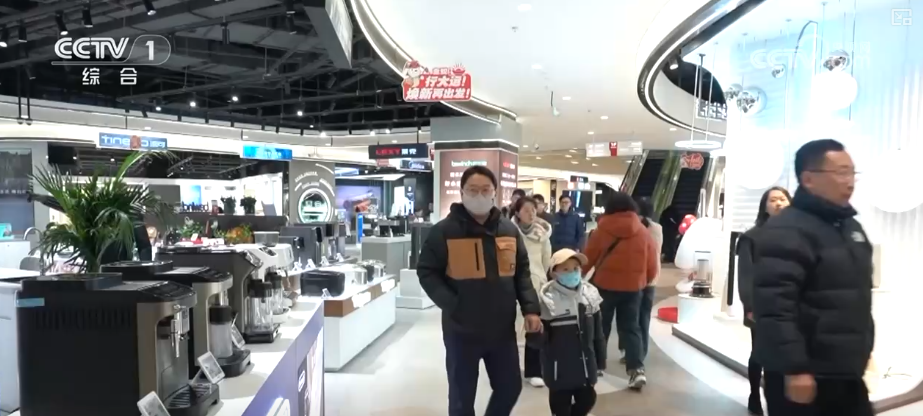
Core Viewpoint - The Ministry of Commerce and nine other departments have issued a notice to promote green consumption, outlining 20 measures across seven areas to enhance green consumption during the 14th Five-Year Plan period [1] Group 1: Green Consumption Initiatives - The notice aims to enrich the supply of quality goods in the livelihood sector and cultivate new growth points for green consumption, focusing on building a green supply chain [1] - The Ministry of Commerce plans to achieve the replacement of 18.3 million old cars by 2025, with nearly 60% being new energy vehicles, and 192 million old home appliances, with 90% being of first-level energy efficiency [2] - The old-for-new policy is expected to drive sales of consumer goods amounting to 3.92 trillion yuan, benefiting approximately 494 million consumers [2] Group 2: Green Supply Chain Development - Efforts are being made to promote high-quality development in commercial logistics and to encourage the use of recyclable packaging materials, with the standardization rate of pallets reaching 37.8% [2] - Approximately 50 million reusable pallets are in circulation, which could save 250 million single-use pallets, equivalent to protecting 50 million trees and reducing carbon emissions by over 2 million tons [2] - The number of green warehouses has reached 1,092, covering an area of about 65 million square meters [2] Group 3: Recycling and Resource Recovery - The Ministry of Commerce, along with nine other departments, has issued a notice to improve the recycling system for waste electrical appliances and furniture, establishing 32 pilot cities and 78 enterprises [3] - The total amount of recycled resources in the country is projected to reach approximately 380 million tons by 2025 [3] - The Ministry of Ecology and Environment is promoting the transformation of waste materials into resources, with 113 cities participating in the "waste-free city" initiative since 2018 [4] Group 4: Financial Support and Technological Innovation - The Ministry of Ecology and Environment has announced a financial commitment of 5 billion yuan by 2025 to support the recycling of about 100 million old appliances, resulting in over 3 million tons of recycled resources [4] - Technological innovations, such as the use of microorganisms to convert battery waste into environmentally friendly materials, are being promoted to enhance resource recovery [4] Group 5: Agricultural Green Consumption - The Ministry of Agriculture and Rural Affairs has launched initiatives to promote green and high-quality agricultural products, with a focus on organic and specialty products [5] - By the end of 2025, the total number of certifications for organic products is expected to exceed 88,000, with standardized production areas for green food reaching 20.5 million acres [6] - China has become the third-largest organic consumer market globally, with over 32,000 valid certification certificates issued for various organic products [6]
持续激发绿色消费潜力 以旧换新中,一级能效(水效)家电占比超九成
Ren Min Ri Bao· 2026-01-07 08:04
Core Viewpoint - The Ministry of Commerce and nine other departments have released a notice to implement green consumption initiatives, outlining 20 measures across seven areas to promote green consumption throughout the entire supply chain [1] Group 1: Green Consumption Policies - The Ministry of Commerce emphasizes the importance of the old-for-new policy for consumer goods as a significant opportunity to drive green consumption, with projections of 18.3 million vehicles and 192 million home appliances being replaced under this policy from 2024 to 2025 [2] - The old-for-new policy is expected to generate sales of 3.92 trillion yuan, benefiting approximately 494 million consumers [2] Group 2: Green Supply Chain and Recycling - The establishment of a green supply chain is underway, with significant improvements in logistics efficiency, including an 80% reduction in loading and unloading time and a 50% decrease in damage rates [2] - The introduction of a circular economy is being supported by the "Second-hand Goods Circulation Pilot Work Plan," which has identified 10 pilot cities and 28 enterprises to enhance the second-hand goods market [3] Group 3: Standards and Regulations - The State Administration for Market Regulation has developed 40 green product evaluation standards and 66 energy and water efficiency standards, actively participating in international standardization efforts [4] - By 2025, the central government plans to invest 5 billion yuan to support the standardized dismantling and processing of approximately 100 million old appliances, generating over 3 million tons of recycled resources [4] Group 4: Agricultural and Consumer Goods - The Ministry of Agriculture and Rural Affairs aims to certify over 88,000 agricultural products under the "three products and one standard" initiative, focusing on green, organic, and high-quality products [5] - The promotion of green consumption will include enhancing the supply of green agricultural products and improving energy and water efficiency standards for appliances and vehicles [6] Group 5: Green Lifestyle Promotion - The notice outlines a systematic approach to promote green consumption during the 14th Five-Year Plan, including the development of green services in dining, accommodation, and household services [6] - Initiatives will encourage the reduction of single-use plastics and promote the recycling of waste products, aiming to create a more sustainable consumption environment [7]
新需求、新供给“绿”意盎然 多部门协同创新政策“组合拳”为绿色消费添动力
Yang Shi Wang· 2026-01-07 04:36
Group 1: Green Consumption Initiatives - The Ministry of Commerce will focus on key areas and links of green consumption, continuously driving new demand and supply [1] - The "old-for-new" policy for consumer goods will be a significant measure to promote green consumption, with subsidies for high-efficiency green appliances, green home products, green building materials, and new energy vehicles [5] - As of now, 1,161 green malls and 3,500 green hotels have been cultivated across the country, with e-commerce platforms establishing green cooperation alliances to promote small and medium-sized businesses' participation in green transformation [6] Group 2: Recycling and Resource Utilization - The Ministry of Commerce will support the construction of high-value recycling projects for renewable resources and optimize sorting center construction to foster green circular consumption [8] - Sorting centers are identified as a core downstream link in the recycling system, with improvements in sorting efficiency and reduction of losses being key objectives [9] - The Ministry will encourage local governments to provide policy support for the construction and renovation of sorting centers, driving high-quality development in the recycling industry [11] Group 3: Waste Management and Urban Development - The Ministry of Ecology and Environment aims to promote the construction of around 200 "waste-free cities" during the 14th Five-Year Plan period to support green consumption [14] - Since the pilot program began in 2018, 113 cities and 8 regions have initiated "waste-free city" construction, with a total of 5 billion yuan allocated for the recycling of approximately 100 million old appliances, resulting in over 3 million tons of recycled resources [17] - The Ministry of Ecology and Environment will facilitate the recycling and reuse of waste materials to enhance green consumption [19] Group 4: Agricultural Development and Green Products - The Ministry of Agriculture and Rural Affairs will increase the supply of high-quality green agricultural products and regularly conduct consumption promotion activities [19] - By the end of 2025, the total number of certifications for green, organic, and geographical indication agricultural products is expected to exceed 88,000, with standardized production areas for green food reaching 20.5 million acres [21] - Over 1,600 billion yuan in sales of green high-quality agricultural products has been driven by various promotional activities [24]
锐财经丨持续提高消费“含绿量”
Ren Min Ri Bao Hai Wai Ban· 2026-01-07 02:18
Core Viewpoint - The Ministry of Commerce and nine other departments have jointly issued a notice to implement green consumption initiatives during the "14th Five-Year Plan" period, aiming to promote green and low-carbon practices across various sectors for high-quality economic and social development [1] Group 1: Optimizing the Green Consumption Environment - Green consumption is a significant measure to align with consumption upgrade trends and cultivate new growth points [2] - The market for green products, such as new energy vehicles and green smart appliances, is steadily expanding, with a richer supply of green products and innovative consumption models [2] - Challenges include inconsistent standards for green products, inadequate incentive mechanisms, and weak consumer awareness [2] - The notice outlines 20 measures across seven areas to enhance green consumption throughout the entire supply chain [2] - Key initiatives include increasing the supply of green agricultural products, promoting green home appliances, and enhancing energy and water efficiency standards [2][3] Group 2: Promoting Green Supply and Demand Transformation - New consumer demands are driving new supply, and vice versa, with a focus on increasing the "green content" of consumption [4] - The government is using trade-in policies to promote green consumption, providing subsidies for high-efficiency green appliances and vehicles [4] - From 2024 to 2025, approximately 17.67 million scrapped vehicles are expected to be recycled, with an annual growth rate of 45.8% [4] - The construction of a digital supply chain is being promoted to enhance efficiency and reduce costs, with a current standardization rate of 37.8% for pallets [4] Group 3: Building a Strong Recycling System - The Ministry of Commerce supports the establishment of intelligent and specialized sorting centers for recycling, encouraging local governments to provide policy support [5] - The goal is to guide more recycled resources to upgraded sorting centers, fostering high-quality development in the recycling industry [5] Group 4: Collaborative Efforts for Green Consumption - Promoting green consumption requires a collaborative effort from government, enterprises, and consumers [6] - The Ministry of Agriculture and Rural Affairs is working to increase the supply of high-quality green agricultural products and enhance brand recognition [7] - The Ministry of Ecology and Environment aims to transform waste materials into valuable resources through initiatives like "zero waste cities" [7] - The State Administration for Market Regulation is advancing green consumption efforts by updating national standards and supporting the implementation of "trade-in" policies [7]
生态环境部:十五五时期将推动200个左右城市开展无废城市建设
Xin Hua She· 2026-01-07 02:12
Core Viewpoint - The Chinese government has launched a comprehensive initiative to promote green consumption, outlining 20 measures across seven areas to support the "14th Five-Year Plan" period, aiming to enhance economic transformation and reduce carbon emissions [1] Group 1: Green Consumption Measures - The initiative includes increasing the supply of green agricultural products, with a target of over 88,000 certifications for "three products and one standard" by the end of 2025, and a standardized production area of 20.5 million acres for green food [2] - A significant focus is on implementing a large-scale trade-in policy for consumer goods, with projections of 18.3 million old cars replaced and 1.92 million old appliances traded in from 2024 to 2025, generating sales of 3.92 trillion yuan and benefiting 494 million consumers [3] - The promotion of green services, including green dining, accommodation, and household services, is emphasized, alongside the use of biodegradable materials [3] Group 2: Economic and Environmental Impact - Green consumption is identified as a key driver for economic structural transformation, with data showing an 80% reduction in loading times and over 50% decrease in damage rates through improved supply chain practices [4] - The initiative aims to foster new growth points by establishing a green supply chain, promoting green procurement, and encouraging resource sharing to enhance efficiency [4] - The use of environmentally friendly alternatives has increased by 26.31% in the first half of 2025, reflecting positive outcomes in reducing single-use plastic products [4] Group 3: Waste Management and Standards - The "zero waste city" initiative aims to transform waste into resources, with plans to support around 200 cities in this effort during the "14th Five-Year Plan" [5] - The government will enhance waste disposal systems and support the construction of intelligent sorting centers to improve waste management [5] - There will be a push for updating national standards and encouraging participation in international standardization activities related to green practices [6]
权威发布丨持续激发绿色消费潜力
Ren Min Ri Bao· 2026-01-07 02:12
Core Viewpoint - The Ministry of Commerce and nine other departments have released a notice to implement green consumption initiatives, outlining 20 measures across seven areas to promote green consumption throughout the entire supply chain [1] Group 1: Promotion of Green Consumption - The Ministry of Commerce is leveraging the large-scale replacement policy for consumer goods as a significant opportunity to drive green consumption, with an expected 60% of 18.3 million replaced vehicles being new energy vehicles and 90% of 192 million replaced home appliances meeting first-level energy efficiency standards [2] - The replacement policy is projected to generate sales of 3.92 trillion yuan, benefiting approximately 494 million consumers [2] Group 2: Green Supply Chain and Resource Recycling - The establishment of a green supply chain is underway, with significant improvements in logistics efficiency, including an 80% reduction in loading and unloading time and a 20% decrease in supply chain costs [2] - The introduction of a circular recycling system is being promoted, with a target of recycling 17.67 million scrapped vehicles and 39.69 million used cars by 2025, alongside the standardized dismantling of approximately 53 million old home appliances and mobile phones [3] Group 3: Standards and Regulations - The State Administration for Market Regulation has developed 40 green product evaluation standards and 66 energy and water efficiency standards, actively participating in international standardization efforts [4] - By 2025, the central government plans to invest 5 billion yuan to support the standardized dismantling of about 100 million old electrical appliances, yielding over 3 million tons of recycled resources [4] Group 4: Agricultural and Consumer Product Initiatives - The Ministry of Agriculture aims to certify over 88,000 agricultural products under the "three products and one standard" initiative, focusing on green, organic, and high-quality products [5] - The promotion of green consumption will include enhancing the supply of green agricultural products, green home appliances, and green services, while also encouraging the use of biodegradable materials [6] Group 5: New Growth Points and Consumer Engagement - The initiative aims to create new growth points in green consumption by establishing a green supply chain, promoting green procurement, and encouraging resource sharing [7] - Efforts will be made to optimize the green consumption environment through policy support, financial innovation, and community engagement activities [7]