贸易伙伴多元化

Search documents
盛松成:新阶段三大特征支撑人民币中长期稳中有升
Di Yi Cai Jing· 2025-11-25 11:19
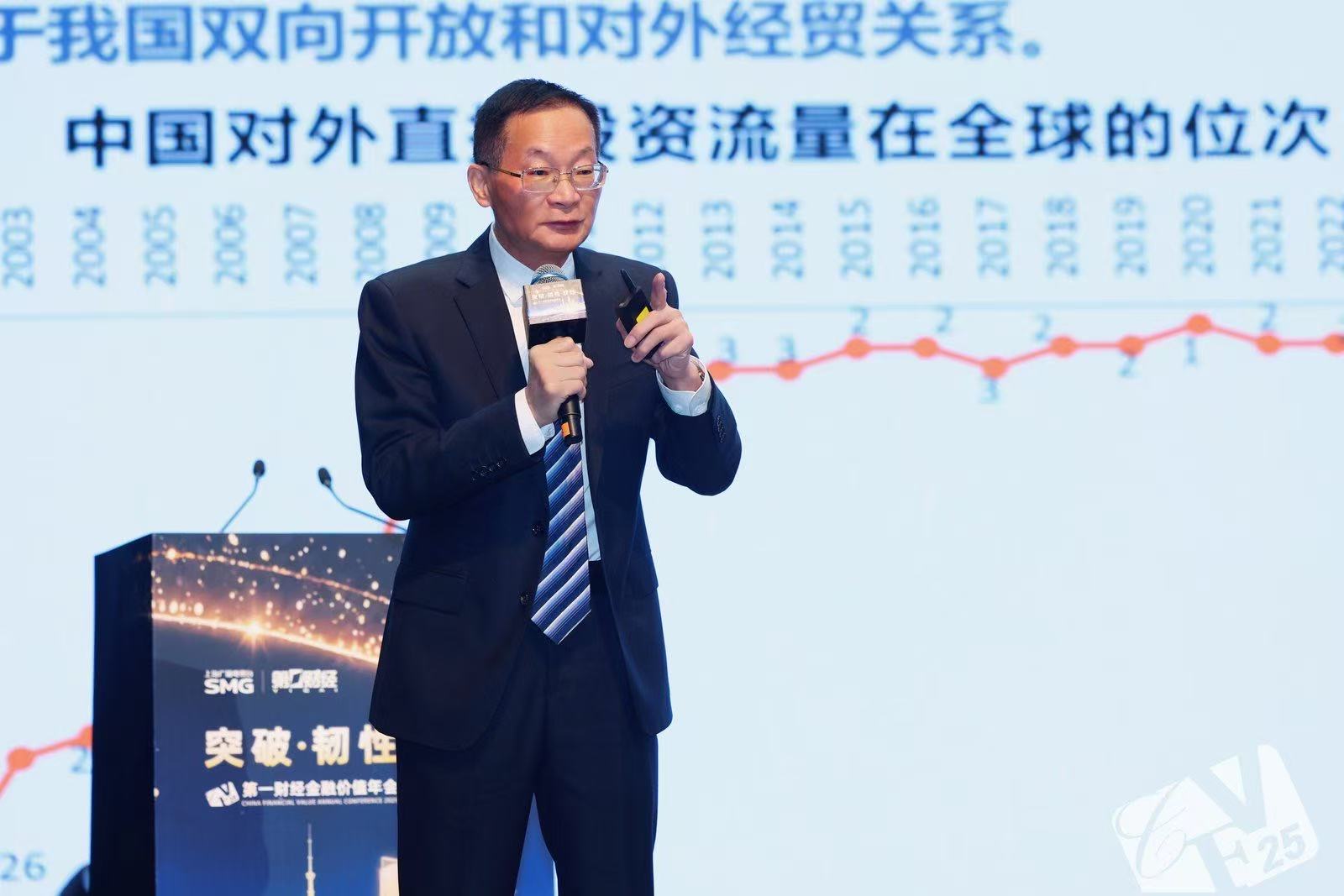
Core Viewpoint - The future direction of the RMB exchange rate is crucial, with a focus on preventing excessive appreciation to avoid impacting exports. Stability remains the key theme [1][7]. Group 1: RMB Exchange Rate Trends - The RMB exchange rate has a long-term foundation for stable appreciation due to factors such as the new phase of "two-way investment," diversification of trade partners, and improvements in labor productivity [1][4]. - The RMB's strength or weakness directly influences the motivation for Chinese enterprises to invest abroad, with a stable RMB reducing exchange rate risks for overseas investments [5][6]. Group 2: Changes in China's Economic Structure - China is transitioning to a "two-way investment" phase, balancing foreign direct investment (FDI) and outward direct investment (ODI), with ODI surpassing FDI since 2015 [4][5]. - By 2024, China's ODI is projected to grow by 8.4%, reaching a global share of 11.9%, maintaining a position among the top three globally for 13 consecutive years [4]. Group 3: Trade Partner Diversification - China's trade concentration is decreasing, with exports to the top three trading partners (U.S., EU, ASEAN) dropping from 50.8% in 2019 to 45.5% in 2024, indicating enhanced economic resilience [6][7]. - The share of exports to "Belt and Road" countries has increased from under 25% in 2013 to 47% in 2024, reflecting a significant shift in trade dynamics [6]. Group 4: Global Currency Landscape - The international status and appreciation potential of the RMB are strengthening amid challenges to the dollar's credibility and a trend towards diversification of global central bank reserves [8][9]. - The share of the dollar in global official foreign exchange reserves has decreased from 61.5% in 2020 to an expected 56.32% by 2025, indicating a shift in global currency preferences [8]. Group 5: Domestic Economic Fundamentals - Continuous improvement in domestic economic fundamentals, such as rising labor productivity and a shift towards high-end manufacturing and technology exports, supports the RMB's long-term appreciation [9][10]. - The RMB is considered undervalued based on purchasing power parity, with estimates suggesting it could be closer to a 1:3.5 ratio rather than the current market rate of approximately 7.1 [9][10].

加拿大总理发声:“加美紧密经济关系已结束”
Yang Shi Xin Wen· 2025-11-10 00:49
Core Viewpoint - The long-standing close economic relationship between Canada and the United States has come to an end, necessitating a shift in Canada's trade strategy to diversify its partners and create greater autonomy [1] Economic Impact - The U.S. tariff policies are projected to result in an economic loss of approximately 50 billion Canadian dollars for Canada, which is equivalent to 1.8% of the country's GDP [1] Strategic Shift - Canada must adjust its strategy as its previous reliance on the U.S. has shifted from an advantage to a vulnerability, highlighting the need for a more diversified trade approach [1]
全球媒体聚焦 | 外媒关注中国-东盟自贸区3.0版议定书 合作再升级
Yang Shi Xin Wen Ke Hu Duan· 2025-10-28 12:24
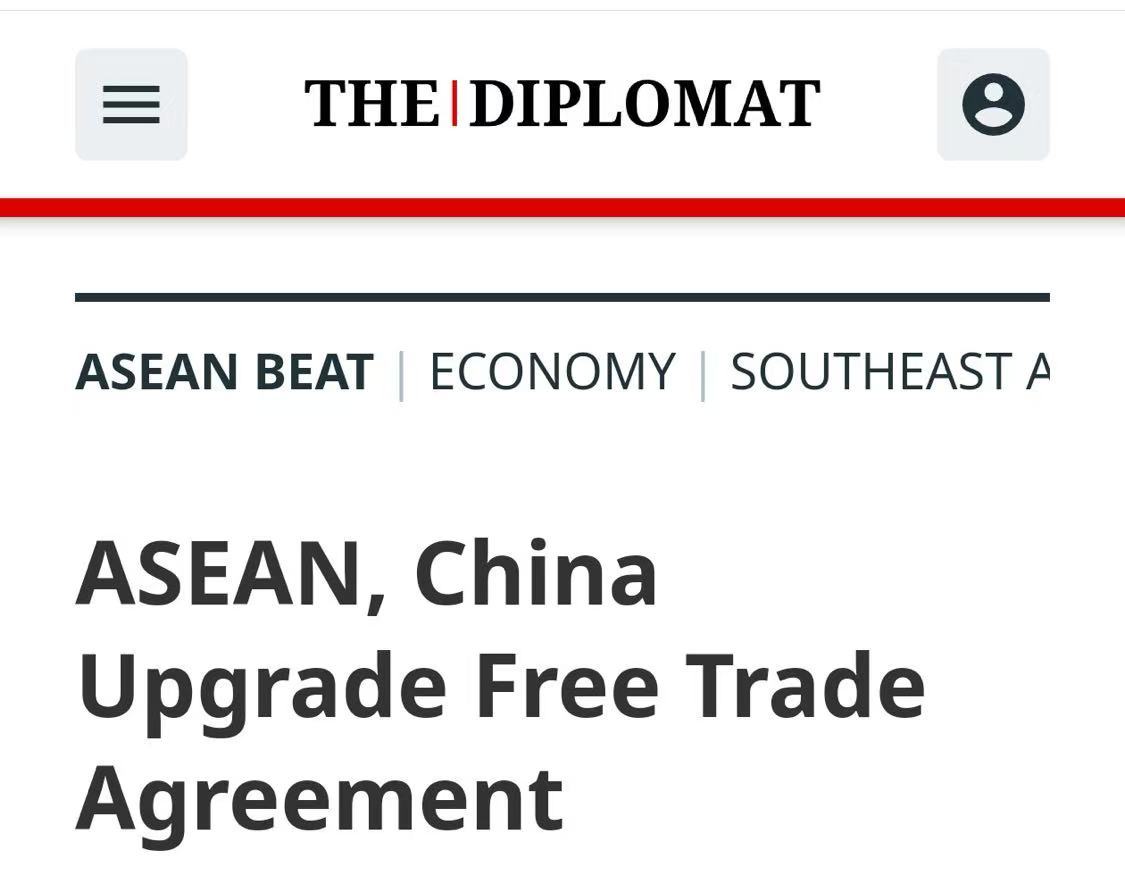
Core Viewpoint - The signing of the upgraded version of the China-ASEAN Free Trade Area (FTA) 3.0 in Kuala Lumpur marks a significant milestone in enhancing economic cooperation between China and ASEAN countries, expanding collaboration into new areas such as supply chain connectivity, digital economy, and green economy [3][4]. Group 1: Trade Growth - Since its implementation in 2010, the China-ASEAN FTA has led to a substantial increase in bilateral trade, with trade volume rising from $192.5 billion in 2008 to an estimated $982 billion in 2024, representing an increase of over five times [3]. - The upgraded FTA encompasses nine key areas, focusing on advanced fields such as digital economy and green economy [3]. Group 2: Strategic Importance - The negotiations for the FTA 3.0 version began in November 2022 and are set to conclude in October 2024, highlighting the strategic importance of this agreement in the context of global trade dynamics [4]. - The FTA's significance has been amplified following the U.S. government's imposition of tariffs on major trading partners, prompting ASEAN countries to accelerate their diversification of trade partnerships with China [4]. Group 3: Regional Leadership - Malaysian Prime Minister Anwar Ibrahim described the agreement as a "milestone achievement," indicating that it will usher in a new era of strategic cooperation between ASEAN and China, significantly enhancing the region's economic resilience [3].
熊园VS政策专家 四中全会,怎么看、怎么办?
2025-10-23 15:20
Summary of Key Points from Conference Call Industry Overview - The conference call discusses the Chinese economy and its strategic planning under the "Fifteen Plan" (十五规划), focusing on maintaining economic growth and addressing challenges in various sectors, particularly technology and real estate. Core Insights and Arguments 1. **Economic Growth Target**: The GDP growth target for the "Fifteen Plan" is expected to be set above the potential growth rate, reflecting a commitment to maintaining necessary growth levels [3][4][6]. 2. **Role of Technology Innovation**: Technology innovation is emphasized as a core component of the "Fifteen Plan," with increased fiscal support directed towards enterprises and industries to enhance their innovative capabilities [4][5]. 3. **Macroeconomic Stabilization Policies**: The implementation of macroeconomic stabilization policies aims to reduce market volatility and provide greater certainty for capital markets, thereby boosting investor confidence [6][7]. 4. **Deflationary Pressures**: The Chinese economy is currently facing deflationary pressures, particularly in the manufacturing and export sectors. Solutions include enhancing pricing power through supply-side adjustments [7][8]. 5. **Challenges in Domestic Demand**: The domestic market is under pressure, especially due to real estate issues and a slowdown in urbanization. Future urbanization efforts may focus on less developed regions to promote balanced development [8][9]. 6. **Unified National Market**: The establishment of a unified national market aims to address issues of chaotic low-price competition and promote positive price adjustments, which will support supply-side reforms [9][10]. 7. **Fiscal Policy for Economic Growth**: The fiscal policy for 2025 is designed to maintain a strong stance, with a nominal deficit rate of 4% and an actual deficit rate projected to remain around 10%, focusing on social welfare and transfer payments [10][11]. 8. **Employment Market Challenges**: The employment market faces challenges, particularly for low-skilled workers and recent graduates. Measures include subsidies for job stability and skills training [12][13]. 9. **International Trade Dynamics**: China's technology sector is expected to gain competitiveness, reducing reliance on U.S. trade, which enhances China's position in global trade dynamics [14][15][16]. 10. **Diversification of Trade Partners**: There is a trend towards diversifying trade partners, with increased trade with developing countries, particularly in Africa, to mitigate the impacts of changing U.S.-China trade relations [18]. Additional Important Insights - The call highlights the importance of aligning fiscal policies with social needs and adjusting the central-local fiscal relationship to alleviate local financial pressures [11][12]. - The discussion on the semiconductor industry indicates that China is on track to become a major player in chip exports, reflecting significant advancements in technology [16][17]. - The strategic approach to U.S.-China relations emphasizes a balance between responding to U.S. actions and maintaining a stable economic environment [17][18].
特朗普关税倒逼全球贸易变局,欧盟、加拿大等盟友开始另寻贸易出路
第一财经· 2025-07-14 09:47
Core Viewpoint - The article discusses the European Union's (EU) efforts to diversify its trade partnerships in response to the trade policies of the Trump administration, particularly the imposition of tariffs on EU goods [1][3]. Group 1: EU's Trade Strategy - The EU and Indonesia have reached a political consensus to advance a trade agreement, aiming for Indonesian goods to enter the EU market tariff-free [3][4]. - EU Commission President Ursula von der Leyen emphasized the importance of partnerships in a turbulent world, indicating that countries affected by U.S. tariffs are welcome to rely on Europe [3][4]. - The EU plans to strengthen trade ties with other economies, including South America and India, to establish new bilateral trade agreements [1][4]. Group 2: Response to U.S. Tariffs - The EU has extended the suspension of its trade countermeasures against the U.S. until August 1, allowing more time for negotiations [4]. - The EU aims to limit trade conflicts primarily to the U.S. market, which constitutes about 15% of global trade, while protecting the remaining 85% [4][5]. - The EU is also engaging with other affected partners like Canada and Japan to explore coordinated responses to U.S. tariffs [4][5]. Group 3: Global Trade Dynamics - Other major economies, including Canada and the UK, are also seeking to diversify their trade relationships in light of the changing global trade landscape [7][8]. - Canada is accelerating negotiations for a free trade agreement with ASEAN countries, while the UK is re-engaging in trade talks with Canada to strengthen global business ties [7][8]. - In Latin America, Brazil and Mexico are initiating preparatory talks to deepen trade agreements, highlighting a trend towards regional integration [8].
特朗普关税倒逼全球贸易变局,欧盟、加拿大等盟友开始另寻贸易出路
Di Yi Cai Jing· 2025-07-14 08:46
Core Insights - Major economies are actively seeking trade diversification in response to the U.S. tariff policies under the Trump administration [1][6] - The EU is pursuing new trade agreements, particularly with Indonesia, to mitigate the impact of U.S. tariffs [3][5] Group 1: EU's Trade Strategy - The EU and Indonesia have reached a political consensus to advance a trade agreement, ensuring Indonesian goods can enter the EU market tariff-free [3][5] - EU Commission President von der Leyen emphasized the importance of partnerships in a turbulent world, signaling support for countries affected by U.S. tariffs [3][4] - The EU aims to limit trade conflicts primarily to the U.S. market, which accounts for about 15% of global trade, while protecting the remaining 85% [4] Group 2: Global Trade Dynamics - Other major economies, including Canada and the UK, are also seeking to diversify their trade relationships amid threats to the rules-based international order [6][7] - Canada is accelerating free trade negotiations with ASEAN countries, while the UK is re-engaging in trade talks with Canada to strengthen global business ties [6][7] - Brazil and Mexico are initiating preparatory talks to deepen trade agreements, highlighting the economic complementarity between the two nations [7]
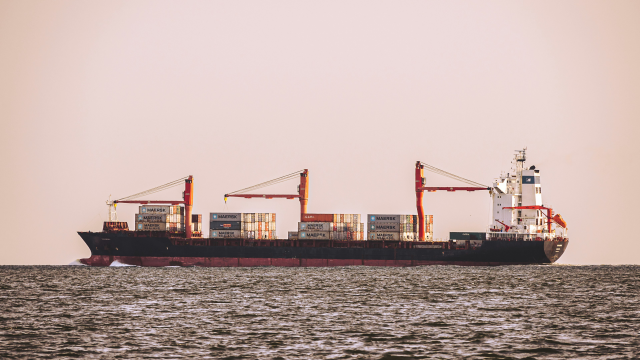
“朋友圈”越来越广,中国外贸成绩单亮眼!
证券时报· 2025-07-09 00:02
Core Viewpoint - China's foreign trade has shown remarkable resilience in the first half of the year, becoming a significant driver of economic growth despite external pressures, particularly from the U.S. [1][2] Group 1: Trade Partnerships and Growth - By the end of 2024, China has become a major trading partner for over 150 countries and regions globally [2] - In the first five months of this year, China's exports to Africa, ASEAN, Latin America, and the EU grew by 20.2%, 13.5%, 10.6%, and 7.7% respectively, significantly outpacing overall export growth rates [2] - The shift in export focus towards non-U.S. regions, particularly ASEAN, the EU, and the Middle East, has been a key factor in the unexpected export performance [2] Group 2: Trade Agreements and Cooperation - During the second China-Central Asia Summit, China reached 110 cooperation agreements with five Central Asian countries [3] - The second meeting of the Joint Committee for the China-Georgia Free Trade Agreement focused on upgrading the agreement across four chapters, including sanitary measures and electronic commerce [4][5] Group 3: Manufacturing and Export Strength - China's high-tech product exports increased by 7.4% in the first five months, with significant growth in biotechnology, computer integration, optoelectronics, and electronic technology products [6] - The global competitiveness of China's technology-intensive and capital-intensive products, such as consumer electronics and lithium batteries, is expected to maintain rapid growth in exports [6]

“朋友圈”越来越广 中国外贸成绩单亮眼
Zheng Quan Shi Bao· 2025-07-08 18:20
Group 1 - The core viewpoint of the articles highlights the resilience of China's foreign trade in the first half of the year, driven by diversified trade partners and a robust manufacturing system, despite external pressures such as the U.S. "reciprocal tariffs" [1][2] - China's exports to Africa, ASEAN, Latin America, and the EU saw significant growth in the first five months, with increases of 20.2%, 13.5%, 10.6%, and 7.7% respectively, outperforming overall export growth rates by substantial margins [2] - The shift in China's export focus towards non-U.S. regions, particularly ASEAN, the EU, and the Middle East, is a strategic response to the global trade environment, aiming to mitigate tariff risks and enhance trade partnerships [2][3] Group 2 - Recent agreements, such as the 110 cooperation consensus reached during the China-Central Asia Summit and the upgrade of the China-Georgia Free Trade Agreement, reflect China's commitment to trade liberalization and multilateralism amid rising protectionism [3] - High-tech product exports from China increased by 7.4% in the first five months, with notable double-digit growth in biotechnology, computer integrated manufacturing technology, optoelectronics, and electronic technology products [4] - The competitive edge of China's manufacturing in global supply chains, particularly in sectors like consumer electronics and lithium batteries, is expected to sustain strong export growth in the future [4]

拉马福萨回应美方拟征高关税:南非正就贸易争议加紧磋商
Zhong Guo Xin Wen Wang· 2025-07-08 18:17
Group 1 - South Africa's President Ramaphosa received a letter from the U.S. President proposing a unilateral 30% tariff on South African exports starting August 1, 2025, which is currently under negotiation [1] - The U.S. justification for the tariff is based on a "specific interpretation" of trade balance, which South Africa disputes as controversial [1] - South Africa's average import tariff is only 7.6%, with 56% of goods enjoying zero tariffs under Most Favored Nation treatment, and 77% of U.S. products entering South Africa tariff-free [1] Group 2 - The proposed tariffs could severely impact South Africa's agriculture and steel industries, potentially affecting downstream manufacturing and leading to economic and employment losses [2] - South Africa is the second-largest bilateral trade partner of the U.S., with significant exports including minerals, automotive parts, and agricultural products [2] Group 3 - As of the latest report, South Africa's 10-year government bond yield rose by 46 basis points to 9.87%, indicating investor concerns over escalating trade tensions [3]
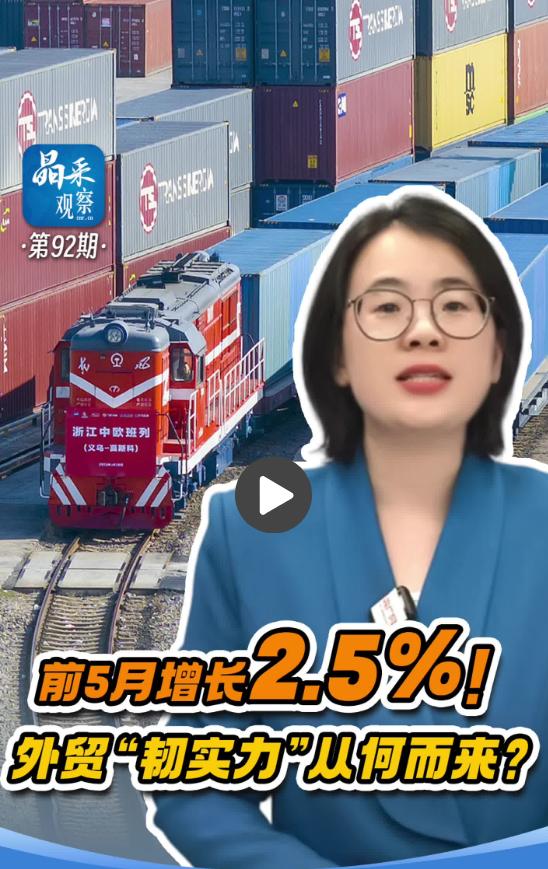
晶采观察丨前5月增长2.5%!我国外贸“韧实力”从何而来?
Yang Guang Wang· 2025-06-12 02:49
Core Insights - China's total import and export value reached 17.94 trillion yuan in the first five months of the year, reflecting a year-on-year growth of 2.5%, with an acceleration of 0.1 percentage points compared to the first four months [2] - The growth in foreign trade demonstrates resilience amid complex global conditions, with significant contributions from events like the Consumer Expo and Canton Fair, which saw record participation and order intentions [2] - The diversification of trade partners is evident, with exports in May reaching 2.28 trillion yuan, marking a 6.3% increase, particularly strong growth observed in exports to ASEAN, EU, Africa, and Central Asian countries [3] Trade Performance - The cumulative growth rate of foreign trade has shown a notable recovery, with a decrease of 1.2% in the first two months, followed by a slight increase of 1.3% in the first quarter [3] - Despite uncertainties from U.S. tariff policies, the overall growth rate for the first four months remained positive at 2.4% [3] - The cross-border e-commerce sector is emerging as a new growth driver, with significant shipment volumes expected from the Hangzhou cross-border e-commerce pilot zone [3] Policy Support - Various local governments are implementing detailed measures to stabilize foreign trade, such as Shenzhen's "Financial Stability for Foreign Trade" initiatives and Tianjin's establishment of a one-stop service base for enterprises [4] - These measures are anticipated to further support the steady growth of China's foreign trade and contribute to the overall stability of the economy [4]