资源回收利用

Search documents
生态环境法典草案三次审议稿回应各界关切:固体废物跨省转移要报“出入”双方
Xin Lang Cai Jing· 2025-12-25 17:24
Group 1 - The ecological environment code draft is China's second law named as a "code," focusing on judicial guarantees for ecological environment protection [1][2] - The draft emphasizes the responsibilities of the People's Court and People's Procuratorate in ecological environment protection, enhancing the compensation and public interest litigation systems [2] - The draft introduces a credit repair mechanism for enterprises correcting their dishonest behavior, allowing them to apply for credit restoration [2] Group 2 - The pollution prevention section has been improved to regulate the burning of straw and leaves, and to strengthen the supervision of solid waste transfer across provinces [3] - The draft includes provisions for controlled nuclear fusion radioactive pollution prevention, establishing a management system for fusion fuel and facilities [3][4] - In emergency situations causing damage to wildlife, the draft states that no legal responsibility will be incurred [4] Group 3 - The draft includes new regulations to promote agricultural water conservation and improve irrigation efficiency [5] - It emphasizes the importance of the "Three North" project for ecological protection and restoration [5] Group 4 - The draft aims to enhance the development and utilization of renewable energy, supporting both centralized and distributed energy sources [6][7] - It outlines the establishment of a green and low-carbon policy framework, promoting a circular economy and resource recycling [6] Group 5 - The draft adjusts legal responsibilities to ensure consistency across similar violations, enhancing penalties for radioactive pollution [9][10] - It proposes modifications to the ecological environment damage compensation litigation system, allowing only the People's Procuratorate to initiate lawsuits if the government fails to act [10]
旧羽绒服“变身”蓬松新棉被
Hang Zhou Ri Bao· 2025-12-25 02:21
Core Insights - The rise of transforming old down jackets into new comforters reflects a growing trend in sustainable fashion and recycling practices in the textile industry [1][3] - The business model is based on cost-effectiveness and the unique craftsmanship involved in the transformation process, appealing to a diverse customer base [3] Group 1: Business Operations - The process of transforming down jackets involves meticulous steps, including disassembling, disinfecting, and weighing the down, which can take over an hour for disassembly alone [2] - On average, seven to eight down jackets are required to create a winter comforter, depending on the fill amount and customer needs [2] - The entire transformation process takes approximately three hours, with the total cost for a comforter, including the cover, around 400 yuan, significantly lower than branded alternatives [2] Group 2: Market Dynamics - The business has gained popularity due to its affordability and the skilled craftsmanship that is hard to replicate, even with online tutorials available [3] - The customer demographic spans multiple generations, with older individuals valuing practicality, middle-aged housewives focusing on recycling, and younger consumers attracted by environmental concerns and customization options [3] - The market features various small workshops offering similar services, contributing to a vibrant handmade economy that thrives despite the challenges posed by e-commerce [3]
“以奖代补”保障有力 我国年规范回收拆解废弃“四机一脑”能力约1.8亿台
Zhong Guo Jing Ji Wang· 2025-12-01 05:14
Group 1 - The central government emphasizes the importance of standardized dismantling and resource recovery of waste electromechanical products and equipment, with over 90 dismantling enterprises supported by special funds, achieving an annual standardized dismantling capacity of approximately 180 million units [1] - In 2024, the standardized dismantling of waste "four machines and one brain" is expected to reach about 95 million units, with actual dismantling volume around half of the capacity, yielding nearly 2 million tons of recycled resources [1] - From January to October this year, approximately 86 million units were standardized for dismantling, resulting in about 1.9 million tons of recycled resources [1] Group 2 - There are over 1,900 qualified waste motor vehicle recycling and dismantling enterprises nationwide, with a projected recycling volume of 846,000 vehicles in 2024, representing a 64% year-on-year increase [2] - The recycling and utilization capacity for "new three types" of retired equipment, such as power batteries, photovoltaic panels, and wind turbine blades, has improved rapidly, but there are significant discrepancies in future predictions due to secondary market utilization [2] - By 2030, it is estimated that waste photovoltaic components will reach 1.5 to 2 million tons, waste wind turbine blades about 500,000 tons, and waste power batteries around 1 million tons, with recycling demand gradually increasing [2] Group 3 - The Ministry of Ecology and Environment plans to enhance environmental supervision and promote standardized recycling and dismantling of waste electromechanical products to prevent environmental pollution and encourage resource recovery [2] - The government is working on improving pollution control technology standards, including revising existing guidelines and developing new ones for various waste products [3] - There will be increased enforcement against environmental violations and a focus on integrating illegal dismantling activities into broader solid waste management initiatives [3]
百万吨“新三样”退役潮将至 监管:回收企业仍“吃不饱”
2 1 Shi Ji Jing Ji Bao Dao· 2025-11-28 23:29
Core Insights - The upcoming retirement of new energy equipment, including waste power batteries, solar panels, and wind turbine blades, is projected to create significant waste management challenges in China by 2030, with estimates of 1.5 to 2 million tons of waste solar panels, 500,000 tons of waste wind turbine blades, and 1 million tons of waste power batteries [1][2][3] Waste Management and Recycling Capacity - China's recycling capacity for waste solar panels and wind turbine blades is approximately 2 million tons and 1 million tons, respectively, which exceeds the projected retirement volumes, leading to a situation where recycling companies often face underutilization [2][3] - The Ministry of Ecology and Environment (MEE) has reported that there are 148 qualified companies for comprehensive utilization of waste power batteries, with a total recycling capacity of 2.5 million tons [2] Regulatory Framework and Support - Since the suspension of the "Four Machines and One Brain" fund on January 1, 2022, the Ministry of Finance has continued to allocate special funds to support compliant dismantling enterprises through a reward and subsidy mechanism [2][3] - The MEE is enhancing regulatory oversight of dismantling enterprises to prevent environmental pollution and promote resource recovery [5][8] New Pollutant Management Initiatives - The MEE is actively implementing the New Pollutant Governance Action Plan, which includes the establishment of a coordination mechanism among 15 national departments and the formation of an expert committee to address new pollutants [6][7] - As of 2022, the MEE has approved the registration of 802 new chemical substances and has proposed 1,365 environmental risk control measures to mitigate the generation of new pollutants [7][9] Future Directions - The MEE plans to strengthen environmental supervision and enhance the regulatory framework for new pollutants, including the establishment of a national monitoring network and a collaborative governance structure [8][9] - The ministry aims to improve the capacity for managing new pollutants and ensure the effective implementation of environmental risk assessments and control measures [9]
生态环境部:去年全国报废机动车回收量增六成,达846万辆
Nan Fang Du Shi Bao· 2025-11-28 07:59
Core Insights - The Ministry of Ecology and Environment reported a rapid increase in the standardized recycling and processing of end-of-life vehicles, with over 1,900 qualified recycling enterprises in China and an expected recovery of 8.46 million vehicles in 2024, representing a 64% year-on-year growth [1][2] Group 1: Regulatory and Financial Support - The government has ensured the standardized dismantling of waste electrical and electronic products through financial support, with over 90 enterprises receiving subsidies, leading to an annual standardized dismantling capacity of approximately 180 million units [2] - In 2024, around 95 million units of waste electrical and electronic products are expected to be dismantled, producing nearly 2 million tons of recycled resources [2] Group 2: New Equipment Recycling Capabilities - The recycling capabilities for "new three types" of retired equipment, including waste photovoltaic components, wind turbine blades, and spent batteries, have improved significantly, with waste photovoltaic components and wind turbine blades having recycling capacities of approximately 2 million tons and 1 million tons, respectively [3] - The total recycling capacity for spent batteries among 148 qualified enterprises reaches 2.5 million tons, indicating that the recycling capacity often exceeds the actual retired volume [3] Group 3: Future Regulatory Measures - The Ministry of Ecology and Environment plans to enhance environmental supervision and promote standardized recycling and dismantling of end-of-life products, including the revision of pollution control technical specifications for various waste products [4] - Continuous enforcement against illegal dismantling practices will be prioritized, with a focus on integrating more retired equipment into legitimate recycling channels [4]
研判2025!中国次氧化锌行业产业链、发展现状、竞争格局、未来趋势:资源可回收利用趋势下,次氧化锌行业发展潜力巨大[图]
Chan Ye Xin Xi Wang· 2025-11-21 01:26
Core Insights - The zinc oxide industry in China is projected to grow significantly, with the market size expected to reach 15 billion yuan in 2024, reflecting a year-on-year increase of 25.0%, and further growing to 17 billion yuan in 2025, with a year-on-year increase of 13.3% [1][6][9] Industry Overview - Zinc oxide is a crucial inorganic compound with unique physical and chemical properties, widely used in various sectors including rubber, coatings, electronics, and pharmaceuticals [1][6] - The demand for zinc oxide in China is on the rise due to the development of downstream industries, leading to an increase in market size [1][6] Production Process - Zinc oxide is primarily produced through the refining and processing of zinc-containing waste materials, with common production methods including the rotary kiln high-temperature reduction volatilization method [4][5] - The production process involves mixing zinc-containing materials with reducing agents and subjecting them to high-temperature roasting in a rotary kiln [4][5] Industry Chain - The zinc oxide industry chain consists of upstream materials (zinc-containing waste, reducing agents), midstream production, and downstream applications (rubber products, coatings, ceramics, cosmetics, pharmaceuticals) [6] - Since the ban on solid waste imports in China in 2021, companies have been establishing overseas zinc oxide plants to source raw materials [6] Competitive Landscape - The zinc oxide industry is heavily reliant on resource availability, with major production concentrated in Henan and Hunan provinces, which are strategically located near raw material sources and markets [8] - Key players in the industry include Hunan Chixing Environmental Protection Technology Co., Ltd., Hengyang Baisai Chemical Industry Co., Ltd., and Hunan Ruixing Zinc Industry Co., Ltd. [8] Development Trends - The zinc oxide industry is expected to see steady demand growth across various sectors, driven by increasing needs in metallurgy, rubber, ceramics, and pharmaceuticals [9] - The industry is also focusing on environmental sustainability and technological advancements to reduce energy consumption and carbon emissions [9] - Companies are increasingly pursuing global expansion to tap into emerging markets and stabilize international supply chains [9]


格林美:使用的锂资源主要来自回收,尚未进行锂矿开发项目
Ge Long Hui· 2025-11-17 07:13
Core Viewpoint - The company primarily sources lithium resources from recycling and has not engaged in lithium mining projects [1] Group 1: Resource Management - The company can produce over 12,000 tons per year of cobalt metal from its nickel resource project in Indonesia, including its equity stakes [1] - Annually, the company recycles approximately 10,000 tons of cobalt domestically, which effectively supplements cobalt supply during the Democratic Republic of the Congo's cobalt embargo [1]

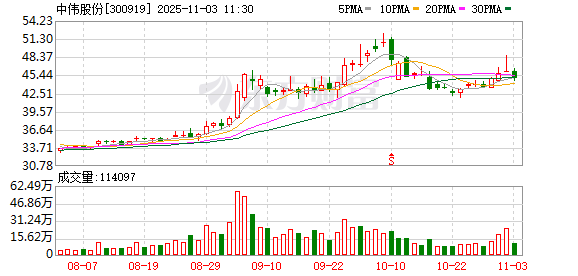
中伟股份:红土镍矿—镍中成品的环节,公司自供率超80%,钴自供比例较低
Mei Ri Jing Ji Xin Wen· 2025-11-03 04:43
Group 1 - The company is continuously enhancing its recycling R&D innovations, developing new lithium processing technologies and achieving industry-leading recovery rates for nickel, cobalt, and lithium [1] - The self-sufficiency rate for nickel from laterite ore exceeds 80%, while the self-sufficiency ratio for cobalt is relatively low [1] - An increase in cobalt prices in 2025 is expected to positively impact the company's annual profits [1] Group 2 - The company is projected to process over 50,000 tons of retired batteries in 2024, with inquiries about the expected processing volume for the first half of 2025 [3] - The company has maintained the number one global market share for ternary precursors and cobalt tetroxide for five consecutive years, with questions regarding the current self-production ratios for nickel and cobalt [3]
瀚蓝环境携手中资环国际 共拓绿色新能源领域
Zhong Zheng Wang· 2025-10-21 02:33
Core Viewpoint - The collaboration between Huanlan Environment and Zhongzi Huan International aims to enhance cooperation in renewable oil trade, waste oil treatment, green energy, and biomass energy, contributing to national energy transition projects [1][2]. Group 1: Collaboration Details - Huanlan Environment's subsidiary, Huanlan Bioenergy Technology (Guangdong) Co., Ltd., signed a cooperation agreement with Zhongzi Huan International to deepen collaboration in various green energy sectors [1]. - The partnership is seen as a response to global environmental challenges and a commitment to green development, leveraging each party's strengths for resource sharing and maximizing the "technology + scenario" multiplier effect [1][2]. Group 2: Industry Context - Zhongzi Huan International is part of the China Resource Recycling Group, which focuses on promoting a green low-carbon circular economy in the Guangdong-Hong Kong-Macao Greater Bay Area [1][2]. - The collaboration aligns with China's "14th Five-Year" circular economy development plan and energy transition strategy, showcasing a strong alliance between industry leaders [2]. Group 3: Operational Insights - Huanlan Environment operates 19 kitchen waste treatment and animal harmless treatment plants nationwide, producing stable outputs of waste oil and biodiesel annually [2]. - The company has developed a smart collection system that enhances efficiency in waste collection, ensuring high collection rates and traceability in agricultural waste management [2]. Group 4: Technological Advancements - Huanlan Environment focuses on high-value conversion paths for waste oil, utilizing advanced refining processes to produce sustainable aviation fuel (SAF) and recycled plastic materials [3]. - The collaboration is expected to support national green development strategies and provide practical cases for the circular economy [3].

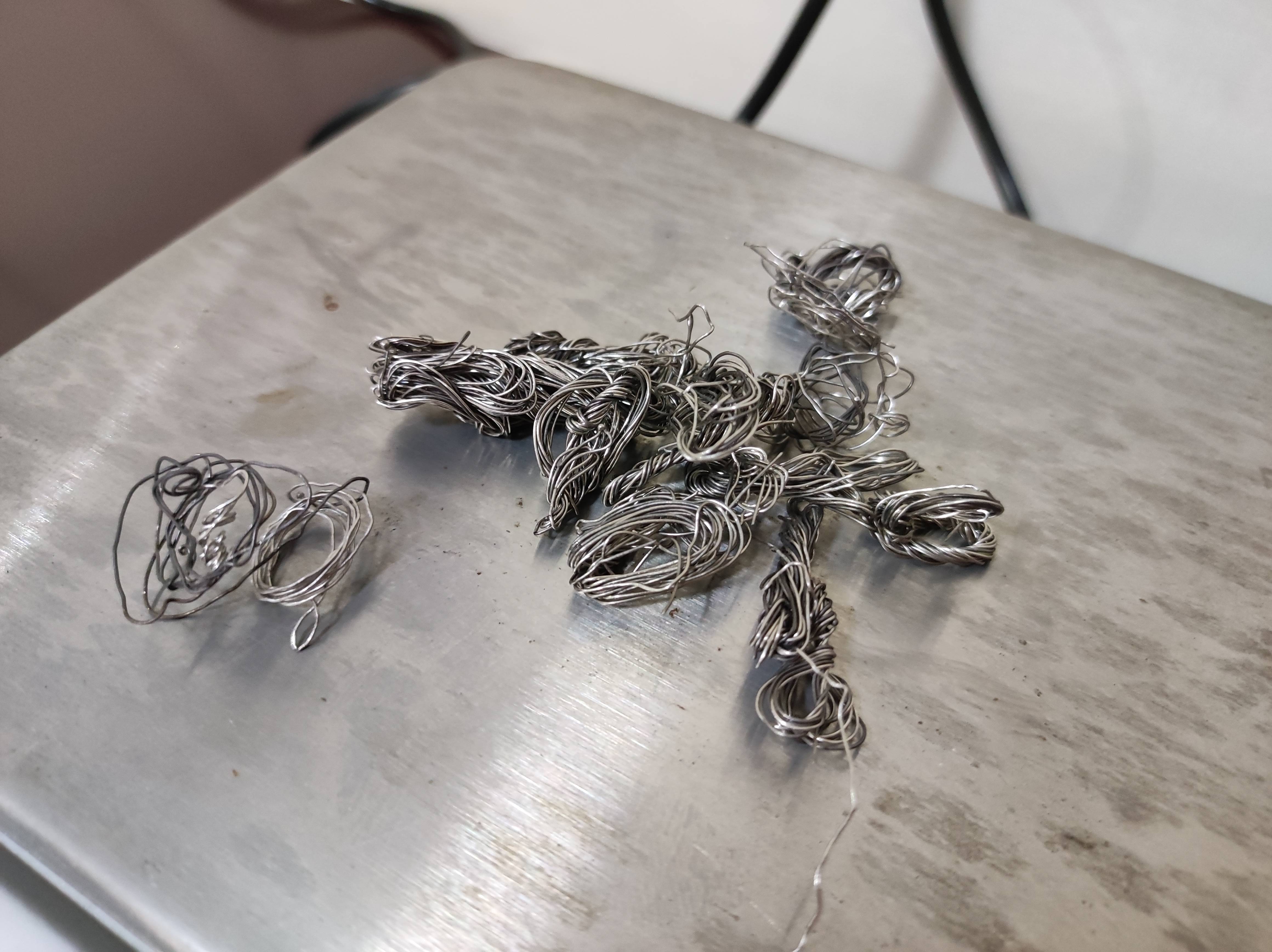
铂丝的应用与回收价格:揭秘 “白色黄金” 的工业价值与变现逻辑
Sou Hu Cai Jing· 2025-08-11 09:06
Core Insights - The article highlights the significant value of high-purity platinum wire (PT999), which has a recovery price of 292 RMB per gram, surpassing the average recovery price of gold at 289.67 RMB per gram as of August 2025 [1][7]. Application Scenarios - High-purity platinum wire is essential in various industrial sectors, including petrochemicals, where it serves as a core component of catalysts, significantly enhancing crude oil conversion rates and generating billions in economic value annually [2][6]. - In automotive exhaust systems, platinum wire plays a crucial role in converting harmful gases into harmless substances, with each vehicle meeting National VI standards containing 3-5 grams of platinum [2]. - The precision electronics field relies on platinum wire for high-precision resistors and thermal components, maintaining stable performance across extreme temperatures [6]. - In the renewable energy sector, platinum wire is vital for hydrogen fuel cells, with current vehicles consuming approximately 30 grams of platinum, over 60% of which is high-purity platinum wire [6]. Recovery Value - The recovery value of platinum wire is driven by its scarcity and irreplaceability, with platinum's crustal abundance being only 1/20th that of gold and extraction costs exceeding those of gold by over three times [7]. - As of August 2025, the recovery prices for different purities of platinum wire show a clear gradient: PT999 at 292 RMB/g, PT990 at 289 RMB/g, and PT950 at 277 RMB/g, reflecting the direct correlation with platinum content [7]. Price Mechanism - The formation of recovery prices is influenced by multiple factors, including international market fluctuations, with platinum prices peaking at 350 RMB/g due to increased demand from hydrogen fuel cells before stabilizing between 260-300 RMB/g [8][9]. - Recovery channels vary significantly, with banks typically offering lower prices than market rates, and regulatory support for compliant recovery businesses leading to higher quotes compared to the black market [8][10]. - Technological innovations, such as microwave pre-treatment, have improved recovery rates from 85% to 98%, significantly reducing processing costs and enhancing profitability [9]. Maximizing Value - Companies and individuals holding platinum wire waste should focus on three key aspects for optimal monetization: accurate purity detection, choosing legitimate recovery channels, and timing the market effectively [10]. - The article emphasizes the importance of monitoring government policies and market trends to capitalize on high price points, suggesting a phased selling strategy for larger holdings to mitigate market volatility [10]. Conclusion - The extensive applications of platinum wire across industries underscore its recovery value, which is further enhanced by sustainable practices and technological advancements, contributing to both economic returns and resource sustainability [11].