
金融支持消费

Search documents
九部门发文打造2026春节消费盛宴
Chang Jiang Shang Bao· 2026-02-03 08:47
Core Viewpoint - The "2026 Spring Festival Special Activity Plan" aims to stimulate consumer spending and enhance cultural experiences during the longest Spring Festival in history, which will feature a 9-day holiday from February 15 to 23, 2026 [1] Group 1: Activity Overview - The plan includes six key areas: food, accommodation, transportation, tourism, shopping, and entertainment, with various promotional activities such as traditional food events and home renovation sales [1] - Increased transportation capacity will be provided by civil aviation and railway departments to facilitate travel during the holiday [1] Group 2: Consumer Incentives - The plan encourages cities with trial programs for prize invoices to enhance prize offerings during the Spring Festival, promoting consumer participation through shopping lotteries and subsidies [2][3] - There will be an emphasis on increasing the number of trade-in subsidies for consumer goods during the holiday, particularly for automobiles and home appliances [3] Group 3: Financial Support - Financial institutions are encouraged to collaborate with key merchants to create exclusive Spring Festival promotions, including cash discounts and digital currency incentives [3] - Measures will be implemented to ensure adequate cash services and operational bank branches to meet consumer financial needs during the holiday [3] Group 4: Cross-Industry Collaboration - The plan promotes collaboration among various sectors, including dining, tourism, and entertainment, to offer bundled benefits such as hotel stays with complimentary attraction tickets [4] - Online platforms will be leveraged to drive consumer engagement, encouraging online reservations followed by offline experiences [4] Group 5: Enhancing Inbound Tourism - The initiative includes the creation of multilingual maps to guide international travelers in experiencing Chinese cultural heritage and customs [4] - Additional flight capacity will be allocated on international routes to support inbound tourism, combining air travel with cultural tourism products [4]
2026“乐购新春”活动将启 加力以旧换新 加大金融支持
Zhong Guo Zheng Quan Bao· 2026-02-02 23:12
Group 1 - The core objective of the "2026 'Happy Shopping Spring Festival' Special Activity Plan" is to stimulate holiday consumption, enrich cultural life, and create a festive shopping atmosphere from February 15 to 23, 2026 [1] - The plan emphasizes increasing subsidies for trade-in programs during the Spring Festival, encouraging offline retail support, and promoting experiential marketing for products like automobiles and electronics [1] - Financial support measures include collaboration between financial institutions and key merchants to offer exclusive promotions, such as consumption red envelopes and discounts, to enhance consumer engagement [1] Group 2 - The plan encourages cross-industry collaboration among sectors like dining, tourism, and entertainment to create bundled offers, enhancing the overall consumer experience during the festival [2] - It aims to facilitate inbound tourism by providing multilingual cultural maps and increasing flight capacity on international routes, thereby improving payment options for international visitors [2]

消费红包、支付满减!九部门发文鼓励金融机构与重点商户合作策划春节专属活动
Yang Shi Xin Wen· 2026-02-02 03:52
Core Viewpoint - The Ministry of Commerce and nine other departments have issued the "2026 'Buy New Year' Spring Festival Special Activity Plan," emphasizing increased financial support for consumer activities during the Spring Festival [1] Financial Support Initiatives - Financial institutions are encouraged to collaborate with key merchants to design exclusive Spring Festival activities, including consumer red envelopes and discounts to broaden the reach of these initiatives [1] - The plan includes measures such as payment discounts and points redemption to stimulate consumption, particularly promoting the use of digital RMB smart contract consumer red envelopes [1] Consumer Engagement Strategies - The initiative aims to meet small cash demand and enhance the technical support for mobile red envelope transactions [1] - Financial institutions are expected to ensure that a sufficient number of service points remain open to meet the financial service needs of the public during the festival [1]
贵州省2025年末住户消费贷款余额达9642亿元
Xin Hua Cai Jing· 2026-01-31 02:42
据介绍,为激发消费新动能,人民银行贵州省分行牵头印发《2026年贵州省金融支持提振消费行动方 案》,联合贵州省商务厅等部门建立贵州省促进服务消费联席会议机制、金融促消费联盟,合力解决消 费工作推进中的困难问题。 (文章来源:新华财经) 此外,人民银行贵州省分行主动协调发改、民政、商务、文旅等部门,定期更新重点消费领域企业融资 需求清单。依托央行信贷通和贵州省金融大数据云平台银企对接系统,及时推送清单并组织金融机构开 展对接。2025年末,累计推送消费经营主体1175户,累计授信257亿元。 新华财经贵阳1月30日电(记者肖艳)记者从人民银行贵州省分行获悉,截至2025年末,贵州省住户消 费贷款余额9642亿元,较年初增长204亿元;住宿餐饮、文体娱乐、教育、居民消费等服务消费重点领 域贷款余额820亿元,较年初增长37亿元。 同时,积极争取财政贴息资金,引导金融机构加大对服务消费领域信贷支持力度;指导金融机构加强政 策工具运用,为住宿餐饮、文旅等重点消费领域提供低成本信贷资金。截至2025年末,贵州省累计申报 服务消费与养老再贷款22.2亿元;用好股票回购增持再贷款,支持相关企业稳定市值,增加财富效应刺 激消 ...
政银合力促消费!2025年全省住户消费贷款余额较年初增长超200亿元
Xin Lang Cai Jing· 2026-01-30 12:26
一、强化跨部门协同联动,凝聚金融提振消费"向心力"。联合贵州省商务厅等部门建立贵州省促进服务 消费联席会议机制、金融促消费联盟,按季召开磋商会,合力解决消费工作推进中的困难问题。提前谋 划,牵头印发《2026年贵州省金融支持提振消费行动方案》,统筹部署6大专项行动,扎实推进金融支 持提振消费工作。积极争取财政贴息资金,联合贵州省委金融办等十部门印发地方法人银行消费贷款贴 息实施细则。参与制定地方餐饮住宿、文体娱乐等消费领域政策,引导金融机构加大对服务消费领域信 贷支持力度。 二、用足用好再贷款工具,激活提振扩大消费"新引擎"。组织召开3次结构性货币政策工具培训会,指 导金融机构加强政策工具运用,为住宿餐饮、文旅等重点消费领域提供低成本信贷资金。建立政策运用 监测机制,及时掌握金融机构工具运用情况,对金融机构反映的问题困难做到快速回应、精准指导、及 时解决,提升工具使用质效。截至2025年末,贵州省累计申报服务消费与养老再贷款22.2亿元。用好股 票回购增持再贷款,支持相关企业稳定市值,增加财富效应刺激消费,截至2025年末,全省累计申报股 票回购增持再贷款11.87亿元,较年初增长28倍。 三、提升政银企对接 ...
打好促消费财政金融组合拳
Sou Hu Cai Jing· 2026-01-26 22:37
Core Viewpoint - The Chinese government emphasizes the need for financial and fiscal support to boost consumption, which is seen as a cornerstone for economic growth [1] Group 1: Financial Support for Consumption - The People's Bank of China is expanding support for service consumption and elderly care loans, including the health industry, to enhance supply-side services [2] - The Ministry of Finance is optimizing personal consumption loan interest subsidy policies, including credit card installment payments, to ease the financial burden on consumers [2] - Policies are focused not only on providing immediate financial resources but also on enhancing the "blood-making" capacity of consumers through support for entrepreneurship and small businesses [2] Group 2: Challenges and Opportunities - There are challenges in extending financial services to rural markets and individual businesses in urban areas, which are crucial for diversifying and energizing consumption supply [3] - The importance of ensuring that funds are directed towards consumer-oriented sectors and protecting consumer rights is highlighted as essential for effective policy implementation [3] - China's position as the largest and most potential consumer market provides a strong foundation for these initiatives, with a coordinated approach being necessary for successful policy execution [3]
个人消费贷贴息政策优化 花呗联动商家补贴同比增长23%
Zhong Zheng Wang· 2026-01-22 10:48
Group 1 - The Ministry of Finance has optimized the personal consumption loan interest subsidy policy, extending the implementation period to the end of 2026 and removing various limits on subsidies, thereby reducing consumer credit costs and enhancing consumption potential [1] - The policy adjustments include the inclusion of credit card installment payments in the subsidy scope and the expansion of eligible financial institutions to hundreds, benefiting more urban and rural consumers [1] - Ant Group, as one of the first financial institutions to implement the subsidy, has reported a 23% year-on-year increase in subsidies linked to its Huabei installment service since the policy's implementation in September 2025 [1] Group 2 - The "National Subsidy" product section launched on Taobao and Tmall has attracted tens of millions of consumers, indicating a growing consumer interest in subsidized products [2] - During the Double 11 shopping festival, the average installment consumption amount increased by 18% compared to September, with certain sectors like apparel and home appliances seeing over 20% growth in interest-free installment transactions [2] - The optimized personal consumption loan subsidy policy is viewed as a significant measure to support consumption through coordinated efforts among the government, financial institutions, and merchants, aiming to lower consumer barriers and boost sales [2]
2026年金融如何在支持消费、服务经济社会领域“发力”?“路线图”来了
Sou Hu Cai Jing· 2026-01-16 05:30
Core Viewpoint - The People's Bank of China (PBOC) aims to enhance financial support for consumption, targeting a consumer loan balance of 21.2 trillion yuan by the end of November 2025, excluding personal housing loans [1] Group 1: Financial Support for Consumption - The PBOC will introduce multiple measures in 2026 to improve the adaptability and effectiveness of financial support for consumption [1] - The PBOC plans to expand the support areas for service consumption and elderly re-loans, including the health industry [1] - Financial institutions are encouraged to innovate products and services based on consumption scenarios, focusing on sectors closely related to people's livelihoods such as accommodation, catering, culture, tourism, sports, entertainment, and elderly care [3] Group 2: Employment and Entrepreneurship Support - The PBOC will continue to implement entrepreneurship guarantee loan policies to support employment and entrepreneurship for key groups and eligible small and micro enterprises [5] - There is a focus on supporting the healthy and stable development of the Chinese capital market and increasing investment channels for residents [5] Group 3: Monetary Policy and Interest Rates - The PBOC indicates that there is still room for further reductions in reserve requirements and interest rates this year [6] - The average statutory deposit reserve ratio for financial institutions is currently 6.3%, suggesting potential for reserve requirement cuts [8] - The PBOC has lowered various re-loan rates, which helps reduce banks' interest costs and stabilizes net interest margins, creating space for interest rate cuts [8] Group 4: Financial Regulation and Risk Management - The National Financial Regulatory Administration emphasizes the need to enhance the quality and effectiveness of financial services for the economy and society while preventing and resolving related risks [9] - There is a focus on risk resolution for small financial institutions and supporting the normalization of real estate financing coordination mechanisms [9] - The administration aims to strengthen financial support for major strategies, key areas, and weak links, optimizing financial services for new employment groups and promoting stability in enterprises and employment [11]

2026年金融如何在支持消费、服务经济社会领域“发力”?“路线图”来了↓
Yang Shi Wang· 2026-01-16 03:41
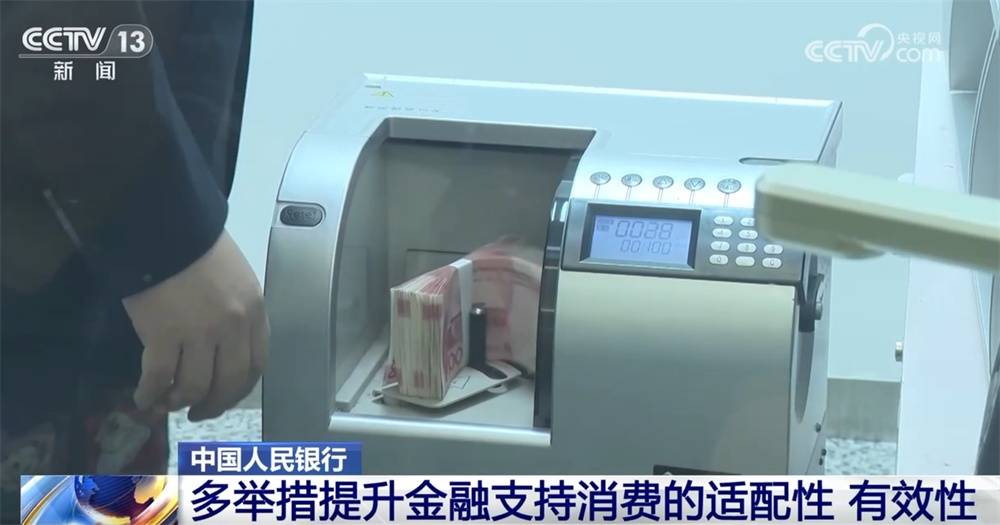
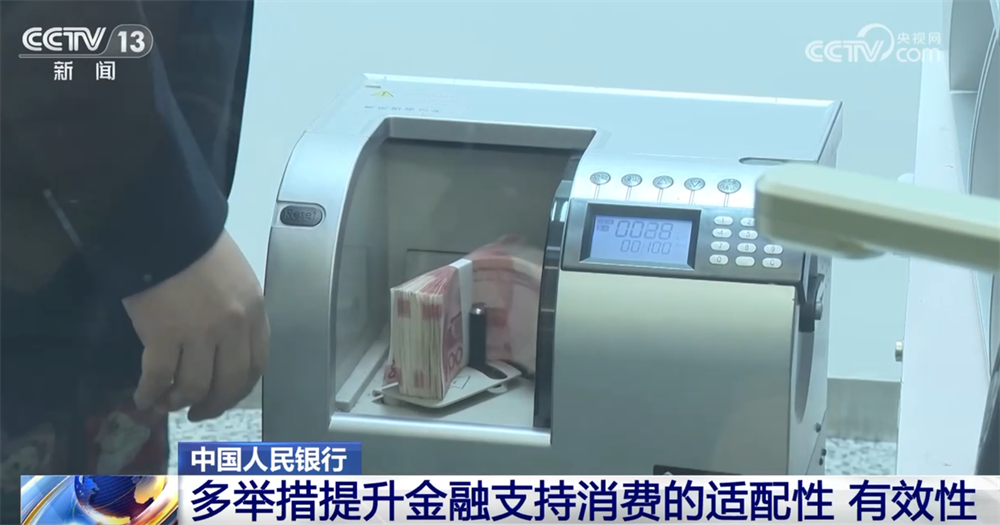
央视网消息:国务院新闻办公室15日举行新闻发布会,中国人民银行有关负责人介绍,截至2025年11月末,不含个人住房贷款的消费贷款 余额已达到21.2万亿元。2026年将出台多项举措,提升金融支持消费的适配性和有效性。 中国人民银行将进一步拓展服务消费与养老再贷款的支持领域,将适时把健康产业纳入服务消费与养老再贷款的支持领域。通过再贷款适 当优惠的利率,激励引导金融机构按照市场化法治化的原则,增加消费领域的信贷投放。 中国人民银行新闻发言人、副行长 邹澜:从法定存款准备金率看,目前金融机构的法定存款准备金率平均为6.3%,降准仍然有空间。从 政策利率来看,外部约束方面,目前人民币汇率比较稳定,美元处于降息通道,总体来看汇率不构成很强的约束;内部约束方面,2025年以来 银行净息差已经出现企稳的迹象,连续两个季度保持在1.42%,2026年还有规模较大的三年期及五年期等长期存款到期重定价,这次中国人民 银行也下调了各项再贷款利率,这些都有助于降低银行付息成本、稳定净息差,为降息创造一定空间。 金融监管总局:今年要不断提升金融服务经济社会质效 国家金融监督管理总局15日表示,今年要不断提升金融服务经济社会质效,严密 ...
上海促消费新政落地!金融工具前移,供需两端发力
Di Yi Cai Jing· 2026-01-13 13:31
Group 1 - The core viewpoint of the article emphasizes the role of financial services as a "front engine" in driving service consumption growth in Shanghai, with a focus on repositioning financial tools to support consumption upgrades [1] - The Shanghai Municipal Development and Reform Commission has issued 28 policy measures aimed at enhancing service quality and boosting consumption, with financial services being a key component [1][2] - Financial services are now positioned as a core driver for consumption, moving beyond their previous role as mere supporting tools, and are expected to facilitate connections between consumers and service providers [1][2] Group 2 - The policy encourages financial institutions to innovate in personal consumption finance by optimizing product offerings around emerging consumption scenarios such as holiday, night, nostalgic, and anime economies [2] - Specific measures include implementing interest subsidies for personal consumption loans, optimizing auto loan processes, and promoting customized credit products in green smart home and large-scale consumption sectors [2] - The policy reflects a "dual support" approach, providing financial relief to consumers while also supporting service industry operators with financing [2] Group 3 - The measures also focus on alleviating funding constraints for service industry operators by utilizing tools like service consumption and elderly re-loans, as well as government financing guarantees [4] - The policy encourages financial institutions to increase support for first-time loans, renewals, credit loans, and medium to long-term loans for service industry operators [4] - Financing guarantees and interest subsidies are highlighted as effective tools for supporting small and medium-sized service enterprises, enhancing their creditworthiness [4] Group 4 - Financial support is also extended to consumption infrastructure, with encouragement for financial institutions to provide loans for commercial facility upgrades and community service projects [5] - Projects that meet certain criteria may access long-term funding through the issuance of consumption infrastructure REITs or local government bonds [5] - The policy aims to create a favorable mechanism for the interlinkage of consumption and industry development by improving service supply conditions [5] Group 5 - A notable feature of the new policy is the emphasis on deep integration of finance with consumption scenarios to promote efficient supply-demand matching [6] - Banks are transitioning from merely providing loans to embedding financial services within consumption scenarios, enhancing customer engagement and business reach [6] - However, there are warnings regarding the need for risk control, as increased competition in consumer finance could lead to unsustainable lending practices and potential risks in volatile service sectors [6]