STEM教育

Search documents
教育部:鼓励师范院校建立数学、科技、工程类教育中心
Xin Lang Cai Jing· 2026-01-03 04:50
Core Viewpoint - The Ministry of Education has responded to a proposal from the National People's Congress regarding the enhancement of scientific literacy among youth, highlighting ongoing reforms and initiatives in science education across various educational levels [1]. Group 1: Current Educational Structure - Science courses are now offered from grades one to nine, with the total class hours for elementary and middle school science increasing to 8%-10% [1]. - High school students are required to complete 6 credits in physics and technology, and 4 credits in chemistry and biology, with additional elective credits available [1]. Group 2: Future Initiatives - The Ministry plans to deepen curriculum reforms by implementing inquiry-based teaching methods and exploring AI and STEM education to enhance problem-solving skills [2]. - There will be an emphasis on improving the quality of science teachers through better training and resources, including the establishment of educational centers focused on math, technology, and engineering [2]. - The Ministry aims to enhance the supply of quality science education resources by involving scientists in creating educational materials and promoting science awareness through school activities [2]. Group 3: Evaluation and Incentives - The Ministry will integrate experimental teaching into the education quality evaluation system and improve incentive mechanisms for teaching staff and laboratory management [3]. - Collaborative efforts will be made to engage families and communities in science education through various outreach activities [3].
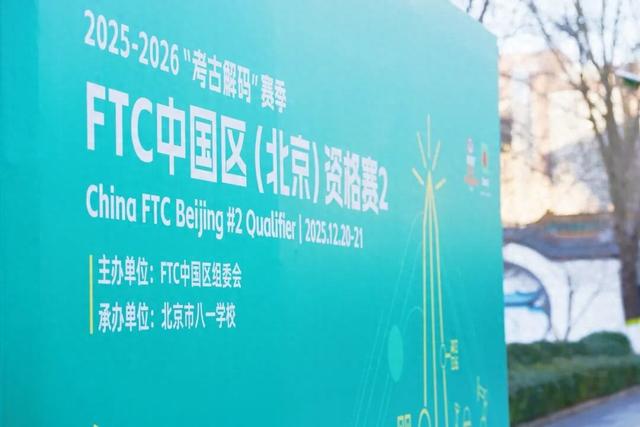
祝贺!海淀区八一学校FTC夺冠,打破世界纪录!
Xin Lang Cai Jing· 2025-12-25 11:12
Group 1 - The FTC (FIRST Tech Challenge) is a premier competition for youth in STEM education, emphasizing not only technical skills but also project management and teamwork [3] - The 2025-2026 season's theme is "Decode," where teams design robots to capture and shoot spherical "cultural relics," testing mechanical stability and decision-making skills [5][8] - The competition saw participation from 32 top teams across 8 provinces and municipalities, with nearly 400 students involved [1][8] Group 2 - The event was hosted by Bayi School, which provided logistical support and ensured a fair competition environment [23][25] - Bayi School's team, 27570 Rongzhen Kaiwu, won the championship and set a new world record for single-match scoring [8][9] - The competition serves as a platform for youth to engage in scientific exploration and practical experience, aligning with Bayi School's STEM education philosophy [25][29] Group 3 - The students demonstrated significant growth in engineering thinking, moving from passive execution to proactive problem-solving [14][16] - The competition highlighted the importance of resilience and iterative learning, with students refining their robots through trial and error [17][20] - Bayi School emphasizes a comprehensive approach to education, integrating technology and engineering with real-world problem-solving [31][33]

世界银行代表团到访南京
Xin Lang Cai Jing· 2025-12-20 05:45
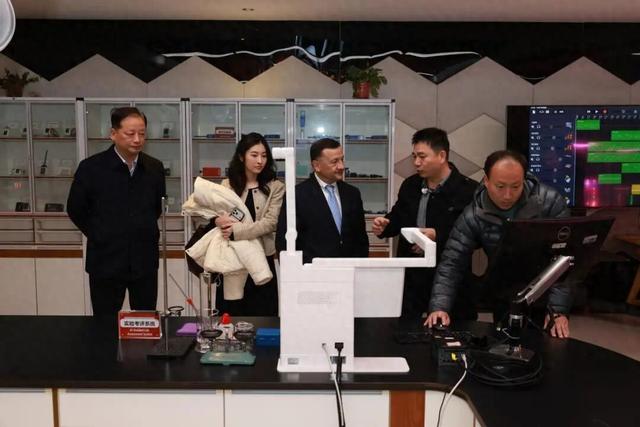
Core Insights - The World Bank delegation visited Nanjing to discuss key topics such as artificial intelligence education, STEM practices, and laboratory construction, while exploring the achievements of Nanjing's digital transformation in education [1][3] Group 1: Educational Technology Innovations - Nanjing's educational technology center showcased digital upgrades in classrooms, including the use of digital microscopes, wireless sensors, and interdisciplinary projects like hydroponics and 3D printing [1] - The center's chief technical expert highlighted STEM education as a core business model, presenting innovative paths through various case studies that involve real-world problem-solving and creative technology applications [3] Group 2: International Collaboration and Future Goals - The World Bank representative praised Nanjing's advancements in integrating art and technology in education, noting the significance of projects like music sensors and life education through chicken incubation [3] - Nanjing aims to build a comprehensive and equitable artificial intelligence education ecosystem, with initiatives such as establishing a research center and training 100,000 teachers in AI literacy [3][4]
淄博“校地融合”再落子
Qi Lu Wan Bao· 2025-12-15 13:03
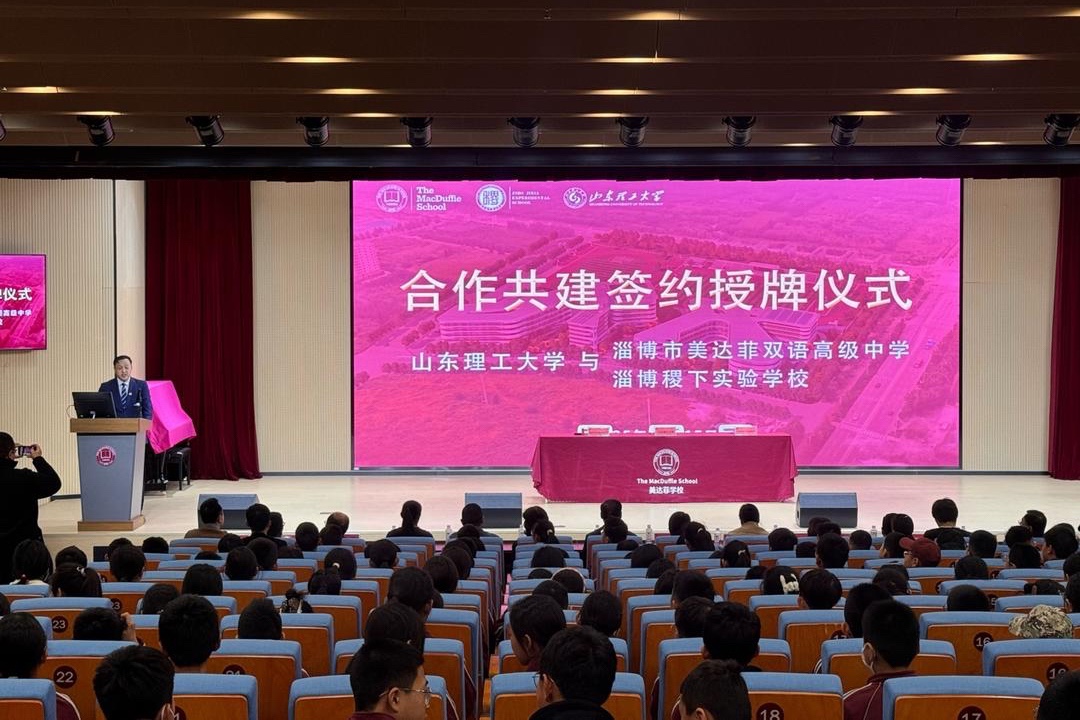
Core Viewpoint - The collaboration between Shandong University of Technology and two local schools marks a new phase in the integration of higher education and primary education in Zibo, aiming to enhance educational quality and bridge the gap between different educational levels [3][8]. Group 1: Collaboration Framework - A systematic framework for cooperation has been established, moving beyond traditional one-way support from universities to schools [3]. - A cooperation framework agreement was signed by representatives from Shandong University of Technology, Zibo Jixia Experimental School, and Zibo Meida Fei Bilingual High School [3][6]. - The partnership includes the appointment of university faculty as "Cultural Vice Principals" and "Technology Vice Principals" to ensure active involvement in school activities [5][6]. Group 2: Educational Goals and Resources - The collaboration aims to integrate university academic resources directly into the teaching environment of the schools, ensuring sustained intellectual support [6]. - A "negative list" system for resource sharing has been established, allowing access to university laboratories, libraries, and expert resources for the schools, except in areas related to national security [6]. - The core objective is to design a "course package" that focuses on developing scientific thinking, research methods, and self-learning abilities, rather than merely transferring university knowledge [6][8]. Group 3: Broader Impact - The partnership is expected to enhance technology education, cultural education, teacher training, and curriculum development, benefiting students from various backgrounds, including those of university faculty [7][10]. - The collaboration is seen as a two-way relationship where higher education can deepen its theoretical foundations while primary education benefits from university resources [8]. - A regular consultation mechanism and a dedicated coordination office will be established to monitor progress and adjust strategies, indicating a long-term commitment to educational improvement [10].
学而思大科学推出3D打印新品课程 探索STEM教育创新落地新路径
Zhong Guo Jing Ji Wang· 2025-12-12 11:54
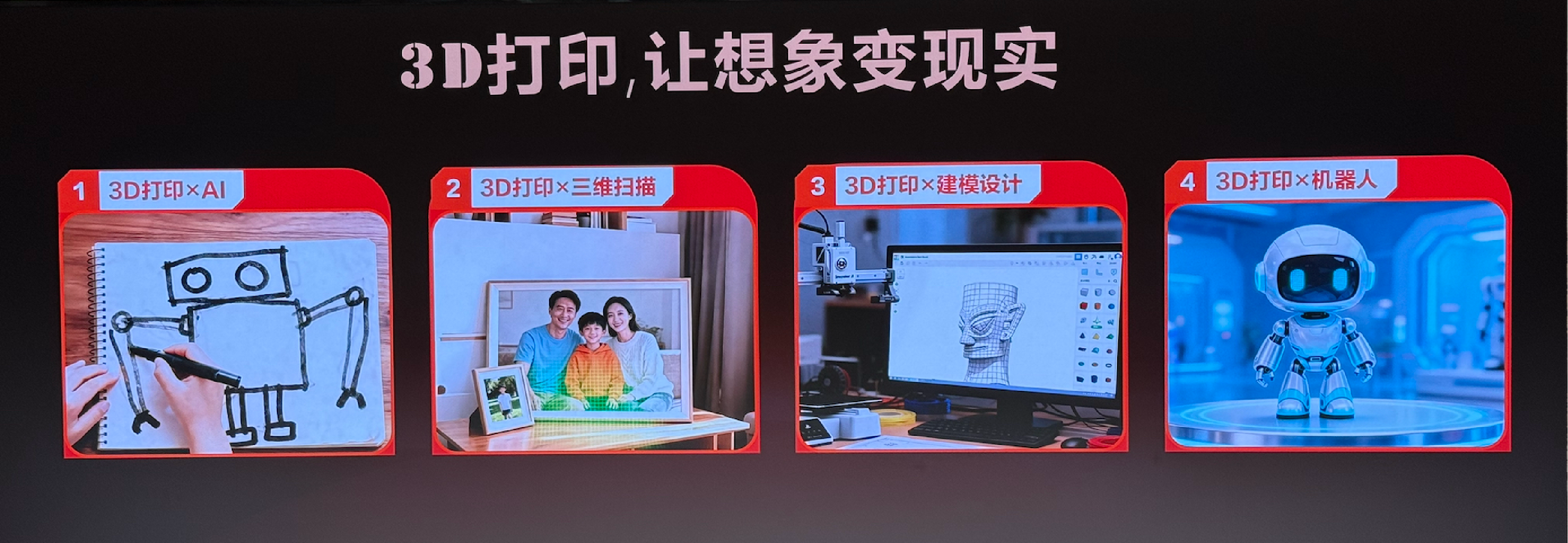
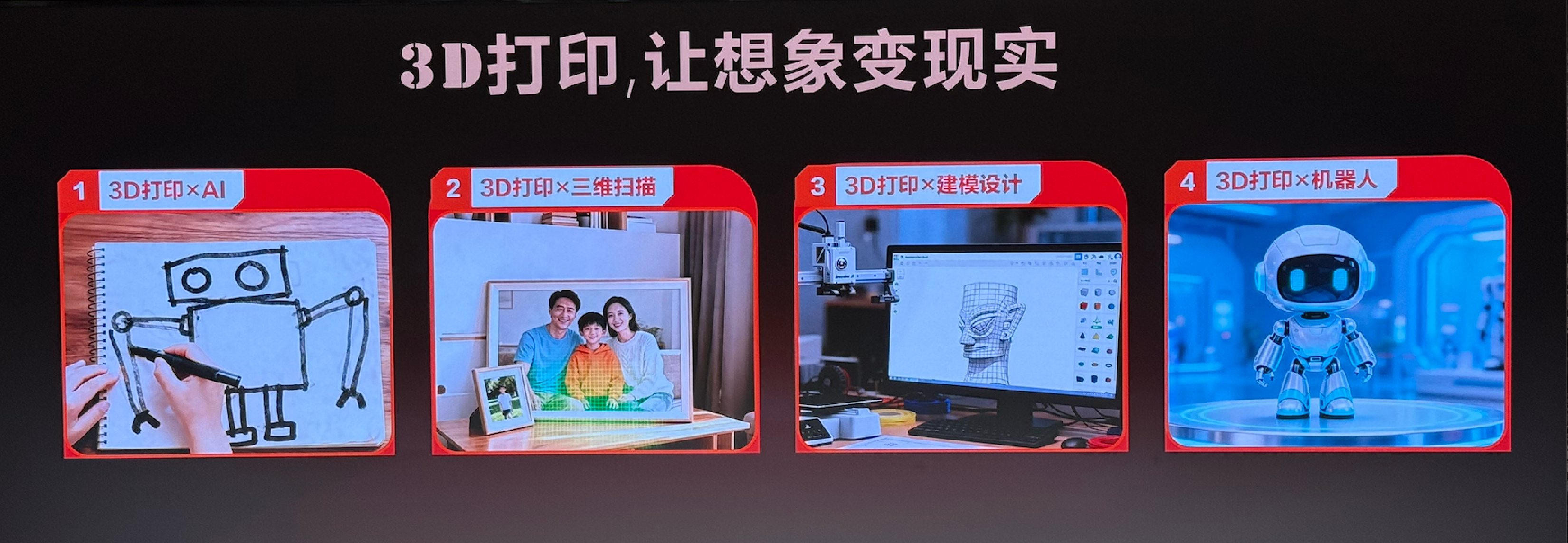
Core Viewpoint - The launch of the 3D printing new course by Xueersi Big Science aims to bridge the gap between children's imagination and reality, providing an innovative solution for STEM education under the new curriculum standards [1][3]. Group 1: Product and Educational Approach - The 3D printing course integrates AI tools with 3D printing technology, allowing children to describe their ideas in natural language, which the AI then converts into professional models for printing [3][5]. - The course employs a Project-Based Learning (PBL) approach, driving student-led exploration through a complete cycle of "creativity-design-print-validation," enabling mastery of multidisciplinary knowledge [3][5]. - The curriculum is designed to cover the entire chain from theoretical learning to tangible results, fostering a sense of achievement and deeper learning motivation among students [3][5]. Group 2: Market Context and Educational Value - China's STEM education is entering a high-quality development phase, with new curriculum standards emphasizing "learning by doing" and the integration of interdisciplinary practices [5]. - The 3D printing course aligns with educational policies and interests, providing an innovative path for science education [5]. - The course includes diverse practical application scenarios, combining 3D printing with toy and robotics education, allowing children to create personalized toys and contribute to innovative designs in robotics competitions [5][6]. Group 3: Recognition and Future Plans - Students participating in the course can earn a "Digital Maker" certificate for qualifying works, enhancing the educational value and recognition of their efforts [6]. - The 3D printing new course is set to officially launch in the winter of 2026, indicating a strategic timeline for implementation [6].

学而思大科学推出3D打印新品课程 探索STEM教育创新落地新路径
Zhong Guo Jing Ji Wang· 2025-12-12 11:50
Core Viewpoint - The launch of the 3D printing new course by Xueersi Big Science aims to provide an innovative solution for STEM education, focusing on turning children's dreams into reality through engaging and educational experiences [1][6]. Group 1: Product Launch and Features - Xueersi Big Science introduced a new 3D printing course that integrates AI tools and 3D printing technology, allowing children to express their ideas in natural language and convert them into professional models without needing complex design skills [3][4]. - The course employs a project-based learning (PBL) approach, driving students to explore real-world problems through a complete cycle of "creativity-design-print-validation," thereby mastering knowledge across multiple disciplines [4][6]. Group 2: Educational Value and Integration - The course aligns with the new educational standards emphasizing "learning by doing," which promotes interdisciplinary integration and practical skills development as a necessity in educational reform [6]. - It combines 3D printing technology with toy and robotics education, enabling children to create personalized toys and contribute to innovative designs in robotics competitions, thus transforming creativity into tangible intelligent outcomes [6][7]. Group 3: Community Engagement and Recognition - Students participating in the course can showcase their projects in official events, with eligible works earning them the title of "Digital Creator," enhancing the educational value and recognition of their efforts [7][10]. - The interactive experience at the launch event demonstrated the educational benefits of the new course, with parents noting the significant increase in children's learning interest and the effective integration of multidisciplinary knowledge [10].
从科学教育到科技教育,一字之差有何深意
Ke Ji Ri Bao· 2025-12-03 00:22
Core Viewpoint - The article discusses the shift from traditional science education to technology education in Chinese primary and secondary schools, emphasizing the integration of scientific thinking with practical problem-solving skills to foster future technological talent [1][2][3]. Group 1: Transition from Science Education to Technology Education - The Ministry of Education's recent guidelines aim to enhance technology education as a means to support national innovation strategies and cultivate future talent [1][2]. - Technology education focuses on interdisciplinary approaches, integrating cutting-edge technology into the curriculum to stimulate students' scientific interest and inquiry abilities [2][3]. - The term "technology education" aligns with national policy discussions on the integration of education, technology, and talent development, reflecting a more localized understanding compared to existing concepts like STEM education [2][3]. Group 2: Emphasis on Practical Problem-Solving - The article highlights the importance of practical, inquiry-based learning, where students engage in hands-on projects that address real-world problems, moving beyond mere verification experiments [6][8]. - Schools are encouraged to break down barriers between subjects, allowing for collaborative projects that combine skills from different disciplines, such as using AI in art and science classes [5][6]. - The focus is on developing students' abilities to think like scientists and engineers, fostering creativity and innovation through practical applications [4][6]. Group 3: Teacher Training and Support - The article stresses the need for comprehensive teacher training programs to equip educators with the skills necessary for effective technology education, moving away from traditional knowledge-based teaching [10][11]. - A structured, long-term training approach is recommended to ensure teachers can effectively implement new teaching methods and integrate technology into their classrooms [10][11]. - The establishment of a tiered training system is suggested to address disparities in teacher quality across different regions, enhancing collaboration among educational institutions [11].
上汽大众十年“繁星计划”:重塑汽车行业教育公益边界
Bei Jing Shang Bao· 2025-11-27 10:43
Core Insights - The "Star Plan" by SAIC Volkswagen has evolved from infrastructure improvement to a focus on educational system development, emphasizing STEM education and teacher training [6][5][12] Group 1: Overview of the "Star Plan" - The "Star Plan" was initiated in 2015, initially focusing on improving the physical conditions of rural schools, with a total donation exceeding 21 million yuan and the establishment of 11 hope schools [6][5] - In 2023, the program transitioned to "Star Plan 2.0," centering on STEM education, integrating curriculum development, teacher training, classroom implementation, and cultural activities [6][5][12] Group 2: Educational Philanthropy Trends - The focus of educational philanthropy in China has shifted from hardware improvements to addressing curriculum resources, teacher capabilities, and learning experiences, with the automotive industry becoming a significant player in this space [2][4] - The automotive sector's strengths in engineering and organizational systems align well with the needs of STEM education, allowing for a more effective contribution to educational philanthropy [4][5] Group 3: Implementation and Impact - The "Star Plan" has established a feedback mechanism through ongoing visits and teacher feedback, ensuring that the philanthropic efforts are integrated into the daily educational framework [7][12] - The program has shown significant improvements in students' scientific understanding and expression skills, while also enhancing teachers' interdisciplinary teaching experiences [12][9]
吉塔・维尔贾万:大多数东南亚人根本买不起iPhone,更倾向于中国品牌
Guan Cha Zhe Wang· 2025-11-24 00:14
Core Insights - Indonesia, as the largest economy in Southeast Asia with a population of approximately 270 million, aims to become a developed country by 2045 through its "Golden Indonesia 2045" vision, leveraging its natural resources and domestic consumption growth [1][30] - The dialogue with Gita Wirjawan highlights the risks of protectionism in global trade and emphasizes the need for multilateral cooperation, particularly in the context of U.S. unilateral tariff policies and China's efficient supply chain capabilities [1][6][11] Group 1: Trade and Economic Cooperation - Indonesia's trade negotiations with the U.S. resulted in a reduction of tariffs from 32% to 19%, with Indonesia eliminating tariffs on over 99% of U.S. agricultural imports, reflecting a strategic long-term vision rather than a mere concession [2][3] - The diversification of trade partnerships is crucial for Indonesia and other Southeast Asian nations, with a strong inclination towards closer cooperation with China due to its cost-effective development options [3][19] - The BRICS expansion, including Indonesia, signifies a shift towards a multipolar world and the importance of diverse economic partnerships [3][19] Group 2: Investment and Capital Allocation - The ability of Indonesia and Southeast Asian countries to attract foreign direct investment (FDI) hinges on their capital acquisition strategies, particularly in technology and economic capital [4][25] - Indonesia's FDI increased from $4.9 billion in 2009 to $21.2 billion in 2012, showcasing the potential for growth in attracting investment despite current global protectionist trends [13][25] - The need for improved legal frameworks and the ability to quantify risks are essential for enhancing investor confidence and attracting more capital [12][25][26] Group 3: Education and Human Capital - Strengthening STEM education is vital for enhancing risk quantification capabilities and improving overall productivity, which in turn can elevate Indonesia's position in the global value chain [12][26] - Indonesia currently produces significantly fewer STEM graduates compared to China and India, highlighting a critical area for development to meet future economic goals [11][12] Group 4: Energy and Infrastructure Development - Indonesia's low per capita electricity generation (1,300 kWh) compared to China's (10,000 kWh) underscores the urgent need for investment in renewable energy to support modernization efforts [27][28] - The estimated investment requirement of $2 to $3 trillion for enhancing energy capacity in Southeast Asia presents a significant opportunity for international collaboration, particularly with China [28] Group 5: Geopolitical Strategy and Global Positioning - Indonesia's strategic positioning between major powers like the U.S. and China reflects a balancing act aimed at maintaining autonomy while fostering economic growth [19][24] - The historical context of the Bandung Conference emphasizes the importance of non-alignment and multilateral cooperation in addressing contemporary global challenges [31][32]
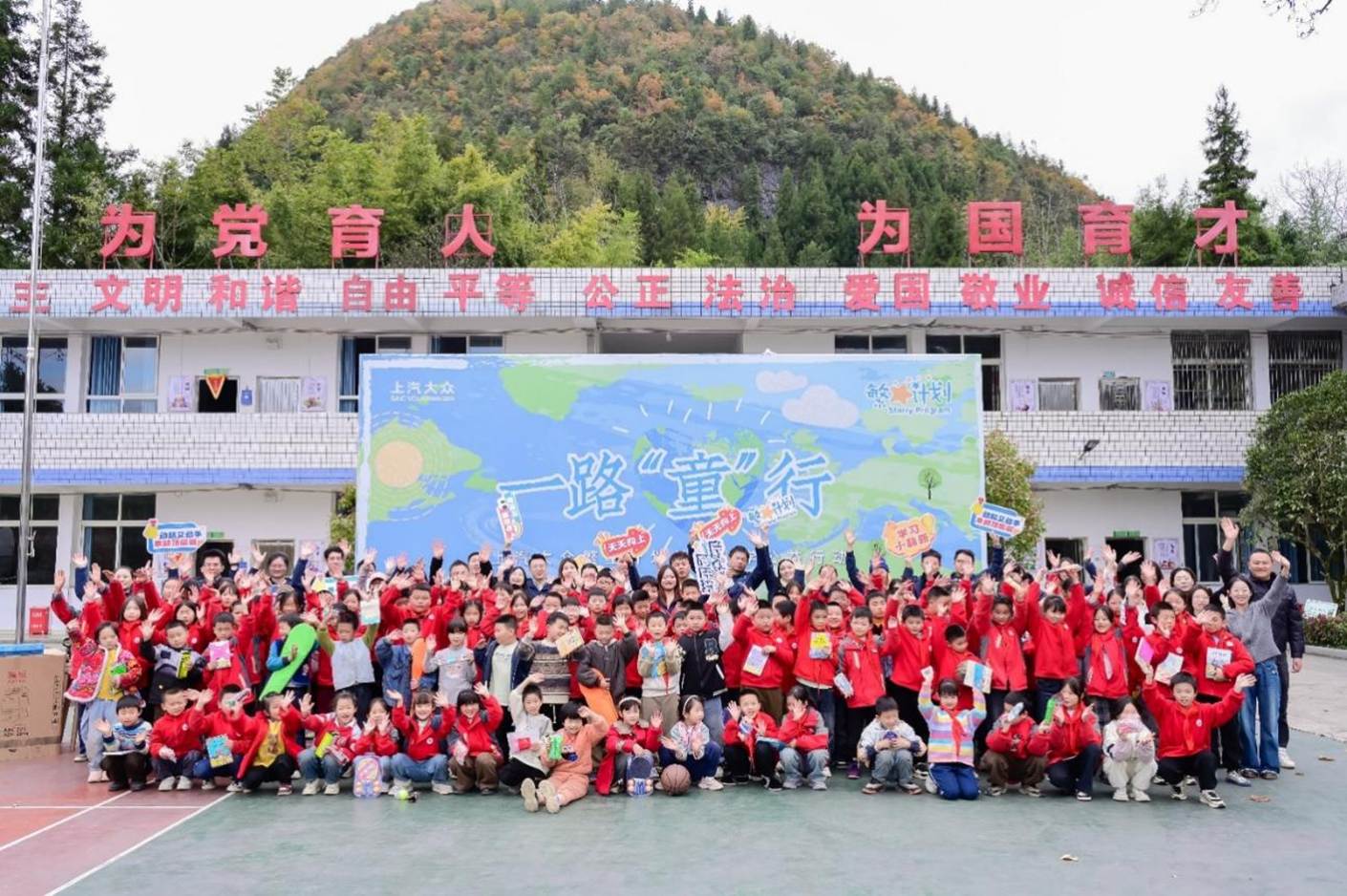
践行教育公益 上汽大众“繁星计划”公益行动走进湖北恩施
Zhong Guo Jin Rong Xin Xi Wang· 2025-11-19 12:49
Core Viewpoint - SAIC Volkswagen's "Star Plan" aims to enhance rural education through a series of initiatives, including the introduction of STEM courses and community engagement activities, to support the comprehensive growth of children in rural areas [1][3][8]. Group 1: Educational Initiatives - The "Star Plan" has partnered with the China Youth Development Foundation to develop STEM courses tailored for rural nine-year compulsory education, with the first implementations occurring at the SAIC Volkswagen Hope Primary School in Enshi, Hubei [3][5]. - The STEM curriculum integrates various scientific principles and engineering challenges, allowing students to engage in hands-on activities such as assembling solar-powered cars and creating automotive models [3][5]. - Additional interactive courses, including history and music, have been introduced to complement the STEM education, fostering a well-rounded educational experience for students [5]. Group 2: Long-term Commitment - Since its inception in 2015, the "Star Plan" has donated over 21 million yuan, establishing 11 Hope Schools across several provinces, benefiting over 20,000 youth [8][10]. - In 2023, the program was upgraded to include a teacher training initiative for STEM education, impacting over 400 teachers and benefiting more than 5,000 children [8][10]. - The company continues to expand its volunteer network and community partnerships to enhance the effectiveness of its educational programs and ensure sustainable development in rural education [10].