体验经济

Search documents
展览何以动人
Jing Ji Ri Bao· 2025-08-16 00:57
Core Insights - The article highlights the growing popularity of exhibitions in China, with a projected 1.49 billion visitors to museums in 2024 and a total of 7,046 registered museums, indicating a cultural shift towards immersive experiences in the arts and heritage sector [1][11]. Group 1: Exhibition Trends - The rise of engaging and meaningful exhibitions has transformed museums into cultural tourism hotspots, attracting visitors who are willing to travel for unique experiences [1]. - The "如是莫高" Dunhuang art exhibition in Beijing has seen significant attendance, with nearly 100,000 visitors in two months, showcasing the potential of well-curated exhibitions to draw crowds [10]. Group 2: Role of Curators - Curators are increasingly seen as key players in the cultural production process, utilizing cross-disciplinary approaches and new technologies like VR and AI to enhance visitor engagement [2][3]. - The role of curators is evolving from serving the artworks to focusing on user experience, emphasizing the importance of emotional value and audience connection in exhibition design [4][12]. Group 3: Economic Impact - The exhibition industry in China is projected to reach a total output value of 1.5 trillion yuan by 2025, reflecting a 10% year-on-year growth and a significant share of the global market [11]. - The success of exhibitions like the "无穹" Chinese Space Immersion Art Exhibition, which attracted over 100,000 visitors in major cities and generated nearly 10 million yuan in ticket sales in Hefei, underscores the economic potential of cultural events [3][11]. Group 4: Audience Engagement - Effective exhibitions are designed to transform passive viewers into active participants, enhancing the overall experience through interactive elements and educational activities [12][13]. - The integration of traditional culture with modern themes, as seen in various exhibitions, helps to attract diverse audiences and foster cultural exchange [9][10].
“苏超”里的体验经济与城市传播
Jing Ji Wang· 2025-08-15 02:51
Core Viewpoint - The Jiangsu Provincial Urban Football League, known as "Su Super," has gained immense popularity, becoming a new peak for amateur football events in China, attracting record audiences and transforming into a significant cultural and marketing phenomenon for Jiangsu's tourism and local identity [1][6]. Group 1: Experience Economy - The rise of the experience economy is highlighted, where creating rich and engaging experiences is essential for businesses to thrive, especially among younger generations [2][3]. - "Su Super" exemplifies the experience economy by offering authentic and grassroots football experiences, contrasting with polished professional leagues [3][4]. Group 2: Engagement and Participation - The league fosters a participatory culture, allowing fans to engage actively, from creating content to even playing, thus enhancing the viewing experience [5][9]. - The emotional connection between players and spectators is emphasized, as the league creates a collective experience rather than a spectator event [4][5]. Group 3: City Branding and Cultural Identity - The league serves as a powerful tool for city branding, transforming local culture into a narrative medium that strengthens community identity and pride [6][8]. - Each team represents its city, incorporating local cultural elements into their branding, which enhances local recognition and emotional ties [8][9]. Group 4: Digital and Social Media Impact - The league's popularity is amplified through digital platforms and meme culture, turning matches into viral content that attracts broader audiences [10]. - The ability to create shareable moments and engage in social media discussions has made "Su Super" a significant player in the digital landscape [10].


暑期演出单月34.23亿票房,年轻人为何偏爱“情绪消费”?
Sou Hu Cai Jing· 2025-08-14 21:12
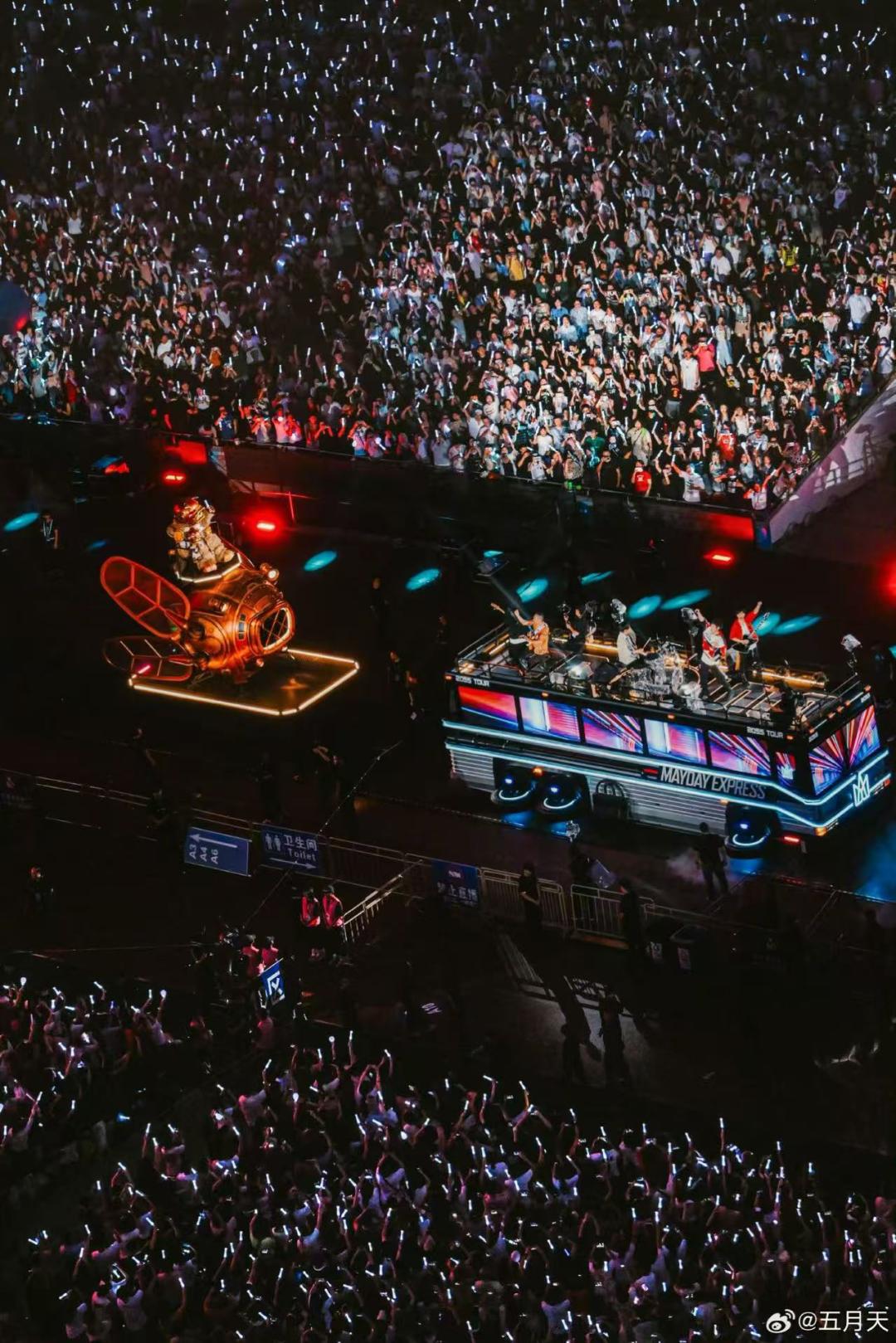
Core Insights - The performance market is experiencing significant growth, with total ticket sales reaching 34.23 billion yuan in July 2025, a nearly 60% increase from 22.19 billion yuan in July 2024, primarily driven by concerts which contributed over 90% of the revenue [1][3][4] - The gap between the performance market and the film box office is narrowing, with the latter at 40.67 billion yuan during the same period [1] Group 1: Concert Market Dynamics - Major artists like Mayday and Yi Yang Qian Xi are leading the concert scene, with Mayday's 12 shows at the Bird's Nest attracting massive crowds and ticket prices for Yi Yang Qian Xi's concert soaring to over 10,000 yuan in the secondary market [3][4] - The concert market is characterized by a "ticket-snatching economy," where fans actively share tips and strategies for securing tickets, reflecting the high demand and competitive nature of the market [4][5] Group 2: Evolving Audience Engagement - The integration of various entertainment forms, such as comedy and interactive elements, is reshaping the concert experience, making it more than just a passive viewing event [5][7] - Young audiences are increasingly seeking emotional engagement and participation, with concerts serving as platforms for collective experiences and self-identity [8][9] Group 3: Market Trends and Future Outlook - The rise of the "experience economy" indicates a shift in consumer preferences towards immersive and participatory events, positioning concerts as ideal venues for such experiences [9][11] - The evolving landscape of the concert market reflects broader cultural shifts and the need for brands to create diverse and engaging performance experiences to capture different age demographics [11][12]
香港出入境人次再创通关后新高!中小企业营商气氛有改善
Nan Fang Du Shi Bao· 2025-08-14 16:08
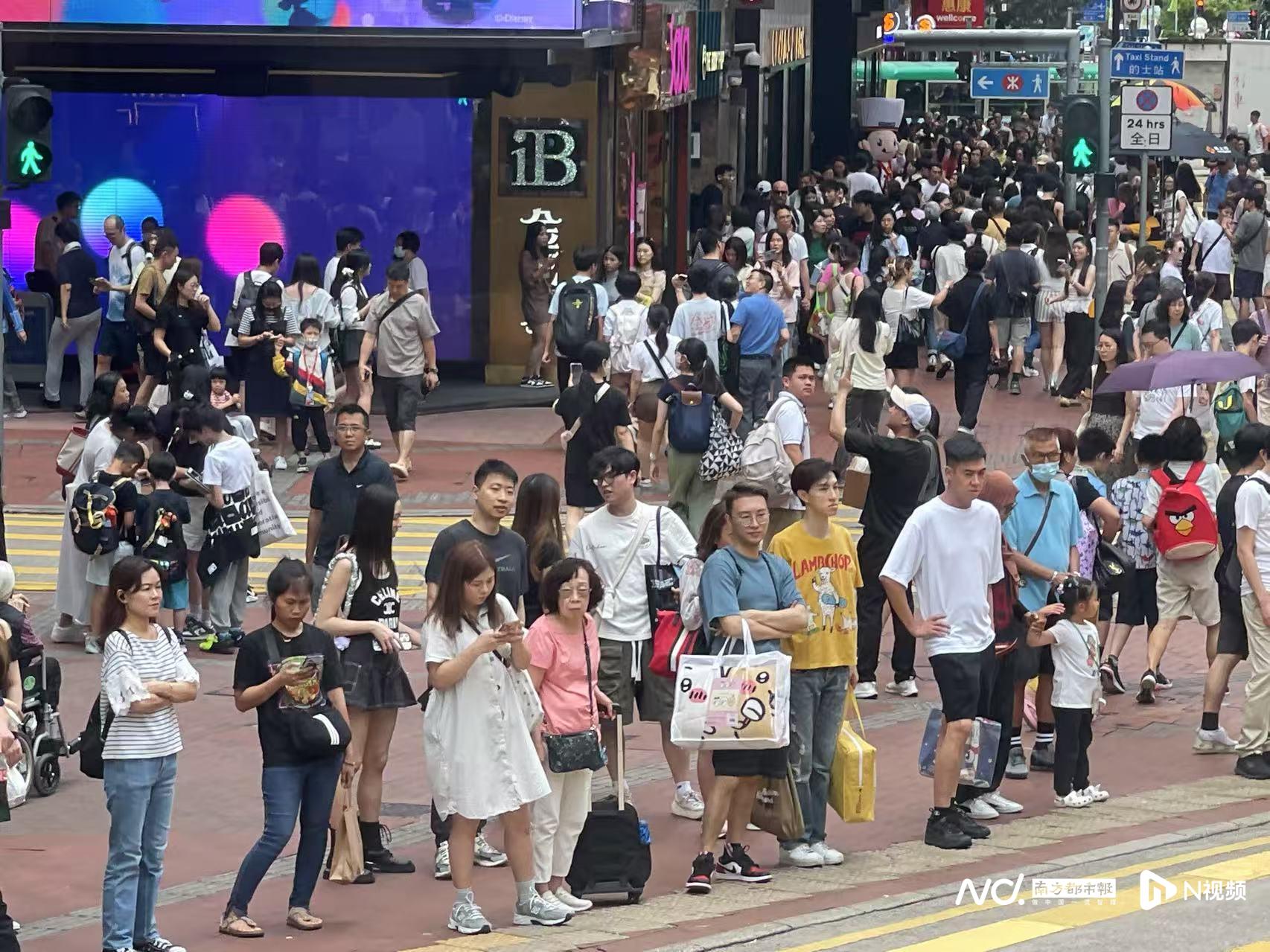
Group 1: Tourism and Retail Industry Recovery - The summer season has seen a significant increase in travel to Hong Kong, with over 1.32 million and 1.34 million people entering and exiting on August 9 and 10, respectively, marking a new high since the full reopening [1][12] - Local businesses are actively promoting various marketing initiatives to attract tourists, including recreating traditional herbal tea shops in MTR stations to enhance cultural experiences [4][5] - The introduction of themed attractions, such as the giant panda birthday celebrations, is part of a broader strategy to enhance the tourism experience and connect with local culture [5][12] Group 2: Business Environment for SMEs - The business sentiment among small and medium-sized enterprises (SMEs) in Hong Kong showed slight improvement in July, with the current business performance index rising from 41.6 in June to 42.1 in July [6][8] - The future business outlook index for August stands at 45.5, indicating a positive expectation among SMEs [6] - Various sectors, particularly real estate and commercial services, have seen an increase in their respective indices, suggesting a recovery trend in the local economy [8][12] Group 3: IPO Market Performance - Hong Kong's IPO market has outperformed other major international markets, with 53 new listings in the first seven months of the year, raising approximately HKD 127 billion, a year-on-year increase of over six times [9][11] - The presence of international companies from Southeast Asia and beyond in the IPO market reinforces Hong Kong's position as a key international listing hub [11]
“Z世代”的义工游
2 1 Shi Ji Jing Ji Bao Dao· 2025-08-13 09:17
Core Insights - The rise of volunteer tourism among Generation Z is driven by a desire for meaningful experiences and cost-effective travel options, blending volunteer work with travel [1][2][4] - The Chinese volunteer tourism market has surpassed 12 billion yuan in 2024, showing a nearly 30% year-on-year growth, indicating a strong demand for this travel model [1][4] Group 1: Market Trends - The volunteer tourism market in China is projected to grow significantly, with a market size exceeding 12 billion yuan in 2024 [1][4] - The topic of "volunteer travel" has garnered 210 million views on Xiaohongshu, with 2.3 million discussions, highlighting its popularity among young travelers [1][4] - The domestic volunteer tourism model has evolved to include work-exchange arrangements in hostels and guesthouses, making it more accessible [2][4] Group 2: Participant Experiences - Participants in volunteer tourism report immersive experiences that allow them to engage deeply with local cultures, enhancing their travel narratives [2][3] - Young travelers appreciate the cost-saving aspect of volunteer tourism, with some reporting total expenses under 1,000 yuan for their trips, including transportation [3][4] - The emotional rewards from helping local communities and the sense of belonging experienced by volunteers are significant draws for this demographic [3][4] Group 3: Industry Perspectives - Many hostel owners express a positive outlook on the integration of volunteers, especially during peak tourist seasons, as they help meet labor demands [5][6] - Some hostel owners emphasize the importance of understanding the motivations of young volunteers, viewing them as partners rather than employees [6][5] - However, there are concerns regarding the expectations of volunteers, with some hostel owners reporting challenges in managing their work efficiency and commitment [6][7] Group 4: Challenges and Complaints - The volunteer tourism sector faces challenges, including complaints about unrealistic work expectations and inadequate safety measures [7] - In 2024, over 1,200 complaints related to volunteer tourism were filed, marking a 150% increase, indicating a need for better regulation and oversight [7] - The balance between commercialization and the altruistic nature of volunteer tourism is crucial for its sustainable growth [7]
上半年全国首店下滑19.39%,品牌们怎么了
3 6 Ke· 2025-08-12 11:42
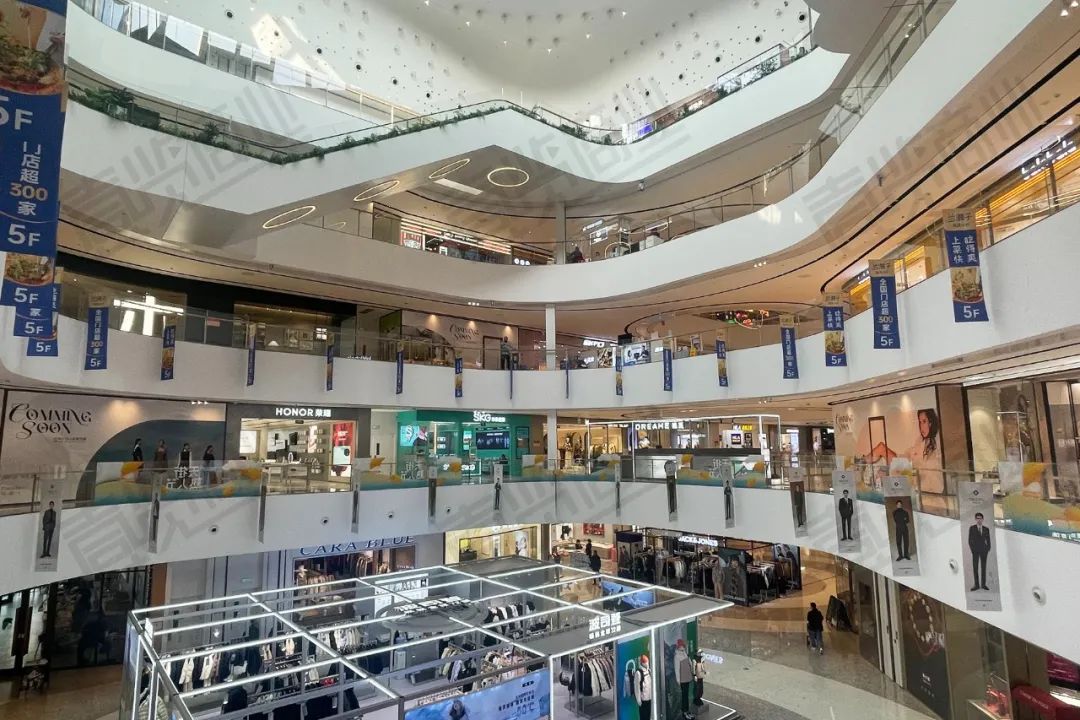
Core Insights - The enthusiasm for opening new flagship stores in China has decreased compared to previous years, with 158 new stores opened in the first half of 2025, a decline of 19.39% year-on-year, indicating a more cautious brand expansion strategy amid slowing economic growth [2] - Despite the overall decline in quantity, the quality of new flagship stores has improved, with international brands accounting for 72 stores, representing 45.6% of the total, an increase of 11.29% compared to 2024 [2][12] - The emergence of local brands is notable, with 86 new stores opened, showcasing innovation in both products and business models [2] Store Opening Trends - The opening of flagship stores shows a clear seasonal pattern, with May being the peak month at 39 stores, benefiting from the May Day holiday and major exhibitions [4] - The distribution of new stores by category indicates that clothing and accessories are the most popular, with 103 stores (65.19% of total), and the combined categories of eating, wearing, and using account for nearly 90% of all new stores [6] City Distribution - Shanghai leads with 67 new flagship stores, while Hangzhou has surpassed Beijing with 20 stores, reflecting strong economic growth in Hangzhou with a GDP increase of 5.5% [9][14] - The top five cities (Shanghai, Hangzhou, Beijing, Chengdu, and Nanjing) dominate the flagship store economy, accounting for nearly 80% of the total [9] International Brand Preferences - Among the 72 international brand flagship stores, 43 are located in Shanghai, highlighting the city's status as an international consumption center [13] - Shanghai's strong consumer market, with a retail sales total of 826.04 billion yuan and the highest per capita disposable income in the country, attracts international brands [14] Emerging Trends in Consumer Preferences - The rise of two emerging categories, "anime" and "trendy toys," reflects the interests of Generation Z, with each category adding five new flagship stores [15][24] - The dual-track development of "international top IPs + local innovative brands" is evident, with a significant portion of new stores focusing on immersive experiences and cultural engagement [17][21] Non-standard Flagship Stores - The proportion of non-standard flagship stores is increasing, with 107 absolute flagship stores (67.7%) and 51 non-standard stores (32.3%) opened in the first half of 2025, indicating a shift towards experiential retail [25][30] - Non-standard stores, including flagship, concept, and experience stores, are becoming more common, reflecting a transformation in consumer expectations towards unique experiences rather than just product purchases [27][30] Conclusion - Overall, while the scale of the flagship store economy has contracted, the structure continues to optimize, with a rise in high-end international brands and vibrant local brands driving innovation [30]

星巴克在中国做错了什么?
Hu Xiu· 2025-08-08 12:09
Group 1 - The core argument is that Starbucks is not merely a coffee brand but a lifestyle brand, which differentiates it from competitors like Luckin Coffee [3][11][20] - Starbucks' founder Howard Schultz emphasizes that the company's competition is more aligned with social spaces like bookstores and tea houses rather than just coffee brands [4][11] - The media narrative of Starbucks being defeated by Luckin Coffee and forced to sell is a misinterpretation; the focus should be on how to adapt and continue operations [5][10] Group 2 - Starbucks has made three strategic errors in the Chinese market, which include mispricing products, failing to adapt to market changes, and losing insight into its target customers [24][39][52] - The first strategic error was not recognizing the importance of pricing in relation to the experience offered, leading to a misalignment with consumer expectations [22][23][24] - The second error involved ignoring the changing market environment and continuing aggressive expansion without adapting to new consumer behaviors [38][40][41] Group 3 - The third strategic error is a lack of understanding of the target customer base, as Starbucks has focused on expansion rather than providing exceptional service tailored to its clientele [52][56][57] - The company has shifted its focus to lower-tier markets without a clear strategy on how to cater to different consumer segments, which may dilute its brand identity [46][50][52] - Starbucks' initial success in China was due to favorable market conditions, but as those conditions have changed, the company faces significant challenges ahead [60]

暑期演出单月34.23亿票房,这届年轻人更爱“情绪产品”了?
3 6 Ke· 2025-08-08 00:10
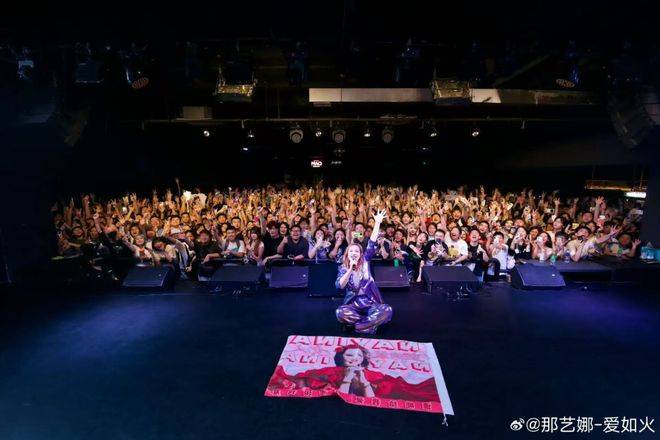
Group 1 - The performance market in summer 2025 is vibrant, with total box office revenue reaching 34.23 billion, of which concerts account for over 90%, totaling 29.41 billion, marking a nearly 60% increase compared to 22.19 billion in July 2024 [1] - The gap between the performance market and film box office is narrowing, with the total box office for summer films in July 2025 at 40.67 billion [1] - The entry of new forces into the performance market is enhancing its appeal, alongside established acts like Mayday and Yi Yang Qian Xi [1] Group 2 - Young audiences are increasingly investing in live performances, with a shift from passive consumption to active participation in entertainment experiences [5][13] - The integration of various entertainment forms, such as cross-genre performances, reflects a deeper emotional engagement and a desire for interactive experiences among younger audiences [5][13] - The traditional concert format is evolving, with artists like Yue Yunpeng and Na Ina exploring new ways to connect with audiences, indicating a shift towards more inclusive and diverse entertainment offerings [6][9][19] Group 3 - The phenomenon of "emotion infrastructure" is becoming a competitive aspect of live performances, where the focus is on creating emotional connections rather than just delivering entertainment [5][19] - The rise of social media and online engagement is transforming how performances gain traction, with audience interactions becoming a significant part of the experience [7][19] - The concept of "experience economy" is gaining prominence, where audiences seek not just entertainment but meaningful emotional experiences through participation in live events [18][19] Group 4 - The concert market is seeing a blend of traditional and innovative approaches, with artists creating unique experiences that resonate with diverse audience demographics [9][19] - The trend of cross-generational participation in concerts highlights the cultural inclusivity and shared experiences that live performances offer [19] - The rapid growth of the summer concert market in 2025 reflects a significant shift in consumer behavior and values within the entertainment industry [19]
泸州老窖:谷子经济带领存量市场进入加时赛
Bei Jing Shang Bao· 2025-08-07 13:09
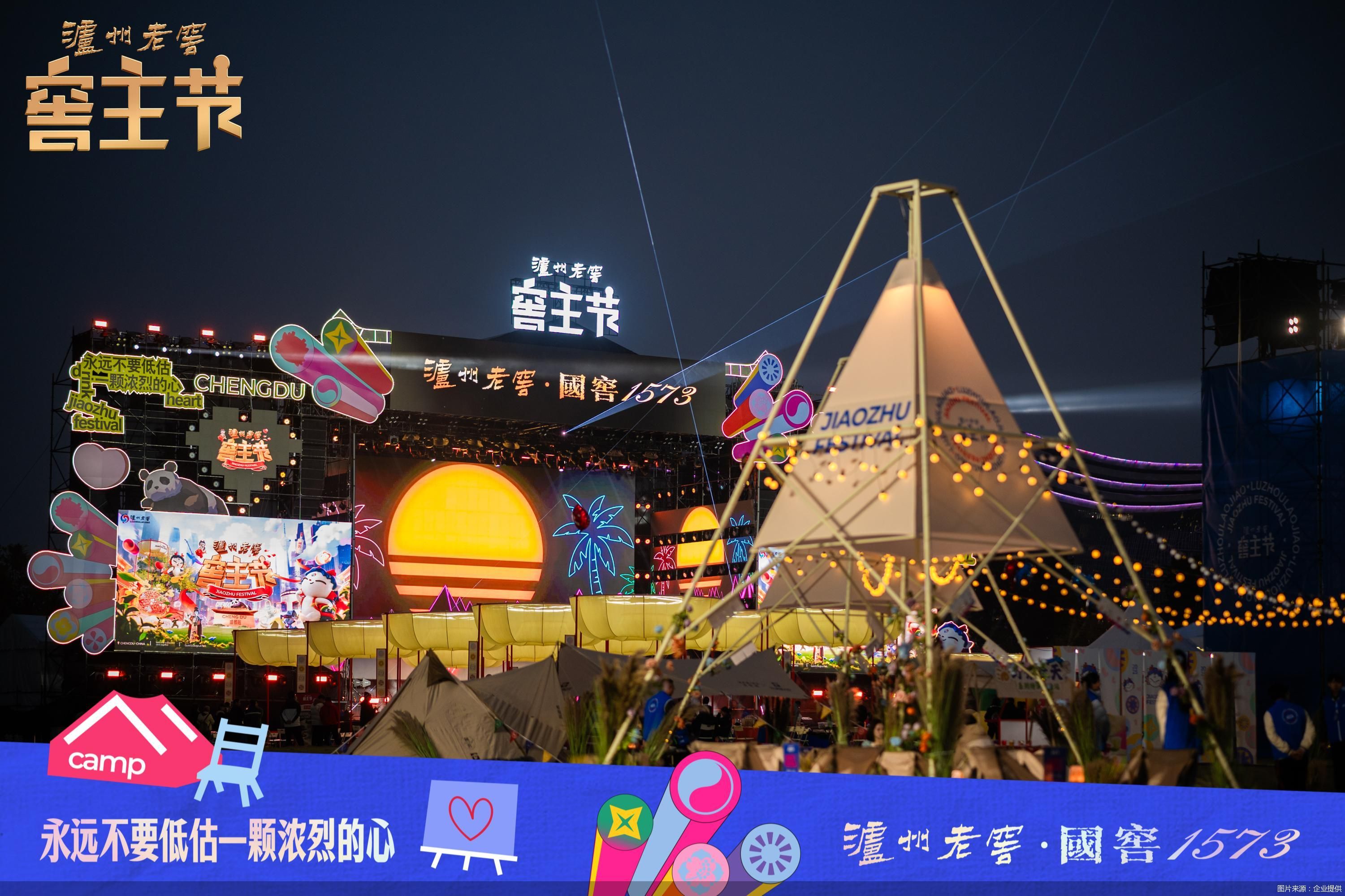
伴随着夜幕降临,麻园诗人站在主舞台中间,躁动的音乐冲击着粉丝的耳膜,一时间这里成为了粉丝 的"乌托邦"。放眼舞台之下,与音乐同频摇动的,不仅仅是感受激情的粉丝,还有被高高举起的以国窖 1573为基酒的特调鸡尾酒。这里便是泸州老窖为粉丝打造的浓烈生活场"泸州老窖窖主节"。 作为"90后"消费者,李荔第一次来到泸州老窖窖主节便被这里的活动所吸引,无论是结合运动元素的酒 量健身区,抑或是融入沉浸式角色扮演的窖主体验场,她在这里看到了白酒的不同。通过窖主节周边产 品脱销不难发现,泸州老窖开启了独属于白酒赛道的"谷子经济"。而白酒"谷子经济"的底层逻辑,则在 于用产品挖掘更多新场景以刺激消费活力持续释放。纵观近年来,包括贵州茅台、五粮液、洋河等头部 企业纷纷通过开售盲盒、生活用品以及文创产品等"谷子经济"产物挖掘更多的消费市场。那么,未来谁 会是下一个"网红"? 文创产品销量增长120% "如果要选择的话,你可以不去春糖会,但你必须来窖主节。这里虽不卖白酒,却将白酒融入到每个环 节之中。"李荔兴奋地说道。 成都桂溪生态公园的春日暖阳下,一场名为"窖主节"的白酒嘉年华正掀起热潮。年轻人排着长队等待体 验"酒神飞篮";一旁 ...


泸州老窖:“谷子经济”带领存量市场进入加时赛
Bei Jing Shang Bao· 2025-08-07 12:51
伴随着夜幕降临,麻园诗人站在主舞台中间,躁动的音乐冲击着粉丝的耳膜,一时间这里成为了粉丝的"乌托邦"。放眼舞台之下,与音乐同频摇动的,不仅 仅是感受激情的粉丝,还有被高高举起的以国窖1573为基酒的特调鸡尾酒。这里便是泸州老窖(000568)为粉丝打造的浓烈生活场"泸州老窖窖主节"。 作为"90后"消费者,李荔(化名)第一次来到泸州老窖窖主节便被这里的活动所吸引,无论是结合运动元素的酒量健身区,抑或是融入沉浸式角色扮演的窖主 体验场,她在这里看到了白酒的不同。不仅如此,窖主节上周边产品频频脱销。借此,泸州老窖开启了独属于白酒赛道的"谷子经济",即通过开发文创、周 边等衍生产品,挖掘消费新场景。而白酒"谷子经济"的底层逻辑,则在于用产品挖掘更多新场景以刺激消费活力持续释放。纵观近年来,包括贵州茅台 (600519)、五粮液(000858)、洋河等头部企业纷纷通过开售盲盒、生活用品以及文创产品等"谷子经济"产物挖掘更多的消费市场。那么,未来谁会是下 一个"网红"? 文创产品销量增长120% "如果要选择的话,你可以不去春糖会,但你必须来窖主节。这里虽不卖白酒,却将白酒融入到每个环节之中。"李荔兴奋地说道。 成都桂 ...