十五五

Search documents
刘世锦:从终端需求破题“十五五”,三条路径提升产能利用率
Jing Ji Guan Cha Bao· 2025-12-09 12:16
Group 1 - The core issue in the current Chinese economy is insufficient demand, primarily driven by low consumer spending rather than investment or exports [2][3] - China's final consumption accounts for approximately 20 percentage points less of GDP compared to the global average, with a significant gap in service consumption [2] - The structural bias in consumption is attributed to factors such as low public service levels, urbanization challenges, income disparities, high government asset ratios, and a historical focus on investment over consumption [2][3] Group 2 - The focus on consumption should target service sectors, particularly in housing, healthcare, social security, and elderly care, with a significant gap among rural residents and migrant workers [3] - It is proposed that during the "14th Five-Year Plan" period, the proportion of consumption in GDP should increase by at least 1 percentage point annually to stabilize growth [3] - The economic growth logic needs to shift from a supply-side focus on industrial investment to a demand-side emphasis on consumption and human capital investment [3][4] Group 3 - Current overcapacity in certain sectors necessitates caution against new investments that could exacerbate the situation, as evidenced by a 1.7% year-on-year decline in fixed asset investment from January to October [4] - To improve capacity utilization, three strategies are suggested: increasing income for low- and middle-income groups, reducing the public service gap between urban and rural areas, and implementing a "two 10 trillion" plan to enhance pension income for rural residents [5][6]
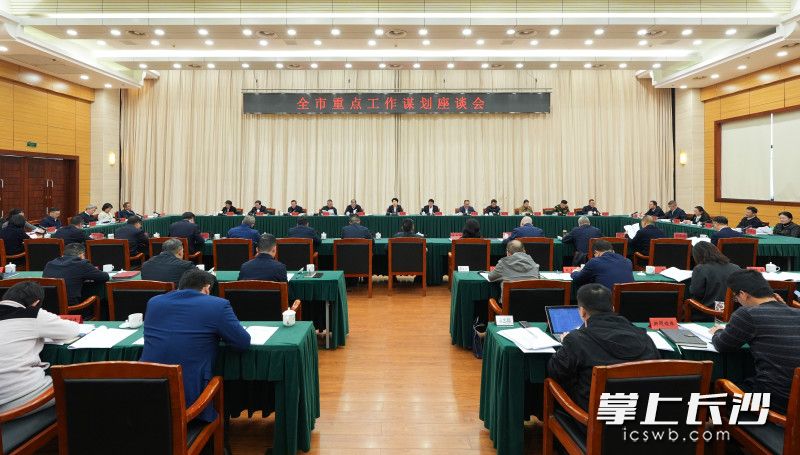
吴桂英主持召开全市重点工作谋划座谈会
Chang Sha Wan Bao· 2025-12-09 02:59
在职市级领导,市中级人民法院院长、市人民检察院检察长作交流发言。 在认真听取大家的发言后,吴桂英指出,当前是推动"十四五"和全年收官的关键节点。全市上下要紧紧抓住 重点领域、关键环节,咬定"十四五"目标和年度任务争取最好结果,用心用情办好民生实事,着力解决群众急难 愁盼问题,持续巩固拓展脱贫攻坚成果,扎实推进乡村全面振兴,打好打赢污染防治攻坚战,紧盯高层建筑消防 安全等重点领域开展隐患排查和专项治理,排查化解矛盾纠纷,确保社会大局平安稳定。 吴桂英强调,谋划好"十五五"期间各项工作意义重大。要从"十四五"的发展成效中看到坚实基础、良好态 势,坚定发展信心,保持战略定力;从"十五五"的机遇挑战中找准目标定位,真正把基础打牢、把优势放大、把 各方面积极因素转化为发展实绩;从"十五五"的重点谋划中彰显使命责任,以更高站位体现省会担当、更好成效 推动"三个高地"建设、更大格局推进长株潭一体化发展、更强力度抓好民生保障和改善、更实举措提升本质安全 水平。要加强班子和队伍建设,强化政治建设,筑牢思想根基,实干担当作为,不断巩固团结奋进的大好局面, 持之以恒推进全面从严治党,凝聚起推动高质量发展的强大合力。 陈博彰指出,要 ...

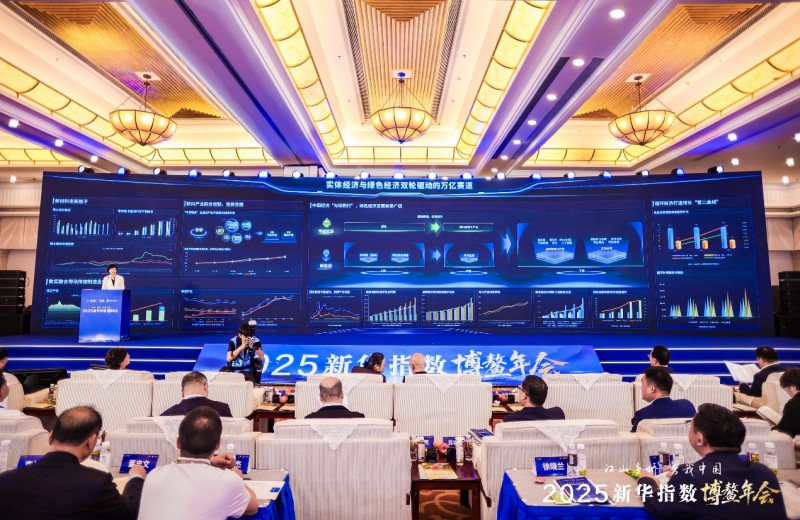
新华指数・博鳌发布|担当时代使命 共创未来新篇——展望“十五五”新机遇
Xin Hua Cai Jing· 2025-12-09 01:17
Core Insights - The article emphasizes the importance of indices as tools for understanding trends and unlocking opportunities in the context of China's economic development and modernization efforts [2][3]. Economic Growth and Development - China's manufacturing investment continues to grow, contributing to the establishment of a modern industrial system, with equipment manufacturing playing a crucial role [2][3]. - The "China Innovation Index" shows consistent improvement, reflecting the country's commitment to high-quality development [2][3]. Emerging Industries and Green Economy - The green economy is increasingly prominent, with one-third of electricity in China now sourced from renewable energy, supporting emerging industries like artificial intelligence [5]. - Inner Mongolia's modern energy economy development index is projected to grow by 24.21% year-on-year in 2024, while the new energy high-quality development index is expected to rise by 11.37% [5]. New Consumption Trends - The report identifies five key opportunity sectors focused on human-centered economic trends: cultural consumption, health consumption, silver economy, beauty economy, and pet economy [6][9]. - The cultural industry, particularly digital culture, is projected to contribute nearly 5% to GDP by 2024, highlighting its role as a significant economic growth engine [8]. Silver Economy and Health Consumption - The silver economy is expanding rapidly, with an annual growth rate of 15.27% since 2022, driven by the aging population and new business models [9]. - Health consumption trends are transforming traditional products into popular items, with innovations in functional foods and traditional remedies gaining traction [9]. Market Dynamics and Data Utilization - The establishment of a unified national market is crucial for high-quality development, with data elements playing a key role in addressing existing market inefficiencies [11]. - Price indices are acting as vital indicators for market operations, helping to stabilize and guide various agricultural sectors [13]. Cultural and Brand Development - Indices serve as digital representations of regional brand value, linking cultural heritage with modern economic opportunities [16]. - Cities are leveraging unique cultural identities to enhance their market competitiveness and global presence, exemplified by initiatives in places like Yan'an and Shaanxi [16][17].
A股分析师前瞻:多路增量资金入市可期,“春躁”预热行情或提前
Xuan Gu Bao· 2025-12-07 13:26
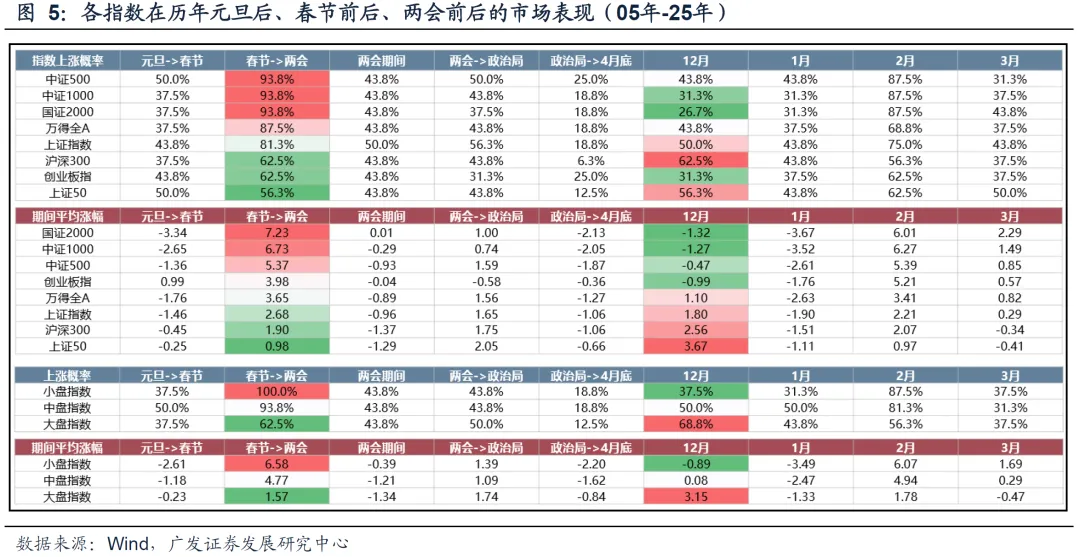
本周各家券商策略普遍提及岁末年初的历史行情表现情况,整体看好春季躁动提前。 广发策略刘晨明团队复盘了岁末年初的指数及风格历史表现情况,可总结为: 11月:对机构最不利的一个月已经过去,11月份市场涨跌和基本面关联度最弱,主题活跃、轮动加快。 12月:过去20年,指数在12月涨跌各半,不过基本面定价的有效性较11月增强;风格方面,大盘优于小盘,红利占优,金融板块涨幅居前,港 股红利也迎来一年中日历效应最强的时段。 1月:指数在1月的上涨概率仅43%,小盘股上涨概率仅31%,主要受年报预告压制风险偏好影响。 春节前后、2月:一年当中风险偏好最高的区间,小盘股胜率超过90%,成长风格、电子/计算机/非银等行业的平均涨幅最高。 今年来看,截止11月下旬,主线板块的调整时间、调整空间都已较为充分,近期已出现不同程度的反弹、或不再下跌,12月可纳入观察区间。26年的春季 躁动大概率不会缺席,做好积极布局准备(缺席的原因不外乎政策及外部冲击、流动性冲击、盈利下行,今年上述因素展望都较为温和)。 中银策略王君团队指出,"春躁"预热行情有望提前开启。下周起,美联储12月降息预期即将落地,当前市场对于12月降息的预期比较一致,需 ...
努力完成全年目标任务,各地决胜“十四五”一线扫描
Ren Min Ri Bao· 2025-12-06 05:40
Group 1 - The "14th Five-Year Plan" is nearing completion, with various regions implementing solid measures to ensure economic and social development [1][2] - The global largest "Hualong One" nuclear power base in Fujian has successfully connected its second unit to the grid, expected to generate 20 billion kWh annually and reduce CO2 emissions by approximately 16 million tons [2] - The West Ten High-Speed Railway is a key project under the "14th Five-Year Plan," with an average daily track laying of 8 kilometers, supporting national development strategies [3] Group 2 - The construction of the BEST compact fusion energy experimental device in Hefei, Anhui, is progressing, with the project entering the main assembly stage [5] - The Tianjin-based company has achieved a breakthrough in high-precision chip development for brain-computer interface technology, laying the foundation for its industrial application [6] - The Jiangxi province has opened 12 China-Europe freight train routes, enhancing its high-level opening-up efforts [11] Group 3 - Xinjiang has added over 2.3 million new urban jobs during the "14th Five-Year Plan," effectively supporting key groups such as college graduates and rural laborers [12] - The Xiaoting District in Yichang, Hubei, is transforming chemical enterprises into green spaces, promoting low-carbon industries [8] - The Guangdong province is actively developing cross-border e-commerce and participating in the Belt and Road Initiative, injecting new momentum into high-level opening-up [10]
长城基金尤国梁:商业航天有望走出跨年行情
Xin Lang Cai Jing· 2025-12-05 19:59
尤国梁表示,12月美联储降息具有不确定性,海外AI泡沫讨论升温,这两个此前推动市场上涨的因素 边际趋弱,预计大盘或延续震荡格局,但考虑到有政策资金支撑,指数风险可能不大。震荡格局下,预 计市场整体或仍呈现行业轮动、挖掘低位的特征,且临近年底,风险偏好可能会进一步下降。 责任编辑:王许宁 近期海外AI泡沫的讨论渐起,美股、港股和A股的科技板块都受到一定影响。映射到A股市场,11月主 要指数冲高回落,科技成长板块内部轮动加快,价值风格相对占优。从美股表现看,AI板块波动加剧 但龙头分化显著,更似AI结构切换而非走势终结。着眼2026年,A股市场将如何表现?哪些投资方向值 得关注?我们来看长城久嘉基金经理尤国梁的解读。 尤国梁表示,12月美联储降息具有不确定性,海外AI泡沫讨论升温,这两个此前推动市场上涨的因素 边际趋弱,预计大盘或延续震荡格局,但考虑到有政策资金支撑,指数风险可能不大。震荡格局下,预 计市场整体或仍呈现行业轮动、挖掘低位的特征,且临近年底,风险偏好可能会进一步下降。 近期海外AI泡沫的讨论渐起,美股、港股和A股的科技板块都受到一定影响。映射到A股市场,11月主 要指数冲高回落,科技成长板块内部轮动 ...
共话“十五五”新机遇共探高质量发展新路径 2025企业家博鳌论坛主论坛举办
Sou Hu Cai Jing· 2025-12-05 06:36
Group 1: Core Themes of the Forum - The forum focused on the theme "Linking the World, Leading the Future: New Opportunities in the 14th Five-Year Plan," discussing key topics such as quality-driven development, technological innovation, consumption upgrades, global cooperation, and cultural empowerment [1][15] - Government leaders and industry experts emphasized the importance of building a quality-driven economy during the 14th Five-Year Plan, highlighting the role of enterprises in this initiative [3] Group 2: Government and Policy Insights - The Deputy Director of the State Administration for Market Regulation stressed the need for a quality-driven economy, stating that quality is fundamental for enterprise success and national strength [3] - The International Organization for Standardization's advisor highlighted the importance of creating world-renowned brands in renewable energy, circular economy, health, and food safety [3] Group 3: Regional Development Opportunities - Local government representatives shared their strategies for regional development, with Shaanxi province focusing on advanced manufacturing and modern agriculture, and Inner Mongolia emphasizing resource transformation into high-tech industries [5] - Jilin province is promoting brand agriculture through a four-in-one brand system, leveraging technology and innovative channels to enhance the grain industry [5] Group 4: Corporate Innovation and Transformation - Corporate leaders shared their experiences in technological innovation and international development, with China CITIC Group focusing on comprehensive financial services to support the Hainan Free Trade Port [6] - Kweichow Moutai's chairman discussed the importance of balancing tradition and innovation in the liquor industry, aiming for international expansion [6] Group 5: Cultural and Economic Integration - The integration of culture and economy was highlighted as a key theme, with discussions on how cultural initiatives can enhance brand recognition and economic growth [14] - Notable figures emphasized the role of cultural storytelling in improving the international perception of Chinese brands [8][14] Group 6: Collaborative Efforts and Initiatives - The forum featured multiple cooperation agreements, including the signing of the Xinhua News Agency's brand project, aimed at enhancing the global competitiveness of selected enterprises [11] - The launch of the "Xinhua Cup" AI writing competition was announced, focusing on the application of AI in content creation and cultural development [11]
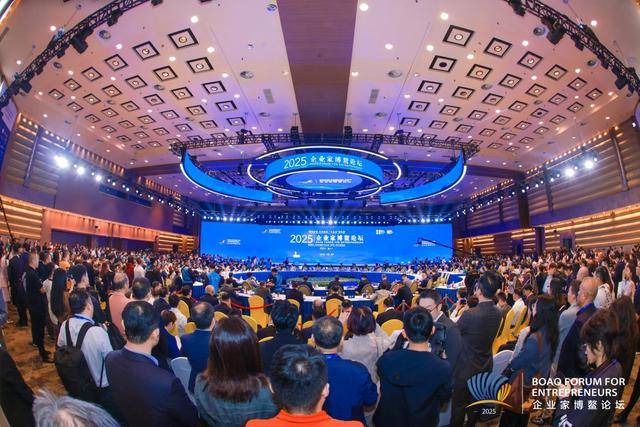
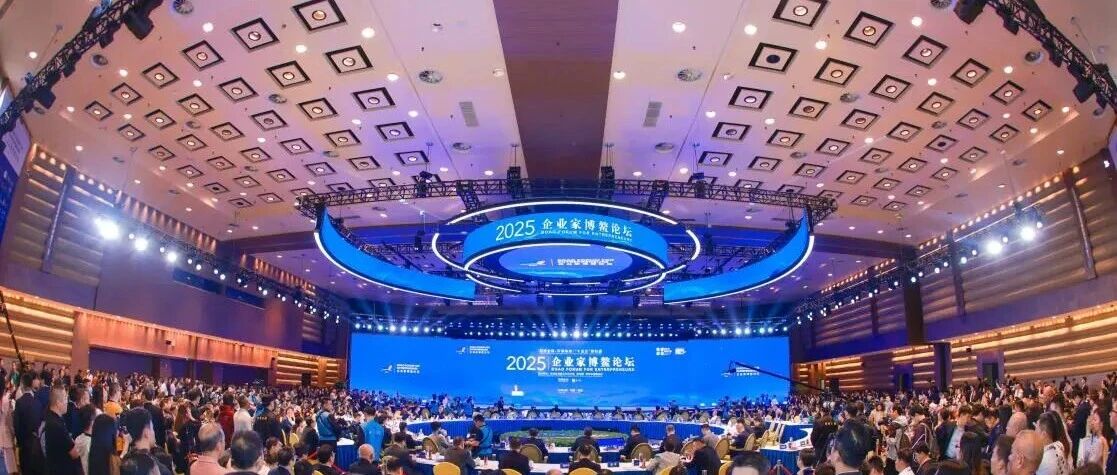
共话“十五五”新机遇共探高质量发展新路径 2025企业家博鳌论坛主论坛举办
新华网财经· 2025-12-04 12:59
Core Viewpoint - The 2025 Boao Forum for Entrepreneurs emphasizes the importance of quality-driven development, technological innovation, and global cooperation during China's 14th Five-Year Plan period, aiming to enhance economic quality and foster sustainable growth [1][4][11]. Group 1: Quality and Standards - The "14th Five-Year Plan" period is crucial for establishing a quality-driven economy, with a focus on enhancing quality management and innovation in enterprises [4]. - The National Market Supervision Administration highlights the need for a modern enterprise system and encourages businesses to pursue quality as a core principle [4]. - The International Organization for Standardization emphasizes the creation of world-renowned brands in renewable energy, circular economy, health, and food safety [4]. Group 2: Innovation and Industry Upgrading - Entrepreneurs shared insights on technological innovation and international development, showcasing the proactive role of Chinese companies in adapting to new market conditions [6][7]. - China CITIC Group aims to leverage its financial services to support the modernization of Hainan's industrial system, with total assets exceeding 13 trillion yuan as of September [7]. - Haier Group focuses on creating a resilient global network through smart living platforms and innovative business models [7]. Group 3: Open Cooperation and Ecosystem Building - The forum facilitated multiple cooperation agreements, including the signing of the Xinhua News Agency's brand project, which aims to enhance the global competitiveness of selected enterprises [12]. - The first "Xinhua Cup" AI proofreading and writing competition was launched to explore AI's role in content creation and promote healthy development in the AI content industry [12]. - Discussions on consumer upgrades and global value chain integration highlighted the need for collaborative efforts to unlock new growth potential [12][13]. Group 4: Cultural Empowerment and Economic Integration - The integration of culture and economy was a focal point, with discussions on how cultural initiatives can support economic development [15][16]. - Notable figures like Mo Yan emphasized the role of cultural workers in promoting social progress and enhancing the international perception of Chinese brands [15][16]. - The forum featured a collaborative recitation of poetry, symbolizing the shared mission and aspirations of entrepreneurs for the future [15][16].
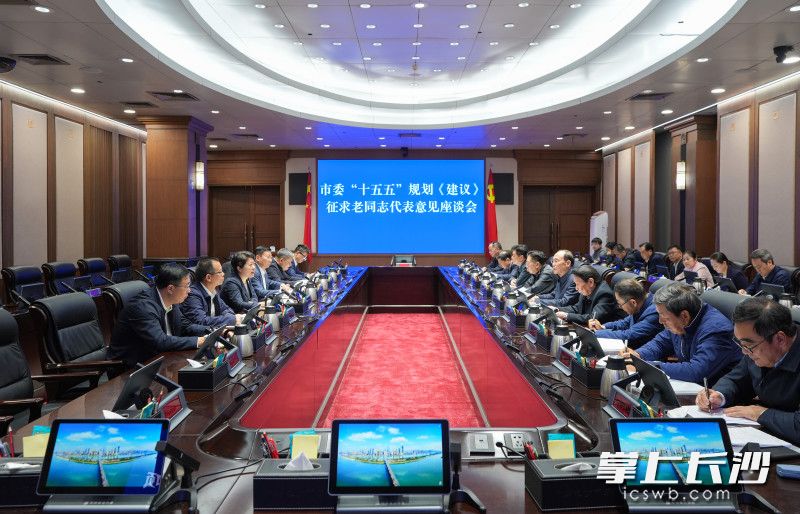
吴桂英主持召开市委“十五五”规划《建议》征求老同志代表意见座谈会
Chang Sha Wan Bao· 2025-12-03 02:26
Group 1 - The meeting was chaired by Wu Guiying, the Secretary of the Municipal Party Committee, to gather opinions from veteran representatives regarding the "15th Five-Year Plan" proposals [1][3] - The meeting included speeches from several veteran leaders who acknowledged the achievements during the "14th Five-Year" period and provided valuable suggestions for planning the "15th Five-Year" development of Changsha [4] - Wu Guiying emphasized that the achievements were rooted in the leadership of the central government and the guidance of Xi Jinping's thoughts, highlighting the importance of veteran leaders' support in laying a solid foundation for development [4] Group 2 - Wu Guiying noted that the suggestions from veteran leaders reflected a deep understanding of the spirit of the 20th Central Committee and Xi Jinping's important speeches, indicating their strong emotional connection and expectations for Changsha's development [5] - The city aims to incorporate these constructive suggestions into the proposals for the "15th Five-Year Plan" to ensure alignment with the central government's decisions and provincial work requirements [5] - The city will enhance service and support for the elderly, creating better conditions for them to contribute and live comfortably [5]
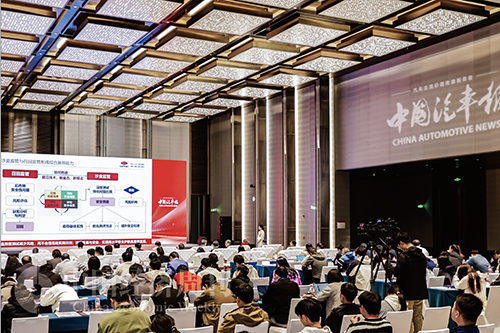
抢抓发展机遇共筑汽车产业新生态
Jing Ji Wang· 2025-12-01 07:43
《中国汽车报》记者 赵建国 张冬梅 王璞 11月18日,由中国汽车报社主办的第二十届中国经济论坛平行论坛——"展望'十五五'巩固车优势"在广 东广州南沙国际会展中心举行,国家有关部委负责人,地方政府主管部门代表,行业团体及整车、供应 链相关企业负责人,专家学者会聚一堂,回顾"十四五"时期中国汽车产业跃迁发展取得的丰硕成果,展 望"十五五"时期中国汽车产业如何巩固优势,为推进中国式现代化建设贡献高质量动能。 广州市南沙区人大常委会副主任冷瑞华称:"南沙区正迎来发展智能网联与新能源汽车等先进制造业的 历史机遇,愿与各方一道紧抓'十五五'时期发展机遇,共筑汽车产业新生态,共绘高质量发展新蓝 图。" 深度参与全球竞争与合作,中国汽车产业势不可挡。中金公司研究部汽车行业首席分析师邓学判 断,"十五五"时期,中国汽车产业国际化合作新趋势将更加凸显。在全球车企电动化转型中,中国汽车 产业链的全球化机遇和投资机会值得关注。随着海外合作进一步深化,中国创新将成为助力全球汽车产 业转型的重要力量。 作为国民经济重要支柱,中国汽车产业是助力"十五五"时期经济社会发展目标实现的关键。中国能源汽 车传播集团党委书记、董事长、总编辑兼中 ...