单边主义

Search documents
专访丨区域合作在动荡中更显重要——访博鳌亚洲论坛秘书长张军
Xin Hua She· 2025-11-30 01:31
新华社利雅得11月29日电 专访|区域合作在动荡中更显重要——访博鳌亚洲论坛秘书长张军 新华社记者罗晨 王海洲 2025年博鳌亚洲论坛利雅得会议26日至27日在沙特阿拉伯首都利雅得举行。博鳌亚洲论坛秘书长张军27 日接受新华社记者专访时表示,当今世界正面临一系列严峻挑战,区域合作重要性正进一步提升。区域 合作不仅有助于应对单边主义、保护主义带来的挑战,也能推动产业链供应链的安全、多元与稳定,进 一步增强区域经济韧性。 张军表示,当今世界正处在大变革、大转型之中。一方面在单边主义、保护主义冲击之下,全球经济和 贸易持续承压,产业链供应链安全稳定成为各国共同关注的重点。另一方面,世界经济也处在新的转型 时期,以数字经济、绿色经济为代表的新增长动能不断涌现,为区域合作与经济转型带来新机遇。 张军说:"召开这样的会议,就是希望推动各方加强团结合作,共同应对挑战,维护经济安全和产业链 供应链稳定,同时推动共同努力,在全球经济转型中通过多元化发展来增强各国和区域经济的韧性,发 掘更大发展空间和潜力。" 今年的利雅得会议以"转型促进区域经济多元化与可持续发展"为主题。博鳌亚洲论坛理事长、联合国前 秘书长潘基文等来自10多个 ...
【高端访谈】区域合作在动荡中更显重要——访博鳌亚洲论坛秘书长张军
Xin Hua She· 2025-11-29 13:50
新华财经利雅得11月29日电(记者罗晨王海洲) 2025年博鳌亚洲论坛利雅得会议26日至27日在沙特阿 拉伯首都利雅得举行。博鳌亚洲论坛秘书长张军27日接受新华社记者专访时表示,当今世界正面临一系 列严峻挑战,区域合作重要性正进一步提升。区域合作不仅有助于应对单边主义、保护主义带来的挑 战,也能推动产业链供应链的安全、多元与稳定,进一步增强区域经济韧性。 张军表示,当今世界正处在大变革、大转型之中。一方面在单边主义、保护主义冲击之下,全球经济和 贸易持续承压,产业链供应链安全稳定成为各国共同关注的重点。另一方面,世界经济也处在新的转型 时期,以数字经济、绿色经济为代表的新增长动能不断涌现,为区域合作与经济转型带来新机遇。 张军说:"召开这样的会议,就是希望推动各方加强团结合作,共同应对挑战,维护经济安全和产业链 供应链稳定,同时推动共同努力,在全球经济转型中通过多元化发展来增强各国和区域经济的韧性,发 掘更大发展空间和潜力。" 今年的利雅得会议以"转型促进区域经济多元化与可持续发展"为主题。博鳌亚洲论坛理事长、联合国前 秘书长潘基文等来自10多个国家和地区以及多家国际组织的300多名政商学界嘉宾出席本次会议, ...
专访新加坡国立大学东亚研究所陈波:美与东盟国家贸易协议“大多难以产生实质影响”
Di Yi Cai Jing· 2025-11-28 05:06
Group 1 - The core viewpoint emphasizes that unilateralism cannot genuinely earn the trust of trade partners, as pressure may yield short-term results but fails to foster sincere cooperation [1][4][6] - The recent bilateral communication between Malaysia and China regarding the "Malaysia-US Equitable Trade Agreement" highlights China's concerns over certain aspects of the agreement, urging Malaysia to consider its long-term interests [1][2] - The agreements signed by the Trump administration with ASEAN countries, including Malaysia, reflect a unilateral approach that distorts trade structures and promotes a zero-sum game mentality [2][4] Group 2 - The potential for trade fragmentation in Southeast Asia is mitigated by the countries' resistance to unilateral "equitable tariff" agreements, as they have benefited from cooperative economic development [5][6] - The cooperation in the rare earth sector between the US and Southeast Asian nations is questioned due to the lack of resources and processing capabilities in these countries, indicating a disconnect between political intentions and practical realities [5][6] - China's potential accession to the Comprehensive and Progressive Agreement for Trans-Pacific Partnership (CPTPP) is projected to boost GDP growth for member countries and enhance trade relations, benefiting all parties involved [7][8] Group 3 - The deepening economic relationship between China and ASEAN is evident, with ASEAN becoming China's largest trading partner, showcasing the mutual benefits of trade liberalization [9][10] - China's infrastructure projects in Southeast Asia, such as railways, have significantly contributed to the region's economic development, demonstrating the strong interdependence between trade and infrastructure [10] - The resilience of the China-ASEAN supply chain is highlighted by the continued growth in trade despite external pressures, indicating a robust partnership that contrasts with unilateral approaches [10][11]


为让美国放一马,欧盟提议联合抗中,遭美拒绝:联合可以,税照加
Sou Hu Cai Jing· 2025-11-27 09:40
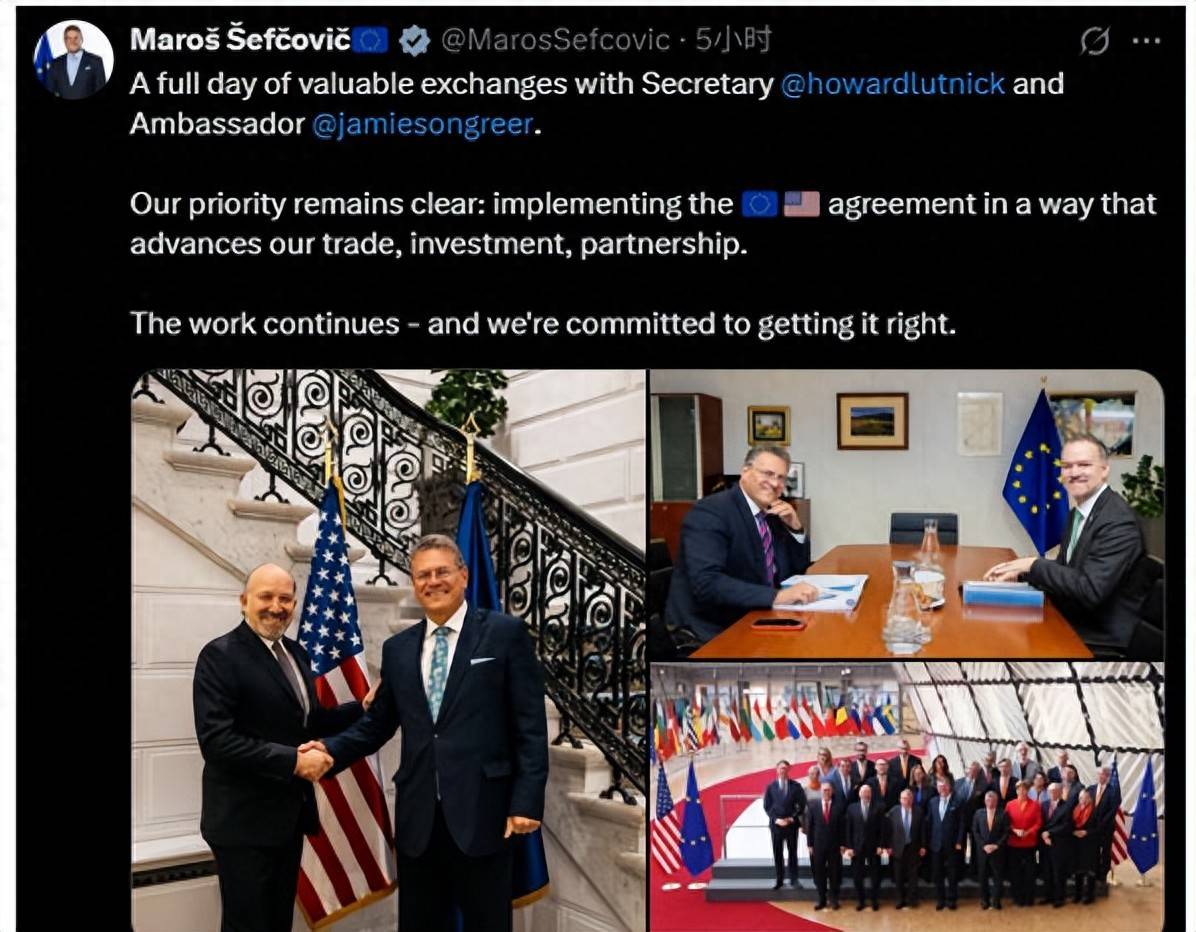
Core Points - The EU is seeking to negotiate with the US to lift the 50% tariffs on steel products in exchange for a united front against China, but the US has firmly rejected this proposal [1][4][5] - The EU's steel industry is significantly impacted by these tariffs, as countries like Germany, France, and Italy rely heavily on steel exports to the US [1][4] - The US is leveraging the steel tariffs to pressure the EU into making concessions in other areas, such as digital tax regulations, which the EU has implemented to protect its own market from US tech giants [4][5] Summary by Sections EU's Position - The EU believes that aligning with the US on China-related issues could improve relations and create conditions for tariff reductions [4] - The EU's proposal for a united front against China was met with a refusal from the US, which indicated that no concessions would be made regarding steel and aluminum tariffs [4][5] US's Strategy - The US is using the steel tariffs as a tool to compel the EU to compromise on digital tax and other trade issues, highlighting an imbalance in the US-EU relationship [5][7] - The US's insistence on maintaining tariffs while seeking cooperation on China reflects a strategy to protect its own economic interests and maintain global dominance [5][7] Implications for Global Trade - The ongoing trade tensions and the US's protectionist measures pose significant risks to global supply chains and economic stability [7] - The situation illustrates the complexities of international relations, where alliances may be tested by competing national interests, as seen in the EU's struggle to gain concessions from the US [7]
局势180度反转!特朗普突然对泽连斯基改口,美国人要心碎了
Sou Hu Cai Jing· 2025-11-27 04:45
2025年11月,华盛顿的天气开始变凉,特朗普的外交梦想却遭遇了前所未有的挑战。就在几小时前,他还信心满满地展示着那份被媒体吹捧为28条协议的停 火方案,仿佛这份协议是和平的最终钥匙。然而,转眼之间,世界看到了他在面对泽连斯基和欧洲盟友时的无奈与困境。这一切发生得极为迅速且戏剧化, 甚至让许多曾经支持特朗普的美国民众感到心碎。心碎的原因,不仅仅是因为一次外交上的失败,更是因为他们意识到:曾经可以左右全球的美国,已经不 再是那个拥有绝对话语权的超级强国。我们需要深入探讨的,就是这一天——11月22日,这一天可能会成为历史书中的一页,标志着一个时代的终结。 原本,这一天被精心安排成特朗普的加冕仪式。按照预定的剧本,他抛出这份方案,俄乌双方虽然有些不情愿,但最终只能点头同意,欧洲也会跟进,而美 国则再次站在全球舞台的中央。然而,特朗普并没有预料到现实的反击。他那份所谓的28条协议,在他眼中不仅仅是一份停火协议,而是展示美国全球领导 地位的象征。可以想象他当时的心情,他可能认为这就是商业谈判,自己有筹码,对方有需求,协议自然就能达成。他甚至在社交媒体上暗示,协议已基本 定案,一些关键人物已经私下认可。然而,现实给了这 ...
中国与东盟关系研讨会在马来西亚举办
Xin Hua She· 2025-11-27 00:57
马来西亚国会上议院议长阿旺·比米说,几十年来,东盟与中国合作不断深化、拓展,已成为地区稳定 与繁荣的重要支柱。他期待东盟与中国继续携手共建一个和平、充满活力的地区,让共享繁荣成为共享 安全的基础。 印度尼西亚前外交部长哈桑·维拉尤达表示,地区国家应强化多边主义而非单边主义,推动对话而非对 抗,唯有如此才能构建符合本地区利益的新秩序。 新华社吉隆坡11月26日电(记者王嘉伟 程一恒)"全球变革背景下的中国-东盟关系:进展、机遇与挑 战"国际研讨会26日在马来西亚雪兰莪州举办。与会中国和东盟国家政府官员、国际关系专家共同探讨 在当前复杂局势下,东盟与中国如何进一步加强合作,捍卫发展权益,守护地区繁荣。 中国驻马来西亚大使欧阳玉靖在研讨会上表示,中国和东盟山水相连,是命运与共的好邻居、好伙伴、 好朋友。面对挑战,中国将与东盟国家一道,共守和平和睦,共护发展繁荣,携手共建和平、安宁、繁 荣、美丽、友好的共同家园。 ...
为了让美国放过自己,欧盟提议联合抗中,遭美方拒绝:联合可以,税坚决不能减
Sou Hu Cai Jing· 2025-11-26 17:42
Core Viewpoint - The recent US-EU trade negotiations highlight the complexities and strategic maneuvering in international trade, particularly in the context of US-China relations, with the EU attempting to leverage cooperation against China to negotiate tariff reductions on steel products, but facing firm resistance from the US [1][4]. Group 1: Trade Negotiations - The EU's trade commissioner proposed a joint approach to counter China in exchange for the US lifting high tariffs on 50% of EU steel products, but the US firmly rejected this offer [1]. - The US has expanded its list of steel products subject to high tariffs, citing the need to curb Chinese steel transshipment, despite the fact that only 3.2% of EU steel exports to the US are involved in such trade [4]. - The US's steel imports from Mexico surged by 27% during the same period, indicating a potential circumvention of tariffs through third countries [4]. Group 2: EU's Position and Strategy - The EU's attempt to use the "China card" to gain concessions from the US is seen as a significant miscalculation, as the US instead pushed for the EU to relax its digital tax regulations [4][6]. - The EU's low-profile approach in negotiations, hoping to gain favor with the US, has resulted in a lack of tangible benefits, raising questions about its diplomatic strategy [6][8]. - French President Macron's call for Europe to take on more responsibility, such as military support for Ukraine, was met with a lackluster response from the US, highlighting the EU's diminished influence in international affairs [6]. Group 3: Future Considerations - The EU needs to reassess its foreign policy, particularly towards the US, to protect its fundamental interests and establish a firmer stance in international trade [9]. - Strengthening cooperation with other countries is essential for the EU to enhance its bargaining power on the global stage [9]. - A clear strategic vision and unwavering execution will be crucial for the EU to regain its standing in international relations [9].
维护多边贸易体制 推动共同发展繁荣
Ren Min Ri Bao· 2025-11-25 10:14
Core Viewpoint - The World Trade Organization (WTO) has played a crucial role in promoting global trade development and economic growth over the past 30 years, despite facing challenges such as unilateralism and protectionism [5][6][10]. Trade Growth and Economic Impact - From 1995 to 2023, global trade volume increased nearly fivefold, surpassing the growth rate of global GDP during the same period [5][6]. - The share of low- and middle-income countries in global exports rose from 17% in 1995 to 32% in 2022, contributing to a significant reduction in extreme poverty from 40% to 10% [6][10]. Role of China in WTO - China has been a significant beneficiary of the multilateral trading system since joining the WTO in 2001, contributing approximately 30% to global economic growth annually [7][10]. - The country actively participates in WTO reforms and negotiations, promoting trade facilitation and enhancing the global economic order [10][11]. Challenges to Multilateral Trade - The rise of unilateralism and protectionism poses significant threats to the multilateral trading system, disrupting global supply chains and trade [12][14]. - The WTO's dispute resolution mechanism has been weakened since December 2019, undermining its authority and effectiveness [13][16]. Reforming the WTO - There is a consensus that necessary reforms should enhance the efficiency and effectiveness of the WTO rather than weaken it [16][17]. - China emphasizes the importance of maintaining core values of non-discrimination and openness in WTO reforms, advocating for the interests of developing countries [17].
世贸组织成立三十周年—— 维护多边贸易体制 推动共同发展繁荣(权威论坛)
Ren Min Ri Bao· 2025-11-25 00:00
Core Insights - The World Trade Organization (WTO) has played a crucial role in promoting global trade, economic growth, and enhancing the participation of developing countries over the past 30 years [1] - The current global trade landscape is facing significant challenges from unilateralism, protectionism, and geopolitical conflicts, necessitating a strong commitment to a multilateral trade system centered around the WTO [1] Group 1: Trade Growth and Economic Impact - Global trade volume has increased nearly fivefold from 1995 to 2023, outpacing the growth of global GDP during the same period [2] - The WTO has established a rules-based multilateral trade system that has facilitated this growth, with 166 members creating strong economic ties [2][3] - The share of middle and low-income countries in global exports rose from 17% in 1995 to 32% in 2022, contributing to a significant reduction in extreme poverty from 40% to 10% [3] Group 2: China's Role in the WTO - China has been a significant beneficiary of the multilateral trade system, joining the WTO in 2001 after extensive negotiations, and has utilized this platform to achieve remarkable economic growth [3][4] - As a major contributor to global economic growth, China has maintained an average contribution rate of about 30% to world economic growth [4] - China actively participates in WTO reforms and negotiations, advocating for new rules and supporting the interests of developing countries [5][9] Group 3: Challenges to Multilateralism - The rise of unilateralism and protectionism poses serious threats to the multilateral trade system, disrupting global supply chains and trade flows [6][7] - The WTO's dispute resolution mechanism has been weakened since December 2019, undermining its authority and effectiveness [6] - There is a pressing need for WTO members to reaffirm their commitment to multilateralism and address contentious issues like subsidy rules to restore trust in the system [7][8] Group 4: Reforming the WTO - Necessary reforms should focus on enhancing the efficiency and effectiveness of the WTO rather than undermining its core principles [8] - China emphasizes the importance of maintaining non-discrimination and openness in the multilateral trade system while ensuring the development interests of emerging economies are protected [9] - The ongoing challenges in global trade require a collective effort to strengthen the WTO and adapt to new trade dynamics and issues [6][8]
维护多边贸易体制 推动共同发展繁荣(权威论坛)
Ren Min Ri Bao· 2025-11-24 22:31
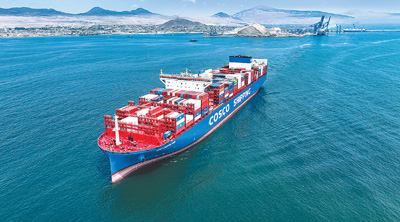
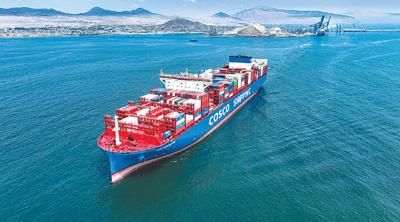
中远海运"秘鲁"轮驶出秘鲁钱凯港(无人机照片)。 梅 涵摄(新华社发) 上海洋山海关关员查验从南非进口的牛油果。 沈春琛摄(影像中国) 中国常驻世贸组织代表团供图(新华社发) 加迪贾·布朗:世贸组织是经济全球化和贸易自由化的基石。它确立了以规则为基础的多边贸易体制, 通过设立统一的贸易规则和争端解决机制,为国际贸易发展提供了法律保障。世贸组织一直将争端解决 作为其核心职能之一,已受理成员间600多宗贸易争端,有效防止了成员间贸易冲突的升级与风险外 溢,维护了国际贸易环境的稳定性和可预见性。 2025年是世界贸易组织成立30周年。30年来,世贸组织在推动全球贸易发展、促进经济增长、提升发展 中国家参与度等方面发挥了重要作用。当前,单边主义、保护主义与地缘冲突等多重挑战相互交织,将 全球贸易推向了深度重构的十字路口。国际社会应坚定维护以世贸组织为核心、以规则为基础的多边贸 易体制,推动建设开放型世界经济,为全球发展增添确定性与稳定性。 屠新泉(对外经济贸易大学中国世界贸易组织研究院院长) 加迪贾·布朗(南非副总统特别经济顾问) 夏华生(巴西瓦加斯基金会经济学家) 乔苏亚·帕尔代德(印度尼西亚佩尔马塔银行首席经济学 ...