结构性货币政策工具

Search documents
中央定调2026年货币政策适度宽松,什么信号
2 1 Shi Ji Jing Ji Bao Dao· 2025-12-12 01:59
Group 1: Economic Policy Direction - The Central Economic Work Conference emphasized the importance of financial support for expanding domestic demand, technological innovation, and small and micro enterprises, indicating a clear direction for financial work in 2026 [1] - The conference highlighted the need for macroeconomic policies to focus on both existing and new policies, enhancing the effectiveness and consistency of macro policy orientation [1][2] - Analysts noted that the emphasis on "cross-cycle adjustment" suggests that macro policy formulation will prioritize long-term economic development rather than short-term stimulus effects [1][2] Group 2: Fiscal and Monetary Policy - The conference called for a continuation of a more proactive fiscal policy, maintaining necessary fiscal deficits and total debt levels, with an expected increase in new government debt to around 12.5 trillion yuan for 2026 [2] - It was stated that the monetary policy will remain moderately loose, with a focus on stabilizing economic growth and ensuring reasonable price recovery, utilizing various tools such as reserve requirement ratio cuts and interest rate reductions [2][3] - The emphasis on maintaining a stable RMB exchange rate at a reasonable level was also noted as part of the monetary policy considerations [2] Group 3: Focus on Inflation and Prices - The conference acknowledged a heightened focus on price levels, with a commitment to promoting stable economic growth and reasonable price recovery as key considerations for monetary policy [3] - Analysts expect potential simultaneous cuts in reserve requirements and interest rates in early 2026, although the extent of these cuts may be limited [3][4] - The need for a balanced approach to fiscal deficits and total debt levels was reiterated, indicating a cautious stance on monetary easing [3][4] Group 4: Key Economic Tasks - The conference identified eight key tasks for economic work in 2026, with a primary focus on domestic demand and building a strong domestic market [6] - Specific measures to boost consumption include implementing special actions to stimulate consumption and expanding the supply of quality goods and services [6][7] - Investment strategies will involve increasing central budget investments and optimizing the use of local government special bonds to stimulate private investment [6][7] Group 5: Financial Sector Reforms - The conference outlined the need for structural reforms in the financial sector, particularly focusing on enhancing the competitiveness of small and medium-sized financial institutions [7][8] - There is a push for the consolidation and restructuring of rural small and medium banks to improve their adaptability and competitiveness in serving local economies [8] - The emphasis on creating a distinctive financial service system for technological innovation indicates a strategic direction for financial institutions to better support industry development [7][8]
中央定调2026年货币政策适度宽松,什么信号
21世纪经济报道· 2025-12-12 01:56
Core Viewpoint - The Central Economic Work Conference emphasizes the importance of financial support for expanding domestic demand, technological innovation, and small and micro enterprises, indicating a clear direction for financial work in 2026 [1][3]. Financial Policy Direction - The conference highlights the need for a proactive fiscal policy, maintaining necessary fiscal deficits and total debt levels, while optimizing fiscal expenditure structure and addressing local fiscal difficulties [5][6]. - It is projected that the new government debt scale for 2026 may increase to approximately 12.5 trillion yuan, with a deficit rate maintained at around 4.0%, reflecting an increase of about 200 billion yuan from the previous year [6]. Monetary Policy Approach - A moderately loose monetary policy will continue, focusing on stabilizing economic growth and ensuring reasonable price recovery, with flexible use of various policy tools such as reserve requirement ratio cuts and interest rate reductions [6][7]. - The emphasis on price levels has increased, with the Consumer Price Index (CPI) showing a year-on-year increase of 0.7% in November, indicating a potential for further monetary easing [6]. Key Economic Tasks - The conference identifies eight key tasks for economic work, with a focus on domestic demand as the primary driver for economic growth in 2026 [10]. - Specific actions include implementing measures to boost consumption, such as increasing funding for consumption from 300 billion yuan to 500 billion yuan, and expanding support for service consumption [11]. Investment and Innovation - The conference aims to stabilize investment by increasing central budget investment and optimizing the use of special bonds, which is expected to enhance market expectations and restore overall investment willingness [11]. - Emphasis is placed on innovation-driven growth, with a focus on developing a technology finance system that supports technological innovation and industry development [12]. Financial Institution Reform - The conference calls for deepening the reform of small and medium financial institutions to enhance their competitiveness and mitigate risks, which is a crucial part of the financial supply-side structural reform [12][13]. - Specific measures include promoting mergers and restructuring of rural small and medium banks to improve their service adaptability and competitiveness [13].

【新华解读】货币政策延续“适度宽松”基调 “灵活高效”降准降息可期
Xin Hua Cai Jing· 2025-12-12 00:46
新华财经北京12月12日电(记者翟卓)12月10日至11日,中央经济工作会议在北京举行,分析当前经济 形势并部署2026年工作。会议强调"要继续实施适度宽松的货币政策""灵活高效运用降准降息等多种政 策工具""保持流动性充裕"等。 再综合考虑明年经济金融形势以及物价走势,东方金诚首席宏观分析师王青判断,2026年政策性降息幅 度或达0.2至0.3个百分点,降准幅度有望达到1个百分点。 "若从稳定明年一季度宏观经济运行等角度出发,不排除今年底或明年初就有降息降准落地的可能。而 着眼于推动房地产市场止跌回稳,2026年还有可能引导5年期以上贷款市场报价利率(LPR)单独下 行。"王青说。 业内专家表示,总的来看,货币政策延续了"适度宽松"基调,降准降息仍然可期,但也会更加注重"相 机抉择"以提高实施质效,结构性货币政策工具或再度"量增价降",政策落地成效则有望成为下阶段宏 观政策部门的主要关注对象。 ——延续"适度宽松"政策基调强调"灵活高效"降准降息 会议明确,要继续实施适度宽松的货币政策。"该表述延续了去年中央经济工作会议基调,表明我国 在'十五五'开局之年仍需以适度宽松的货币金融环境支持实体经济高质量发展。 ...
中央经济工作会议最新信号,结构性货币政策工具“加量降价”可期;泽连斯基:若获安全保障,愿支持在战时举行大选;马斯克:若重来,不会领导“政府效率部”丨早报
Sou Hu Cai Jing· 2025-12-12 00:16
中央经济工作会议最新信号,结构性货币政策工具"加量降价"可期 中央经济工作会议中关于2026年货币政策延续适度宽松的基调,显示出宏观政策保持很强的连续性、稳 定性。除了总量政策提出运用降准降息外,会议还要求畅通货币政策传导机制,引导金融机构加力支持 扩大内需、科技创新、中小微企业等重点领域。 泽连斯基:若获安全保障 愿支持在战时举行大选 【今日推荐】 马斯克:若重来,不会领导"政府效率部" 美国电动车制造商特斯拉公司、太空探索技术公司创始人埃隆·马斯克日前表示,如果重来,他不会领 导"政府效率部",而是专注运营自己的企业。马斯克说:"我想我总体上会在我的公司工作,而不是领 导'政府效率部'。这样他们(反对者)就不会烧车了。" 【观国内】 中央部署明年财政政策:重视解决地方财政困难 中央经济工作会议称,明年要继续实施更加积极的财政政策。保持必要的财政赤字、债务总规模和支出 总量,加强财政科学管理,优化财政支出结构,规范税收优惠、财政补贴政策。重视解决地方财政困 难,兜牢基层"三保"底线。严肃财经纪律,坚持党政机关过紧日子。 当地时间11日,乌克兰总统泽连斯基在会见记者时表示,在获得国际伙伴提供充分安全保障前提下 ...

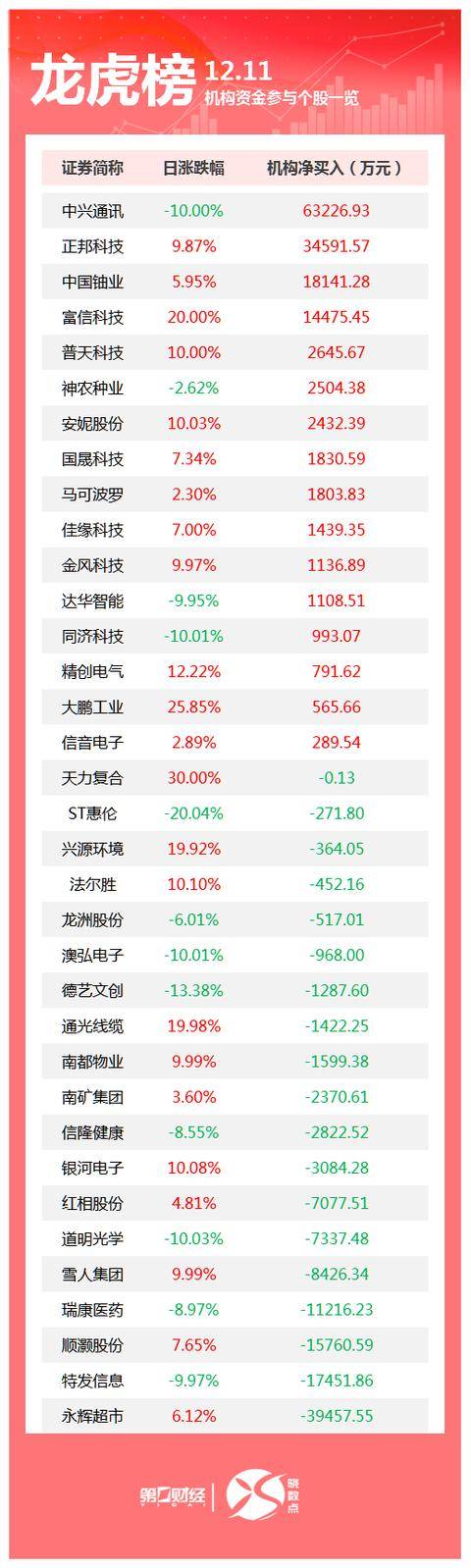
泽连斯基:若获安全保障,愿支持战时大选
第一财经· 2025-12-12 00:13
2025.12. 12 本文字数:437,阅读时长大约1分钟 中央经济工作会议最新信号,结构性货币政策工具"加量降价"可期;泽连斯基:若获安全保障,愿 支持在战时举行大选;马斯克:若重来,不会领导"政府效率部"丨早报 微信编辑 | 七三 第 一 财 经 持 续 追 踪 财 经 热 点 。 若 您 掌 握 公 司 动 态 、 行 业 趋 势 、 金 融 事 件 等 有 价 值 的 线 索 , 欢 迎 提 供 。 专 用 邮 箱 : bianjibu@yicai.com (注:我们会对线索进行核实。您的隐私将严格保密。) 推荐阅读 史上最大的IPO要来了? 据央视新闻,当地时间11日,乌克兰总统泽连斯基在会见记者时表示,在获得国际伙伴提供充分安 全保障前提下,他愿意支持在战时状态下举行大选,并已要求议员着手准备相关立法修订。 泽连斯基在与记者会面时表示,"最重要的是确保选举的合法性。如果我们的合作伙伴能够帮助我们 在安全条件下、在合理时间内组织选举,我将予以支持。为避免这仅仅成为我发出的一个媒体信号, 我已正式请求乌克兰议员起草允许在战时状态期间举行选举的法律修正案。"泽连斯基强调,当前关 键目标是以乌克兰的强势 ...
中央经济工作会议勾勒金融重点:支持重点领域、灵活高效降准降息
2 1 Shi Ji Jing Ji Bao Dao· 2025-12-12 00:09
中央经济工作会议于10日至11日在北京召开,会议总结2025年经济工作,分析当前经济形势,部署2026 年经济工作。 值得注意的是,会议五次提到"金融"。会议明确要"引导金融机构加力支持扩大内需、科技创新、中小 微企业等重点领域",同时还要"继续发挥新型政策性金融工具作用""创新科技金融服务"并"深入推进中 小金融机构减量提质",为2026年金融工作指明了方向。 财政货币政策继续协同发力 会议明确,要继续实施更加积极的财政政策。保持必要的财政赤字、债务总规模和支出总量,加强财政 科学管理,优化财政支出结构,规范税收优惠、财政补贴政策。重视解决地方财政困难,兜牢基层"三 保"底线。严肃财经纪律,坚持党政机关过紧日子。 中国民生银行首席经济学家温彬认为,会议明确"保持必要的财政赤字、债务总规模和支出总量",与明 年经济工作要"提质增效"的整体基调相互呼应。温彬预计,在"更加积极"的财政政策取向下,2026年新 增政府债务规模或进一步提升至12.5万亿元左右,以支撑广义财政支出强度、兜牢基层"三保"底线;赤 字率维持在4.0%左右水平,对应赤字规模约为5.9万亿元,较上年增加约2000亿元,增加部分主要由中 央承担 ...
中央经济工作会议最新信号,结构性货币政策工具“加量降价”可期;泽连斯基:若获安全保障 愿支持在战时举行大选;马斯克:若重来,不会领导“政府效率部”丨早报
Di Yi Cai Jing· 2025-12-11 23:59
第一财经每日早间精选热点新闻,点击「听新闻」,一键收听。 【今日推荐】 中央经济工作会议最新信号,结构性货币政策工具"加量降价"可期 中央经济工作会议中关于2026年货币政策延续适度宽松的基调,显示出宏观政策保持很强的连续性、稳 定性。除了总量政策提出运用降准降息外,会议还要求畅通货币政策传导机制,引导金融机构加力支持 扩大内需、科技创新、中小微企业等重点领域。 泽连斯基:若获安全保障 愿支持在战时举行大选 当地时间11日,乌克兰总统泽连斯基在会见记者时表示,在获得国际伙伴提供充分安全保障前提下,他 愿意支持在战时状态下举行大选,并已要求议员着手准备相关立法修订。泽连斯基在与记者会面时表 示,"最重要的是确保选举的合法性。如果我们的合作伙伴能够帮助我们在安全条件下、在合理时间内 组织选举,我将予以支持。为避免这仅仅成为我发出的一个媒体信号,我已正式请求乌克兰议员起草允 许在战时状态期间举行选举的法律修正案。"泽连斯基强调,当前关键目标是以乌克兰的强势地位结束 冲突。 马斯克:若重来,不会领导"政府效率部" 美国电动车制造商特斯拉公司、太空探索技术公司创始人埃隆·马斯克日前表示,如果重来,他不会领 导"政府效率 ...
中央经济工作会议如何影响A股?
Xin Lang Cai Jing· 2025-12-11 14:40
Fiscal Policy - The central economic work conference emphasized a more proactive fiscal policy for 2026, characterized by "one flat and three increases," meaning the fiscal deficit rate will remain the same as this year, while the scale of new special bonds, ultra-long-term special government bonds, and quasi-fiscal policy tools will increase [1][11] - The conference highlighted the need to maintain necessary fiscal deficits, total debt scale, and total expenditure, while optimizing the structure of fiscal expenditure and standardizing tax incentives and fiscal subsidy policies [1][11] Monetary Policy - The monetary policy for 2026 is expected to be moderately loose, with potential policy interest rate cuts of 0.2 to 0.3 percentage points and a reserve requirement ratio cut of 1 percentage point, likely implemented once in each half of the year [2][12] - Structural monetary policy tools are anticipated to increase in volume and decrease in price, aimed at supporting key sectors such as technological innovation, manufacturing transformation, green development, and small and micro enterprises [3][13] Debt Risk Management - The conference explicitly stated the need for multiple measures to resolve the operational debt risks of local government financing platforms, focusing on debt restructuring through extension and interest rate reductions [3][13] Employment and Social Stability - Employment remains the top priority in social policy, with a focus on stabilizing employment for key groups such as college graduates and migrant workers, which is crucial for maintaining social stability [8][18] - The conference also discussed optimizing centralized drug procurement to create a more favorable policy environment for industry development [8][18] Capital Market Outlook - The policies outlined are expected to provide strong support for economic growth in 2026 and lay the foundation for a sustained bull market in A-shares, driven by structural shifts in household savings towards capital markets and supportive policies [9][20] - The economic environment is projected to stabilize, allowing investors to achieve steady returns through quality stock or fund allocations, emphasizing the importance of rational and patient investment strategies [10][20]
中央经济工作会议最新信号
Di Yi Cai Jing Zi Xun· 2025-12-11 13:33
Core Viewpoint - The Central Economic Work Conference held on December 10-11 in Beijing emphasizes a continuation of moderately loose monetary policy for 2026, indicating strong continuity and stability in macroeconomic policies [2] Group 1: Monetary Policy - The conference proposed using tools such as reserve requirement ratio (RRR) cuts and interest rate reductions to support economic growth [2] - The People's Bank of China (PBOC) is expected to optimize structural monetary policy tools, increasing their overall quota while also lowering operational interest rates [2] - Structural monetary policy tools are aimed at facilitating the transition of growth drivers and supporting high-quality development, which will also help boost overall credit and social financing growth [2] Group 2: Focus Areas - Financial resources will be directed more towards key areas such as technological innovation, manufacturing transformation, green development, small and micro enterprises, consumption promotion, and stabilizing foreign trade [3] - The PBOC will gradually shift focus from quantity targets to enhancing the precision and effectiveness of policies, ensuring that financial resources are allocated to priority sectors [3] - As of the end of September, the balance of structural monetary policy tools reached 3.9 trillion yuan, accounting for approximately 13% of the base money [3]
中央经济工作会议最新信号
第一财经· 2025-12-11 12:57
Core Viewpoint - The Central Economic Work Conference held on December 10-11 emphasizes a continuation of moderately loose monetary policy for 2026, indicating strong continuity and stability in macroeconomic policies [3][4]. Group 1: Monetary Policy - The conference highlighted the use of reserve requirement ratio (RRR) cuts and interest rate reductions as part of the monetary policy strategy for 2026 [3]. - There is a focus on improving the transmission mechanism of monetary policy to support key areas such as domestic demand, technological innovation, and small and micro enterprises [3][4]. - The People's Bank of China (PBOC) is expected to optimize structural monetary policy tools, increasing the overall quota while also lowering operational interest rates [3][5]. Group 2: Structural Monetary Policy Tools - The PBOC has been enriching the channels for basic currency issuance and innovating structural monetary policy tools to guide financial institutions in optimizing credit allocation [5]. - As of the end of Q3 2025, the balance of structural monetary policy tools accounted for approximately 13% of the basic currency, with a total balance of 3.9 trillion yuan supporting the "five major articles" of finance [5]. - The focus will be on addressing structural contradictions and enhancing the precision and effectiveness of policies by directing financial resources to key areas such as technological innovation and green development [4].