
平台经济

Search documents
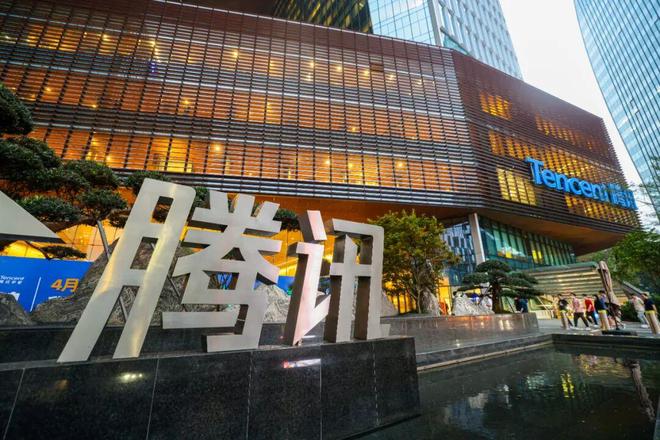
腾讯一度跌破600港元,香港科技股能否重拾升势?
Di Yi Cai Jing Zi Xun· 2025-12-09 09:05
2025.12.09 红蚁资本投资总监李泽铭向第一财经记者表示,腾讯近期表现相对疲弱,股价跌破600港元后,已位于 多条均线下方,同时跌破10月中旬及11月中旬的低点。 "近日相较于大盘,腾讯走势明显偏弱,恒生指数尚未跌破10月及11月的低点,而腾讯作为权重股已失 守过去两个月的支撑区间。"他认为,这种调整更多受投资情绪影响,腾讯自身业务并未受到平台经济 竞争加剧或芯片入口竞争等因素冲击。无论是社交媒体、游戏、广告,还是企业云服务,除企业服务 外,其余三大业务领域均具备较高行业壁垒,腾讯在相关赛道竞争优势显著,业务增长相对稳定。 李泽铭称,展望后市行情,市场期待的外部催化则包括美联储进一步降息、流动性预期改善,美国总统 特朗普提名美联储新任候选人,以及人工智能AI应用落地带来的投资回报。在科技板块整体调整过程 中,若寻求风险较低、具备反弹潜力的标的,腾讯控股依然是比较好的选择。 光大证券国际策略师伍礼贤向第一财经分析,近期港股整体回落过程中,恒生科技指数表现相对稳健, 此前科技股已提前调整,因此在大盘进一步回落阶段,科技指数跌幅相对温和。中长期来看,科技股仍 具备表现机会。港交所当日推出"科技100"新指数也 ...


禁向“小哥”转嫁涉税义务彰显政策温度
Sou Hu Cai Jing· 2025-12-08 22:15
Core Viewpoint - The new tax regulation aims to protect gig economy workers by alleviating their tax burdens and preventing platform companies from shifting tax obligations onto them [2][3]. Group 1: Tax Regulation Implementation - Over 7,000 domestic and foreign platform companies have fulfilled their tax information reporting obligations since the regulation was announced in June [1]. - Workers engaged in delivery, transportation, and domestic services are not required to report their income if they qualify for tax exemptions or do not owe taxes [2]. Group 2: Benefits for Gig Workers - Workers earning below 120,000 yuan annually are exempt from individual income tax and will not face additional tax risks due to information reporting [2]. - The tax authority has introduced a cumulative withholding method for individual income tax, which offers higher deductions and lower tax rates compared to previous methods [2]. - Monthly sales below 100,000 yuan are exempt from value-added tax, further reducing the financial burden on gig workers [2]. Group 3: Policy Goals and Future Actions - The regulation aims to enhance tax compliance while reducing the compliance costs for gig workers, thereby encouraging their participation in the economy [2][3]. - Continuous efforts are needed to ensure effective enforcement against platforms that misuse tax withholding practices, requiring a robust complaint response mechanism [3]. - The regulation reflects a commitment to recognizing and protecting the rights of gig workers, emphasizing the importance of fair treatment in the evolving platform economy [3].
税务总局:报送涉税信息后,各类“小哥”收入和税负均未受到影响
Xin Jing Bao· 2025-12-08 07:25
Group 1 - The core viewpoint of the news is that the tax revenue in China has shown a positive trend, with tax authorities collecting over 29 trillion yuan in tax and fee income from January to November, indicating a stable economic situation [1] - The tax revenue (excluding export tax rebates) exceeded 16 trillion yuan, reflecting the ongoing improvement in the economic landscape [1] Group 2 - The tax authorities have seen a nearly fourfold increase in handling cross-regional tax-related business for taxpayers this year, with inter-provincial trade sales accounting for 41.1% of national sales revenue, up 0.8 percentage points year-on-year [2] - The number of provinces experiencing growth in inter-provincial trade has increased from 19 to 27, indicating a deepening of trade connections between provinces [2] Group 3 - The tax authorities have implemented strict measures against local governments engaging in illegal investment attraction practices, which disrupt the national unified market [2][3] - A set of four prohibitions has been established for local tax authorities to prevent them from participating in or facilitating illegal tax incentives [2][3] Group 4 - Over 7,000 platform companies have reported tax-related information since the implementation of the new regulations, leading to a 12.7% year-on-year increase in tax payments by platform operators [4] - The regulations have resulted in a reduction of "brushing" activities that artificially inflate traffic, and the number of "shell platforms" has also decreased [4][5] Group 5 - The implementation of the regulations has encouraged small-scale taxpayers to request invoices from suppliers, resulting in a 22% year-on-year increase in invoice amounts obtained by these taxpayers [5] - Previously hidden issues, such as tax evasion through income concealment and income splitting, have become easier to detect, providing a solid foundation for compliance [5] Group 6 - The regulations do not impose additional burdens on delivery and service personnel, ensuring their daily work and income remain unaffected [6] - The tax authorities have prohibited platforms from over-deducting fees during tax withholding, protecting the rights of service workers [6] Group 7 - The tax authorities have cracked down on tax evasion cases involving high-risk gas stations and celebrities, recovering over 15 billion yuan in tax payments from 1,818 individuals [7] - A total of 39,04 high-risk gas stations have been investigated, resulting in a recovery of 41.63 billion yuan in tax payments [7] - The authorities have maintained a high-pressure stance against fraudulent tax practices, inspecting nearly 69,600 enterprises suspected of tax fraud this year [7]
河南“十五五”规划建议:促进实体经济和数智经济深度融合
Zheng Quan Shi Bao Wang· 2025-12-07 23:44
人民财讯12月8日电,中共河南省委关于制定河南省国民经济和社会发展第十五个五年规划的建议发 布,其中提到,促进实体经济和数智经济深度融合。抢抓数字化变革机遇,发挥海量数据(603138)和 丰富应用场景优势,推动数字科技创新与产业创新互促共进,加快建设数字(智)河南。开展"数据要 素×"行动,实施工业互联网创新发展工程,推动企业"上云、用数、赋能",催生新产业(300832)、新 模式。全面实施"人工智能+"行动,加快高价值应用场景培育和开放,建设重点行业领域垂直大模型, 推进人工智能技术深度嵌入生产制造核心环节,全方位赋能千行百业。推动平台经济创新和健康发展。 健全数智经济发展机制,深化国家数据要素综合试验区建设。 ...
国家市场监督管理总局:国家标准为外卖平台竞争划底线
Ren Min Ri Bao· 2025-12-05 00:39
Core Viewpoint - The new national standard for food delivery platforms aims to address irrational competition among platforms, which has led to negative externalities affecting merchants, service quality, and food safety. The standard seeks to regulate service management and improve overall service quality in the industry [1]. Group 1: Regulation of Competition - The standard prohibits platforms from forcing merchants to participate in promotions, ensuring that merchants retain their pricing autonomy and are not penalized for opting out of platform-led promotions [2][3]. - It distinguishes between platform-initiated promotions and merchant-initiated promotions, mandating that platforms bear the costs of their own promotions and clearly communicate this to consumers [2]. Group 2: Transparency in Fees - The standard simplifies the fee structure for merchants, categorizing fees into three main types: technology service fees, delivery service fees, and promotional service fees, ensuring merchants understand what they are being charged for [4]. - It emphasizes the need for platforms to disclose fee structures transparently and to provide detailed billing information to merchants, enhancing overall fee transparency [4]. Group 3: Food Safety and Merchant Management - The standard mandates platforms to enforce strict entry requirements for merchants, including the submission of specific documentation and visual evidence of their operations, to combat the issue of "ghost restaurants" [5][6]. - Platforms are required to implement a monitoring system for merchant compliance and to conduct regular checks on merchant operations to ensure food safety [6]. Group 4: Delivery Personnel Rights - The standard calls for the optimization of delivery algorithms to improve delivery efficiency and reduce pressure on delivery personnel, including specific guidelines for calculating delivery times [7]. - It advocates for fair compensation for delivery personnel, including additional pay for work during holidays and adverse conditions, and emphasizes the importance of respecting their right to rest [7][8].
加强食品安全 国家标准为外卖平台竞争划底线
Ren Min Ri Bao· 2025-12-04 23:47
外卖平台是连接餐饮商户、消费者、配送员的枢纽,是平台经济的重要组成部分。今年上半年,外卖平 台竞争加剧,平台企业之间非理性竞争导致了明显的负外部效应,出现了诸如市场价格信号失灵、平台 内商户利益受损、餐品服务质量降低以及食品浪费等一系列问题,引起广泛关注。 规范促销宣传行为。商户通过竞价排名、付费置顶等方式推广商品,平台应明确标记为"广告",供消费 者识别;不能采用隐藏部分费用、宣传"零元购"等夸张标签、过度重复推送等手段开展营销活动。同 时,平台开展促销活动,应至少提前7天将促销的范围、规则等信息告知商户,为商户留好准备时间。 保障商户自主权。标准提出,要充分保障商户经营的自主权,平台不能通过各种方式强制或者变相强制 商户参与促销活动,应当充分保障参与平台价格促销商户的自主定价权。对未参与平台价格促销的商 户,平台不能采取降低自然搜索排序、限制流量等行为进行限制。 简化收费规则,让商户清楚"收什么、收多少" 问:针对很多餐饮商户反映的平台收费不透明不合理的问题,标准有什么规定? 答:标准在法律法规规章等要求基础上,从多维度对外卖平台收费行为进行了细化和补充。 12月2日,《外卖平台服务管理基本要求》推荐性国 ...
【新华解读】外卖平台“新国标”发布实施 聚焦突出问题为市场立新规
Xin Hua She· 2025-12-04 14:24
新华财经北京12月4日电 (记者赵文君)治理"幽灵外卖"、规范平台收费和促销行为、保障外卖小哥权 益……市场监管总局近日发布实施外卖平台推荐性国家标准《外卖平台服务管理基本要求》。 市场监管总局网监司有关负责人表示,这一标准旨在引导外卖平台规范服务管理行为,提升服务质量, 将进一步推动外卖行业在良性竞争中创新发展。 业内人士表示,作为推动平台经济高质量发展、回应民生关切的重要举措,标准精准回应了当前外卖行 业的核心痛点,以有效举措引导规范平台收费、规范促销活动、保障劳动者权益等,推动行业从"流量 驱动"的无序竞争,转向"服务驱动"的健康生态。 针对"幽灵外卖"等突出问题,守护消费者"舌尖上的安全"—— 市场监管总局网监司副司长王丹丹说,标准聚焦平台内商户管理,强化主体责任落实。通过规范商户入 驻审核、加强日常运营管理以及推进"互联网+明厨亮灶"等措施,引导外卖平台切实履行食品安全主体 责任。 例如,在加强商户入驻管理方面,平台应设置专门的团队和人员,通过人工或者技术手段对商户提供的 信息进行审核,除要求商户提供相应证照信息外,还要审核商户实际经营环境,对符合条件的商户要标 注"堂食"字样。平台要公示商户有效的 ...
外卖平台“新国标”发布实施 聚焦突出问题为市场立新规
Xin Hua Wang· 2025-12-04 13:48
治理"幽灵外卖"、规范平台收费和促销行为、保障外卖小哥权益……市场监管总局近日发布实施外卖平 台推荐性国家标准《外卖平台服务管理基本要求》。 市场监管总局网监司有关负责人表示,这一标准旨在引导外卖平台规范服务管理行为,提升服务质量, 将进一步推动外卖行业在良性竞争中创新发展。 业内人士表示,作为推动平台经济高质量发展、回应民生关切的重要举措,标准精准回应了当前外卖行 业的核心痛点,以有效举措引导规范平台收费、规范促销活动、保障劳动者权益等,推动行业从"流量 驱动"的无序竞争,转向"服务驱动"的健康生态。 针对"幽灵外卖"等突出问题,守护消费者"舌尖上的安全"—— 例如,标准区分了"平台价格促销"与"商户价格促销"两种促销方式,明确提出平台价格促销相应成本应 当由平台自身承担,不能通过推广工具捆绑、临时上调服务收费等方式,将促销活动成本变相转嫁给商 户或配送员。 一方面,平台不能通过各种方式强制或者变相强制商户参与促销活动;另一方面,平台不能干预参与活 动商户的自主定价权,要求商户开展低价促销。同时,对未参加平台促销的商户,平台也不能采取降低 自然搜索排序、限制流量等行为对其经营活动进行限制。 为引导平台理性竞 ...
新华解码丨外卖平台“新国标”发布实施 聚焦突出问题为市场立新规
Xin Hua Wang· 2025-12-04 13:12
治理"幽灵外卖"、规范平台收费和促销行为、保障外卖小哥权益……市场监管总局近日发布实施外 卖平台推荐性国家标准《外卖平台服务管理基本要求》。 新华社北京12月4日电 题:外卖平台"新国标"发布实施 聚焦突出问题为市场立新规 新华社记者赵文君 例如,标准区分了"平台价格促销"与"商户价格促销"两种促销方式,明确提出平台价格促销相应成 本应当由平台自身承担,不能通过推广工具捆绑、临时上调服务收费等方式,将促销活动成本变相转嫁 给商户或配送员。 一方面,平台不能通过各种方式强制或者变相强制商户参与促销活动;另一方面,平台不能干预参 与活动商户的自主定价权,要求商户开展低价促销。同时,对未参加平台促销的商户,平台也不能采取 降低自然搜索排序、限制流量等行为对其经营活动进行限制。 市场监管总局网监司有关负责人表示,这一标准旨在引导外卖平台规范服务管理行为,提升服务质 量,将进一步推动外卖行业在良性竞争中创新发展。 业内人士表示,作为推动平台经济高质量发展、回应民生关切的重要举措,标准精准回应了当前外 卖行业的核心痛点,以有效举措引导规范平台收费、规范促销活动、保障劳动者权益等,推动行业 从"流量驱动"的无序竞争,转向" ...
浙江“十五五”规划建议:聚焦具身智能、智能驾驶等重点领域建设全国领先的核心产业集群
Zheng Quan Shi Bao Wang· 2025-12-03 00:09
人民财讯12月3日电,中共浙江省委关于制定浙江省国民经济和社会发展第十五个五年规划的建议发 布,其中提到,打造人工智能创新发展高地。持续深化"数字浙江"建设,积极抢占人工智能发展制高 点。深入推进国家数据要素综合试验区建设,深化数据资源化市场化改革,健全数据要素基础制度,大 力建设高质量语料库和数据集。加快打造国家算力枢纽节点,构建新型算力体系。营造全球最优的开源 开放生态,巩固拓展模型建设领跑地位。聚焦具身智能、智能驾驶等重点领域建设全国领先的核心产业 集群,推动智能产品和智能终端创新,构建芯片、大模型、智能体、应用服务、智能终端等全产业链协 同发展格局。全面实施"人工智能+"行动,以人工智能引领科研范式变革,加强人工智能同产业发展、 消费提质、文化建设、民生保障、社会治理等相结合,全方位赋能千行百业。建立健全全社会人工智能 普及教育体系,提升全社会人工智能素养。加强人工智能治理。深化国家数字经济创新发展试验区建 设,推进实体经济和数字经济深度融合,培育数字化车间、智能工厂、未来工厂,打造智能制造发展高 地。推动平台经济创新和健康发展,建设平台经济高质量发展强省。加快数字政府2.0建设。 ...