中美贸易战

Search documents
特朗普关税让东南亚从中国进口增2成
3 6 Ke· 2025-05-27 04:48
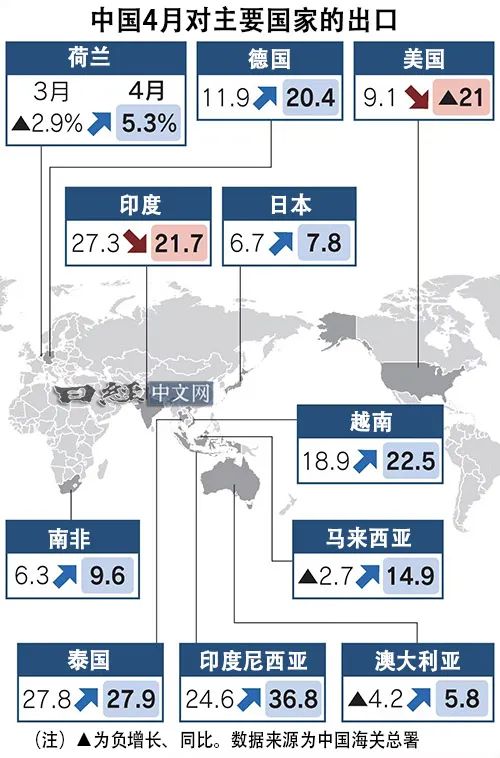
Group 1 - China's exports to ASEAN increased by 21% year-on-year in April, compensating for a 21% decline in exports to the United States due to high tariffs imposed by the Trump administration [1][3] - Exports to Southeast Asian countries, particularly Vietnam, Thailand, and Indonesia, saw growth of 20-30%, while exports to Singapore and Malaysia rebounded by 15% in April after a decline in March [1][3] - The transition period for U.S. tariffs has led to a surge in Vietnamese exports to the U.S., with a year-on-year increase of over 30% in April, prompting an increase in imports of raw materials from China [3] Group 2 - In Indonesia, the import of Chinese electric vehicles (EVs) surged, with sales reaching four times the volume of the previous year, accounting for 14% of new car sales [4] - The influx of low-priced Chinese products is causing disruptions in local industries in Indonesia, leading to factory closures and layoffs in the textile and footwear sectors [4] - Malaysia has implemented anti-dumping duties on certain Chinese imports, reflecting growing resistance against the influx of low-priced Chinese goods [4][5]

特朗普关税让东南亚从中国进口增2成
日经中文网· 2025-05-27 03:19
Core Viewpoint - China's exports to ASEAN increased by 21% year-on-year in April, compensating for a 21% decline in exports to the United States due to high tariffs imposed by the Trump administration [1][3]. Group 1: Trade Dynamics - Exports to ASEAN countries, particularly Vietnam, Thailand, and Indonesia, saw a growth of 20-30% in April, while exports to Singapore and Malaysia rebounded by 15% after a decline in March [1]. - The decline in exports to the U.S. has led to an increase in imports from China by ASEAN countries, with electrical products and components from China rising by 54% and machinery by 44% in Vietnam [2][3]. Group 2: Impact on Industries - The automotive sector in Indonesia experienced a significant increase in the import of Chinese electric vehicles, with sales reaching four times that of the previous year, accounting for 14% of new car sales [3]. - The textile and footwear industries in Indonesia are facing factory closures and layoffs due to the influx of low-priced Chinese products, raising concerns about increased competition for local businesses [4]. Group 3: Government Responses - Malaysia has implemented anti-dumping duties on certain Chinese products, such as PET used for plastic bottles, in response to the rising influx of low-priced imports [5]. - India has also introduced emergency import restrictions on certain steel products from China, imposing a temporary 12% import duty [5].
新西兰央行料连续第六次降息 暗示政策宽松不止步
智通财经网· 2025-05-26 23:24
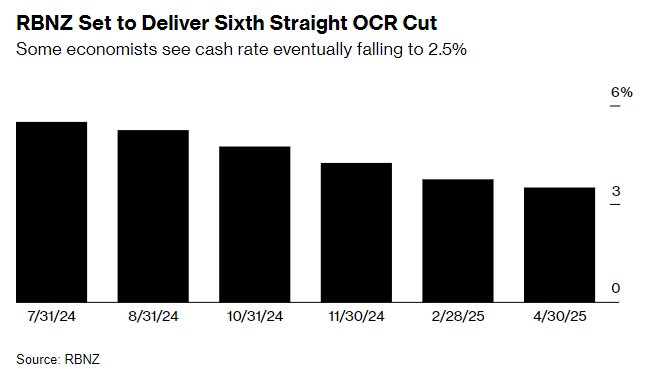
Core Viewpoint - The Reserve Bank of New Zealand is expected to announce a rate cut for the sixth consecutive meeting, influenced by the economic outlook affected by U.S. trade barriers [1][4]. Group 1: Monetary Policy Expectations - A survey of 23 economists indicates that 22 predict the official cash rate (OCR) will be lowered by 25 basis points to 3.25%, with only one expecting a 50 basis point cut [1]. - The central bank may signal further rate cuts, with predictions that the OCR could drop below 3% this year [1]. - Economists forecast the OCR to be adjusted down to approximately 2.9% by the end of 2025 [4]. Group 2: Economic Conditions - The Reserve Bank has noted that U.S. tariff policies pose downward risks to economic activity and inflation, allowing for further rate cuts [4]. - Despite a recent easing of trade tensions, ongoing uncertainty is expected to hinder New Zealand's recovery from last year's recession [4]. - The unemployment rate remained stable at 5.1%, which is better than market expectations, while commodity prices have remained strong and inflation expectations have risen [4]. Group 3: Inflation and Real Estate Market - Inflation is projected to accelerate from the current rate of 2.2% towards the upper end of the central bank's target range of 1-3%, before slowing again next year [5]. - The real estate market continues to be sluggish, and declining business confidence is noted, with the government's recent budget tightening expected to create conditions for further rate cuts [5]. - Some economists predict the OCR could be lowered to 2.5% this year, while the market generally sees a higher likelihood of a drop to 2.75% [5]. Group 4: Strategic Policy Adjustments - The current environment provides ample strategic adjustment space for policymakers [6]. - The expectation is that the Reserve Bank will eventually lower the OCR to 2.5%, but it is not anticipated that a clear signal will be given at this stage [6].
难怪特朗普等不来中方邀请,关键时刻,外长在京会见另一美国客人
Sou Hu Cai Jing· 2025-05-26 02:31
当然了,中方的斗争除了维护自身的利益以外,其实也是为了广大发展中国家的利益。在梁建军说了这 样一番话的次日,中国外交部长王毅在北京会见了美国亚洲协会会长康京如,与此同时,副外长马朝旭 会见了美国新任驻华大使庞德伟。不搭理特朗普的访华需求,转头与美国其他人会面,在当前的敏感时 刻,很显然,这背后是有一定深意的。比如王毅所说,中方倡导合作,对美国政策稳定且继续,相比之 下,美方是怎么做的?却在会谈有了成果之后封杀中国芯片,甚至不惜搞单边霸凌,对中国是极为的不 友好。对此,中方自然是坚决不接受的。 目前,距离美国总统特朗普释放访华意愿已经过去了好几天,至今却仍然未等到中国方面的邀请。中美 双方不是刚就关税问题达成了一致吗?事实上,贸易战仅仅是告一段落,并没有真正解决。换句话来 说,美国始终对中国存在敌意,想要继续针对中国。所以,中方为何对特朗普访华请求不予以回应?说 白了,就是很清楚特朗普政府的那点小心思。表面释放善意,实则是想着怎么继续遏制打压中国。这两 天,从我们的行动来看,信号已经是比较明显了,即美方若是不彻底纠正错误的话,或者至少释放出改 正错误的诚意,那么不好意思,特朗普恐怖收不到访华的邀请。 具体动作, ...
胆子也太大了!一觉醒来,美国对华下2道“战书”,中国没有退路了
Sou Hu Cai Jing· 2025-05-25 03:12
Group 1 - The Trump administration is imposing high port fees on Chinese-owned, operated, and constructed vessels, along with new tariffs on Chinese-manufactured cranes, facing strong opposition from industry insiders [1] - A public hearing recently focused on proposed tariffs of 100% on STS cranes and 20% to 100% on cargo handling equipment such as containers and chassis [1] - The U.S. Department of Commerce announced that China agreed to engage in talks with the U.S., marking a potential turning point in the ongoing U.S.-China trade war [1] Group 2 - The U.S.-China negotiations have reached a stalemate, with the Trump administration issuing "two war notices" and Secretary of State Rubio labeling China as a "major challenge" [3] - The uncertainty in U.S.-China economic relations persists, especially after the 90-day transition period, with a possibility of renewed tariffs following historical patterns of sudden policy shifts [3] - The U.S. government has exhausted its rhetoric to promote its tariff policies, aiming to force foreign companies to relocate production to the U.S. for manufacturing revival [5] Group 3 - Experts suggest that the tariff war reveals weaknesses in the U.S. economy, as the imposition of tariffs has significantly impacted domestic economic conditions [5] - The long-term benefits of tariff policies for U.S. businesses and consumers are questioned, as companies face challenges amid government pressures [7] - The U.S. government is unlikely to retract its tariff policies and may even escalate them, despite warnings from the Federal Reserve regarding inflation risks [7]
中美互降关税后,美国很难承受!特朗普迫不及待,想亲自飞到中国谈判
Sou Hu Cai Jing· 2025-05-23 03:06
Group 1 - Trump's recent Middle East trip resulted in significant investment commitments, including $600 billion from Saudi Arabia and $243 billion from Qatar, totaling $2 trillion in orders [1][5] - Trump expressed a desire to visit China, indicating the importance of U.S.-China relations amidst ongoing trade tensions [5][7] - The U.S. plans to communicate new tariff rates to around 150 countries through letters, rather than individual negotiations, reflecting a shift in trade strategy [3][5] Group 2 - The current state of U.S.-China relations is described as a "beginning" of a trade war, with ongoing tariffs affecting U.S. agricultural exports, particularly soybeans [7][8] - Trump's administration is facing pressure to address the impact of tariffs on American consumers, as indicated by his request to Walmart not to pass on tariff costs [5][7] - The fragility of global supply chains has been highlighted as a consequence of Trump's political maneuvers, suggesting potential vulnerabilities for industries reliant on international trade [8]
中美谈妥,美率先低头?李嘉诚旗下集团终于打破沉默,港口不卖了?
Sou Hu Cai Jing· 2025-05-20 11:21
据环球时报报道,近日中美发布日内瓦经贸会谈联合声明。商务部新闻发言人表示,本次中美经贸高层会谈取得实质性进展,大幅降低双边 关税水平。这一举措符合两国生产者和消费者的期待,也符合两国利益和世界共同利益。接受《环球时报》记者采访的专家表示,会谈取得 了实质性成果,好于预期。但也应持谨慎乐观态度,中美还将围绕关税展开持续谈判。根据商务部官网消息,美方承诺取消根据2025年4月8 日第14259号行政令和2025年4月9日第14266号行政令对中国商品加征的共计91%的关税。 自特朗普上台以来,美国出于种种考虑,悍然对华发动了疯狂无比的贸易战和关税战,对于美国方面的主动进攻,中方不仅亮出了"坚决反 制、奉陪到底"八个大字予以回应,而且还先后打出了包括限制稀土出口、停止接收波音飞机、停止美国部分农产品企业对华输入产品的资质 等。美高额关税严重损害双边正常经贸往来,实际上冻结了原本欣欣向荣的中美贸易,这对世界经济秩序产生了极大的冲击,同时也让原本 就状况不佳的美国经济再受打击。 特朗普(资料图) 而长和选择此时回应的背景值得关注。原计划中,该交易将在5月22日的股东周年大会上讨论,但近期来自股东、媒体及监管部门的密集关 ...

特朗普收到令人失望的消息:中美谈归谈,稀土这块中方没打算放宽
Sou Hu Cai Jing· 2025-05-20 05:44
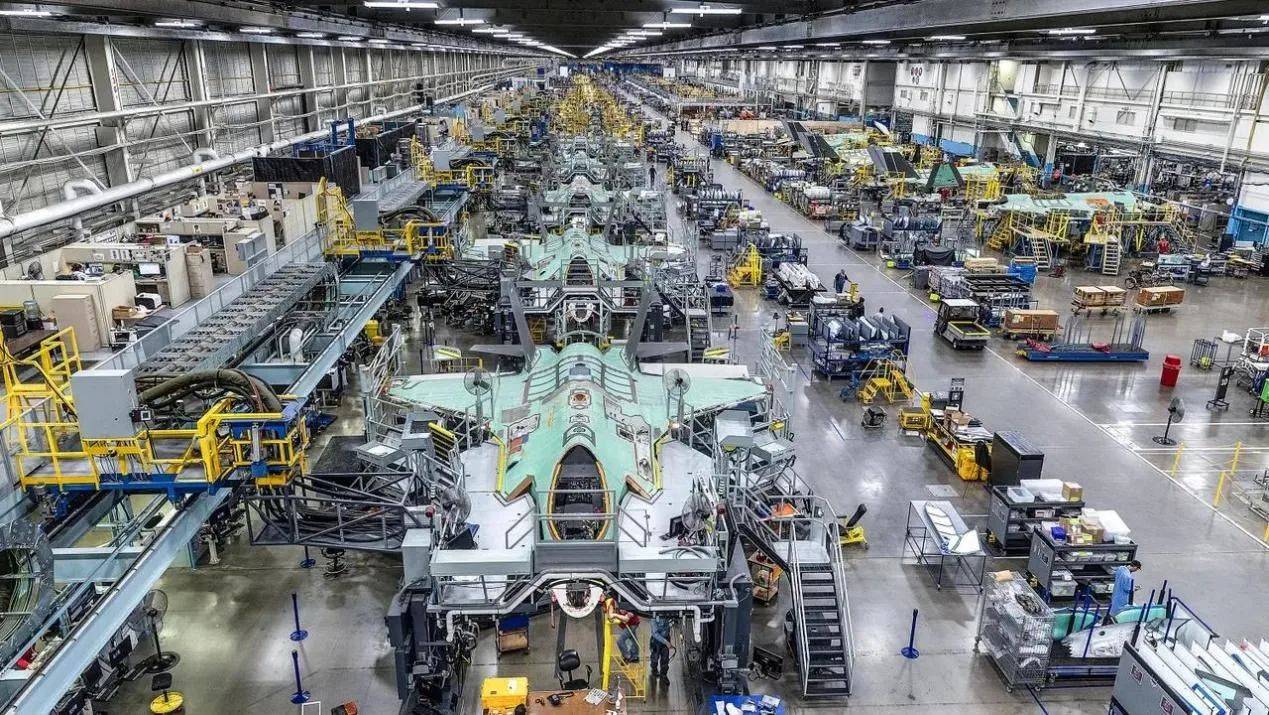
据报道,美国和中国互相暂停关税后,稀土出口现在成为焦点,"美国《财富》杂志5月12日报道称,美国希望能保持对中国稀土的获取渠道,而中国则将其 在稀土领域的主导地位视为一种可以用来抵御美国威胁的"武器",这使得该问题成为两国经贸协议中最须谨慎对待的部分之一。在中国的出口管制下,《财 富》杂志指出,美国希望保持稀土矿的稳定出口,也开始寻找其他稀土产地,比如格陵兰岛和乌克兰,但他们的开采程度都不及中国,开采稀土元素成本高 昂,因此很难开展。 稀土(资料图) 中方已经着手建立一个覆盖了稀土开采、提炼,稀土产品生产、出口等领域的监控体系。而这个体系所确保的,便是我国稀土资源开采、提炼技术的"绝 招"牢牢掌握在自己手中。事实上,中方接踵而至的行动不仅说明我们继续收紧稀土包围网的决心,更昭示了中方贯彻"谈,敞开大门。打,奉陪到底"这一 原则的决心:谈判?当然可以。但稀土这块的管控绝不会放松,这是中方的底线之一。 美国军工厂(资料图) 报道指出,中国稀土出口管制的影响迅速显现,美国军事、能源、高科技等一系列关键行业的生产面临中断。 在过去30年里,中国在稀土开采和提炼方面始终具有主导力。 据国际能源署数据,2023年中国占全 ...
特朗普心腹提前放风:美国正重启对华关系,未来90天还有大事要谈
Sou Hu Cai Jing· 2025-05-20 05:25
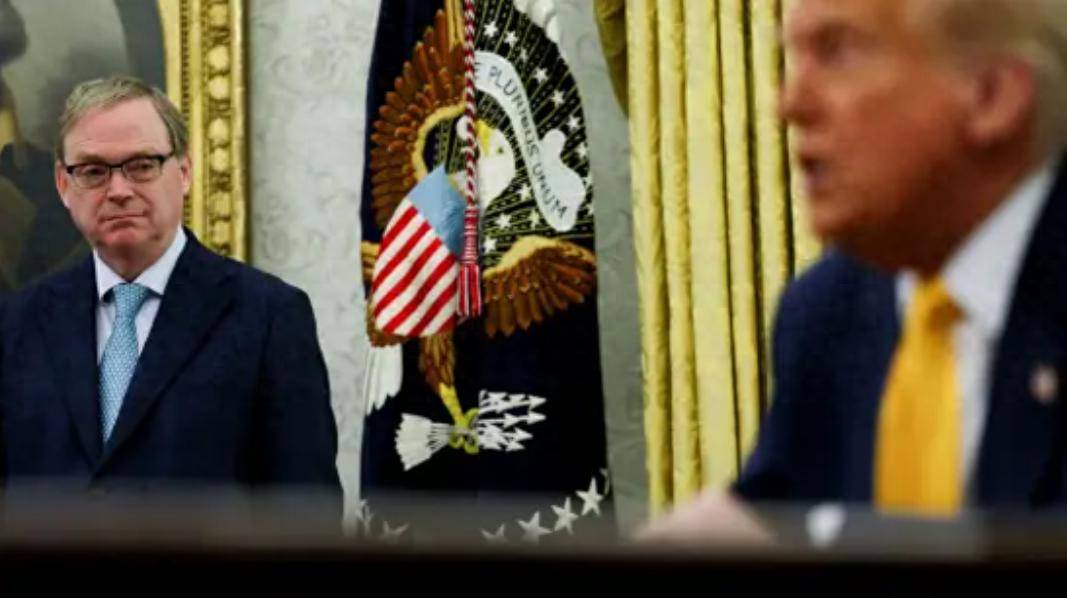
Core Insights - The article discusses the recent developments in US-China relations, highlighting the US's intention to restart negotiations and the lessons learned from the recent tariff conflict [3][7]. Group 1: US-China Relations - The US is eager to "restart" relations with China and aims to reach a broader agreement within the next 90 days [3][7]. - The recent tariff conflict has taught the Trump administration that aggressive tactics like tariffs may backfire, leading to a need for high-level communication between the two nations [3][9]. Group 2: US Policy Dynamics - The unpredictability of the current US administration's policy direction is acknowledged, with decisions often influenced by domestic political pressures and emotional responses [7][9]. - The 90-day negotiation window may be too long, allowing for potential shifts in Trump's stance, which could complicate the negotiation process [9]. Group 3: China's Position - China is portrayed as having a steady development pace, indicating that it will not be swayed by US tactics during negotiations [9][11]. - The article emphasizes that if the US approaches negotiations with hostility, it will not yield favorable results for them [11].
中美各自取消91%关税,为防止特朗普变卦,中方保留最大“王牌”
Sou Hu Cai Jing· 2025-05-20 04:34
Group 1 - The core viewpoint of the articles indicates that the trade war initiated by President Trump has failed, with recent agreements seen as a retreat rather than a victory for the U.S. [1] - The U.S. has agreed to significantly reduce tariffs on Chinese goods, with a notable increase of 300% in container bookings from China, indicating a strong recovery in trade activities [1] - The joint statement from the U.S. and China announced the cancellation of 91% of the imposed tariffs and a 90-day suspension of 24% "reciprocal tariffs," marking a substantial easing of tensions [1][3] Group 2 - China has emphasized the importance of controlling strategic mineral exports and has taken measures to address smuggling issues, indicating a cautious approach despite the tariff reductions [3] - The language used in the joint statement reflects a mutual understanding and respect, suggesting a shift towards cooperation rather than confrontation in trade relations [3] - The U.S. business community is calling for further tariff reductions, particularly regarding the 20% tariff on Chinese goods related to fentanyl, but there are political tensions surrounding this issue [5] Group 3 - The unpredictable nature of U.S. tariff policies under Trump has created significant uncertainty for U.S.-China trade, leading businesses to adopt a cautious stance when accepting large orders from the U.S. [6] - The Federal Reserve is facing challenges in predicting economic and inflation trends due to the fluctuating policies, with Trump urging for interest rate cuts to mitigate inflation caused by tariffs [6]