文化出海

Search documents
东南亚年轻人的手,被中国潮玩攥住了
3 6 Ke· 2025-08-15 01:04
当中国潮玩带着独特的文化基因叩击全球市场,一场奇妙的共振正在发生。 8月1日,曼谷西康广场上,52TOYS新店的玻璃门还没完全推开,提前几小时排起的长队已蜿蜒成贪吃蛇。年轻人举着手机对准橱窗里的NOOK和CiCiLu 首发新品,一阵狂拍。 一周后,同样的场景再次上演。8月8日,坐落于曼谷地标性商圈暹罗天地的泡泡玛特旗舰店盛大开业,人们纷纷与入口处4米高的MOLLY泰国限定雕塑合 影。 据高盛发布的最新报告显示,中国潮玩在海外市场份额从2020年的3%上升至2025年的18%。 曾几何时,万代或是乐高在哪个城市开起大店,总能引来万众瞩目。如今,风水轮流转,终于轮到中国潮玩执掌流量密码。 中国潮玩争着去东南亚"炸场" 去东南亚开店,几乎成了每一个中国潮玩企业发展的必经之路。 以52TOYS为例,2019年,其便借助当地经销商的资源敲开了泰国市场的大门。今年8月新开的门店,已是52TOYS在泰国的第7家品牌店。 泡泡玛特更是把东南亚当成海外"主战场"。2024年年报显示,泡泡玛特东南亚市场收入达24.03亿元,占港澳台及海外总收入的47.4%,较2023年同比增长 619.1%。泡泡玛特方面对《凤凰WEEKLY财经 ...



热卖的毛茸茸“浪浪山天团”,钱塘造
Hang Zhou Ri Bao· 2025-08-14 02:54
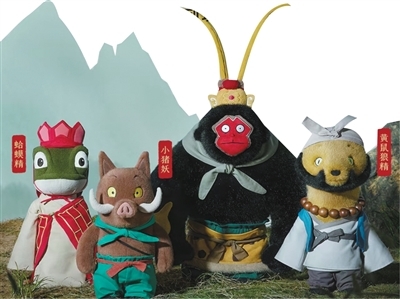
Group 1 - The movie "Wang Wang Mountain Little Monster" has achieved significant success, with box office revenue surpassing 700 million yuan, making it the highest-grossing Chinese domestic 2D animated film [2] - The film's characters, such as the cute pig monster and the chatty toad spirit, have gained a dedicated fan base, leading to a surge in related merchandise sales, particularly plush toys [2] - The collaboration between Hangzhou Wentongzi Cultural Creative Co., Ltd. and the film's production company has resulted in over 30,000 plush toys sold, with pre-orders extending 30 days into the future [2] Group 2 - The popularity of the "Wang Wang Mountain Team" is attributed to both the film's success and the emotional value provided by plush toys, which resonate with consumers in a fast-paced environment [3] - Data from Tmall indicates that plush fabric toys have the highest sales and growth rates in the toy category, reflecting strong consumer interest [3] - The cultural industry in Qiantang District has seen growth, with 156 cultural enterprises generating 19.086 billion yuan in revenue, a year-on-year increase of 11.3% [3]
阅文集团“爆款”加持中期净利增68.5% IP衍生品GMV达4.8亿出海步伐加速
Chang Jiang Shang Bao· 2025-08-13 23:52
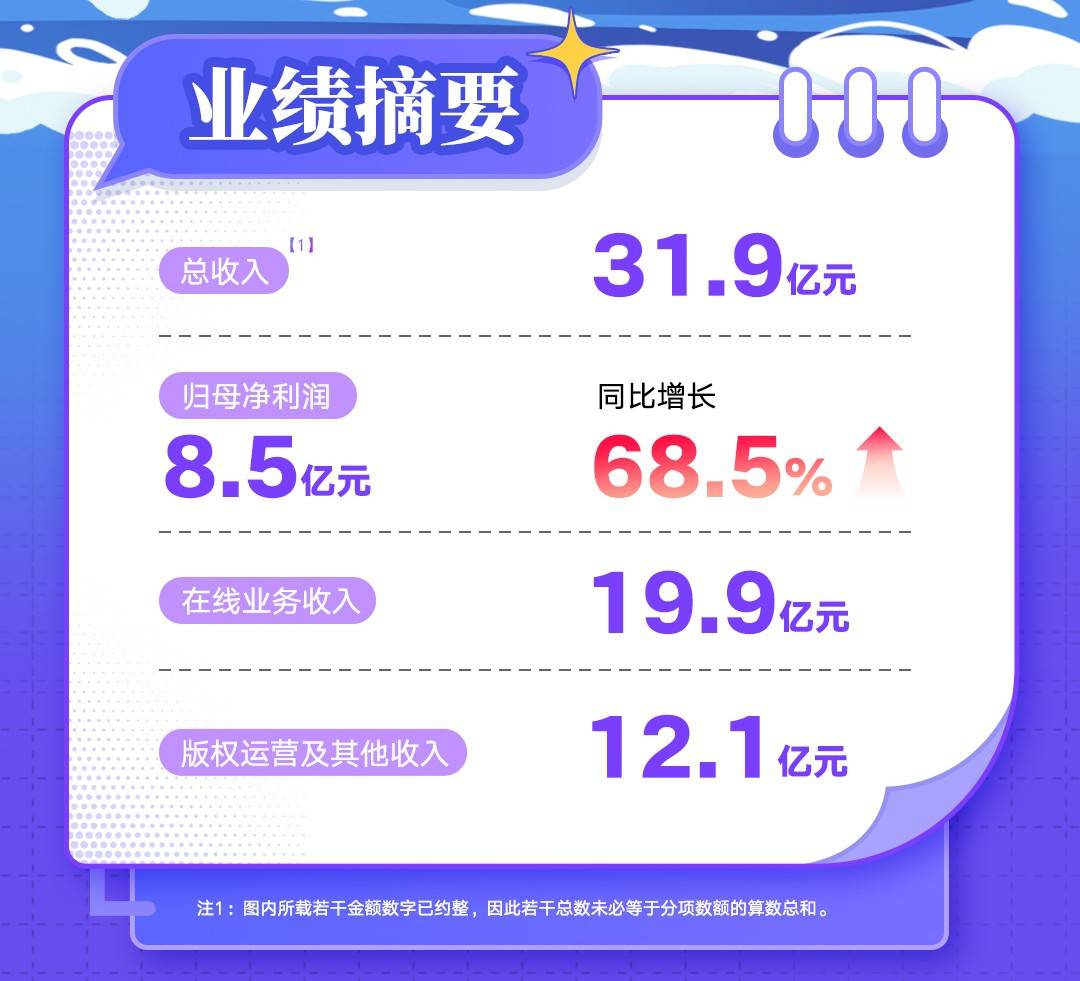
Core Viewpoint - The company continues to strengthen its content creation and IP operation capabilities, despite a decline in revenue, showcasing growth in net profit and advancements in AI integration with its IP ecosystem [1][2][4]. Financial Performance - In the first half of 2025, the company reported total revenue of 3.19 billion yuan, a year-on-year decrease of 23.9%, while net profit reached 850 million yuan, an increase of 68.5% [2][3]. - Online business revenue amounted to 1.99 billion yuan, reflecting a year-on-year growth of 2.3%, driven by increased income from self-owned and third-party platforms [2][3]. IP Operation and Content Ecosystem - The company’s IP operation business demonstrated strong performance, with a GMV of 480 million yuan in IP derivative products, nearing the total of 500 million yuan for the entire year of 2024 [5]. - The online reading platform added 200,000 new authors and 410,000 novels, with a total word count increase of approximately 20 billion [3]. User Engagement and Growth - The average monthly paying user count reached 9.2 million, a year-on-year increase of 4.5%, with significant growth in the number of works receiving high monthly ticket sales [3]. - The company has established a sustainable development model characterized by high-quality content supply and loyal user engagement [3]. AI Integration and International Expansion - The integration of AI technology has significantly enhanced the company's IP ecosystem, with AI translation revenue on the overseas platform WebNovel growing by 38% year-on-year, accounting for over 35% of total revenue [5][6]. - The company has launched innovative AI features, such as the "Miaobi Tongjian" knowledge base, which has increased author interaction with AI by 40% [5]. Market Position and Future Outlook - The company maintains a leading position in the market with successful adaptations of its IP into various media formats, including popular series and animations [4]. - Industry experts believe that the combination of web literature, web series, and online games represents a new wave of cultural export, with the potential for higher valuations in overseas markets [6].
千亿卡牌赛道重磅玩家“闪魂”完成数亿元首轮融资 由姚记科技董事长姚朔斌及卡游原市场总监盛川联合创立
Xin Lang Zheng Quan· 2025-08-13 07:19
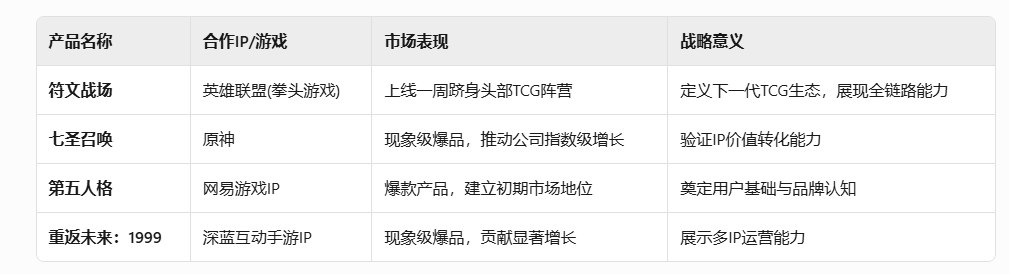
Core Insights - Shanghai Zhenyouqu Cultural Technology Co., Ltd. (brand name "ShiningSoul") has completed a multi-hundred million RMB Series A financing round, led by Hillhouse Capital, with participation from Gao Rong Capital and Kaihui Fund, while Guangyuan Capital acted as the financial advisor [1] - The company focuses on transforming top-tier IP content into card formats, covering the entire chain from IP acquisition to design, issuance, and fan operation [2] Company Overview - ShiningSoul was founded in March 2023 by Yao Shuo Bin, chairman of Yaoji Technology, and industry veteran Sheng Chuan, who serves as CEO [1] - The company has established partnerships with popular IPs such as "Identity V," "Genshin Impact - Seven Saints Summon," and "Return to Future: 1999," with its recent product "Runeterra" quickly entering the top tier of TCGs [2][3] Product Performance - "Runeterra" has achieved significant market performance, ranking among the top TCGs within a week of its launch, showcasing the company's full-chain capabilities [3] - "Seven Saints Summon" has been identified as a phenomenon-level product, driving exponential growth for the company and validating its IP value transformation capabilities [3] - The integration of AI design platforms and digital supply chains supports the company's industrial capabilities, enabling a comprehensive approach from IP authorization to product launch [3] Market Dynamics - The card economy sector is experiencing explosive growth, with over 500 million users in China's subculture market and a tenfold increase potential in per capita card consumption [4] - ShiningSoul's global strategy aligns with policy incentives, aiming to transition from "product export" to "cultural export" [4] - The recent support policies from the National Development and Reform Commission and the Ministry of Culture and Tourism are seen as a significant case of policy translating into industry momentum [4] Industry Impact - ShiningSoul's model is reshaping the card industry landscape, squeezing the survival space of smaller firms and accelerating resource concentration towards leading companies [5] - Traditional card companies that rely on single IPs or distribution channels face transformation pressures [5] Future Challenges - High IP licensing costs may constrain profit margins, and the company must overcome cultural barriers in the European and American markets [5] - Short-term investments in smart technology may dilute profitability, while long-term competitiveness will depend on the ability to incubate original IPs and deepen localized operations [5] Cultural Significance - The financing round signifies a shift in the card industry from entertainment products to cultural symbols, with the combination of capital and industry driving Chinese creativity abroad [6] - If ShiningSoul can continue to excel in binding top-tier IPs, developing original content, and deepening overseas channels, it may evolve from a product manufacturer to a global cultural symbol operator [6]

阅文上半年归母净利同比大增68.5%,短剧爆款率超60%
Sou Hu Cai Jing· 2025-08-12 09:07
Core Viewpoint - In the first half of 2025, the company reported strong financial performance with a revenue of 3.19 billion yuan and a net profit of 850 million yuan, reflecting a year-on-year growth of 68.5% [1][2] Financial Performance - Total revenue reached 3.19 billion yuan, with a net profit of 850 million yuan, marking a 68.5% increase year-on-year [1][2] - Online business revenue was 1.99 billion yuan, while copyright operations and other income amounted to 1.21 billion yuan [2] - Online business revenue grew by 2.3% compared to the previous year [2][6] IP Ecosystem and Content Creation - The company's IP ecosystem demonstrated strong growth resilience, with several adaptations of premium IPs achieving significant success in the film and television market [1][7] - The number of new authors increased by 200,000, and 410,000 new novels were added, with a total of approximately 20 billion new words created [3][6] - The number of new signed authors achieving over 10,000 subscriptions increased by 45% year-on-year [3][4] User Engagement and Growth - The average monthly paid user count reached 9.2 million, reflecting a 4.5% year-on-year increase [6] - The number of works with over 10,000 monthly subscriptions grew by 20%, while those with over 100,000 increased by 200% [6][4] Short Video and Derivative Products - The company’s short video and IP derivative products experienced rapid growth, with GMV for derivative products reaching 480 million yuan, nearing last year's total [11] - The short drama "Good Luck Sweet Wife" achieved over 80 million yuan in revenue, ranking second in the short drama market [11][9] AI Integration and Global Expansion - The company has integrated AI technology into its IP ecosystem, launching the first AI web literature knowledge base, enhancing author interaction and productivity [20] - Revenue from AI-translated works on the overseas platform WebNovel grew by 38%, accounting for over 35% of total platform revenue [20]
上市公司扎堆微短剧 做出新意是关键
Zheng Quan Shi Bao· 2025-08-11 17:35
Core Viewpoint - The rapidly expanding micro-drama market is attracting significant interest from content creators and major film and television companies in China, with platforms like iQIYI, Tencent Video, Douyin, and Kuaishou actively engaging in this sector [1][2]. Group 1: Market Dynamics - The micro-drama market has transitioned from skepticism to acceptance among industry players, with many companies now investing heavily in this format [1]. - iQIYI's founder publicly advocated for the industry to embrace micro-dramas, leading to increased investment in this area [1]. - A-share companies are also significantly investing in micro-dramas, with some viewing it as a key business transformation direction [1]. Group 2: Company Involvement - Large film and television companies are entering the micro-drama space, leveraging their financial strength and production capabilities to enhance content quality [2]. - The involvement of major companies is crucial for improving the overall quality of micro-dramas and changing public perception of them as "poorly made" [2]. Group 3: Market Potential - By 2024, the market size of micro-dramas in China has surpassed that of box office revenues, with user numbers approaching 600 million [3]. - To sustain growth in this large and rapidly expanding market, companies need to focus on producing high-quality micro-dramas rather than solely relying on attracting users through trending topics [3].
传媒行业周报:GPT-5发布,心动公司25H1净利润预增约25%-20250811
Guoyuan Securities· 2025-08-11 13:36
Investment Rating - The report maintains a "Buy" rating for several companies in the media industry, including Giant Network, Kairun Network, and Xindong Company [6][9]. Core Views - The report highlights a significant increase in net profit for Xindong Company, projecting a growth of approximately 215% year-on-year for the first half of 2025 [3][45]. - The media industry saw a weekly increase of 2.30%, outperforming the Shanghai Composite Index and Shenzhen Component Index [12][19]. - The report emphasizes the potential in AI applications and cultural exports, particularly in gaming, IP, short dramas, and publishing sectors [4][45]. Market Performance - The media industry (Shenwan) ranked 15th among industries with a weekly increase of 2.30%, while the Shanghai Composite Index rose by 2.11% [12][19]. - Notable performers in the media sector included Jishi Media, Giant Network, and Jibite, with significant weekly gains [19][20]. Industry Key Data AI Applications - In July, ChatGPT and New Bing ranked first and second globally in AI web traffic, with ChatGPT achieving 5.91 billion visits [24][26]. - Domestic AI applications saw Quark leading with a monthly active user (MAU) count of 155.60 million, while DeepSeek had 82.93 million MAU [27][29]. Gaming - In July 2025, 32 Chinese companies made it to the global top 100 mobile game publishers, collectively earning $1.95 billion, accounting for 34% of the total revenue [33][34]. - The top three best-selling games as of August 7, 2025, were "Honor of Kings," "Peacekeeper Elite," and "Golden Shovel Battle" [30][33]. Film - The total box office for the week of August 2 to August 7 reached 1.459 billion yuan, with "Nanjing Photo Studio" leading at 831.69 million yuan [42][43]. - Upcoming films include eight titles set to release between August 10 and August 15, 2025 [44]. Investment Recommendations - The report recommends focusing on themes such as AI applications and cultural exports, with particular attention to gaming, IP, short dramas, and publishing sectors [4][45].


传播自己的文化、成为别人的产品⋯⋯走进漫博会,解码东莞何以成为“中国潮玩之都”
Mei Ri Jing Ji Xin Wen· 2025-08-09 16:14
Core Viewpoint - Dongguan has been recognized as the "Chinese Toy City," with a vibrant潮玩 (trendy toy) industry that produces 85% of China's潮玩 products and a quarter of the world's anime derivatives, driven by a youthful population and cultural dynamism [1][12]. Industry Overview - Dongguan's潮玩 industry is concentrated in over 30 towns, with Shipaijun accounting for 30% of the industry's output and housing the most潮玩 companies and brands [1]. - The city has over 4,000 toy manufacturing companies and nearly 1,500 supporting enterprises, with a total output value exceeding 238 billion yuan [10][12]. Market Dynamics - The success of popular IPs like "Nezha" and Labubu has significantly boosted the潮玩 industry, with some companies experiencing order increases from 300,000 to 3 million units [2][5]. - The潮玩 market is transitioning from pure OEM (Original Equipment Manufacturer) to a mature IP incubation system, with companies like 富之馀 and 城仕文化 leading this shift [6][9]. Cultural Integration - Dongguan is moving towards creating its own cultural IPs, with a focus on integrating traditional Chinese culture into modern潮玩 products [13][15]. - The city aims to enhance its cultural exports by developing strong IPs that can be utilized by international companies [15][16]. International Collaboration - Thai companies are increasingly seeking Dongguan for its superior craftsmanship and competitive pricing, indicating the city's growing reputation in the global market [10][11]. - Dongguan's潮玩 manufacturing processes are recognized for their efficiency, quality, and cost advantages, making it a preferred choice for international clients [11]. Future Prospects - The local government is actively promoting the潮玩 and animation industry through various initiatives, including a 120 million yuan support fund aimed at fostering high-quality development [12].

舍得老酒节落地新加坡、马来西亚
Xin Hua Wang· 2025-08-05 07:10
Core Viewpoint - The article highlights the strategic expansion of Shede Liquor into Southeast Asia, emphasizing its commitment to long-term healthy development and cultural outreach through events like the Shede Old Liquor Festival [1][3][4]. Group 1: Market Expansion - Shede Liquor is actively expanding its international presence, particularly in Southeast Asia, which is seen as a key growth area due to economic growth, population advantages, and consumption upgrades [2][4]. - The Shede Old Liquor Festival was successfully held in Singapore and Malaysia, featuring charity auctions and tastings to enhance brand influence and market penetration [1][2]. Group 2: Strategic Partnerships - Fosun International's Chairman, Guo Guangchang, expressed strong support for Shede Liquor's global ambitions, highlighting the integration of domestic and international resources to foster market growth [3][4]. - The collaboration with local partners and the focus on cultural integration are crucial for establishing Shede as a trusted brand among local consumers [3][4]. Group 3: Financial Performance - Shede Liquor's sales revenue in Southeast Asia is projected to grow by 50% year-on-year in the first half of 2025, with a 120% increase in sales activity, particularly in Malaysia [6]. - The overall export value of Chinese liquor is expected to reach $529 million (approximately 3.8 billion yuan) in 2025, reflecting a 30.9% year-on-year increase [7]. Group 4: Brand and Cultural Integration - The "Shede spirit," which emphasizes giving and social responsibility, is a core value that resonates with the company's branding and community engagement efforts [5]. - Shede Liquor aims to integrate its products into local lifestyles while promoting Chinese culture and values through its international initiatives [4][5]. Group 5: Economic Impact - From 2020 to 2024, Shede Liquor's revenue and net assets are expected to double, with the brand value reaching 190.7 billion yuan by 2025, a 67.12% increase from 2020 [8]. - The company has contributed nearly 9 billion yuan in taxes and created over 5,000 jobs during the same period, positively impacting local economies [8].

传媒行业周报:25H1游戏市场同增14%,快手可灵新功能发布-20250805
Guoyuan Securities· 2025-08-05 05:11
Investment Rating - The report maintains a "Buy" rating for several companies in the media sector, including Kuaishou, Giant Network, and Perfect World [5][8]. Core Insights - The report highlights a 14.08% year-on-year growth in the gaming market for the first half of 2025, with a market size of 168 billion yuan and a user base of approximately 679 million [2][26]. - The AI application sector is experiencing significant developments, with Tencent's mixed reality model and various new AI features being launched [2][42]. - The film industry saw a total box office of 1.541 billion yuan in the last week, with "Nanjing Photo Studio" leading the box office [39][40]. Market Performance - The media industry (Shenwan) rose by 1.13% from July 26 to August 1, outperforming the Shanghai Composite Index, which fell by 0.94% [11][17]. - Among the media sub-sectors, the film industry saw the highest growth at 3.22%, while digital media experienced a slight decline of 0.06% [11][17]. Key Data and Dynamics AI Applications - Estimated iOS downloads for AI applications during the week of July 26 to August 1 were 412,700 for Deepseek, 2,077,300 for Doubao, 725,000 for Quark, and 570,700 for Tencent Yuanbao, with varying week-on-week changes [21][25]. Gaming Sector - The mobile gaming market reached 125.3 billion yuan in the first half of 2025, growing by 16.55% year-on-year, with self-developed games generating over 11% growth in overseas revenue [26][28]. - Top games in the sales rankings as of July 31 included "Honor of Kings," "Peace Elite," and "Delta Action" [32][34]. Film Sector - The top three films for the week of July 25 to July 31 were "Nanjing Photo Studio," "Chang'an's Lychee," and "The Stage," with respective box office earnings of 808.4 million yuan, 211.3 million yuan, and 183.7 million yuan [39][40]. Investment Recommendations - The report recommends focusing on themes such as AI applications and cultural exports, with particular attention to gaming, IP, short dramas, and publishing sectors [3][44]. - Specific companies highlighted for investment include Kuaishou, Giant Network, and Shanghai Film [3][44].