
保护主义

Search documents
俄中能源合作前景如何?中国计划如何吸引更多俄游客?中国驻俄大使回应
Xin Lang Cai Jing· 2025-09-30 13:28
Group 1: Current State of China-Russia Relations - China-Russia relations are at their historical best, characterized by mutual cooperation and strategic collaboration, unaffected by third-party interference [1][2] - High-level visits between the two countries' leaders have deepened their friendship and set a clear direction for future cooperation [1][2] Group 2: Economic and Energy Cooperation - China and Russia are expanding cooperation in various sectors including trade, investment, energy, agriculture, and technology, aiming to create benchmark projects that enhance resilience and efficiency [2][3] - The energy partnership is crucial for both nations, providing China with diversified energy sources and contributing to global energy market stability [2][3] Group 3: Tourism and Cultural Exchange - A new visa-free policy for Russian passport holders is expected to significantly increase the number of Russian tourists visiting China, with estimates of a 20% to 30% rise in tourist numbers [3][5] - Popular tourist destinations for Russian visitors include major cities like Beijing, Shanghai, and Sanya, with efforts underway to improve services and enhance the travel experience [5] Group 4: Multilateral Cooperation - The BRICS and Shanghai Cooperation Organization (SCO) frameworks are seen as vital platforms for emerging markets to collaborate and counter unilateralism and protectionism [6][7] - The SCO has grown to include 26 member countries, focusing on practical cooperation in various fields, which enhances its global influence [6] Group 5: Trade and Economic Policies - China emphasizes that trade wars and tariff conflicts yield no winners and advocates for open trade to achieve mutual benefits [7] - The country is committed to resisting all forms of protectionism and promoting an open global economy, which aligns with its broader economic strategy [7]
外交部回应美加征关税
Zheng Quan Shi Bao· 2025-09-30 09:48
Group 1 - The spokesperson emphasized that there are no winners in trade wars and protectionism is not a viable solution [2] - The spokesperson highlighted the significance of the upcoming National Day and Mid-Autumn Festival, encouraging foreign tourists to visit China and experience its diverse culture [2] - The spokesperson mentioned that the Chinese government will implement necessary measures to ensure the safety of both domestic and foreign tourists during the holiday [2] Group 2 - The spokesperson referred to the "China Development Report 2025," which outlines the achievements and new challenges of China's modernization efforts, providing insights for other countries [3] - The spokesperson noted that despite a complex international environment, China's economy is operating steadily with progress in high-quality development and strong new productive forces [3] - The spokesperson asserted that China's modernization will contribute to global opportunities and that no country should be left behind in the pursuit of development [3]
“特朗普宣布新高额关税”,中方回应
券商中国· 2025-09-30 09:46
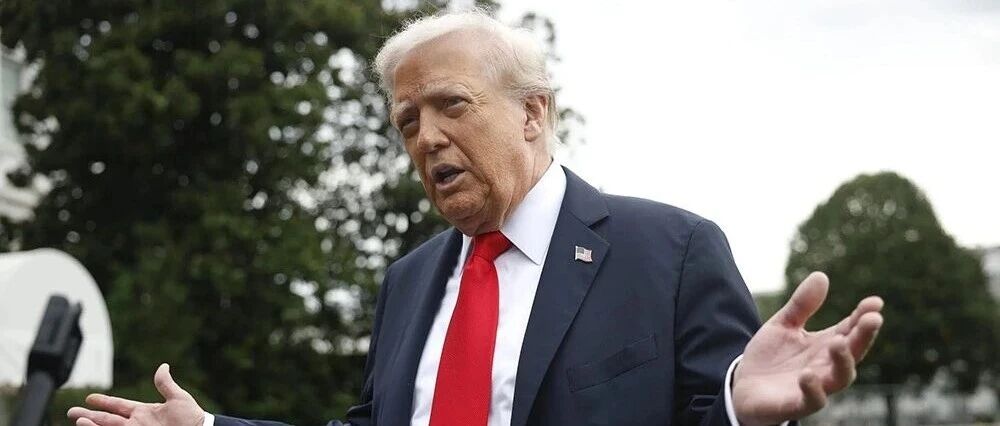
Group 1 - The article discusses the announcement by President Trump to impose high tariffs on imported bathroom products, cabinetry, and other wooden goods, indicating a shift towards protectionist trade policies [1] - The Chinese Foreign Ministry spokesperson, Guo Jia Kun, responded by stating that there are no winners in a trade war and that protectionism is not a viable solution [1] Group 2 - The article mentions a significant reaction in the market, with multiple A-shares announcing suspensions, indicating potential volatility in the stock market due to these tariff announcements [2] - The article highlights the ongoing tension in trade relations, suggesting that the situation may lead to further regulatory scrutiny and actions from the China Securities Regulatory Commission [2]


特朗普宣布对进口木材等征收高额关税 中方回应
Zhong Guo Xin Wen Wang· 2025-09-30 07:48
编辑:万可义 广告等商务合作,请点击这里 中新网北京9月30日电 (记者 李京泽 谢雁冰)中国外交部发言人郭嘉昆9月30日主持例行记者会。 有记者提问:美国总统特朗普日前宣布对进口木材、木制品、橱柜、浴室柜等征收新的高额关税。中方 对此有何评论? 郭嘉昆:关税战、贸易战没有赢家,搞保护主义没有出路。(完) 来源:中国新闻网 特朗普宣布对进口木材等征收高额关税 中方回应 本文为转载内容,授权事宜请联系原著作权人 中新经纬版权所有,未经书面授权,任何单位及个人不得转载、摘编或以其它方式使用。 关注中新经纬微信公众号(微信搜索"中新经纬"或"jwview"),看更多精彩财经资讯。 ...
美对建材、家具等征收新关税,外交部回应
第一财经· 2025-09-30 07:45
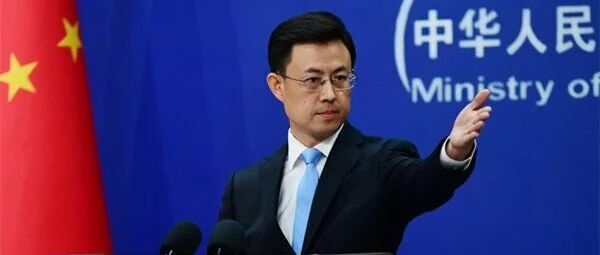
对此,郭嘉昆表示,"关税战、贸易战没有赢家,搞保护主义没有出路。" 据澎湃新闻,9月30日,外交部发言人郭嘉昆主持例行记者会。 路透社记者提问,美国总统特朗普宣布对进口建材、橱柜、浴室用品、梳妆台以及软垫家具征收新的关 税。外交部对此有何评论? ...
美宣布对建材、家具等征收新关税,外交部回应
财联社· 2025-09-30 07:44
据澎湃新闻,外交部发言人郭嘉昆主持例行记者会。路透社记者提问,美国总统特朗普宣布对进口建材、橱柜、浴室用品、梳妆台以及软垫家具征 收新的关税。外交部对此有何评论? 对此,郭嘉昆表示,"关税战、贸易战没有赢家,搞保护主义没有出路。" ...

关税全部由美国人买单!10月1日生效,特朗普对进口药征100%关税
Sou Hu Cai Jing· 2025-09-29 05:30
Core Viewpoint - The recent tariff reforms in the U.S. are significantly increasing costs for consumers and businesses, leading to a rapid decline in purchasing power for ordinary families [3][15]. Pharmaceutical Industry - The pharmaceutical sector is facing severe disruptions, with companies like Novo Nordisk having to re-label diabetes medication due to a 100% tariff, resulting in an additional $700 per box [6]. - Sumitomo Pharma anticipates a direct loss of $435 million in profits from the U.S. market due to tariffs on its cancer drug [6]. - The lengthy FDA approval process (28 months) complicates the transition to alternative production, exacerbating supply issues for U.S. patients [6][9]. Supply Chain Impact - Indian pharmaceutical companies are pressured to reduce raw material prices by 5%, while facing an 18% increase in steel prices due to tariffs [8]. - U.S. pharmaceutical companies are also struggling, with Pfizer experiencing a 22% increase in the cost of imported vaccine components [8]. Trucking Industry - The trucking sector is heavily impacted, with a 25% tariff causing each truck to cost an additional $87,500, leading to production delays and potential shutdowns [9]. - Domestic companies like PACCAR are facing increased costs due to a 40% rise in steel prices and doubled costs for German robotics, resulting in an estimated $12,000 increase in truck production costs [9]. Furniture Market - The furniture industry is seeing a significant drop in demand, with a 45% price increase from Vietnamese suppliers driving away 60% of American customers [13]. - Ashley Furniture is also affected, facing a 22% increase in domestic lumber prices and a 35% tariff on Vietnamese hardware, raising the cost of cabinets by $380 [13]. Global Economic Impact - The IMF reports that the tariff situation will create an additional $120 billion in trade costs, with 70% of this burden falling on American consumers [15]. - Despite the projected $350 billion investment in new pharmaceutical plants, the R&D processes remain largely overseas, indicating a fragmented production model that may lead to inefficiencies for global consumers [15].
百名美企顶级CEO谈特朗普:他在掏空美国经济
财富FORTUNE· 2025-09-27 13:03
Core Viewpoint - The article discusses the concerns of CEOs regarding Trump's economic policies, highlighting a consensus that these policies are detrimental to the U.S. economy and its long-term stability [2][3][5]. Group 1: Economic Concerns - CEOs express worry that Trump is undermining the U.S. economic system, which has been built over decades, for short-term gains [3]. - Two-thirds of participating CEOs report that U.S. tariff policies have harmed their businesses, estimating that 80% of tariff costs are borne by domestic companies and consumers [5]. - Many CEOs are struggling to avoid passing tariff costs onto consumers due to depleted inventory levels, leading to operational challenges [5][6]. Group 2: Manufacturing and Investment - Despite support for bringing manufacturing back to the U.S., CEOs argue that without proper incentives, merely imposing tariffs will not lead to successful industry relocation [5][6]. - Less than half of the CEOs have increased investments in domestic manufacturing since the onset of the new tariff policies, indicating a lack of confidence in the effectiveness of these measures [6]. Group 3: Uncertainty and Market Dynamics - The uncertainty surrounding Trump's second term is causing many CEOs to adopt a "wait and see" approach, impacting their business decisions [7]. - Over three-quarters of surveyed executives believe that Trump's pressure on the Federal Reserve has long-term negative implications for its independence [9][10]. Group 4: Political and Economic System Concerns - CEOs are increasingly concerned about a potential shift towards "quasi-socialist state capitalism" under Trump's administration, which could undermine free-market principles [11][12]. - A significant majority of CEOs believe that the current government uncertainty is detrimental to U.S. competitiveness, particularly against China [12]. Group 5: Call for Change - The business community is calling for a return to respect for the separation of powers, stronger international alliances, and the independence of economic experts and scientists [13].
管健:深度解读中国对墨西哥发起贸易投资壁垒调查
Di Yi Cai Jing· 2025-09-27 08:18
Core Viewpoint - The Chinese Ministry of Commerce has initiated an investigation into Mexico's proposed trade barriers against Chinese imports, emphasizing the need to oppose unilateralism and protectionism in the context of rising tariffs from the U.S. [1] Group 1: Investigation Background - The investigation stems from Mexico's proposal submitted to Congress on September 9, 2025, to amend the Import and Export Tariff Law, which aims to increase tariffs on 1,463 tariff items, including automobiles, textiles, and machinery, with proposed rates up to 50% for certain products [2] - The proposed measures will only affect imports from countries without free trade agreements with Mexico, excluding goods from the U.S., Canada, the EU, and Japan [2] Group 2: Impact on Trade Partners - The proposed tariff increases are expected to negatively impact trade partners, including China, as they may undermine the business environment and reduce investment confidence in Mexico [1][3] - Mexico's proposed measures align with U.S. interests, as they are perceived to address U.S. concerns about Chinese goods circumventing tariffs through Mexico [4] Group 3: Specific Trade Implications - The tariffs could affect $52 billion worth of imports, with an estimated impact of over $10 billion on Chinese goods alone, particularly in sectors where China has a competitive advantage, such as steel, textiles, and machinery [4][5] - The measures are seen as a response to U.S. pressure, highlighting the geopolitical dynamics influencing trade policies in the region [4][5]
和音:坚持共同发展才能破解时代难题
Ren Min Ri Bao· 2025-09-26 02:46
Core Viewpoint - China is promoting the Global Development Initiative (GDI) to address global development challenges and accelerate the implementation of the UN 2030 Sustainable Development Agenda, emphasizing the importance of international cooperation and consensus building [1][2]. Group 1: Global Development Initiative Overview - The GDI was proposed by President Xi Jinping in September 2021, focusing on the broad interests of humanity and calling for adherence to six principles for promoting common development [2]. - Over 130 countries and international organizations are participating in the GDI implementation mechanism, showcasing its growing influence and appeal as a public good that meets global needs [2][3]. Group 2: Financial Commitment and Project Implementation - The GDI has mobilized over $23 billion in funding over the past four years, supporting more than 1,800 cooperation projects aimed at revitalizing the Global South [3]. - Projects span various sectors, including technology cooperation, poverty alleviation, education, digital economy, and women's economic empowerment, demonstrating the initiative's depth and practical impact [3]. Group 3: Future Plans and Commitments - China plans to implement 2,000 "small but beautiful" livelihood projects in developing countries over the next five years and establish a special fund for digital capacity building [4]. - The initiative includes proposals for international cooperation in artificial intelligence and marine development, as well as the "Clean Stove Project" to support sustainable practices in developing nations [4].