
即时零售

Search documents
顺丰同城涨超8% 即时配送行业具备需求动力 公司业务增长与盈利预期向好
Zhi Tong Cai Jing· 2026-01-23 03:29
Core Viewpoint - The stock of SF Express (09699) has risen over 8%, currently trading at 15.77 HKD with a transaction volume of 88.59 million HKD, driven by positive market sentiment regarding the competitive landscape in the instant retail sector [1] Group 1: Market Competition and Growth - The State Council's Anti-Monopoly and Anti-Unfair Competition Committee has announced an investigation into the market competition status of the food delivery platform service industry, which is expected to lead to more compliant competition in the instant retail sector [1] - This shift is anticipated to drive the development of higher-priced product categories beyond just food and beverages, providing more growth opportunities for logistics services [1] Group 2: User Behavior and Order Growth - High-frequency subsidies have successfully cultivated consumer habits, and increased investment in these subsidies is expected to directly boost the scale of instant delivery order volumes, becoming a key source of industry demand growth [1] - During the New Year holiday period in 2026, the average daily order volume for SF Express's same-city delivery increased by 55% year-on-year, with beverage orders doubling and fast food orders increasing by over 90% [1] Group 3: Category Performance - Categories such as supermarkets, beauty products, and electronics also saw double-digit year-on-year growth in order volumes, supporting holiday consumption and business operations [1] - The competitive environment is favorable for third-party logistics providers, with SF Express benefiting from the spillover of order volumes from the food delivery battle, leading to positive business growth and profit expectations [1]
港股异动 | 顺丰同城(09699)涨超8% 即时配送行业具备需求动力 公司业务增长与盈利预期向好
智通财经网· 2026-01-23 03:26
Core Viewpoint - The stock price of SF Express (09699) has increased by over 8%, currently trading at 15.77 HKD, with a transaction volume of 88.59 million HKD, indicating positive market sentiment towards the company following recent regulatory developments in the industry [1] Group 1: Industry Insights - The State Council's Anti-Monopoly and Anti-Unfair Competition Committee has announced an investigation into the market competition status of the food delivery platform service industry, which is expected to lead to more compliant competition in the instant retail sector [1] - The competition in the instant retail space is anticipated to evolve from food and beverage categories to higher-priced categories, providing more growth opportunities for logistics services [1] - Increased investment in high-frequency subsidies has successfully cultivated consumer habits, which will directly drive the growth in the volume of instant delivery orders, becoming a key source of industry demand growth [1] Group 2: Company Performance - During the New Year holiday period in 2026, SF Express reported a 55% year-on-year increase in average daily delivery volume, with beverage orders doubling and fast food orders increasing by over 90% compared to the previous year [1] - Categories such as supermarkets, beauty products, and electronics also experienced high double-digit growth in order volume year-on-year, supporting holiday consumption and business operations [1] - The competitive landscape is favorable for third-party logistics providers, with SF Express benefiting from the overflow of delivery volumes from the food delivery battle, leading to positive business growth and profit expectations [1]
不再依赖流量分发与价格补贴,AI或成即时零售争夺新入口
Di Yi Cai Jing· 2026-01-22 08:05
Core Insights - The integration of Alibaba's AI assistant "Qianwen" with the instant retail platform "Taobao Flash Purchase" signals a shift in the competitive logic of the instant retail sector from reliance on traffic distribution and price subsidies to a value creation model based on ecological collaboration and intelligent agency [1] Industry Status and Common Challenges - The current instant retail landscape is at a critical turning point, with diminishing returns from the previous growth model reliant on heavy subsidies, as user sensitivity to discounts declines [2] - The competition in logistics has become standardized, with "30-minute delivery" now a basic requirement, making it difficult to create competitive barriers [2] - The industry's common challenge has shifted from "faster and cheaper delivery" to "more precise and intelligent demand fulfillment," driven by an upgrade in user needs that now require complex, scenario-based solutions rather than simple product purchases [2] New Paradigm's Three Core Dimensions - The integration highlights a potential path to address these challenges, emphasizing a fundamental shift in competitive paradigms, which involves a redefinition of business logic and value propositions [3] - The core of competition is shifting from "traffic distribution efficiency" to "depth of intent understanding," where the ability to comprehend users' vague expressions and underlying needs will differentiate successful platforms [3] - Ecological advantages are evolving from "modular assembly" to "capability fusion," requiring platforms to deeply integrate distant brand products and immediate fulfillment capabilities for seamless coordination across various scenarios [3] Transformation Pressure on Vertical Platforms - Vertical platforms focused solely on single functions like food delivery may face significant transformation pressures if they cannot upgrade their technology to enhance user experience and integrate into broader intelligent ecosystems [4] Future Outlook: Restructuring Entry Value and Market Dynamics - The evolution may trigger a fundamental restructuring of the industry's underlying logic, with a notable trend being the shift in "entry value" focus [5] - As the "intelligent agency" model matures, user behavior and trust will increasingly migrate towards the AI assistant that best understands their needs, leading to a more personalized interaction [6] - The role of super platforms may subtly transform from direct service providers to components and infrastructure utilized by intelligent agents [6] - Future competition will hinge on defining the service paradigms, technical standards, and interaction ethics of intelligent agents, with true leaders emerging as those who can create seamless and trustworthy user experiences [6][7] - The strategic importance of technological capabilities, particularly AI and deep ecological collaboration, will significantly increase, shifting the focus of industry competition from delivery speed and merchant coverage to demand forecasting accuracy and resource scheduling efficiency [7] - This integration serves as a critical industry practice, testing the feasibility of advanced AI in reshaping value chains within complex commercial scenarios and the potential of deep collaboration to catalyze new models [7]
淘宝闪购正在打一场不能输的战役
3 6 Ke· 2026-01-22 00:46
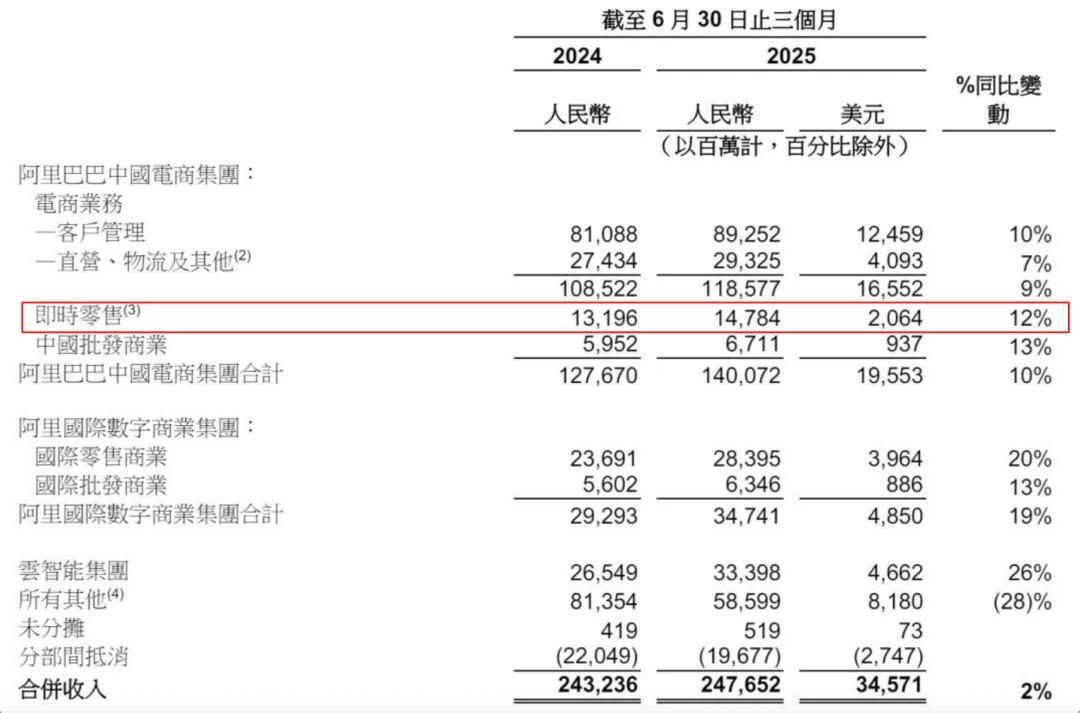
Core Insights - Alibaba has set a clear goal to become the "absolute number one" in the instant retail sector by 2026, marking a shift from a competitive participation stance to a decisive winning strategy [1][2][22] - The company aims to capture market share through increased investment in its Taobao Flash Purchase platform, which has shown significant growth potential [2][4] Financial Performance - In Q2 2025, Alibaba's instant retail segment generated revenue of 14.784 billion RMB, a 12% year-on-year increase, contributing to the overall growth of the e-commerce business [2][3] - The total revenue for Alibaba's China e-commerce group reached 140.072 billion RMB in 2025, with instant retail being one of the few segments maintaining double-digit growth [3] Market Dynamics - The instant retail market in China is projected to reach 1 trillion RMB by 2026, with an annual growth rate of 12.6%, making it a highly competitive space for major retail players [4][22] - Alibaba's Taobao Flash Purchase has achieved 300 million monthly active buyers and peak daily orders of 120 million, indicating a strong market presence [7] Competitive Landscape - Competitors like Meituan and JD.com have established strong footholds in the instant retail market, with Meituan leveraging its delivery network and JD.com focusing on high-value categories [22][24] - Douyin is disrupting the market by integrating content with instant retail, appealing to younger consumers through live streaming and short videos [25] Strategic Initiatives - Alibaba is focusing on efficiency optimization and has initiated a "burning plan" to enhance operational efficiency through AI technology and smart tools for merchants [11][12] - The company plans to introduce 1 million offline brand stores into its instant retail network over the next three years, aiming for a transaction increase of 1 trillion RMB [14][26] Challenges and Risks - The shift towards efficiency optimization has led to a significant decline in adjusted EBITDA, down 78% year-on-year, primarily due to high investments in instant retail and user experience [12][20] - Balancing profitability with service quality remains a challenge, as high customer expectations for premium services can further compress profit margins [20][21]


2026年第3周:食品饮料行业周度市场观察
艾瑞咨询· 2026-01-22 00:07
Industry Environment - The emergence of diverse business formats such as fresh food restaurants, smart products, and health management is noted, with the pet economy driving demand for quality and refined consumption [3][4] - The Chinese baking market has expanded to 365,000 stores, with a focus on health-conscious options and social experiences, while pet baking is growing rapidly with a year-on-year growth rate of 51.43% [5] - A report by Hema outlines five consumer trends for 2025, including the rise of night economy, increased demand for health products, and the popularity of new Chinese-style products among young consumers [6] - The ready-to-drink coffee market is being reshaped by local brands like Dongpeng and Nongfu Spring, with a sales growth of 50.49% and a shift towards affordable pricing and innovative flavors [7] Key Brand Dynamics - The acquisition of yogurt brand Suan Nai Guan by Mo Yogurt reflects a trend of consolidation in the ready-to-drink tea and coffee industry, as brands adapt to a competitive landscape [25] - Yili is engaging in significant capital operations, including repaying 36 billion yuan in short-term debt and establishing five investment subsidiaries, amidst a challenging dairy market [26][27] - Huabin Group is revitalizing its "War Horse" brand to compete with Dongpeng, launching new sugar-free products to align with health trends [28] - The retail market in Shanghai is witnessing a shift from traditional hypermarkets to new hybrid formats that integrate supermarkets, markets, and restaurants, emphasizing supply chain integration [29] Emerging Trends - The market for sugar-free beverages is expected to double in the next five years, driven by rising health awareness, with a projected market size of 22.74 billion yuan by 2025 [21] - The new trend of "lazy health" is emerging, with new Chinese health drinks gaining popularity, indicating a shift towards convenient health solutions [11][12] - The rise of community bakeries is characterized by precise targeting and emotional connections with customers, enhancing loyalty and operational efficiency [10]






深圳国补上线美团闪购 手机平板可30分钟到手
Xin Lang Cai Jing· 2026-01-21 12:31
Core Insights - A new round of national subsidy policy has been implemented in Shenzhen, significantly boosting consumer enthusiasm for shopping [1][6] - Consumers can enjoy a convenient experience with the national subsidy, receiving products like smartphones and tablets in as fast as 30 minutes [1][6] Group 1: National Subsidy Program - Shenzhen consumers can receive a 15% subsidy by shopping through the Meituan app, which has partnered with local stores of brands like Huawei, Apple, and Xiaomi [1][6] - For example, a 256GB iPhone 17 originally priced at 5999 yuan can save consumers approximately 500 yuan when combined with the national subsidy and platform discounts [1][6] Group 2: Impact on Retail - The implementation of the subsidy has led to a notable increase in sales for digital and home appliance stores in Shenzhen since 2025 [1][6] - Meituan plans to continue expanding its collaboration with local brand stores to ensure that the benefits of the subsidy reach more physical merchants [2][6] Group 3: Delivery and Service Enhancements - To handle the surge in orders due to the subsidy, Meituan has launched a specialized fulfillment service, employing trained delivery personnel for all subsidy orders [2][6] - The service includes features such as on-site unboxing, activation, and photo confirmation to provide consumers with a seamless "buy and use" experience [2][6]


叮咚买菜开到盐城,「小城消费」有多大想象力?
36氪未来消费· 2026-01-21 10:08
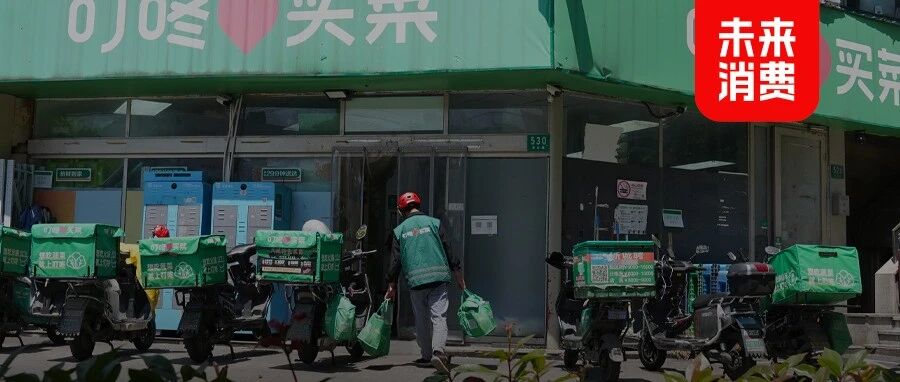
Core Viewpoint - The future of instant retail in China is increasingly reliant on lower-tier cities, with the market expected to exceed 1 trillion yuan by 2026, driven by macroeconomic policies and consumer demand in these areas [3]. Group 1: Market Potential - The growth rate of users and transaction volume in lower-tier cities has surpassed that of higher-tier cities, making these markets crucial for revenue growth in instant retail [3]. - In 2025, retail sales in county and rural areas accounted for 38.7% of total social retail sales, indicating a robust growth in consumption in these regions [5]. - The demand for high-quality products in lower-tier cities is significant, with many consumers seeking better shopping experiences that are currently lacking [10]. Group 2: Company Strategies - Dingdong Maicai has opened a new warehouse in Yancheng, Jiangsu, utilizing a self-operated front warehouse model to enhance local shopping options [3][4]. - The company plans to expand its presence in other cities in northern Jiangsu, indicating a strategic deepening in the region [4]. - Dingdong Maicai has established a comprehensive supply chain network in the Jiangsu area, which supports its expansion into lower-tier markets [12]. Group 3: Competitive Landscape - The instant retail sector has evolved from focusing solely on fresh produce to including daily necessities, especially during the pandemic, marking its transition to a more competitive phase [7]. - Major players like JD, Taobao, and Meituan are also targeting lower-tier cities, indicating a competitive environment for instant retail [10]. - Dingdong Maicai's strategy emphasizes cautious expansion and product differentiation to maintain competitiveness in these markets [19][20]. Group 4: Operational Efficiency - Dingdong Maicai has achieved a significant reduction in inventory turnover days to 2.1 days and maintains a low product loss rate of around 1.5%, showcasing its operational efficiency [23]. - The company has reported continuous profitability for twelve consecutive quarters under Non-GAAP standards and seven quarters under GAAP standards, demonstrating its sustainable growth potential [23]. Group 5: Future Outlook - As consumer spending habits mature, lower-tier cities like Yancheng are expected to become key battlegrounds for retailers [24].

深圳国补上线美团闪购,今起市民用国补买手机平板可30分钟到手
Ge Long Hui· 2026-01-21 09:49
Core Viewpoint - The launch of a new round of national subsidies in Shenzhen has significantly stimulated the local consumer market, particularly in the electronics sector, with consumers benefiting from immediate discounts and expedited delivery services [1] Group 1: National Subsidy Program - The national subsidy program allows Shenzhen residents to receive a 15% discount on purchases of mobile phones, tablets, and smart wearable devices through the Meituan app [1] - Consumers can experience a quick delivery service, with products like the iPhone 17 being delivered within 30 minutes after purchase [1] Group 2: Impact on Local Retail - The collaboration between Meituan and local brand stores, including Huawei, Apple, and Xiaomi, has led to a notable increase in sales for physical electronics stores since 2025 [1] - The platform aims to expand partnerships with more local brand stores to enhance the benefits of the subsidy program for physical retailers [1] Group 3: Consumer Experience - Meituan has introduced specialized fulfillment services for national subsidy orders, ensuring trained delivery personnel handle the products, providing a secure and immediate setup experience for consumers [1]
决战2026: 淘宝闪购正在打一场决定命运的硬仗
3 6 Ke· 2026-01-21 09:01
Core Insights - Alibaba has set a clear goal to achieve "absolute first" in the instant retail sector by 2026, transitioning from a competitive stance to a decisive declaration of intent [1][2] - The company aims to leverage its financial strength and ecosystem advantages to dominate the market, with a focus on efficiency optimization and high-margin product categories [5][7] Market Overview - The instant retail market in China is projected to reach 971.4 billion RMB in 2025 and exceed 1 trillion RMB in 2026, with an annual growth rate of 12.6% [3] - Instant retail has become a critical battleground for major retail players due to its high-frequency consumer engagement potential [2][3] Performance Metrics - Instant retail revenue reached 14.784 billion RMB in Q2 2025, marking a 12% year-on-year growth, contributing significantly to Alibaba's overall performance [2] - As of August 2025, Taobao Flash Purchase reported 300 million monthly active buyers and a peak daily order volume of 120 million [4] Competitive Landscape - Alibaba faces intense competition from established players like Meituan, JD.com, and Douyin, each leveraging unique strengths in logistics, product offerings, and consumer engagement strategies [15][16][17] - Meituan has built a robust delivery network, while JD.com focuses on high-value categories with a self-operated model, and Douyin utilizes content-driven strategies to stimulate impulse buying [16][17] Strategic Initiatives - Alibaba's strategy includes the introduction of "flash warehouses" and partnerships with offline brands, aiming to onboard one million brand stores over the next three years, potentially generating an additional 1 trillion RMB in transactions [9][18] - The company is transitioning from a focus on scale to enhancing operational efficiency, with a significant emphasis on AI technology to improve merchant and service provider operations [7][10] Financial Considerations - As of Q3 2025, Alibaba held 573.89 billion RMB in cash and liquid investments, providing a substantial financial cushion compared to competitors [5] - The company's adjusted EBITA fell by 78% year-on-year to 9.073 billion RMB in Q3 2025, primarily due to investments in instant retail and user experience [8] Challenges and Opportunities - Despite improvements in unit economics, challenges remain in balancing service quality and profitability, particularly in high-value order segments [12][14] - The company must address supply chain complexities and enhance delivery capabilities in lower-tier markets to maintain competitive advantages [13]

网上年货节 年货升级 年味焕新
Jing Ji Guan Cha Wang· 2026-01-21 05:38
Core Viewpoint - The "2026 National Online New Year Goods Festival" is transforming traditional Chinese New Year shopping by expanding the concept of "New Year goods" beyond physical products to include lifestyle services and experiences, reflecting a shift towards higher quality living and personalized consumption [1][2][3] Group 1: Evolution of New Year Goods - The definition of "New Year goods" has broadened from traditional items like meat and sweets to include smart home appliances, cultural products, and services such as home cleaning and health consultations [1] - The festival showcases a variety of products from different regions, emphasizing the diversity of flavors and the integration of global elements through the "Silk Road E-commerce for the New Year" initiative [2] Group 2: Changes in Shopping Behavior - The traditional habit of stockpiling goods has shifted to a model of immediate purchasing, facilitated by advancements in e-commerce and logistics, allowing consumers to order items for instant delivery [2] - The convenience of instant retail has alleviated the anxiety of planning ahead, enabling consumers to enjoy a more relaxed shopping experience [2] Group 3: Experience Over Products - The festival not only offers a wide range of products but also immersive cultural experiences, such as traditional performances and interactive activities, transforming shopping into a family-oriented cultural event [3] - The integration of online purchasing with offline experiences creates a "micro-travel" atmosphere, enhancing the overall enjoyment of the New Year celebration [3]