
平台经济

Search documents
虚假登记、老板失联、维权困难……“幽灵网店”如何破?
Xin Lang Cai Jing· 2025-11-15 00:15
Core Viewpoint - The article discusses the issue of "ghost online stores," which are fraudulent e-commerce shops that evade consumer protection and regulatory oversight by providing false contact information, making it difficult for consumers and authorities to address complaints [3][4]. Group 1: Definition and Impact of Ghost Online Stores - "Ghost online stores" are defined as illegal businesses that operate online while intentionally providing false addresses and phone numbers, making it impossible for consumers to reach them for complaints [3]. - These stores not only deceive ordinary consumers but also pose challenges to well-known brands by misusing their trademarks and avoiding regulatory scrutiny [3][4]. - Over half of the online counterfeit cases investigated by market regulatory authorities involve "ghost online stores," highlighting the persistent nature of this issue [3]. Group 2: Regulatory Response - The State Administration for Market Regulation has drafted the "Regulations on E-commerce Platforms Assisting in the Investigation of Trademark Infringement Cases (Draft for Public Comment)" to address the challenges posed by "ghost online stores" [3][4]. - The new regulations aim to integrate e-commerce platforms into the trademark infringement governance system, emphasizing the responsibility of these platforms in protecting intellectual property rights [5][6]. Group 3: Key Measures in the New Regulations - The regulations outline specific measures for e-commerce platforms, including notifying them to take protective actions when evidence of trademark infringement is found [6]. - Platforms are required to prominently mark shops with false address information and inform them to provide accurate details to assist regulatory investigations, effectively warning consumers of potential risks [6]. - The regulations also address jurisdictional conflicts in cases involving multiple regions, enhancing the efficiency of law enforcement resources and case handling [6][7]. - Non-compliance by e-commerce platforms will result in legal action from market regulatory authorities [6]. Group 4: Overall Significance - The draft regulations represent a strategic move to tackle the clear enforcement challenges in the e-commerce sector, establishing a "prominent marking" system and creating responsive channels between departments and platforms to improve enforcement efficiency [7].


我国经济转型升级态势持续
Xin Hua Wang· 2025-11-14 23:50
Core Viewpoint - China's economic transformation and upgrading continue to show positive trends, with stable growth in production and demand, and overall stability in employment and prices [1][2][3] Economic Performance - In October, industrial production maintained stability with a year-on-year increase of 4.9% in the added value of large-scale industries [2] - The service sector's production index grew by 4.6% year-on-year, although the growth rate slightly decreased due to a high base from the previous year [2] - Retail sales of consumer goods increased by 2.9% year-on-year in October, with significant growth in the sales of products related to consumption upgrades [2][4] Employment and Prices - The urban unemployment rate was 5.1% in October, marking a decline for two consecutive months, with specific improvements in employment for migrant agricultural workers [2][3] - The consumer price index (CPI) turned positive in October, with the core CPI rising by 1.2% year-on-year, indicating a continuous expansion in inflation [3] New Economic Drivers - The digital economy and emerging industries are expanding, with significant growth in online retail, which accounted for 25.2% of total retail sales in the first ten months [4][6] - Investment in high-tech sectors is increasing, particularly in renewable energy, new materials, and artificial intelligence, contributing to overall economic stability [4][6] Industrial Upgrading - The advanced manufacturing and modern service sectors are gaining a larger share of the economy, with the added value of equipment manufacturing increasing by 9.5% year-on-year [5] - The integration of modern services with advanced manufacturing is showing positive trends, with significant contributions to the third sector's growth [5] Future Outlook - Despite challenges, the long-term positive trends in China's economy remain intact, supported by macroeconomic policies and expanding market potential [7][8] - The government is implementing proactive macro policies to stimulate demand and production, with new financial tools introduced to enhance local government financing and investment [8]
新质生产力培育壮大 商品和服务零售持续增长 10月经济运行保持稳中有进态势
Zhong Guo Zheng Quan Bao· 2025-11-14 23:04
Core Insights - The national economy is maintaining overall stability and progress, with industrial value-added growth of 4.9% year-on-year in October and retail sales of consumer goods reaching 46,291 billion yuan, up 2.9% year-on-year [1][2] Economic Performance - Industrial production remains stable, with significant growth in equipment manufacturing, which increased by 8%, contributing positively to overall industrial growth [2] - The accommodation and catering industry saw a production index increase of 3.9% year-on-year, boosted by the overlapping National Day and Mid-Autumn Festival holidays [2] - Retail sales of consumer goods are expanding, with notable growth in communication equipment (23.2%) and cultural office supplies (13.5%) [2] New Demand and Investment - New demands from the digital economy and platform economy are expanding, supporting stable economic operations [4] - Investment in high-tech sectors is growing rapidly, particularly in new energy, new materials, and artificial intelligence [4][5] - The manufacturing value-added of the digital industry increased by 9.5% year-on-year from January to October, with smart equipment and electronic components growing by 11.1% and 12.3%, respectively [5] Future Outlook - The economy is expected to achieve its annual targets due to favorable conditions, including the continuous release of demand potential and the strengthening of domestic and international market cycles [6][7] - The introduction of 500 billion yuan in new policy financial tools aims to enhance local government financial capacity and stimulate effective investment [7] - Recent economic policies are characterized by moderate efforts to ensure the achievement of annual economic and social development goals while promoting growth and high-quality development [8]
国家统计局答每经问:10月份全国城镇调查失业率为5.1%,连续两个月下降
Mei Ri Jing Ji Xin Wen· 2025-11-14 16:53
Economic Overview - In October, the national economy continued to show a stable and progressive development trend, with notable characteristics including growth in production supply and market sales [2][5]. Employment Situation - The urban surveyed unemployment rate decreased to 5.1% in October, down by 0.1 percentage points from the previous month, marking two consecutive months of decline [1]. Production and Supply - Agricultural production remained strong, with an increase in autumn grain area and yield, indicating a promising harvest [2]. - The industrial production maintained stability, with the industrial added value of large-scale enterprises growing by 4.9% year-on-year in October [2]. - The service sector also showed steady growth, with a production index increase of 4.6% year-on-year [2]. Market Sales - Social retail sales of consumer goods increased by 2.9% year-on-year in October, driven by holiday consumption and the promotion of consumption [5]. - Specific categories such as communication equipment and cultural office supplies saw significant retail growth of 23.2% and 13.5%, respectively [5]. Price Trends - The consumer price index (CPI) turned positive in October, rising by 0.2% year-on-year, while the core CPI increased by 1.2%, marking a continuous expansion in growth for six months [7]. - The producer price index (PPI) saw a narrowing decline of 2.1% year-on-year, indicating a positive trend in industrial pricing [7]. Investment Trends - Investment in high-tech manufacturing showed robust growth, with a year-on-year increase of 7.2% in October [10]. - Investment in sectors such as aerospace and information services grew significantly, with increases of 19.7% and 32.7%, respectively [11]. Emerging Industries - The digital economy and green transformation are gaining momentum, with significant growth in sectors like smart manufacturing and artificial intelligence [12]. - New energy vehicles and lithium-ion batteries saw production increases of 19.3% and 30.4%, respectively, highlighting the growth potential in these areas [10].
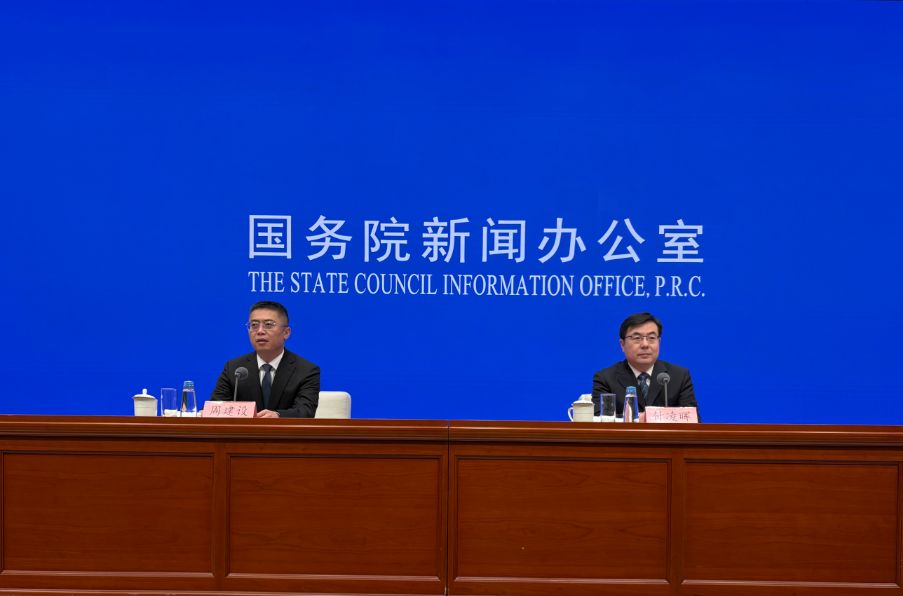
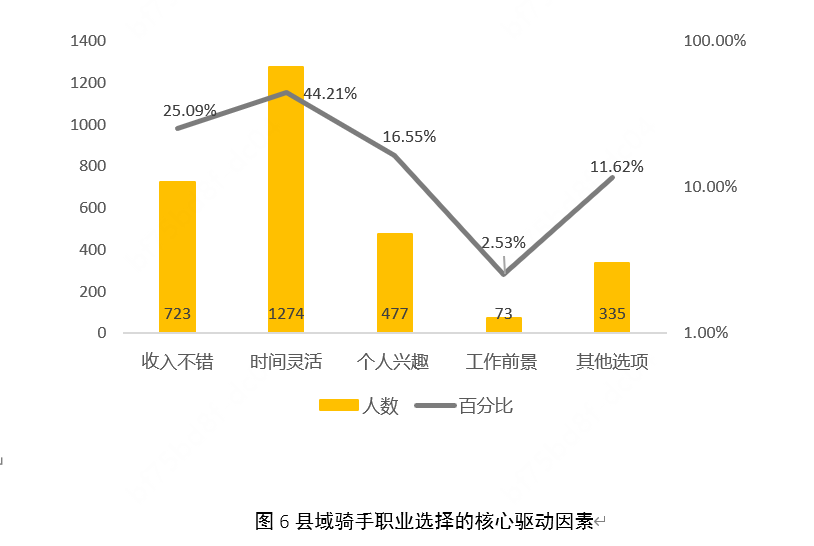
“大湾区县域骑手报告”出炉:近八成骑手日均在线8至9小时
Jing Ji Guan Cha Wang· 2025-11-14 13:11
Core Insights - The report highlights that delivery riders in the Guangdong-Hong Kong-Macao Greater Bay Area are increasingly viewing their roles as active career choices rather than fallback options, with nearly 80% of riders working 8 to 9 hours daily [1][2] Group 1: Income and Employment Conditions - Delivery riders in county areas earn significantly higher than the local average income, with the average monthly income for dedicated riders in Heshan at 4,947.6 yuan compared to the local disposable income of 3,147 yuan [2] - Approximately 62.2% of surveyed riders reported monthly incomes exceeding 5,000 yuan, indicating a strong earning potential in these roles [2] - The cost of living in county areas is relatively low, making it easier for riders from outside to settle down, with some stating that their monthly salary could cover the cost of one square meter of housing [2] Group 2: Work Flexibility and Conditions - The work intensity for county riders is described as moderate, with over 45.6% of riders working around 8 hours daily, and about 31.6% working approximately 9 hours [4] - The average effective working hours for riders, excluding waiting and rest times, range from 5.4 to 6.6 hours per day [4] - Riders appreciate the flexibility of their schedules, allowing them to balance work with personal responsibilities, such as childcare [6] Group 3: Social Security and Support - The report notes that the social security needs of riders vary based on individual circumstances, influenced by job characteristics and economic pressures [7] - Major platforms like Meituan and JD.com are making strides in providing social security coverage, with Meituan announcing nationwide coverage for rider pension insurance without restrictions [8] - Collaborative efforts between platforms and government are enhancing support for riders, with initiatives like "rider-friendly communities" being established to facilitate their work [9]
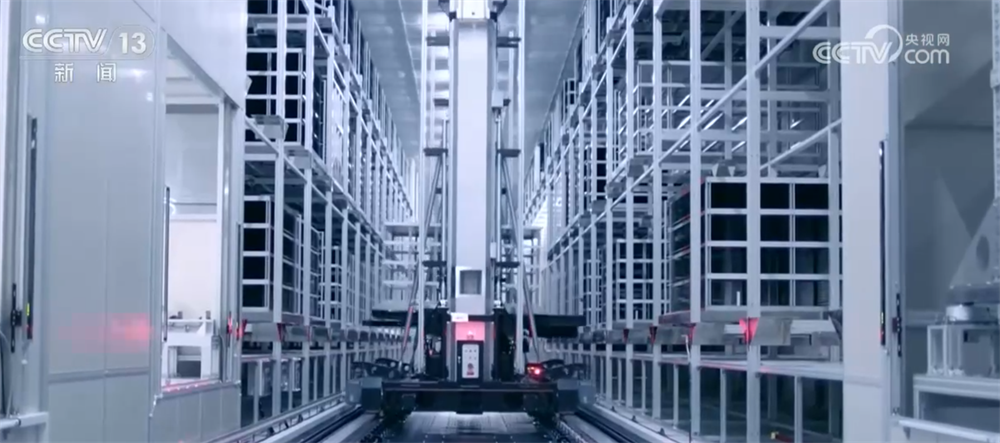
1—10月份规模以上装备制造业增加值同比增长9.5% “压舱石”作用进一步夯实
Yang Shi Wang· 2025-11-14 11:59
Group 1 - The core viewpoint of the news is that the equipment manufacturing industry in China has shown significant growth, with a year-on-year increase of 9.5% in value added from January to October, indicating a strong contribution to the overall industrial growth [1][3] - The proportion of advanced manufacturing and modern service industries is increasing, with the equipment manufacturing sector accounting for 36.1% of the total industrial output, contributing 58.7% to the growth of the above-scale industrial value added [1] - The development of emerging industries is robust, with the digital manufacturing sector also experiencing a 9.5% year-on-year increase in value added, particularly in smart devices and electronic components, which grew by 11.1% and 12.3% respectively [3]
国家统计局:我国推进经济结构调整、加快培育新动能继续取得积极成效
Zhong Guo Xin Wen Wang· 2025-11-14 08:03
Core Insights - The Chinese economy is transitioning from high-speed growth to high-quality development, characterized by a shift in growth rate, structural optimization, and transformation of economic drivers [1][3] Group 1: Market Demand and Investment - Market demand is being revitalized, with new consumption patterns emerging. Online retail sales of physical goods accounted for 25.2% of total retail sales from January to October, an increase of 0.2 percentage points from the previous period [1] - Investment in high-tech sectors is growing rapidly, with aerospace and equipment manufacturing investment increasing by 19.7% and information services investment growing by 32.7% year-on-year [1] Group 2: Industrial Upgrading - The manufacturing sector is steadily moving towards mid-to-high-end production, with the added value of large-scale equipment manufacturing increasing by 9.5%, contributing 58.7% to the growth of large-scale industrial added value [2] - The modern service industry is also thriving, with the combined added value of information transmission, software, and IT services, as well as leasing and business services, reaching 16.3% of the tertiary industry, up 0.8 percentage points from the previous year [2] Group 3: Emerging Industries - The digital economy is rapidly developing, with significant growth in digital manufacturing and smart manufacturing sectors, which saw added value increases of 9.5%, 11.1%, and 12.3% respectively [2] - Emerging industries such as renewable energy, new materials, and artificial intelligence are expected to become new pillar industries, supporting the growth of new economic drivers [2]
新需求不断扩大、新兴产业快速发展 透过数据看加快培育新动能“结硕果”
Yang Shi Wang· 2025-11-14 06:44
Group 1 - The core viewpoint of the news is that the equipment manufacturing industry in China has shown significant growth, with a year-on-year increase of 9.5% in value added from January to October, indicating a strong performance in the sector [1][3]. - The contribution rate of the equipment manufacturing industry to the growth of industrial value added reached 58.7%, highlighting its critical role in the overall industrial performance [3]. - The proportion of advanced manufacturing and modern service industries is increasing, reflecting a clear trend of industrial upgrading and a steady move towards mid-to-high-end manufacturing [1]. Group 2 - The digital economy and platform economy are expanding, driving new demand and fostering rapid development of emerging industries [1]. - The value added of the digital industry manufacturing sector also grew by 9.5% from January to October, with specific sectors like smart equipment manufacturing and electronic components showing increases of 11.1% and 12.3%, respectively [5].
市场需尝试新的治理共识
第一财经· 2025-11-14 00:53
Core Viewpoint - The article discusses the complexities of market governance in the context of platform economies, highlighting the challenges posed by the dual nature of public and private rights within these platforms [2][3]. Group 1: Market Governance Issues - The recent actions by Douyin (TikTok) to combat false advertising related to low-priced Moutai have sparked a broader discussion on market governance, emphasizing the need for effective regulation in platform economies [2]. - The rise of platform economies has transformed traditional market structures, complicating the relationships between consumers, merchants, and platforms, leading to multi-party contractual disputes [2][4]. Group 2: Challenges in Rights and Responsibilities - There are significant challenges in determining who has the authority to recognize infringement in disputes between consumers and merchants, raising questions about the role of platforms versus regulatory bodies [4][6]. - The governance of platforms must balance the need for effective dispute resolution with the risk of platforms overstepping their regulatory roles, which could lead to market inefficiencies [4][6]. Group 3: Recommendations for Governance Structure - A proposed solution involves creating a balanced power-sharing mechanism that allows platforms to handle certain disputes while ensuring oversight from regulatory authorities to prevent abuse of power [6][7]. - The establishment of transparent procedures and accountability measures is essential to ensure that platforms act responsibly in their governance roles, promoting a fair market environment [6][7].

小平台如何撬动大产业
Jing Ji Ri Bao· 2025-11-13 22:20
日前,中国(贵州)第四届天麻节·第四届毕节天麻博览会召开,以"推动产业升级、助力乡村振兴"为 目标,打造产业与文化交融的盛会,展现出平台经济对乡村产业发展的强大牵引力。一个小平台如何撬 动大产业?天麻博览会的实践,为我们提供了一个生动样本。 天麻博览会虽是区域性展会,却有效发挥了资源集聚的"磁场效应"。如今,天麻产业已成为毕节农业现 代化建设的重要抓手、乡村振兴的关键支撑,天麻种植面积达36.9万亩,综合产值将突破60亿元;产业 辐射150余个行政村,带动超5万人就业。这充分表明,通过平台构建产业生态,汇聚资源,构建产业发 展引力场,能够有效激活要素、整合链条,把小特产做成大产业。 在推动乡村产业振兴中,善于搭建和运营平台至关重要。一个小平台,若能精准定位、持续深耕,完全 可以在整合资源、赋能品牌、带动农民等方面发挥大作用。也应看到,当前各类产业展会层出不穷,但 同质化竞争、重展示轻交易、后续产业联动不足等问题仍较为常见。若平台功能仅限于年度"赶集",而 缺乏供应链整合与市场服务能力,其带动效应将大打折扣。 平台的生命力在于持续创新与开放。维持小平台的放大效应,关键在于推动"会"与"城"融合,将短期展 会转化 ...