战略性新兴产业

Search documents
中国铁建:构建向“新”向“质”品牌格局
Zhong Guo Jing Ji Wang· 2026-01-16 02:52
Core Viewpoint - During the "14th Five-Year Plan" period, China Railway Construction Corporation (CRCC) focuses on long-term development strategies, establishing a brand matrix that supports both traditional industry transformation and emerging industries, significantly enhancing its influence and reputation in the industry [1] Group 1: Strategic Development - CRCC has released a "Medium and Long-Term Development Strategy" that redefines its future direction, aiming to become a world-class modern enterprise with a clear brand positioning as a contractor for construction engineering, infrastructure operator, high-end equipment manufacturer, and developer of emerging industries [1] - The strategy outlines two main paths: upgrading traditional construction industries towards high-end, intelligent, green, refined, digital, and international standards, while also fostering strategic emerging industries in new infrastructure, new equipment, new materials, new energy, and new services [1][3] Group 2: Technological Advancement and Project Development - CRCC is enhancing production efficiency and quality through the promotion of new technologies, processes, and equipment, leading to the completion of significant projects like the Hong Kong-Zhuhai-Macao Bridge and the Guyana Demerara River Bridge, thereby boosting its brand recognition [2] - The company is advancing its "2+4+7" lighthouse factory system, improving its level of intelligence and developing green low-carbon businesses, including the establishment of China's first zero-carbon demonstration zone in Hainan [2] Group 3: Emerging Industries and Innovations - CRCC is committed to developing strategic emerging industries, focusing on ecological governance, advanced environmental protection, and resource recycling in new infrastructure, and has participated in significant ecological projects like the Taklamakan Desert sand control project [3] - In new equipment, CRCC is breaking through technical barriers in high-end underground engineering and large-scale railway machinery, maintaining a leading position in tunnel boring machine sales globally [3] - The company is also innovating in new materials, having developed a bamboo-based composite material with 24 related patents and 6 national standards [3] Group 4: Brand Strategy and Value Enhancement - Looking ahead to the "15th Five-Year Plan," CRCC aims to implement a "brand strong enterprise" strategy, building a collaborative brand ecosystem and value-driven system, while enhancing brand management and promoting brand value improvement actions [4] - The company plans to expand brand construction from a single enterprise level to industry chain and cluster brands, promoting systemic brand synergy and aggregation [4]

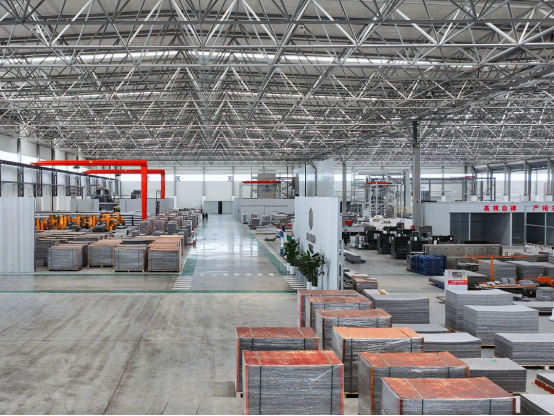
瞄准高端市场,日照高新区这家企业积极抢占新材料“智造”高地
Qi Lu Wan Bao· 2026-01-16 02:28
Core Viewpoint - The report emphasizes the importance of fostering strategic emerging industries and promoting the application of new materials, technologies, and processes, with Rizhao Yiming New Materials Technology Co., Ltd. positioning itself as a leader in the aluminum foam sector through innovation and a complete industrial ecosystem [1][3]. Group 1: Company Overview - Rizhao Yiming New Materials Technology Co., Ltd. focuses on innovation in the aluminum foam material field, establishing a comprehensive industrial ecosystem from R&D to high-end applications [1][3]. - The company has developed a world-leading "blowing method for continuous production of aluminum foam," overcoming traditional process challenges and achieving a production capacity of 1.5 million square meters per year with a product yield of 90% [3][6]. Group 2: Industry Position and Innovations - Aluminum foam is recognized as a core material in strategic emerging industries, with applications in construction, nuclear power, aerospace, and hydrogen storage, characterized by its lightweight, high strength, sound insulation, fire resistance, and electromagnetic shielding properties [3][6]. - The company has established a research team with talents from prestigious institutions, successfully innovating in key technologies such as large-size component 3D printing, and has secured 22 patents and multiple industry certifications [6][8]. Group 3: Sustainability and Smart Manufacturing - The company integrates a "dual carbon" strategy throughout its production chain, achieving low emissions and high recycling rates, with its aluminum foam being 100% recyclable [5][6]. - It has upgraded its manufacturing model to smart manufacturing by incorporating automation, IoT systems, and big data analytics, enhancing production efficiency and product stability, earning certifications as a "smart factory" and "green factory" [5][6]. Group 4: Market Expansion and Future Outlook - Rizhao Yiming's aluminum foam products have successfully entered international high-end markets, contributing to the transformation from "Made in China" to "Intelligent Manufacturing in China" [8]. - The company aims to continue deepening its involvement in the new materials industry, driving quality upgrades and contributing to the development of national emerging industries and regional economic growth [8].

国务院国资委:“十五五”时期要大幅提升国有企业战新产业增加值占比
Zheng Quan Shi Bao Wang· 2026-01-16 01:13
Group 1 - The core viewpoint emphasizes the five main goals for local state-owned enterprises during the "14th Five-Year Plan" period, focusing on enhancing strategic missions and contributions to economic and social development [1] Group 2 - The first goal is to significantly strengthen strategic missions, highlighting the importance of strategic security, industry leadership, public service, and the contribution of state-owned economy to social development [1] - The second goal aims to improve self-reliance in technology, with rapid breakthroughs in key core technologies and a steady increase in the number of leading technology enterprises [1] - The third goal focuses on optimizing layout, maintaining control in critical industries related to national security and the economy, accelerating the transformation of traditional industries, and significantly increasing the proportion of value added from strategic emerging industries [1] - The fourth goal is to enhance corporate vitality, with improvements in the modern enterprise system and state-owned asset supervision, alongside the promotion of entrepreneurial and scientific spirit [1] - The fifth goal is to strengthen the leadership and construction of the Party, ensuring that strict governance of the Party plays a leading and safeguarding role [1]
专线专用,绿电可直抵用户
Liao Ning Ri Bao· 2026-01-16 01:06
Core Viewpoint - The implementation of the "Liaoning Province Green Electricity Direct Connection Construction Implementation Plan (2025-2027)" aims to promote the integration of renewable energy production and consumption, facilitating cost reduction, carbon reduction, and sustainable development [1] Group 1: Green Electricity Direct Connection - Green electricity direct connection refers to the supply of renewable energy such as wind, solar, and biomass directly to a single electricity user without connecting to the public grid [1] - There are two types of direct connection: grid-connected and off-grid. Grid-connected systems allow for flexibility with "self-use and surplus electricity feeding into the grid," while off-grid systems operate independently but require higher technical standards [1] Group 2: Implementation Guidelines - The principle of "source determined by load" should be followed to scientifically determine the type and scale of renewable energy sources for green electricity direct connection [2] - For grid-connected green electricity direct connection, the annual self-use electricity from renewable energy should account for no less than 60% of the total available generation, and at least 30% of total electricity consumption, with a target of at least 35% before 2030 [2] - New renewable energy projects can apply for a model where "self-use is primary and surplus electricity is secondary," with the surplus electricity not exceeding 20% of the total available generation based on annual renewable energy consumption [2]
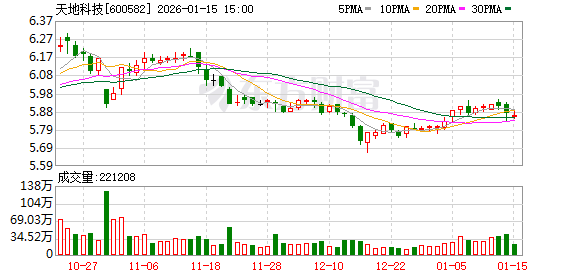
天地科技:聚焦并布局战略性新兴产业和未来产业 为公司长远发展储备动能
Zheng Quan Ri Bao· 2026-01-15 13:19
Core Viewpoint - The company emphasizes innovation-driven development to enhance its value creation, brand influence, and core competitiveness while supporting national energy security strategies and promoting high-quality development in the coal industry [2] Group 1: Innovation and Development - The company is committed to improving its technological resource allocation and increasing investment in technology and incentives [2] - A team of high-end talents, including an academician team and high-level technological innovation team, has been cultivated and introduced [2] - Continuous technological achievements are being generated, which strongly support the company's leading position in the industry [2] Group 2: Strategic Focus - The company is focusing on strategic emerging industries and future industries, including next-generation information technology, artificial intelligence, new energy, and new materials [2] - Relevant layouts are being developed to reserve momentum for the company's long-term development [2]

2025年地方债发行冲上10万亿
Zhong Guo Jing Ying Bao· 2026-01-14 16:51
Core Insights - The total issuance of local government bonds is expected to exceed 10 trillion yuan for the first time in 2025, with special bonds accounting for over 70% of the total [1] - Major provinces such as Jiangsu, Guangdong, and Shandong are projected to issue more than 500 billion yuan in bonds in 2025, with Jiangsu planning to issue 100 billion yuan in refinancing special bonds to replace existing hidden debts [1] - The market anticipates that local bond issuance will maintain a strong pace in 2026, with funding directed towards new infrastructure, strategic emerging industries, and social welfare, providing a solid foundation for sustainable economic development [1]
佳电股份:目前的主营业务聚焦于特种电机的研发、生产与销售
Zheng Quan Ri Bao Zhi Sheng· 2026-01-14 11:40
Core Viewpoint - The company,佳电股份, focuses on the research, production, and sales of special electric motors, primarily serving key sectors such as petrochemicals, coal, and nuclear power [1] Group 1: Business Focus - The company's main business is centered on special electric motors, which are crucial for significant projects like manned spacecraft, satellites, rocket launches, and nuclear power plants [1] - 佳电股份 is recognized as a leading enterprise in China's special electric motor industry, contributing significantly to both national and local economic development [1] Group 2: Market Opportunities - The company is closely monitoring the development direction of national strategic emerging industries, including potential market opportunities in commercial aerospace and other cutting-edge fields [1] - Future strategies will be aligned with market demand and the company's development plans, exploring the possibilities of related technological applications [1]

厚植沃土让民间资本敢投愿投
Jing Ji Ri Bao· 2026-01-13 22:09
Core Viewpoint - The recent State Council meeting emphasizes the importance of supporting private investment through various financial policies and mechanisms, signaling encouragement for private capital to participate in national economic development [1] Group 1: Policies to Support Private Investment - Implementation of loan interest subsidy policies for small and micro enterprises, establishment of special guarantee plans for private investment, and creation of risk-sharing mechanisms for private enterprise bonds are key measures proposed [1] - The "14th Five-Year Plan" highlights the need to enhance mechanisms for private enterprises to participate in major project construction and to stimulate private investment vitality [1] Group 2: Advantages of Private Investment in China - China's private investment benefits from a vast market with over 1.4 billion people, creating significant opportunities in emerging sectors such as healthcare, elderly services, and cultural tourism [2] - The complete industrial chain and strong supporting capabilities allow private enterprises to quickly achieve industrialization, reducing logistics and collaboration costs [2] - The stable and clear policy framework in China provides a favorable environment for private capital, avoiding the policy fluctuations seen in other countries [2] Group 3: Challenges Facing Private Investment - There are still hidden barriers to entry in certain sectors, and issues like "glass doors" and "revolving doors" persist, leading to implicit discrimination against private enterprises in project approvals [3] - Limited access to credit and restricted direct financing channels such as equity and bonds hinder private enterprises [3] - The business environment in some regions still has shortcomings, including irregular administrative enforcement and fees, which can affect investment confidence [3] Group 4: Strategies to Enhance Private Investment - It is essential to improve mechanisms for private enterprises to participate in major national projects and encourage their involvement in standard-setting and technological advancements [3] - The government should streamline administrative approval processes and eliminate hidden barriers in sectors like services, energy, and infrastructure to facilitate easier access for private capital [3] - Developing a robust government financing guarantee system and encouraging financial institutions to create tailored credit products for private enterprises can help lower financing costs [4] Group 5: Building Investor Confidence - Increasing awareness and understanding of policies promoting private investment through authoritative interpretations and case studies can enhance confidence among private entrepreneurs [4] - Strict enforcement of laws protecting private enterprise rights and promoting entrepreneurial spirit is crucial for boosting investor confidence [4] - Establishing a regular communication mechanism between government and enterprises can ensure timely responses to issues and improve satisfaction with government services [4]
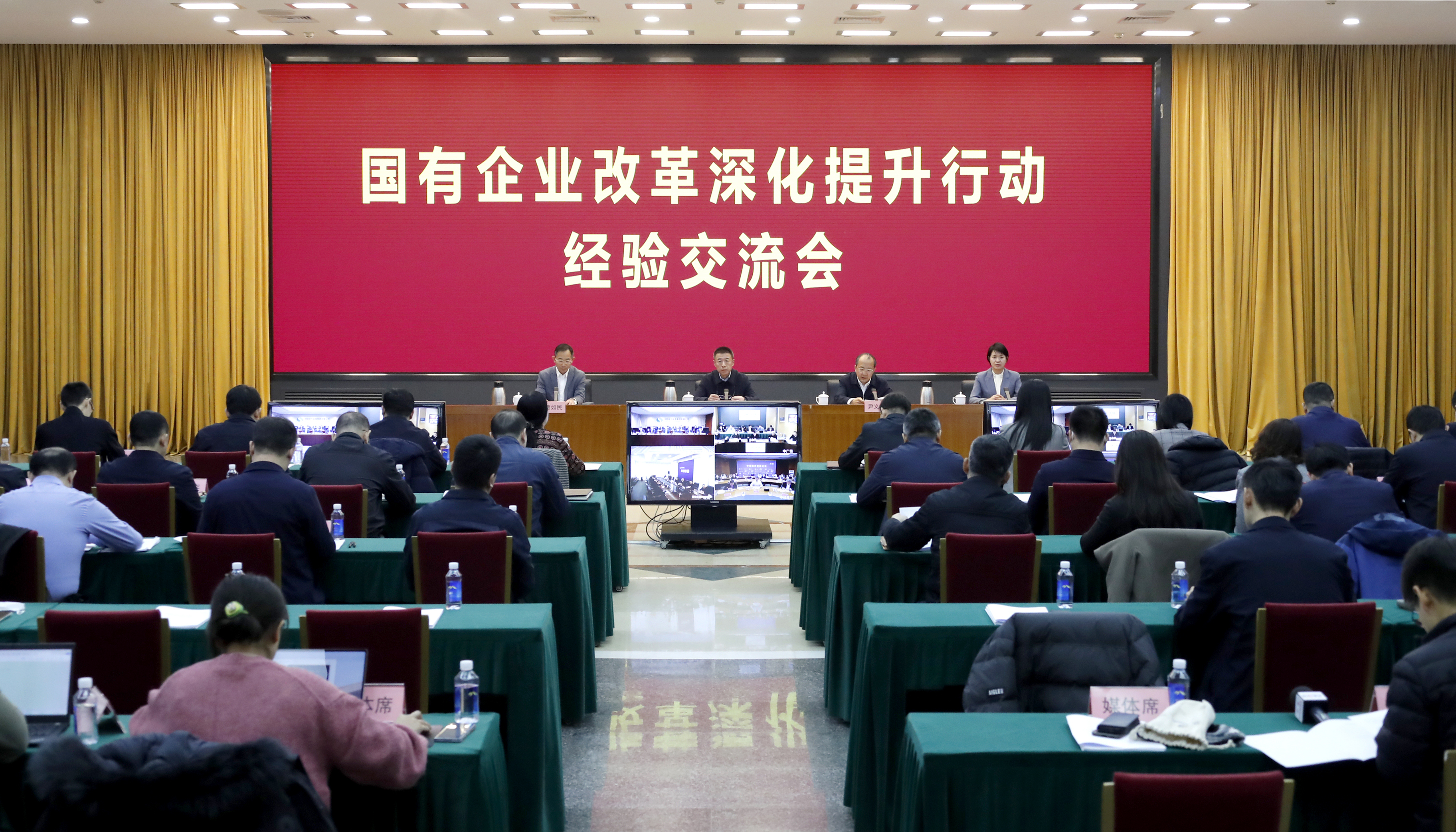
国企改革成绩单发布
第一财经· 2026-01-13 15:18
Core Viewpoint - The article discusses the significant progress made in the reform of state-owned enterprises (SOEs) in China, highlighting achievements in structural layout, technological innovation, corporate governance, and regulatory mechanisms, while also acknowledging existing challenges that need to be addressed for future reforms [4][5]. Reform Achievements - The State-owned Assets Supervision and Administration Commission (SASAC) reported that the reform of SOEs has fundamentally changed their overall appearance and contributed significantly to economic and social development, although issues such as insufficient original innovation capabilities remain [4][5]. - Central enterprises have established 97 original technology sources and led the construction of 23 innovation consortia, promoting collaborative research and development [5][6]. - In the strategic emerging industries sector, central enterprises achieved over 11 trillion yuan in revenue from January to November 2025, with significant investments in biopharmaceuticals and low-altitude economy sectors [5][6]. Strategic Restructuring and Integration - The SASAC has facilitated the restructuring and integration of state-owned enterprises to enhance their core competitiveness, with notable mergers involving assets exceeding 100 billion yuan [6][11]. - New central enterprises have been established, improving resource allocation efficiency, and various regions have initiated strategic reorganizations involving 229 primary enterprises [6][11]. Future Reform Directions - The "14th Five-Year Plan" and subsequent directives emphasize the need for SOEs to strengthen their core functions and enhance competitiveness, setting a clear direction for the next five years [9][11]. - The SASAC aims to deepen reforms by focusing on problem-solving and improving the effectiveness of reforms, with an emphasis on modern corporate governance and management systems [10][11]. - The recent merger between China Petroleum and Chemical Corporation and China Aviation Oil is highlighted as a significant event in the ongoing restructuring of central enterprises, aimed at optimizing their operational focus and responding to international competition [11].


国企改革成绩单发布,央企重组仍是新一轮改革重点
Di Yi Cai Jing· 2026-01-13 12:33
Core Insights - The three-year action plan for deepening state-owned enterprise (SOE) reform has been largely completed, with significant achievements in areas such as structural layout, technological innovation, corporate governance, and regulatory mechanisms [1][2] Group 1: Reform Achievements - The latest round of SOE reform has shown fundamental changes in the overall landscape of state-owned enterprises, contributing significantly to economic and social development, although challenges remain in original innovation capabilities and safety support in key areas [3] - Central enterprises have established 97 original technology sources and led the construction of 23 innovation consortia, promoting collaborative research and development [3] - In the strategic emerging industries, central enterprises achieved revenue exceeding 11 trillion yuan from January to November 2025, with significant investments in biopharmaceuticals and low-altitude economy sectors [4] Group 2: Strategic Restructuring and Integration - The State-owned Assets Supervision and Administration Commission (SASAC) has promoted the restructuring and integration of state-owned enterprises to enhance efficiency and focus on core competencies, resulting in the formation of new central enterprises and significant asset consolidations [5] - Strategic restructuring efforts have involved 116 groups across various regions, enhancing the core competitiveness of enterprises [5] Group 3: Future Reform Directions - The "14th Five-Year Plan" and subsequent actions have transitioned SOE reform from institutional construction to efficiency enhancement, laying a foundation for deeper changes in the "15th Five-Year Plan" period [8] - Future reforms will focus on improving the modern enterprise system with an emphasis on integrating party leadership into corporate governance and enhancing the effectiveness of state asset supervision [9] - The ongoing restructuring of central enterprises, such as the merger between China Petroleum and Chemical Corporation and China Aviation Oil, is seen as a significant step towards optimizing the layout and responding to international competition and green transformation [10]